To write a standard operating procedure, define the purpose and scope first, identify who performs and approves the work, write the steps in the exact order they happen, and then review the procedure with the people who actually use it.
A strong SOP is easy to scan, easy to update, and connected to the templates, process maps, and supporting documents the team needs. This guide explains how to write standard operating procedures in a practical format, what to include, common mistakes to avoid, and where templates and examples help you move faster.
What Is a Standard Operating Procedure?
A standard operating procedure, or SOP, is a documented set of instructions for completing a repeatable task or process in a consistent way. Teams use SOPs to reduce confusion, improve quality, support training, and make sure work is performed the same way across people, shifts, and locations.
A useful SOP does more than list steps. It also clarifies the purpose of the process, defines where the procedure starts and ends, identifies who is responsible, and explains what happens when something changes or goes wrong.
What Should a Standard Operating Procedure Include?
Before drafting the procedure, decide which parts the document needs. A good SOP usually includes the following:
| SOP component | What it should answer |
| Purpose | Why does this procedure exist? |
| Scope | When does it apply, and what does it not cover? |
| Trigger | What starts the procedure? |
| Owner | Who maintains the SOP over time? |
| Roles and responsibilities | Who performs, reviews, approves, or escalates? |
| Step-by-step procedure | What actions happen, in what order? |
| Exceptions and controls | What changes, approvals, or risks must be handled differently? |
| Outputs and records | What result, document, or proof should exist at the end? |
| Review and version history | How is the SOP approved, updated, and kept current? |
This structure helps the SOP stay useful beyond the first draft. Teams can understand not only what to do, but also when to do it, why it matters, and how it connects to the wider process.
What Is the Best SOP Format?
The best format depends on the complexity of the work and the number of people involved.
- A simple checklist works well for short, repeatable procedures with minimal variation.
- A numbered document works well when a process must be followed in a strict sequence.
- A role-based flow or swimlane is better when multiple people, teams, or approvals are involved.
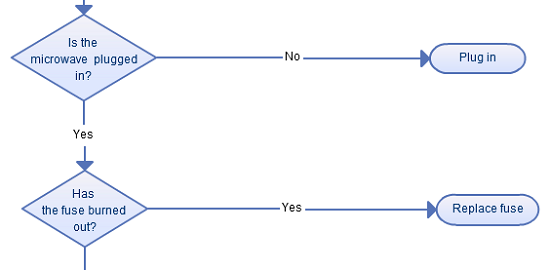
- A document with a supporting process diagram is often the clearest option for more complex workflows.
Choose the format that makes the procedure easiest to follow in the real environment where people will use it.
How to Write Standard Operating Procedures
Use these steps when creating a new SOP or rewriting an outdated one.
Step 1. Choose the SOP format and define the purpose
Start by deciding what type of SOP the team needs and why the procedure exists. Clarify the outcome the process protects or delivers. If the purpose is vague, the steps will usually become vague as well.
Step 2. Set the scope, trigger, and ownership
Define where the procedure begins and ends, when it should be used, and who owns it. Also identify who performs the work, who reviews it, and who approves changes. This prevents the SOP from becoming a generic document with no operational accountability.
Step 3. Draft the procedure step by step
Write the instructions in the exact order they happen. Use plain language, keep each step specific, and separate actions from explanations. If a step involves a decision, show what happens next for each path.
Step 4. Add supporting context, controls, and exceptions
Include the forms, screenshots, links, tools, inputs, outputs, and decision rules the team needs to complete the work correctly. If there are common exceptions, approvals, or escalation paths, document them clearly instead of assuming everyone already knows them.
Step 5. Review, approve, and train the team
Review the SOP with the people who actually perform the work and the stakeholders who approve it. This is where gaps, confusing wording, or unrealistic assumptions usually appear. Update the SOP based on feedback, then train the team on when and how to use it.
Step 6. Publish, version, and update the SOP
Store the SOP in a place people can actually find and use. Use version history, review dates, and ownership rules so the document stays current as systems, roles, and processes change.
SOP Writing Checklist
Use this checklist before publishing a procedure:
☐ The purpose is clear and specific.
☐ The scope explains what is and is not covered.
☐ The trigger and end state are defined.
☐ Every task has a clear owner or role.
☐ Steps are written in the actual order of the work.
☐ Exceptions, approvals, and escalation points are documented.
☐ Required inputs, tools, forms, or records are linked.
☐ Review and version history are visible.
☐ The people doing the work have reviewed the SOP.
☐ The final document is stored somewhere easy to access and update.
Common Mistakes When Writing SOPs
These issues make SOPs harder to use and harder to maintain:
- Writing at a policy level instead of an execution level: People need instructions they can follow, not only high-level statements.
- Skipping the people who perform the work: Procedures become inaccurate when they are written without operational input.
- Using vague wording: Steps like “handle the request appropriately” do not tell the user what to do.
- Ignoring exceptions: If the process sometimes changes, the SOP should show how to respond.
- Treating the SOP as finished after publication: Procedures lose value quickly if nobody reviews or updates them.
Can AI Help You Write an SOP?
AI can help teams draft a first version faster, especially when they need a starting structure, a first-pass checklist, or help turning notes into a cleaner document. It can also help identify missing sections or suggest wording improvements.
AI should still be treated as a drafting assistant, not the final authority on the process. The final SOP should be reviewed by the people who perform, approve, and maintain the work so the document reflects real operations, real exceptions, and real compliance needs.
Standard Operating Procedure Example and Template
If you want to start with a visual structure instead of a blank page, this SOP template gives you a practical format for purpose, scope, roles, responsibilities, and step-by-step actions.

Open the SOP Template with Process Diagram
Free SOP Templates and Examples
Use these templates when you need a faster starting point for a specific kind of SOP:


How Creately Helps Teams Write Better SOPs
Creately helps teams turn SOPs into working documents instead of static files. You can start from a template, add process diagrams, keep notes and supporting files near each step, collaborate with reviewers, and maintain version history in one place.
That makes it easier to write SOPs that are clearer, easier to review, and easier to update over time.
Helpful Resources for Writing SOPs
- SOP Template Examples — Explore editable examples for HR, IT, service, training, and more.
- AI for Standard Operating Procedures — Learn how AI can help draft SOPs faster without replacing review and approval.
- Process Documentation Guide — Understand how SOPs fit into a broader process documentation system.
Frequently Asked Questions
What should a standard operating procedure include?
A standard operating procedure should include the purpose, scope, trigger, owner, roles and responsibilities, step-by-step instructions, exceptions, controls, and review requirements. It should also link to any forms, evidence, or supporting documents the team needs.
What is the best format for writing an SOP?
The best format depends on the process. A checklist works for simple recurring tasks, while a role-based flow or a document with a process diagram works better for multi-step or cross-functional procedures.
Can AI help write a standard operating procedure?
Yes. AI can help generate a first draft, suggest structure, and improve clarity. It should still be reviewed by the people who perform, approve, and maintain the procedure.
How often should standard operating procedures be updated?
SOPs should be reviewed whenever systems, roles, requirements, or workflow steps change. Many teams also schedule regular reviews, such as annual or semiannual checks, to keep procedures current.
Where can I find SOP templates and examples?
You can start with an SOP template, browse SOP template examples, or use an SOP generator to create the first draft faster. Templates help teams standardize structure while still adapting the procedure to their own workflow.
Resources
Barbe, B. et al. (2016). The Art of Writing and Implementing Standard Operating Procedures (SOPs) for Laboratories in Low-Resource Settings: Review of Guidelines and Best Practices. PLOS Neglected Tropical Diseases, 10(11), e0005053. https://doi.org/10.1371/journal.pntd.0005053
Hollmann, S. et al. (2020). Ten simple rules on how to write a standard operating procedure. PLOS Computational Biology, 16(9), e1008095. https://doi.org/10.1371/journal.pcbi.1008095
Occupational Safety and Health Administration. Process safety management of highly hazardous chemicals, 29 CFR 1910.119. https://www.osha.gov/laws-regs/regulations/standardnumber/1910/1910.119