For businesses looking to create a new website, the process is about more than just modernizing the design – it’s an opportunity to transform their brand image. Since 94% of first impressions towards a brand are related to web design, there is a lot of pressure to get it right.
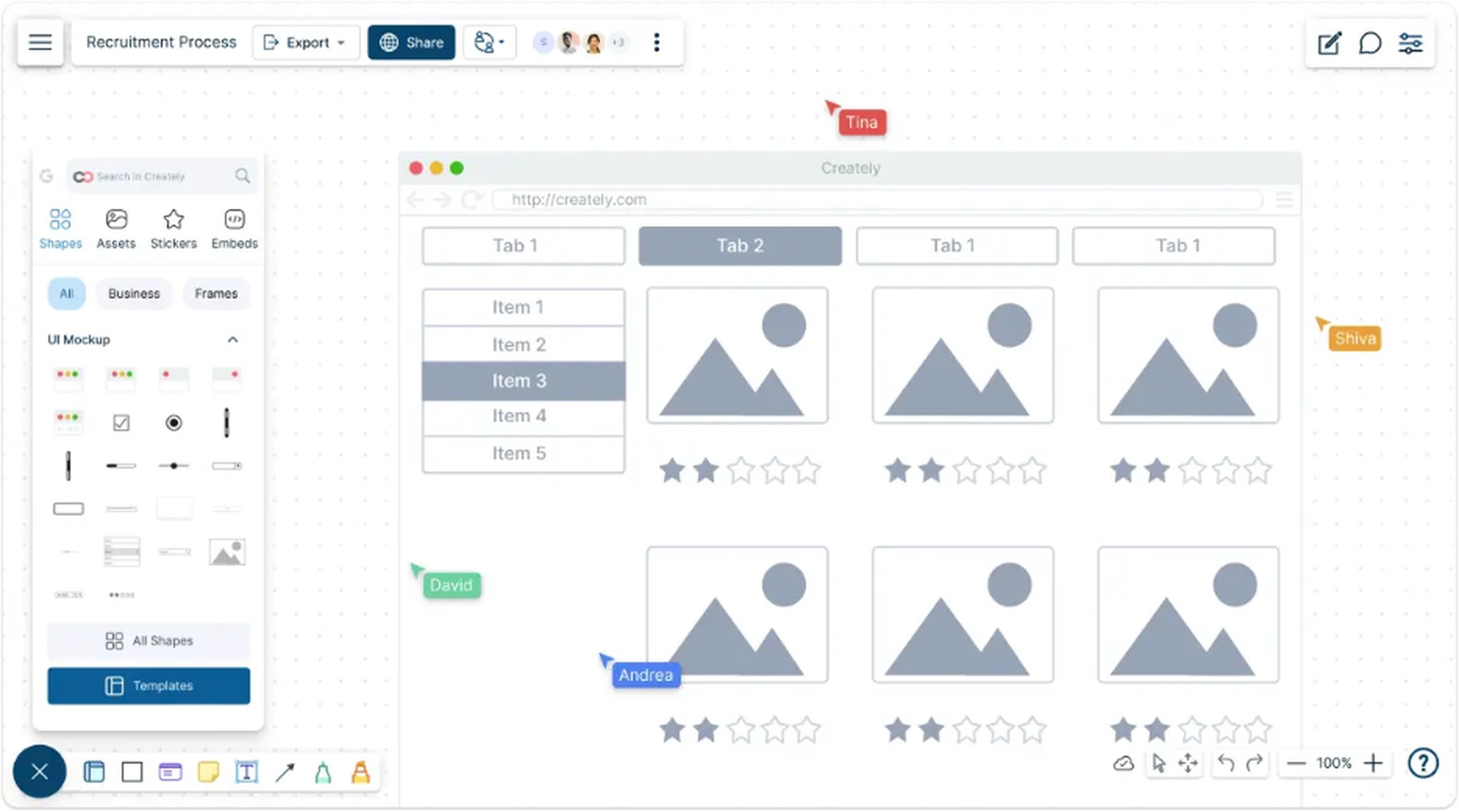
The initial wireframe stage can make or break the web design project. Since it creates the framework that the entire team are working from, doing a good job is essential. Using a wireframe tool is an effective way to make it easy for employees across different teams to visualize the proposed layouts and input their thoughts on the current design.
The Role of Different Teams in the Early Stages
If all teams within a business collaborate during the wireframe process, issues can be ironed out early on and new opportunities can be discovered to fine-tune the design.
As well as ensuring that the final website design is as effective as it can possibly be, there are various benefits to including multiple departments in the wireframe process. By getting opinions from different areas of expertise, the project is bound to run much smoother and prevent holdups from issues that are discovered at later stages.
Encouraging involvement is also beneficial from an employee satisfaction point of view. If a team is communicating well throughout the project and utilizing the skills of different teams, the process is bound to be a much more enjoyable one. Businesses that work this way tend to see a much better employee turnover than those that face unachievable deadlines and unorganized projects. In fact, knowing how to calculate employee turnover during a project is a great way to monitor the impact of team morale, collaboration, and overall job satisfaction.
Here are some of the key teams that should be involved in the initial stages of web design to get the most out of the project:
UX designers
Wireframes create the foundations during a web design project and UX designers play a huge part in this. Their aim is to create a strong structure that establishes how users will be able to interact with the website.
The UX designers will not contribute to the aesthetics of a site, but the structure of the site. They will be involved during the early stages of the web design process and their main aim is to consider the site from a user perspective.
One of the key benefits of involving UX designers in the early stages is their insight into the latest web design trends. Since websites are constantly evolving and the way a user expects to interact with a site continues to change, ensuring that a wireframe utilizes modern functionality is important.
A UX designer’s strong understanding of user behaviors means they can plan navigation paths that help people naturally find what they are looking for. If user flows are well optimized, the foundations of a good site are already in place.
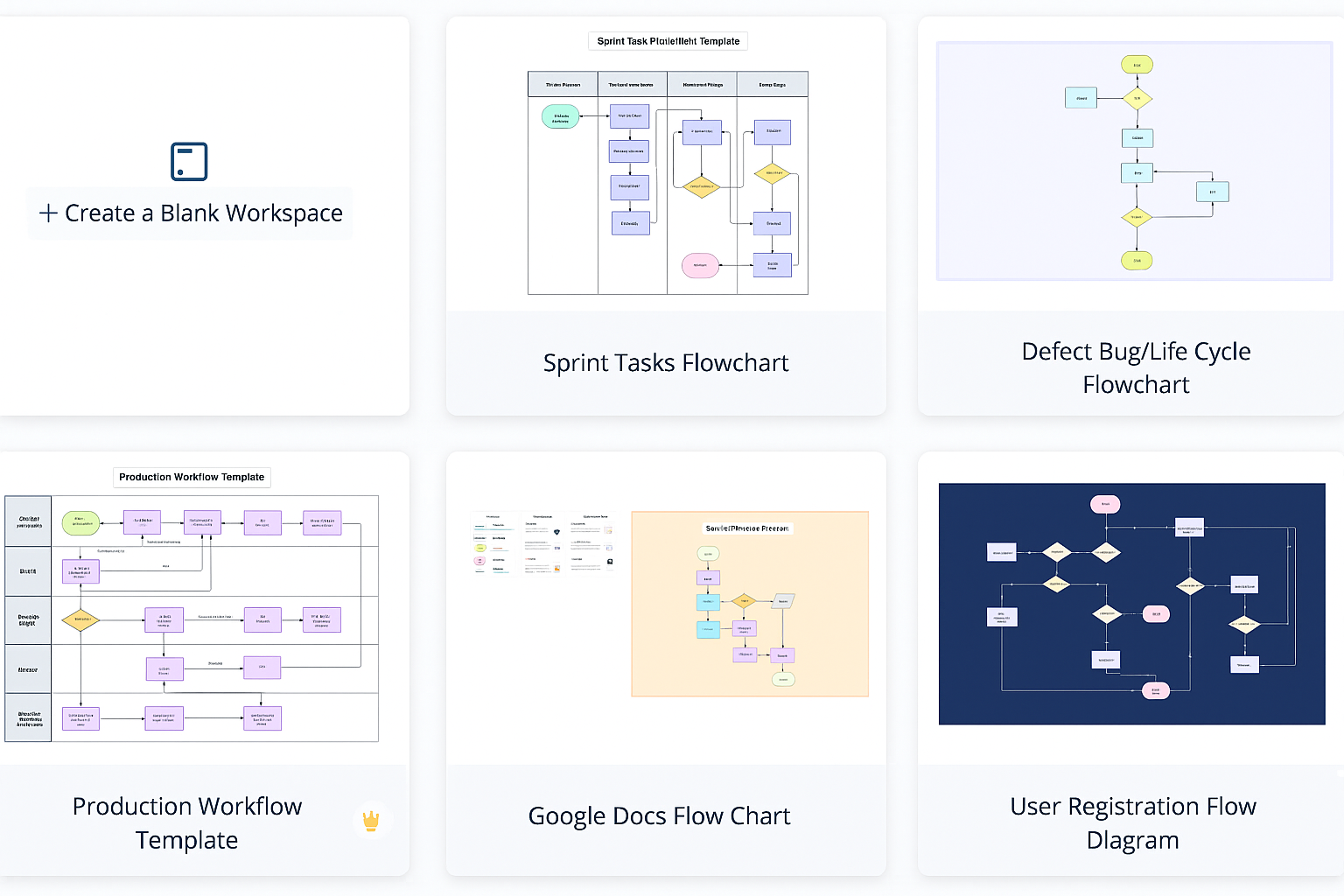
Using flowchart templates to map out the user journey and plan how this can be used to optimize the wireframe will help the team visualize the paths that need to be built into the site.
Developers
Since developers are the ones who will bring the ideas to life, their input is necessary as early as the wireframe stage.
If there are any technical limitations that mean the plans are not feasible, these need to be voiced as early as possible so an alternative solution can be found. By collaborating with the designers from the get-go, the developers will be able to flag any issues and give the wider team a more realistic idea about how long certain elements will take to produce.
Developers also tend to be the team primarily responsible for web accessibility. Since they have a good understanding of what needs to be done to ensure a website is usable for those using assistive technology and are the ones adding attributes such as alt text, getting their input early on can help the wider team see the bigger picture.
Content
The content team have a big task when it comes to a web design project – without good quality content, the website becomes pointless.
In many instances, the wireframe doesn’t consider the type of content that is going to be used on a page, and this can cause large issues with the design. Whether the design means the page ends up with large chunks of text or doesn’t leave enough space for key pieces of information, this lack of communication in the early stages can create the need for a lot of added work later down the line.
The content team should be involved in the early stages to discuss how much content should be on each page and how it should be broken up. This will allow the layout of the web pages to be designed around the content requirements.
Marketing
The marketing team is primarily responsible for generating leads through the website and establishing a strong brand image, so their input is crucial during the initial stages of a website design.
With a keen eye for attracting customers and creating conversions, marketers will be able to suggest improvements to the wireframe. From tactfully positioning call-to-action buttons to including additional landing page opportunities, the marketing team will be able to ensure a website is designed to maximize leads.
By encouraging the marketing team to collaborate with designers before the designs are brought to life, both parties are able to work together to achieve an outcome that not only looks great, but can help a brand maximize its online presence.
QA
The quality assurance (QA) team normally comes in during the latter stages of the web design process to test the final product and identify any issues.
Although their primary responsibilities lie at the end of a project, QA input can also be incredibly valuable during the wireframe process.
Since the QA team is the one that is aware of any legal requirements and industry standards that need to be met, they can make the wider team aware of any implications of the initial design before the website is brought to life. Whether it is adjustments as small as adding space for a caveat at the bottom of each page or incorporating GDPR pop-ups to let users know how their data is being used, these requirements should be made known as soon as possible.
Creating a Strong Foundation for Web Design Projects
Wireframes sit at the heart of a web design project and their importance should not be overlooked by businesses who are keen to get stuck into the design stage.
By involving UX designers, developers, content writers, marketers, and QA early on in a project, everybody can collaborate to produce a high-quality basis that will eventually turn into a successful final product.
Utilizing the skills within a team to iron out issues at the beginning of the process and create a more efficient project for everyone involved is the strategy that all web design teams should be implementing to create cutting-edge solutions that are going to help a business grow.
Author bio: Heather Langley is a content writer at Solvid with a strong background in marketing. With years of experience helping brands elevate their online presence, she now focuses on writing about the latest digital trends, best web practices, and industry insights.
LinkedIn profile: https://www.linkedin.com/in/heather-langley-997514b9/