Both SWOT analysis and GAP analysis are popular strategic planning tools, but they focus on different perspectives of business evaluation. SWOT analysis vs. GAP analysis often comes up when deciding whether to assess internal performance or external positioning. While SWOT looks at your company’s strengths, weaknesses, opportunities, and threats, GAP analysis focuses on identifying the difference between current and desired performance.
Interestingly, the output of one can be used as input for the other — SWOT and GAP analysis together give a clearer view of where your business stands and how to reach your goals.
What Is Gap Analysis (Gap Analysis Definition)
A Gap analysis (also known as need-gap analysis or needs assessment) compares actual performance against potential performance. It helps organizations pinpoint where they are underperforming and why.
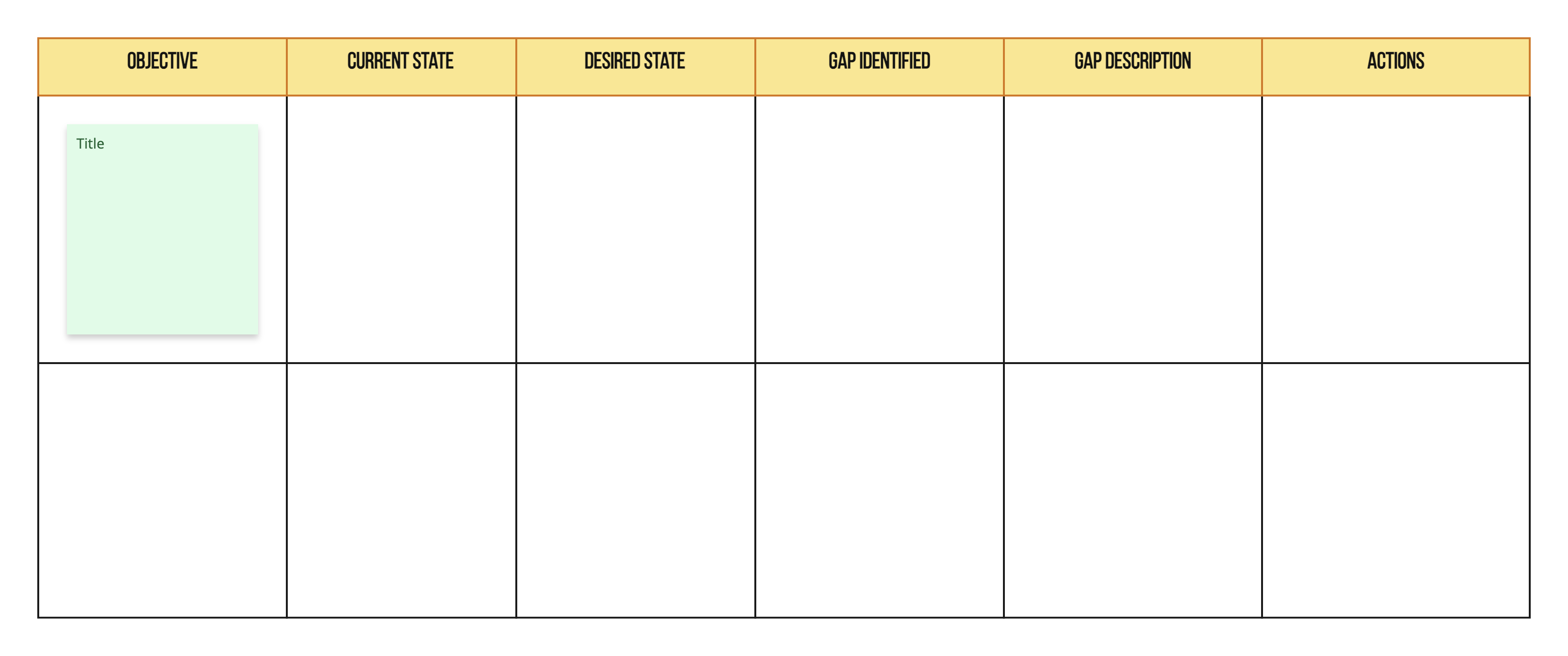
A GAP analysis typically involves three steps:
- Identify the current state of performance.
- Define the desired future state or goals.
- Determine the gaps and create an action plan to bridge them.
This method highlights inefficiencies in areas like resource allocation, planning, or production, helping teams focus their improvement efforts where it matters most.
What Is SWOT Analysis?
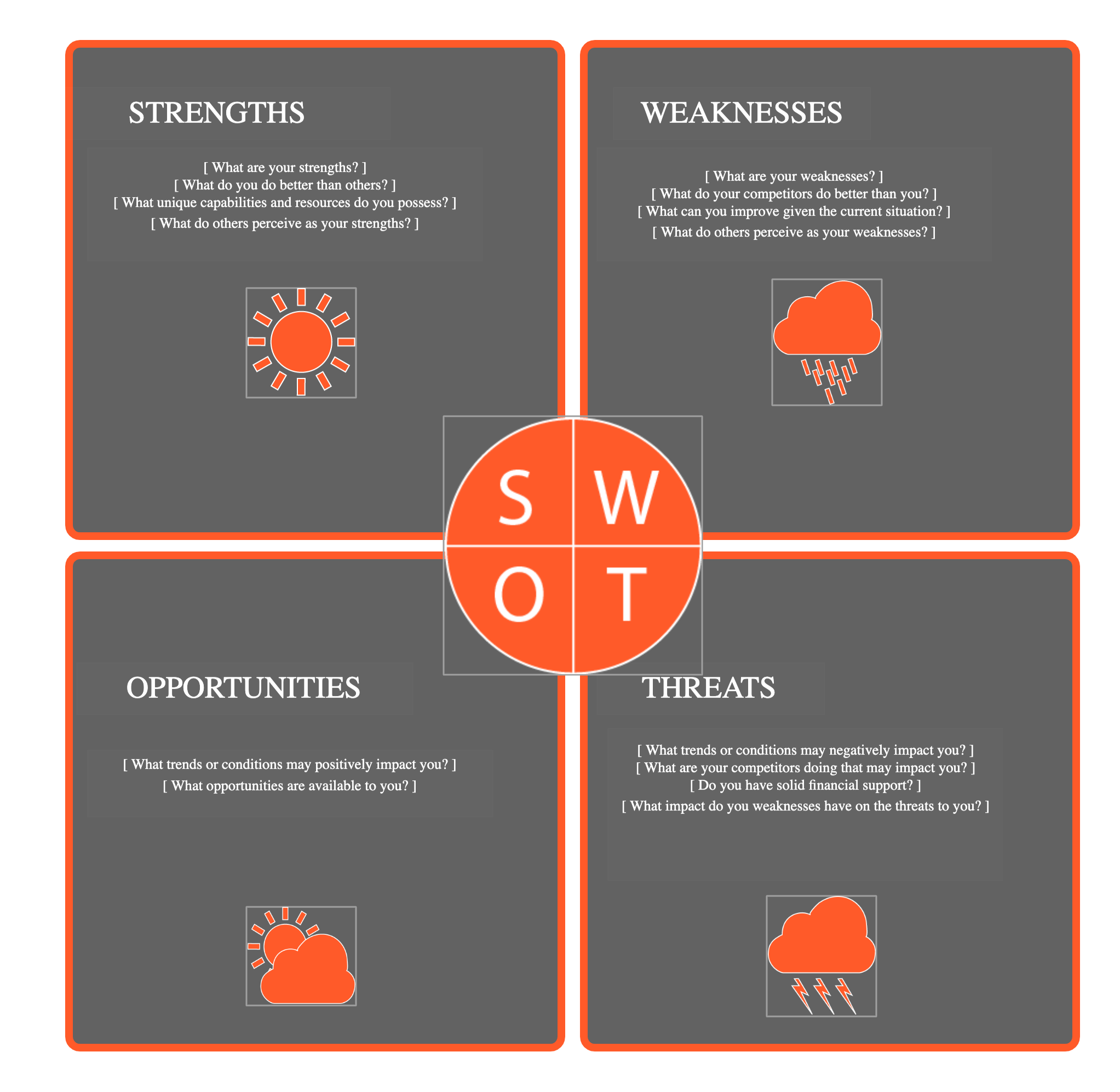
SWOT analysis stands for strengths, weaknesses, opportunities, and threats. It’s used to understand both internal and external factors that affect an organization’s performance and competitiveness.
- Strengths – What your company does well or advantages over competitors
- Weaknesses – Internal areas that need improvement
- Opportunities – Emerging trends, technologies, or markets you can leverage
- Threats – External risks or factors that may hinder success
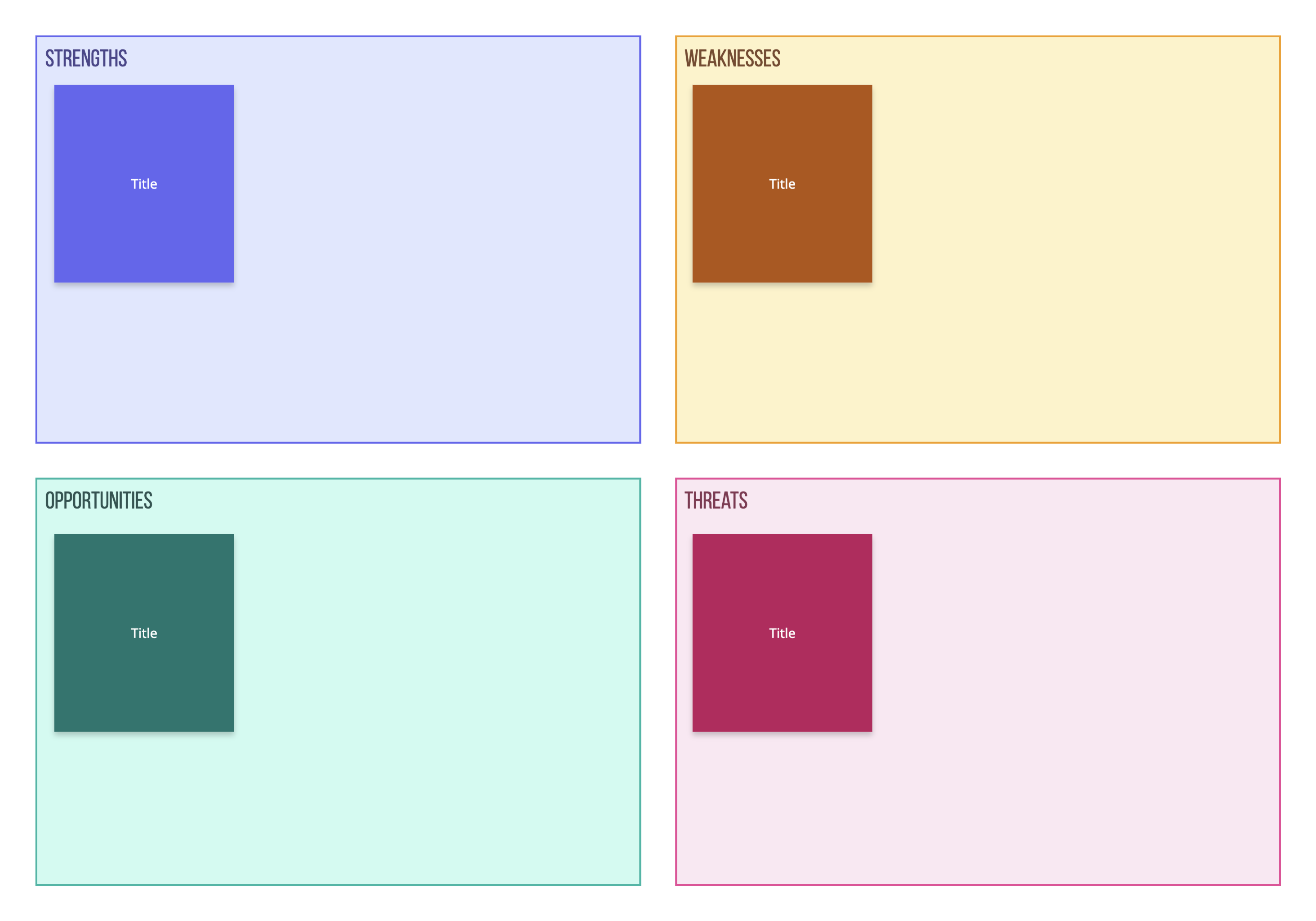
A gap SWOT analysis can even be performed by linking SWOT findings with GAP findings—for instance, turning identified weaknesses (from SWOT) into actionable improvement plans (from GAP).
Comparison of SWOT Analysis and Gap Analysis
While both frameworks support strategic planning, SWOT vs gap analysis differs in their approach and focus areas. Here are the key differences between the SWOT and Gap analysis.
| Aspect | SWOT Analysis | GAP Analysis |
|---|---|---|
| Purpose | Identify internal strengths and weaknesses, and external opportunities and threats to guide strategic decisions. | Compare current performance with desired goals and create steps to bridge the gaps. |
| Focus | Broad: internal and external factors affecting the whole business or market position. | Specific: internal processes, teams, or objectives needing improvement. |
| Perspective | Strategic and long-term, considering both internal and external environments. | Operational and short-term, focused on internal performance gaps. |
| Scope | Comprehensive: may cover entire organization, multiple units, or products. | Targeted: usually focuses on a single process, goal, or department. |
| Timeframe | Long-term planning and strategy. | Short-term improvement and performance optimization. |
| Output | Insights on priorities, risks, and opportunities for growth or strategy. | Actionable roadmap with tasks, milestones, and resources to improve performance. |
| Use case | Identifying business strengths and weaknesses, exploring opportunities, planning for threats, guiding strategic initiatives. | Pinpointing underperforming areas, planning improvements, tracking progress toward specific goals. |
| Inputs required | Market research, competitor analysis, internal performance metrics, team insights. | Current performance data, target goals, process metrics, resource availability. |
| Methodology | Analysis of internal and external factors using frameworks like SWOT grids, brainstorming, or templates. | Compare actual vs desired performance, identify gaps, and create action plans to bridge them. |
| Frequency of use | Typically periodic, aligned with strategic planning cycles. | Can be more frequent, often used for process reviews or performance evaluations. |
| Collaboration | Requires input from multiple teams and stakeholders to identify internal and external factors accurately. | Often conducted by specific teams or managers responsible for the process being analyzed, with limited cross-functional input. |
How SWOT and Gap Analysis Complement Each Other
Instead of choosing between Gap and SWOT analysis methods, businesses can use both in sequence. Conduct a SWOT analysis first to assess your overall situation, and then use GAP analysis to build specific improvement plans based on those insights.
For example:
- A SWOT analysis reveals “limited online visibility” as a weakness.
- Conduct a GAP analysis to define the target state (increased website traffic) and identify what’s missing (SEO strategy, content plan, or marketing resources).
Together, SWOT and GAP analysis help translate strategy into measurable results.
Visualization and Collaboration in Planning
Effective planning requires both visualization and team collaboration. With Creately, you can map SWOT and GAP analysis diagrams in one place, link related insights, and work with your team in real time to turn analysis into actionable plans.
Use AI-powered SWOT and GAP analysis templates
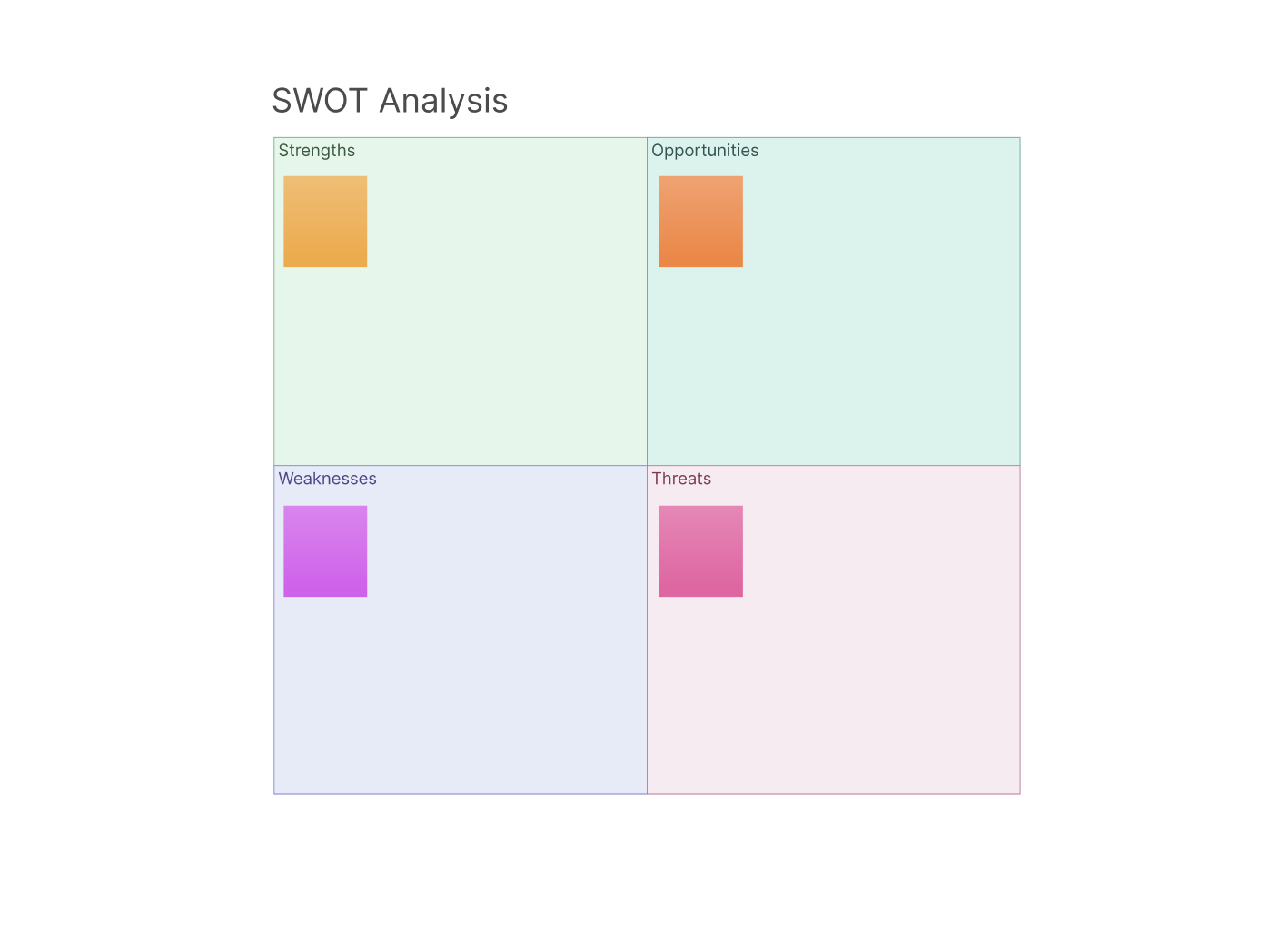
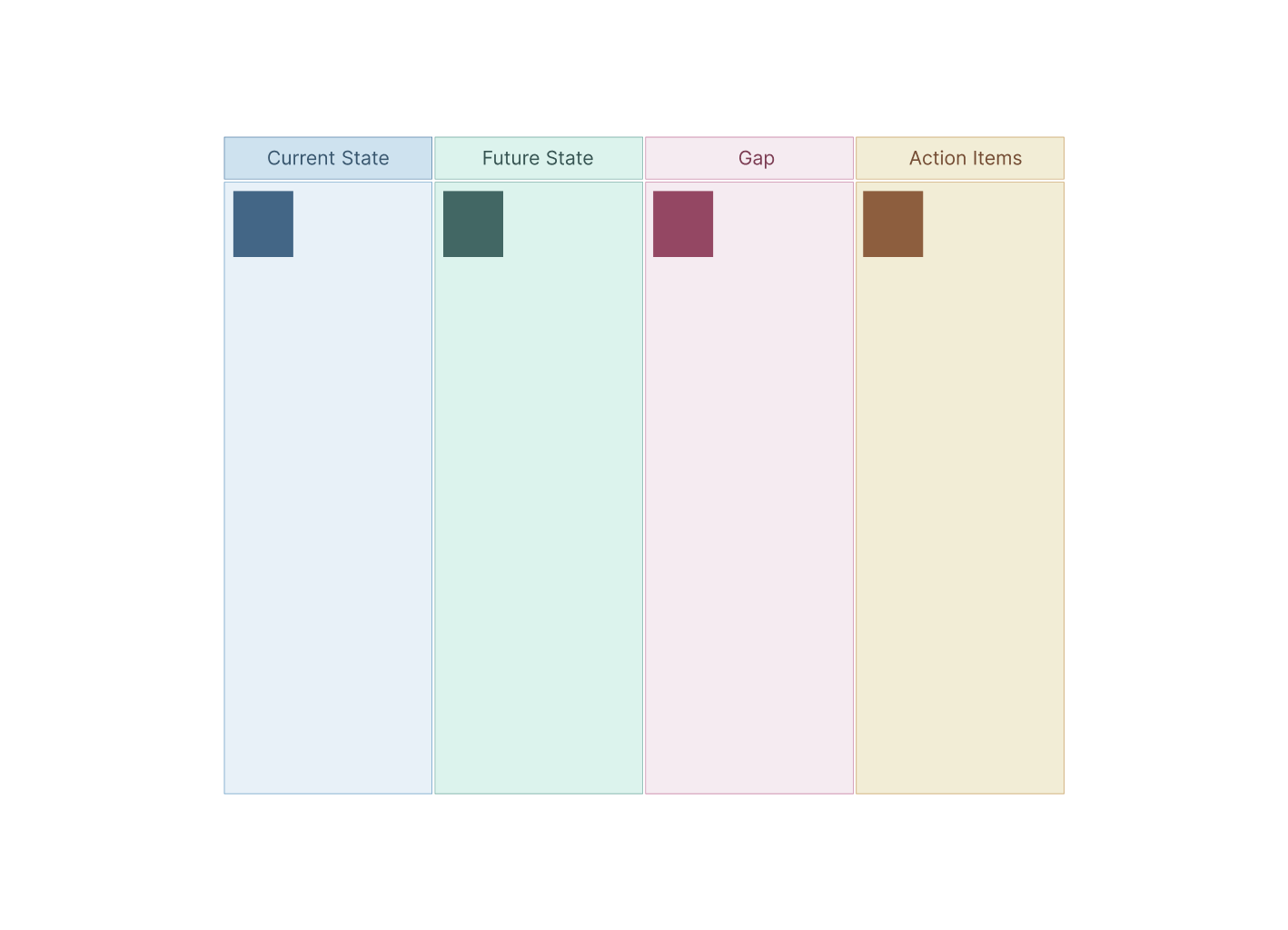
Creately offers AI templates for both SWOT and GAP analysis. These templates:
- Automatically generate initial SWOT or GAP diagrams based on your inputs.
- Suggest common strengths, weaknesses, opportunities, threats, or performance gaps relevant to your industry.
- Help you quickly visualize your analysis without starting from scratch.
AI SWOT analysis template
AI Gap analysis template
Creately Features to streamline your workflow
- Drag-and-drop templates – Easily customize SWOT and GAP diagrams using pre-built elements. Add or remove sections, change colors, and update content as needed.
- Real-time collaboration – Share diagrams with your team, see live edits, and leave comments to ensure everyone stays aligned.
- Linking insights – Connect SWOT findings with GAP actions. For example, a weakness identified in SWOT can be turned into a GAP action plan to bridge the performance gap.
- Task boards and timelines – Convert identified gaps into actionable items, assign responsibilities, and track progress within Creately.
- Integration with documents and cloud storage – Keep your SWOT and GAP analysis linked to research files, reports, or other project documents.
Using Creately, you can seamlessly transition from analysis to execution, ensuring that insights from both SWOT and GAP analysis are implemented efficiently.
SWOT Analysis Templates
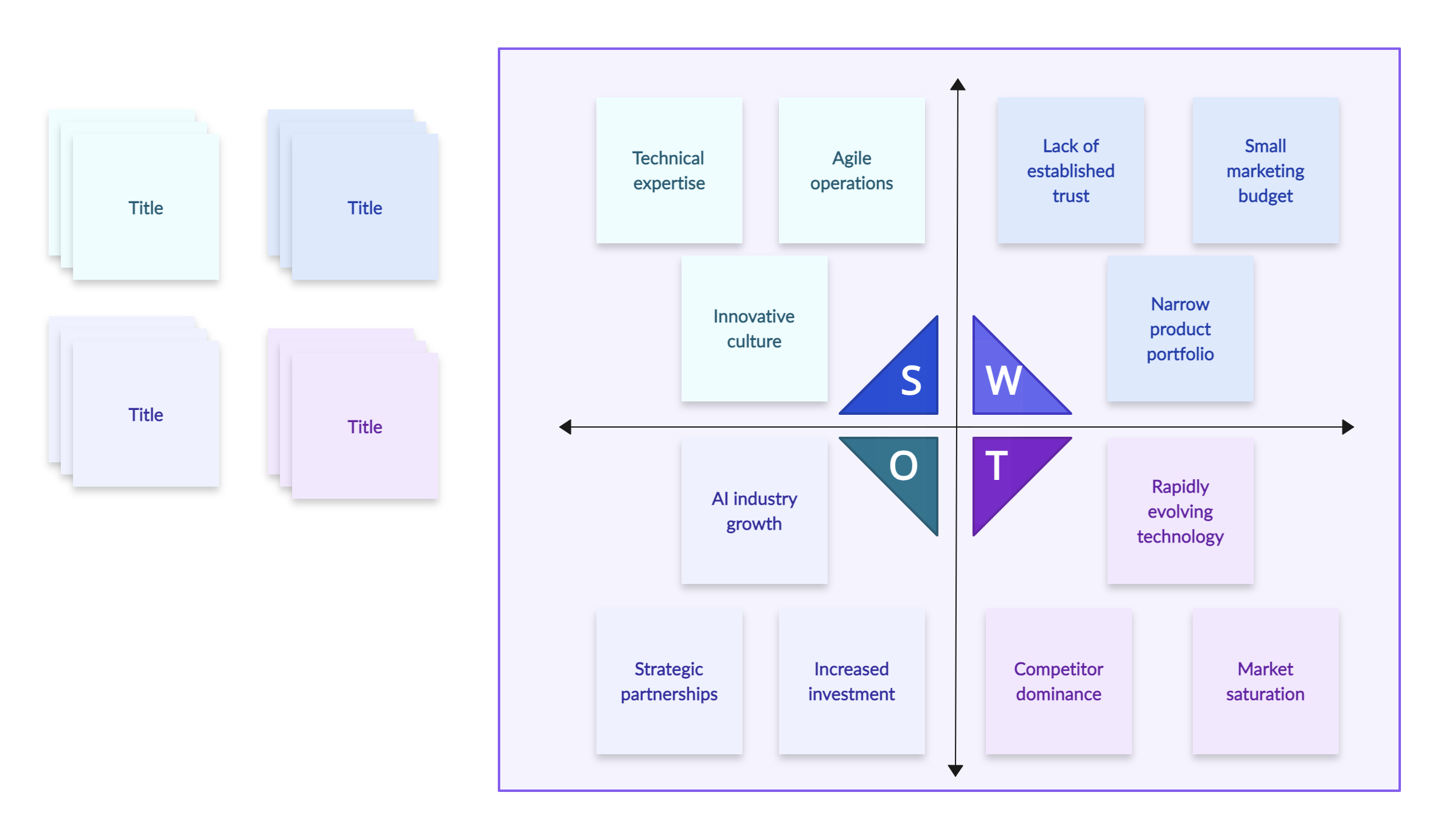
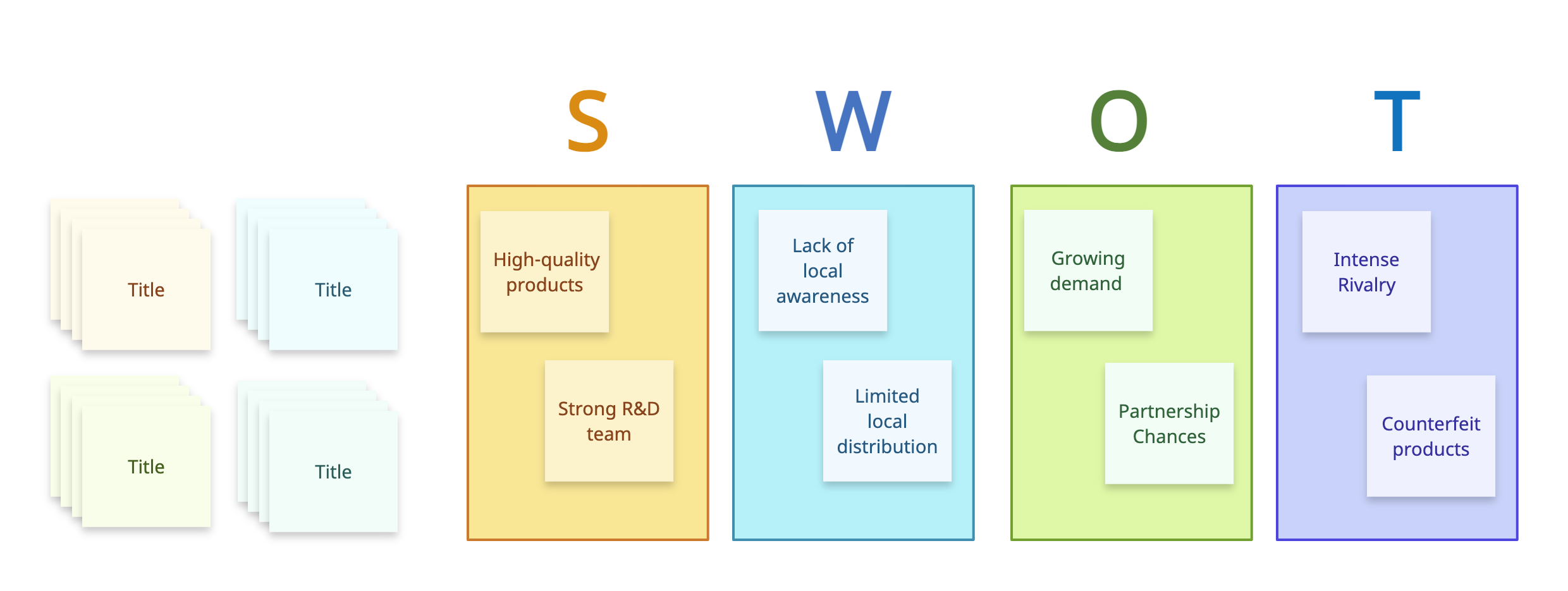
SWOT Diagram Template for Various Scenarios
SWOT Analysis Template for Tech Product Launch
SWOT Analysis Template for Consumer Goods Launch
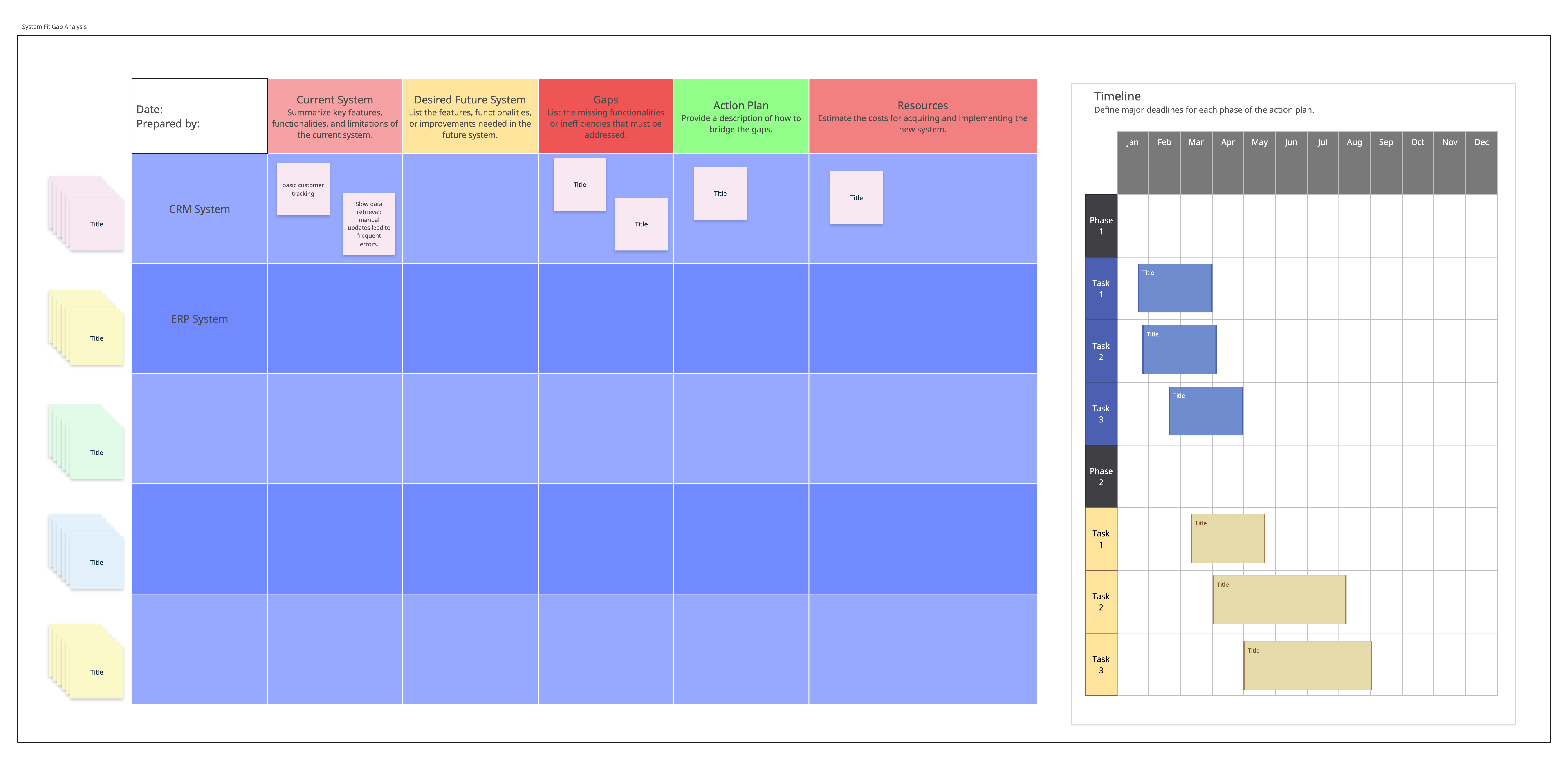
Gap Analysis Templates
System Fit Gap Analysis Template
HR Digital Skills Gap Analysis for New Software Adoption
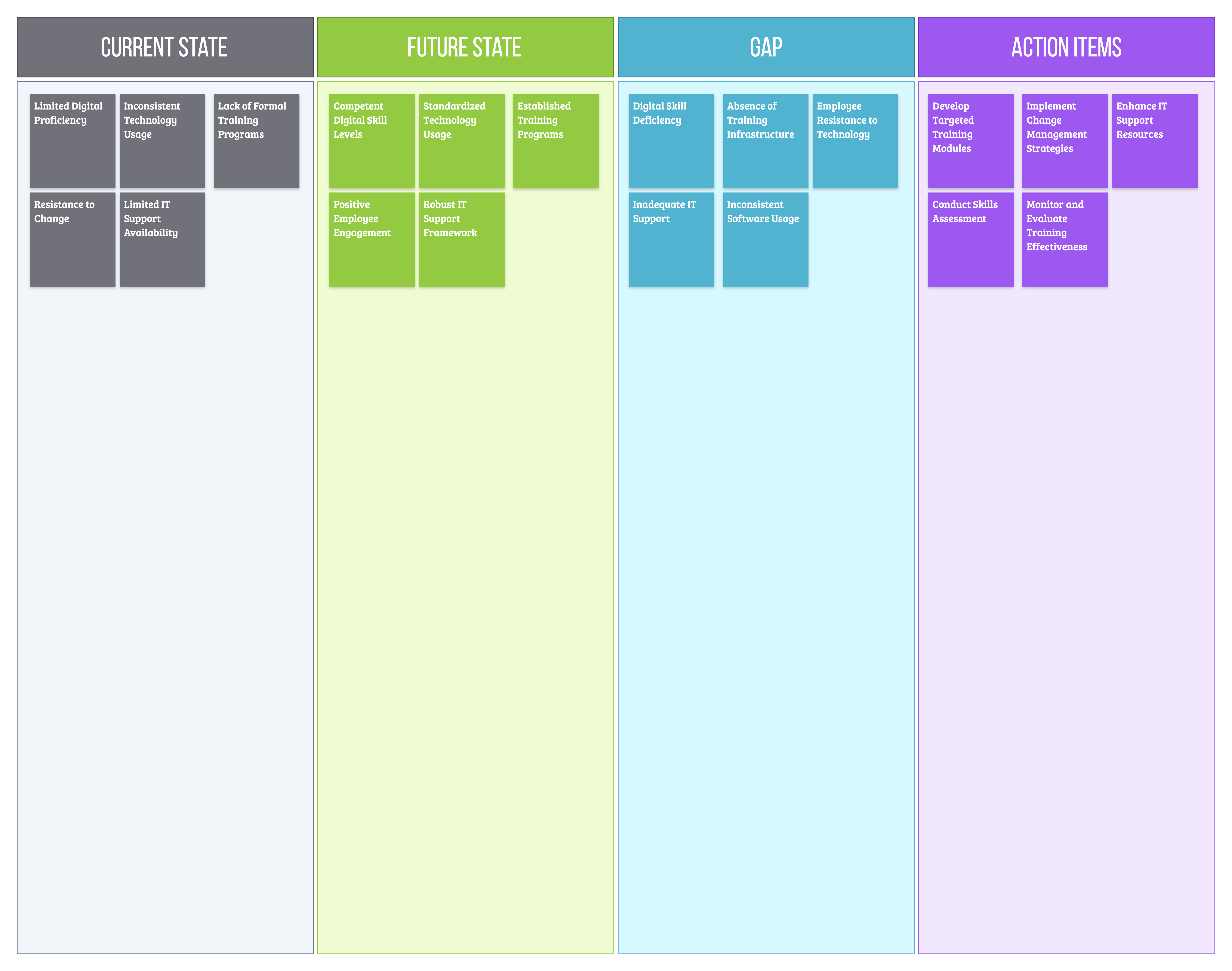
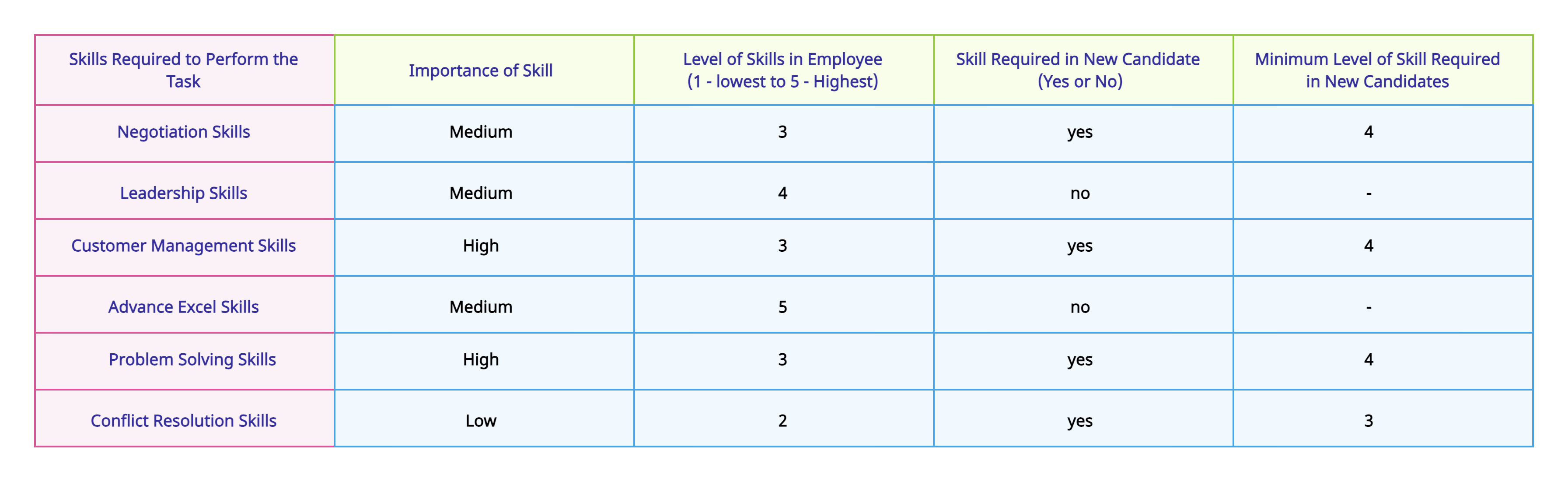
Skill Gap Analysis Example
FAQs about Gap Analysis vs SWOT Analysis
What are the similarities between SWOT and GAP analysis?
Both SWOT and GAP analysis help businesses evaluate performance and plan strategically. They identify areas for improvement, guide decision-making, and can be used together—SWOT to highlight strengths and weaknesses, and GAP to create actionable steps to address them.
Can SWOT and GAP analysis be used together?
Yes. Using them together provides a more complete view: SWOT identifies strategic strengths, weaknesses, opportunities, and threats, while GAP analysis translates those insights into specific actions to reach desired performance goals.
Are SWOT and GAP analysis used for long-term or short-term planning?
SWOT analysis is generally used for long-term strategic planning, while GAP analysis is focused on short-term performance improvement. Using both together bridges strategy and execution.
Can SWOT analysis identify gaps on its own?
Indirectly, yes. SWOT highlights weaknesses or missed opportunities, which can then feed into GAP analysis to create actionable plans to close those gaps.
How often should a business perform gap analysis and SWOT analysis?
SWOT is usually done periodically, aligned with strategic planning cycles. GAP analysis can be performed more frequently, especially when tracking progress toward specific operational or project goals.
Nishadha, Teima kasih telah memberikan komparasi yang bagus.
Thank you. Can you tell me where can I download GAP analysis template?
I understand what you are saying, but you need to re-read your statements and fix some grammatical mistakes. Besides that, I appreciate your thoughts.
please explain alpha method in planing
your work has helped me alot……thanks guys
yea this is what i needed to know,thanks a lot
I am bizz owner which is not well trained.my english are not good.but your diagram helps me a lot..thank you
let me to know, where you get the references ?
your writings liberate me guys.
Thank you. A very good reference tool and refreshing package.
@Shaheen, thanks, its fixed now
-Typography
This helps to identify *flows in resource allocation, planning, production etc.
*flaws
Looks like a nice system . Great job. keep it up!