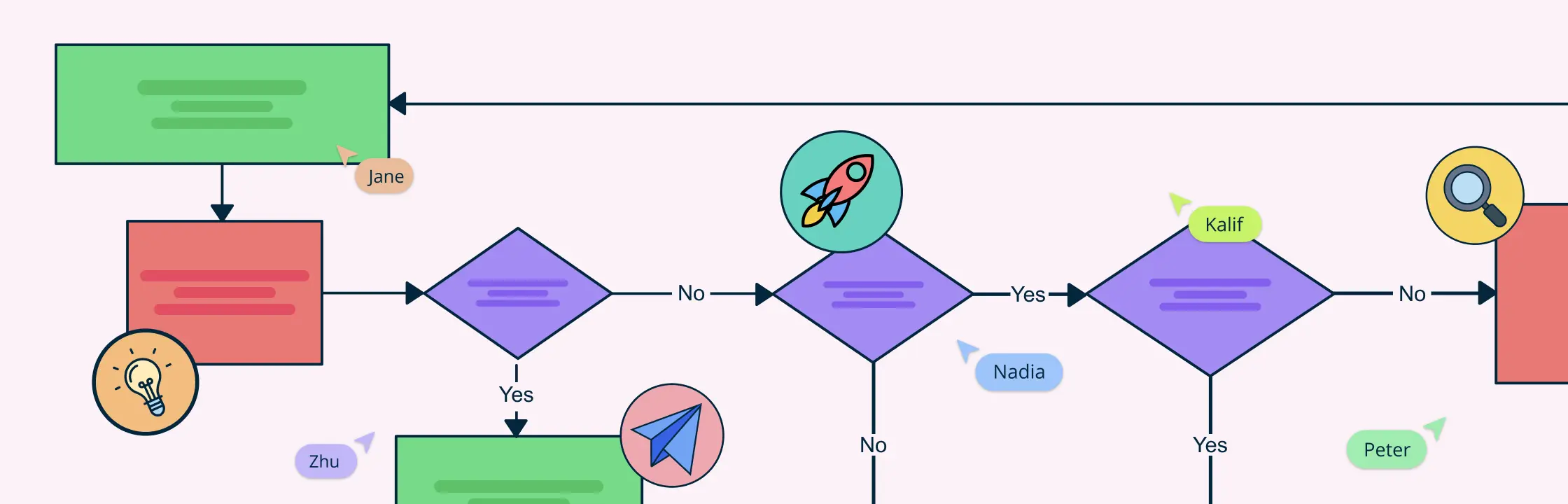
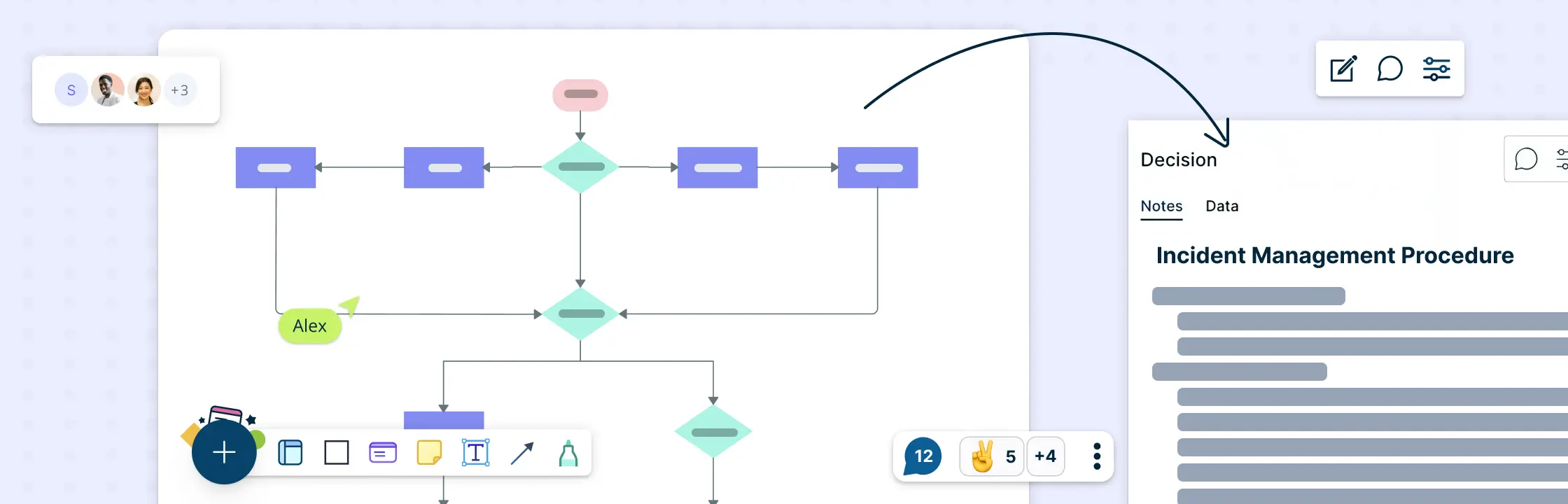
Easily visualize your processes and workflows with smart automation.
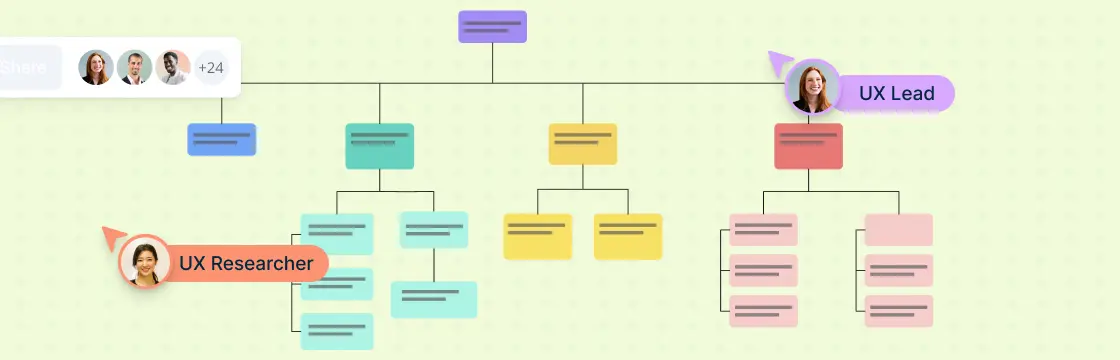
Create visual organizational structures with images and detailed profiles.
Visualize concepts and their relationships on an infinite visual canvas.
Map family history and understand the relationships with detailed genograms.
Visualize relationships between entities using Crows Foot or Chen notation.
Visualize your network infrastructure. Support AWS, CISCO, Azure and more.
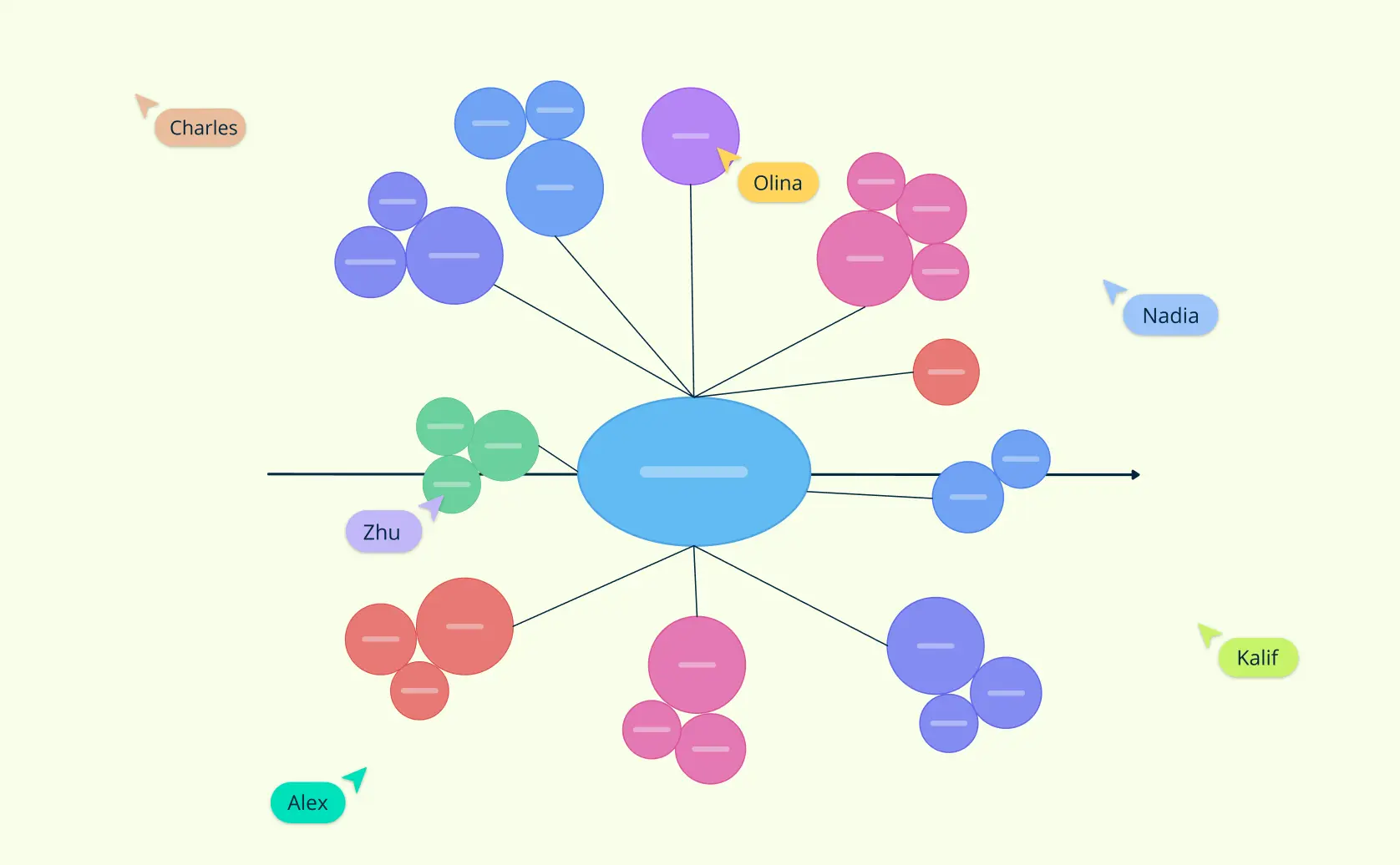
Visualize and expand your ideas using our powerful mind mapping tool.
Easily create family trees with our professionally designed templates.
Infinite canvas to add diagrams, images, sticky notes and more.
Run collaborative meetings, workshops or brainstorming sessions.
Collaborative diagramming for educators and students at discounted rates.
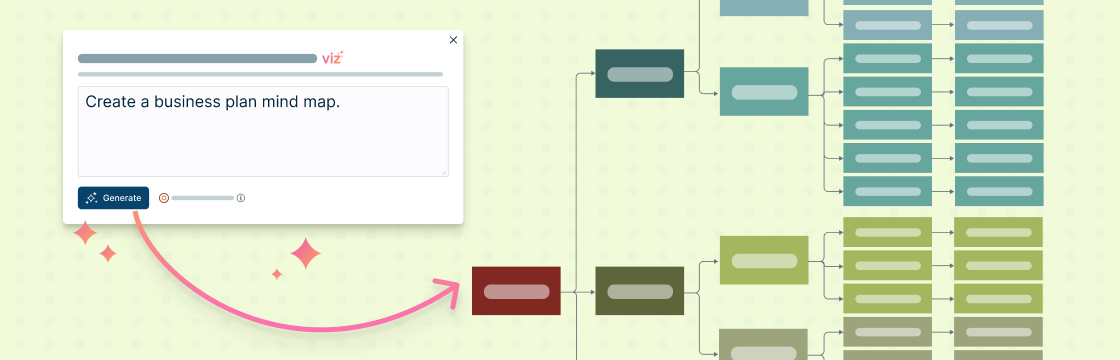
Generate customizable diagrams with a simple prompting tool.
Log In
Sign Up Free
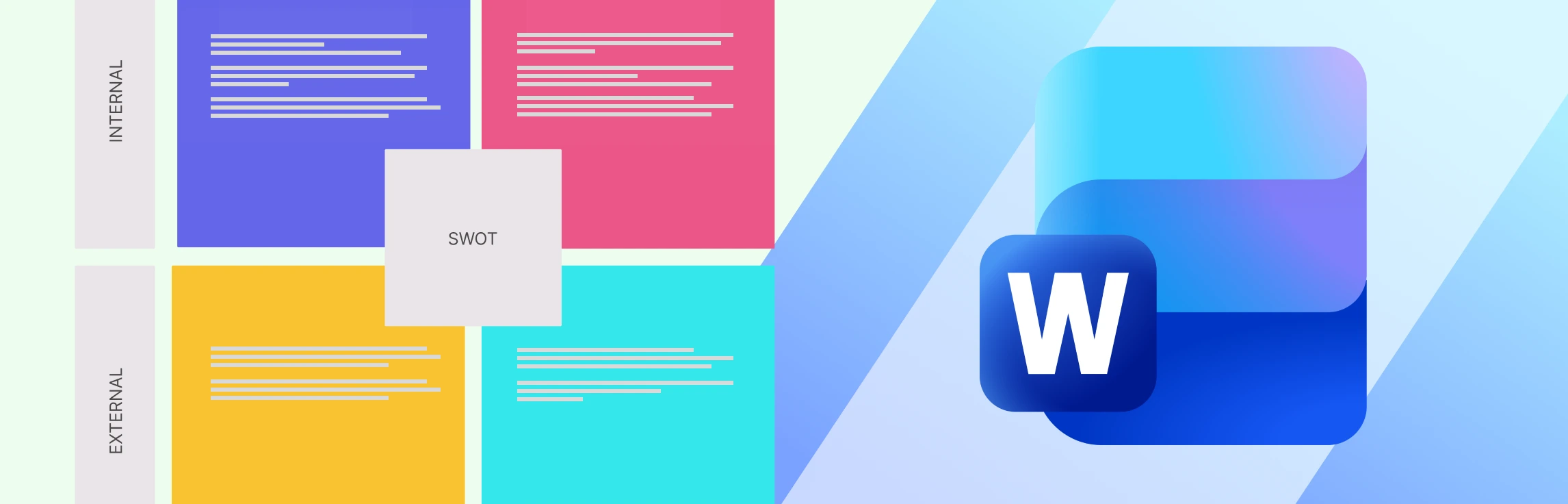
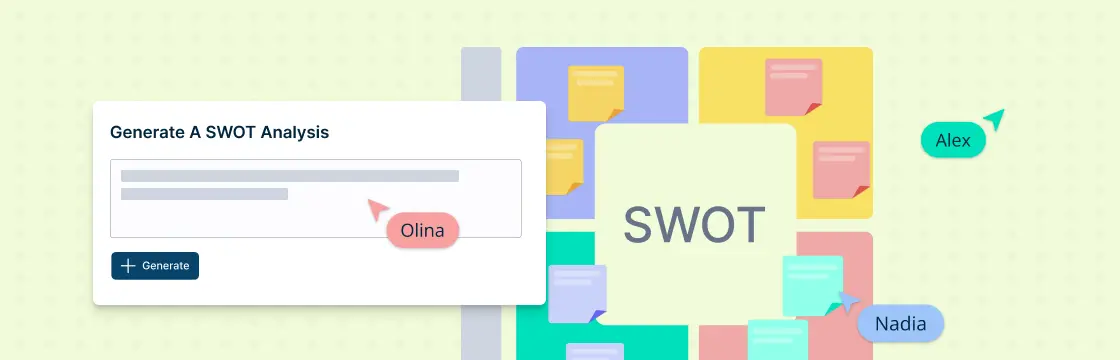
If you’ve ever tried creating a SWOT analysis in Word, you’ve probably felt the friction from tables that won’t align, to layouts that break as you edit, and versions that quickly get out of sync. In this guide, you’ll learn detailed steps of how to create a SWOT analysis in Word, and where Word starts to fall short for strategic work. We’ll also explore better alternatives when you need more flexibility and collaboration, along with free SWOT templates to help you move faster and plan with confidence.
Creating a clear, professional SWOT analysis in PowerPoint can feel simple at first, until layouts start shifting, text boxes misalign, and your slide becomes hard to read. This guide walks you through everything you need to know, from building a SWOT diagram step by step to understanding the common challenges that come with PowerPoint’s manual formatting. After you’ve mastered how to present a SWOT analysis in PowerPoint, we’ll explore a better alternative and free templates that make the process faster, cleaner, and more presentation-ready.
Understanding how people grow, stay motivated, and make decisions becomes much easier when you can see it clearly. This guide walks you through Maslow’s Hierarchy of Needs in a simple way—breaking down each core level and helping you turn it into a clean, visual diagram. You’ll learn the basics, follow a step-by-step process to map the hierarchy, and pick up practical tips to make your diagram clear, useful, and easy for anyone to understand. By the end, you’ll be able to apply this framework to your own field or scenario and create a diagram that fits your specific goals or context.
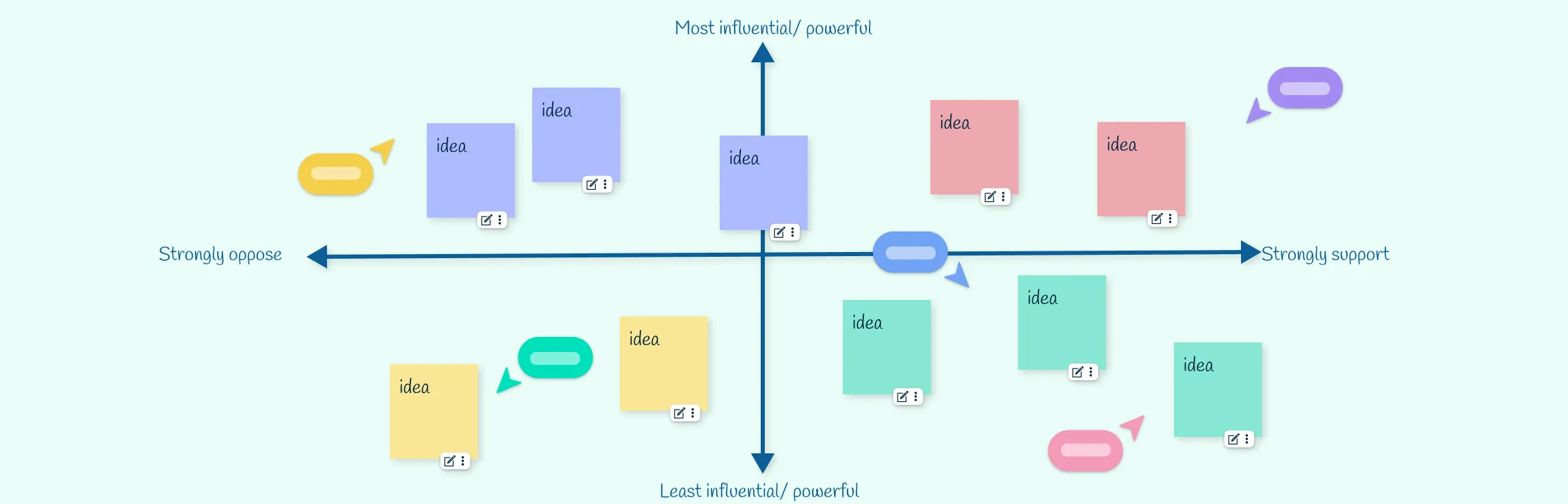
When you’re trying to create change—inside an organization, across a community, or in the public sphere—it’s rarely about pushing harder; it’s about understanding who holds influence, how people are connected, and where real leverage exists. Power mapping helps you see the landscape beneath the surface: the informal relationships, hidden gatekeepers, unlikely allies, and pressure points that shape decisions. Instead of relying on assumptions or chasing the loudest voices, you get a clearer picture of where to focus your time, energy, and conversations. This guide will walk you through how to approach power mapping in a practical, grounded way so you can navigate complex situations with confidence and strategy.
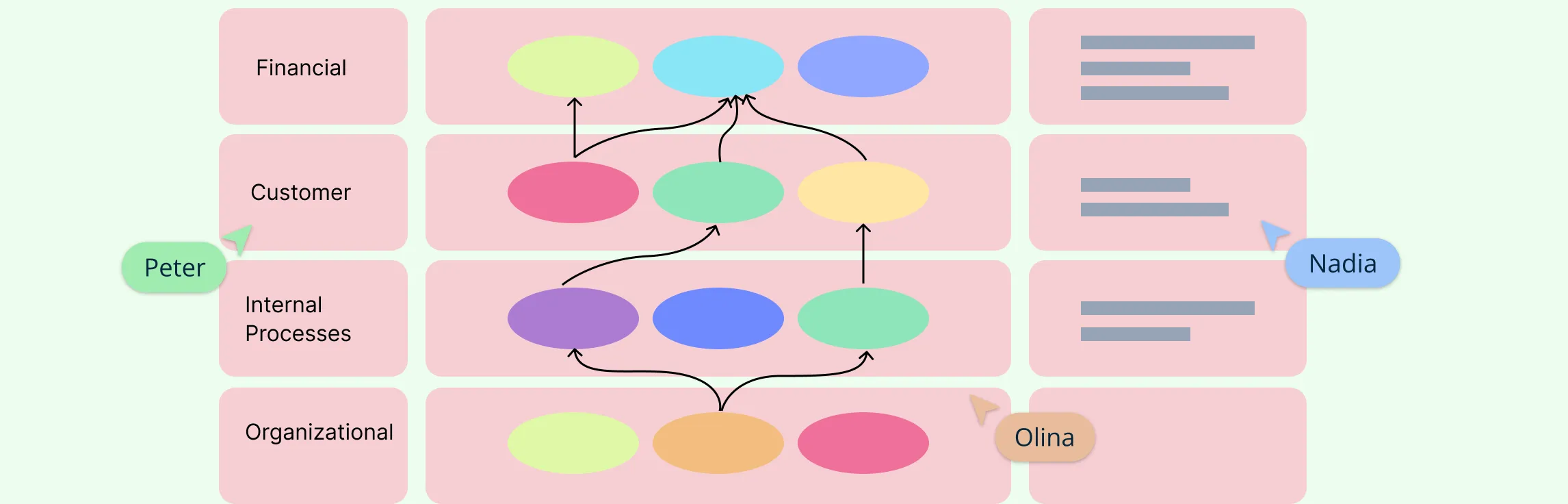
Many organizations craft brilliant strategies only to see them stall in execution, lost amid daily tasks and misaligned priorities. That’s where strategy maps and balanced scorecards come in: the map shows how your objectives connect, while the scorecard turns them into measurable actions. Together, they bridge the gap between planning and results, keeping your team aligned, focused, and moving toward the same goals.
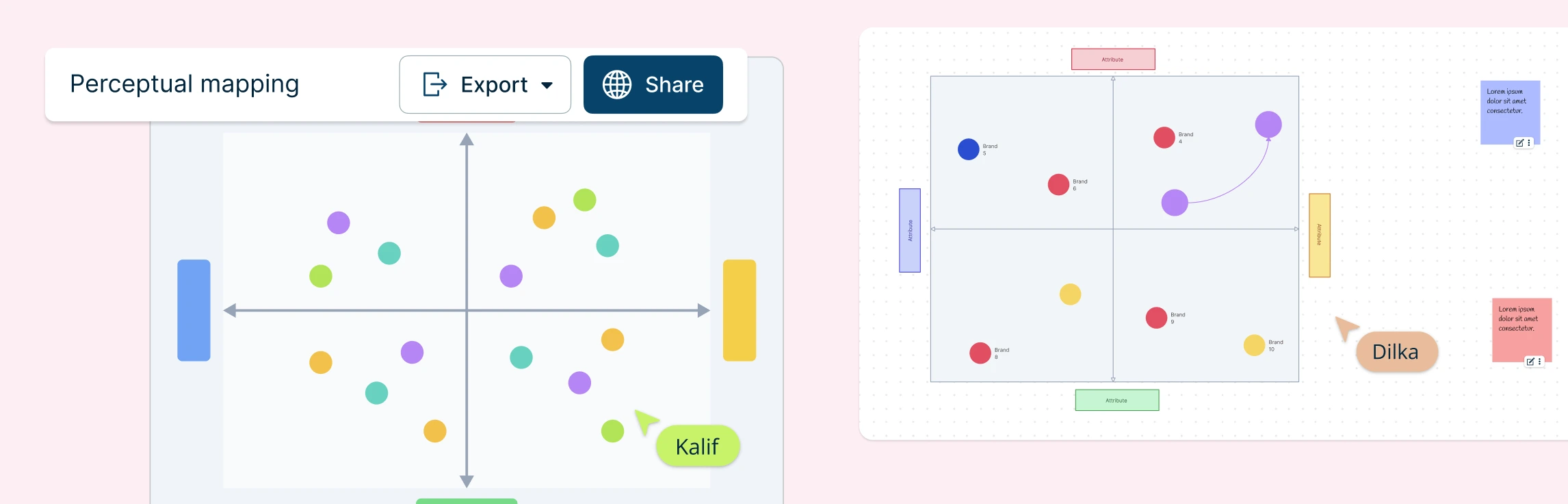
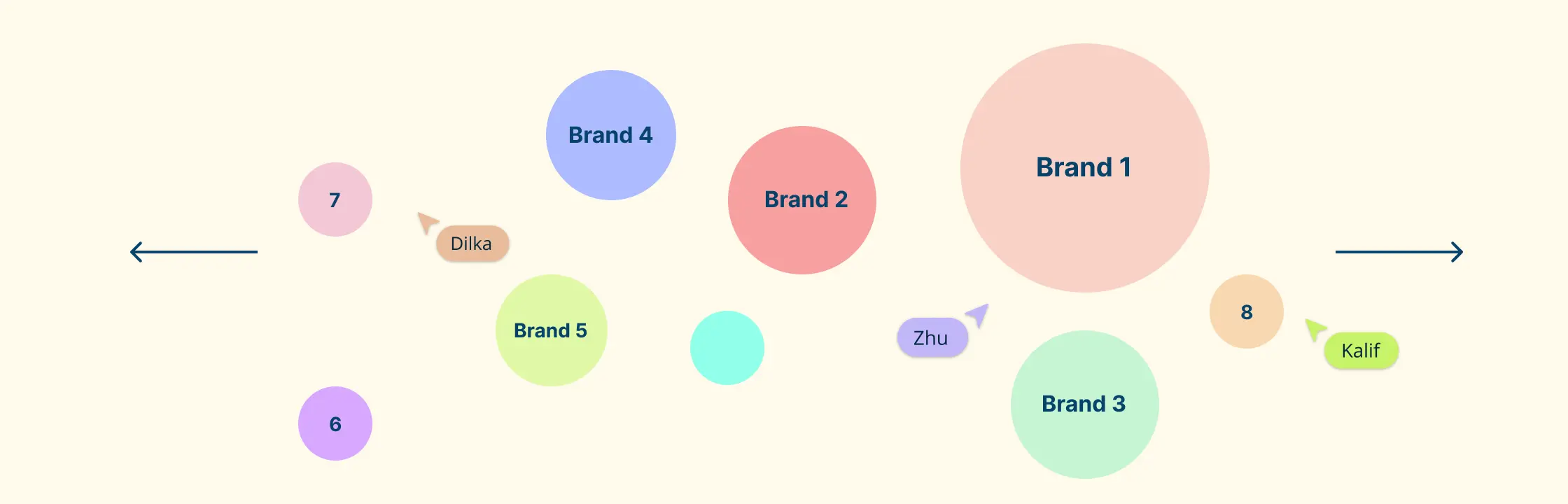
Knowing how consumers really see your brand is essential, but it’s not always the same as how you see yourself. That’s where a perceptual map helps. It visually shows where your brand sits in the market compared to competitors, revealing gaps, strengths, and opportunities you may not notice on your own. In this guide, you’ll learn what is a perceptual map, why it matters, and the different types you can use to sharpen your marketing strategy and align better with what your audience actually wants.
Perceptual mapping helps you see your brand the way customers do, along with who you’re competing with, where you shine, and where gaps or opportunities might be hiding. In this guide, you’ll learn how to draw a perceptual map step-by-step using Creately’s free templates, along with practical tips to make sure your map reflects real customer perceptions.
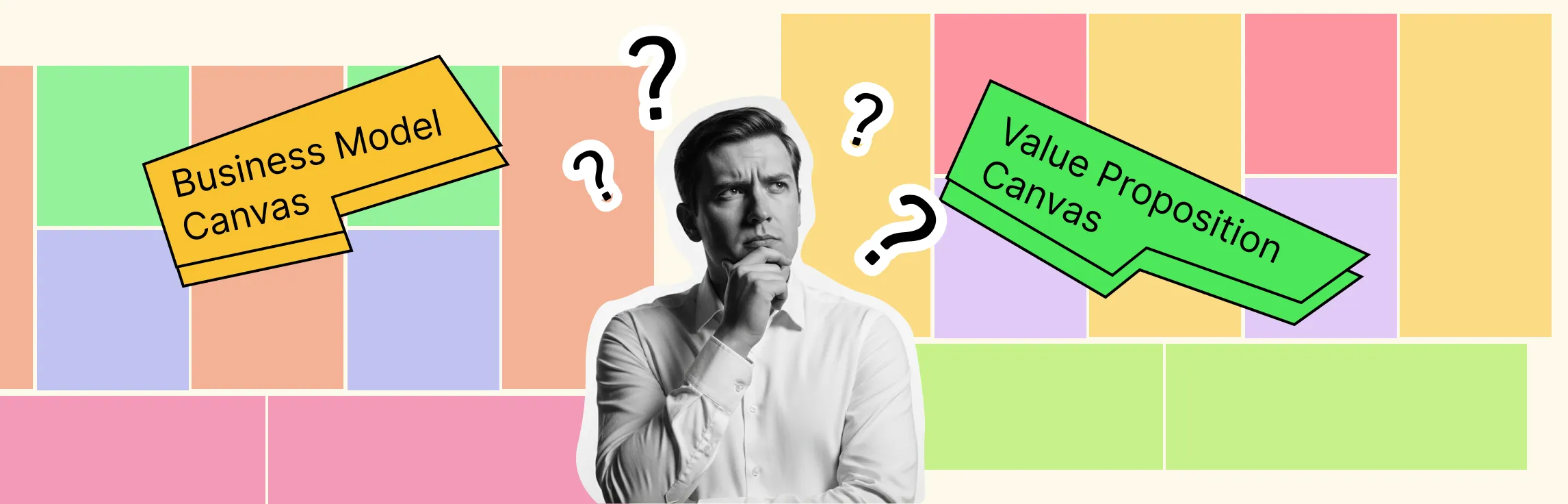
Every great business starts with a clear plan—and a clear plan starts with the right tools. The business model canvas and value proposition canvas are two of the most powerful frameworks to help you map your business, uncover opportunities, and understand what truly matters to your customers. In this guide, we’ll show you how to use both canvases to align your team, test ideas, and turn your vision into a practical plan—all in a simple, visual way.
Lean UX is a practical way to design and improve products faster. Instead of spending weeks creating detailed designs or long reports, it focuses on learning quickly through collaboration and small experiments. This guide will help you understand what Lean UX is, how it works, and how you can use it to build better experiences with your team. Whether you’re new to UX or just looking for a faster, more flexible approach, this is the perfect place to start.
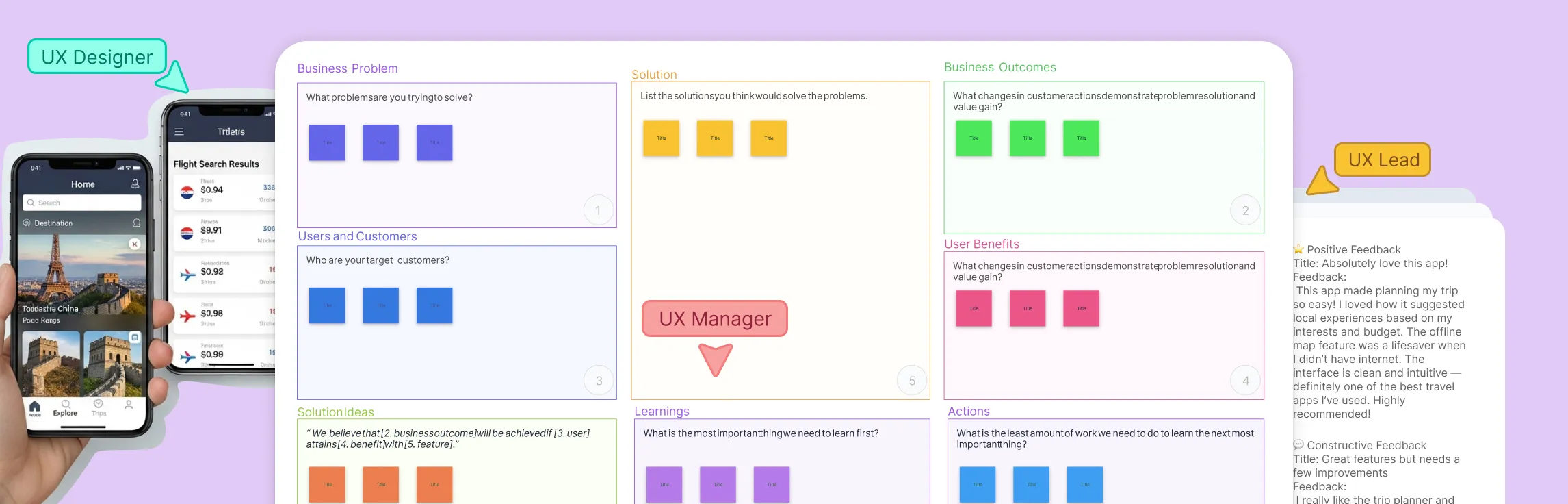
The Lean UX Canvas is a practical tool that guides teams through the Lean UX process — from framing problems and identifying assumptions to designing experiments that lead to real insights. It helps teams stay focused on outcomes, align around user needs, and make evidence-based decisions. In this guide, you’ll learn how to use the Lean UX Canvas step by step to validate ideas faster and build products that truly solve user problems.
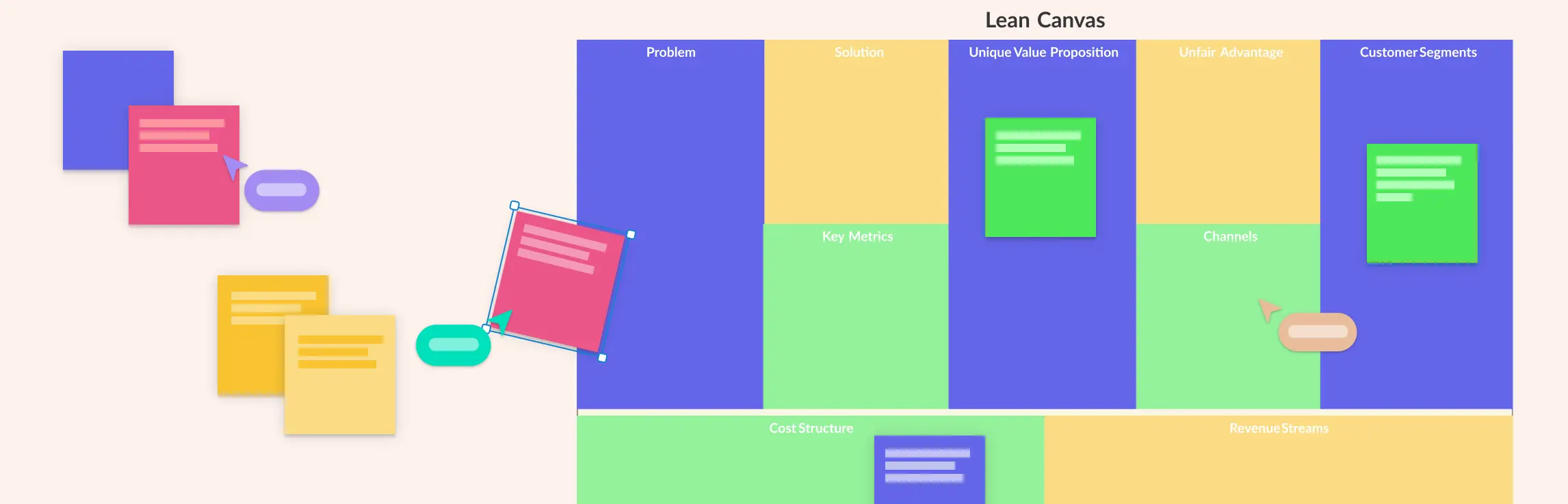
Starting a business is exciting, but turning an idea into a working business model can feel overwhelming. That’s where the Lean Canvas comes in—a simple, one-page tool that helps you map out your idea, identify key problems, and plan how to deliver value to your customers. In this guide, we’ll walk you through real-world Lean Canvas examples from successful startups, showing you exactly how to structure your own canvas.
Starting a business can feel overwhelming, with countless decisions to make and uncertainties to navigate. The Lean Business Model Canvas helps entrepreneurs focus on what truly matters—understanding customers, testing ideas quickly, and iterating on solutions without wasting time or resources. In this guide, we’ll walk you through a practical approach to using the canvas effectively, offering tips, examples, and strategies to turn your ideas into actionable plans.
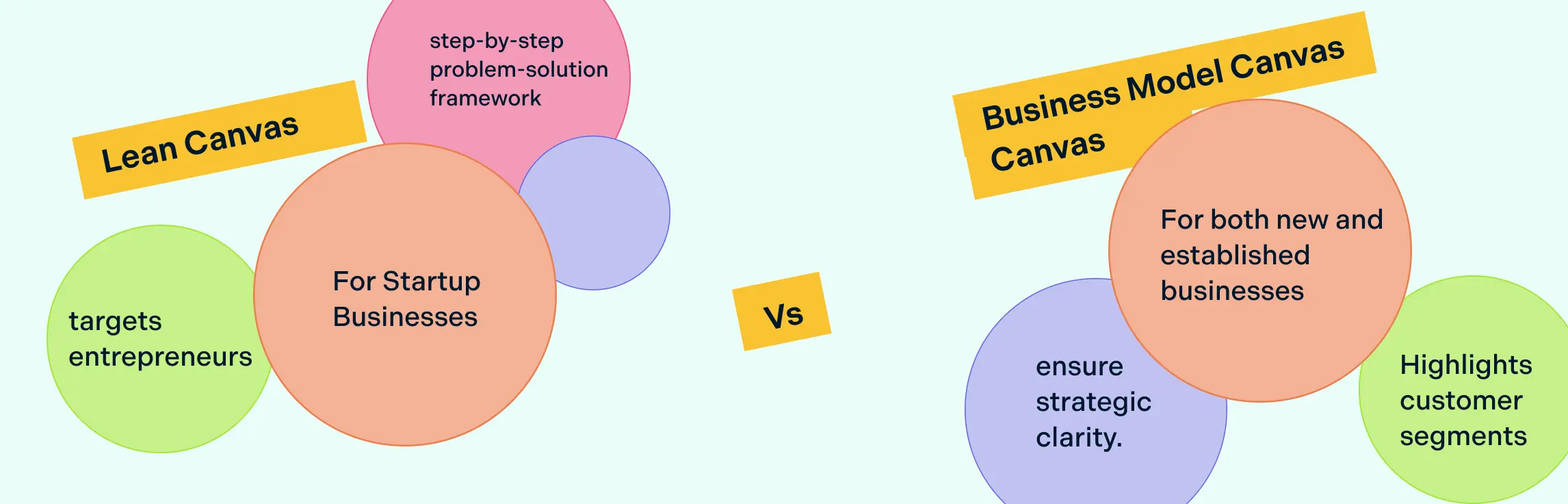
Building a business idea doesn’t have to start with a long, complicated plan. Single-page canvases like the Lean Canvas and the Business Model Canvas help you quickly map out how your idea creates value and works as a business. In this guide, you’ll learn what makes each canvas unique, when to use them, and how to choose the right one for your stage. We’ll also look at lean canvas vs. business model canvas examples and ready-to-use templates to help you put your ideas into action fast.
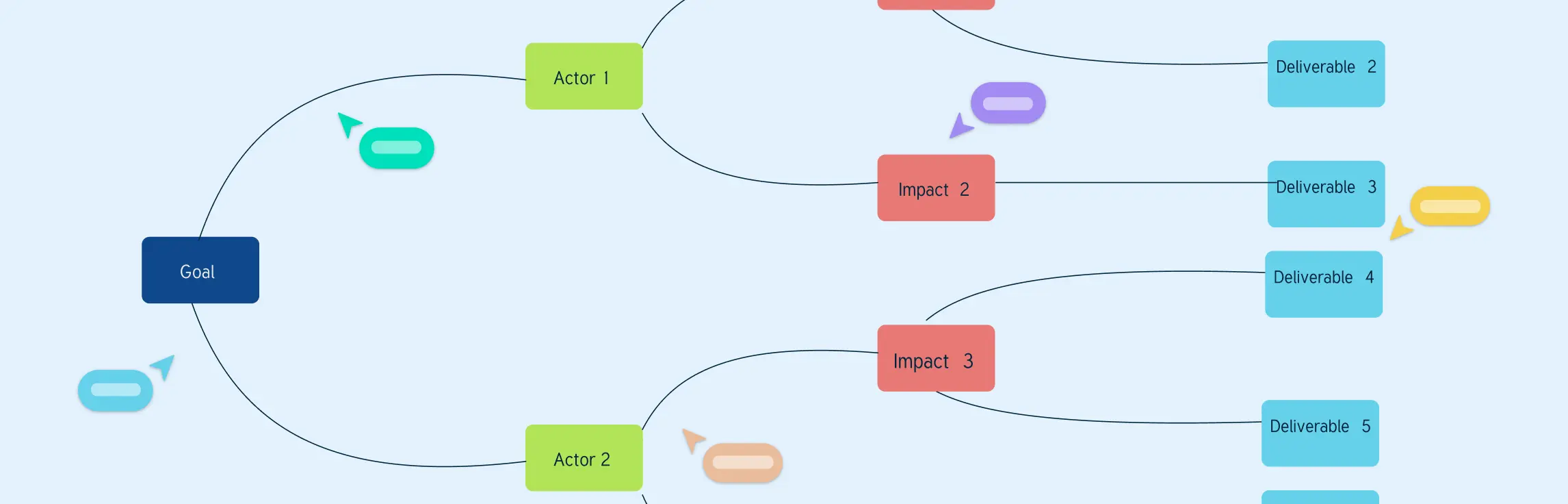
Mapping out how your work actually drives results can be a game-changer. Instead of just listing tasks or features, impact mapping helps you focus on what truly moves the needle. This guide will walk you through practical steps, best practices, and real-world examples so you can connect your team’s efforts directly to meaningful outcomes—and make every project count.
Impact mapping helps teams see the bigger picture—how every idea, task, or feature connects to a larger business goal. By visualizing the relationships between goals, actors, impacts, and deliverables, teams can make smarter decisions about what to build and why it matters.
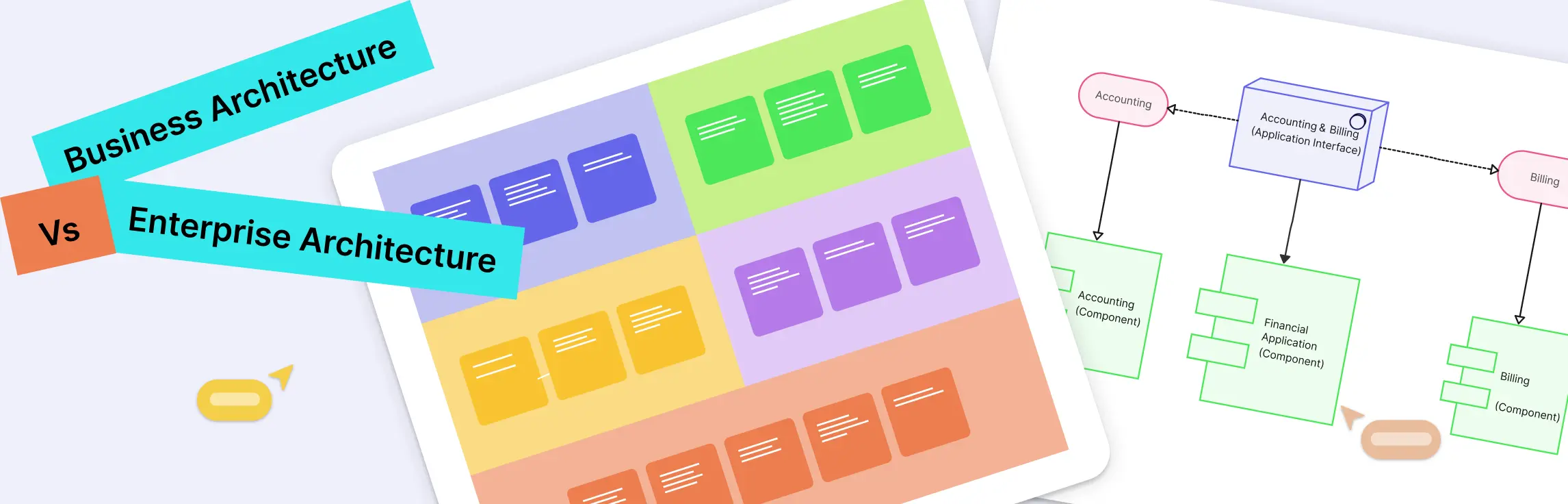
In today’s fast-changing business landscape, success depends on how well strategy aligns with technology. Yet many organizations struggle to connect big-picture goals with the systems that power them. This is where understanding business vs enterprise architecture becomes critical. By distinguishing how business architecture defines organizational capabilities and how enterprise architecture enables them through technology, teams can bridge the gap between vision and execution. In this guide, we’ll break down the differences, explore examples, and share practical templates to help you build a strong business enterprise architecture foundation for long-term success.
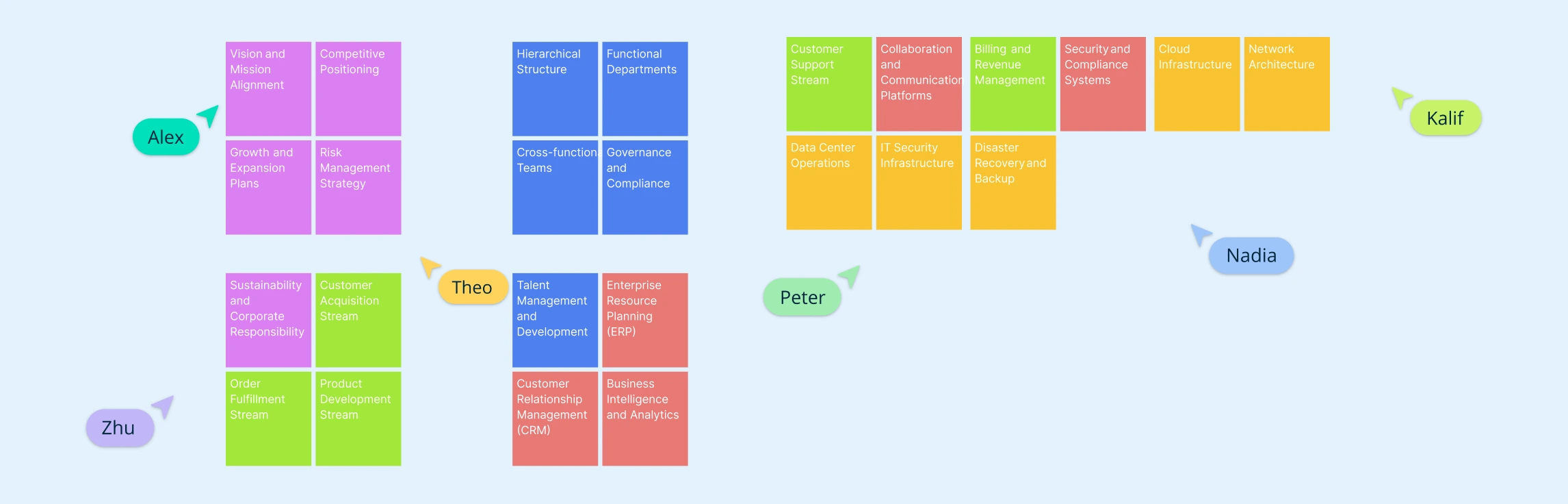
In today’s fast-paced business environment, aligning strategy with execution is more critical than ever. Business architecture modelling provides a clear, structured view of an organization’s capabilities, processes, information flows, and stakeholders, helping leaders make informed decisions and drive operational excellence. Whether you’re a startup, an enterprise, or a growing e-commerce business, understanding and visualizing your business architecture can unlock clarity, efficiency, and strategic alignment, turning complex operations into actionable insights.
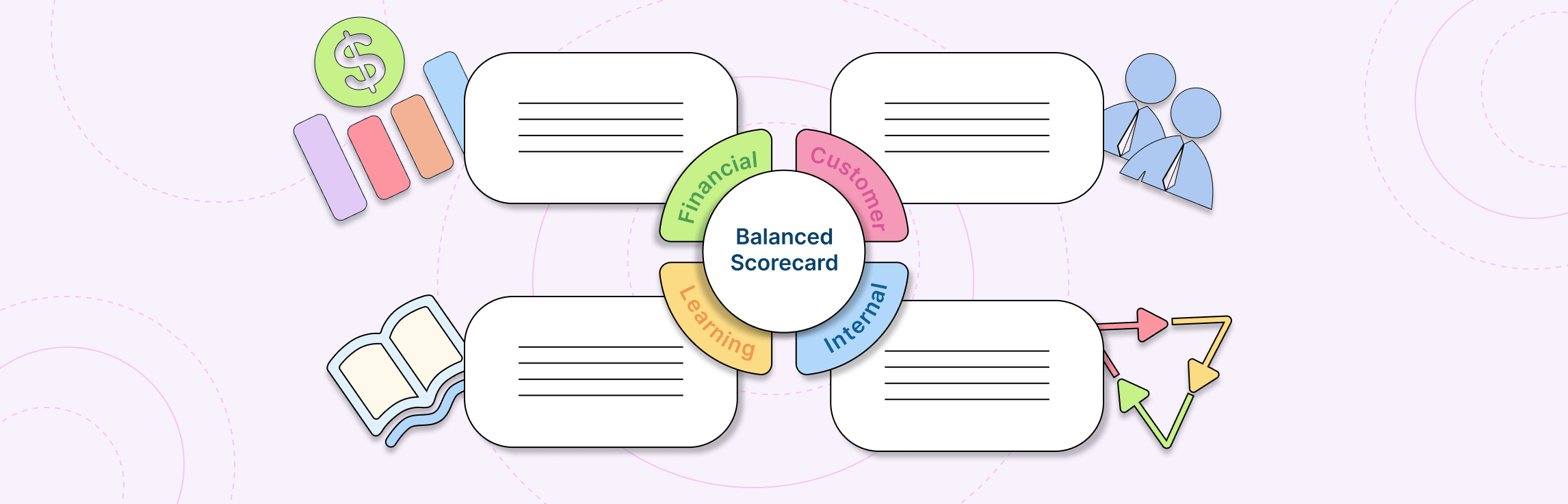
Definition of a Balanced Scorecard A Balanced Scorecard (BSC) is a framework that tracks company performance and aligns goals by measuring results across four perspectives: Financial, Customer, Internal Processes, and Learning & Growth. The Balanced Scorecard is not just a measurement tool, but a strategy management system. It helps organizations translate vision and mission into actionable objectives, align teams around common goals, and track progress across both financial and non-financial dimensions.
Ever feel like your organization’s strategy lives in one place, but execution happens somewhere completely different? Misaligned goals, unclear responsibilities, and disconnected processes can turn even the best strategies into missed opportunities.
What Are Standard Operating Procedures (SOPs)? Standard Operating Procedures, or SOPs, are formal, documented instructions that guide teams through repeatable workflows to ensure consistency and quality. SOPs define the objective of a task, outline its scope, assign roles and responsibilities, and describe each step in the process. Well-crafted SOPs reduce errors, accelerate onboarding, and serve as the foundation for effective SOP automation and process optimization.
What is a Balanced Scorecard Strategy? A Balanced Scorecard (BSC) Strategy is a strategic planning and performance management framework that helps organizations translate their vision and strategy into clear, measurable objectives across multiple perspectives that include more than just financial results. Instead of focusing only on profits or financial outcomes, the Balanced Scorecard Strategy balances different dimensions of success that drive long-term growth.
Balanced Scorecards are essential for every level of the organization to understand how day-to-day activities support overarching goals. This guide explains how to create a balanced scorecard from scratch, offering actionable steps for product managers and strategy consultants.
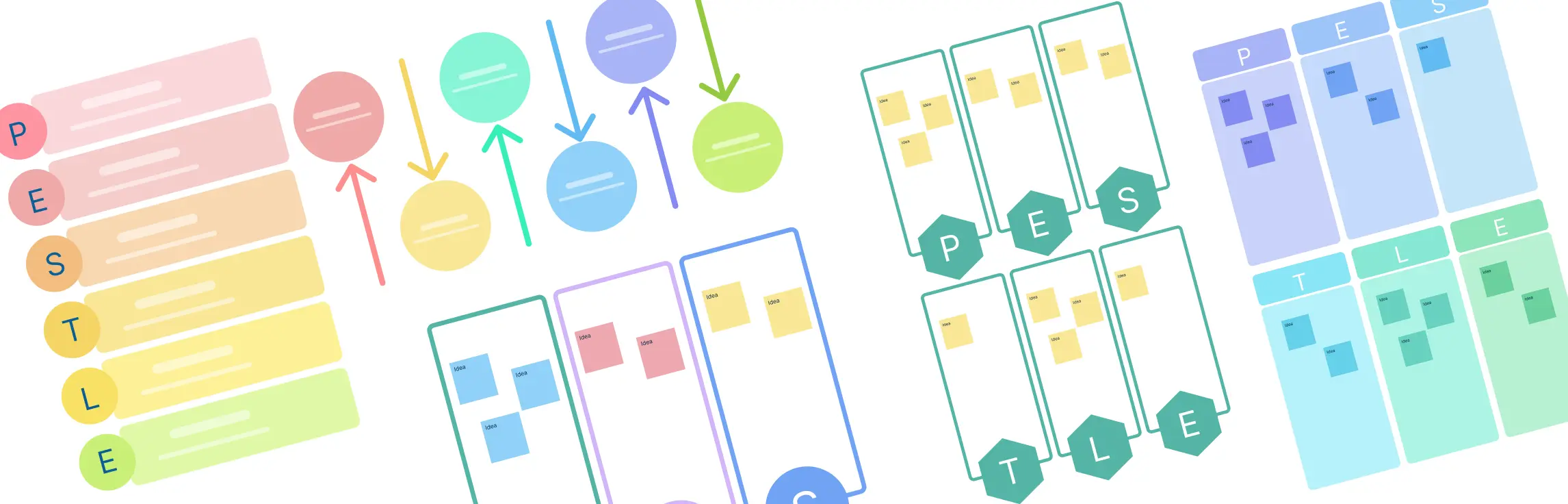
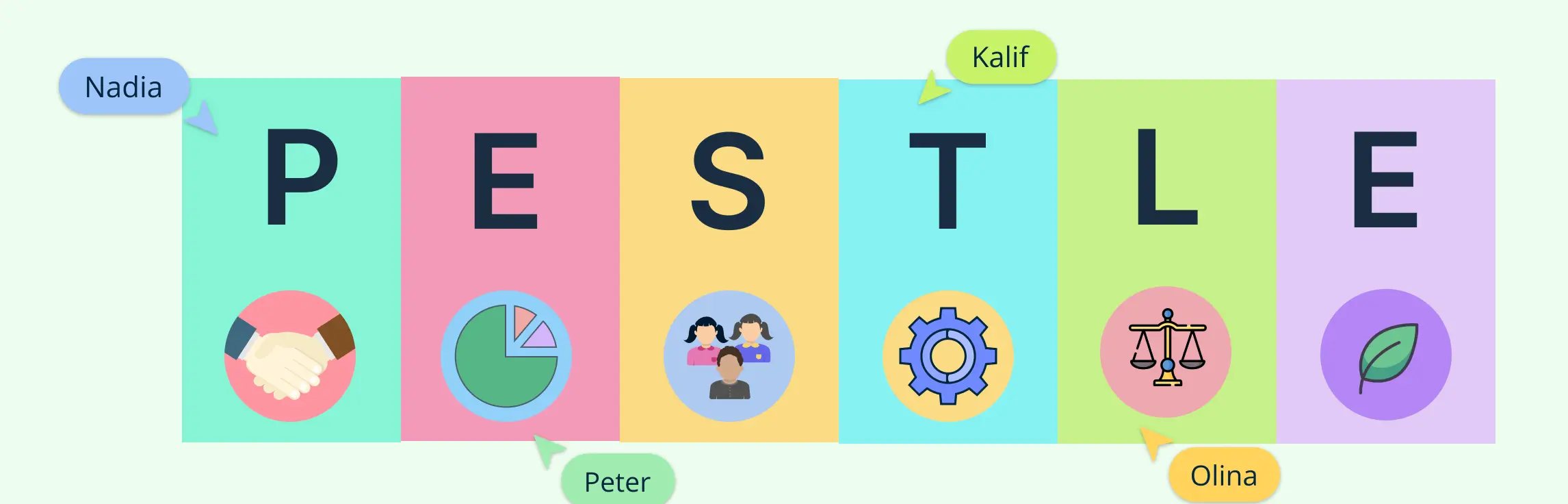
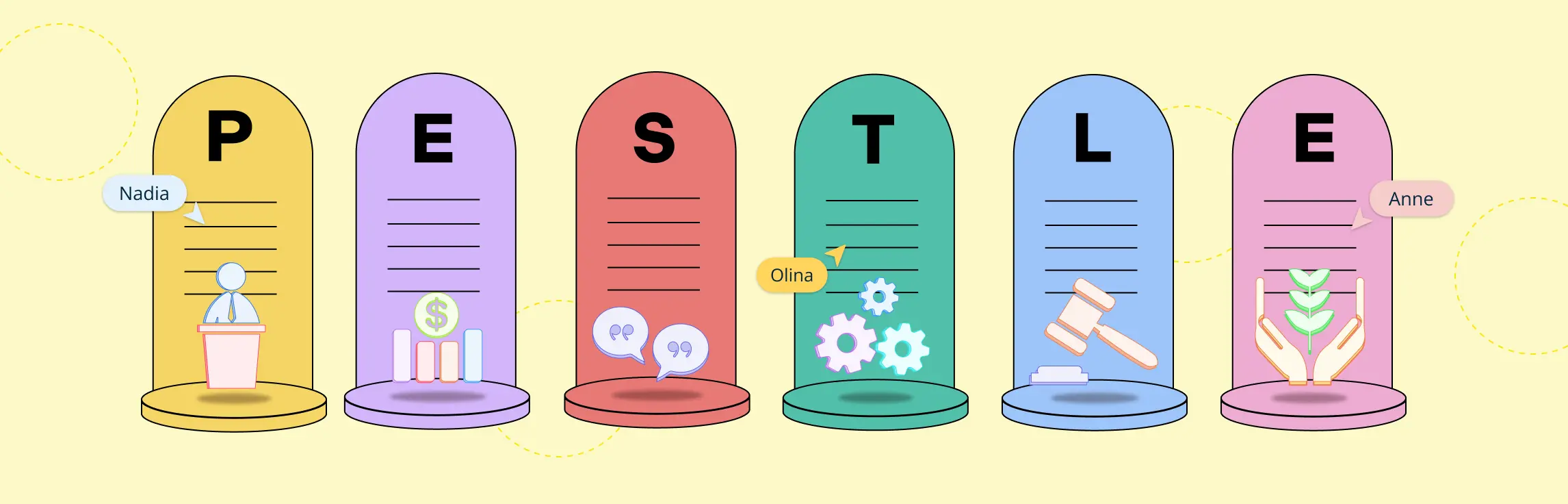
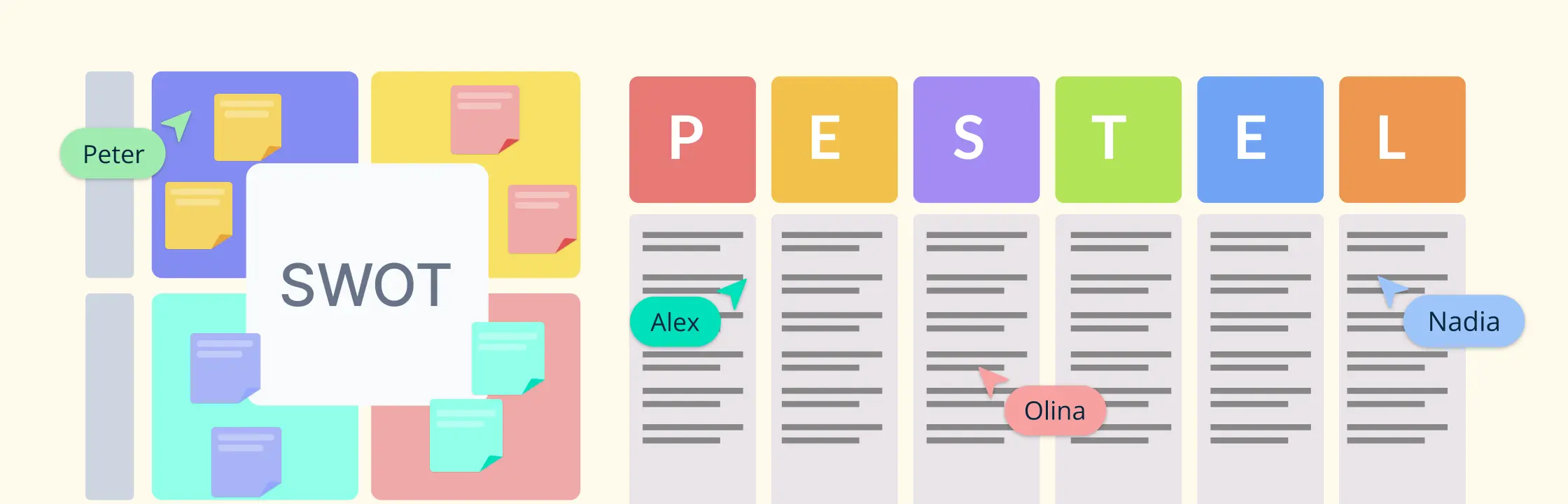
A PESTLE analysis helps you understand the external factors—Political, Economic, Social, Technological, Legal, and Environmental—that can influence your business or project.
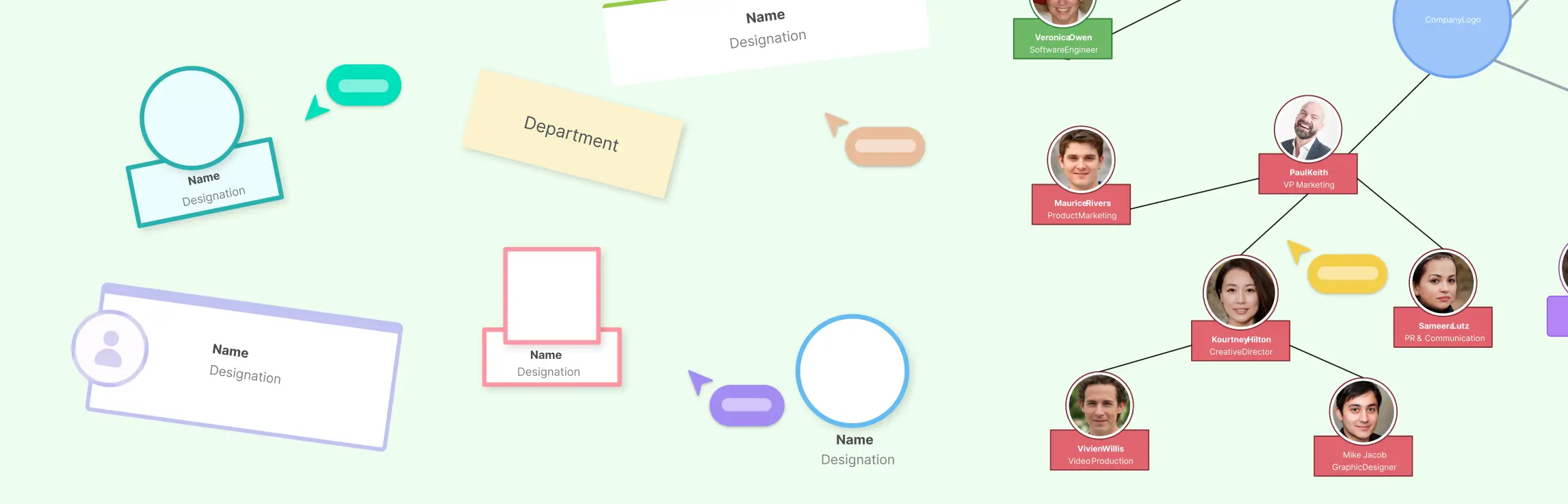
Ever stared at a company org chart and wondered what all those boxes, circles, and lines really mean? Those shapes aren’t just decorative. They’re powerful organizational chart symbols that communicate roles, responsibilities, and reporting relationships at a glance. From a single department to an entire corporation, knowing the org chart symbols’ meanings helps you visualize hierarchies, streamline workflows, and improve team collaboration. In this guide, we’ll break down the most common org chart icons, explain their uses, and share practical templates to help you create clear, professional organizational charts that everyone can understand.
Ever felt lost in a tangle of dual reporting lines or overlapping project responsibilities? That’s the reality of many organizations, where employees often report to both functional managers and project leaders. A matrix organizational chart is the ultimate tool to cut through the confusion, offering a clear visual map of who reports to whom, which projects teams are working on, and how resources are allocated. In this guide, we’re sharing 10 practical matrix org chart examples that will help you simplify reporting lines, improve collaboration, and make your matrix organizational structure in project management work seamlessly.
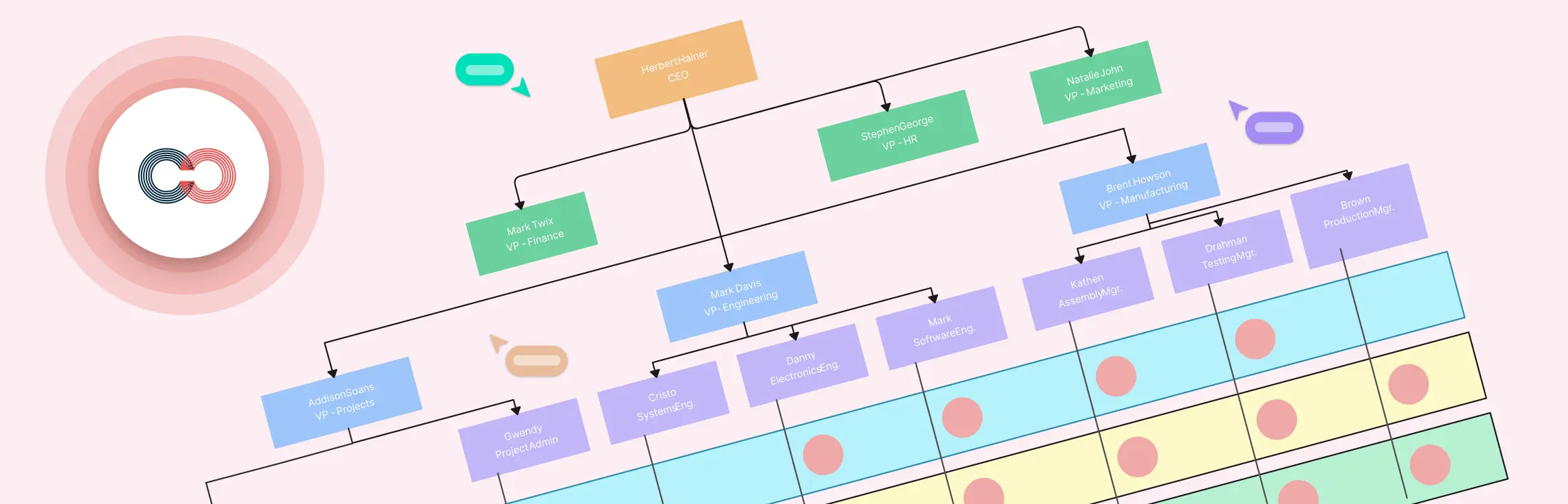
Organizational charts are powerful tools that help us understand how a company is set up and how people work together. In this guide, we’ll explore what an org chart is, its key parts, a bit of history, how it’s used, different types, the pros and cons, and real examples. Whether you’re creating one or just curious, this guide has you covered!
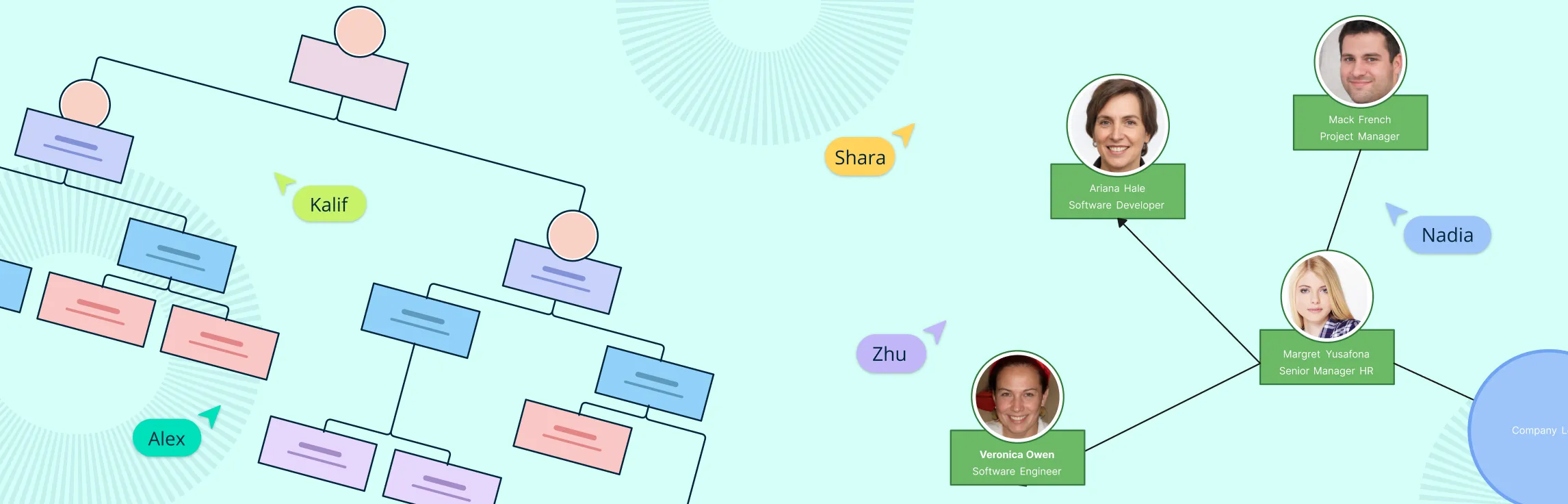
An organizational chart helps your team see how everyone fits together and who reports to whom. It makes roles and responsibilities clear, improving communication and teamwork. This guide will show you simple steps to create an org chart that fits your business, plus tips and tools to make it easy to build and update.
Understanding the world around your business is key to making smart, future‑proof decisions. This guide explores a proven framework that helps you see the bigger picture, uncover opportunities, and prepare for challenges in any industry.
Before making big business decisions, you need to know the outside forces that could shape your success. A PESTLE analysis helps you break down these factors—and Creately makes the process faster, more collaborative, and much easier to execute.
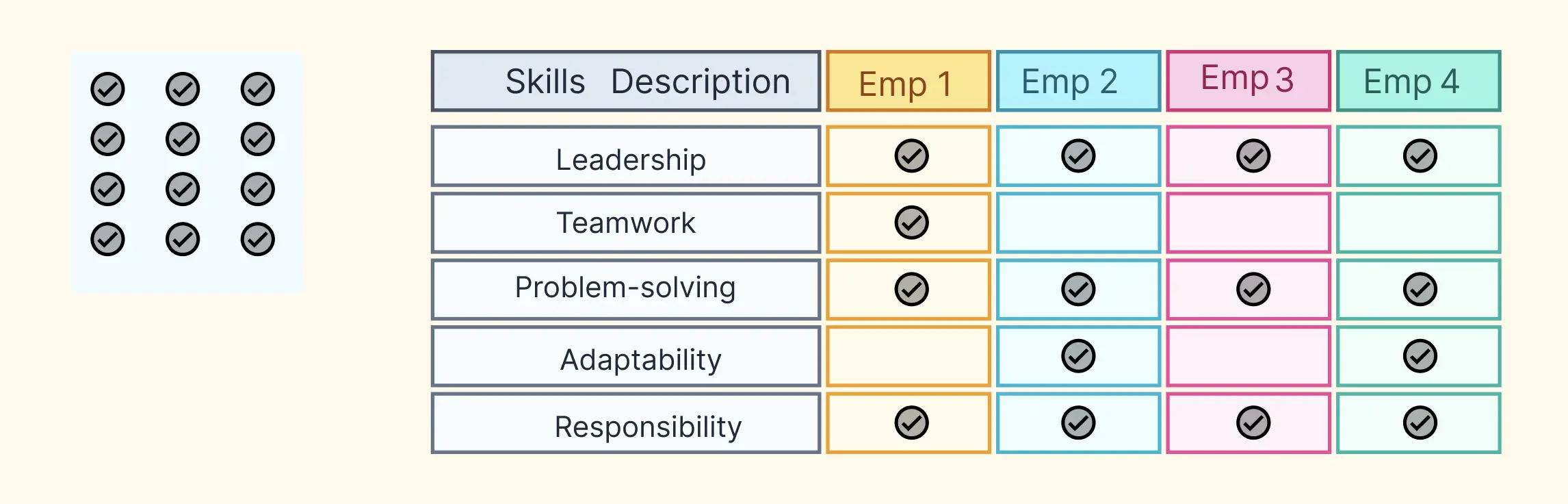
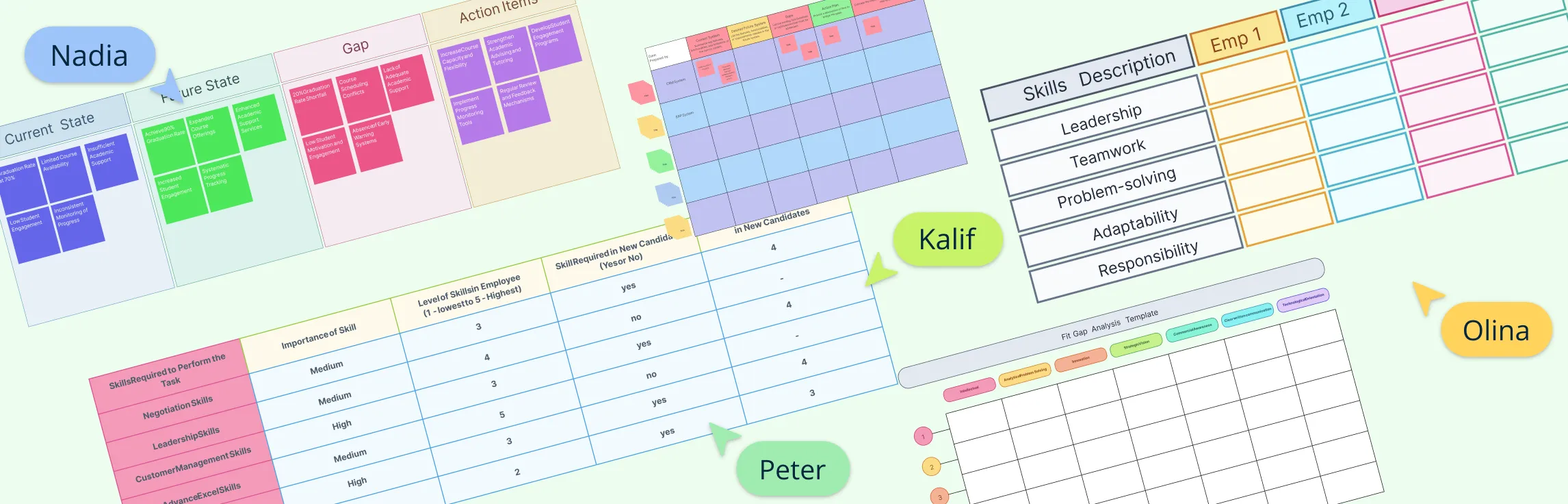
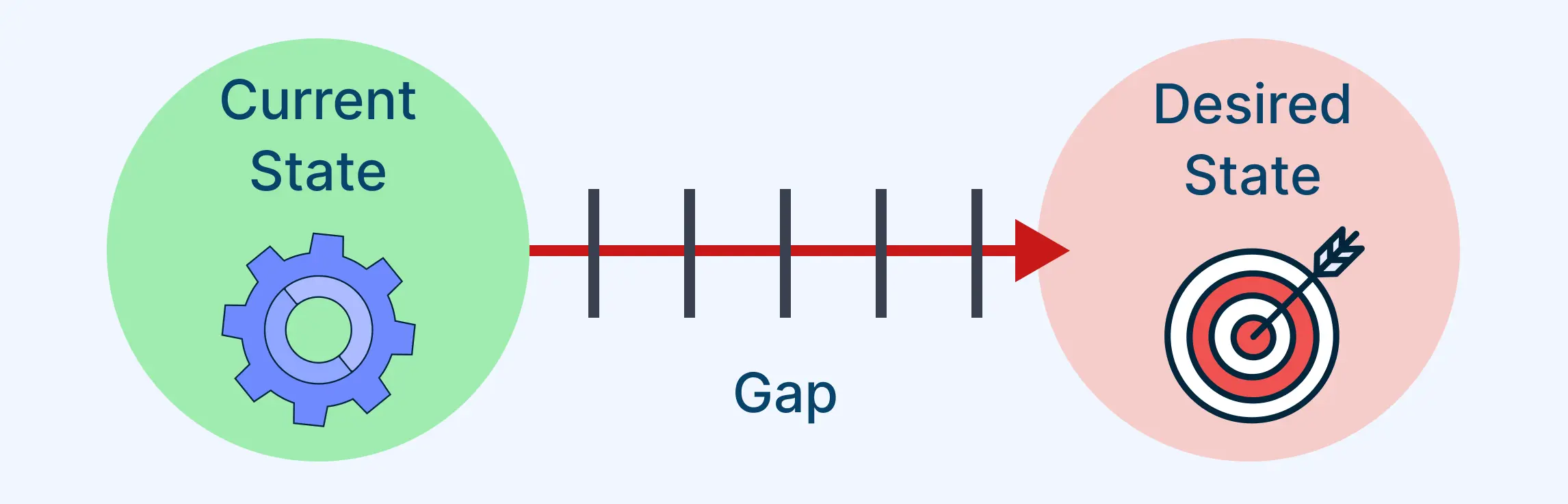
A gap assessment helps you compare where you are now to where you need to be—so you can identify what’s missing and make improvements. In this guide, you’ll learn what a gap assessment is, when to use it, and how it supports better decision-making across skills, compliance, performance, and more.
Gap analysis is all about spotting the difference between your current state and your goals, then finding ways to close that gap. Seeing real-world examples—like a company identifying skill shortages, a hospital meeting new compliance rules, or a manufacturer streamlining processes—makes it easier to understand how it works in practice.
A gap analysis helps you figure out where you are now—and where you want to be. It compares your current performance to your goals, so you can spot what’s missing and what needs to change.
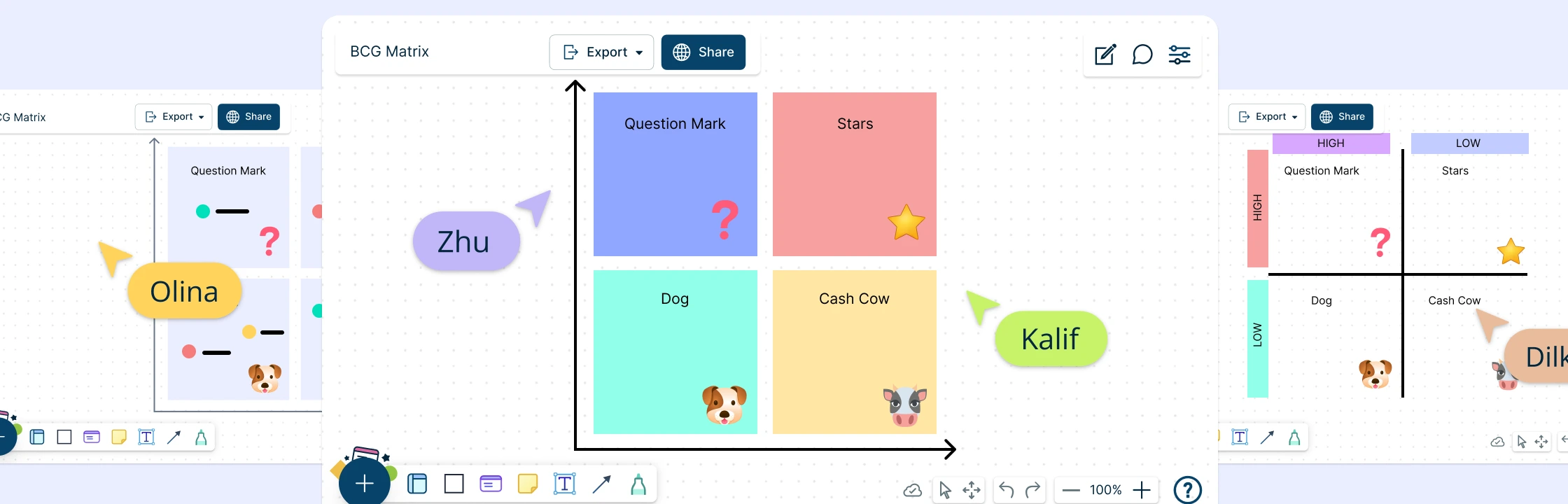
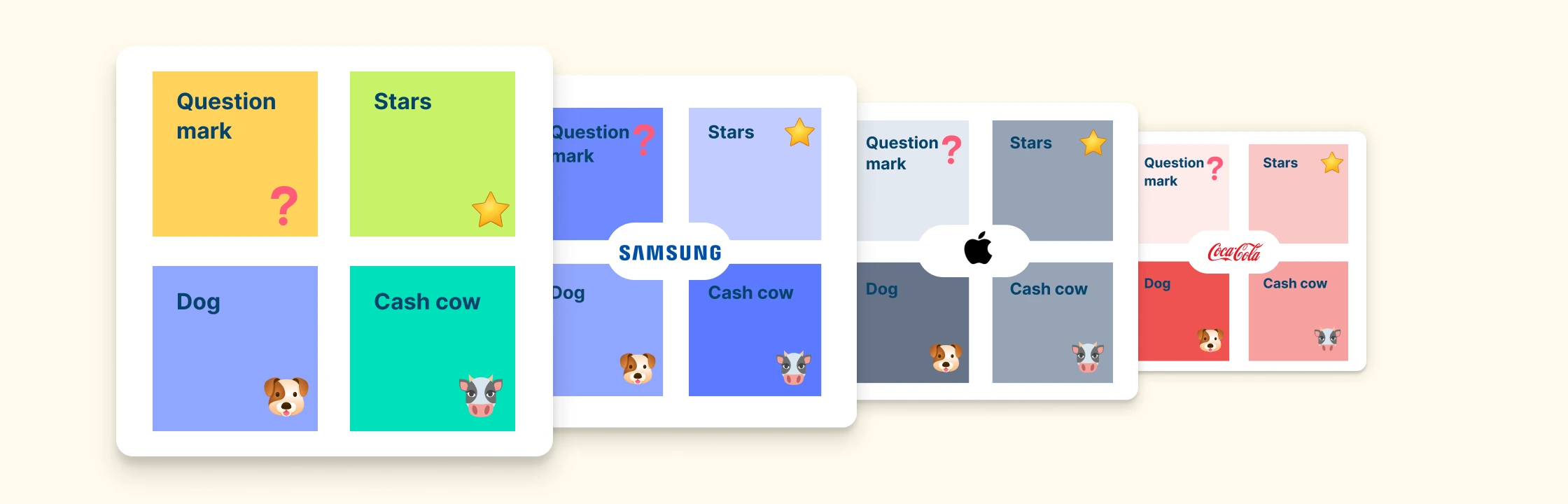
The BCG Matrix provides a structured way to manage your product portfolio by analyzing market growth and share. This guide covers the definition, the four quadrants of the BCG model, practical uses, benefits, limitations, and tips to help you allocate resources and drive business growth.
The term ‘Cash Cow Matrix’ in the BCG framework represents a cornerstone of strategic business management, offering a clear pathway to sustained financial health and strategic advantage. Understanding the cash cow strategy is crucial for businesses aiming to maximize their market potential and ensure steady revenue streams.
What is the BCG Matrix Analysis BCG matrix analysis is a strategic tool developed by the Boston Consulting Group to evaluate a company’s portfolio by plotting each product or business unit against two axes: relative market share and market growth rate. The analysis highlights which offerings drive growth, generate steady cash flow, or consume resources without adequate return.
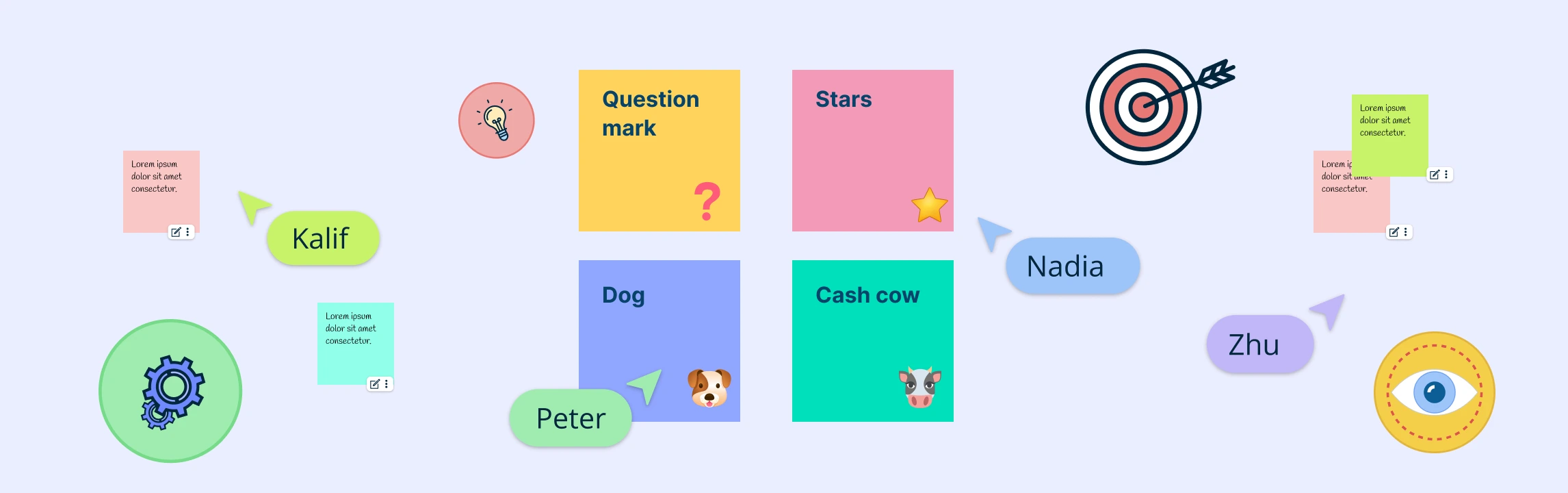
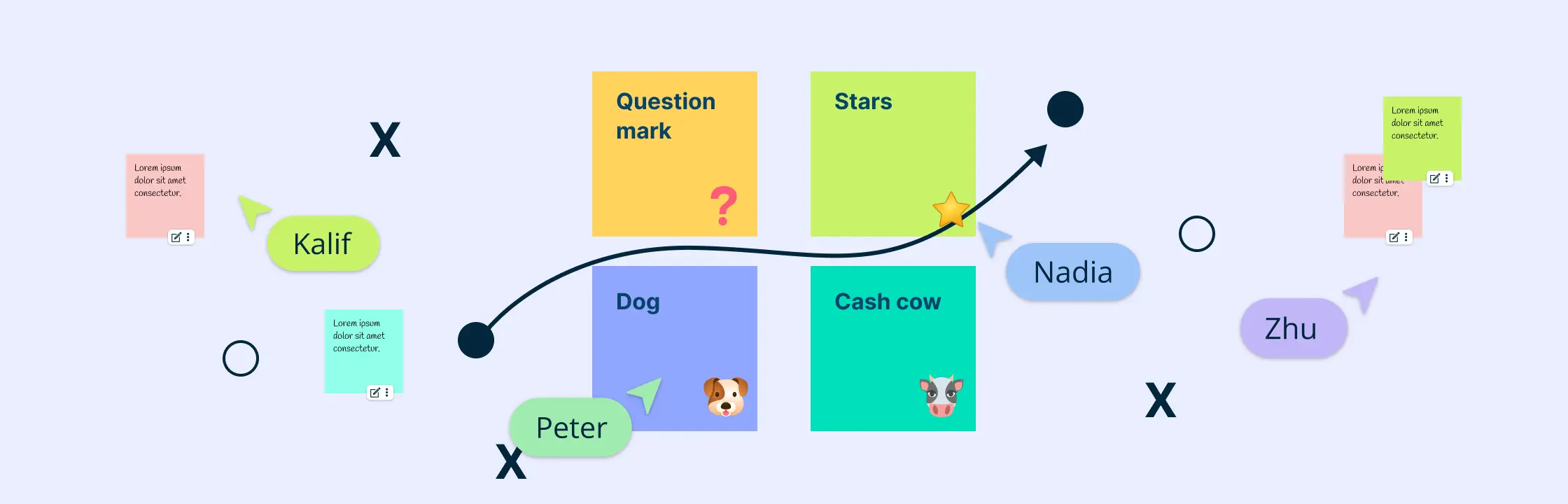
What is the BCG Matrix in Marketing The BCG Marketing Matrix, also known as the Boston Consulting Group Matrix or Growth-Share Matrix, is a strategic tool used by marketers to evaluate a company’s product portfolio. It categorizes products into four quadrants (Stars, Cash Cows, Question Marks, and Dogs) based on their market growth rate and relative market share. This framework helps businesses allocate resources more effectively and tailor marketing strategies according to each product’s performance and market position.
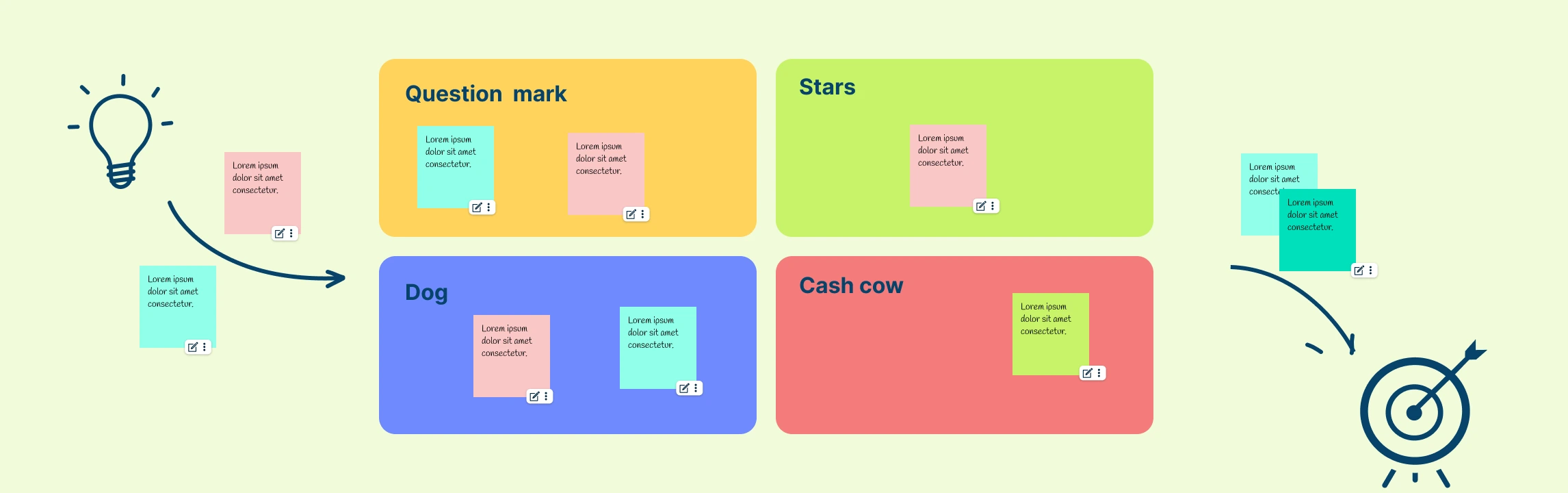
The BCG Matrix, developed by the Boston Consulting Group, is a strategic tool used for analyzing a company’s portfolio of products or business units. This matrix helps in understanding the balance between products that generate cash and those that require investment to grow, guiding strategic decision-making. This guide includes 19 real-world Boston matrix examples to illustrate how businesses apply it in practice.
What Is an Enterprise Capability Model An enterprise capability model is a structured, hierarchical representation of what an organization does, independent of how, where, or by whom the work is performed. It defines an organization’s capabilities—the core functions or outcomes it must deliver to succeed—without tying them to specific processes, systems, departments, or people.
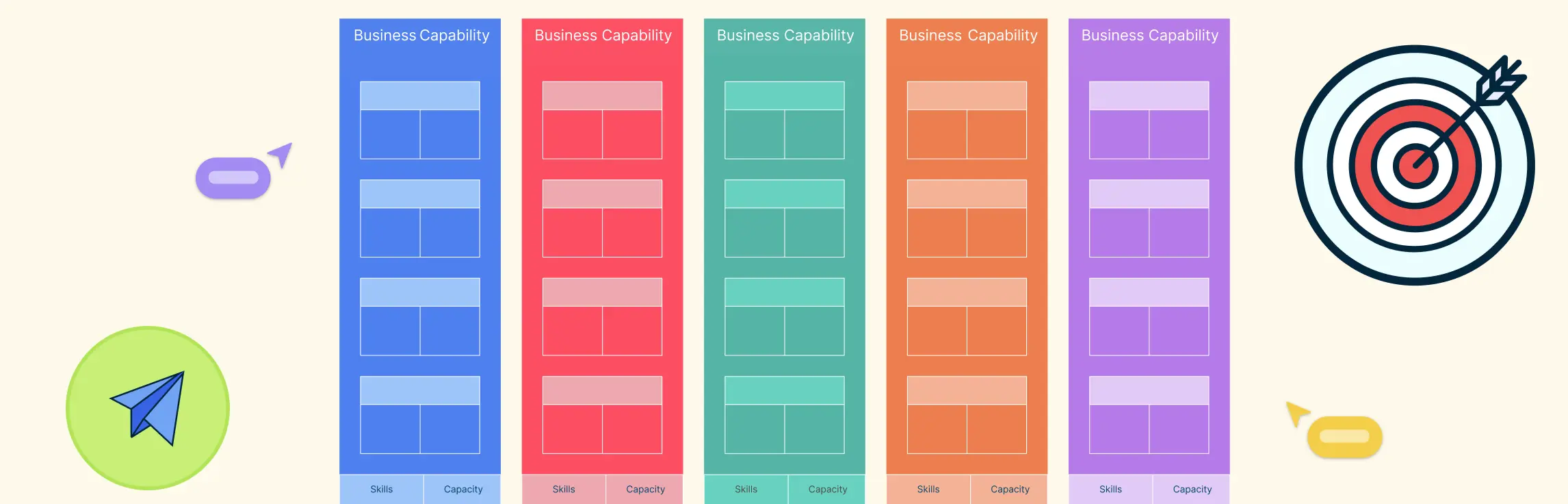
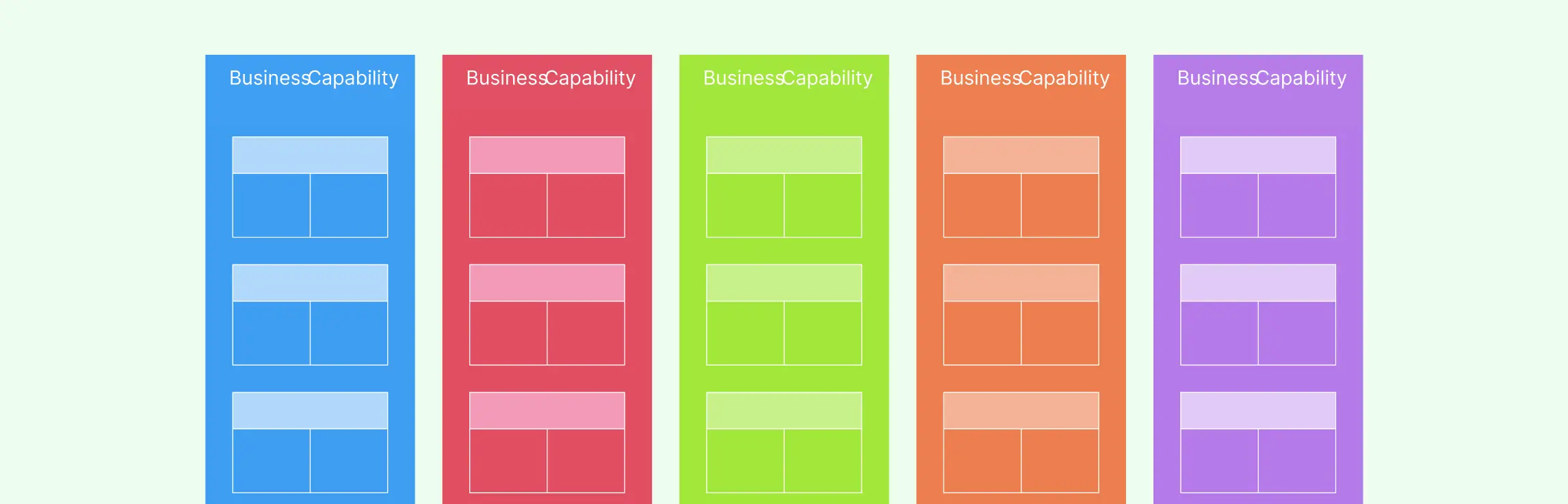
What Is a Business Capability Model? A business capability model is a visual representation of what a business does to deliver value, completely independent of how it’s done, who does it, or what systems are used.
A business capability map is a high-level view of what your organization does to deliver value, focusing on core areas like customer management, product development, or logistics. It strips away the complexity of roles and processes to highlight the actual capabilities that drive the business. In strategic management, capability maps help leaders see where the organization is strong, where it needs improvement, and where to invest. They provide a clear, shared view that connects strategy with real execution. Let’s see how to use business capability maps for strategic management.
Creating a business capability map might sound complex, but it’s really about stepping back and taking a thoughtful look at what your business needs to be able to do — not how it does it or who does it. The goal is to create a big-picture view of your organization’s abilities so you can plan better, make smarter decisions, and stay aligned. Let’s see how to create a business capability map.
PEST analysis in marketing focuses on evaluating how Political, Economic, Social, and Technological factors influence campaign performance, target audiences, and channel strategies. Whether you’re launching a new product or refining an existing strategy, mastering PEST in marketing is key to staying adaptable in a fast-paced environment.
PEST analysis in strategic management empowers organizations to align long-term objectives with external realities and anticipate emerging challenges. By systematically scanning these four domains (Political, Economic, Social, and Technological), teams can mitigate risks, capitalize on opportunities, and enhance decision quality.
A gap analysis is a simple but powerful way to find out what’s missing between where you are and where you want to be. It helps you compare your current performance with your goals so you can spot the gaps that need attention. Whether you’re trying to improve a process, reach a business target, or develop new skills, a gap analysis gives you a clear starting point and a roadmap for action. In this guide, we’ll walk you through how to conduct a gap analysis effectively—step by step.
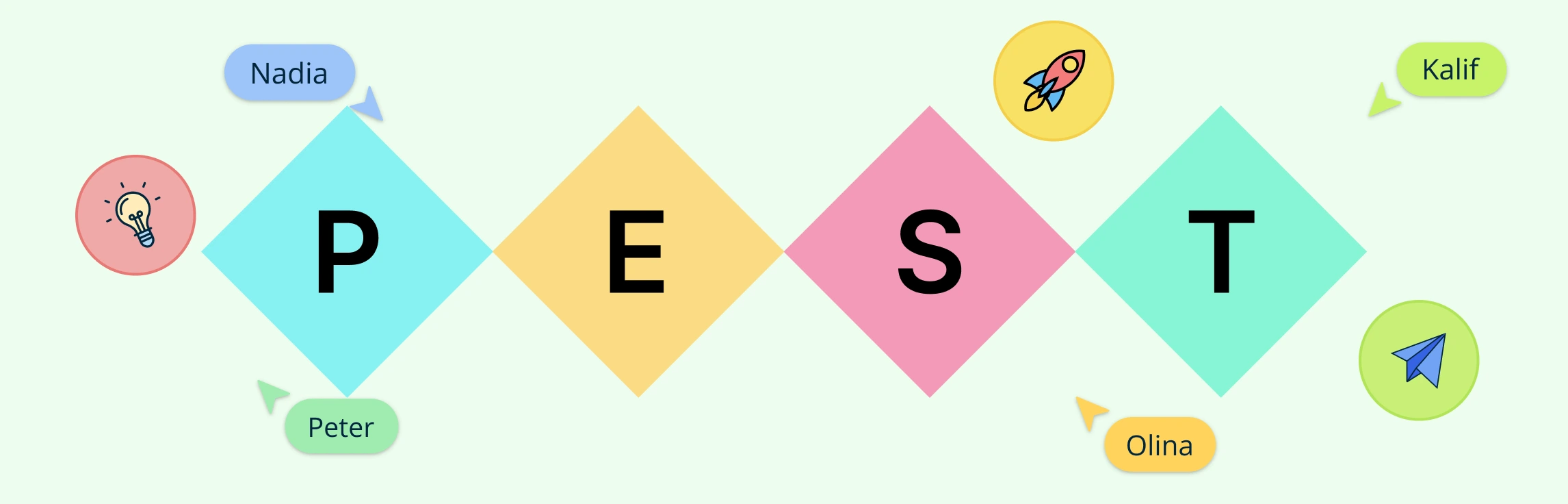
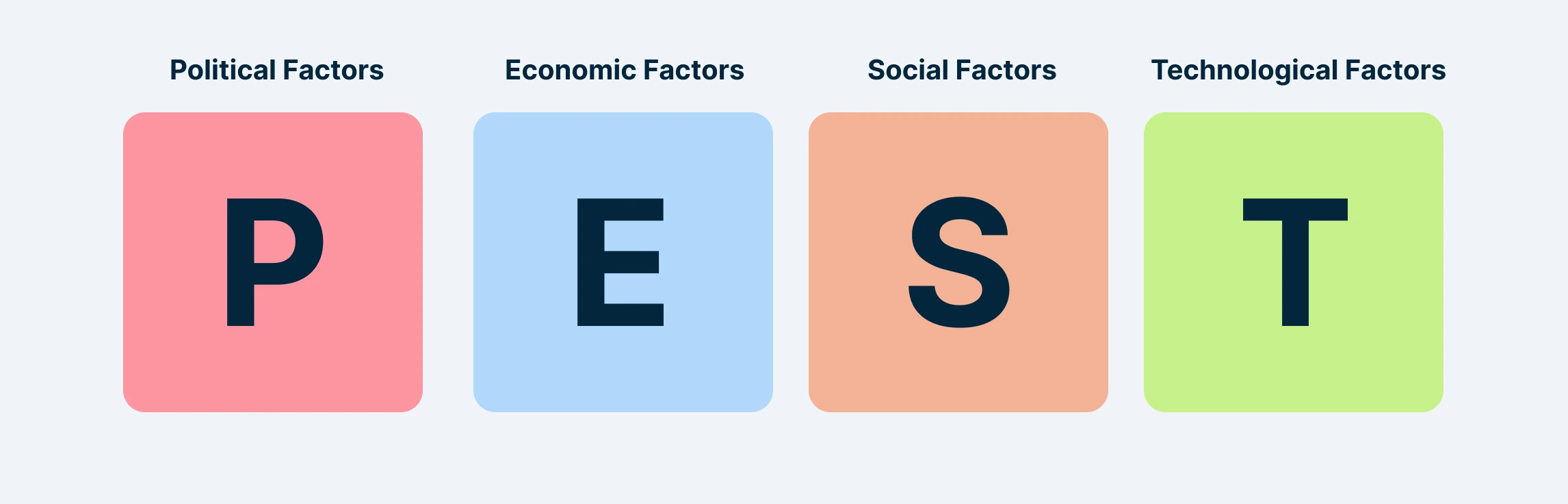
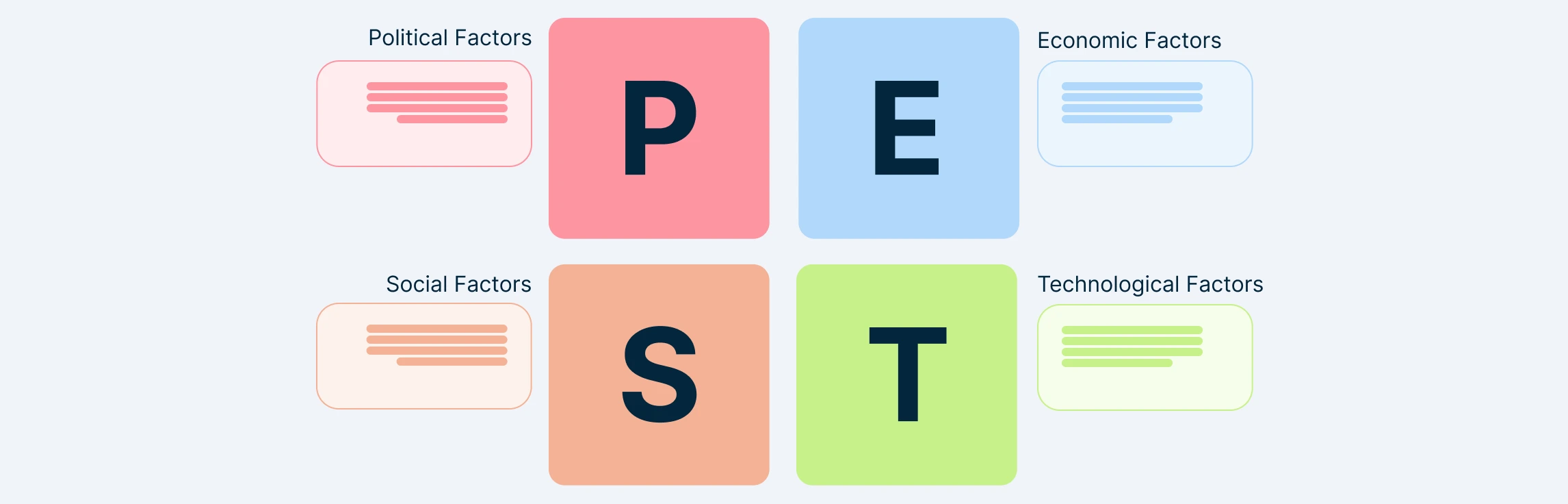
PEST Analysis Definition PEST analysis is a strategic framework used to identify and assess the external macro-environmental factors that may impact an organization’s performance. It categorizes these influences into four key factors: Political, Economic, Social, and Technological, providing a structured approach for evaluating potential opportunities and threats in the external environment.
Understanding the external environment is crucial for any business aiming to succeed and grow in today’s fast-changing world. A PESTEL analysis tool is a simple yet powerful tool that helps organizations identify and evaluate key external factors—political, economic, social, technological, environmental, and legal—that can impact their operations and strategy.
Key PEST Factors The four key PEST factors assessed in a PEST analysis are Political, Economic, Social, and Technological. By analyzing these factors, organizations can identify opportunities, anticipate risks, and develop strategies that adapt to changing conditions.
Problem-solving tools are methods, techniques, or visual aids that help individuals and teams understand problems, find their causes, and identify effective solutions. These tools organize thinking, guide the decision-making process, and improve how people approach challenges—whether simple or complex.
When planning a project, it is important to learn about the internal and external environmental factors that can affect the project. There are some excellent strategic planning methods that you can use to analyze all these factors. PEST analysis and SWOT analysis are two of the most frequently used planning methods. Below is a brief introduction to both methods, how to use Creately’s AI templates to perform each analysis and a comparison of the two.
A business capability map is a visual representation that shows what an organization is able to do. It doesn’t focus on how the work gets done, who does it, or what tools are used. Instead, it outlines the core abilities that allow the business to operate, deliver value to customers, and achieve its goals. These abilities, called capabilities, are stable over time even when processes, people, or technologies change.
An action plan for career growth provides a structured roadmap to help individuals set, track, and achieve their professional goals. Whether you’re advancing in your current role, switching industries, or developing new skills, a well-defined plan ensures steady progress. Here are 10 examples of career action plans to help you succeed:
An Affirmative Action Plan (AAP) is a structured strategy that helps organizations promote diversity, equity, and inclusion by ensuring fair hiring, promotion, and workplace policies. These plans are essential for businesses committed to eliminating discrimination and fostering equal opportunities for all employees. Below is a list of 10 key affirmative action plan templates to guide organizations in creating a more inclusive workforce.
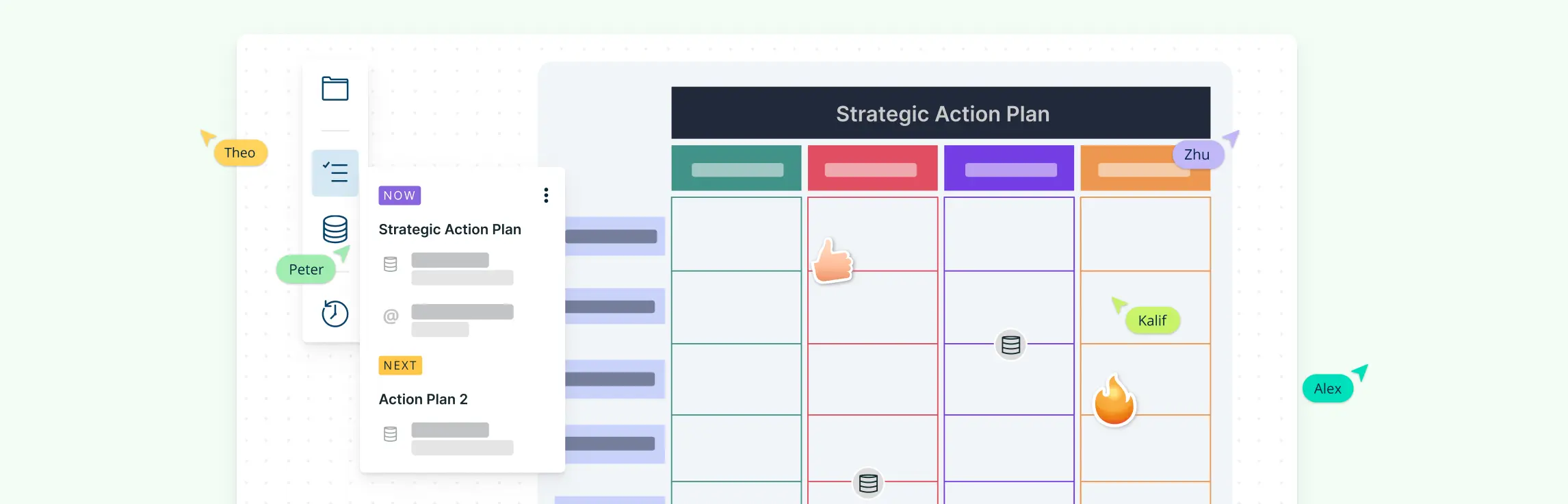
A strategic action plan provides a clear roadmap for achieving specific business goals, ensuring that efforts are well-structured and effective. In this guide, we will share ten essential strategic action plan templates to guide businesses in various scenarios.
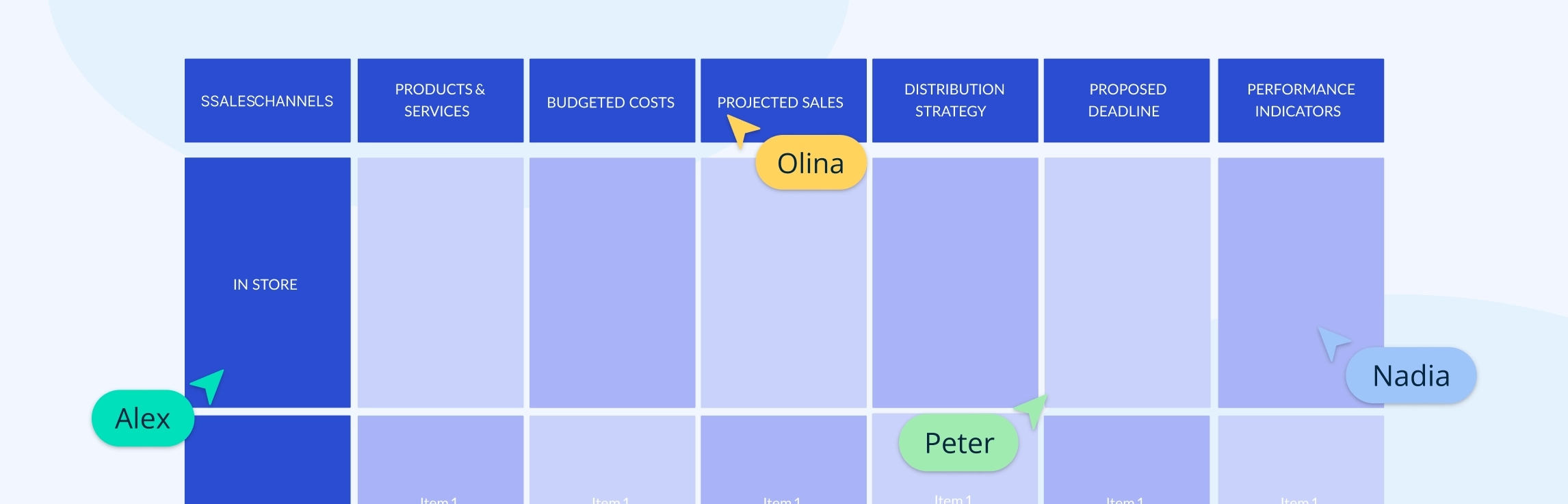
A Business Action Plan is a structured framework that helps organizations outline their goals, define strategies, and execute tasks efficiently. Whether launching a startup, expanding into new markets, or improving financial management, a well-designed action plan ensures clarity, accountability, and measurable progress. In this guide, we will share 10 Business Action Plan Templates to help businesses achieve their objectives effectively.
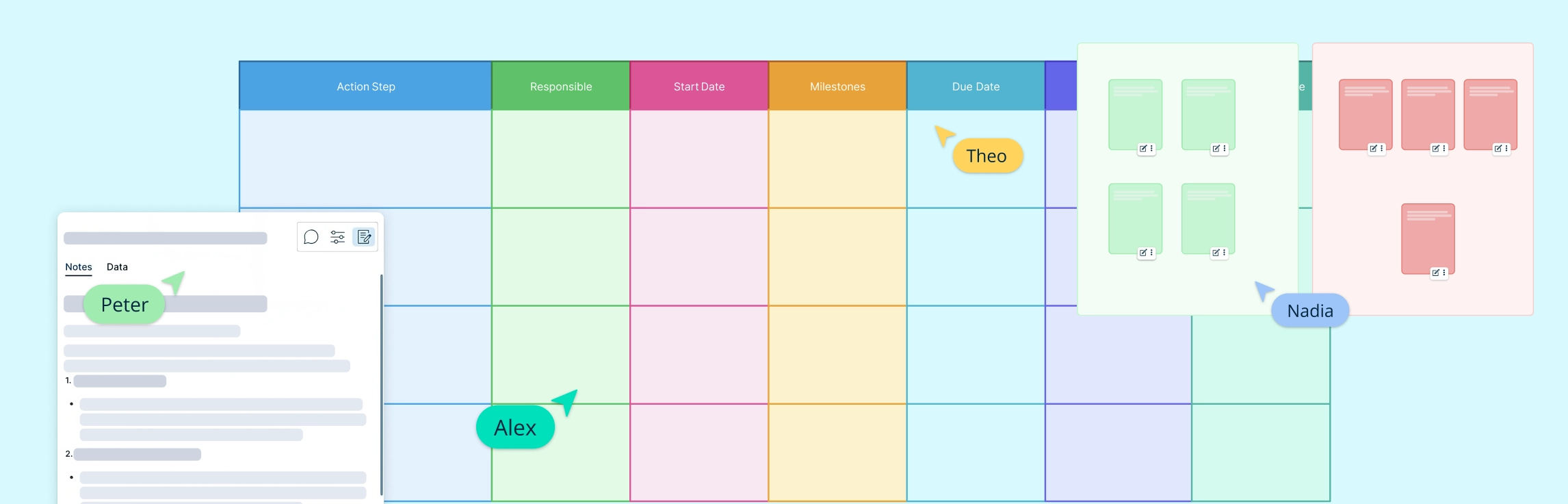
Management action plans can address various business needs, such as project execution, risk management, performance improvement, and strategic planning. Below are ten examples of management action plan templates that organizations can use to enhance efficiency and productivity. Here are 10 Examples of Management Action Plan with templates.
Employee action plans can be used for professional development, performance improvement, or addressing behavioral concerns. They provide employees with a clear understanding of their objectives while offering managers a structured method to monitor and support progress. Here are 10 examples of employee action plans with editable templates.
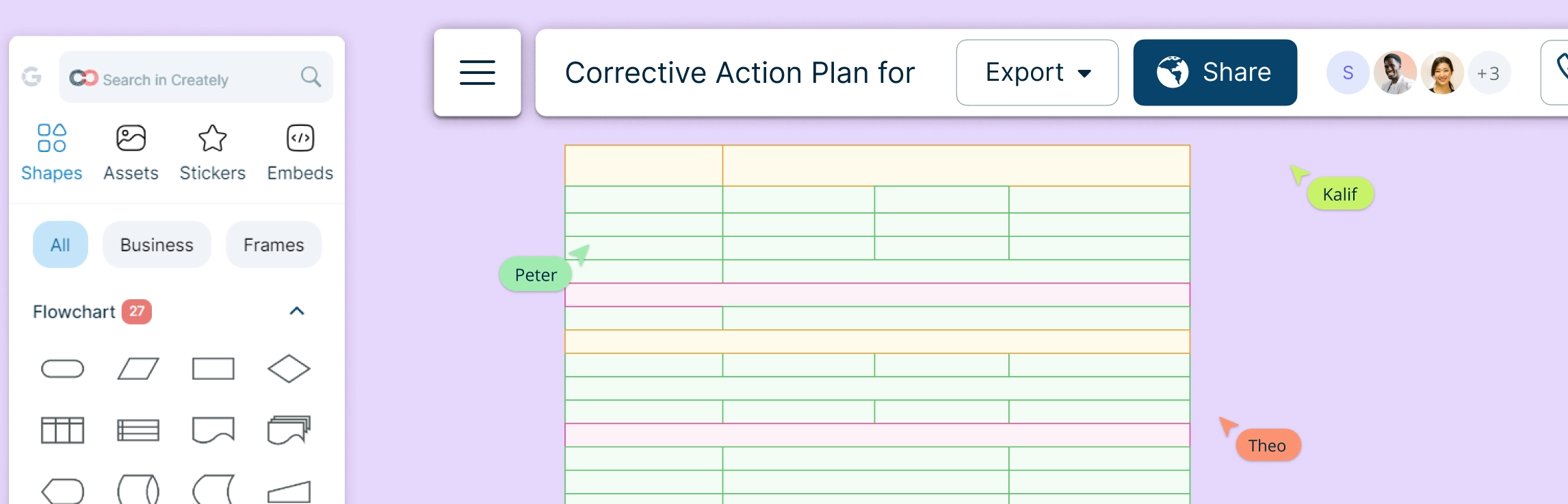
A successful CAP should include clear objectives, measurable expectations, a timeline for improvement, and support mechanisms for the employee. Corrective action plans are essential for maintaining workplace standards, ensuring compliance with company policies, and fostering a culture of continuous improvement. Here is a 10 Examples of Corrective Action Plans for Employees
An Emergency Action Plan (EAP) for schools is a critical safety strategy that outlines procedures for effectively responding to crises and ensuring the well-being of everyone on campus. Schools need clear and actionable emergency protocols that align with local laws and safety regulations. Emergency action plan should be updated regularly and communicated to all stakeholders, including students, teachers, parents, and emergency responders.
A strategic action plan is like a roadmap that helps organizations and businesses turn their big goals into real results. It lays out the steps needed to move forward, making sure everyone knows what to do, when to do it, and how to measure success.
A Corrective Action Plan (CAP) is essential in quality management for addressing issues at their root and driving long-term improvements aligned with organizational goals. Commonly used in industries like manufacturing, healthcare, IT, and food safety, CAPs help meet industry standards, enhance customer satisfaction, and ensure compliance. This guide covers everything you need to know about corrective action plans—from understanding their purpose and key components to step-by-step instructions on how to develop, implement, and monitor them for sustained success.
Imagine a fire breaks out in your office or a severe storm forces an evacuation. Would your team know what to do? That’s where an emergency action plan (EAP) comes in. It’s a step-by-step guide that helps businesses and organizations prepare for unexpected emergencies, ensuring everyone stays safe and knows their role when disaster strikes.
A Corrective Action Plan (CAP) is a structured approach to identifying, addressing, and preventing recurring issues in an organization. Whether dealing with compliance violations, operational inefficiencies, or quality concerns, a well-designed CAP helps resolve problems at their root cause while improving processes and accountability. This guide provides a step-by-step approach to how to write a Corrective Action Plan to enhance efficiency, minimize risks, and drive continuous improvement.
Every successful business thrives on clear goals, well-defined processes, and efficient execution. An operational plan serves as a structured roadmap that bridges strategy and execution, ensuring that tasks are completed on time and aligned with business objectives. Whether you’re streamlining daily operations, improving team productivity, or driving long-term growth, a well-crafted operational plan provides the clarity and direction needed for success.
Ever feel overwhelmed by all the things you need to get done, with no clear path forward? That’s where an action plan comes in. What is an action plan? It is your roadmap to success. It breaks down your goals into simple, manageable steps so you know exactly what to do and when to do it.
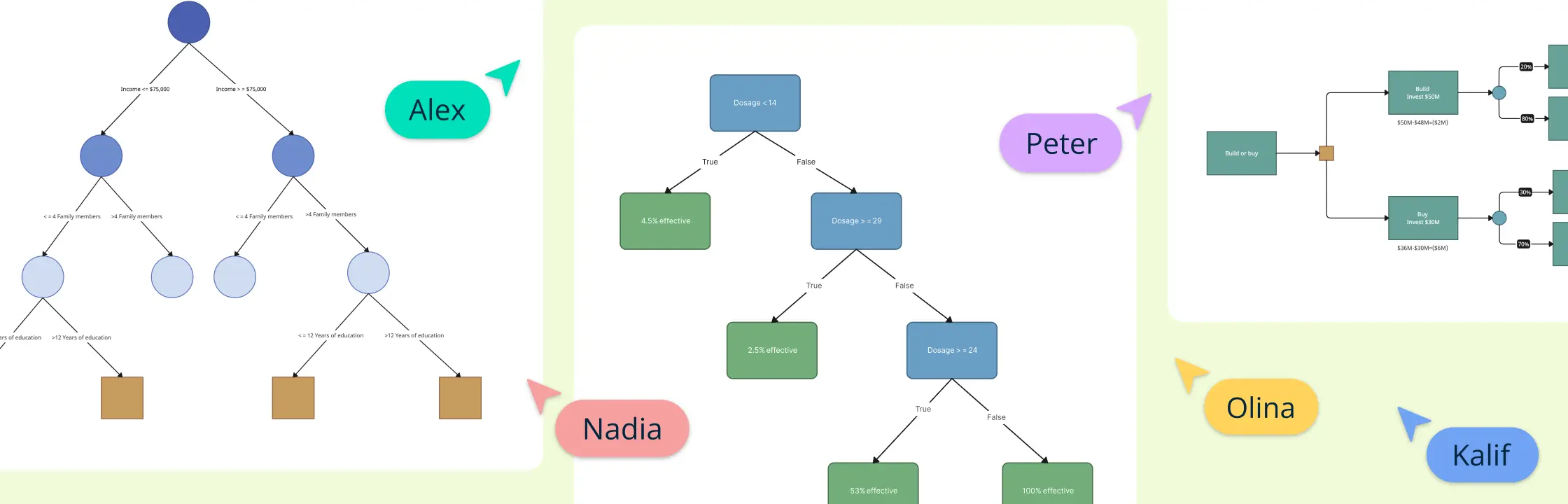
Decision trees are a visual and structured representation of data-driven decisions, resembling a flowchart that begins at a root node and branches into possible outcomes. These tools are widely used in machine learning for tasks like classification and regression, enabling analysts to understand complex input-output relationships by segmenting data into manageable parts.
Planning a wedding can be an exciting yet overwhelming experience. However, maintaining organization throughout this process is essential for ensuring a memorable, stress-free event. By utilizing wedding planning templates, you can simplify the intricate details involved, keeping every aspect of your special day on track.
If your team often feels lost in how work actually gets done — who’s doing what, when, and how tasks connect — workflow visualization can bring order to the chaos. In this guide, we will look at workflow visualization methods, how to create a visual workflow, best practices and tools.
Achieving your dreams requires more than just ambition—it takes clear goals, focused planning, and consistent motivation. Vision boards and goal setting are powerful tools to help you visualize your objectives and stay on track. Whether you’re striving for personal growth, professional success, or team achievements, combining these techniques can unlock your full potential. Read on to discover the transformative power of vision boards and how Creately can make your goal-setting journey seamless and effective.
In an increasingly complex world, managing risks and ensuring safety are critical for businesses across all industries. Event Tree Analysis (ETA) is a systematic and powerful method for evaluating the outcomes of initiating events and understanding potential risks by visually mapping possible scenarios and their probabilities. For professionals responsible for risk assessment, safety management, or compliance, mastering Event Tree Analysis is a valuable skill. This guide not only explains the fundamentals of ETA but also shows how tools like Creately make the process efficient and collaborative, ensuring that teams can focus on delivering better safety outcomes.
Often, when we make decisions, we need to compare between two options. Visualizing the similarities and differences of the two options can be a better way to make a decision. A double bubble map is a powerful visual tool designed to compare and contrast two ideas, concepts, or items in a structured and engaging way. This versatile tool enhances comprehension, critical thinking, and collaboration. Unlike traditional charts or lists, double bubble maps offer a dynamic framework to organize similarities and differences clearly. In this guide, we’ll explore what a double bubble map is, how it differs from tools like Venn diagrams, practical applications, and step-by-step instructions for creating one using tools like Creately. Read on to discover how this versatile tool can simplify complex topics, enhance decision-making, and become a go-to resource for visualizing comparisons.
In today’s rapidly advancing data-driven environment, the need for effective data visualization cannot be overstated. Choosing the right type of graph is critical for accurately conveying information and making insightful decisions. This article sheds light on two foundational tools in data presentation: histogram vs bar graph.
In today’s fast-paced business environment, understanding and managing risks is crucial for sustaining success. A risk heat map offers a powerful way to visualize and assess risks, providing a clear overview of their likelihood and impact. This simple yet effective tool helps organizations identify potential threats, prioritize actions, and allocate resources efficiently. Whether you’re navigating operational challenges or preparing for future uncertainties, risk heat maps are an essential component of modern risk management. In this guide, we’ll explore what risk heat maps are, why they matter, and how to create and use them effectively.
What is Strategic Analysis Strategic analysis examines a company’s internal and external environments to develop actionable strategies. Using frameworks like SWOT and PESTLE, it identifies strengths, weaknesses, opportunities, and threats, helping businesses navigate market complexities and align goals with operations and long-term plans.
A new year brings new opportunities, and the key to making the most of 2025 lies in effective planning. A well-organized planner for 2025 not only helps you manage your time but also ensures you stay focused on your goals, whether personal or professional. From daily schedules to long-term objectives, having a clear roadmap can significantly enhance your productivity and peace of mind.
Problems are a part of life—whether they pop up at work, at home, or in unexpected places. But solving them effectively often comes down to understanding their root cause. That’s where tools like the 5 Whys come in handy.
Businesses today must navigate a complex landscape influenced by continuous external changes. Embracing a proactive approach to strategic planning, the STEEPLE analysis emerges as an invaluable tool, providing a comprehensive framework for evaluating external factors impacting business operations. The analysis extends beyond traditional strategies by incorporating social, technological, economic, environmental, political, legal, and ethical factors, giving companies a full spectrum view of their operating environment.
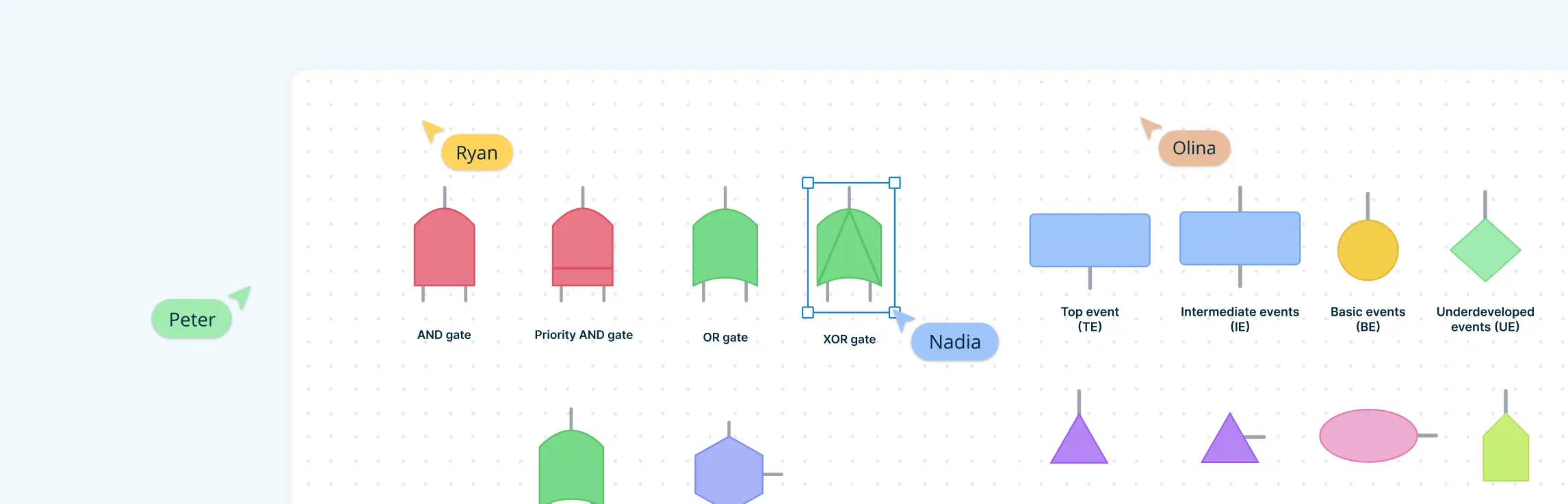
Fault Tree Analysis (FTA) stands as a pivotal methodology in assessing and mitigating risks across industries, from aerospace to software engineering. Being a top-down, deductive technique, Fault Tree Analysis (FTA) dissects a system’s pathways to locate potential flaws, ensuring the probability of failure remains manageable. At the helm of this analytical process are fault tree analysis symbols, fundamental tools that unravel complex failure paths into understandable and actionable insights.
Every system, no matter how meticulously designed, carries the risk of failure. When the stakes are high—be it in aerospace, manufacturing, or software engineering—understanding potential vulnerabilities becomes critical. Fault Tree Analysis (FTA) provides a structured way to dissect these risks, empowering professionals to uncover hidden weak points and prevent disasters before they occur. With its graphical approach, FTA turns complex interdependencies into clear, actionable insights.
In today’s competitive business landscape, understanding the inner workings of your organization is essential. Business process mapping offers a powerful way to visualize, analyze, and improve every step in your organization’s workflows. From enhancing operational efficiency to ensuring compliance and improving communication, business process mapping provides a strategic advantage for businesses aiming to stay agile and productive. This guide covers the key benefits of business process mapping, showcases its versatility across industries, and demonstrates how Creately can amplify these benefits to take your business processes to the next level.
In the complex world of healthcare, effective communication and streamlined processes are essential for delivering high-quality patient care. Process mapping serves as a powerful tool that allows healthcare professionals to visualize workflows, identify inefficiencies, and enhance collaboration among teams. This guide aims to provide a comprehensive overview of process mapping in healthcare, exploring its benefits, step-by-step creation techniques, various types of process maps, and best practices for success. Whether you’re looking to improve patient journeys, track clinical pathways, or eliminate waste in your operations, this guide will equip you with the knowledge and tools necessary to foster efficiency and quality in your healthcare organization.
In the world of logistics, where countless moving parts come together to move goods from point A to point B, clarity is crucial. Logistics process mapping is a pivotal tool that offers this clarity, helping companies visualize and refine their supply chain operations. By breaking down complex processes into digestible, visual steps, logistics teams can pinpoint bottlenecks, improve efficiency, and enhance communication across departments. In this guide, we’ll explore how logistics process mapping works, the types of diagrams that can be used, and how each one brings unique insights to logistics management.
In the fiercely competitive environment of modern business, organizations constantly seek ways to improve efficiency and reduce waste. Continuous improvement plays a pivotal role in this endeavor by methodically integrating with existing business processes. For companies aiming to stay ahead, this approach serves as an indispensable tool for streamlining operations, enhancing product quality, and ultimately boosting profitability.
Ever sat in a meeting where everyone seemed to have an opinion, but no one knew who had the final say? Or maybe you’ve watched a promising project grind to a halt because the decision-making process resembled a game of hot potato? We’ve all been there. In today’s fast-paced business world, the ability to make swift, informed decisions can mean the difference between seizing opportunities and watching them slip away.
In every workplace, from bustling startups to established enterprises, the ability to solve problems effectively can make the difference between success and stagnation. Yet, despite its critical importance, systematic problem-solving remains one of the most underutilized skills in modern organizations. Too often, teams rush to implement solutions before fully understanding the root causes of their challenges, leading to temporary fixes rather than lasting improvements.
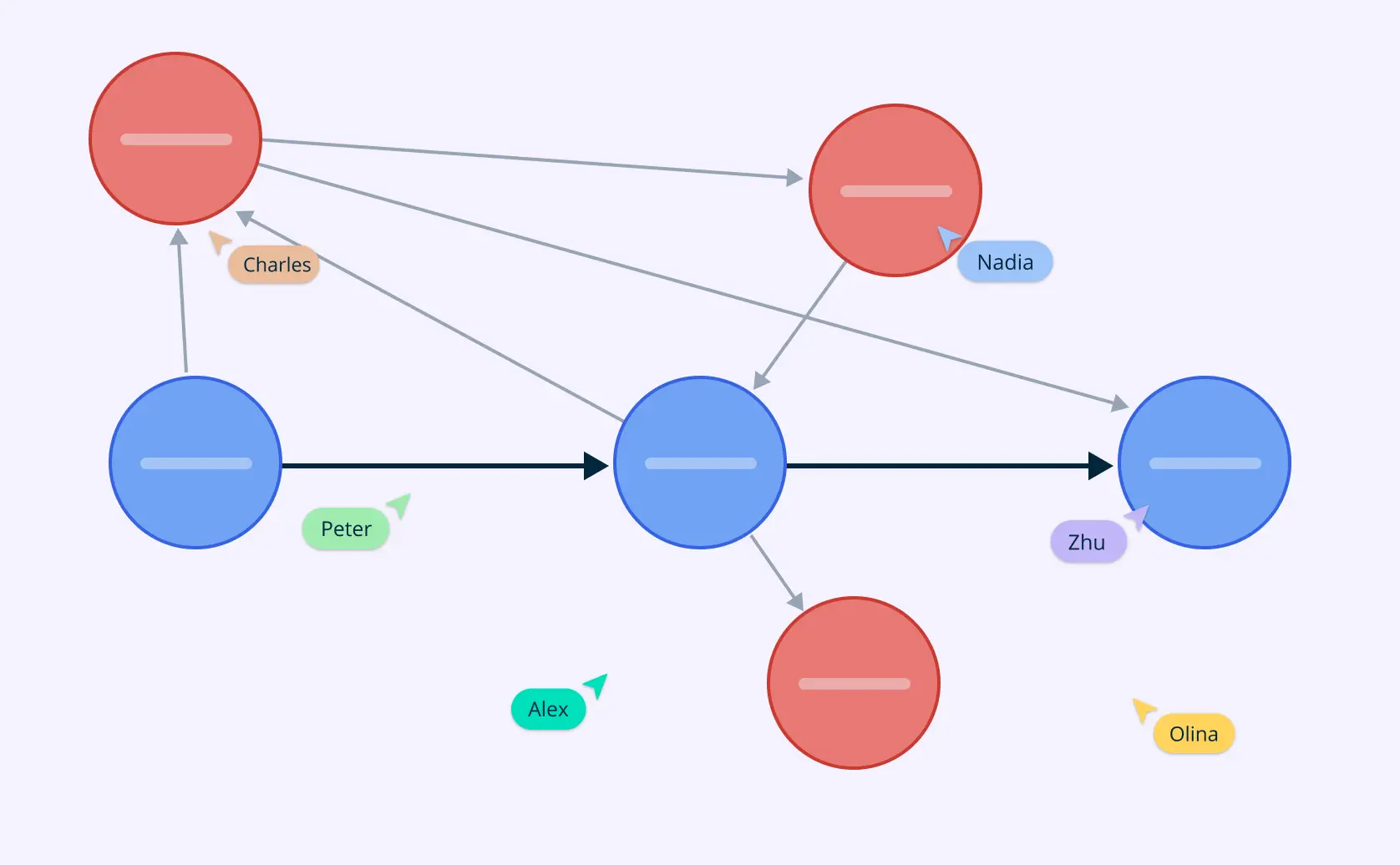
Understanding the relationships among actors within a system is fundamental to systems thinking, and actor mapping offers a powerful way to visualize these complex connections. By creating an actor map, systems thinkers can identify influential players, examine their roles and interactions, and reveal the dynamics shaping outcomes within the system. This guide will introduce the essentials of actor mapping and its core elements. It will also provide guidance on building an effective map using various templates. We’ll also explore the benefits, limitations, and common pitfalls to avoid, equipping you with the tools to deepen your understanding of systemic interactions and enhance overall system performance.
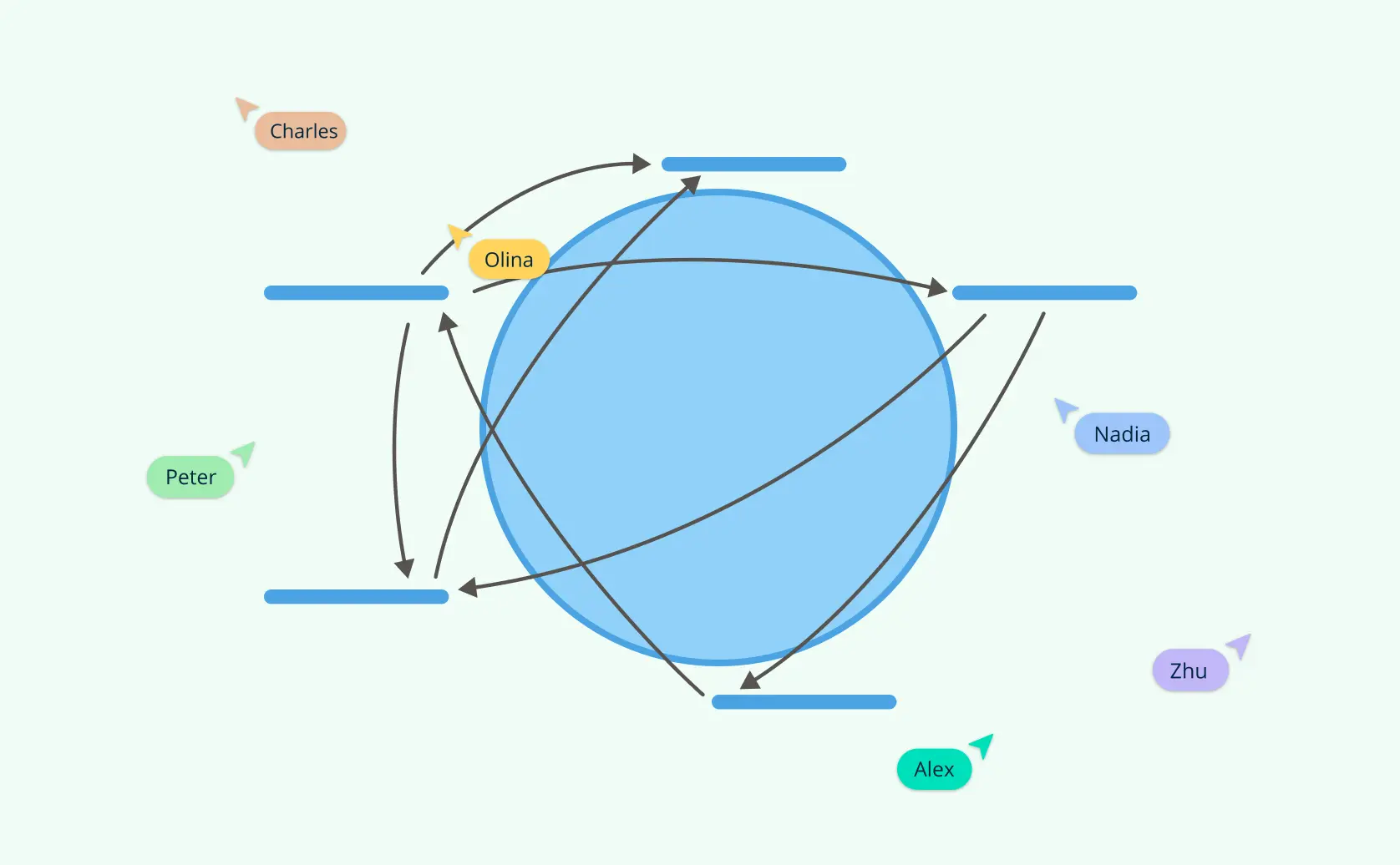
In today’s complex world, understanding relationships within systems—whether in social cause, storytelling, education, or operations—is vital. Connection Circles are powerful tools for visualizing these relationships, helping to reveal the underlying cause-and-effect dynamics and feedback loops. By mapping out these interactions, connection circles provide a clearer picture of how different elements influence each other, making it easier to navigate complexity and make informed decisions. This guide will explore connection circles and their applications.
Introduction to Issue Mapping Issue mapping is a crucial tool in social sciences, used to understand and analyze complex social, political, and economic issues. It helps researchers, policymakers, and activists identify key stakeholders, relationships, and underlying factors contributing to a given issue. This method encourages comprehensive analysis by breaking down a problem into interconnected parts, offering a holistic view of how various elements interact within society.
Continuous improvement is about making things better, step by step, to boost efficiency and encourage new ideas. The right tools can help teams work smarter, find and fix problems faster, and create a culture that values growth. In this guide, we’ll introduce you to 18 powerful continuous improvement tools that can help your organization save time, reduce waste, and stay competitive.
Whether you’re a business leader grappling with customer satisfaction issues, a teacher trying to improve student engagement, or simply an individual navigating life’s complexities, the ability to solve problems effectively is a crucial skill.
In the current dynamic business environment, organizations face a myriad of challenges that demand effective decision-making. One powerful methodology for pinpointing discrepancies between existing operations and desired outcomes is fit gap analysis This guide explores the fundamentals of fit gap analysis, highlighting its significance, outlining the process involved, and demonstrating how it can propel organizational success.
A roadmap is a visual guide that outlines the path to achieving specific goals. It helps you see the big picture while breaking down the steps needed to reach your objectives. Whether you’re working on a project, launching a product, or planning long-term strategies, a roadmap makes it easier to stay organized and focused. In this guide, we’ll explore what roadmaps are, why they’re important, and how to create one that works for your needs.
Cost-benefit analysis (CBA) is a useful approach to weighing the pros and cons before making a decision. It allows you to assess whether the benefits of a project or action justify the costs involved, helping you make choices that are more efficient and impactful. This guide will walk you through how to use cost-benefit analysis to make better decisions, providing simple steps and practical examples to help you get started. Whether you’re planning a business investment, a community project, or a personal decision, CBA can help ensure your resources are used effectively.
In today’s fast-paced business environment, staying ahead of potential problems is crucial for success. Enter Failure Mode and Effects Analysis (FMEA) - a powerful tool that’s been quietly revolutionizing how companies approach risk management and quality control.
In today’s rapidly evolving business landscape, organizations must be prepared to adapt and transform to remain competitive. A critical tool in this process is the change readiness assessment, a structured evaluation method that measures an organization’s preparedness to embrace and implement change effectively.
In today’s dynamic business environment, fostering a culture of continuous improvement is essential for long-term success. The Kaizen methodology, with its roots in Japanese philosophy, emphasizes the power of small, incremental changes that drive significant improvements over time. Unlike traditional approaches that focus on large-scale transformations, Kaizen promotes steady, ongoing enhancements that build momentum gradually.
In today’s competitive business environment, maximizing efficiency while minimizing waste is more important than ever. This is where the 5S methodology comes into play. Rooted in the principles of lean manufacturing, the 5S methodology provides a clear and practical framework for organizing workspaces, improving productivity, and ensuring safety. Whether you run a manufacturing plant, a healthcare facility, or an office, the 5S methodology can transform your work environment for the better.
Decision making in management is one of the most important responsibilities, impacting everything from day-to-day operations to long-term success. In this guide, we’ll explore the essential tools, strategies, and processes that help managers make informed decisions. Whether you’re facing complex challenges or routine choices, understanding how to effectively gather information, evaluate options, and take action can make a significant difference in achieving your goals and leading your team successfully.
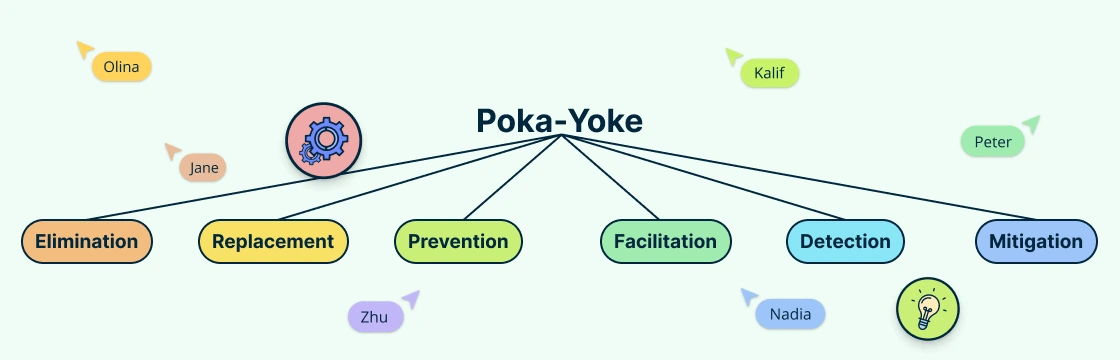
Product managers and Six Sigma professionals know all too well that a single oversight can derail months of hard work. In the relentless pursuit of innovation and efficiency, the margin for error shrinks daily. This is where Poka-Yoke enters the picture – a methodology that turns error prevention into an art form.
In the dynamic landscape of modern business, optimizing processes and ensuring quality are paramount. Six Sigma, a data-driven methodology, is designed to reduce defects and improve process efficiency. Its tools are not only essential for enhancing processes but also play a transformative role in effective team management.
What Are Operational Decisions? Operational decisions are the backbone of any successful organization, serving as the routine yet vital choices that ensure daily activities remain aligned with long-term strategic objectives. These decisions are short-term, highly adaptable, and context-specific, focusing on the efficient management of day-to-day business functions. When made effectively, operational decisions enhance operational efficiency, optimize resource allocation, and improve customer satisfaction, contributing to the overall success of the organization.
Effective consulting helps organizations tackle challenges and achieve their goals. Consultants provide expertise and fresh perspectives to address issues like market changes and internal struggles. By collaborating with clients to identify problems and create tailored solutions, consultants enable businesses to overcome immediate challenges and make better decisions for the future, ultimately leading to improved performance and lasting success. his guide will walk you through each step of the consulting process, offering practical insights to enhance your approach and deliver meaningful results.
In a world where every misstep can cost valuable time and resources, businesses are constantly searching for ways to cut through inefficiencies and improve customer satisfaction. Lean Six Sigma emerges as a powerful solution, offering more than just process improvements – it’s a comprehensive approach to eliminating waste and reducing variation. But what sets it apart from other management philosophies? How can it drive not only operational efficiency but also transform organizational culture? In this article, we’ll break down the core principles of Lean Six Sigma and explore how it can steer your business toward lasting excellence and customer satisfaction.
Have you ever wondered how some companies consistently deliver high-quality products while operating at peak efficiency? Chances are they’re using methodologies like Six Sigma or Lean to achieve those results. In today’s competitive business world, where time and resources are limited, organizations are always looking for ways to streamline operations, cut waste, and improve quality. Six Sigma and Lean have become two of the most popular approaches for making this happen.
The evolving world of marketing needs personalized and targeted strategies to stay ahead of the competition. STP marketing is a highly effective framework that can help marketers segment their market, target specific customer groups, and position their products or services more effectively.
Effective thinking is more important than ever in today’s complex world. Whether you’re navigating personal challenges or tackling professional projects, harnessing the right thinking tools can enhance your cognitive processes, streamline decision-making, and foster creativity. This article delves deep into various thinking tools, their categories, and how you can leverage them using visual collaboration platforms like Creately.
Effective communication skills are the cornerstone of workplace success, fostering collaboration, enhancing team dynamics, and driving productivity. In today’s fast-paced and diverse working environments, the ability to communicate clearly and efficiently is more important than ever. By understanding and mastering different types of communication skills—verbal, non-verbal, written, and visual—you can bridge collaboration gaps within your team and achieve your organizational goals.
The contemporary business environment, characterized by rapid shifts and competitive pressures, necessitates robust strategic planning frameworks. The Influence Model is integral to this process, providing a structured approach to influencing change within organizations. By ensuring that all stakeholders comprehend the reasons behind changes and are adequately prepared and motivated to adapt, the model aids in aligning organizational efforts with strategic objectives. Moreover, the model helps mitigate common pitfalls in change management, such as resistance to change and misalignment of incentives. Ultimately, the Influence Model equips business leaders and HR professionals with the tools to drive effective transformations, ensuring that strategic plans are not only well-conceived but also effectively executed.
In today’s fast-paced business environment, strategic planning is more crucial than ever. Organizations must balance immediate needs with future aspirations to thrive amidst constant change. Without a structured approach, initiatives can become fragmented, and growth opportunities may be missed. A well-defined strategy not only provides direction but also ensures that all efforts are aligned towards common objectives.
In today’s competitive business world, knowing your rivals is essential. Competitor mapping helps you understand who your competitors are, what they offer, and how they operate. This insight allows you to spot opportunities, avoid pitfalls, and make smarter decisions for your business. This guide will walk you through the basics of competitor mapping, from identifying competitors to analyzing their strategies.
Understanding your competitors is a key part of building a successful business strategy. A competitor analysis framework helps you do just that by providing a structured approach to evaluating your competition. It allows you to identify who your competitors are, what they’re doing well, where they’re falling short, and how you can position your business to stand out.
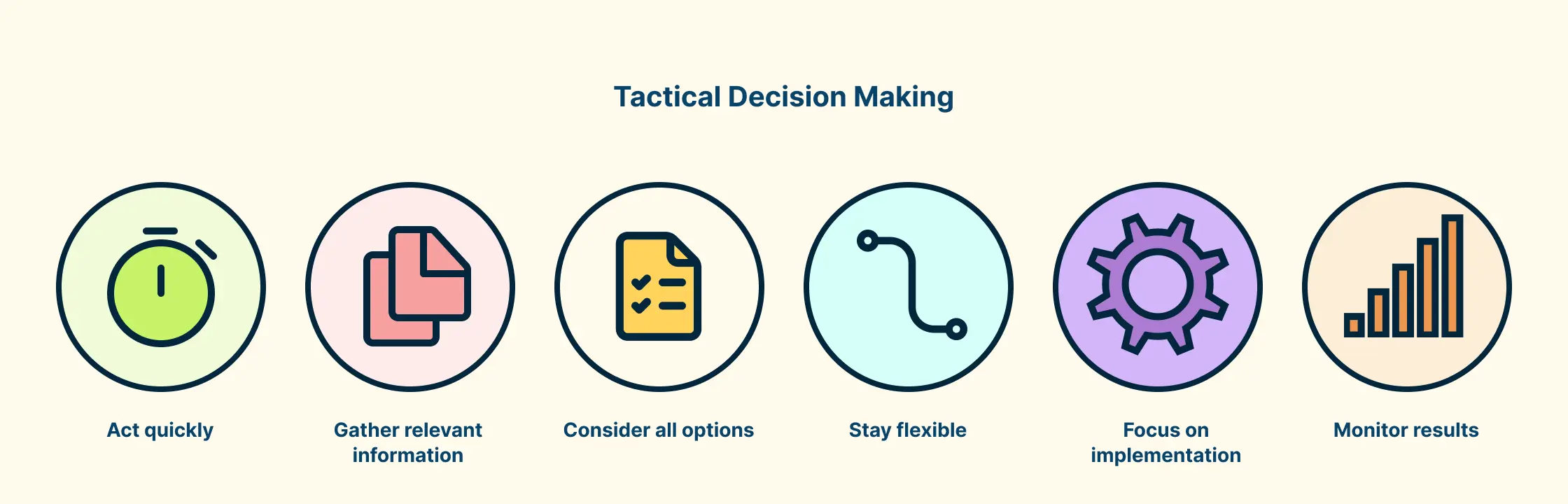
Tactical decision making is all about making smart, quick choices to solve problems and achieve short-term goals. In this guide, you’ll learn practical steps to improve your tactical decision-making skills. We’ll cover everything from understanding what tactical decisions are, to gathering and analyzing information, to making and implementing your decisions.
Creating a winning product marketing strategy is crucial for ensuring your product stands out and reaches the right audience. Statistics show that 95% of new products fail to make a significant impact in the market, largely due to inadequate marketing strategies and a lack of understanding of customer needs and market trends. Furthermore, successful product launches have a 40% higher success rate when backed by a well-structured product marketing plan.
Consulting frameworks are powerful tools that help businesses solve problems and make informed decisions. They provide structured approaches to analyze situations, identify challenges, and find solutions. This guide will introduce you to some of the most effective consulting frameworks, explain how they work, and show you how to use them in your consulting practice.
Strategic planning can be a complex process, but with the right tools, it becomes easier to manage. The Strategy Explorer is one such tool designed to help businesses and teams map out their strategies clearly and effectively. Whether you’re a business leader, strategist, or team member, this guide will show you how to get started with Strategy Explorer and use it to simplify your strategic planning.
Making decisions can sometimes be overwhelming, especially when the choices are complex and impactful. The critical decision-making model offers a clear and structured way to tackle difficult decisions. By breaking down the process into simple, manageable steps, this model helps you understand the problem, explore different options, and choose the best course of action. This guide will walk you through each step of the model, showing you how to make thoughtful decisions with confidence and clarity.
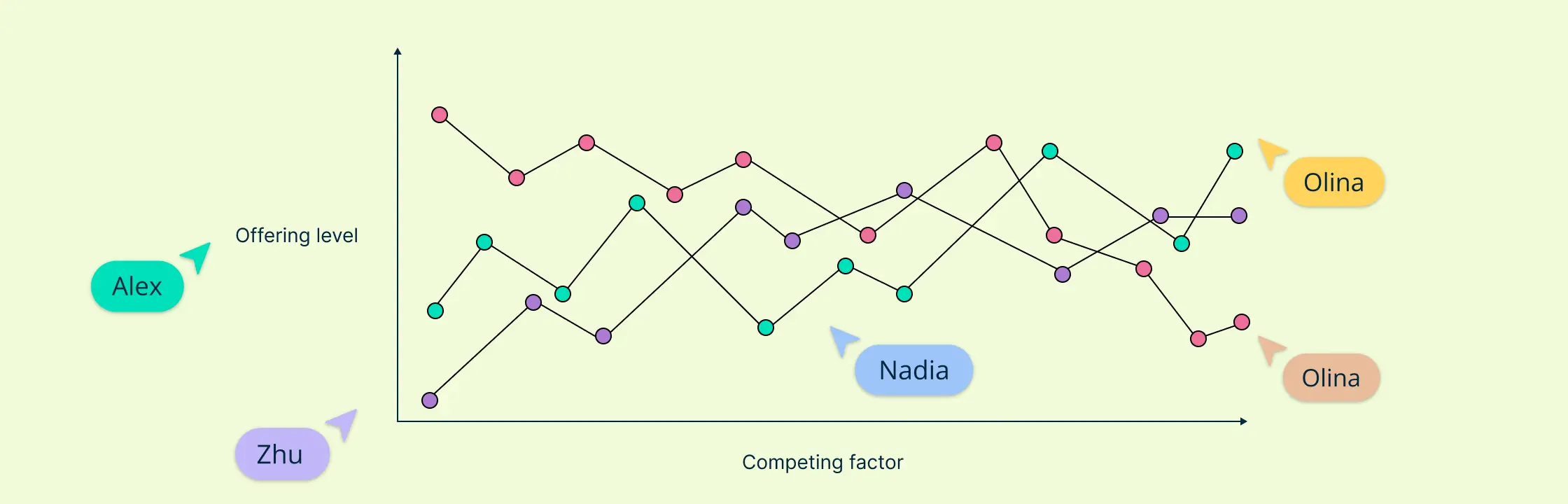
A strategy canvas is a visual tool that helps businesses understand their market position by mapping out how they and their competitors perform across key factors important to customers. By simplifying complex data into an easy-to-read graph, it reveals strengths, weaknesses, and opportunities at a glance. This guide will explain the basics of a strategy canvas, show you how to use it effectively, and provide templates to get you started, offering valuable insights to enhance your strategic planning.
Making decisions is a part of everyday life, whether it’s choosing what to eat for dinner or deciding on a business strategy. Sometimes, decisions are straightforward, but other times, they require careful thought and analysis. The rational decision making model is a structured approach that helps guide us through this process, ensuring that we make well-considered, logical choices. This guide will walk you through each step of the model and show you how to apply it to your decisions.
Strategic planning is crucial for any business aiming to grow and succeed. To help guide this process, companies use strategic planning frameworks. These frameworks provide a structured approach to defining goals, creating strategies, and ensuring that all efforts align with the company’s vision. In this guide, we will look at 21 strategic planning frameworks that you can use along with templates.
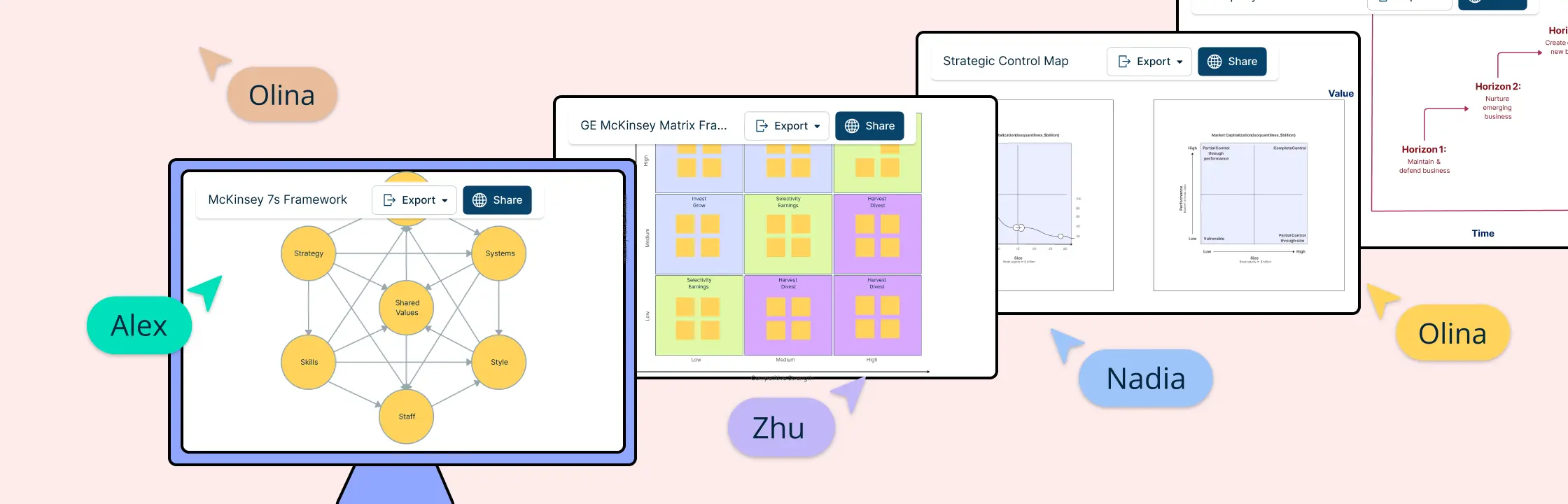
Strategic planning is crucial for any organization aiming to achieve long-term success. McKinsey & Company, a global management consulting firm, has developed several frameworks that help businesses navigate complex challenges and make informed decisions. In this blog post, we’ll explore 12 of the most effective McKinsey frameworks and how they can be used to drive strategic planning.
For businesses contemplating expanding into new markets, having a structured approach is crucial. This is where a market entry framework comes into play. A market entry framework is a comprehensive tool designed to help companies evaluate the viability of entering new markets, be it a new geographic area, product category, or customer segment. In this guide, we will walk you through what is a market entry framework and how you can use it to enter and succeed in new markets.
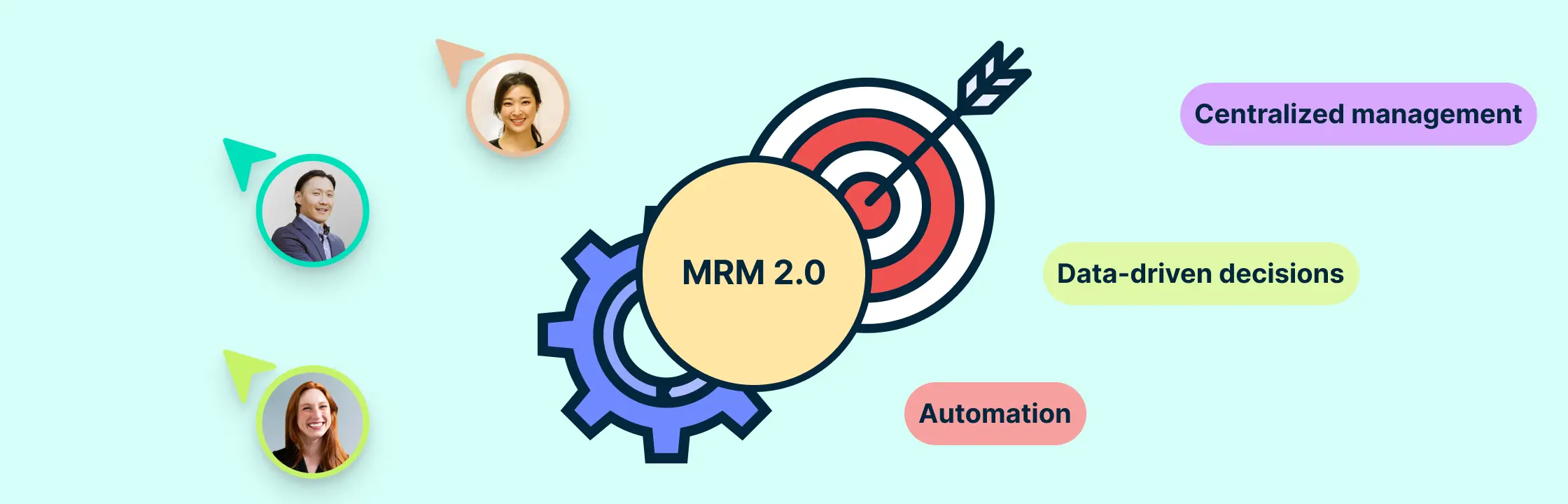
Managing marketing resources effectively is key to running successful marketing campaigns. From planning to execution, having the right resources in place can make a significant difference in achieving your marketing goals. In this guide, we’ll explore what marketing resource management (MRM) is, why it’s important, and how you can implement it effectively in your organization.
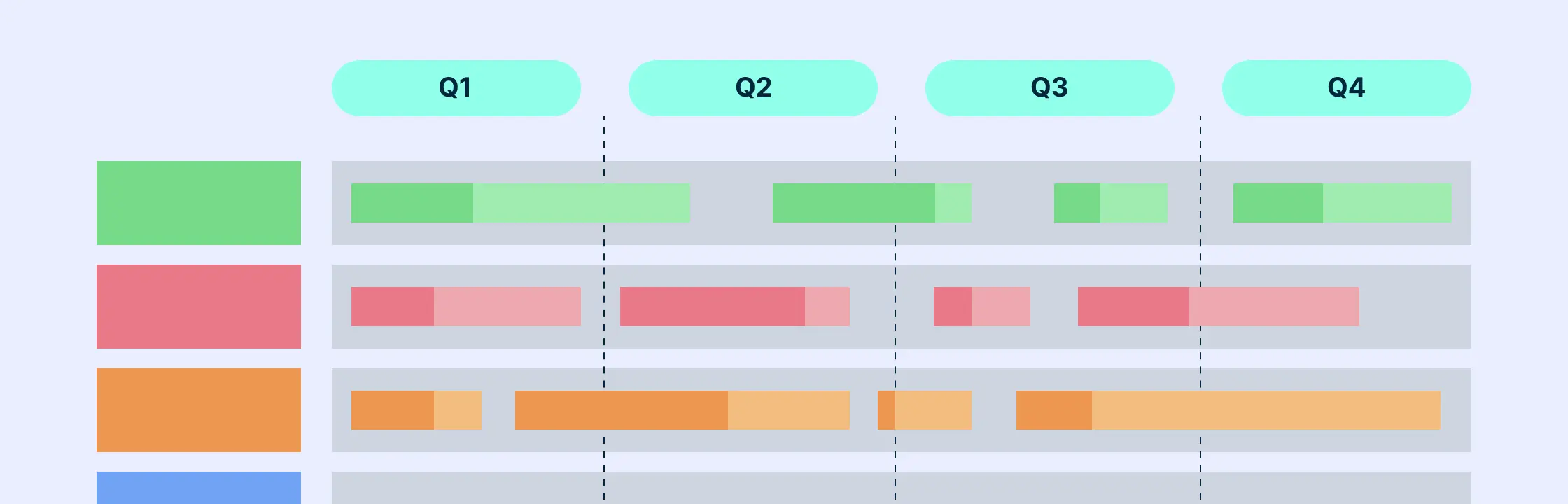
What is a Business Roadmap? A business roadmap visually outlines major objectives and strategies for a company, making it clear how different roles, tasks, and responsibilities come together to achieve specific goals. Essentially, it provides a high-level overview of the path your organization intends to follow, breaking down complex plans into manageable phases that everyone can understand.
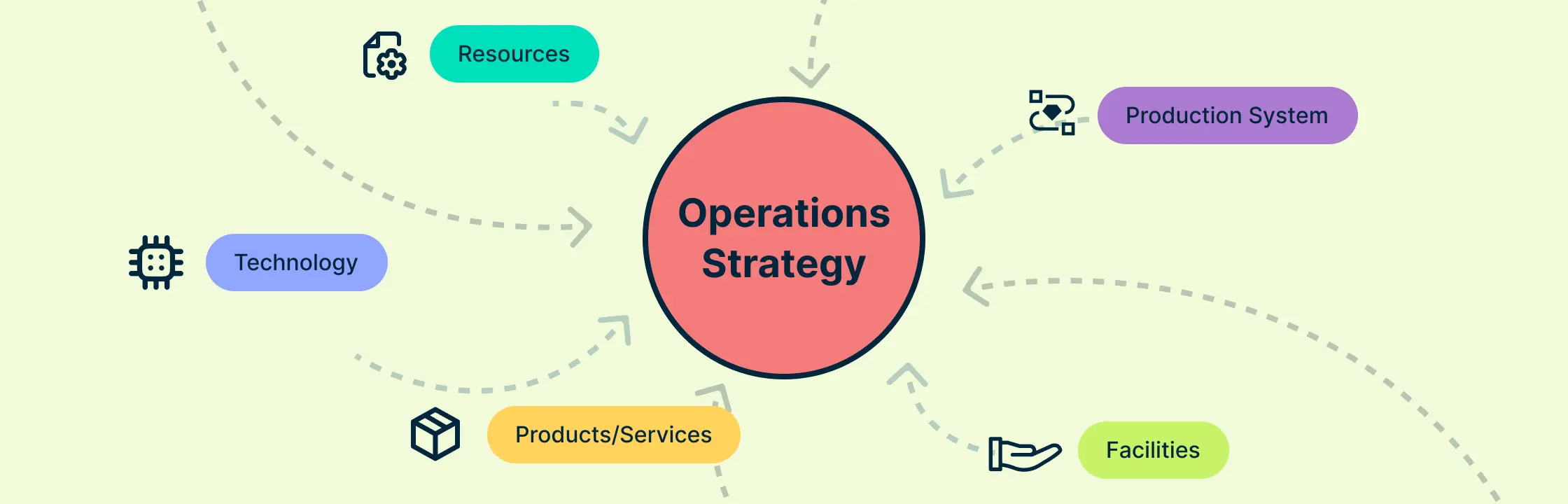
What is Operations Strategy? Definition of Operations Strategy An operations strategy is a comprehensive plan that outlines the actions and decisions needed to manage and optimize the production and delivery of goods and services. It’s a roadmap designed to align day-to-day operations with long-term business goals, ensuring all activities contribute to overall organizational success. This type of strategy is crucial for establishing the methods and frameworks through which an organization achieves its objectives efficiently.
Entering a new market can be an exciting opportunity for your business. It means reaching new customers, increasing your sales, and growing your brand. However, stepping into a new market is not something you can do without preparation. You need a clear, well-thought-out plan to make sure your efforts are successful. A market entry strategy is a plan that helps you introduce your products or services to a new market. This strategy covers everything from understanding the market and its customers to choosing the best way to enter and grow in that market. With a good strategy, you can avoid common pitfalls and make the most of the opportunities available.
In a world where businesses constantly face tough competition, making smart decisions is crucial for staying ahead. How do companies choose where to invest their time, money, and resources? This is where the GE Matrix comes in. It’s a strategic tool that helps businesses figure out which areas to focus on for growth and which ones might not be worth the effort. This guide will help you understand what the GE Matrix is and how you can use it to make better business decisions and drive success.
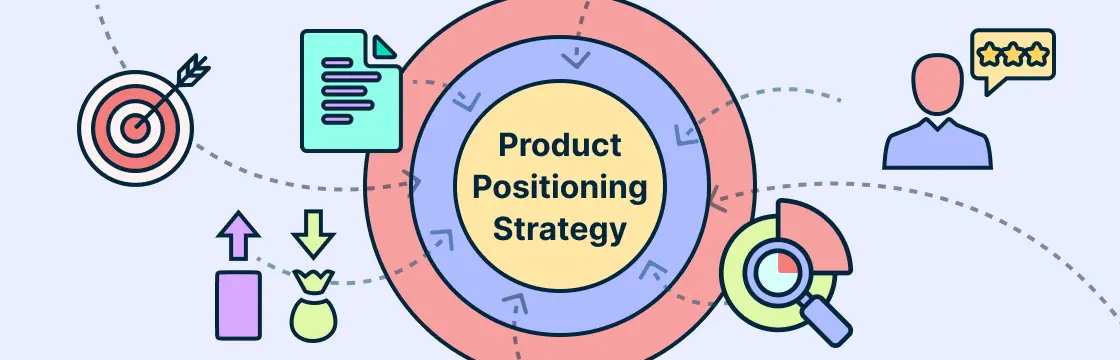
Product positioning is a strategy that determines how your product is perceived in the market. It’s about identifying a specific place in the minds of the target audience by highlighting the product’s unique features, benefits, and value propositions. Essentially, product positioning is about carving out a niche for your product so that it stands out from the competition.
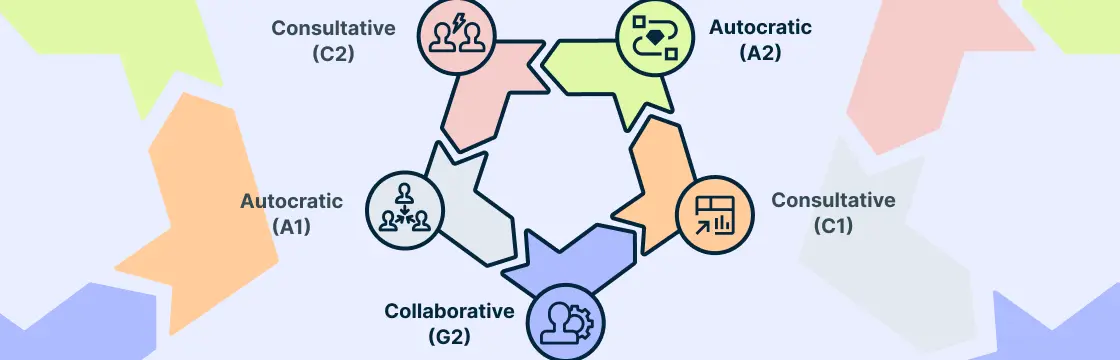
Every business day presents leaders with a myriad of decisions, ranging from strategic moves that shape the company’s future to quick operational choices that keep things running smoothly. In such a dynamic environment, the ability to choose the right decision-making approach can be the difference between success and missed opportunities. Enter the Vroom-Yetton decision making model—a practical framework designed to guide leaders in selecting the most effective decision-making style based on situational context.
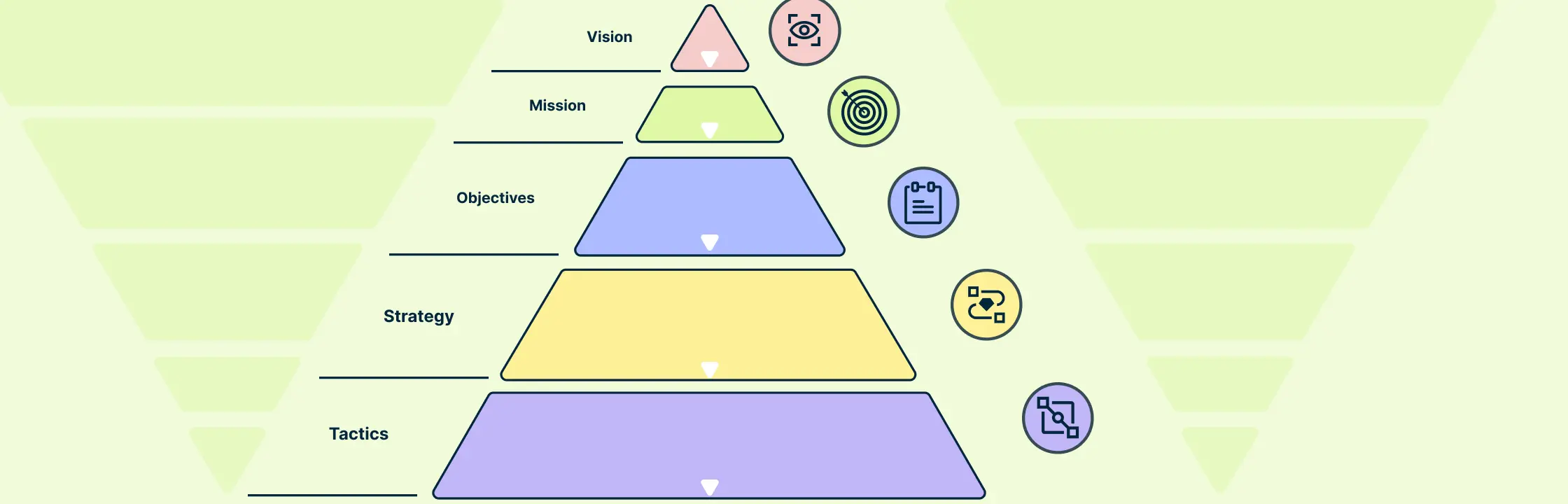
Introduction to VMOST Analysis In today’s competitive business landscape, having a robust and clear strategy is essential. This is where VMOST Analysis comes in. VMOST stands for Vision, Mission, Objectives, Strategies, and Tactics. It provides a comprehensive framework that helps organizations align their strategic goals with operational activities.
Keeping your organization aligned with its core goals can be challenging in today’s dynamic business environment. With shifting market trends, evolving customer expectations, and internal changes, maintaining a clear focus on long-term objectives requires continuous effort. It’s easy for teams to become distracted by immediate issues or tactical concerns, potentially drifting away from the strategic vision. Ensuring that every department and individual stays aligned with the organization’s core goals involves consistent communication, regular goal-setting, and effective strategic planning. It’s about creating a unified direction that everyone in the organization understands and is committed to, even as circumstances change.
Understanding your decision-making style is pivotal for effective leadership because it shapes how you approach problems, interact with your team, and implement solutions. By recognizing your own style, you can better manage your strengths and weaknesses, allowing for more adaptable and informed decision-making in diverse situations. Each style has its own unique characteristics, advantages, and challenges that impact your leadership capabilities.
In today’s interconnected world, managing a team that spans multiple cultures is becoming increasingly common. While the diversity of perspectives and ideas can drive innovation, it also presents unique challenges. Understanding cultural differences is crucial to fostering effective communication, collaboration, and motivation within a global team.
In the ever-evolving landscape of personal and professional development, understanding how we learn and grow is paramount. One powerful framework that has gained significant attention is the Learning Zone Model. This model offers a structured approach to stepping out of our comfort zones and embracing the challenges that lead to meaningful growth.
In today’s fast-paced business environment, making strategic decisions isn’t just about choosing paths—it’s about shaping the future of organizations. This guide is your roadmap for navigating strategic decision making. Whether you’re leading a team or managing a business, here you’ll find practical tools and insights to make informed decisions that drive long-term success. Let’s explore how strategic decision making can empower your organization to thrive in a dynamic world.
Brand positioning, in marketing, is a pivotal strategy that sets the foundation for how a brand is perceived by its target audience. But what exactly is brand positioning, and why is it so critical? Read this guide to find out.
Strong teams are built on trust, self-awareness, and clear communication. The Johari Window model is a powerful tool that helps individuals and teams better understand themselves and each other to improve collaboration. In this guide, we’ll explore how using the Johari Window theory can foster trust, enhance communication, and support personal and team growth.
In the dynamic business world, leaders must constantly seek new growth opportunities to stay ahead of the competition. Simply maintaining the status quo is insufficient for long-term success. You need a framework that provides a clear framework for exploring growth options, whether through enhancing current products, venturing into new markets, or innovating entirely new offerings. In this blog post, we’ll delve into the Ansoff Matrix and demonstrate how it can guide your organization towards informed, effective growth strategies in today’s fast-paced market
Group decision making is an essential process in various settings, such as businesses, non-profits, and educational institutions. This guide aims to offer a comprehensive yet easy-to-understand approach to effective group decision making. By exploring key concepts, techniques, and real-world applications, you’ll be better prepared to navigate the complexities of making decisions as a group.
In the pursuit of business excellence, clarity and focus are paramount. By pinpointing what an organization can be the best at, what it is deeply passionate about, and what drives its economic engine. By finding the intersection of these three elements, businesses can unlock sustainable success and gain a competitive edge in their industry. Discover why the Hedgehog Concept is crucial for strategic growth and long-term prosperity
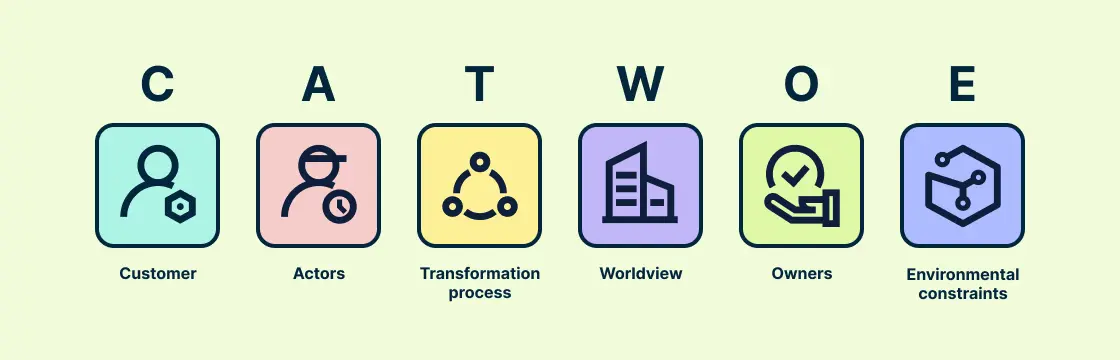
When businesses encounter complex challenges, such as low staff retention with unclear causes, the initial reaction might be to brainstorm solutions and apply various problem-solving techniques. However, this approach often risks addressing only surface symptoms rather than the underlying issues. Focusing too narrowly on one aspect can lead to overlooking broader, more critical problems. This is where CATWOE Analysis becomes invaluable. By examining the problem from multiple perspectives ensures no critical factor is missed, enabling businesses to tackle intricate problems with confidence and clarity.
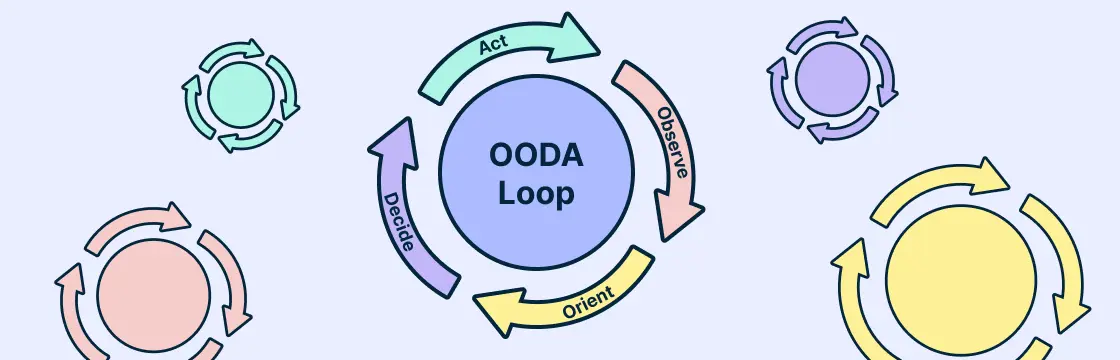
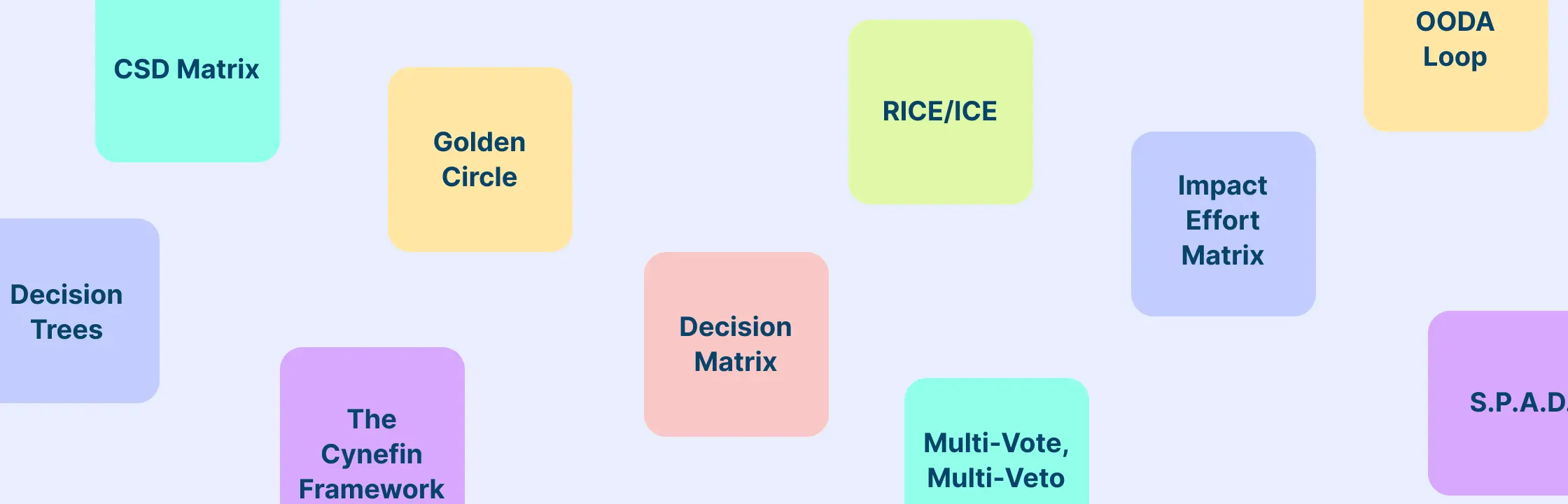
We often use military terms in the world of business, from “fighting off threats” to “engaging in a price war,” the language of war is deeply embedded in corporate strategy. One of the most influential military strategies applied to business is the OODA Loop, developed by US Air Force Colonel John Boyd. Originally designed to help fighter pilots make quick decisions in combat, the OODA Loop—standing for Observe, Orient, Decide, and Act—has proven invaluable in the fast-paced world of business.
Navigating the complex landscape of business success requires more than just a grand vision. While strategic planning sets the course, it’s the operational plan that truly steers the ship. This crucial component bridges the gap between lofty aspirations and daily realities, transforming abstract goals into concrete actions. Operational planning serves as the backbone of organizational efficiency. It’s the process that breathes life into strategies, providing a clear roadmap for teams to follow. By breaking down overarching objectives into manageable tasks, it ensures that every team member understands their role in the bigger picture.
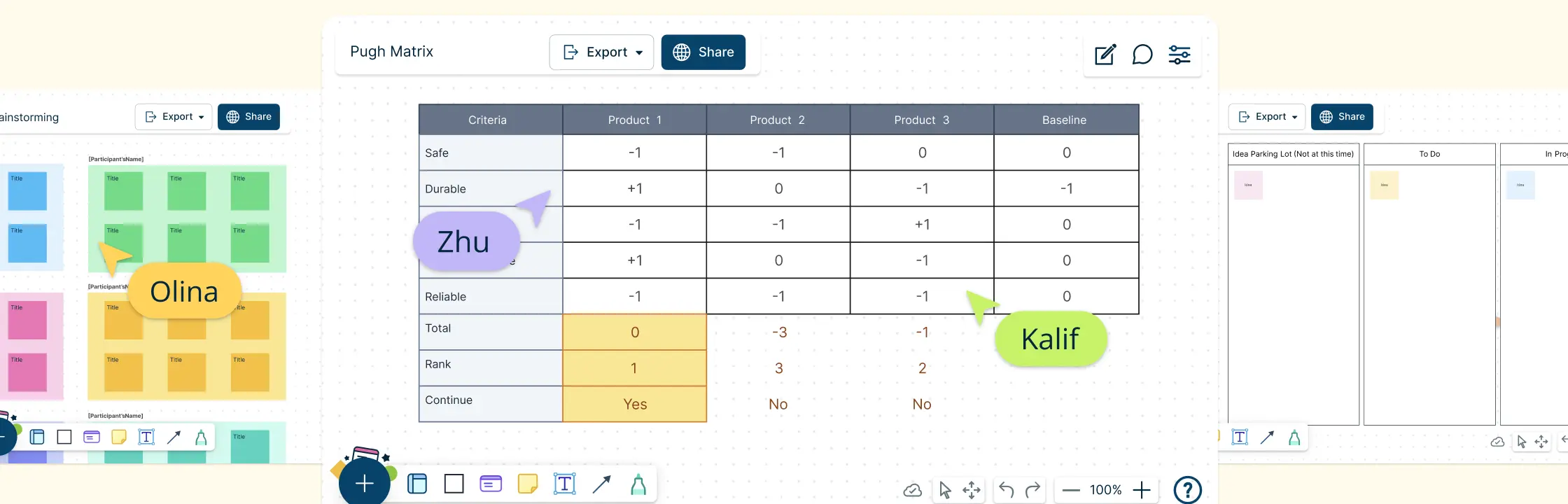
Making decisions, especially critical ones, can be challenging. Whether you’re deciding on the best software for your team, selecting a vendor, or choosing a location for a new office, the process can be overwhelming. Enter the decision matrix—a powerful tool that simplifies and clarifies the decision-making process. In this blog post, we’ll explore what a decision matrix is, how to create one, and how to use it effectively.
What is Second-Order Thinking? Second-order thinking is a critical cognitive tool that goes beyond surface-level considerations to evaluate the long-term and less obvious consequences of decisions. It requires asking the question, ‘And then what?’ to uncover the ripple effects of actions. Unlike snapshot decisions that capture only the immediate state, second-order thinking delves deeper to foresee potential long-term impacts. Howard Marks, a notable proponent, describes it as seeing things through a lens of higher-order consequences.
Starting new projects or initiatives often comes with varying levels of knowledge about the challenges, problems, and opportunities involved. Even when teams seem to align on the project’s goals, common understanding can waver as work progresses. This misalignment often stems from incomplete briefings or differing perceptions among team members. The result? Precious hours wasted on discussions without actionable progress, leading to frustration and suboptimal solutions. Fortunately, the CSD matrix offers a simple yet effective tool to mitigate these challenges.This structured approach not only aligns perspectives but also ensures that all necessary information is gathered before diving into solutions. In this post, we’ll explore how to use the CSD matrix and provide templates to help you get started.
Making decisions at work can be daunting, especially when the stakes are high and multiple stakeholders are involved. It’s completely natural to feel nervous about the outcome. Fortunately, the RAPID decision-making model can help simplify this process. By clearly defining roles and responsibilities, RAPID ensures that everyone knows exactly what part they play in the decision-making journey. This framework is particularly effective for large, complex decisions, with high risk of miscommunication and delay. In this blog, we will explore how the RAPID framework works, when to use it, and its benefits. We’ll also look at practical examples to demonstrate how this tool can streamline decision-making, helping you move forward with confidence and clarity. Let’s dive into how RAPID can transform your decision-making process.
In project management, ensuring an even distribution of tasks and timely informed decisions can be tricky. Challenges such as scope creep, resource allocation, and communication breakdowns frequently arise, complicating project execution. Balancing the workload among team members while considering their varying skills and availability adds another layer of complexity. Moreover, projects often face unpredictable obstacles, including technical issues, budget constraints, and external dependencies, which can derail progress and necessitate quick, effective decision-making.
Effective leadership is not a one-size-fits-all endeavor. The best leaders understand that problem-solving requires different approaches depending on the circumstances they face. They excel by adapting their strategies to the unique challenges at hand, enhancing their decision-making processes in the process. However, identifying the appropriate approach for each situation is often easier said than done. The key lies in accurately assessing the situation to avoid misguided decisions.
Today, in our data-driven world, it’s more important than ever to make well-informed decisions. Whether you work with data, analyze business trends, or make important choices in any field, understanding and utilizing decision trees can greatly improve your decision-making process. In this blog post, we will guide you through the basics of decision trees, covering essential concepts and advanced techniques, to give you a comprehensive understanding of this powerful tool.
Today, consumers form opinions about a brand in milliseconds, which makes the task of positioning your brand, product, or service becomes a high-stakes challenge. Marketers are continually tasked with the complex endeavor of creating a unique value proposition that not only sets their brand apart from the competition but also resonates deeply with their target audience.
Optimizing your product portfolio is essential for any business aiming to stay competitive and grow. A well-managed portfolio helps you allocate resources wisely, meet market demands, and maintain a balanced mix of products that align with your business goals. This guide will provide you with a step-by-step approach to ensure your product portfolio is performing at its best.
Every decision, whether it’s about long-term strategy or day-to-day operations, impacts the path a company takes. To simplify business planning and ensure smart choices, it’s helpful to understand and use different decision-making models. In this guide, we’ll cover some of the best models that business leaders can use to improve their planning processes.
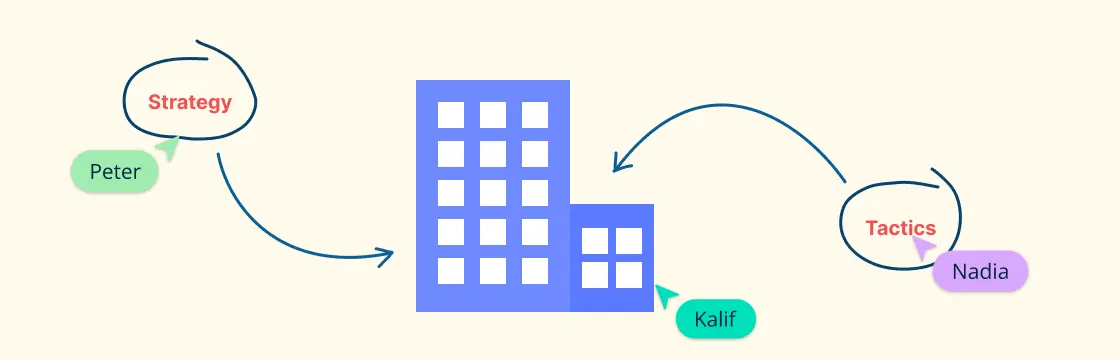
In today’s fast-paced business world, understanding the difference between strategic and tactical planning is essential for success. Strategic planning focuses on setting long-term goals and deciding the overall direction of a company. It involves big-picture thinking and resource allocation to achieve future growth. Tactical planning, however, is about the specific actions and short-term steps needed to support the strategic plan. It turns high-level strategies into everyday tasks and operations. Balancing both types of planning helps businesses adapt, grow, and succeed. In this guide, we will explain the key differences between strategic and tactical planning and how using both can help your business reach its goals.
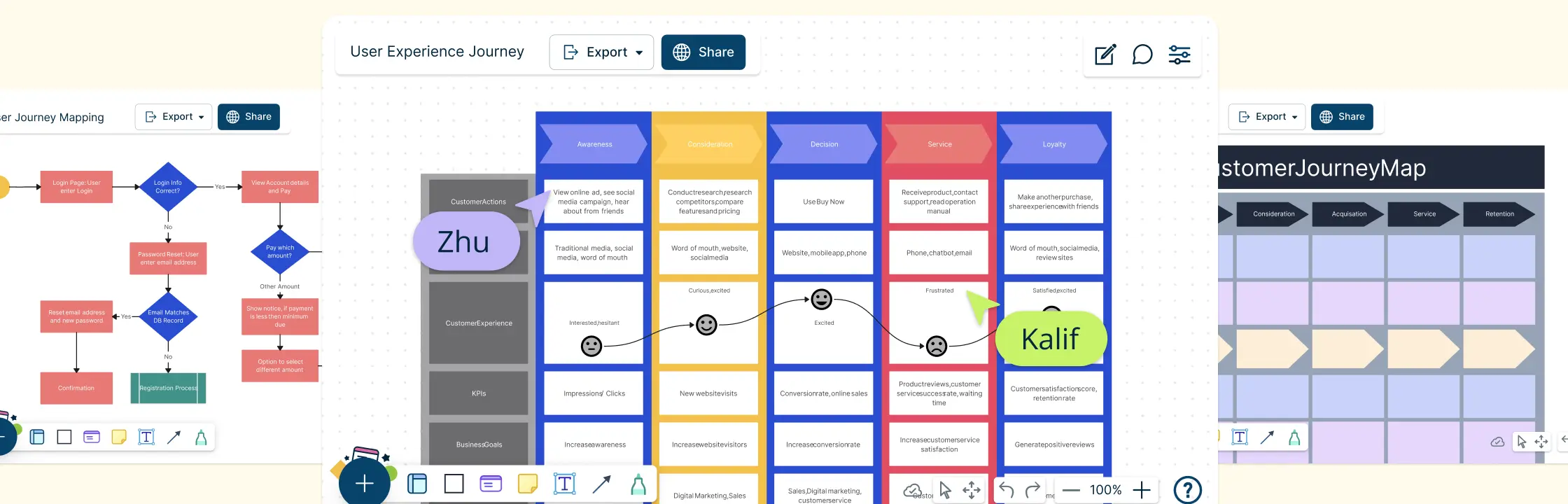
User experience mapping is a powerful tool in the arsenal of modern product design, serving as a strategic approach to understanding and enhancing the interactions between users and products. By visualizing the entire journey of a user with a product, from initial contact to post-use feedback, UX mapping helps designers and product teams gain a holistic view of the user’s experience.
In this guide, we will explore effective decision-making techniques to help you make better decisions in various aspects of your life. Whether you’re facing personal dilemmas, professional challenges, or ethical quandaries, these techniques will provide you with the tools you need to navigate through any situation with confidence and clarity.
In our daily lives, we make many choices. Having a structured approach can make a big difference. This is where using a decision making framework can come in handy. This guide explores such powerful decision making frameworks designed to help you make better decisions. Whether you’re experienced or just starting out, this guide will give you the knowledge and strategies to make impactful decisions.
The digital customer journey is a comprehensive path that customers follow from the initial awareness of a brand to the post-purchase interactions that lead to loyalty and advocacy. In today’s digital age, understanding this journey is crucial for businesses aiming to optimize customer experience and achieve significant business outcomes.
When it comes to achieving success, whether in business, personal growth, or any other area, it’s essential to understand the difference between a strategy and a plan. These terms are often used interchangeably, but they serve different purposes and play unique roles in reaching goals. In this post, we’ll explore the key differences between strategy vs plan, how they work together, and offer practical tips for aligning the two effectively.
In today’s fast-paced business world, strategic planning is essential for long-term success. It involves setting goals, using resources wisely, and making smart decisions to guide the organization. One valuable tool for this is SPACE Analysis. This method helps businesses understand their strategic position by looking at internal and external factors, offering a clear path for future actions. This guide will explain SPACE Analysis in detail, including its parts, how to use it, and how it helps in planning strategies for success.
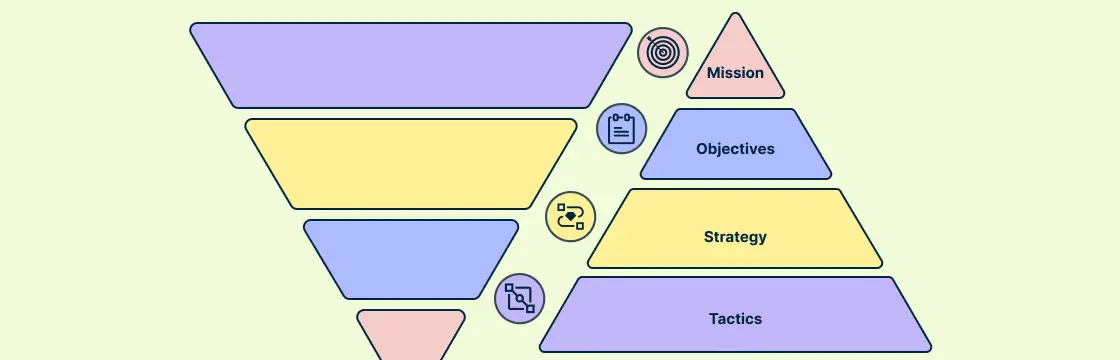
Understanding the distinction between strategy vs tactic is crucial for any organization aiming to achieve its goals effectively. While these terms are often used interchangeably, their meanings and applications in the business world are distinctly different.
In the realm of business strategy, making informed decisions is key for success. Strategic management provides a framework for guiding these decisions, making sure that resources are allocated effectively and goals are achieved. One of the fundamental tools in strategic management is the BCG Matrix, a simple yet powerful model for analyzing and managing a company’s portfolio of products or services. In this guide, we will look at the role of the BCG matrix in strategic management and how to effectively use it for portfolio analysis and decision making.
Have you ever considered how the world around us impacts the decisions we make in business? It’s not just about what’s happening within our company, but also about the external factors shaping our strategies. That’s where macro environmental analysis steps in. It helps us grasp the broader context of our operating environment, identifying both opportunities and threats. Consider it a vital tool in strategic planning.
Tree diagrams are powerful visual tools used extensively for organizing and presenting complex data in a structured, understandable format. By mapping out hierarchical relationships between different elements, tree diagrams help users grasp detailed information quickly and make informed decisions.
In design thinking or human-centered design (HCD), it’s super important to figure out what problems users are facing. You need to clearly see and talk about the issues in the user experience (UX) so you can start coming up with great ideas to fix them. Task analysis is a handy tool for UX designers during this problem-solving stage. It helps spot areas for improvement and sparks early ideas on how to tackle these challenges. Let’s see how it works.
At its core, program planning is the process of detailing the steps and resources necessary to achieve specific goals within an organization. It is more than just a task list; it is a strategic endeavor that integrates various elements such as budgeting, resource allocation, and timing to ensure the successful delivery of outcomes.
If you’ve ever felt frustrated by scattered workflows, misaligned teams, or products that just don’t seem to hit the mark, you’re not alone. Understanding what your customers truly need, and translating that into clear value, is one of the biggest challenges for product and marketing teams.
What are OKRs? Objective and Key Results (OKRs) are a transformative goal-setting methodology that has become integral to strategic planning in modern businesses, especially in the SaaS sector. At its core, OKRs consist of an Objective, which defines a clear direction or goal, and Key Results, which are measurable outcomes that track the achievement of that goal. This framework not only provides alignment around measurable goals but also ensures that every team member is working towards the same strategic objectives.
Are you looking for a simple and effective way to organize information for various purposes? If so, you might want to try using T charts. T charts are a type of graphic organizer that can help you compare and contrast, analyze pros and cons, evaluate options, and more. In this blog post, we will explain what T charts are, how they can be used, and how you can create them easily with Creately.
As AI gets more deeply integrated into every aspect of business, one of the most unique and exciting opportunities is to use AI as your strategic thinking coach. AI is revolutionizing the way we access and process information and is helping us enhance human intelligence, through learning, decision-making, and problem-solving. Its relevance to strategic planning lies in its ability to process vast amounts of data, uncover patterns, and provide actionable insights that can drive a company’s strategic direction.
Imagine you are a business leader who wants to make informed decisions about the future of your organization. You have a vision, a mission, and a set of goals, but you also face many uncertainties and challenges in the external environment. How can you assess the opportunities and threats that lie ahead, and plan accordingly?
A brand strategy is a long-term plan that defines how you communicate your brand’s identity, values, and personality to your target audience. It guides every aspect of your branding, from your logo and website to your social media and marketing campaigns. A brand strategy helps you stand out from the competition, build trust and loyalty with your customers, and achieve your business goals.
Artificial intelligence (AI) is undoubtedly a game changer you can use to transform your business. In the ever-changing business world, leveraging AI to generate marketing intelligence will help you achieve your strategic goals faster and more efficiently.
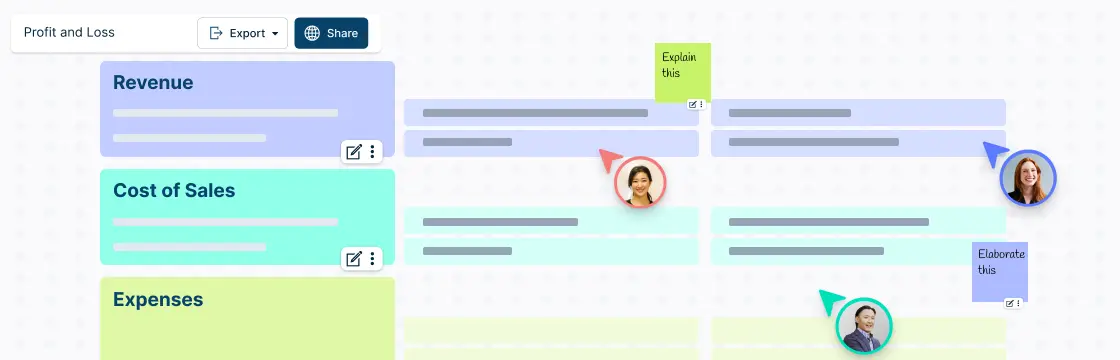
A Profit and Loss statement summarizes your company’s financial performance in a concise and meaningful way. With this guide, we’ll explore what is a profit and loss template and give you a step-by-step guide to understanding and using this key financial document.
Managing a business is no small feat. You have to make decisions, plan strategies, allocate resources, and monitor performance. But how do you decide what is the best way to do these things? Do you follow a top-down approach or a bottom-up approach?
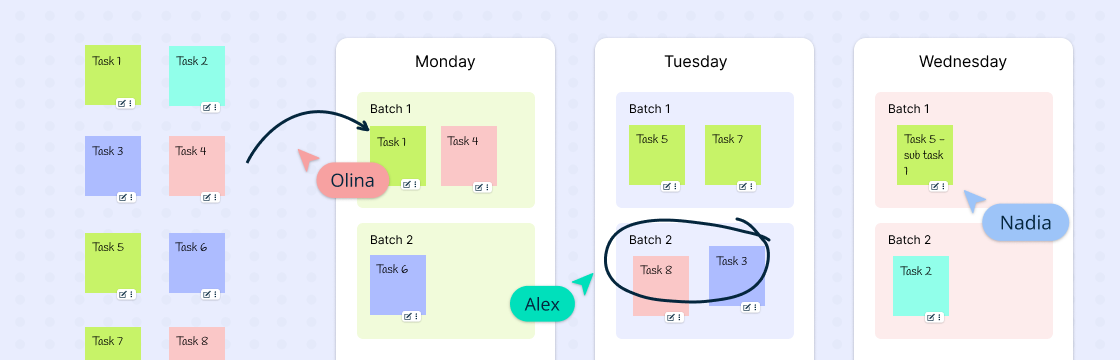
Ever find yourself knee-deep in a task, only to be derailed by a barrage of notifications, leaving a trail of half-finished endeavors? If you’ve ever felt like you’re constantly juggling tasks without making meaningful progress, you’re not alone – most of us have been there, more times than we’d care to admit. Juggling a bunch of tasks can hurt our productivity, not improve it. In this guide we will explore how we can structure the long lists of tasks we need to tend to using task batching- a strategic approach to work that can significantly streamline your workflow.
Strategic goals are like the foundation of a successful business. They act as a guide, helping a company reach its big-picture vision for the future. Unlike short-term goals, which focus on immediate wins, strategic goals aim to push a company forward in a significant and measurable way. These are the big milestones that, when achieved, can change a business and make it stand out in the market.
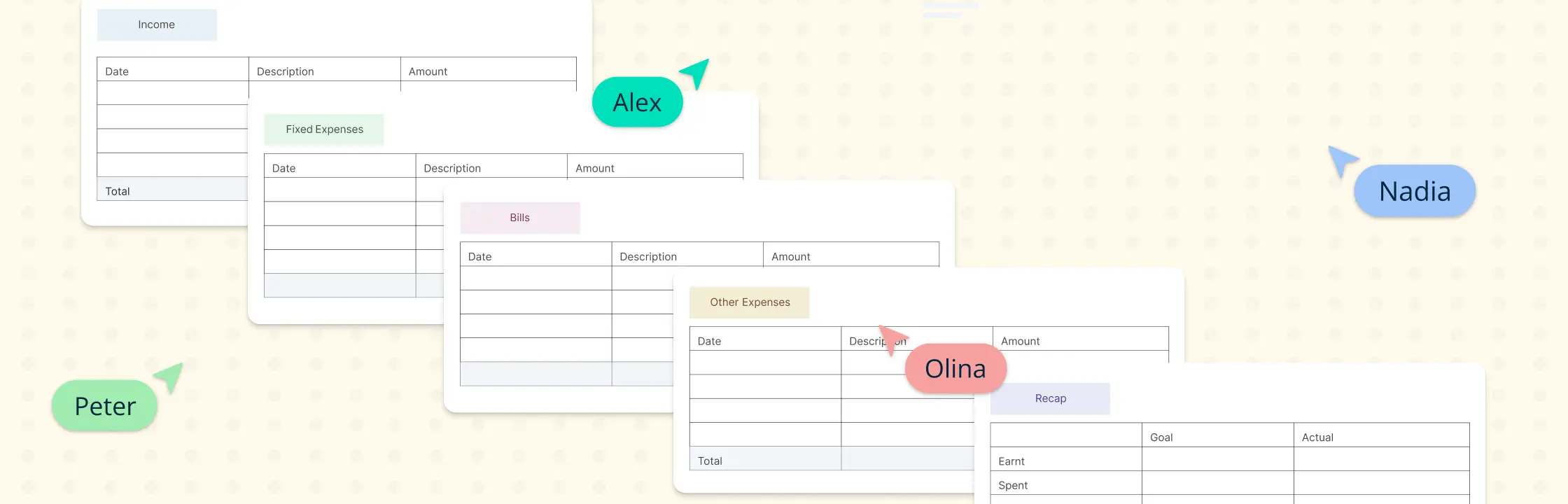
Do you want to take control of your expenses and achieve your financial goals? If yes, then you need a monthly budget template. In this blog post, we will explain what a monthly budget template is, what are its components, how to use it effectively, and what are its benefits. We will also share some tips and tricks to make your budgeting easier.
What is a Memo? A memo, short for memorandum, is a type of written communication used in business or academic settings. Unlike informal emails or verbal announcements, memos are not prone to ambiguity or misunderstanding. They are meant to deliver messages that are direct and to the point, leaving no room for doubt or confusion. Memos can be written for various purposes, such as:
Struggling to manage your time and stay on top of your tasks? Often feel overwhelmed by the amount of work you have to do? If so, you might benefit from using a weekly schedule template.
Every groundbreaking innovation begins with an idea. But ideas need to be put out into the world to see how they are received. A good way to quickly test if your idea has legs is to develop a Minimum Viable Product. This is a version of a product with just enough features to satisfy early customers and gather feedback for future development.
Originating from the Japanese words “kai” (change) and “zen” (good), Kaizen is a concept deeply embedded in Japanese business philosophy. It emerged post-World War II, to rebuild Japanese industries. Kaizen emphasizes gradual, incremental improvements to processes and products, fostering a culture of continuous enhancement. In the contemporary business landscape, kaizen has transcended its cultural origins and become a global phenomenon. It represents an ongoing commitment to improvement at all organizational levels. It translates perfectly into modern project management where small, manageable changes accumulate over time, resulting in substantial improvements. Its adaptability makes it applicable across various industries and sectors. This approach fosters a sense of responsibility and pride in one’s work, aligning personal and organizational goals for mutual success. Understanding the Kaizen Principles
Scenario planning is an important tool for making decisions in uncertain situations. It helps businesses anticipate various outcomes, evaluate responses, and prepare for both positive and negative possibilities. In this blog post, we’ll explore why scenario planning is valuable, look at its different types, and share practical tips on using it effectively.
If you have ever tried to write one, you know just how challenging crafting a business plan can be. There’s a lot of foresight, strategic thinking, and meticulous attention to detail involved. You have to understand what people want, figure out how to fund it, and explain your big ideas clearly. Entrepreneurs have to do all this while dealing with the everyday chaos of running a business.
Do you want to improve your team’s productivity, collaboration, and efficiency? Want to streamline your workflows, reduce errors, and save time? If the answer is yes, then you need a work management system. And one of the key components of a work management system is a knowledge base.
No matter the size of your business, understanding your competition is crucial for any organization aiming to thrive. Knowing who your competitors are and how their marketing strategies affect you is critical to your business’s survival. But, identifying your competitors is just the start, the competitive landscape is an ever-changing space where businesses vie for customers, market share, and competitive advantage. In this article, we will analyze how Porter’s Five Forces Model serves as a tool to dissect the complexities of industry competition and helps you develop a strategy to stay on top.
In the face of unforeseen disruptions, a robust business continuity plan (BCP) is essential to preserve the trust of stakeholders. If you are able to seamlessly continue operations even in the face of sudden challenges, stakeholders are reassured of the company’s resilience and commitment to their interests.
Have you ever wondered what would happen if your organization faced a major crisis, such as a cyberattack, a natural disaster, or a pandemic? How would you respond? How would you communicate with your stakeholders? How would you minimize the impact and restore normal operations as soon as possible?
What is a three-in-one framework that allows you to, Improve your organization’s efficiency and effectiveness Identify gaps between your current and desired state of affairs Design and implement solutions to address those gaps and align with your strategis goals. The answer is a needs assessment. Needs assessment or analysis is at the heart of strategic planning. In this blog post, we will provide a comprehensive guide on what is a needs analysis and how to conduct the needs assessment process with pre-designed templates.
In the context of strategic planning, opportunity mapping is invaluable. It allows product managers and decision-makers to: Visualize the landscape of potential opportunities in a structured manner. Identify gaps in the market that competitors may have overlooked. Prioritize initiatives based on their potential impact and feasibility. In this guide, we will explore the intricacies of opportunity mapping as follows:
In today’s dynamic marketplace, the process of bringing a product from an idea to a successful launch involves a complex and nuanced process. To navigate this challenging landscape effectively, a well-defined roadmap is essential. This is where a carefully crafted Product Development Template comes into play. To help understanding the product development template, this blog will discuss the following:
Procurement management can sometimes feel never-ending- it is easy to be overwhelmed by the constant invoices and purchase orders flooding your desk every day. You know you need to streamline the process, but with so many moving parts, where do you even start? This guide will walk you through the essentials from requisition all the way to payment - to help you gain control of your p2p operations and give you the insights you need to transform your procure-to-pay process into a strategic powerhouse.
In the high-stakes world of project management, change is inevitable. You may have started a project with a well-defined plan, but as time marches on, things rarely go exactly as expected. Unexpected challenges, stakeholder requests, or evolving business needs can throw a wrench into your carefully laid-out project roadmap. That’s where the change control process comes into play.
Change is a constant in the world of business and beyond. From adapting to new technologies to restructuring teams, understanding how to manage change is essential for success. This is where the change management process comes into play - it helps guide individuals and organizations through these changes, minimizing resistance, and achieving objectives efficiently. With this comprehensive guide to the change management process, you can learn how to navigate these transitions more effectively.
In today’s fast-paced world, being productive and efficient is crucial as we juggle between personal and work commitments. Action items are the key to staying organized and keep things on track. They are specific, measurable, achievable, relevant, and time-bound tasks that help us get closer to our goals, whether it is finishing a work project or managing our daily lives.
Business diagrams represent your business processes in a visual way. Also called business process mapping, these tools show the steps involved in your procedures. Used for anything from production processes to employee onboarding, business diagrams clearly map out everything involved in your operations.
Event organization could be a tedious task if you don’t have a proper plan. Bigger the event, the more detail you’ll have to look into when planning it, and more challenges you’ll have to overcome.
Table of Contents What is a Competitive Analysis? Importance of Doing a Competitive Analysis How to Do a Competitive Analysis with Visual Techniques
Change is never easy. Especially in a context of business, as it affects a lot of aspects. In order to ensure a smooth transition from the current state to the desired state of business, you need the correct change management tools and resources at hand.
What Is an Action Plan? An action plan is a detailed outline that defines the actions needed to achieve a specific goal. It includes tasks, deadlines, assigned responsibilities, required resources, and milestones. Creating an action plan helps teams and individuals stay organized, focused, and accountable, whether in personal projects, business strategies, or academic endeavors.
A communication plan is a key to developing an effective and consistent messaging strategy. It helps guide the process of setting measurable goals for your strategy, profiling your target audience and creating and successfully delivering your message.
What is a Business Model Canvas? The Business Model Canvas is a one-page strategic tool that helps visualize and assess a business idea. It simplifies traditional business plans by breaking down nine key elements. The right side focuses on external, customer-related factors, the left on internal business operations, and the center highlights the value exchanged between the business and its customers.
Strategy Map Definition A strategy map is a powerful visual tool that helps organizations see their entire strategy on a single page. It shows how different parts of the strategy connect and influence each other, making it easier for everyone in the organization to understand goals and their role in achieving them.