In the complex world of healthcare, effective communication and streamlined processes are essential for delivering high-quality patient care. Process mapping serves as a powerful tool that allows healthcare professionals to visualize workflows, identify inefficiencies, and enhance collaboration among teams. This guide aims to provide a comprehensive overview of process mapping in healthcare, exploring its benefits, step-by-step creation techniques, various types of process maps, and best practices for success. Whether you’re looking to improve patient journeys, track clinical pathways, or eliminate waste in your operations, this guide will equip you with the knowledge and tools necessary to foster efficiency and quality in your healthcare organization.
What is Process Mapping in Healthcare?
Process mapping in healthcare is a visual tool that documents and analyzes the steps within a specific workflow, creating a clear, understandable view of complex processes. In the healthcare field, where efficiency, accuracy, and patient care are vital, process mapping in healthcare is essential for enhancing operational effectiveness and supporting quality outcomes.
Why Process Mapping is Essential in Healthcare
Healthcare workflows are inherently complex, involving multiple departments, interdisciplinary teams, and intricate procedures that often overlap. By using process mapping in healthcare, organizations can break down these layered workflows into visual steps, allowing healthcare professionals to identify bottlenecks, eliminate redundancies, and spot improvement opportunities. This transparency fosters better communication, standardizes best practices, and aligns staff around shared goals—all of which contribute to smoother, safer patient journeys.
In today’s healthcare landscape, process mapping has become a valuable tool for continuous improvement. As demands for efficiency and accountability grow, process mapping in healthcare offers a structured, adaptable approach to visualize, analyze, and enhance every aspect of patient care.

The Benefits of Using Process Mapping in Healthcare
Process mapping helps healthcare organizations understand how clinical and administrative work happens across roles, departments, and handoffs. A shared visual makes delays, duplication, rework, unclear responsibilities, and variation easier to discuss. Used alongside observation, performance measures, and quality-improvement methods, it can guide workflow changes intended to improve efficiency, safety, patient experience, and consistency of care.
Streamlining Workflow Creation
Process mapping in healthcare is an invaluable practice that enhances the efficiency of workflows. By visually documenting each step of a process, healthcare teams can quickly identify how tasks are interrelated, making it easier to streamline operations. This clarity allows staff to focus on refining workflows rather than spending excessive time organizing and understanding the intricacies of each task.
Moreover, process mapping in healthcare enables teams to create detailed representations of complex healthcare activities, from patient admissions to treatment plans. This structured approach facilitates a clearer understanding of roles and responsibilities, leading to better organization and execution of tasks.
Ensuring Consistency Across Processes
Consistency is critical in healthcare, where standardized procedures are necessary for maintaining quality and reliability. Process mapping in healthcare fosters this consistency by providing a visual representation of workflows that can be replicated across departments. When teams adopt similar mapping techniques, it enhances clarity and ensures that all members are aligned on the procedures, leading to improved collaboration and communication.
For instance, when different departments utilize standardized process maps, it becomes easier to share information and best practices. This uniformity helps to create a cohesive environment where every team member understands their role within the larger context of patient care.
Simplifying Complex Healthcare Workflows
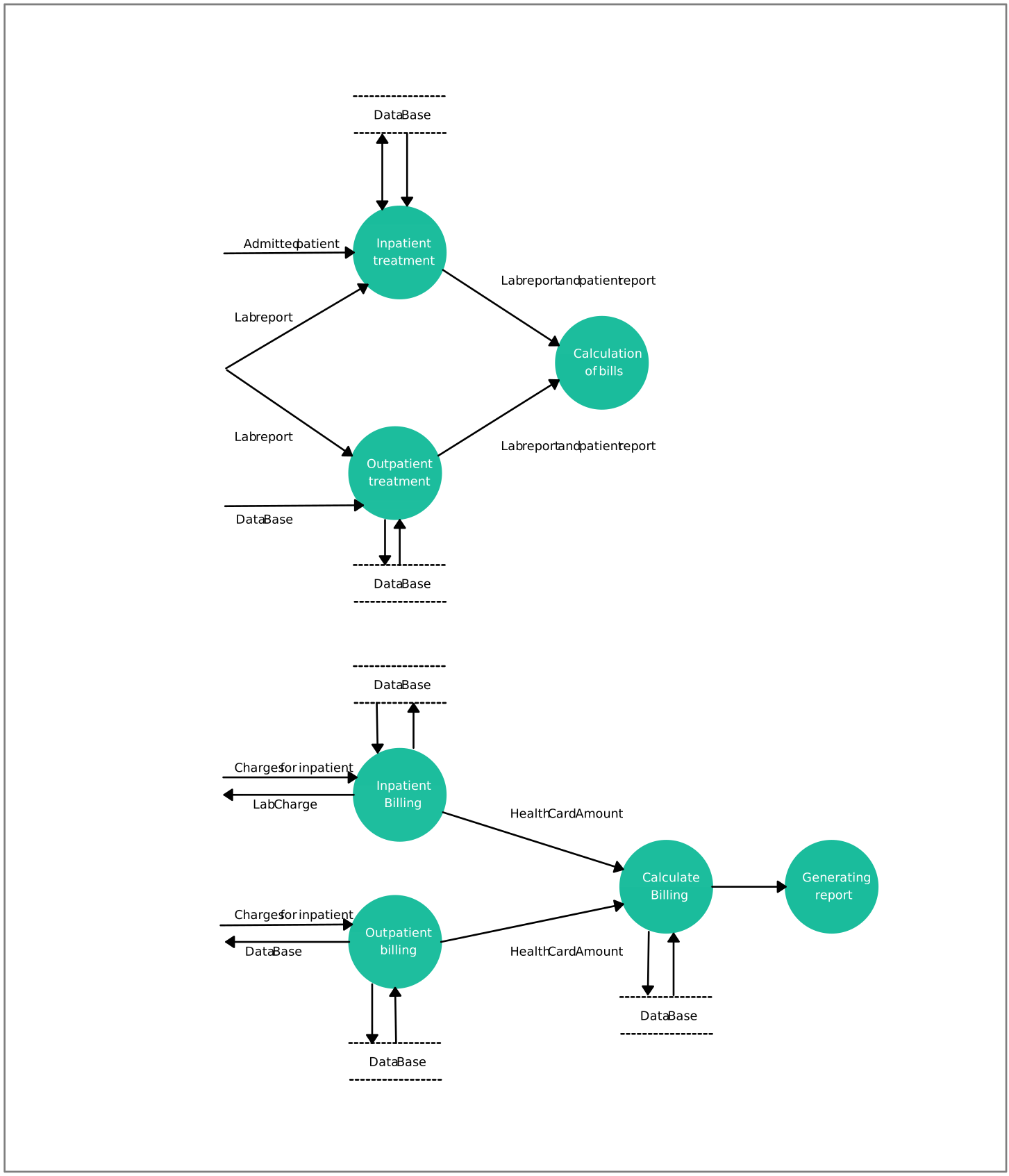
Healthcare workflows often involve numerous steps, interactions, and various patient data, making them difficult to capture and optimize. Process mapping in healthcare simplifies this complexity by breaking down intricate workflows into manageable visual representations. This clarity allows healthcare professionals to identify inefficiencies, redundancies, and areas for improvement more effectively.
By using process mapping, healthcare teams can easily spot bottlenecks and streamline procedures, ultimately enhancing the overall patient experience. The structured visual format can also expose unclear steps and risky handoffs for further investigation; the map itself should be validated before it is used to guide practice.
Enhancing Team Understanding and Collaboration
Process mapping in healthcare fosters a shared understanding among healthcare professionals by providing a visual reference that everyone can engage with, regardless of their technical background. This common framework encourages collaboration, as all team members can participate in discussions about workflow improvements with a clear visual guide.
When healthcare teams collaborate on process mapping software, they can draw on diverse perspectives and experiences, leading to more comprehensive and effective solutions. This collaborative approach not only strengthens team dynamics but also enhances the quality of patient care by ensuring that all voices are heard and considered in the workflow optimization process.
Patient Care Improvements
The application of process mapping in healthcare settings results in significant improvements in patient care. By utilizing healthcare process mapping, institutions can enhance patient outcomes by streamlining operations and eliminating inefficiencies. This method provides clarity on the flow of processes, allowing healthcare professionals to identify and rectify any discrepancies that may impact patient safety or quality of care. Effective visualization of work processes can also ensure that healthcare delivery is both timely and streamlined, minimizing potential errors along the way.
How to Create an Effective Process Map in Healthcare
Effective process mapping in healthcare requires a structured approach to capture the complexity of healthcare workflows accurately. This step-by-step guide helps healthcare professionals develop precise and insightful process maps, with tips for incorporating templates to simplify the mapping process.
1. Define the Healthcare Process
Start your process mapping in healthcare by clearly defining the specific healthcare process you want to map—whether it’s patient admission, discharge planning, or medication administration. Identify the scope, key objectives, and outcomes of the process. Engage relevant stakeholders, like doctors, nurses, and administrative staff, to gather insights on the critical aspects of the workflow that should be documented.
2. Collect Key Data and Insights
Once the process is defined, the next step of process mapping in healthcare is to gather key data. This involves collecting insights from team members who are directly involved in the workflow. Hold discussions or interviews to understand their experiences and any challenges they face. Additionally, review best practices for similar workflows within your organization or from healthcare standards. Observe the process where appropriate and collect relevant baseline measures, because interviews alone may not capture workarounds or variation. These inputs help the map reflect how the workflow actually operates.
3. Choose a Template for Efficiency
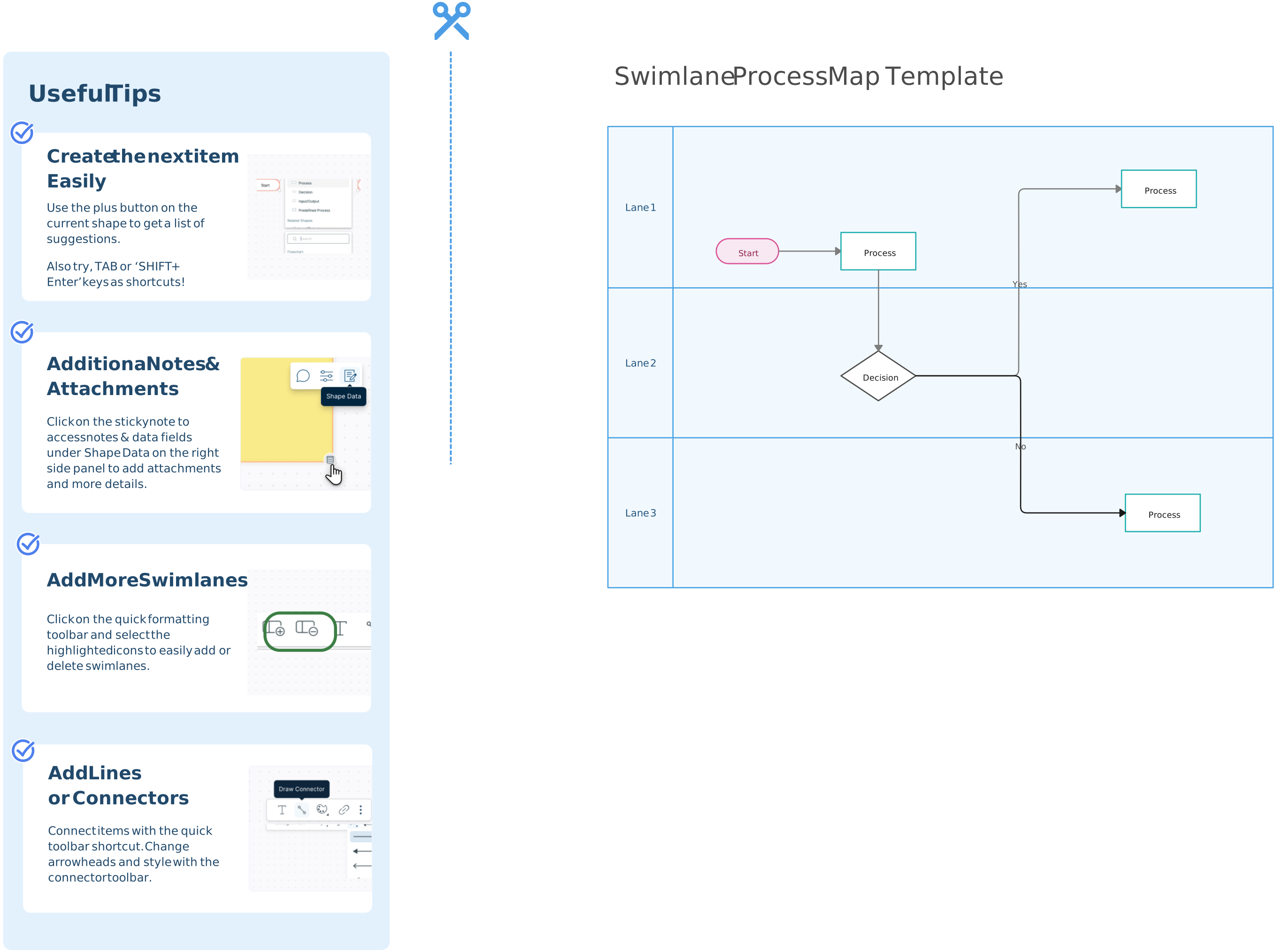
To enhance the efficiency of the mapping process, consider selecting a template that aligns with the type of healthcare process. Depending on the complexity and nature of the process, you might opt for different mapping styles, such as patient journey maps, flowcharts, or swimlane diagrams. Many platforms offer pre-made templates tailored specifically for healthcare processes, making it easier to get started and ensuring that essential components are not overlooked.
4. Customize and Review
After selecting a template, customize it to fit your specific healthcare workflow. Adapt the structure to include all relevant steps, roles, and responsibilities associated with the process. Encourage team members to collaborate on this stage of your process mapping in healthcare, as their input will be invaluable in ensuring accuracy and comprehensiveness. Once the initial customization is complete, walk through the map with the people who perform and receive the work. Compare it with observation and available data, document feedback, and assign an accountable owner to incorporate agreed updates. This review cycle improves accuracy and establishes how the map will be maintained as the workflow changes.
Types of Healthcare Process Maps with Templates
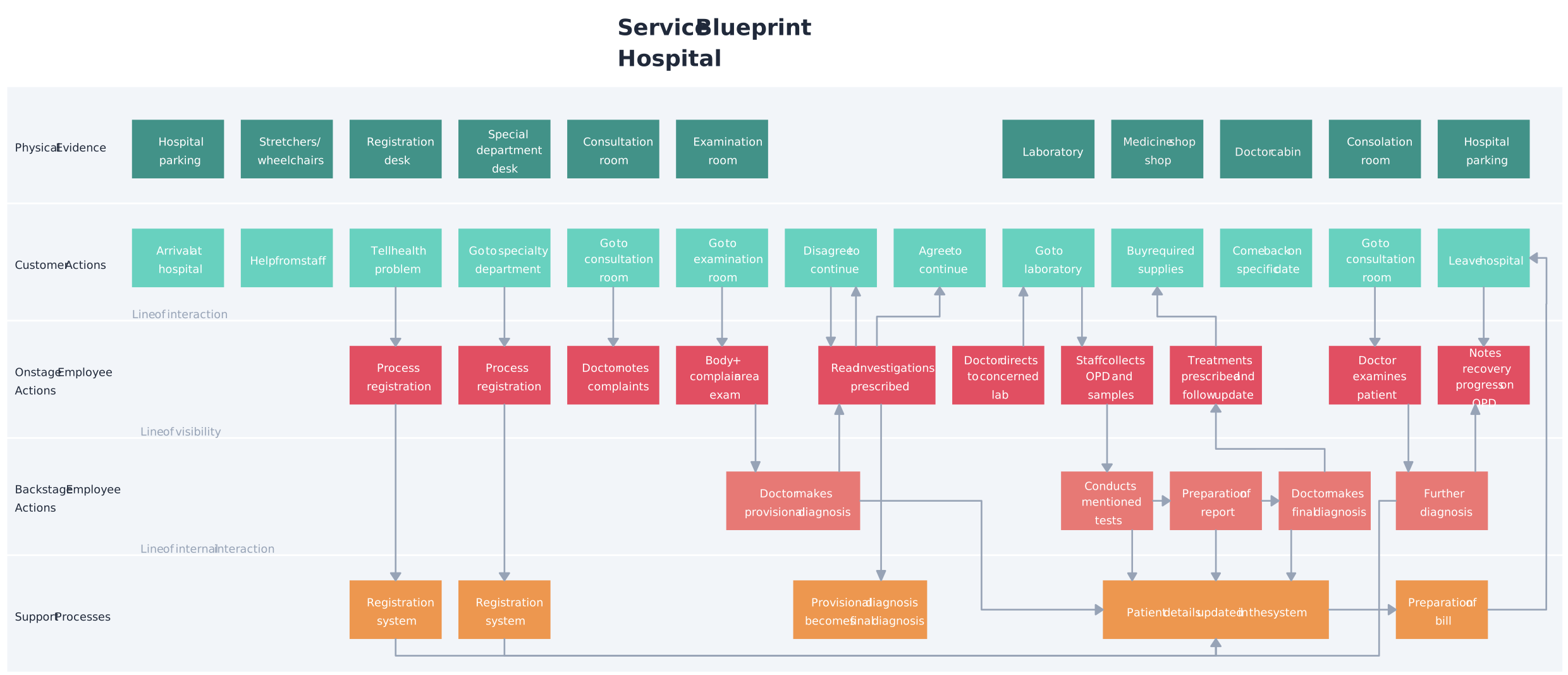
Healthcare professionals utilize various types of process maps to visualize workflows, improve patient care, and enhance operational efficiency. Each type of process mapping in healthcare serves a unique purpose, and leveraging templates can provide a helpful foundation for creating these visualizations. Here are some common types of healthcare process maps along with recommendations for their use:
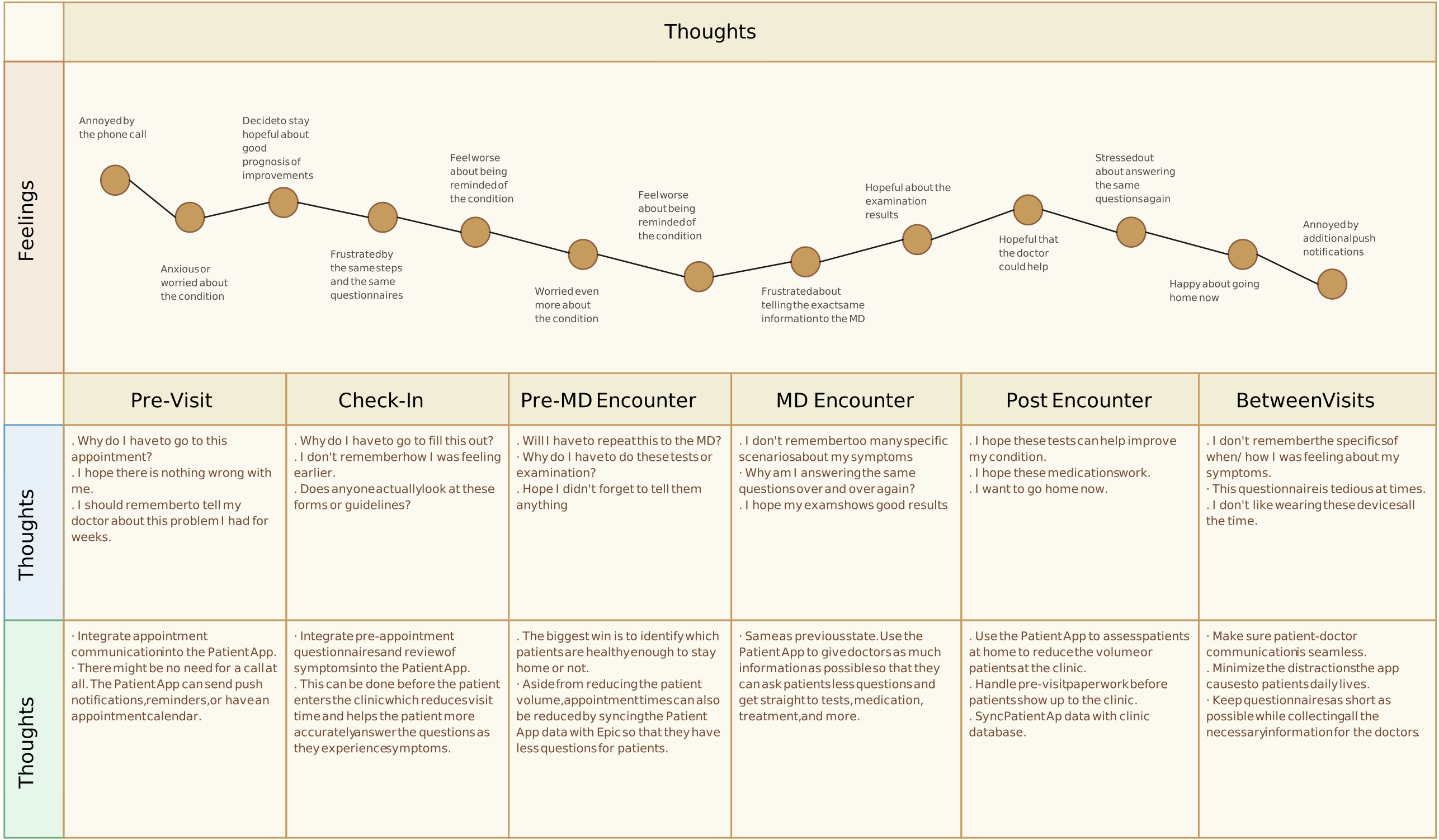
1. Patient Journey Map
A patient journey map is essential for understanding the flow of a patient’s experience, from check-in to discharge. This type of map helps healthcare teams visualize each touchpoint in the patient’s journey, identifying areas where the experience can be improved. Utilizing a template for a patient journey map can streamline the process and ensure that all critical stages are captured effectively.
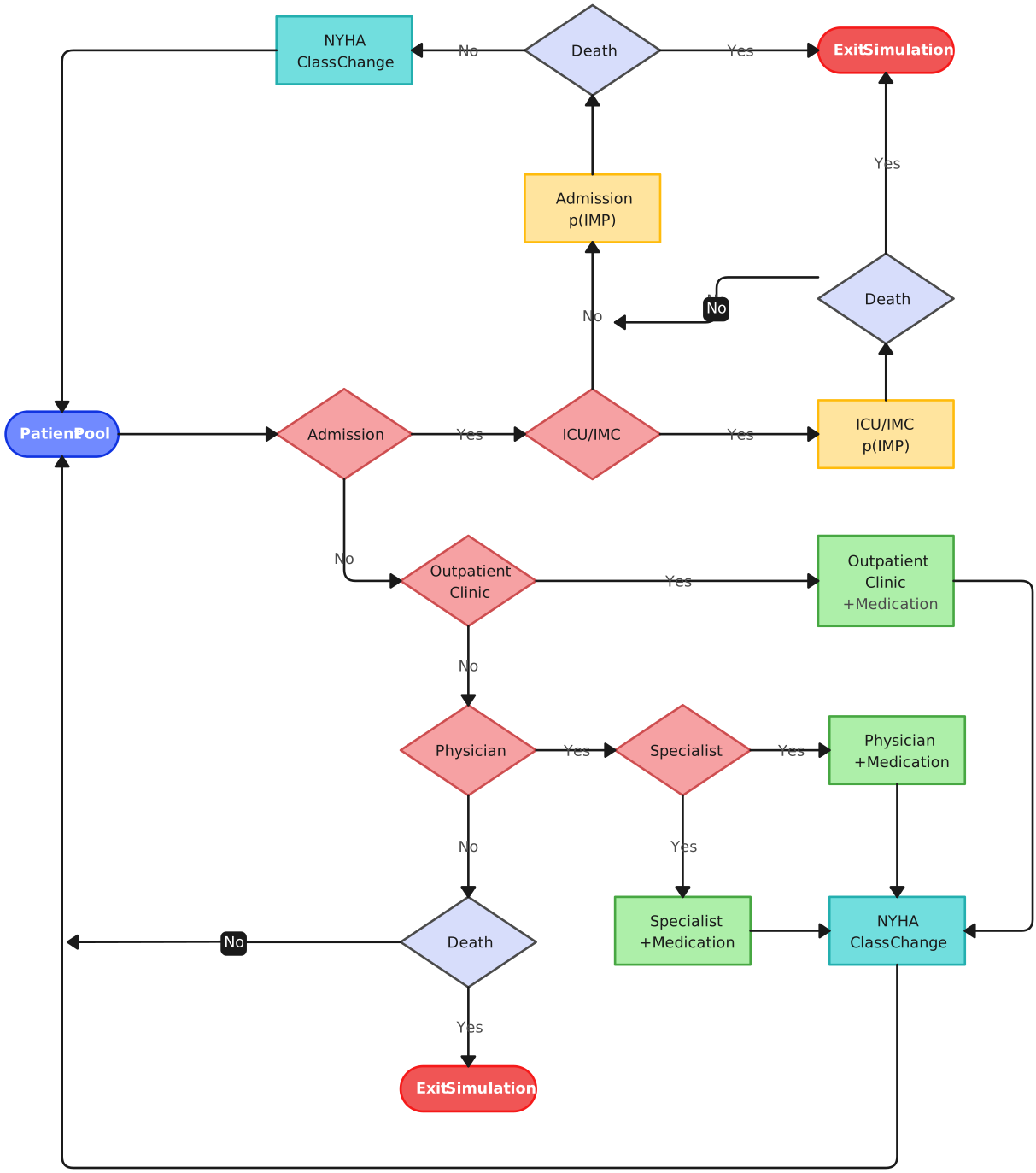
2. Clinical Pathway Mapping
Clinical pathway mapping is ideal for tracking specific treatments or care paths. It provides a detailed overview of the steps involved in delivering care for a particular condition or procedure, ensuring that best practices are followed consistently. Using a template for clinical pathways can help standardize care processes across departments, improving overall treatment quality. This makes your process mapping in healthcare easier and efficient.
3. Value Stream Mapping for Healthcare
Value stream mapping focuses on identifying and eliminating inefficiencies in patient care processes. By visually representing the flow of materials and information required to deliver care, teams can pinpoint waste and areas for improvement. A value stream mapping template can simplify the creation of this map, providing a structured format that highlights critical steps and resources involved.

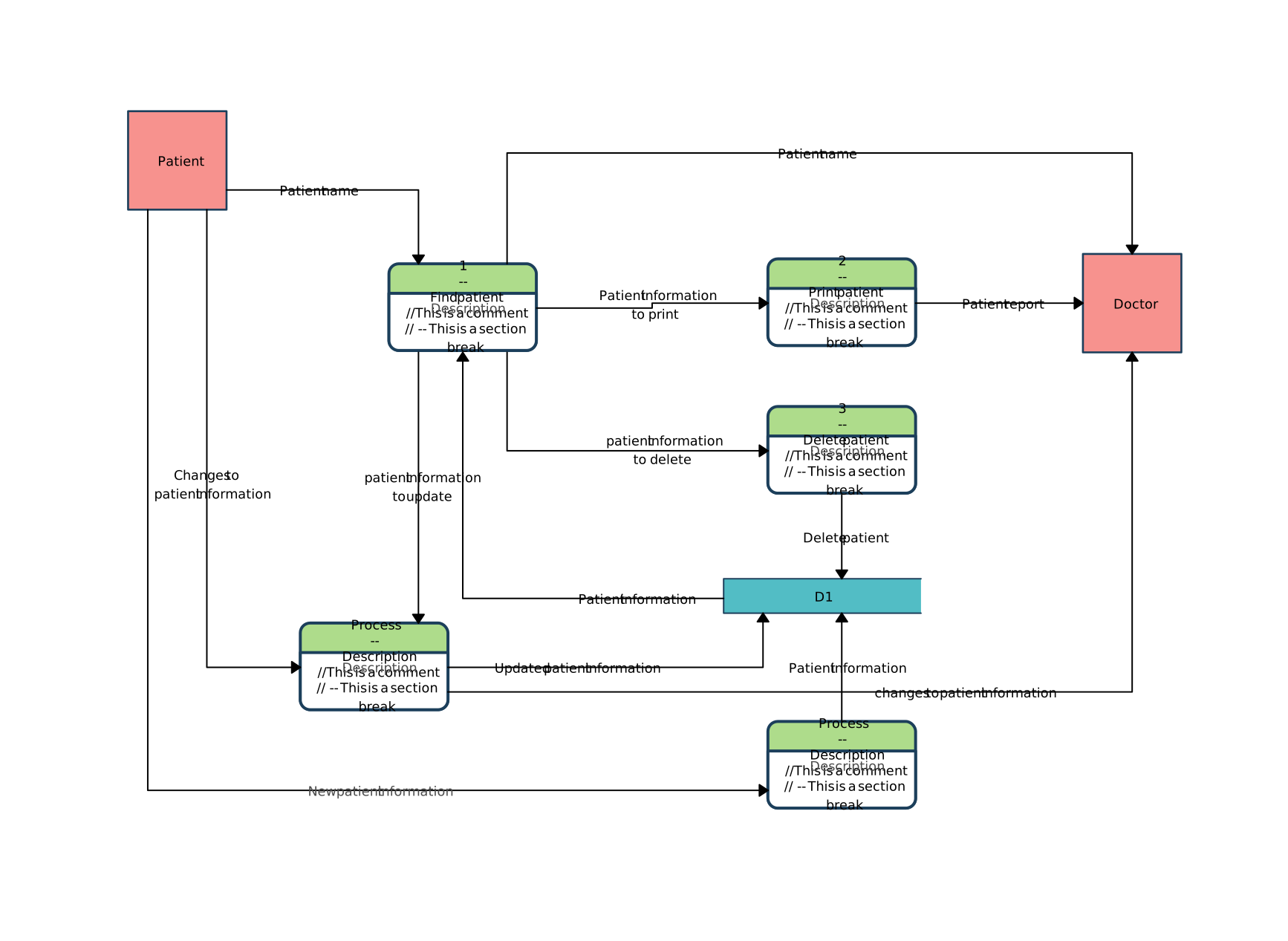
4. Decision Action Diagram (DAD) in Healthcare
A Decision Action Diagram (DAD), also called an information flow diagram, is a valuable tool for process mapping in healthcare for visualizing workflows with multiple decision points, such as triage procedures or treatment pathways. In a DAD, each decision is represented by a diamond shape, with branches indicating potential actions or outcomes, such as “administer medication,” “escalate care,” or “discharge.” This structure provides clarity on the options available at each step, allowing healthcare providers to see the full range of actions required based on patient needs or outcomes. Using a DAD template can simplify complex healthcare processes, helping to ensure that each possible action and decision point is accounted for accurately.
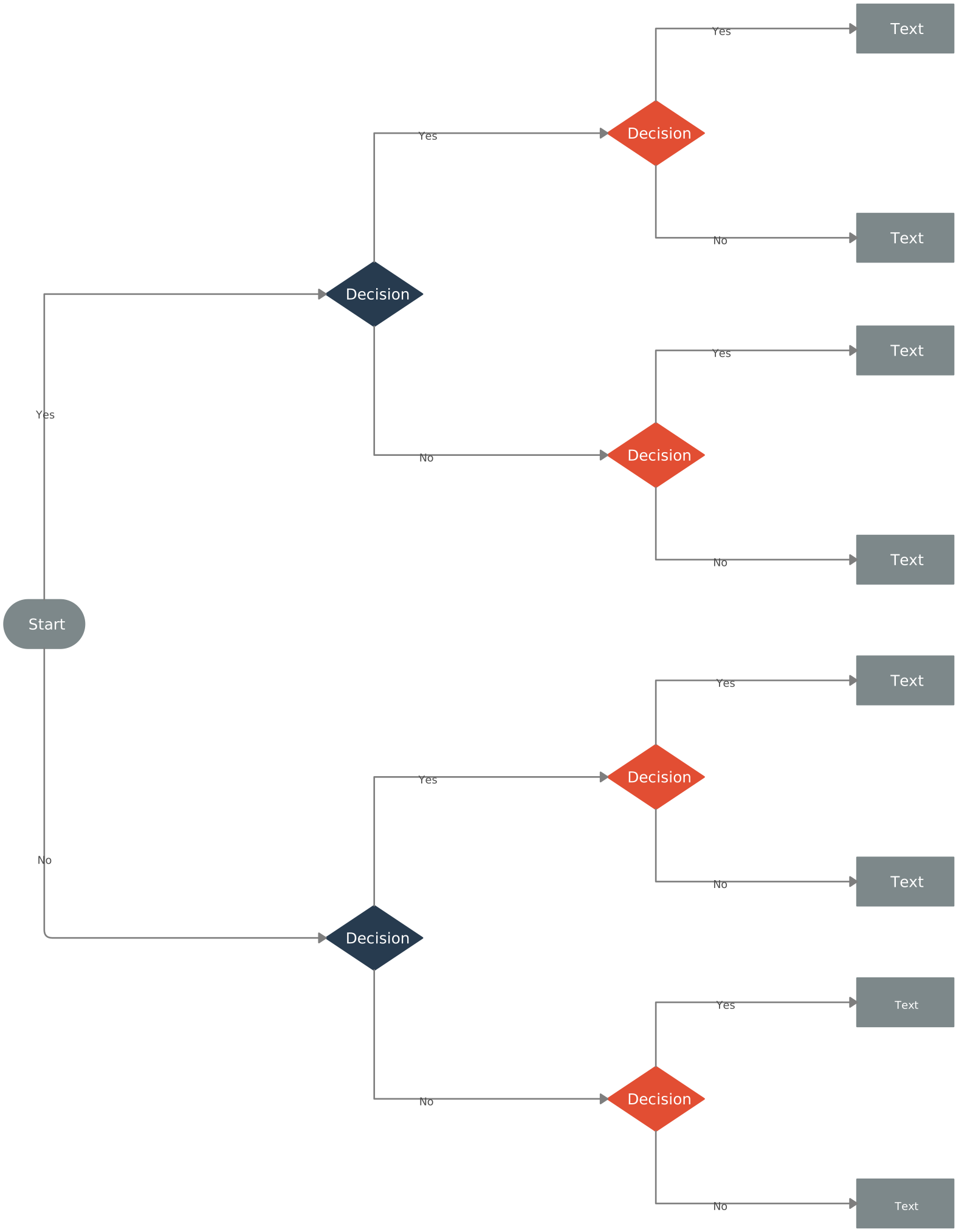
5. Decision Tree for the Healthcare Process
In healthcare, decision trees are essential for evaluating multiple courses of action and determining the best choice based on potential outcomes. With a hierarchical structure, decision trees allow healthcare professionals to assess various options, such as treatment pathways, diagnostic protocols, or patient management strategies. For example, a decision tree can help guide decisions on treatment plans by mapping out potential interventions and their likely outcomes, such as “surgical intervention” versus “conservative management.” Using a decision tree template provides a clear framework to map out complex healthcare choices, ensuring organized, informed decision-making tailored to each patient’s circumstances.
Best Practices for Successful Process Mapping in Healthcare
Creating effective process maps in healthcare requires a strategic approach to ensure that workflows are clearly understood and accurately documented. By following best practices, healthcare teams can enhance the quality of their process maps and drive meaningful improvements in patient care and operational efficiency. Here are some key best practices for successful process mapping in the healthcare sector:
Collaborate with Teams
A cross-functional approach is essential for creating the most effective process maps. Engaging team members from various departments and roles ensures that diverse perspectives are captured, leading to a more comprehensive understanding of the workflow. Collaboration allows stakeholders to share what happens at departmental and organizational handoffs, including workarounds and sources of delay. Include the people who perform the work and, where appropriate, patient or caregiver perspectives. This broader view improves the map’s accuracy and helps teams agree on ownership for future updates.
Prioritize Clarity and Simplicity
When process mapping in healthcare, prioritizing clarity and simplicity is crucial. Use straightforward shapes and clear labels to ensure that the map is easily understandable by all team members, regardless of their background or experience. A well-designed process map should communicate information at a glance, allowing staff to quickly grasp the workflow without confusion. Avoid overly complex diagrams or jargon, as these can hinder comprehension and limit the map’s effectiveness in guiding staff actions.
Leverage Templates for Speed and Accuracy
Utilizing templates is a best practice in the workflow planning process, as they provide a structured foundation for process mapping in healthcare. Templates help ensure accuracy and clarity, allowing teams to focus on the content of their maps rather than the formatting. By starting with a pre-designed template that aligns with their specific workflow needs, healthcare professionals can save time and streamline the mapping process. Additionally, templates can improve consistency across process maps within the organization. Treat a template as a starting point: validate it against local policies, roles, terminology, and clinical practice before use. Avoid placing patient-identifiable or other sensitive information in a map unless the workspace and access controls meet your organization’s privacy and security requirements.
Helpful Resources
Visualize complex processes in healthcare on a dynamic process map online, and so much more.
Connect process maps with the supporting information teams need to understand and maintain workflows.
Use flowcharts online to visualize workflows for collaborative brainstorming, problem-solving, and so much more.
Get started with our Swimlane Diagram Maker to streamline your processes and enhance collaboration.
Leveraging Creately for Process Mapping in Healthcare
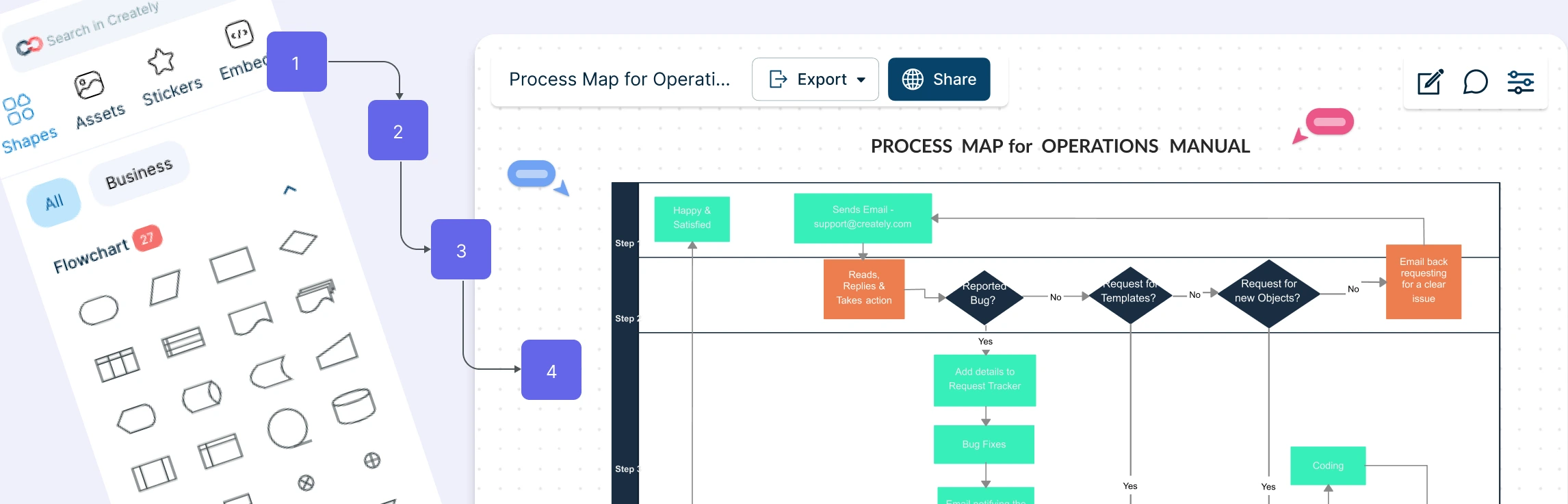
Creately’s process mapping software gives healthcare teams a shared visual workspace for documenting current-state and future-state workflows. Teams can map responsibilities and handoffs, keep supporting context connected to the diagram, and maintain the map as living process documentation rather than a one-time artifact.
1. Centralized Information with Notes and Annotations
For relevant process steps, teams can add notes, links, and file attachments so policies, forms, instructions, and other reference material remain connected to the workflow. Structured shape properties can capture details such as an owner, status, duration, systems, or tags where they are useful. This helps readers understand both what happens and the context needed to perform or review the work; access to sensitive healthcare information should still follow organizational privacy and security controls.
2. Interlinked Process Maps for a Comprehensive View
A high-level patient journey can link to detailed subprocess diagrams for areas such as radiology, emergency services, or discharge planning. This connected process context lets different audiences move between an overview and the detail relevant to their role. Links provide navigation between maps; teams should review related diagrams when a process change affects more than one map. Organizing related maps hierarchically also makes a growing process repository easier to navigate.
3. Real-Time Collaboration to Improve Accuracy and Efficiency
Healthcare and operations stakeholders can edit a map together, see collaborators’ cursors, and use contextual comments to discuss unclear steps, handoffs, and proposed changes. An accountable owner can review the feedback, incorporate agreed updates, and keep the documented process current. Comments provide collaborative review context; any formal clinical or organizational approval should continue through the organization’s established governance process.
4. Cloud-Based Accessibility for Flexible and Responsive Care
Because the workspace is browser-based, authorized team members can open and share process maps without passing separate copies between departments. Permissions and sharing settings help teams control access, while version history—where available on the selected plan—can help them inspect earlier changes. Organizations should configure access in line with their own security, privacy, and records-management requirements.
Together, these capabilities help teams keep ownership, supporting documentation, review context, and linked subprocesses close to the visual workflow. The result is a process map that can be reviewed and maintained as practice changes.
Conclusion: Embracing Process Mapping for Enhanced Healthcare Efficiency
In summary, process mapping is a vital tool for refining healthcare processes, offering clarity and insight into the complexities of patient care and operational workflows. By visually documenting these processes, healthcare teams can identify inefficiencies, improve collaboration, and ensure that best practices are followed consistently. The strategic use of process mapping in healthcare not only enhances the quality of care provided to patients but also fosters a culture of continuous improvement within healthcare organizations.
We encourage readers to explore the various tools and templates available for process mapping in healthcare. Experimenting with different options can help teams discover what best suits their specific needs and workflows. Start with the current state, validate the map with the people who do the work, and pair improvement ideas with appropriate measures and small-scale testing. Assign an owner and a review cadence so the map stays aligned with approved practice as roles, technology, regulations, and care pathways change.
FAQs About Process Mapping in Healthcare
How often should process maps be updated in healthcare?
Can process mapping help with compliance in healthcare?
How does process mapping support healthcare accreditation and compliance?
How does process mapping facilitate continuous quality improvement (CQI) in healthcare?
What role does stakeholder input play in process mapping?
How can I train my team to use process mapping effectively?
Resources:
Antonacci, G., Lennox, L., Barlow, J., Evans, L. and Reed, J. (2021). Process mapping in healthcare: a systematic review. BMC Health Services Research, 21(1). doi:www.doi.org/10.1186/s12913-021-06254-1.
Marriott, R.D. (2018). Process Mapping – The Foundation for Effective Quality Improvement. Current Problems in Pediatric and Adolescent Health Care, 48(7), pp.177–181. doi:www.doi.org/10.1016/j.cppeds.2018.08.010.
NHS (2005). Improvement Leaders’ Guide Process mapping, analysis and redesign General improvement skills. [online] Available at: www.england.nhs.uk/improvement-hub/ILG-1.2-Process-Mapping-Analysis-and-Redesign.pdf.