Processes shape how work gets done every day, but when steps exist only in people’s heads or across scattered documents, the process becomes hard to review and even harder to improve. Tasks slow down, responsibilities become unclear, and small issues grow into larger operational problems. Process mapping helps teams turn that hidden work into a visible workflow they can understand, improve, standardize, and keep current.
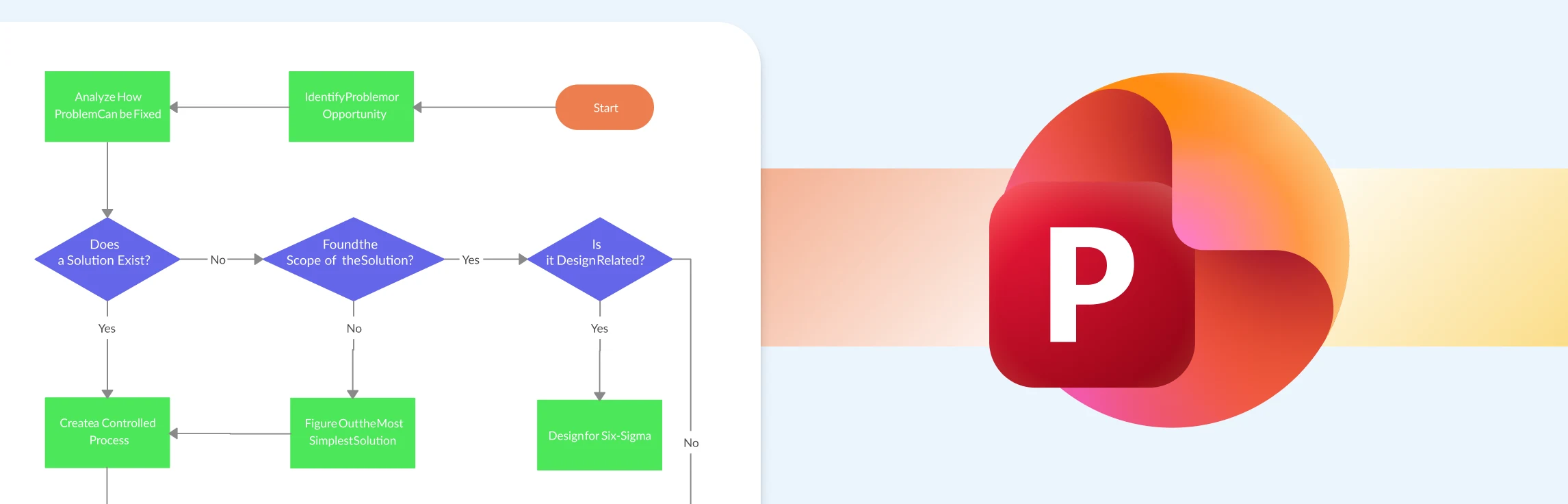
This guide explains how to create a process map in PowerPoint with SmartArt, from choosing a layout to reviewing and sharing the finished workflow. It also covers where PowerPoint works well, the limitations that appear as a process becomes more complex, and when a dedicated process mapping tool is a better fit. Free process map templates are included to help you get started.
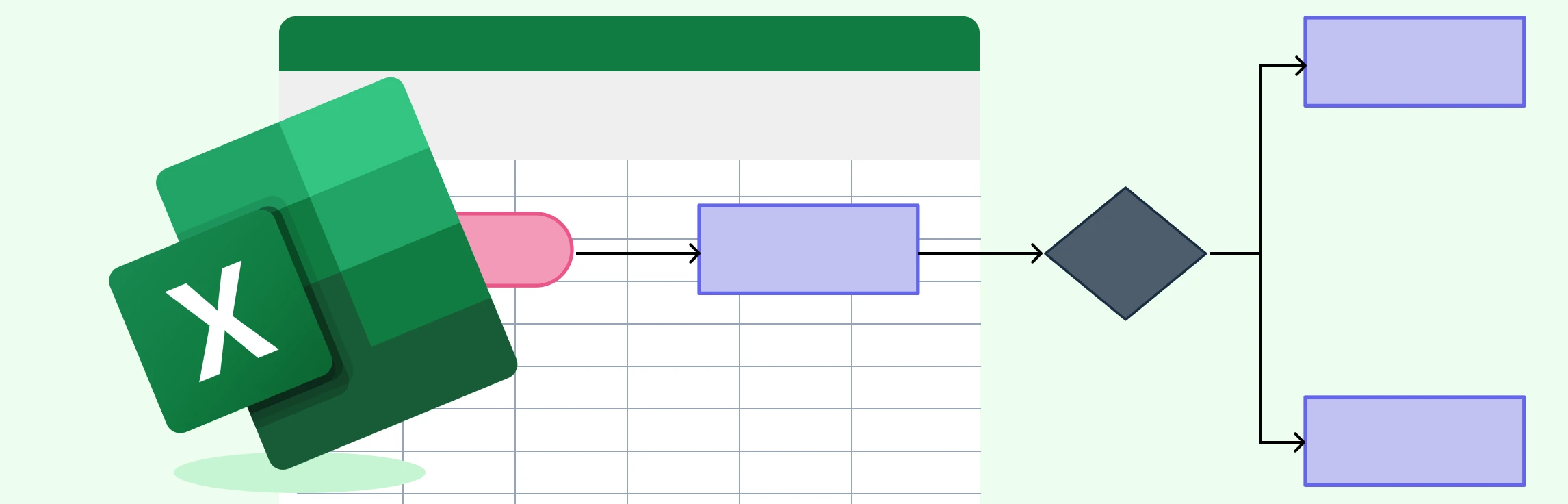
This guide walks you through the steps for how to create a process map in Excel, highlights the challenges you may encounter on the platform, and introduces a more efficient alternative for teams that need faster, clearer, and more scalable process mapping.
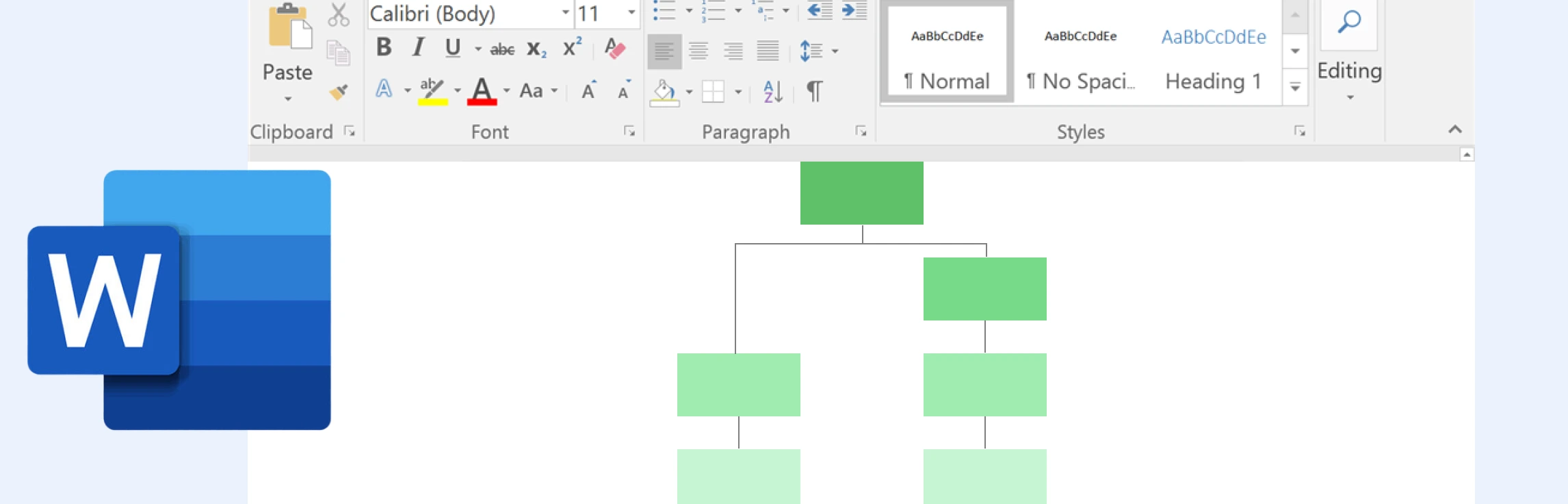
Learning how to create a process map in Word is useful when you need a simple workflow diagram in a familiar document. This guide explains the steps, Word’s practical limitations, and when a dedicated process mapping tool is a better fit. It also includes a feature comparison and free templates to help you choose the right approach.
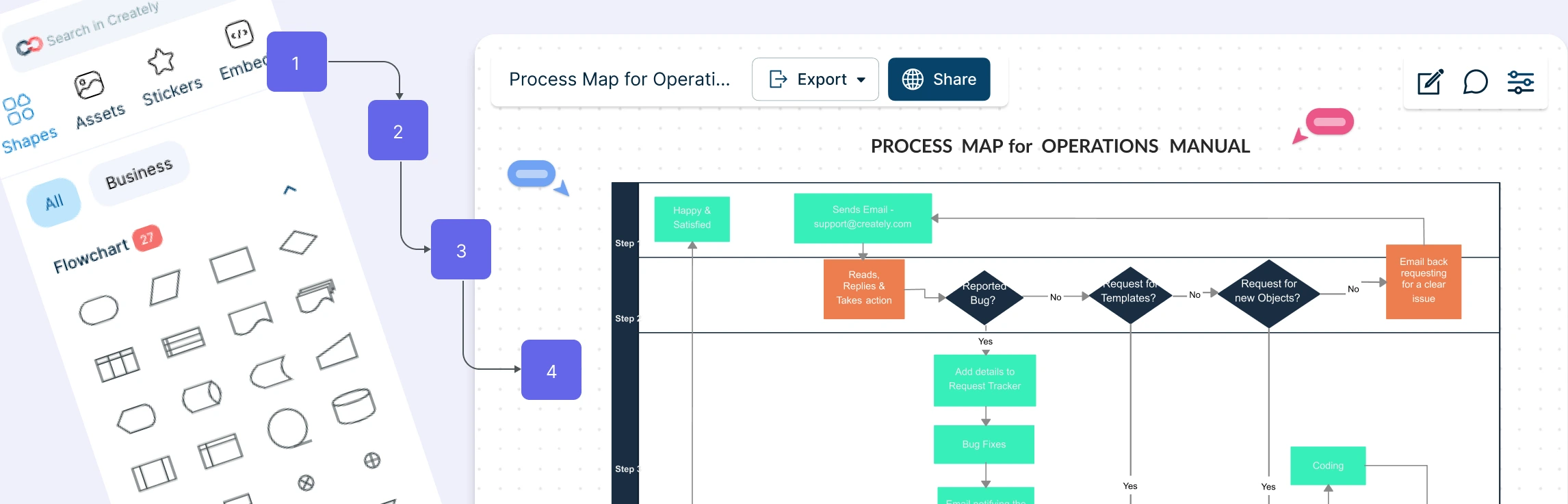
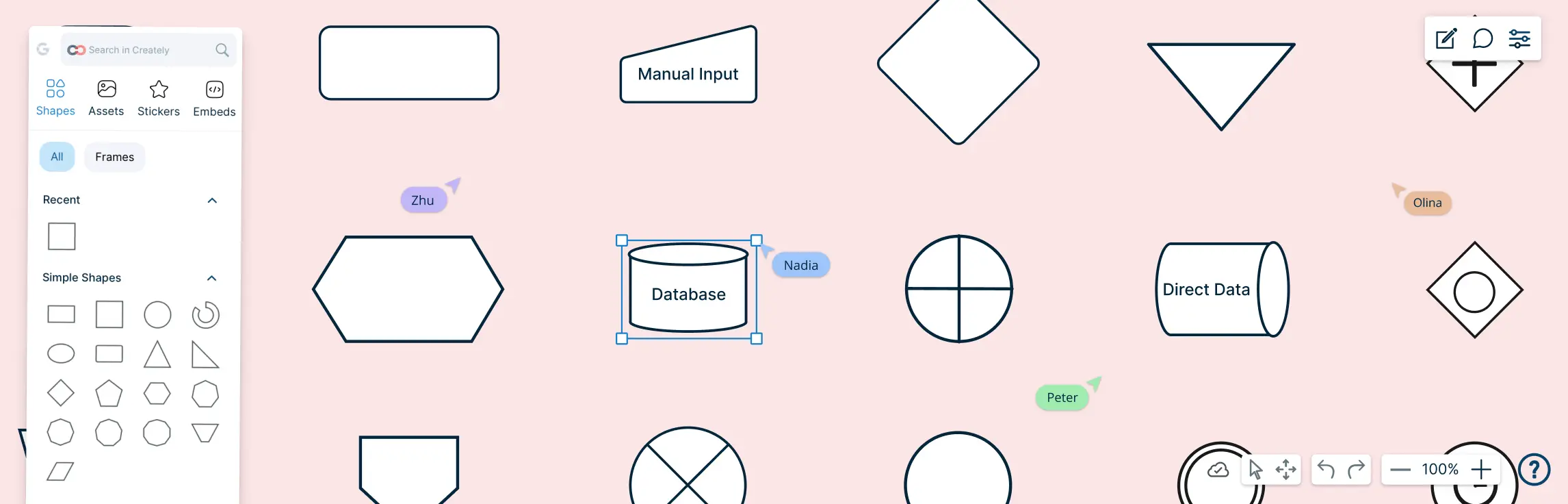
Process mapping symbols are the visual building blocks used to map how work gets done. From simple tasks and decisions to complex workflows, the process map shapes help teams turn scattered steps into clear, easy-to-follow diagrams. In this guide, we’ll explore the most common process icons, what they mean, and how to use them effectively.
In today’s competitive business landscape, understanding the inner workings of your organization is essential. Business process mapping offers a powerful way to visualize, analyze, and improve every step in your organization’s workflows. From enhancing operational efficiency to ensuring compliance and improving communication, business process mapping provides a strategic advantage for businesses aiming to stay agile and productive. This guide covers the key benefits of business process mapping, showcases its versatility across industries, and demonstrates how Creately can amplify these benefits to take your business processes to the next level.
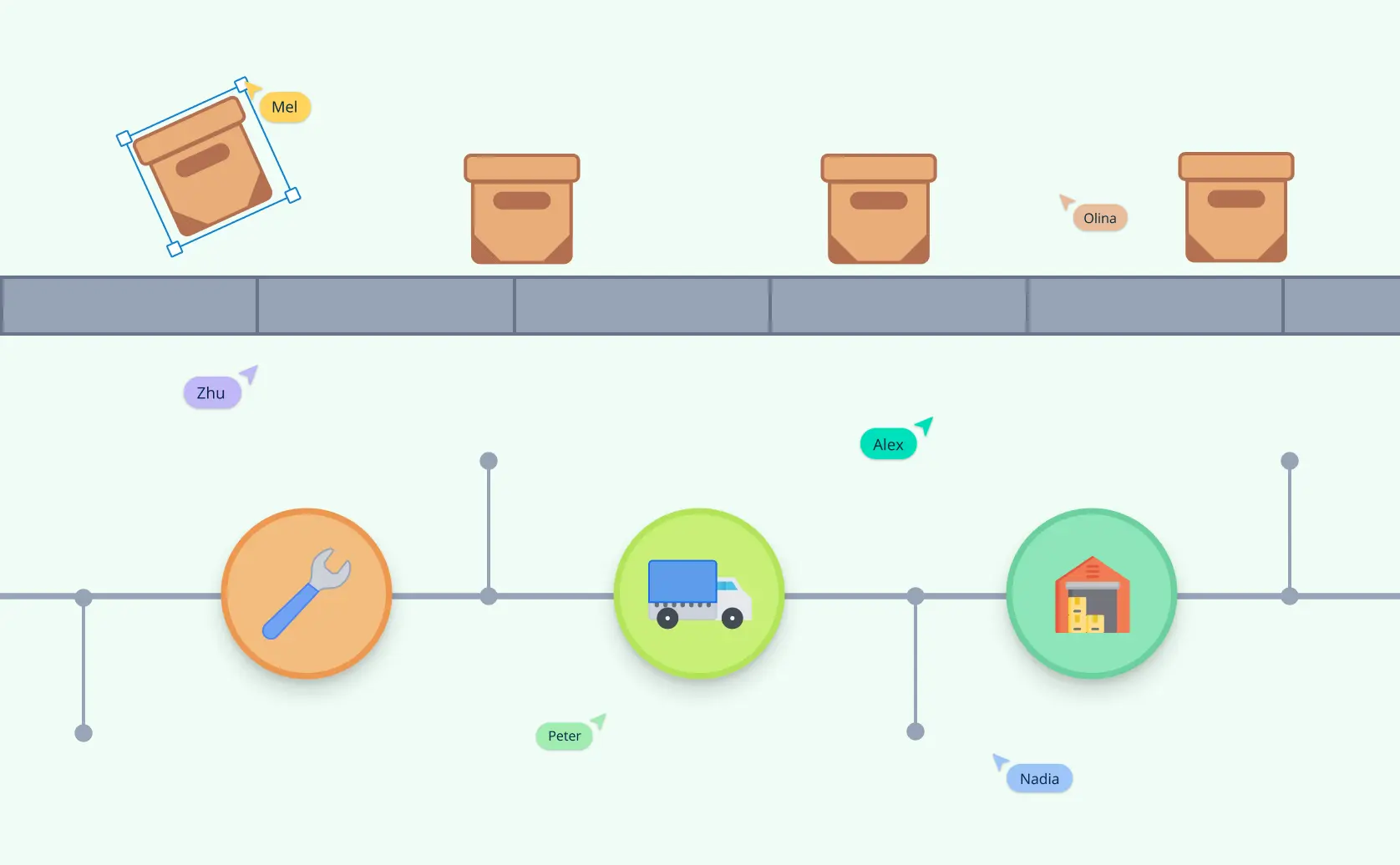
Logistics process mapping visually documents how goods, information, decisions, and responsibilities move through activities such as procurement, receiving, warehousing, fulfillment, transportation, delivery, and returns. It gives logistics teams a shared view for validating the current process, identifying weak handoffs and delays, and designing a measurable future state.
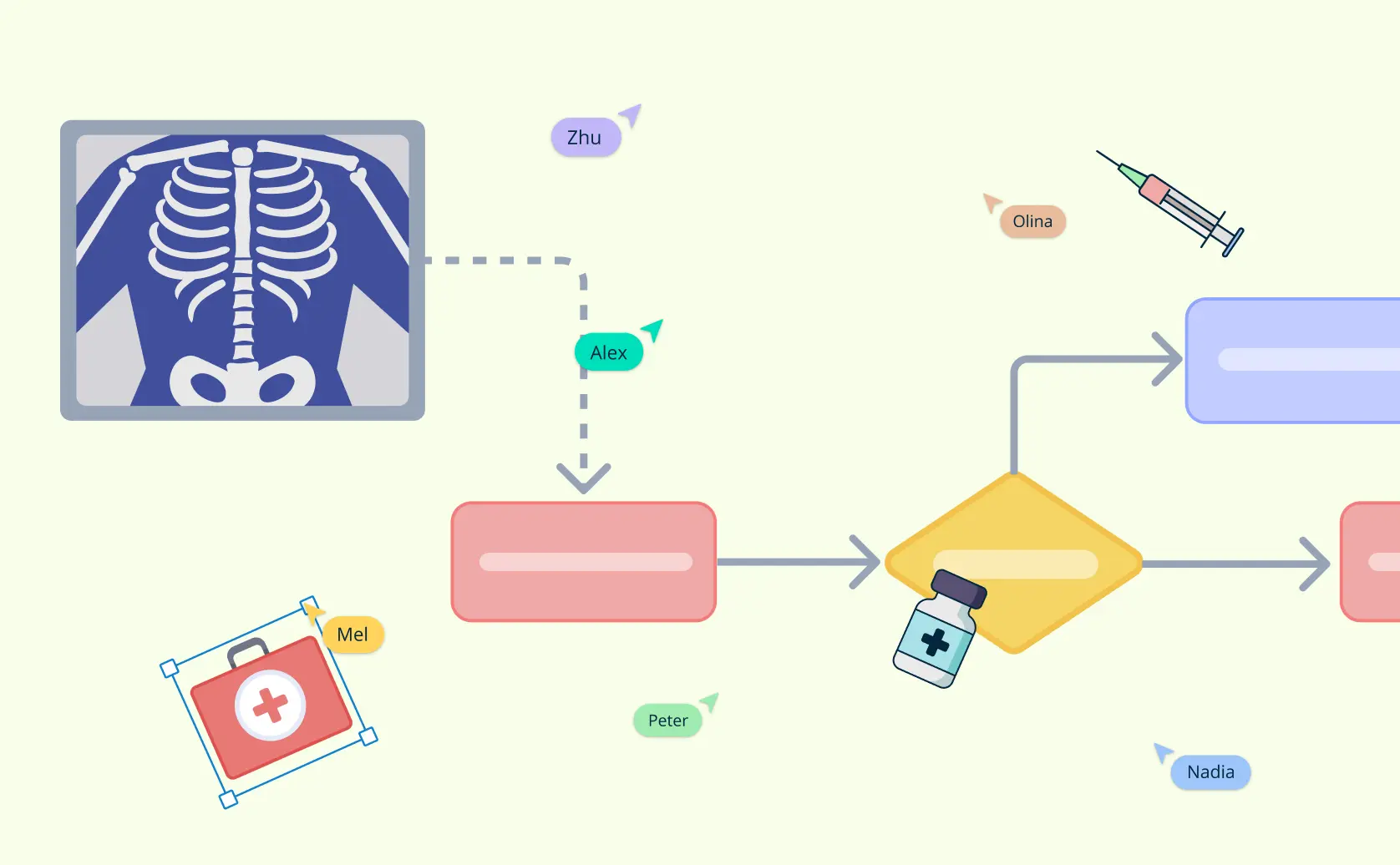
In the complex world of healthcare, effective communication and streamlined processes are essential for delivering high-quality patient care. Process mapping serves as a powerful tool that allows healthcare professionals to visualize workflows, identify inefficiencies, and enhance collaboration among teams. This guide aims to provide a comprehensive overview of process mapping in healthcare, exploring its benefits, step-by-step creation techniques, various types of process maps, and best practices for success. Whether you’re looking to improve patient journeys, track clinical pathways, or eliminate waste in your operations, this guide will equip you with the knowledge and tools necessary to foster efficiency and quality in your healthcare organization.
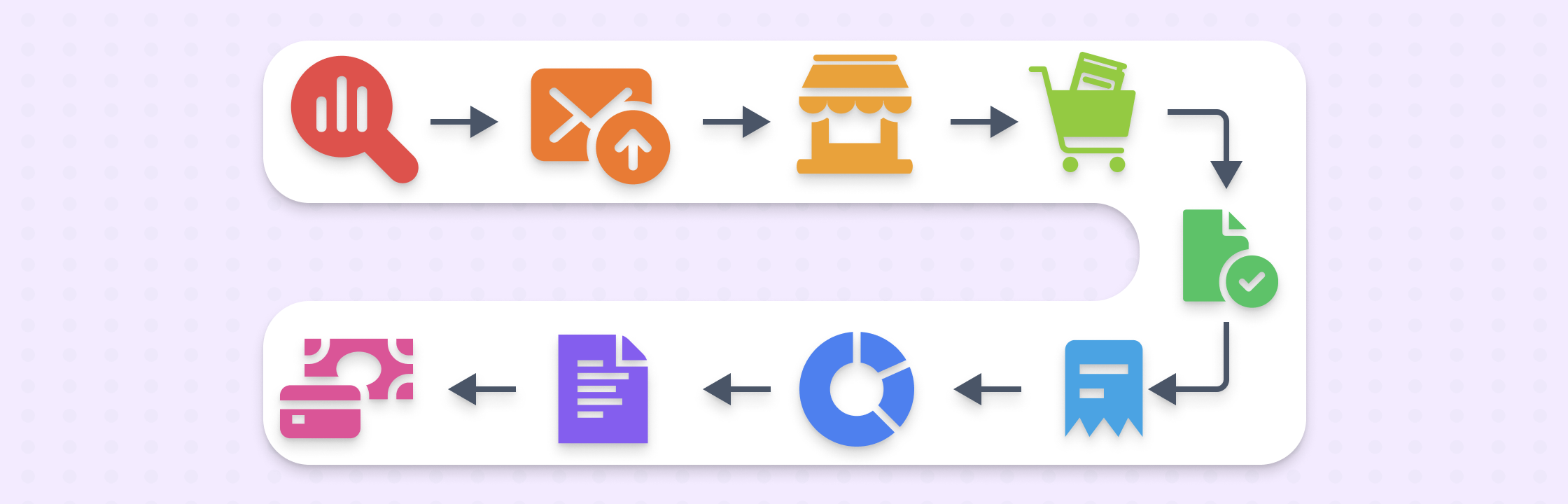
The procure-to-pay (P2P) process connects an internal purchasing need with requisition, approval, ordering, receipt, invoice validation, and supplier payment. This guide explains the core steps, the roles and controls involved, practical improvement ideas, and how a process flowchart can make ownership and handoffs easier to review.