Easily visualize your processes and workflows with smart automation.
Create visual organizational structures with images and detailed profiles.
Visualize concepts and their relationships on an infinite visual canvas.
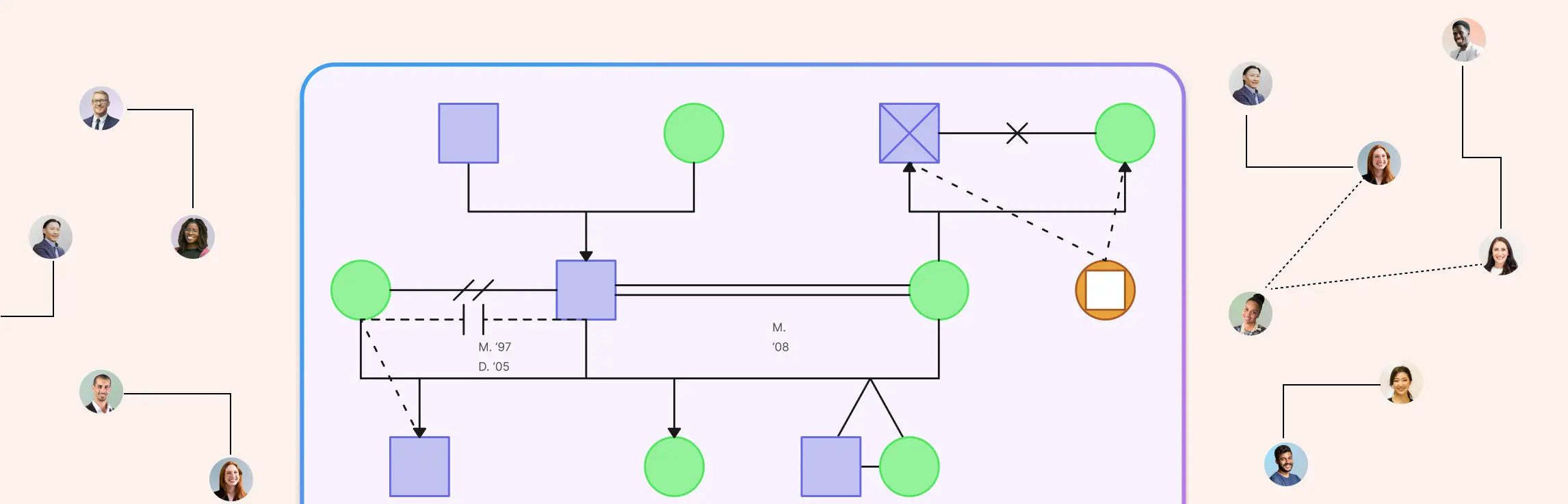
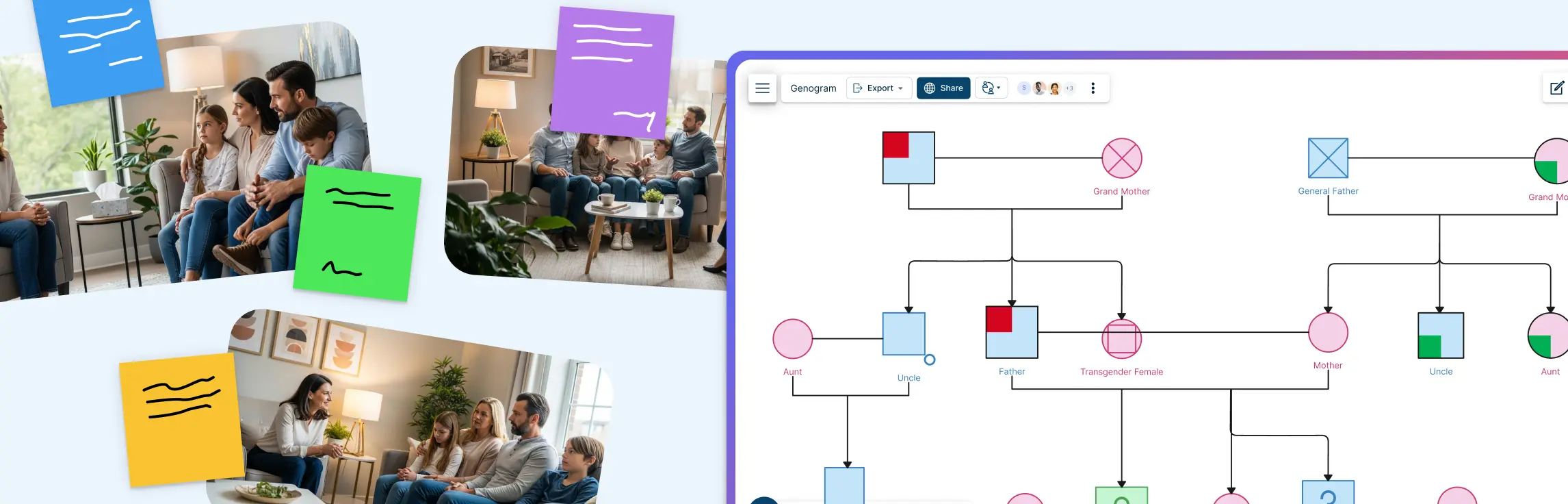
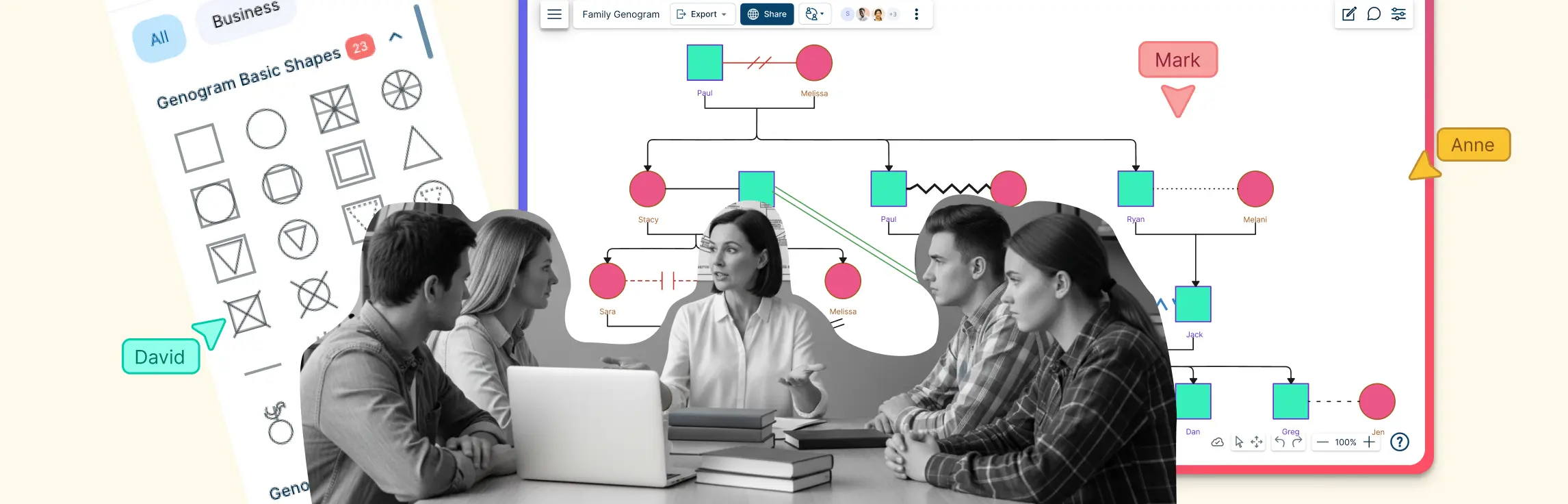
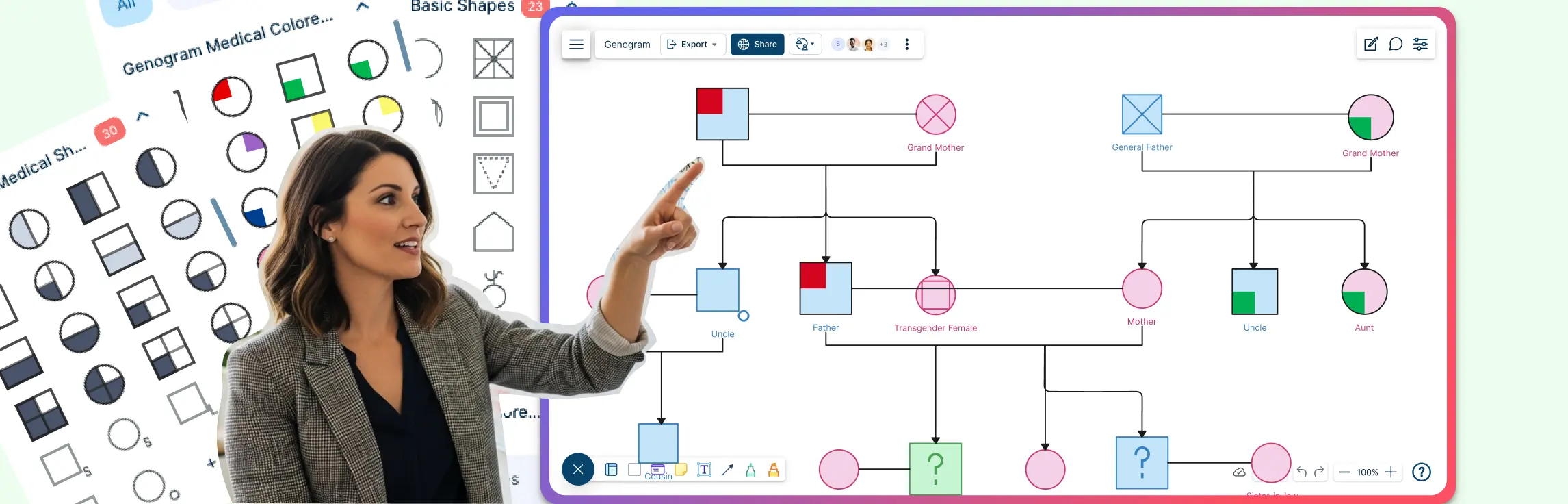
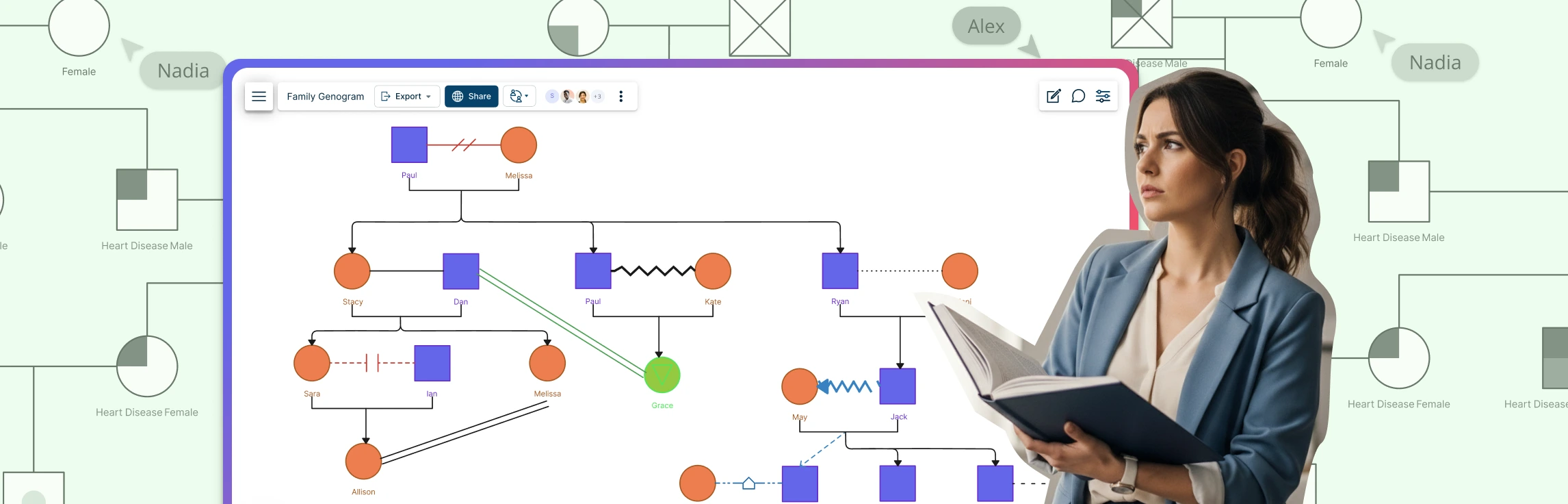
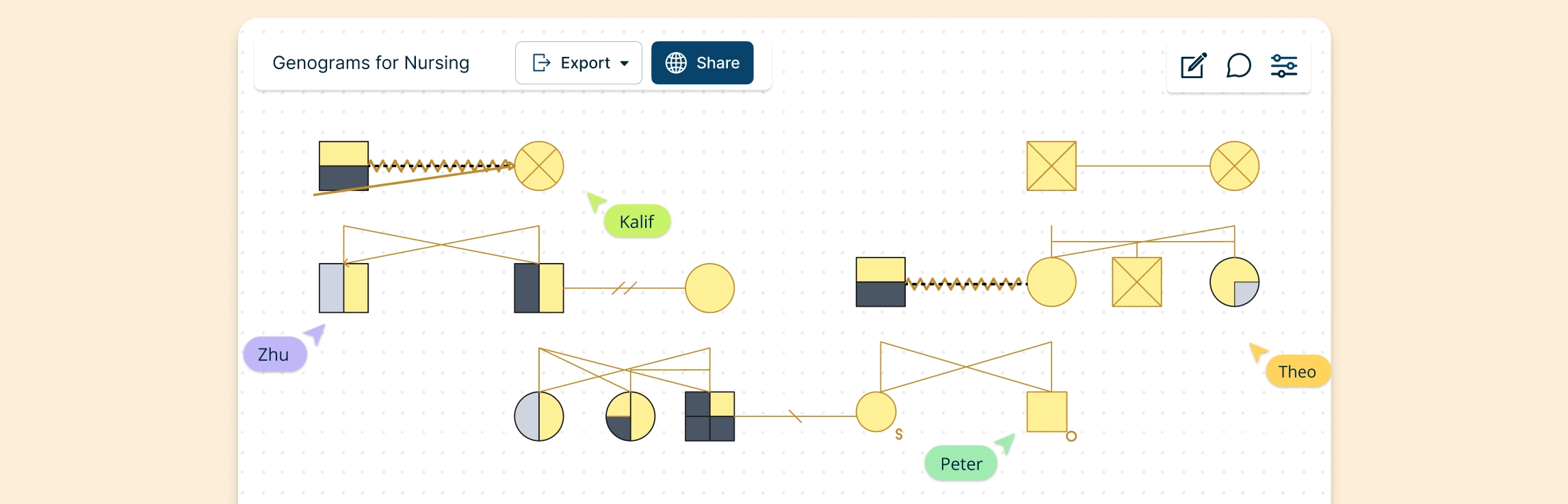
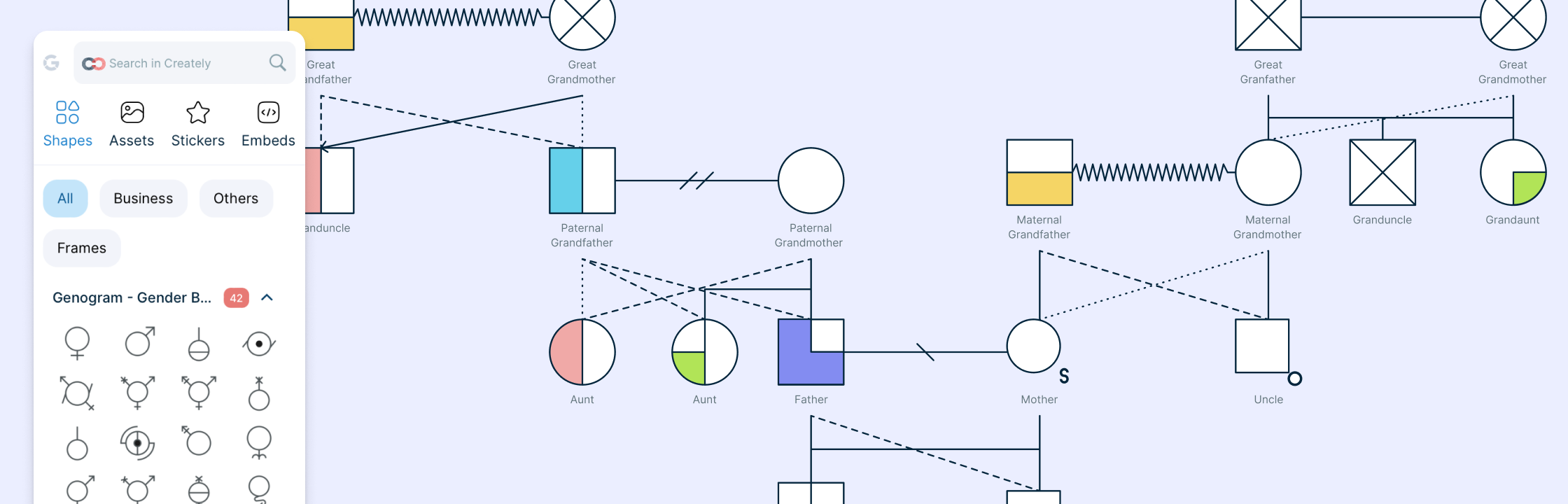
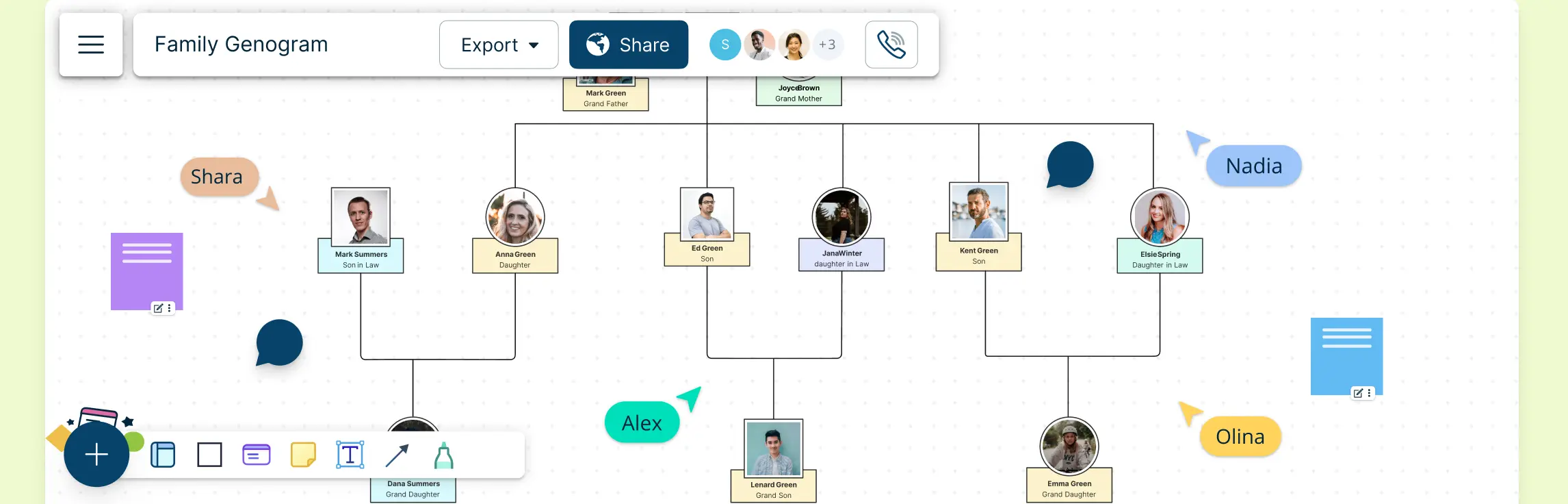
Map family history and understand the relationships with detailed genograms.
Visualize relationships between entities using Crows Foot or Chen notation.
Visualize your network infrastructure. Support AWS, CISCO, Azure and more.
Visualize and expand your ideas using our powerful mind mapping tool.
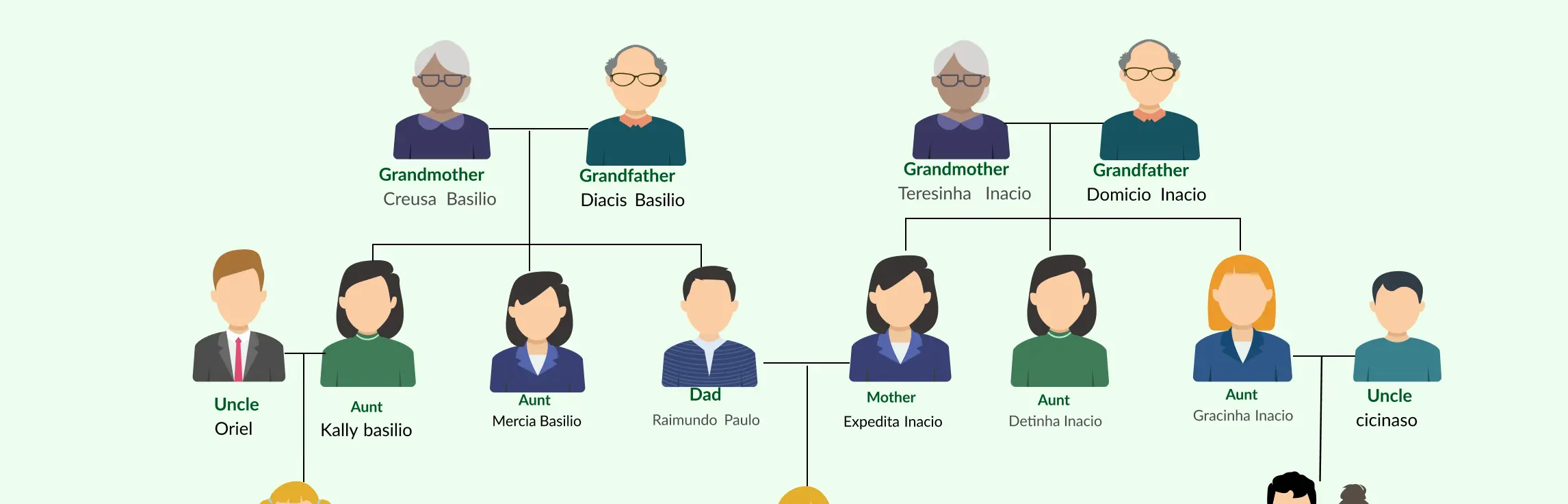
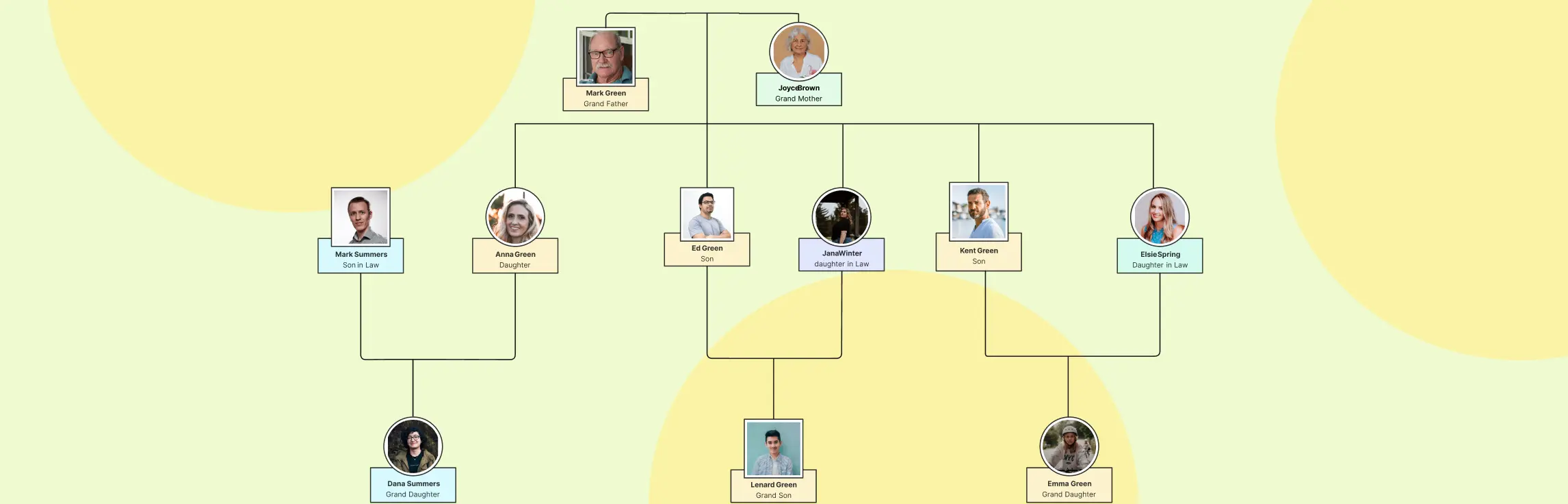
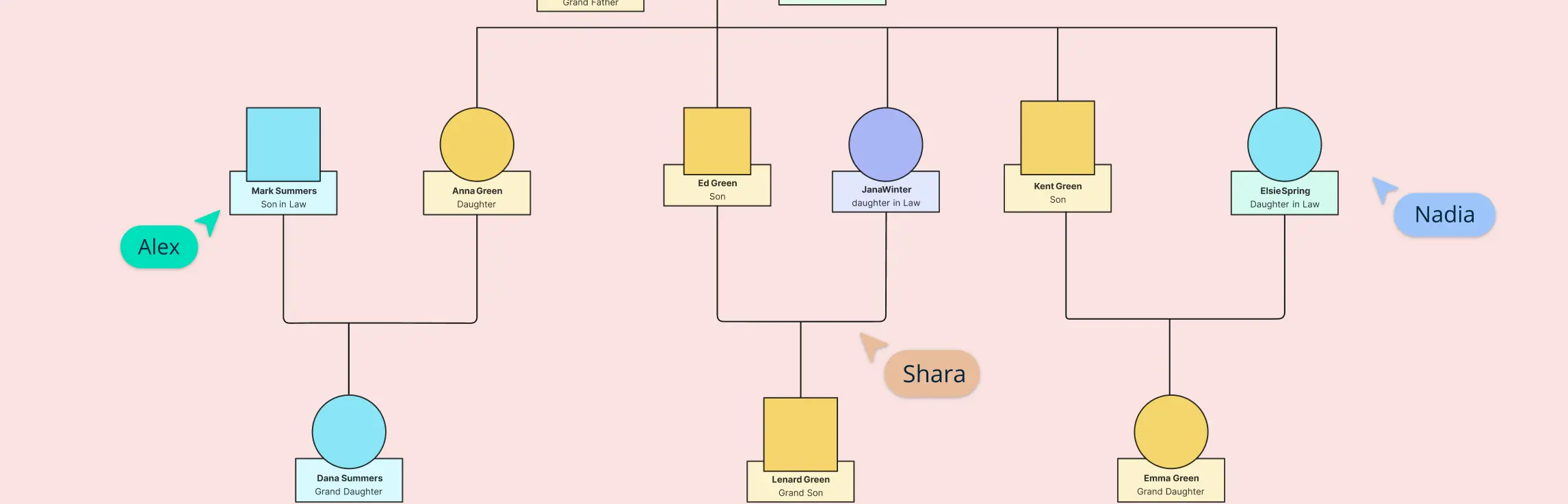
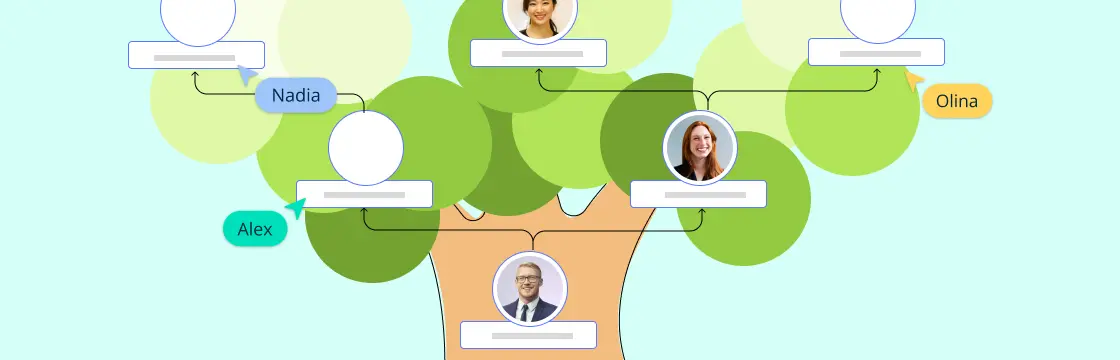
Easily create family trees with our professionally designed templates.
Infinite canvas to add diagrams, images, sticky notes and more.
Run collaborative meetings, workshops or brainstorming sessions.
Collaborative diagramming for educators and students at discounted rates.
Generate customizable diagrams with a simple prompting tool.
Log In
Sign Up Free
If you’ve ever tried creating a SWOT analysis in Word, you’ve probably felt the friction from tables that won’t align, to layouts that break as you edit, and versions that quickly get out of sync. In this guide, you’ll learn detailed steps of how to create a SWOT analysis in Word, and where Word starts to fall short for strategic work. We’ll also explore better alternatives when you need more flexibility and collaboration, along with free SWOT templates to help you move faster and plan with confidence.
Creating a clear, professional SWOT analysis in PowerPoint can feel simple at first, until layouts start shifting, text boxes misalign, and your slide becomes hard to read. This guide walks you through everything you need to know, from building a SWOT diagram step by step to understanding the common challenges that come with PowerPoint’s manual formatting. After you’ve mastered how to present a SWOT analysis in PowerPoint, we’ll explore a better alternative and free templates that make the process faster, cleaner, and more presentation-ready.
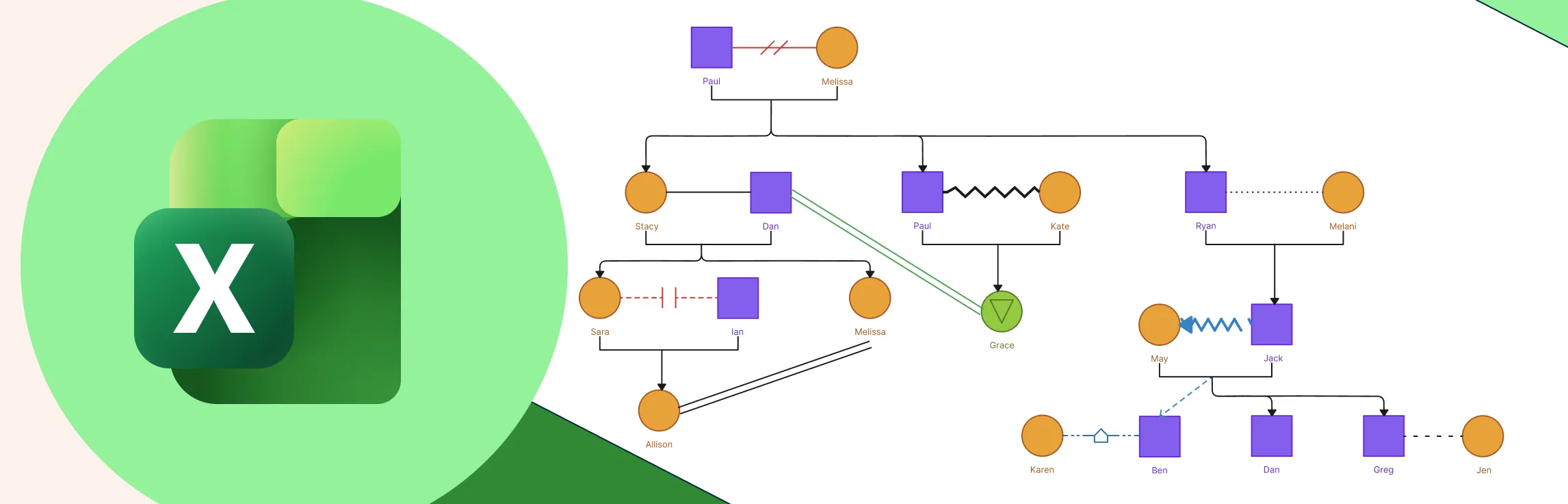
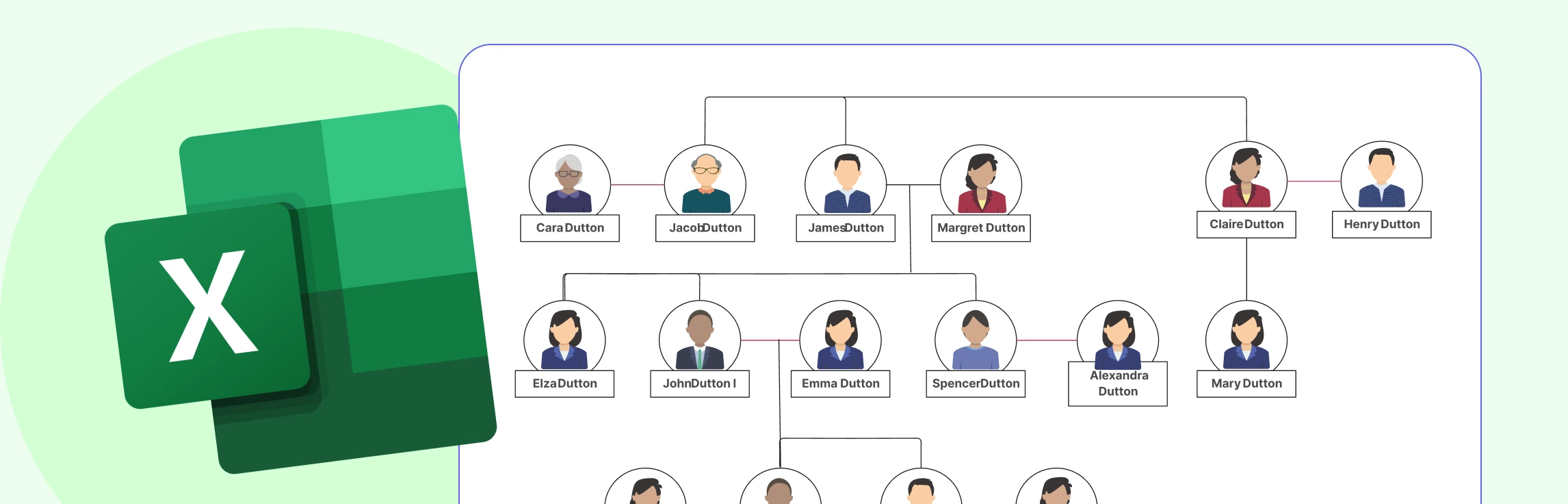
Working with shapes, connectors, and layouts inside a spreadsheet can take extra time and care, especially as your genogram becomes more detailed. This guide walks you through the essentials of how to make a genogram in Excel so you can do it confidently, while also helping you understand when a more specialized diagramming tool might offer a smoother, more efficient experience.
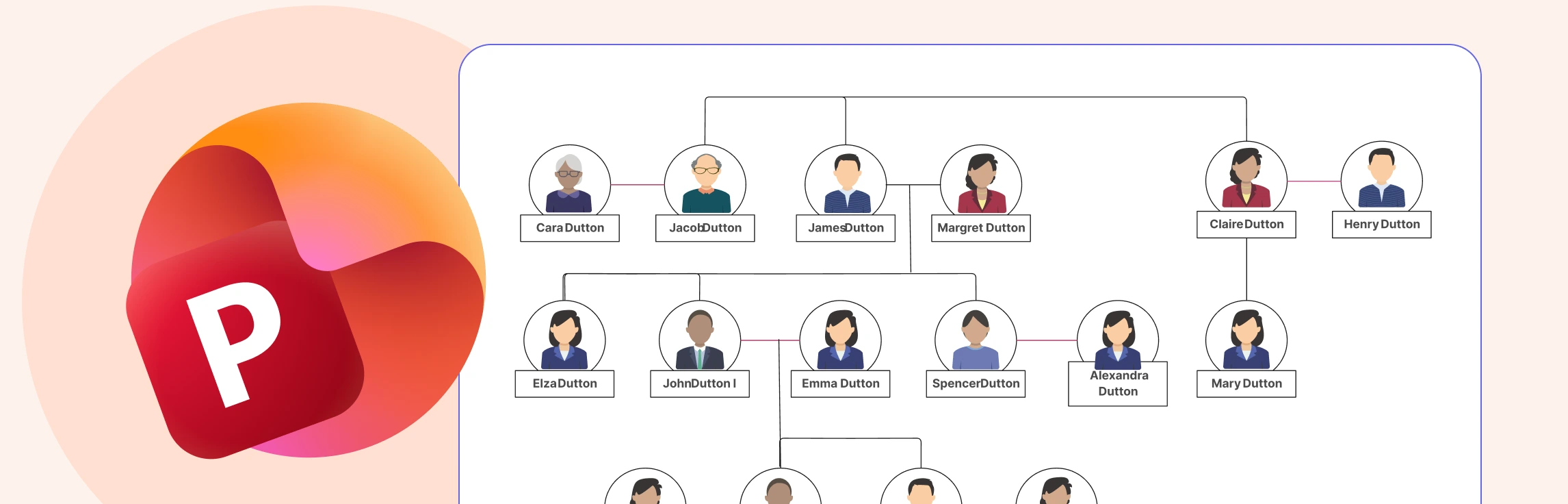
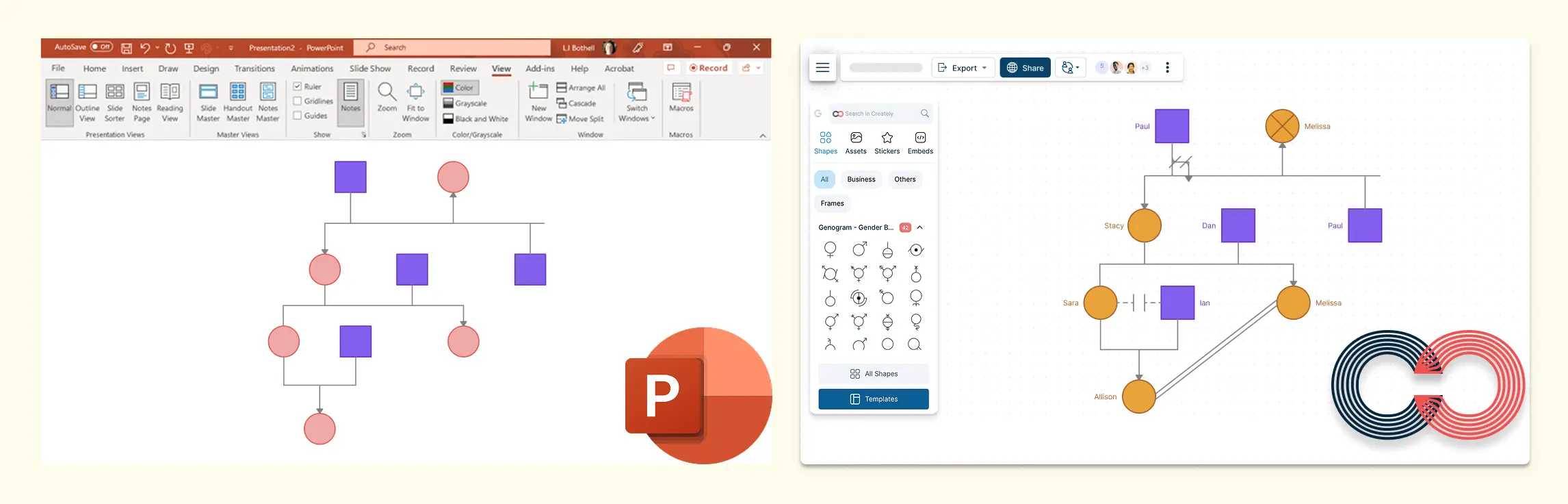
If you’re exploring how to make a family tree in PowerPoint, you’re likely looking for a straightforward way to map out your family history using software you already have access to. PowerPoint can create simple, structured diagrams, but it does require manual setup and adjustments as your tree grows. In this guide, you’ll learn the step-by-step process, understand the limitations you may run into, discover an alternative option and free templates that can help you build a clear, organized family tree with less effort.
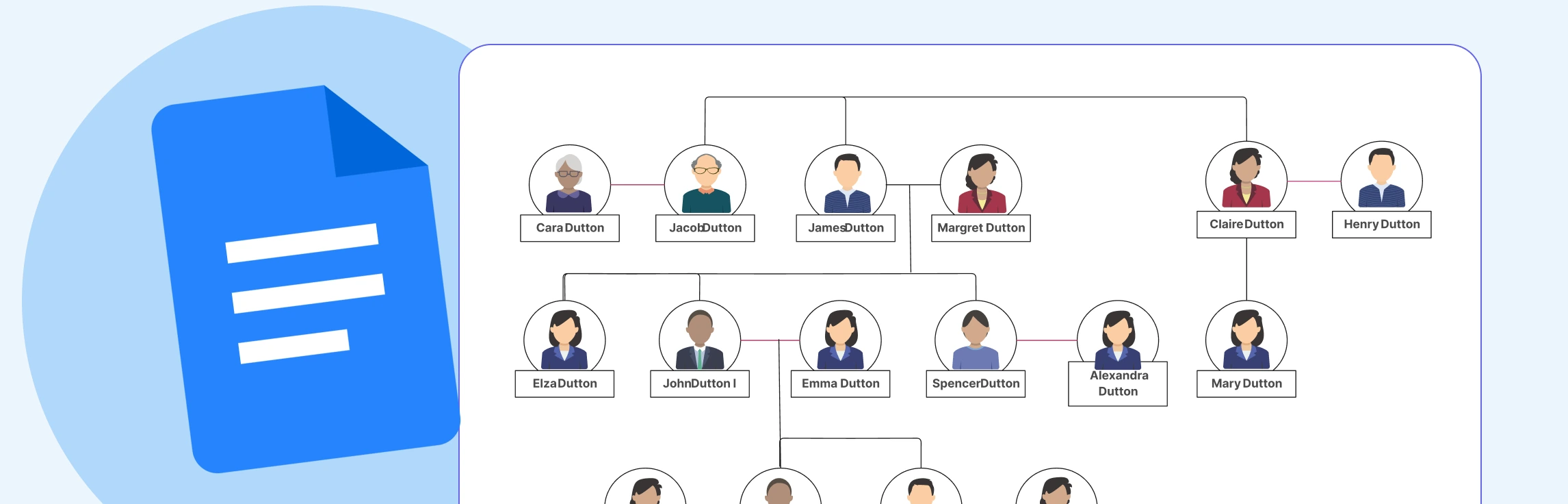
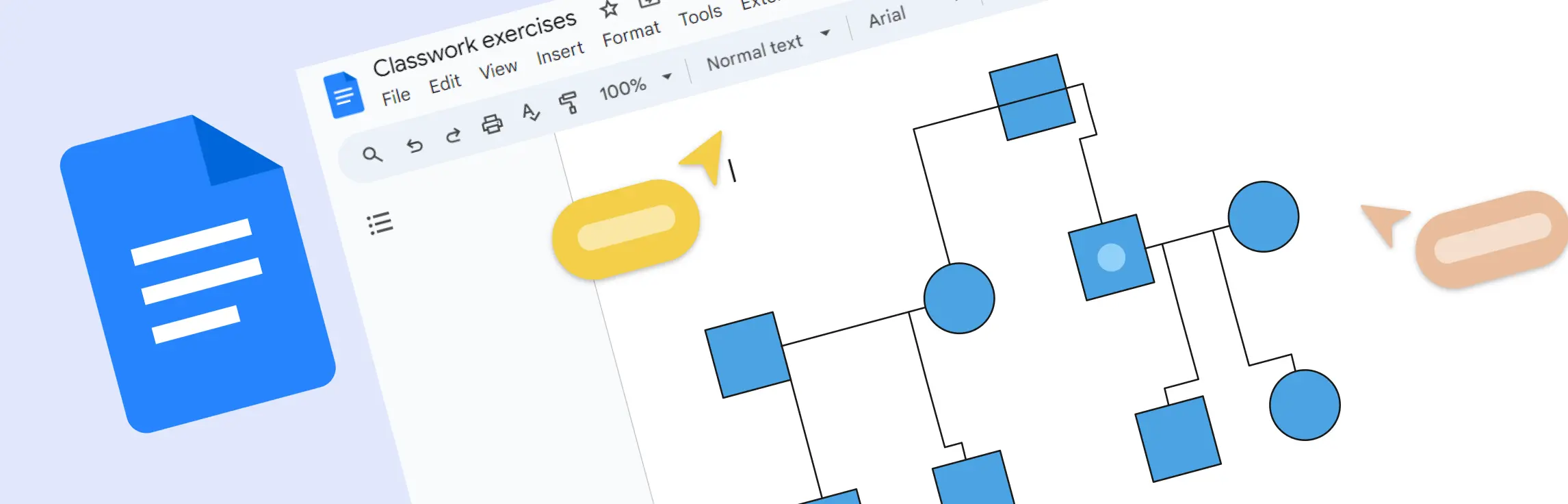
If you’re trying to figure out how to make a family tree in Google Docs, you’re likely looking for a simple way to map out family relationships using tools you already have. Google Docs can create basic diagrams, but it does require some manual work to structure generations and keep everything aligned. This guide walks you through the steps, explains the limitations you may run into as your tree expands, and offers alternative options and free templates if you need something more flexible.
Whether you’re mapping out your ancestry for a school project, organizing family history for elders, or simply curious about how everyone is connected, you’ll need to understand how to build a basic family tree. In this guide, you’ll learn how to do a family tree in Excel using SmartArt or simple shapes, where Excel may fall short as your tree expands, and an easier alternative you can try instead. You’ll also get free templates so you can jump in without starting from scratch.
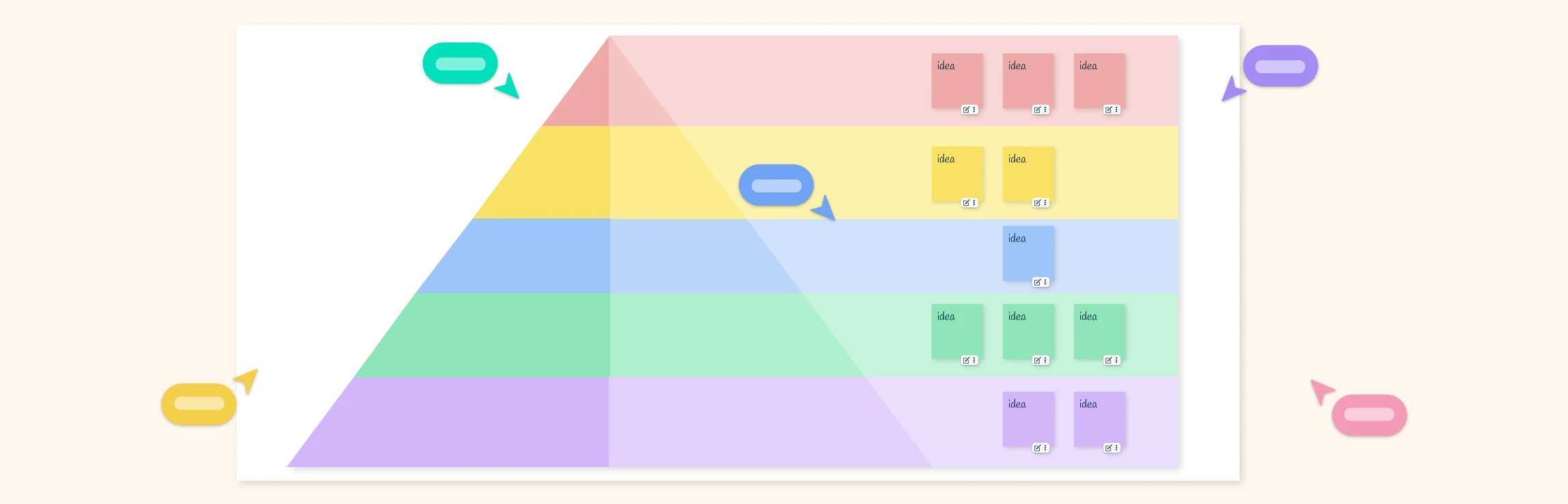
Understanding how people grow, stay motivated, and make decisions becomes much easier when you can see it clearly. This guide walks you through Maslow’s Hierarchy of Needs in a simple way—breaking down each core level and helping you turn it into a clean, visual diagram. You’ll learn the basics, follow a step-by-step process to map the hierarchy, and pick up practical tips to make your diagram clear, useful, and easy for anyone to understand. By the end, you’ll be able to apply this framework to your own field or scenario and create a diagram that fits your specific goals or context.
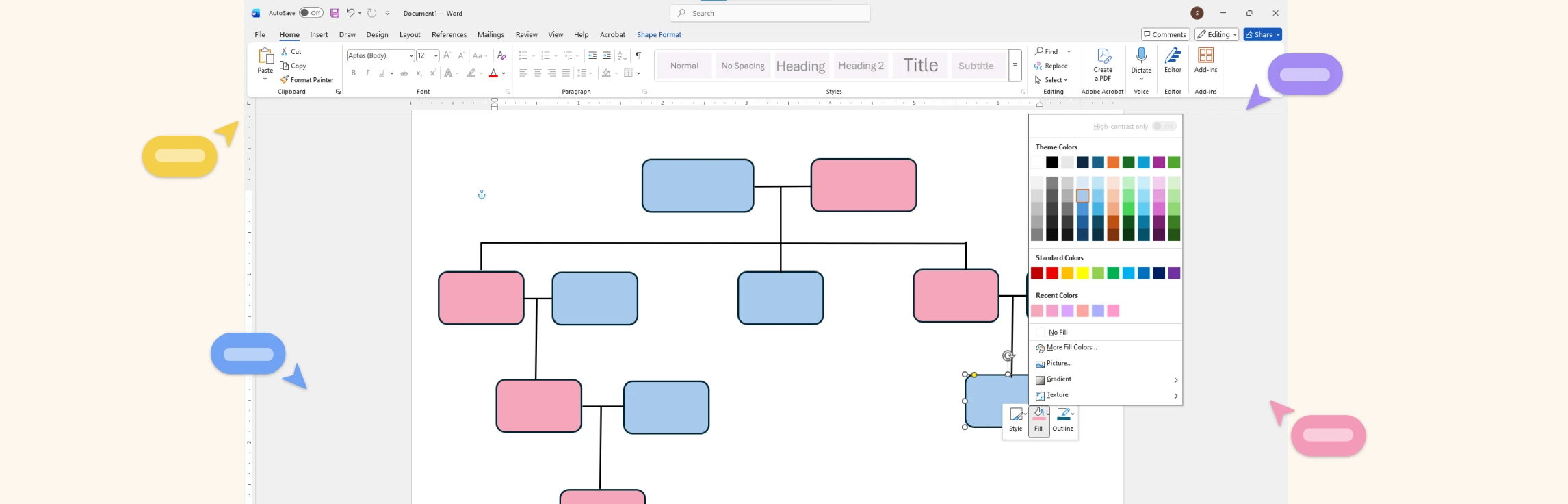
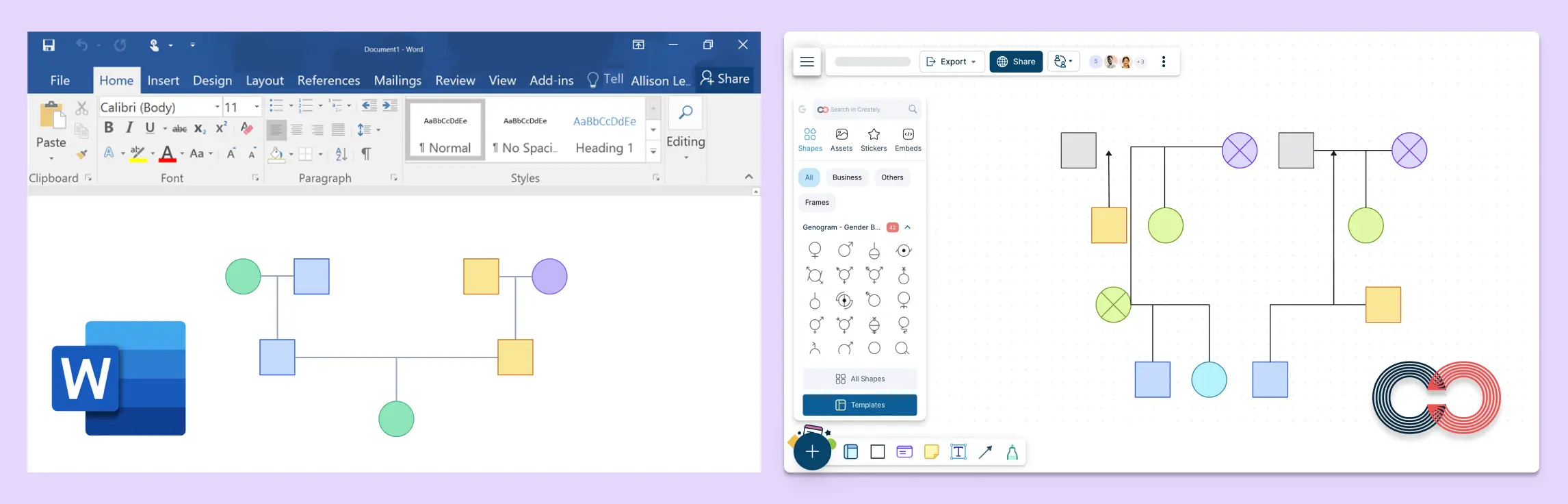
If you’re trying to figure out how to draw a family tree on Word, this guide will walk you through it in a simple, beginner-friendly way. You’ll first learn the steps of how to build a family tree in Word, then understand what Word can and can’t do, and finally, discover a much easier alternative for creating clearer, more flexible family trees. We’ll also compare this alternative with Microsoft Word and share ready-to-use templates so you can start building your family tree right away.
Therapists often struggle with scattered notes, fragmented stories, and the challenge of making sense of complex family dynamics. Narrative family therapy offers a structured, empowering approach that helps families reframe their stories, uncover patterns, and build stronger connections. By combining this approach with visual tools like genograms and eco-maps, therapy sessions become clearer, faster, and far more actionable, turning abstract problems into insights that families can see, understand, and act on.
Juggling scattered notes, multiple therapy models, and complex family dynamics can be frustrating. Integrative family therapy streamlines this process by combining approaches like CBT, narrative, and attachment-focused methods. With visual tools such as genograms, family maps, and timelines, therapists can quickly uncover patterns, track progress, and deliver personalized care, bringing clarity, speed, and insight to every session.
Therapy sessions can quickly become overwhelming when notes are scattered, family patterns are hard to decode, and critical context is missing. That’s where genograms in therapy come in. These visual maps go beyond traditional family trees, revealing relationships, emotional dynamics, and intergenerational patterns in a way that’s fast, intuitive, and actionable. In this guide, we’ll explore what genograms are, why they’re so useful, the key elements that make them effective, practical ways to use them in therapy sessions, and how tools like Creately simplify the process, helping therapists and clients gain clarity, insight, and meaningful breakthroughs.
Family therapy can be messy. Multigenerational patterns, hidden loyalties, unspoken debts, and conflicting expectations often leave both clients and therapists feeling overwhelmed. That’s where contextual family therapy shines, it provides a structured, ethically grounded approach to understanding fairness, trust, and accountability across generations. In this guide, we’ll explore the core concepts, dimensions, and practical techniques of contextual family therapy, while showing how visual tools like genograms and family trees can help therapists map complex relationships, reduce overwhelm, and bring clarity to even the most complicated family systems.
Ever tried tracing your family history only to end up with a tangle of names, dates, and scattered notes that make your head spin? That’s where family tree software comes in, transforming a chaotic jumble of facts into a clear, organized, and interactive family tree that’s easy to explore and share.
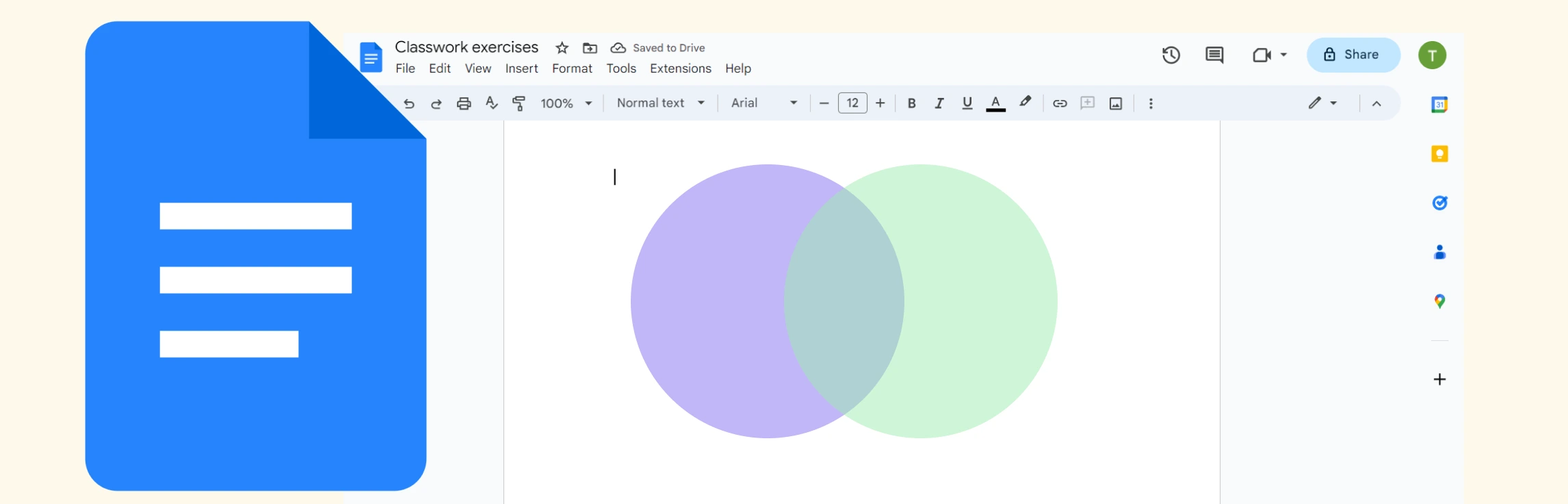
If you want to know how to do a Venn diagram in Google Docs, then this guide is for you. Discover what Venn diagrams are, how to create one in Google Docs, and understand the limitations of Google Docs for making them. We also dive into a better alternative, and compare the two methods.
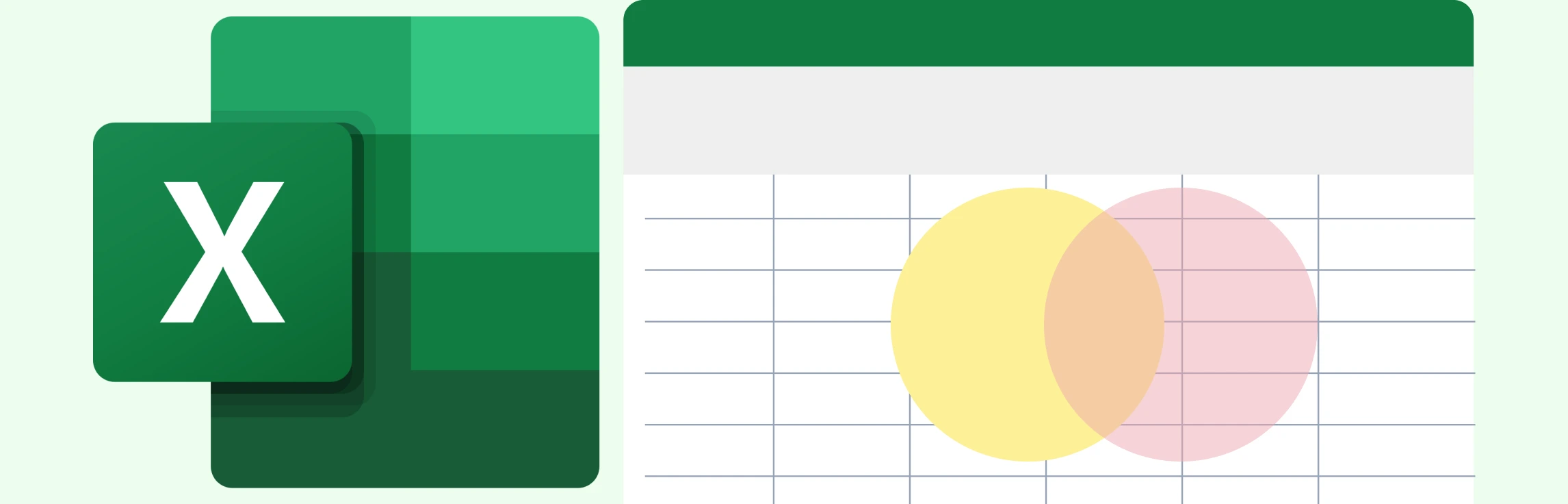
If you’re wondering how to create a Venn diagram in Excel, then you’ve come to the right place. We explore what Venn diagrams are, how to make a Venn diagram in Excel, and understand the challenges of using Excel for this. This guide also covers an easier to use and better alternative which comes with plenty of ready-made templates for making Venn diagrams.
When you’re working with complex family histories, scattered case notes and long, tangled stories can make it nearly impossible to see the bigger picture. Therapists often feel the frustration firsthand, trying to track emotional legacies, repeating roles, and intergenerational trauma without a clear visual map. Transgenerational Therapy offers a powerful way to understand how patterns move across generations, and when paired with tools like genograms, the work becomes even clearer and more actionable. This guide walks you through the core concepts, models, and patterns behind this approach, plus how modern tools make it easier to support your clients with clarity and confidence.
Therapists and students often feel overwhelmed by scattered case notes and complex family dynamics, making it hard to plan effective interventions quickly. This guide breaks down Strategic vs Structural Family Therapy in a clear, approachable way, helping you understand the purpose, techniques, and differences between the two models. You’ll also discover how visual mapping tools like genograms and family tree diagrams can simplify session prep, reveal patterns at a glance, and make your workflow faster and more organized. With Creately’s intuitive templates, creating these visual maps becomes effortless, so you can focus on what truly matters: guiding families toward healthier, functional relationships.
If you’ve ever felt overwhelmed by scattered notes, complex family stories, or the challenge of tracking relationships in therapy, you’re not alone. Many therapists, social workers, and educators struggle to make sense of intricate family dynamics without a clear visual approach. Functional Family Therapy helps improve communication, address behavioral challenges, and strengthen family dynamics, but even proven techniques are easier to apply with a clear visual approach. Genograms and family trees turn scattered notes into actionable insights, saving time, reducing frustration, and helping families build stronger, healthier connections.
Working with families can be rewarding, but it often comes with frustrations. Scattered notes, complex family histories, and hard-to-track patterns can make therapy feel overwhelming. That’s where family therapy models come in. They provide structured approaches to understanding relationships, resolving conflicts, and promoting healthier dynamics.
If you’ve been wondering how to draw a Venn diagram in Word, then this guide is for you. Keep reading to discover what a Venn diagram is, step-by-step instructions on how to add a Venn diagram in Word, and understand its limitations. This also covers a better alternative and a comparison between the two methods.
Ever feel like your family keeps hitting the same communication roadblocks, no matter how many meetings or discussions you have? You’re not alone. Whether it’s repeated misunderstandings at home or scattered workflows at work, it can be frustrating when patterns keep repeating and clarity feels out of reach.
Ever feel overwhelmed trying to make sense of a client’s family story? Between scattered notes, overlapping relationships, and complex patterns, it can feel like you’re trying to solve a puzzle without all the pieces. That’s where family mapping comes in. A family map turns messy, hard-to-track information into a clear, visual representation of relationships, behaviors, and generational patterns. With family mapping, you can see the connections at a glance, spot recurring issues, and plan your sessions with confidence, without getting lost in paperwork.
Every family has invisible patterns that shape how its members connect, communicate, and resolve conflict. Therapists often uncover these dynamics using visual tools like genograms, which map relationships, boundaries, and emotional patterns across generations. Rooted in structural family therapy, a model developed by Salvador Minuchin, this approach views the family as a living system with distinct structures and subsystems that influence behavior and well-being. By understanding these structures, therapists can identify where boundaries blur, hierarchies break, or roles overlap, leading to stress and dysfunction.
Ever felt like different parts of you are constantly at odds; one side wanting change while another resists it? That inner conflict is something most people experience, and it’s exactly what internal family systems therapy (IFS therapy) seeks to heal. In this quick guide, we’ll explore what the IFS model is, how it works, its key concepts, benefits, and how tools like genograms can enhance therapy sessions for both individuals and mental health professionals.
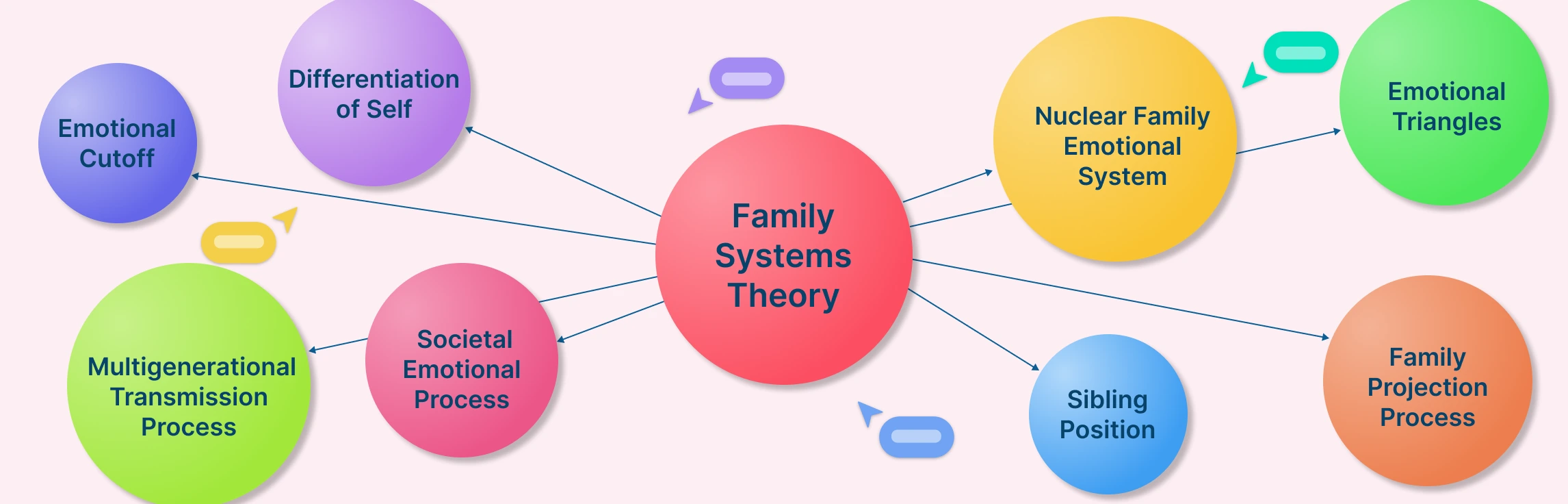
Families are complex systems where every member’s behavior can influence the whole. Yet, trying to understand patterns, roles, and intergenerational dynamics can feel overwhelming, especially without a clear visual tool. Family systems theory offers a framework to make sense of these relationships, and when combined with genograms, it becomes easier to map patterns, roles, and emotional connections across generations.
Trauma can affect individuals, families, and entire communities—shaping relationships, behaviors, and emotional well-being across generations. Understanding how trauma is passed down or shared helps professionals design more effective pathways for healing and recovery. Trauma mapping offers a visual way to trace these emotional and psychological patterns, and when combined with genograms, it becomes a powerful tool for identifying connections between experiences, stress responses, and resilience over time.
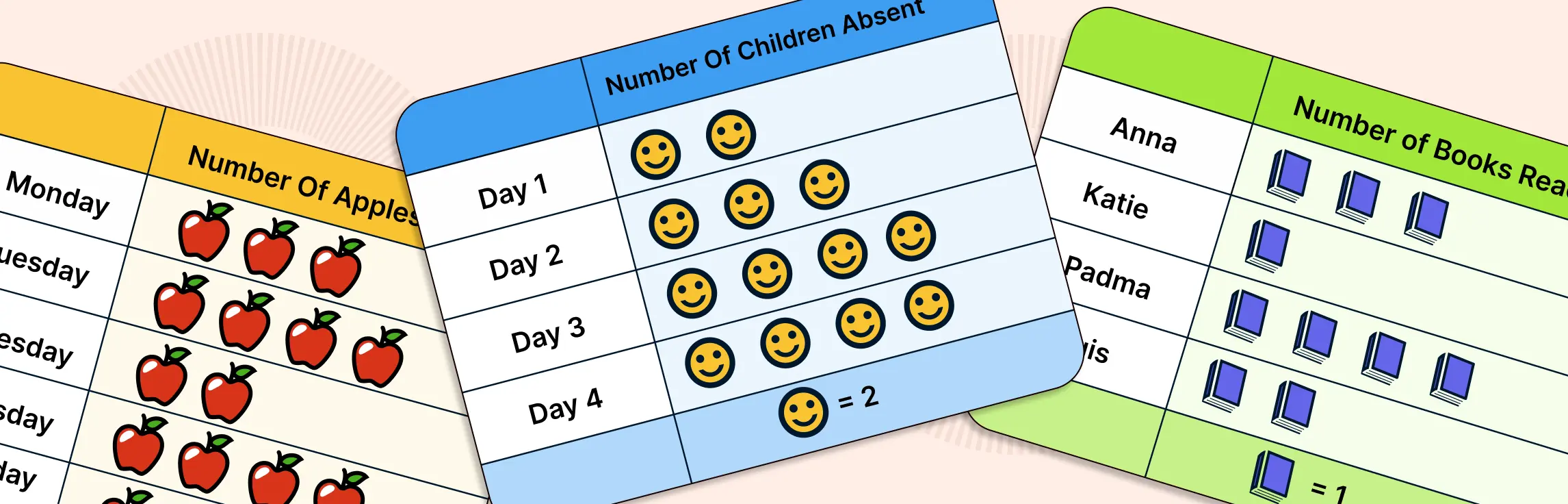
Ever struggled to make numbers or ideas instantly click with your audience? That’s where pictograms come in. Instead of overwhelming people with long tables or text, pictograms use simple icons and visuals to turn information into something clear and memorable. In this guide, you’ll learn how to make a pictograph step by step, explore ready-to-use templates, and discover best practices for creating designs that communicate with impact.
A therapy genogram is a clinical diagnostic tool used to map out family relationships, emotional dynamics, hereditary patterns, and psychosocial factors that influence a patient’s mental and physical health. Unlike a family tree, a genogram integrates clinical data—such as psychiatric history, behavioral patterns, and systemic relational dynamics—to inform assessments and treatment plans.
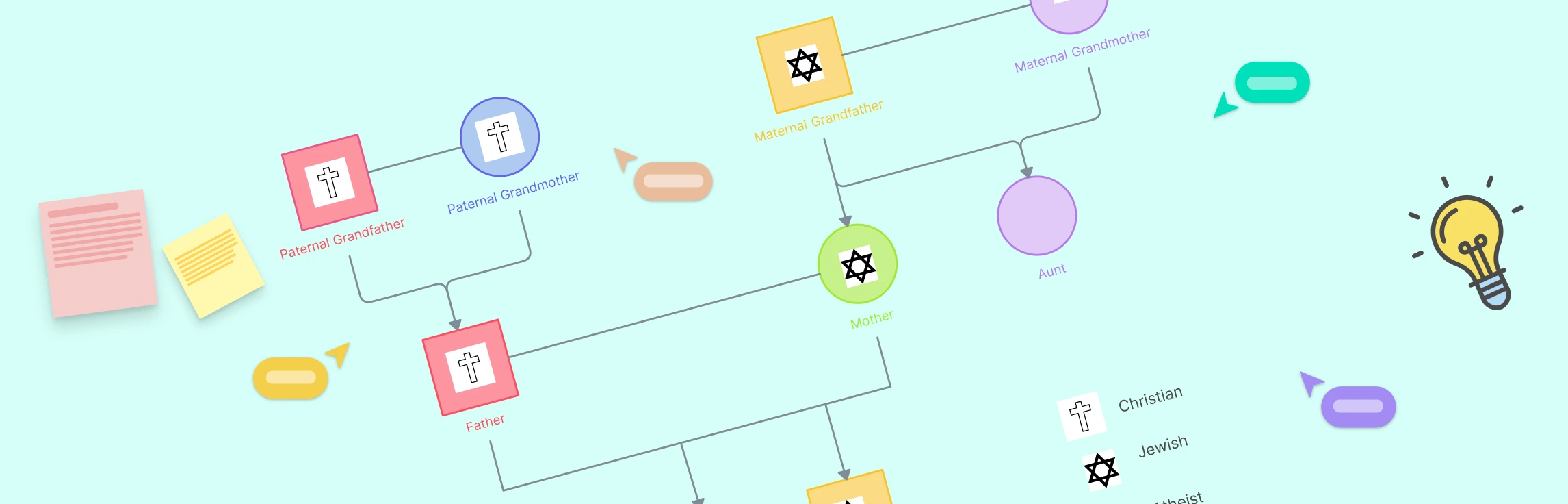
What is a Cultural Genogram? A cultural genogram is a visual family map incorporating heritage, migration routes, and cultural attributes alongside traditional lineage charts. It builds on standard genograms by adding layers for language retention, ceremonies, and customs across generations. Professionals apply cultural genograms in therapy to explore how heritage influences client behavior, in academic research to analyze migration and assimilation patterns, and in organizational diversity mapping to highlight workforce ancestry and tradition.
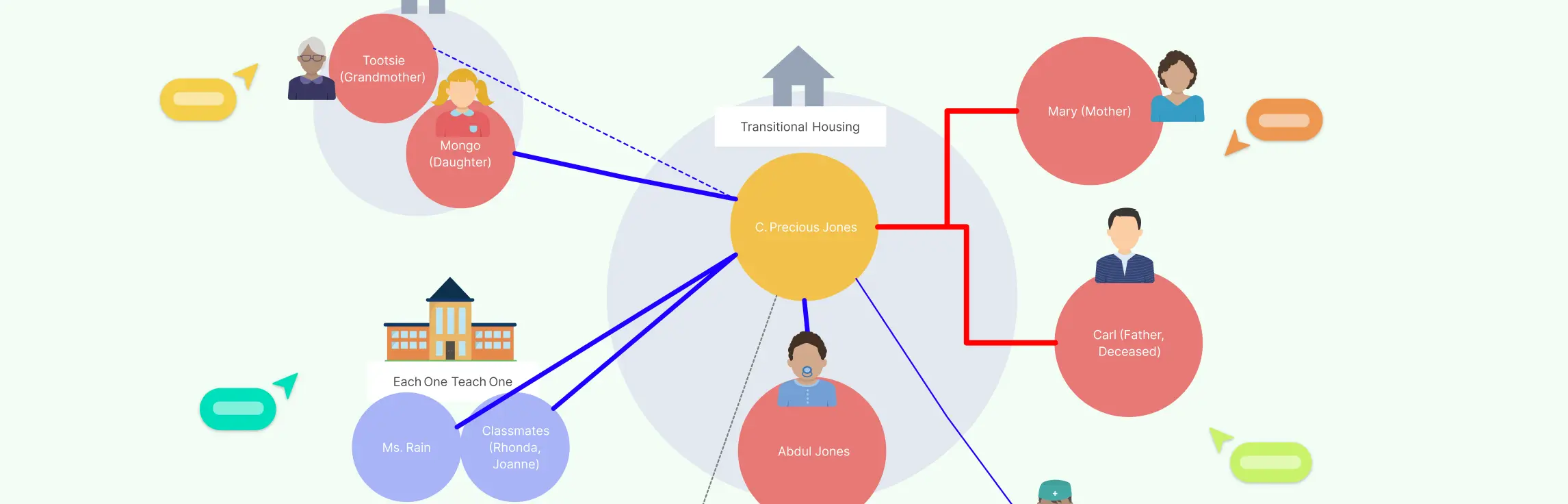
By following this guide, you can learn what an ecomap is, its purpose, and the difference between an individual and a family ecomap. We also go through the commonly used ecomap symbols, and teach you how to create an ecomap. Finally, we will also share some examples of ecomapping used by professionals and how they can be used in different situations. By the end of this post, you will have a clear understanding of what ecomaps are and how to apply them in your chosen field.
If you’re a social worker, a social work genogram is more than a basic family tree; it maps relationships and patterns to guide better support. This comprehensive social work genogram guide highlights how genogram social work enhances understanding and intervention
Understanding the relationships and support systems in a person’s life can make a big difference when you’re trying to help. Ecomaps are a simple but powerful tool that visually map out these connections — showing who supports someone, where stress comes from, and what resources are available. Whether you’re working in social work, healthcare, education, or counseling, ecomaps offer a clear way to see the bigger picture.
A counseling genogram is a therapeutic tool that visually maps family relationships, emotional patterns, and generational influences. It helps therapists identify hidden dynamics, sources of trauma, and behavioral patterns, providing deeper insight into a client’s emotional history. Commonly used in various therapy settings, it supports meaningful conversations and personal growth.
Understanding the structure and dynamics of a community can be complex—but a community genogram makes it easier to visualize those connections. Whether you’re a social worker, educator, healthcare provider, or community leader, these diagrams offer a powerful way to map relationships, identify key roles, and highlight support networks within any social environment.
Genograms for health history are enhanced family trees that visually track hereditary medical conditions, mental health issues, and chronic diseases across generations. Unlike traditional family trees, they help individuals and professionals assess genetic risks and plan early interventions. This guide offers 10 editable genogram examples for health history.
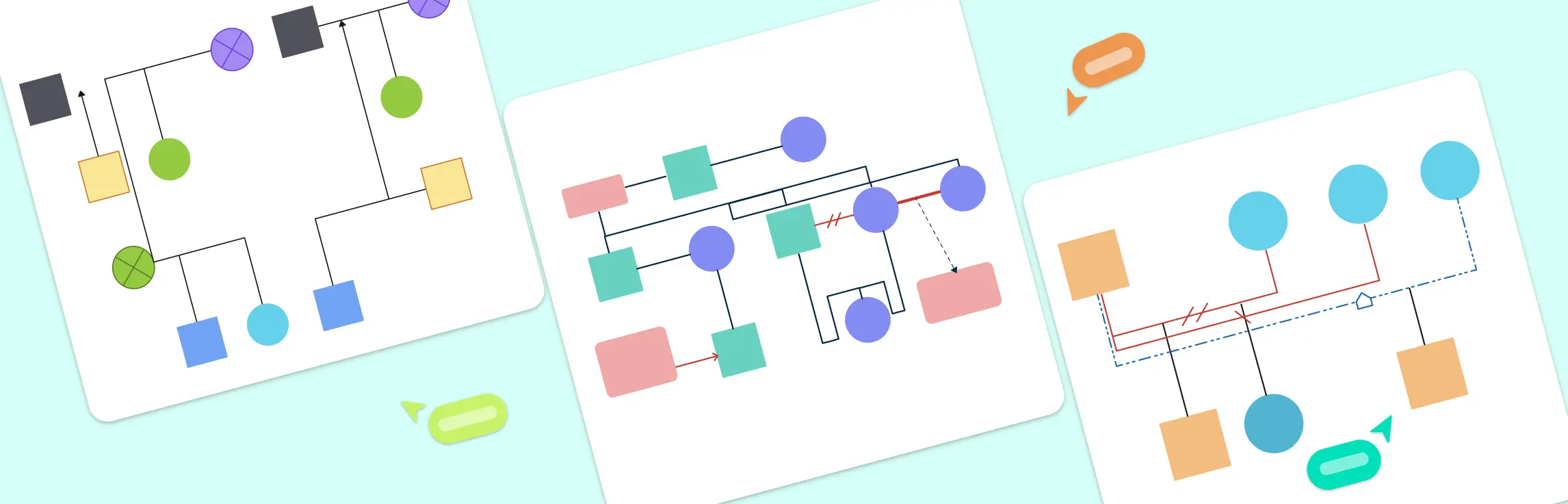
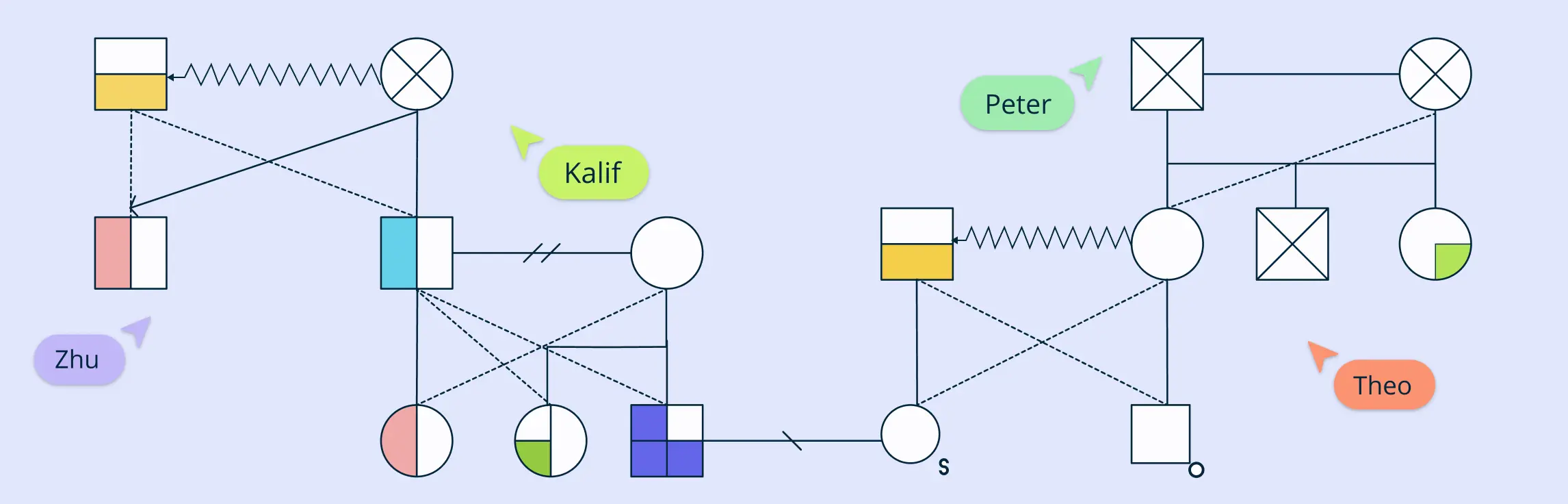
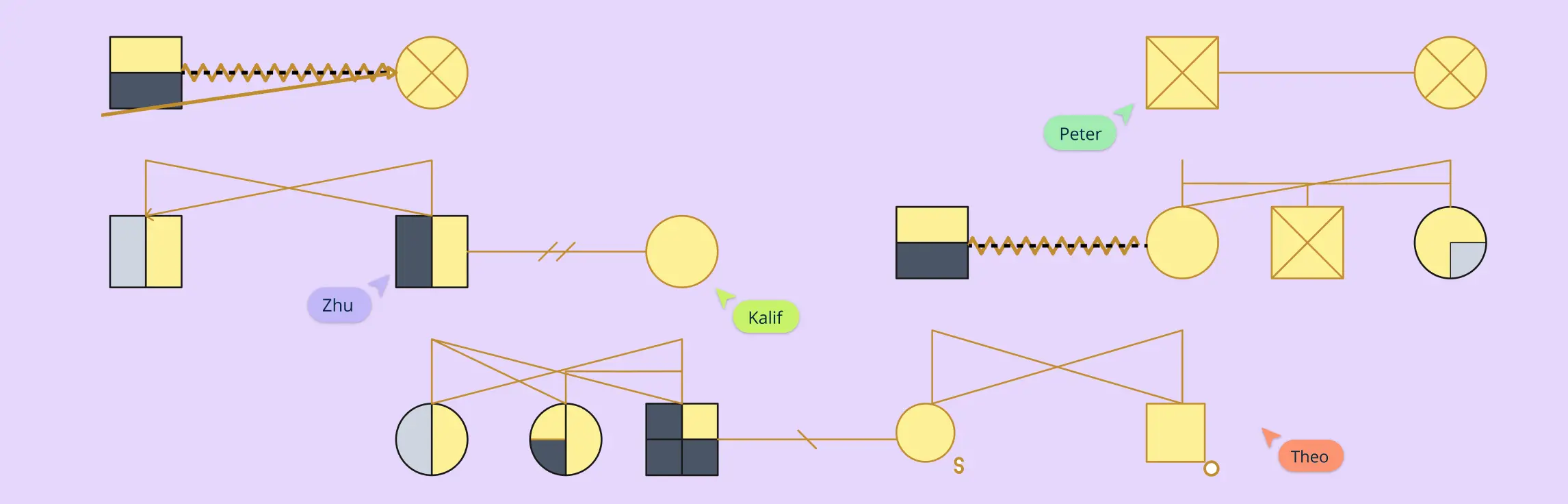
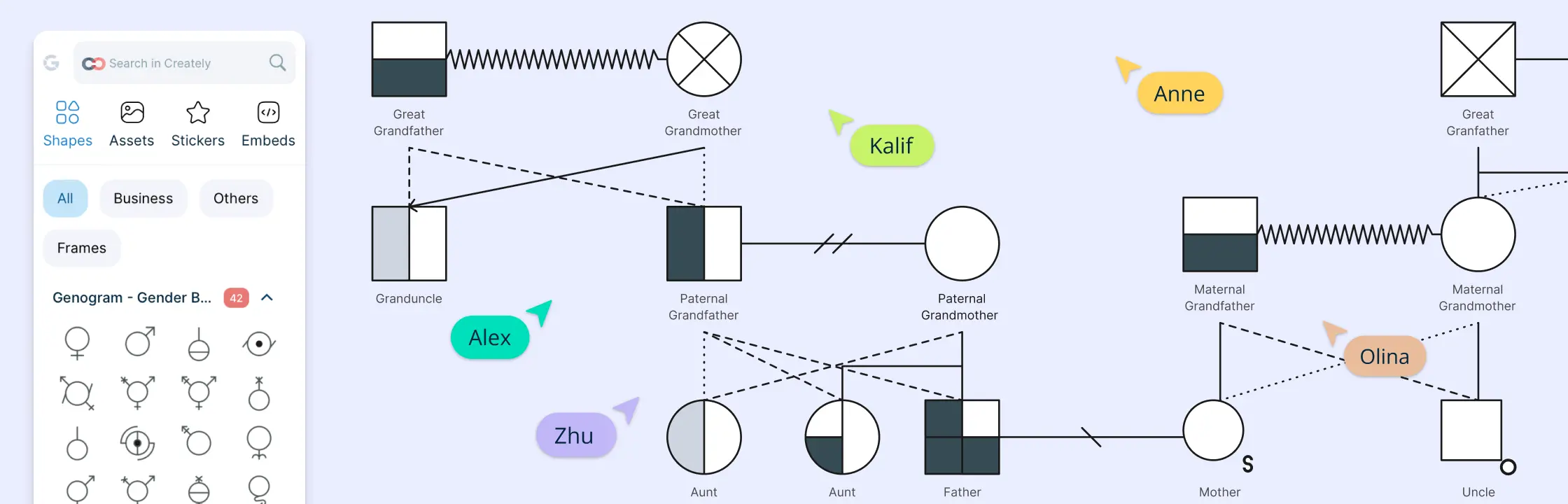
Genograms are powerful visual tools that help map complex family relationships. This guide covers essential genogram symbols—from basic structures to emotional and medical connections—making it easier for professionals like therapists, social workers, and healthcare providers and also families to interpret and communicate family histories.
Families are deeply connected to the world around them—through people, places, and systems that offer support or create stress. This comprehensive family ecomap guide walks you through why ecomaps matter, what to include, and how to create one step by step. Whether you’re a social worker, therapist, teacher, or simply interested in family dynamics, this will help you use ecomaps with confidence and care.
This comprehensive mental health genogram guide explains what a mental health genogram is, how to create one, its benefits, limitations and more. It maps family history and emotional patterns to reveal repeating mental health issues. See real world examples with templates and learn how therapists use this tool in practice.
Understanding the connections in someone’s life, people, services, and systems can reveal key strengths and struggles. Ecomaps give a fuller picture of a person’s support network and stressors. This comprehensive guide to how to create an ecomap explains what to include and how to use it as a meaningful, ongoing support tool in social work, counseling, education, or healthcare.
Genograms are powerful tools that help us understand family relationships, personal history, and patterns across different areas of life. They go beyond regular family trees by showing emotional connections, roles, behaviors, and even medical or financial histories.
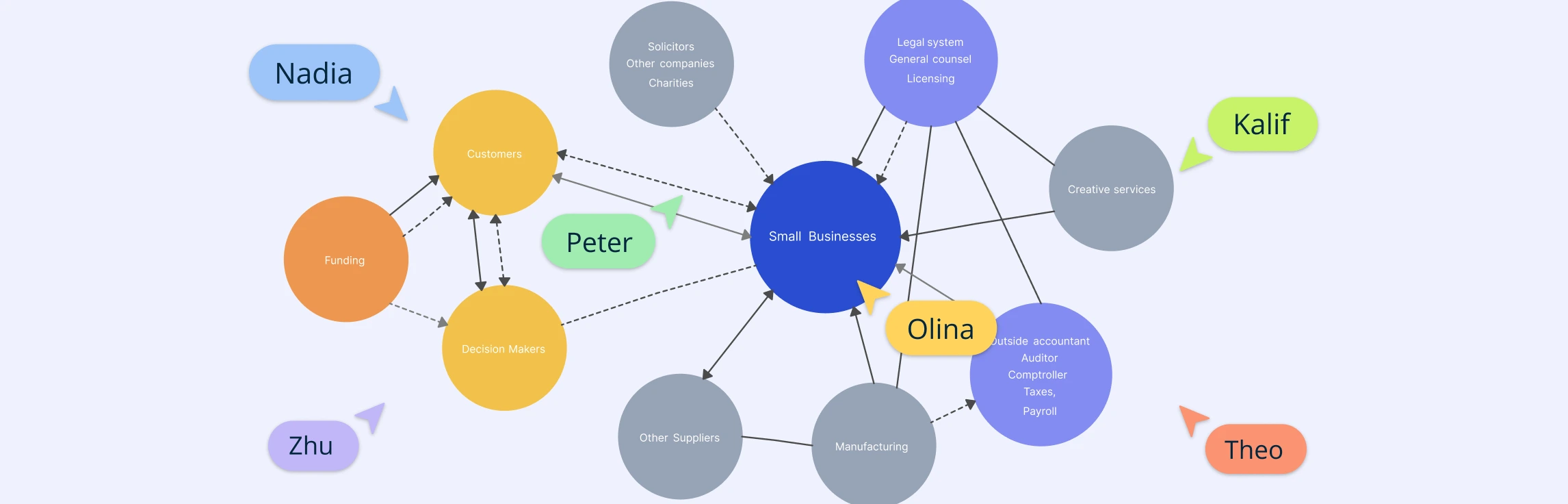
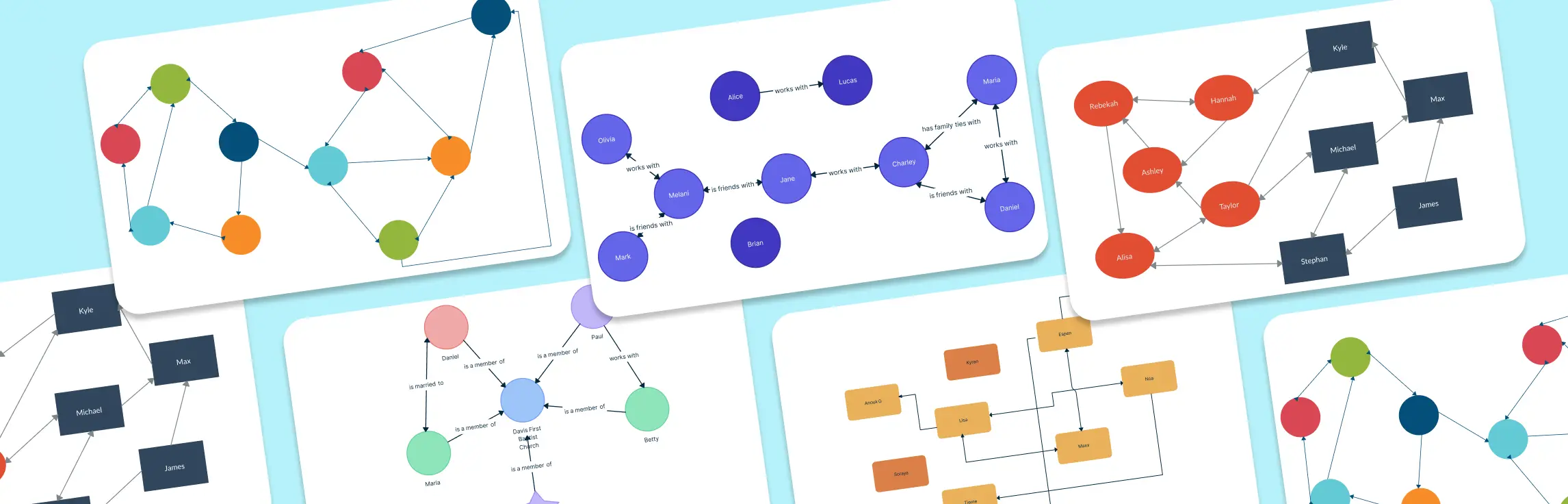
A sociogram is a simple diagram that shows how people are connected within a group. It helps us understand relationships, such as who gets along, who might be left out, and how ideas or influence spread. A sociogram is useful in many settings, like schools, workplaces, therapy, and research. In this guide, we’ll look at different sociogram examples to help you understand how to use them to better understand group behavior and improve interactions.
In the field of social work, understanding a client’s environment is just as important as understanding the client themselves. This is where an ecomap in social work becomes an invaluable tool. It provides a visual snapshot of the client’s social and environmental world, mapping out connections to family, friends, work, community resources, and other influential systems. This guide will help you better understand and apply the ecomap in social work to enhance client systems and support informed intervention planning.
Cultural competence isn’t just a theoretical concept—it’s a foundational skill every therapist must develop. One of the most effective tools for fostering this awareness in training settings is the cultural genogram. Far more than a family tree, it’s a visual and reflective tool that helps therapists-in-training explore the influence of culture, identity, and intergenerational patterns on individual and family dynamics.
A sociogram is a visual tool used to show the relationships between people in a group. It maps out who interacts with whom, who prefers to work or spend time together, and how individuals connect—or don’t connect—with others in a social setting.
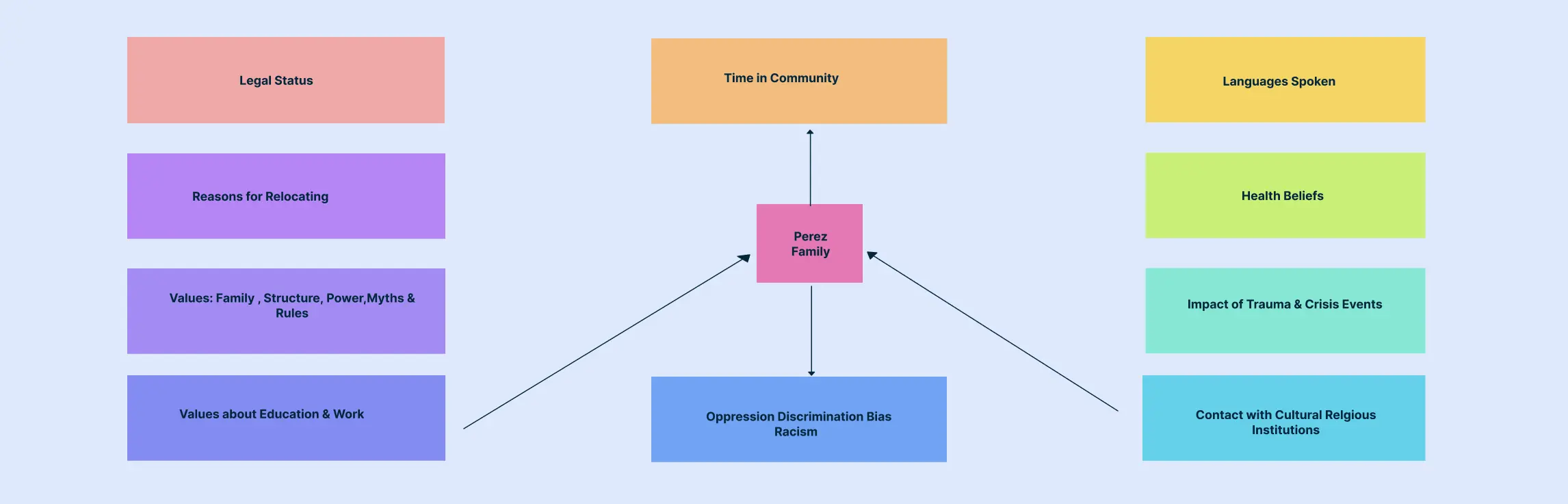
Understanding culture is essential in social work, as families come from diverse backgrounds, each with unique values, beliefs, and experiences. The culturagram is a visual tool designed to help social workers gain deeper insight into how culture shapes a family’s life and decisions. This guide covers what the culturagram is, when and how to use it, its key components, and how it compares to tools like genograms and ecomaps
Genograms help visualize family ties, health history, and social dynamics. Whether you’re a therapist, social worker, genealogist, or exploring ancestry, choosing the right genogram software is key. But with so many options out there, how do you choose the best genogram software for your needs? This expert guide reviews the 10 best genogram tools for 2025, highlighting features, benefits, and ideal users to support informed, effective decisions.
Genograms go beyond family trees by mapping relationships, health patterns, and emotional connections across generations. To make them clear and meaningful, it’s important to follow standard genogram rules—like using the right symbols, lines, and structure. This guide breaks down those rules in a simple, practical way to help you create accurate and insightful genograms. For a structured approach, explore these 15 Rules to Build Genograms and detailed genogram instructions that ensure clarity and consistency in your diagrams.
A family genogram goes beyond a traditional family tree by visually mapping relationships, health patterns, and emotional dynamics across generations. This guide explains what a family genogram is, how to create one step by step, and its practical uses in therapy, education, and healthcare. It also highlights the key benefits of building a genogram and introduces Creately as a simple, effective platform for designing your own.
A genogram in psychology is more than a family tree—it’s a visual tool for therapists, counselors, and mental health professionals to explore emotional patterns and relationships. This guide explains how to create a genogram psychology step-by-step, its benefits in therapy, and why Creately is ideal for accurate professional psychology genograms with free real world examples.
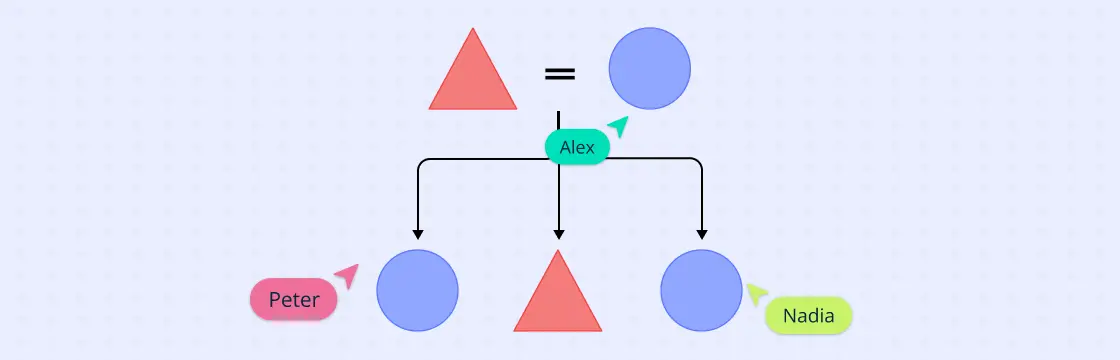
A simple genogram is a powerful visual tool used to map out family relationships, behaviors, and patterns over multiple generations. Unlike a basic family tree, a genogram offers deeper insights into the dynamics of family connections—including emotional ties, medical histories, and even career paths. Whether you’re a counselor, healthcare professional, or simply seeking to understand your family’s history, creating a simple genogram can help uncover important patterns and connections that influence behavior and decision-making.
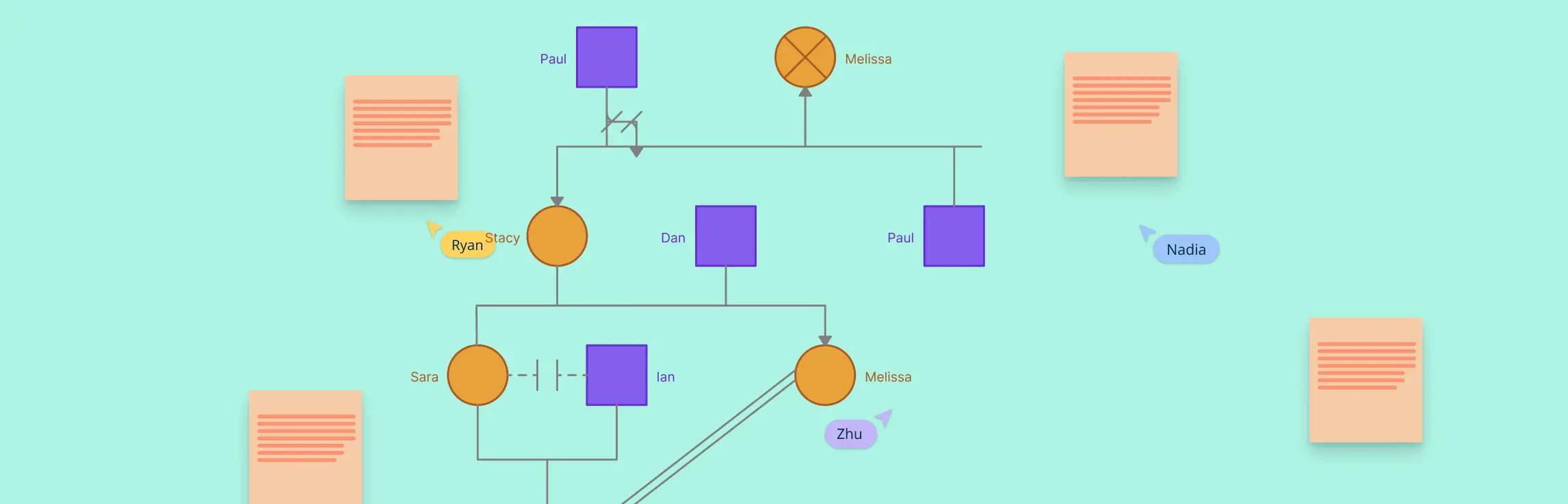
A genogram is a detailed visual diagram that maps out family relationships, traits, and patterns across multiple generations. Unlike a basic family tree, it goes deeper by capturing emotional connections, medical histories, behavioral patterns, and significant life events. Using standardized symbols—such as squares for males, circles for females, and various lines to show relationships—a genogram typically includes at least three generations and provides insights into how family members relate to each other emotionally, psychologically, and genetically. It is used by therapists to explore family dynamics, by medical professionals to identify hereditary health risks, and by individuals or families to understand their roots and uncover recurring patterns. Ultimately, a genogram serves as a powerful tool for self-awareness, healing, and preserving family history.
How to Make a Genogram on Mac In the steps below, we’ll guide you through everything—from opening the app to building your family structure and sharing your genogram—right from your Mac, with no downloads required.
If you’re wondering how to make a genogram on Google Docs, the good news is that it’s totally doable—even if you’re not a design expert. Google Docs has built-in tools that make it easy to draw and organize your genogram right inside your document.
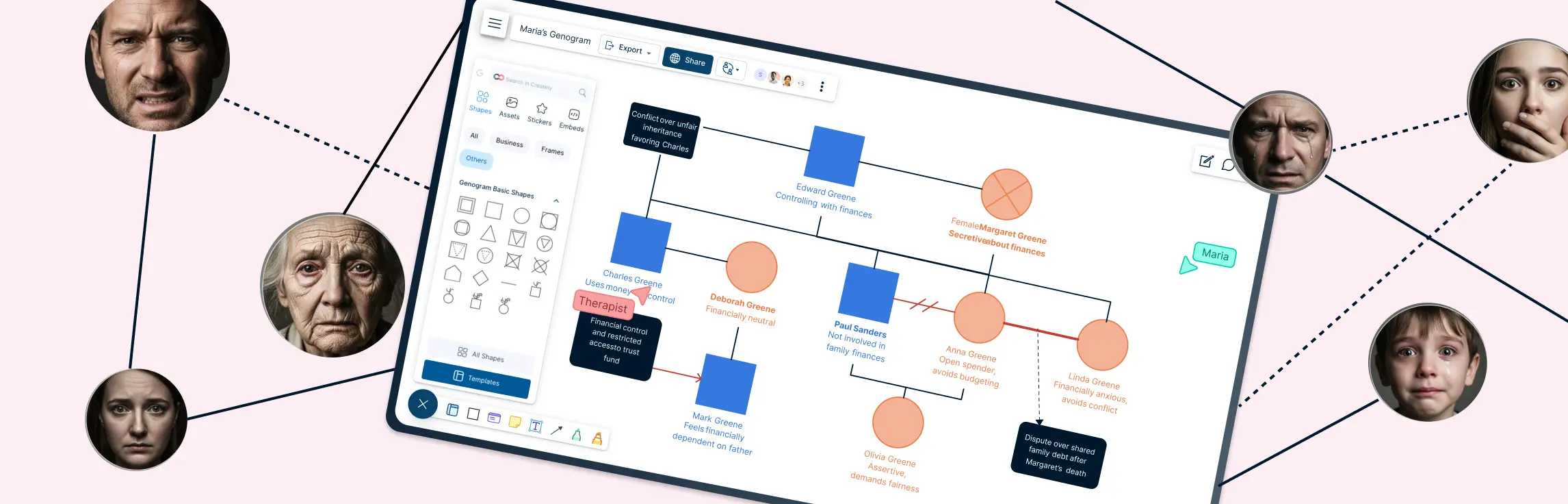
If you ever wondered how money habits and financial stress passes through generations, this comprehensive financial genogram (also called money genogram) guide is for you. It shows you how to create a financial genogram with helpful examples, templates, and tips. Perfect for estate planning, working with advisor or simply understand your financial root.
What Is a Career Genogram A career genogram is a visual tool that maps your family’s jobs and educational backgrounds across generations. It is a type of genogram that helps you spot patterns—like recurring professions or shifts in career paths—that may influence your own choices. By understanding these trends, you can make more informed decisions and gain clarity on how your family’s experiences shape your career path.
A genogram is a more detailed version of a family tree that maps not only biological relationships but also emotional connections, health conditions, and family patterns across generations. Creating a genogram in Microsoft Word can be challenging due to limited symbols and time-consuming formatting. This guide walks you through the process, points out Word’s limitations, and introduces Creately’s genograms as a more efficient, user-friendly tool for building family, medical, or emotional genograms.
PowerPoint has basic tools for genogram creation, but it lacks the specialized symbols, templates, and features needed for detailed diagrams. In this step-by-step guide, you’ll learn how to create a genogram in PowerPoint, understand its limitations, and explore a smarter online alternative—Creately—for building customizable and professional genograms with ease.
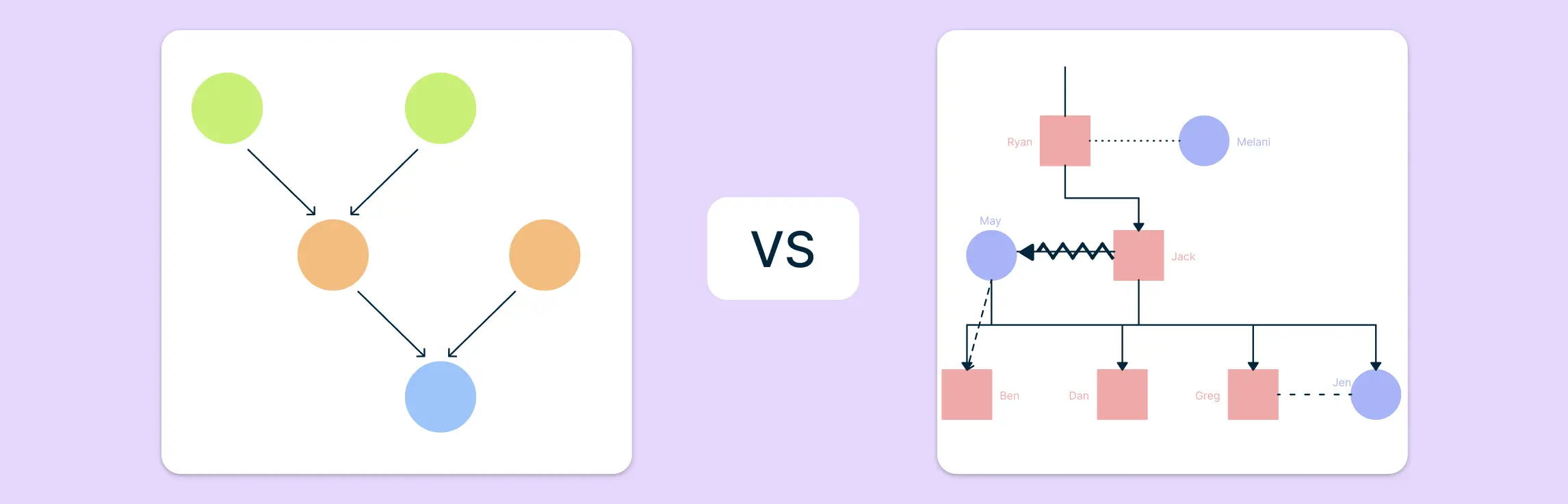
Understanding your family’s history involves more than just names and dates, it’s about uncovering the stories and connections that define your lineage. This guide explains the differences between genograms and family tree diagrams, their importance, and how Creately can help you create them.
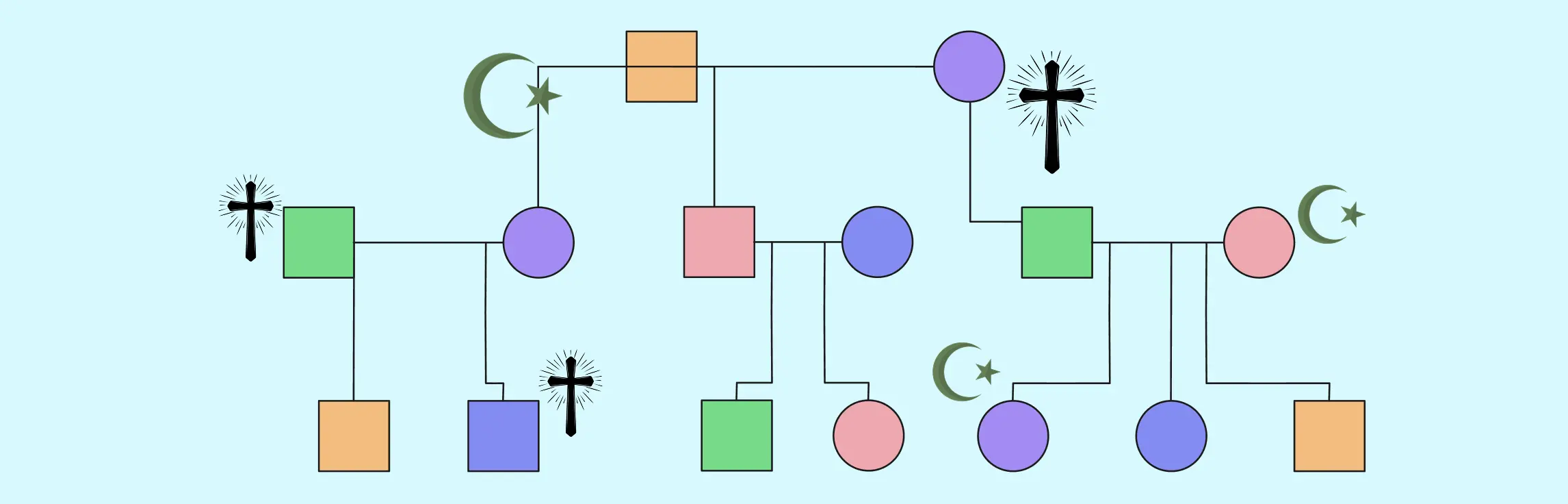
What Are Spiritual Genograms? Spiritual genograms are a visual representation of an individual’s or family’s spiritual and religious history across multiple generations. It maps out significant spiritual events, denominational affiliations, religious beliefs, practices, and spiritual orientations within a family. Much like a family genogram, which focuses on family relationships, a spiritual genogram emphasizes the spiritual connections and influences that shape a person’s worldview and spiritual identity.
Genograms are a powerful tool in therapy, helping clients visualize family relationships, patterns, and histories. By asking the right genogram questions for therapy, therapists can uncover deeper insights into family dynamics, emotional connections, and recurring challenges.
A creative genogram is a dynamic and visually engaging way to map family histories, emotional relationships, and generational patterns. Unlike traditional genograms, which focus primarily on lineage and medical history, creative genograms incorporate colors, symbols, and other elements to provide a deeper understanding of family dynamics and emotional connections.
In this guide, we’ll explore different types of genograms that you can create using Creately. The main types include: Family Genogram
Using a genogram in therapy is one of the most effective ways for therapists to explore a client’s family history. This powerful therapeutic tool helps identify generational patterns, emotional influences, and past trauma that may impact a person’s mental health. In this easy-to-follow therapy guide, you’ll learn how to use genograms in therapy, the key benefits, and discover 10 different types of therapy genograms used to support more personalized treatment plans. With Creately’s intuitive platform, creating and analyzing genograms becomes a seamless process, enhancing therapeutic outcomes effectively.
Looking for practical family genogram examples to help map your family’s structure, relationships, and health history? Whether you are charting a modern family genogram, exploring an extended family genogram, or creating a family health history genogram, this guide gives you editable templates to get started. Use these examples to uncover generational patterns and build a clearer picture of your family tree.
A genogram is a visual representation of family relationships and dynamics, often used to analyze hereditary patterns, psychological traits, and character development. In fiction, genograms help writers, researchers, and fans understand the complex relationships within stories, revealing generational conflicts, inherited traits, and hidden connections that shape a character’s journey.
This guide explores different types of 6-member family tree templates, helping you visualize family relationships across generations and blended family structures. Whether you’re mapping parents, children, grandparents, or extended family members, these templates offer a structured way to preserve and share your family history. Plus, learn how Creately makes building and customizing your family tree simple and collaborative.
This guide explores the concept of a 4 Members Family Tree, providing various templates and formats to help you visualize family relationships clearly. Whether you’re looking for a simple structure, an illustrated version, or a unique circular layout, this guide covers different family tree designs suited for genealogy, heritage projects, or personal documentation. Additionally, it highlights how Creately simplifies the process with collaborative tools and customizable templates, making it easy to create and share your family tree effortlessly.
A 5 Members Family Tree visually represents relationships within a five-member family. This guide covers different templates for various family structures and how Creately simplifies creating and sharing them.
Have you ever wondered why some kids inherit their mother’s curly hair while others take after their father’s straight hair? The answer lies in genetics—the science of how traits are passed down from parents to their children.
Understanding relationships, whether within a family or between an individual and their social environment, is key to gaining valuable insights. This is where tools like genograms and ecomaps come in.
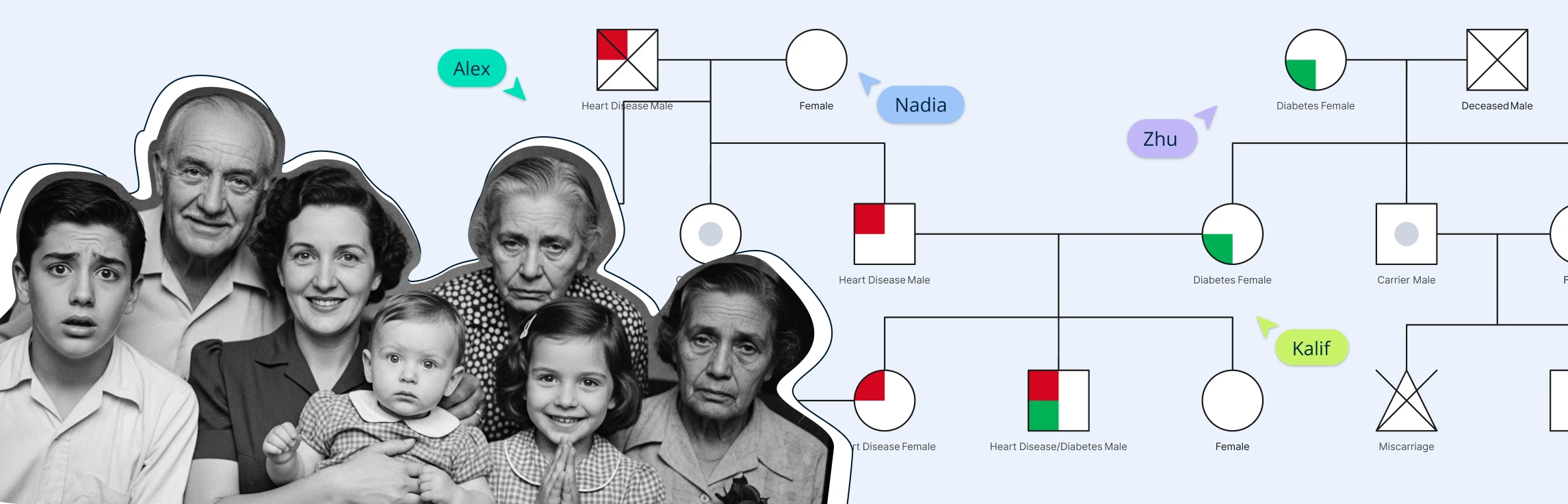
What is a Pedigree Chart? A pedigree chart is a visual representation that maps the inheritance of traits or genetic conditions through generations within a family. It employs standardized symbols and lines to depict individuals and their biological relationships, making it an essential tool in genetics for tracking the occurrence and appearance of specific phenotypes.
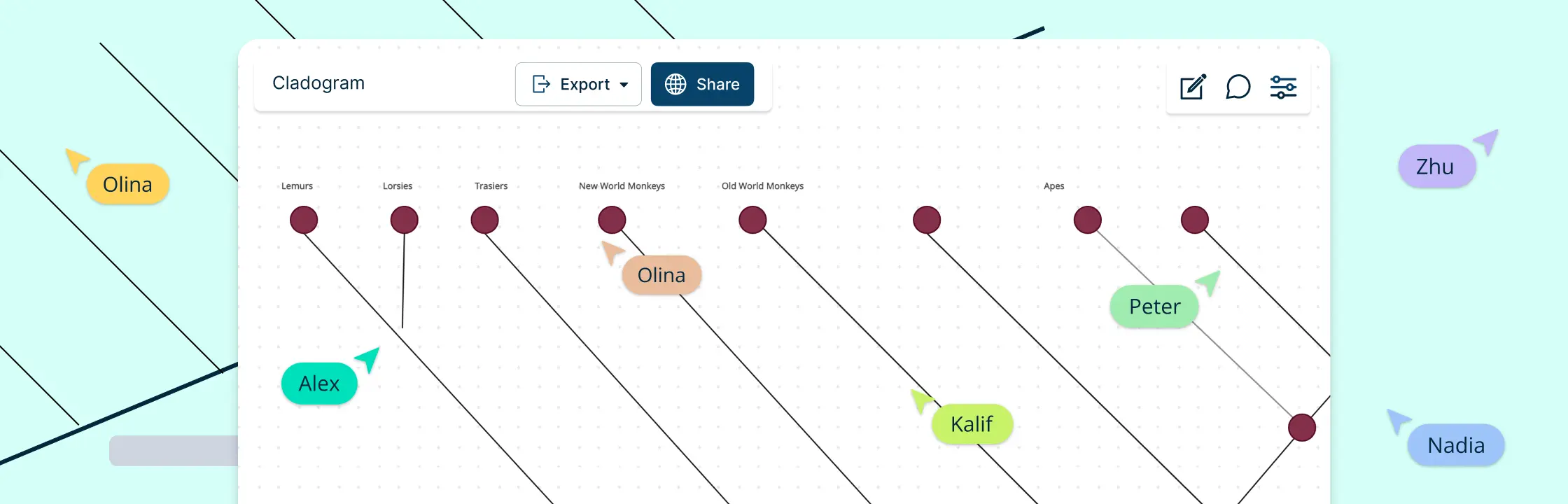
What is a Cladogram? Definition of a Cladogram A cladogram is a branching diagram that represents the evolutionary relationships among various biological species based on their shared common ancestors. These diagrams are used extensively in the field of evolutionary biology to illustrate the point where lineages split or diverge over time, aiding in the visualization of traits shared among groups of organisms.
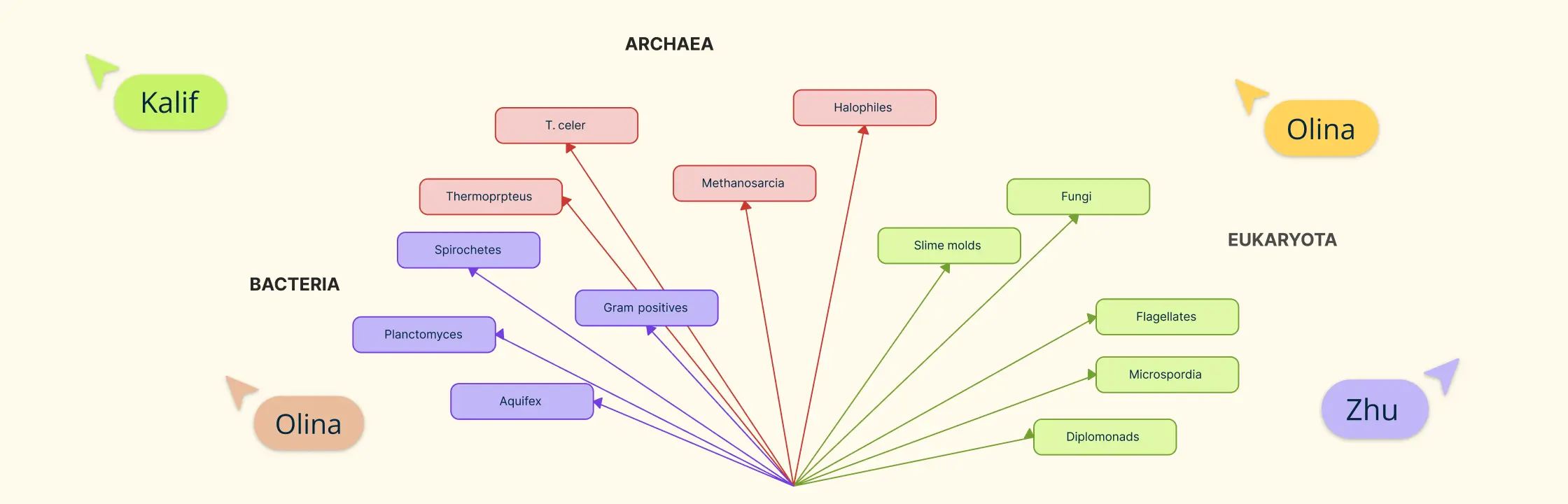
Understanding the intricate web of evolutionary relationships among various species can be challenging. A phylogenetic tree serves as a crucial tool in this pursuit, offering a visual representation of evolutionary descent from common ancestors. These diagrams are a fundamental element in the study of biology and evolution, providing a structured way to organize and interpret biological diversity and lineage.
In the study of biological diversity and evolution, diagrams play an essential role in visualizing relationships among various species. Two primary types of diagrams used for this purpose are cladograms and phylogenetic trees. While they may appear similar, understanding their distinctions is crucial for accurate interpretation.
Cladograms are visual tools used by scientists to illustrate the evolutionary relationships among different species. Understanding how to read and interpret these diagrams is crucial for anyone studying evolutionary biology, paleontology, or related fields. Here’s a step-by-step guide to help you navigate and understand cladograms.
A conceptual framework in research is not just a tool but a vital roadmap that guides the entire research process. It integrates various theories, assumptions, and beliefs to provide a structured approach to research. By defining a conceptual framework, researchers can focus their inquiries and clarify their hypotheses, leading to more effective and meaningful research outcomes.
Have you always been curious about your family history and where your ancestors came from? Creating a family tree chart is a great way to learn more about your lineage and discover interesting stories from your family’s past. A family tree visually maps the relationships between you and your parents, grandparents, great-grandparents, and beyond. It can give you a sense of identity, heritage, and connection to those who came before you. In this guide, we will discuss how to make a family tree chart along with best practices, templates and benefits.
Kinship diagrams offer a simplified yet informative way to explore family history. They offer a clear snapshot of lineage, descent, and the complexities of extended kin networks. From tracing the roots of a family tree to understanding the dynamics of larger ancestral connections, kinship diagrams play an important role in genealogy, anthropology, and sociology.
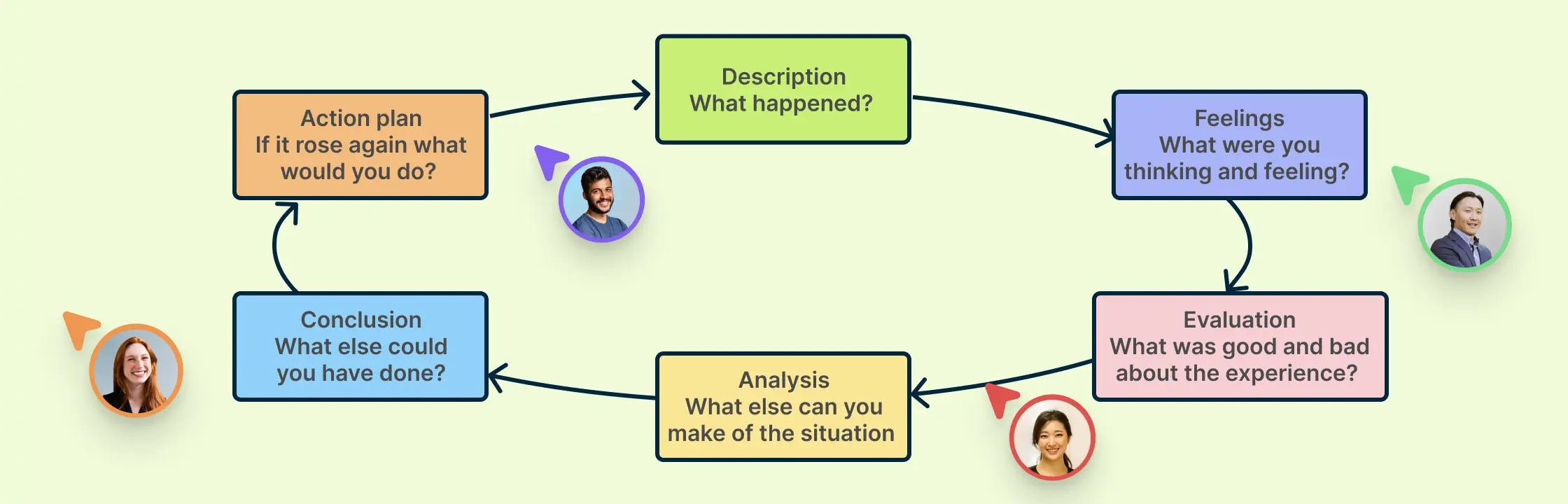
Reflective practice involves engaging in a thoughtful examination of your actions, feelings, and responses to experiences. This process enhances self-awareness and promotes continuous personal and professional growth. Reflective practice encourages critical thinking, improving decision-making and problem-solving abilities. Here’s a comprehensive guide to the Gibbs reflective cycle and how you can use it for personal and professional reflection and development.
Medical genograms are visual tools that map a family’s health history across generations, helping identify inherited conditions and patterns. By using accurate medical genogram symbols, these diagrams go beyond traditional family trees to reveal genetic, emotional, and psychological health links. Whether you’re building a health history genogram or exploring medical genogram examples, they are essential for preventive care, genetic counseling, and understanding long-term health risks. Medical genograms are commonly used in healthcare, counseling, and genetic research to support early diagnosis, personalized treatment, and preventive care strategies.
A preparatory interview to draw a genogram helps gather detailed family information about the individual or family members being interviewed. It builds a comprehensive picture of the family system, which in turn supports making an accurate genogram.
Whether you are a mental health professional seeking to enhance your therapeutic approach or an individual eager to gain a deeper understanding of your family roots, this post will help you with a comprehensive collection of genogram questions.
Discover how using a genogram in counseling helps therapists identify family patterns and emotional dynamics. This powerful tool supports deeper insights and more effective outcomes in client counseling sessions.
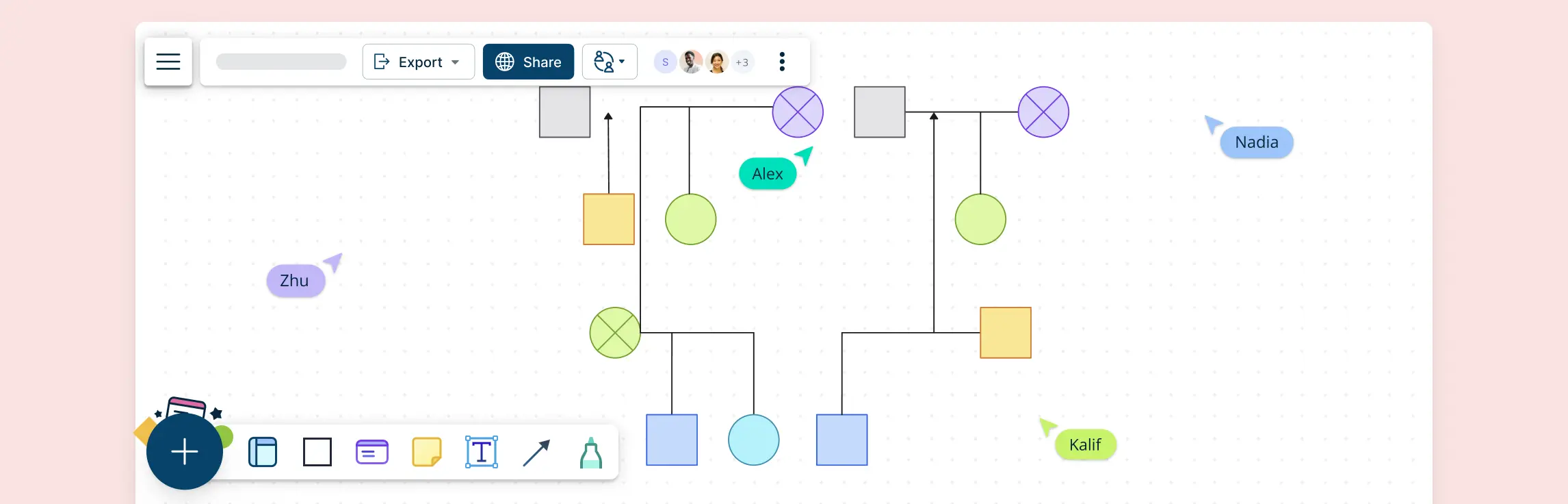
Learn how to make a genogram with ease using symbols, templates, and examples. This quick guide covers steps, tools, and best practices for building accurate family genograms.