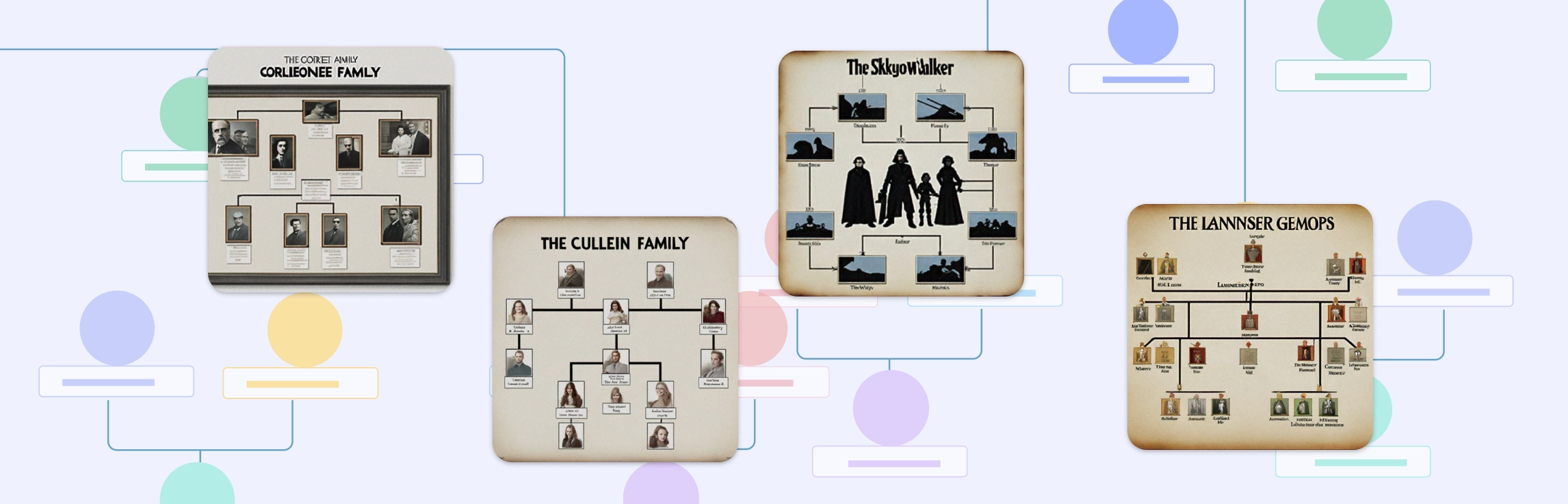
A genogram is a visual representation of family relationships and dynamics, often used to analyze hereditary patterns, psychological traits, and character development. In fiction, genograms help writers, researchers, and fans understand the complex relationships within stories, revealing generational conflicts, inherited traits, and hidden connections that shape a character’s journey.
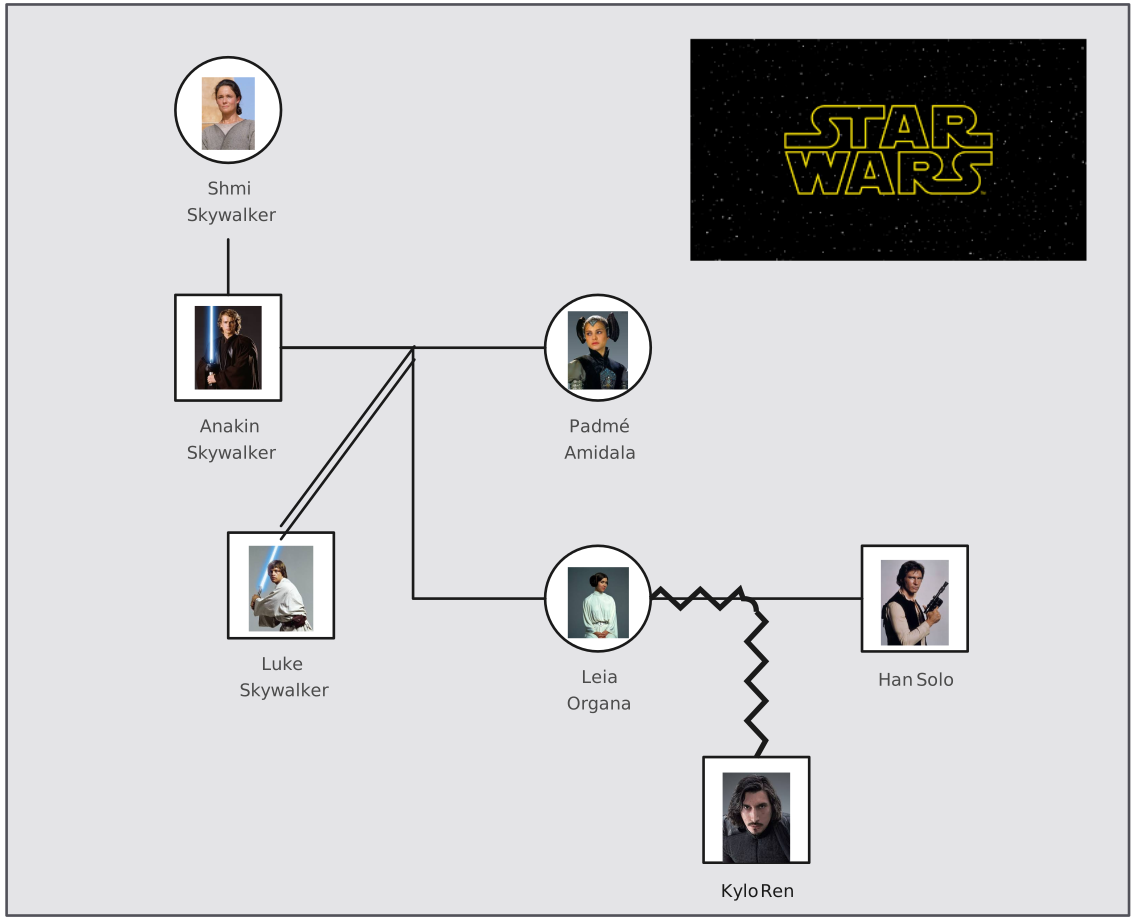
1. The Skywalker Family (Star Wars)
The Skywalker genogram illustrates the tragic yet powerful lineage of Anakin Skywalker (Darth Vader), his children Luke and Leia, and their extended family, including Kylo Ren. It highlights themes of legacy, redemption, and the struggle between light and dark.

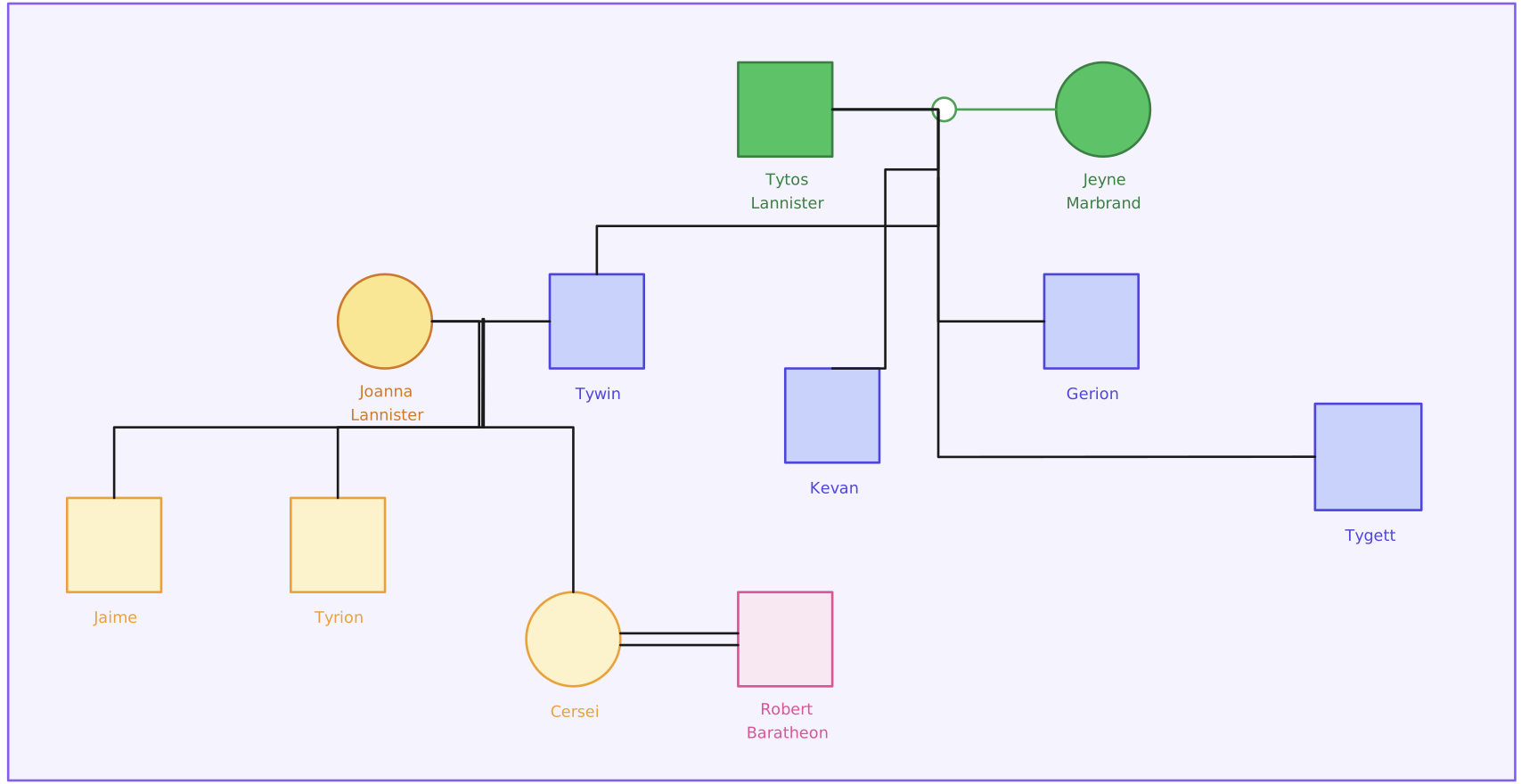
2. The Lannisters (Game of Thrones)
A Game of Thrones genogram of the Lannister family showcases the politically driven and often dysfunctional relationships between Tywin, his children Jaime, Cersei, and Tyrion, and their extended family. It emphasizes themes of power, betrayal, and loyalty.
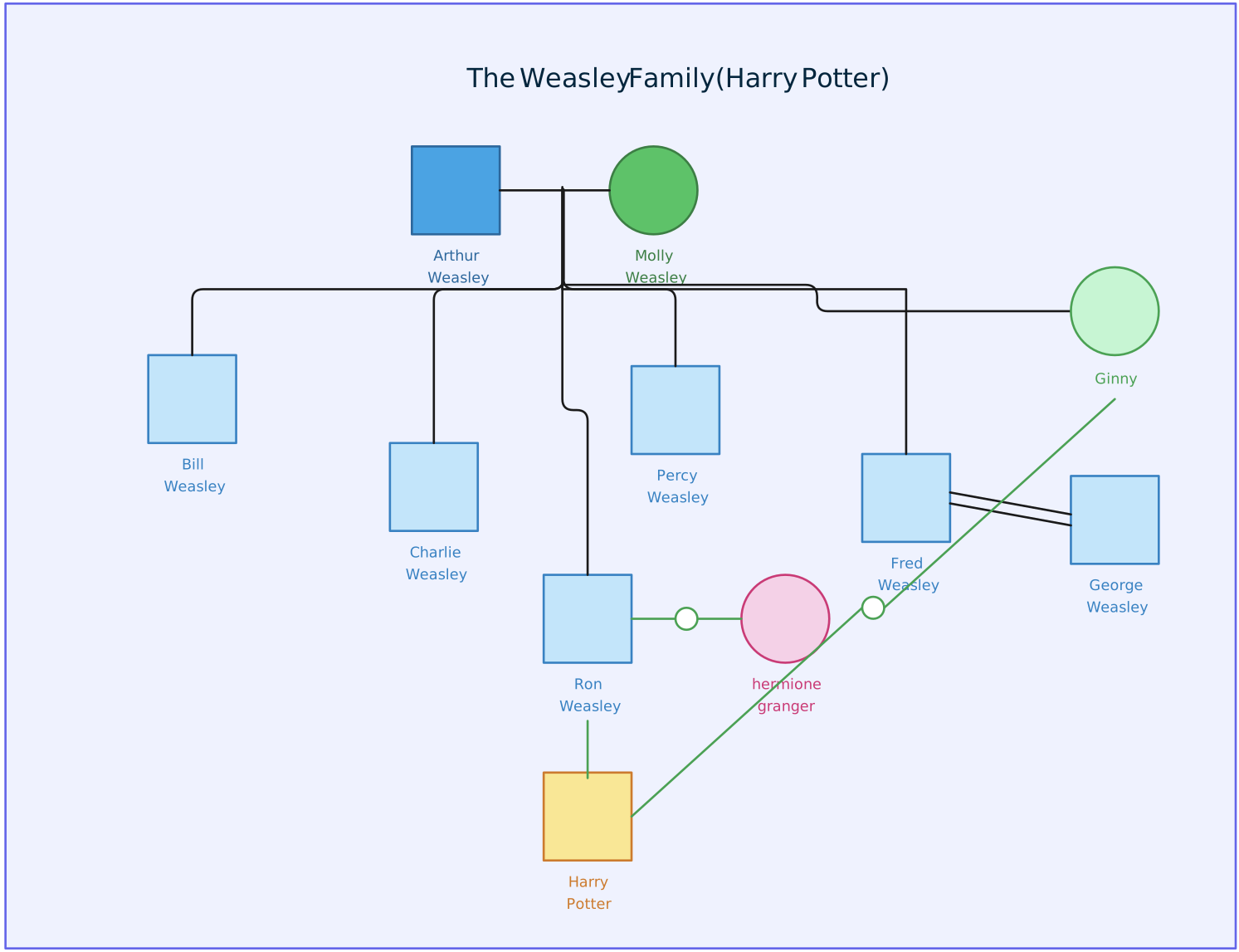
3. The Weasley Family (Harry Potter)
The Harry Potter genogram of the Weasley family demonstrates a strong, loving family with deep magical roots. It tracks Arthur and Molly Weasley and their seven children, showing their close-knit relationships and how their values contrast with darker wizarding families.
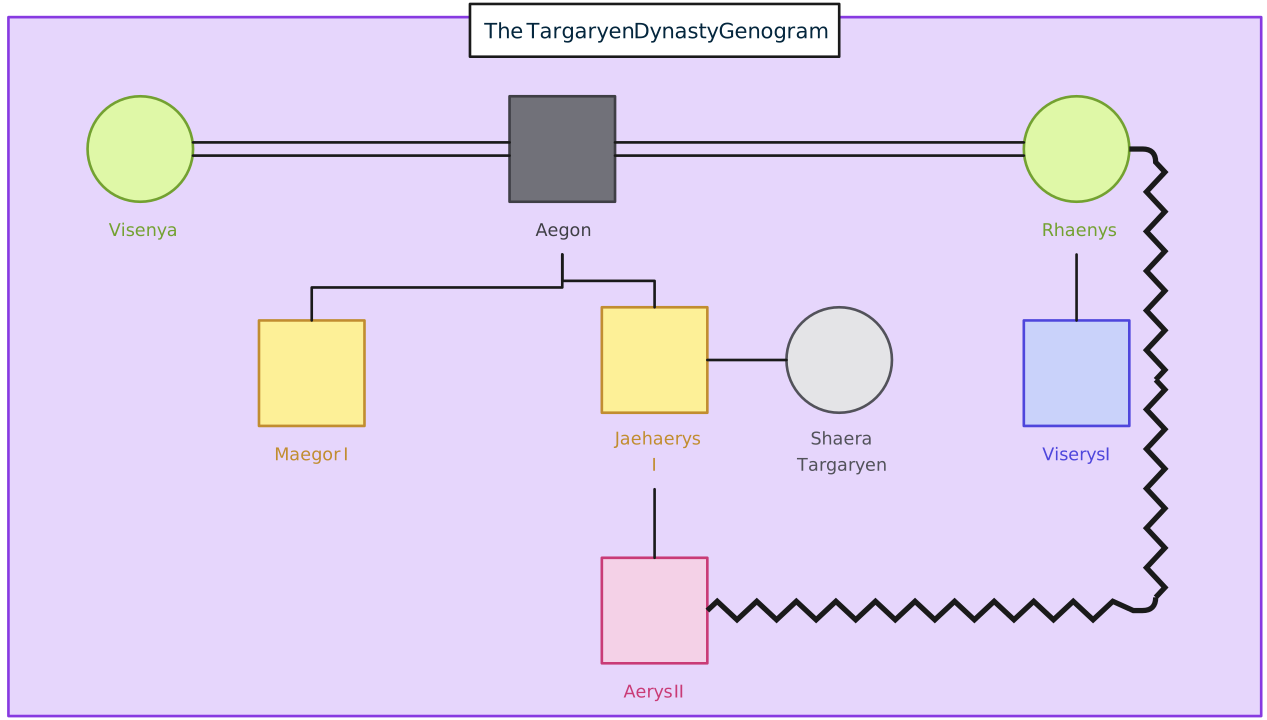
4. The Targaryen Dynasty (House of the Dragon / Game of Thrones)
A Targaryen genogram outlines the royal bloodline, focusing on figures like Aegon the Conqueror, Rhaenyra, Daenerys, and their kin. It explores themes of incest, power struggles, and the burden of prophecy.
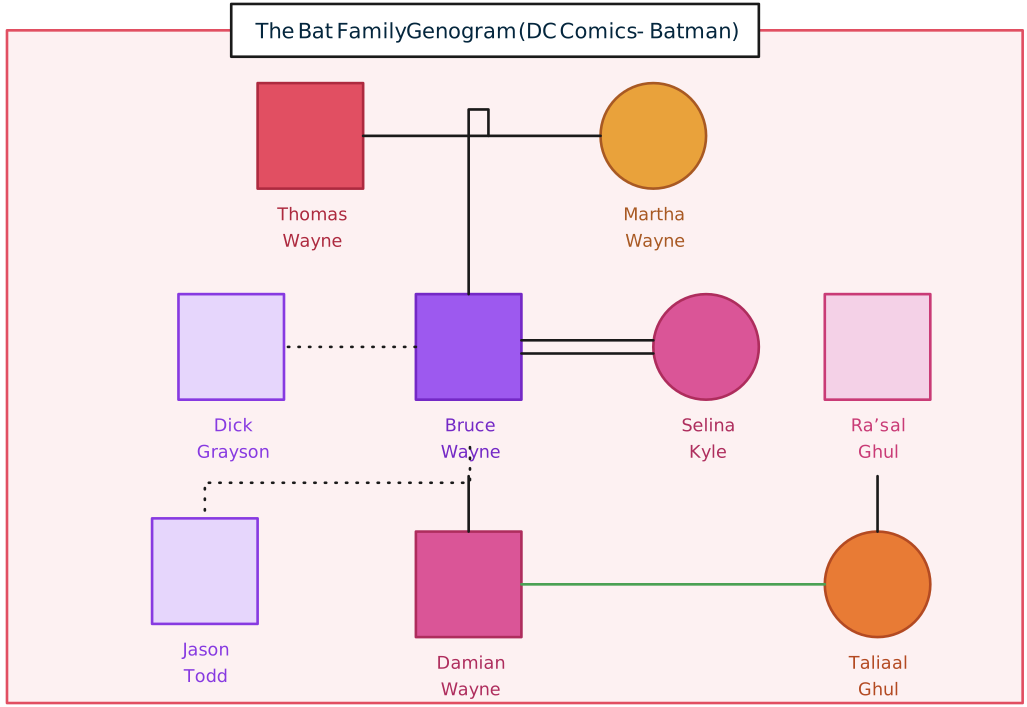
5. The Bat Family (DC Comics - Batman)
The Batman genogram tracks Bruce Wayne’s adopted and biological family, including Alfred, Dick Grayson (Nightwing), Jason Todd (Red Hood), Tim Drake (Robin), and Damian Wayne. It reveals themes of mentorship, revenge, and justice.
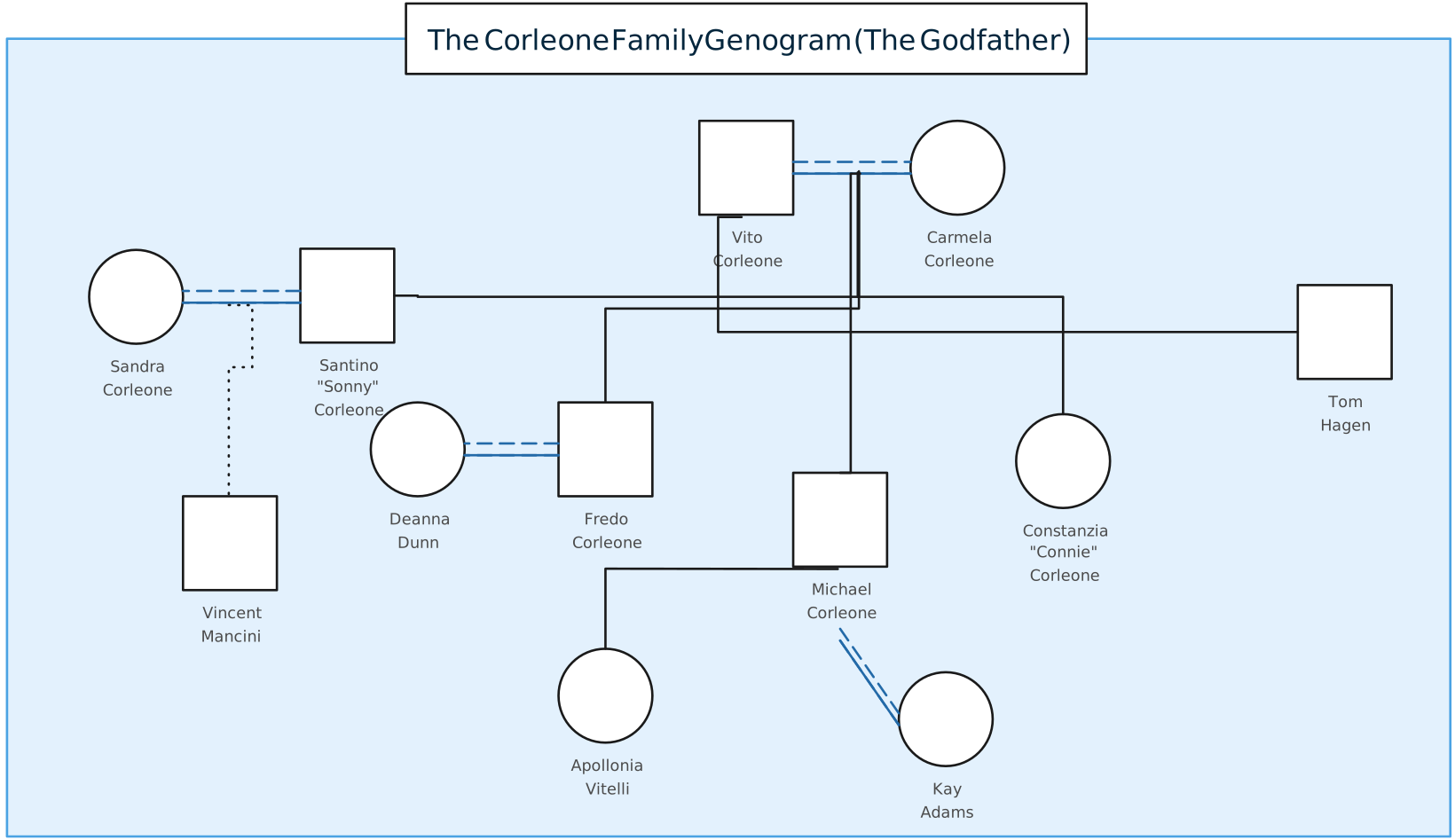
6. The Corleone Family (The Godfather)
A Corleone genogram presents the intricate family dynamics of Vito Corleone, his sons Michael, Sonny, and Fredo, and their extended mafia network. It showcases power, loyalty, and the cost of leadership.
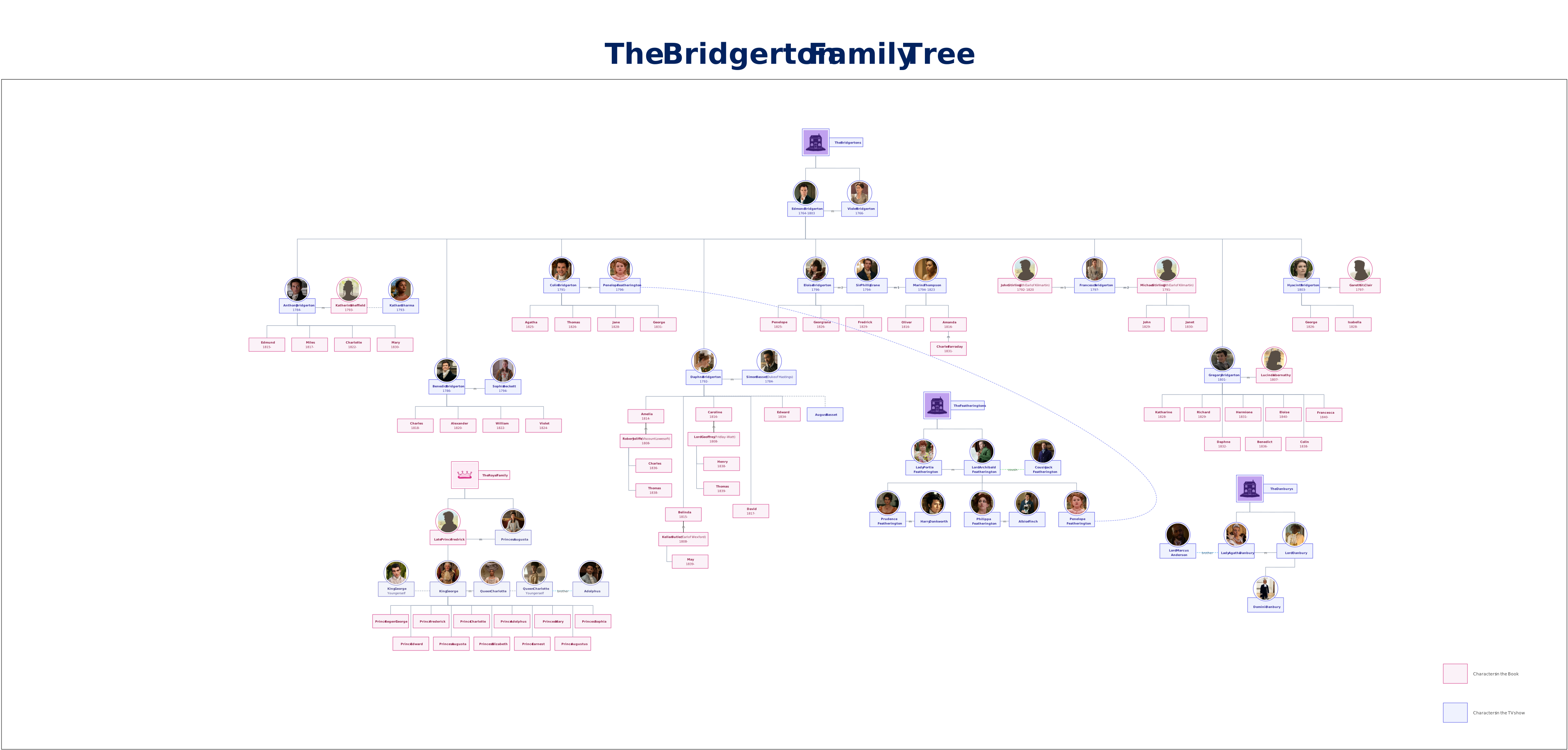
7. The Bridgertons (Bridgerton)
A Bridgerton family genogram explores the aristocratic lineage of the Bridgerton siblings and their romantic entanglements, illustrating how family expectations shape their relationships and personal growth.
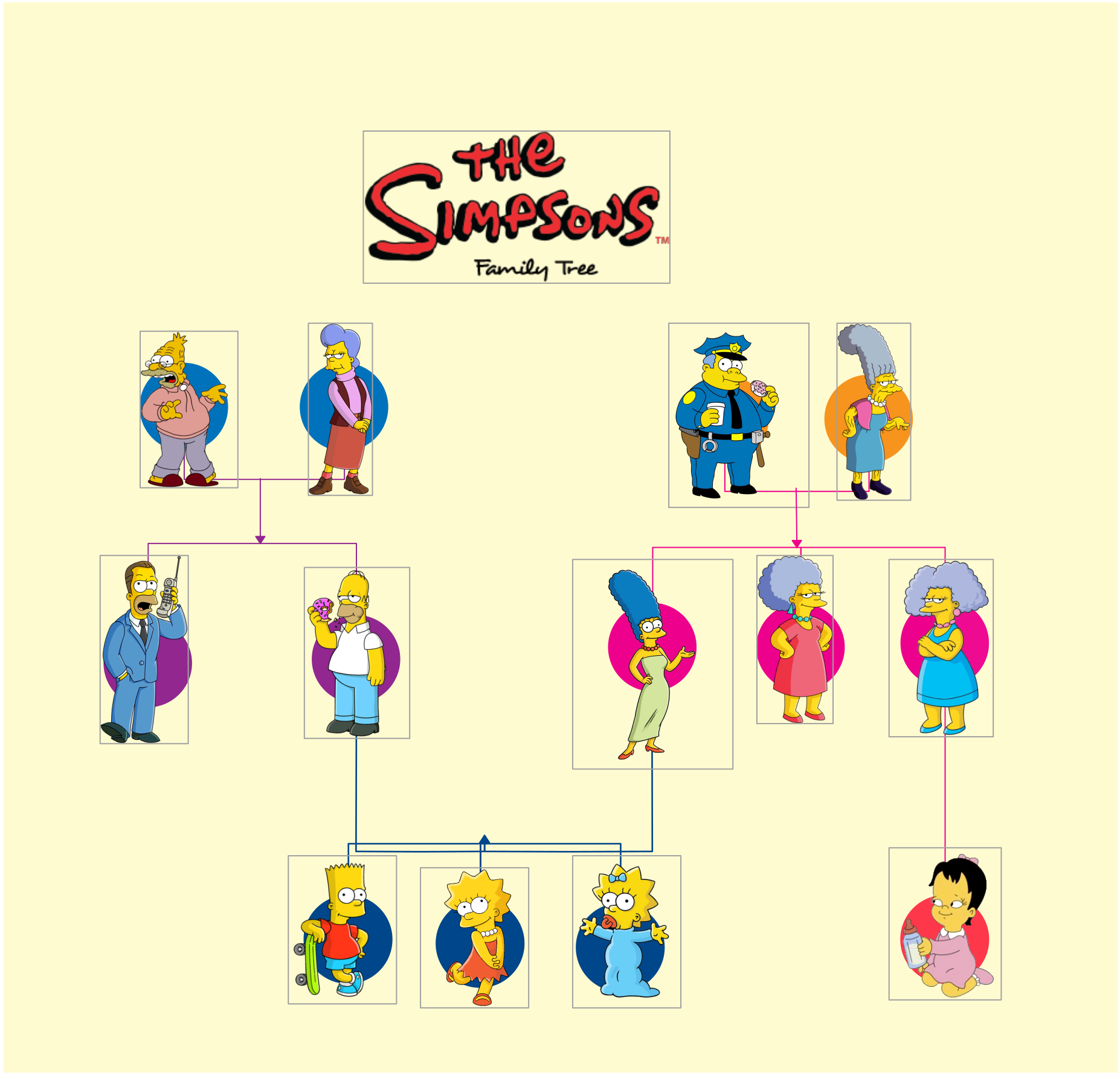
8. The Simpsons (The Simpsons)
The Simpsons genogram features Homer, Marge, Bart, Lisa, and Maggie, along with their extended family members like Abe and Patty. It provides a humorous look at familial quirks, dysfunction, and unconditional love.
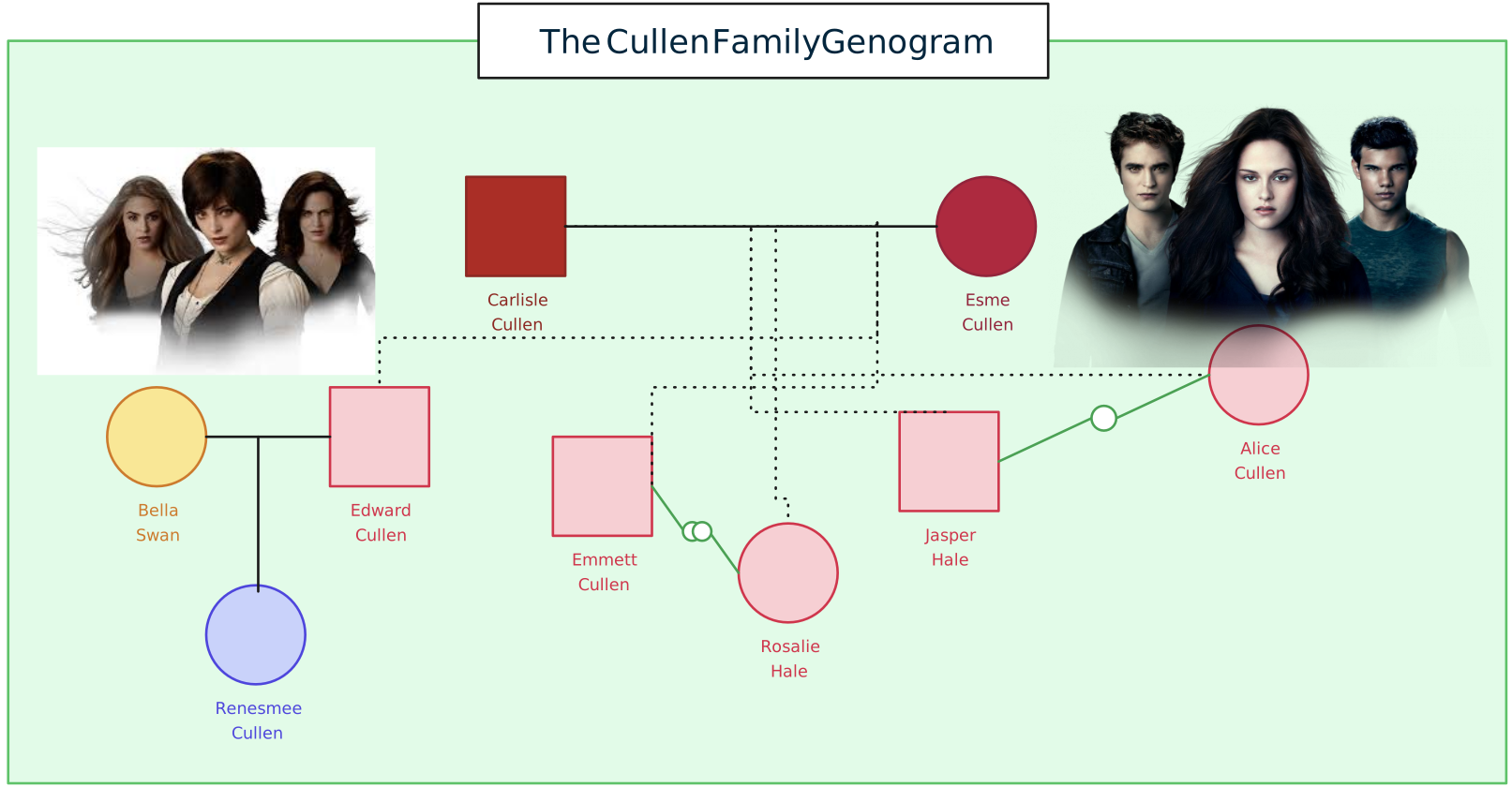
9. The Cullen Family (Twilight)
A Cullen genogram maps the unique relationships between the immortal vampire family, led by Carlisle and Esme Cullen, their adopted vampire children, and Bella Swan. It delves into themes of chosen family and supernatural bonds.
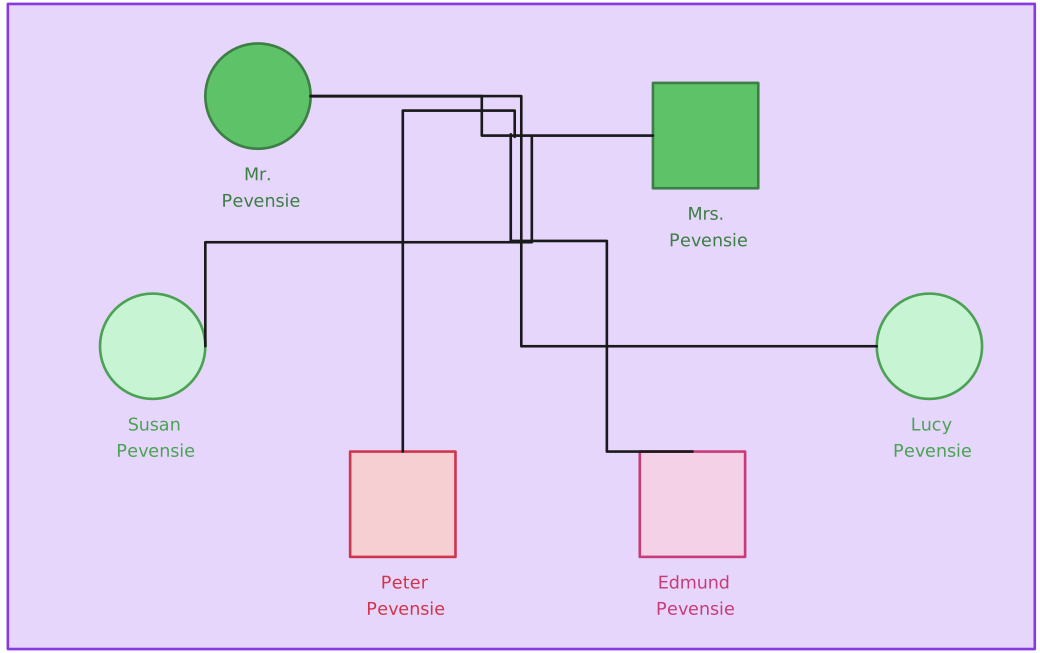
10. The Pevensies (The Chronicles of Narnia)
A Pevensie family genogram follows Peter, Susan, Edmund, and Lucy, and their connection to Aslan and the world of Narnia. It showcases themes of faith, destiny, and leadership.
Benefits of Creating a Genogram for Fictional Characters
Genograms enhance storytelling by:
Tracking Family Legacies: Helps identify generational traits, recurring conflicts, and inherited destinies that shape a character’s arc.
Analyzing Character Motivations: Provides insight into the psychological and emotional influences driving a character’s decisions based on their familial history.
Enhancing World-Building: Assists in structuring complex fictional universes by defining intricate relationships and bloodlines.
Providing Visual Storytelling Tools: Makes it easier for writers, screenwriters, and fans to grasp character connections and historical context at a glance.
Predicting Character Arcs: Highlights repeating patterns within a family’s history, allowing writers to foreshadow or develop future character growth realistically.
Improving Narrative Consistency: Helps ensure continuity in long-running stories by maintaining accurate records of family connections and key events.
How to Use Creately to Create Fictional Genograms in 5 Steps
1. Start With a Character or Family Description
Begin by writing a short description of the fictional family, dynasty, clan, or character network you want to map. Include key characters, parent-child relationships, marriages, separations, rivalries, alliances, deaths, hidden connections, or major turning points that shape the story.
With Creately’s AI text-to-genogram feature, you can paste this description and generate a visual starting point instead of building the genogram manually from scratch. Creately extracts names, relationships, dates, and other relevant details into an editable genogram.
2. Refine the Structure With Templates and Quick-Add Controls
After generating the first draft, refine the structure using Creately’s genogram templates, quick-add shortcuts, or right-click menu. You can add partners, children, parents, siblings, and other relatives as the fictional universe expands.
This is useful when you need to add missing characters, extend the family across generations, or adjust the structure to better match the story.
3. Map Relationships With Genogram Notation
Use Creately’s relationship types to show how characters are connected. You can map marriages, divorces, separations, parent-child relationships, step or adoptive relationships, twins, emotional closeness, conflict, distance, cutoff, hostility, and other dynamics.
This helps show not just who is related to whom, but how relationships influence character motivation, power struggles, loyalty, betrayal, inheritance, and family tension.
4. Add Traits, Notes, and Story Details
Add character traits, hereditary patterns, psychological influences, alliances, rivalries, secrets, inherited roles, or major story events using notes, labels, and structured fields.
You can use Creately’s field packs as lenses to organize details such as cultural heritage, family roles, trauma history, legal status, or other story-relevant information without overcrowding the diagram.
5. Collaborate, Share, and Export
Work with co-writers, researchers, students, or fan communities using real-time collaboration, comments, auto-save, and role-based sharing. When the genogram is ready, export it as a PDF, DOCX, PNG, JPEG, SVG, or JSON for story planning, classroom use, research notes, or fan analysis.
FAQs on Fictional Characters Genograms
What is a fictional characters genogram?
Why use genograms for fictional characters?
How is a fictional genogram different from a family tree?
Which fictional worlds work well for genograms?
Can I use online tools to create fictional genograms?