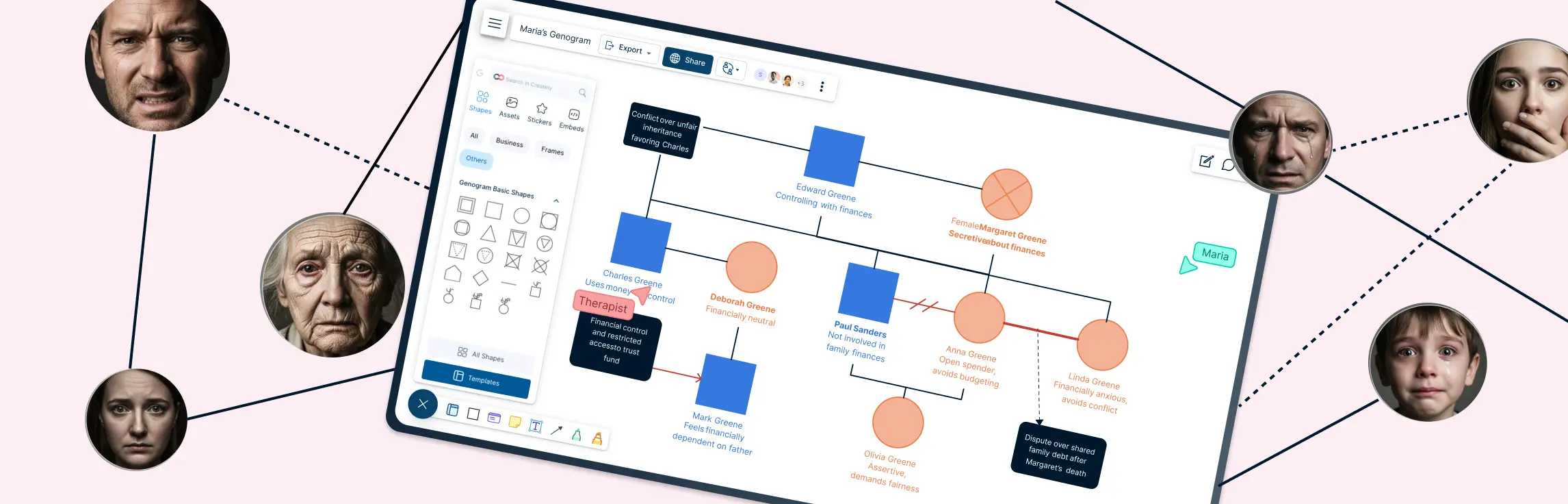
Trauma can affect individuals, families, and entire communities—shaping relationships, behaviors, and emotional well-being across generations. Understanding how trauma is passed down or shared helps professionals design more effective pathways for healing and recovery. trauma mapping offers a visual way to trace these emotional and psychological patterns, and when combined with genograms, it becomes a powerful tool for identifying connections between experiences, stress responses, and resilience over time.
This guide explores how to use genograms for trauma mapping, helping professionals, educators, and community workers better understand trauma dynamics and support long-term healing.
What Is Trauma Mapping
Trauma mapping is a method used to visually understand how trauma affects individuals, families, and communities. It helps reveal how experiences of stress, loss, conflict, or emotional pain connect across relationships and generations. By mapping these patterns, professionals can identify who may need support, recognize sources of resilience, and design more effective healing interventions.
The process involves collecting information through interviews, observations, and case histories, then visualizing it using diagrams or mapping tools. This can be done with simple sketches on paper or with digital platforms that make it easier to organize, share, and analyze trauma data collaboratively.
Genograms as a Tool for Trauma Mapping
A genogram is similar to a family tree, but it goes beyond listing relationships. It captures emotional connections, patterns of behavior, and significant life events that shape how families function. When used for trauma mapping, genograms help visualize how experiences like loss, conflict, abuse, or major life stressors affect individuals and ripple through generations.
| Aspect | Trauma Mapping Goal | How Genograms Help |
| Generational trauma | Understand how trauma such as loss, abuse, or chronic stress passes through families | Visually trace repeating trauma patterns across generations |
| Attachment and relational patterns | Identify how past experiences affect trust, communication, and intimacy | Use emotional connection lines to map closeness, conflict, or distance |
| Coping strategies and resilience | Recognize inherited coping mechanisms and resilience patterns | Map adaptive vs. maladaptive responses; highlight sources of emotional strength |
| Social and cultural context | See how systemic factors or cultural expectations influence trauma | Add contextual notes or layers for cultural norms, oppression, or historical trauma |
| Therapeutic guidance | Support targeted interventions and client insight over time | Update the genogram as therapy progresses to track growth and healing |

Preparing for Trauma Mapping
Before creating a trauma map, it’s important to prepare carefully so the process is accurate, ethical, and sensitive to those involved.
Data collection
Information is often gathered through conversations, interviews, or case histories. The key is to listen with empathy and record experiences, relationships, and coping patterns without causing distress. It’s not just about collecting facts—it’s about understanding emotions and connections.
Consent and cultural sensitivity
Because trauma is deeply personal, always obtain informed consent before starting. People should understand how their information will be used and have the right to opt out. It’s also essential to respect cultural beliefs, privacy, and community values when interpreting trauma and relationships.
Choosing tools
Trauma mapping can be done with paper, whiteboards, or basic drawing tools, but digital genogram tools make it easier to build, update, analyze, and share trauma-informed maps over time. Creately is especially useful for this because it supports AI-powered text-to-genogram generation, clinical genogram notation, structured field packs, real-time collaboration, role-based sharing, and flexible exports.
With Creately, you can start from trauma-related notes, case summaries, or family descriptions and generate a first draft with AI. You can then refine it using templates, quick-add controls, 71 relationship subtypes, emotional relationship notation, notes, comments, and structured fields for family therapy, social work, medical history, legal context, or research. This makes it easier to map complex family systems, intergenerational trauma, support networks, and intervention needs in one workspace.
How to Create a Trauma Mapping Genogram Using Creately
Step 1: Start with AI or a trauma genogram template
Begin in Creately by choosing a genogram template or generating a first draft with AI. If you already have intake notes, case summaries, or a written family description, paste them into Creately’s text-to-genogram AI to create a starter map with people, relationships, dates, and key family details.
This gives you a structured starting point before adding trauma-specific information manually.
Step 2: Define the trauma mapping scope
Decide whether the genogram will focus on one family, multiple connected families, or a broader support network. Add the key people first, including parents, children, grandparents, siblings, partners, caregivers, former caregivers, and anyone central to the family’s emotional or support system.
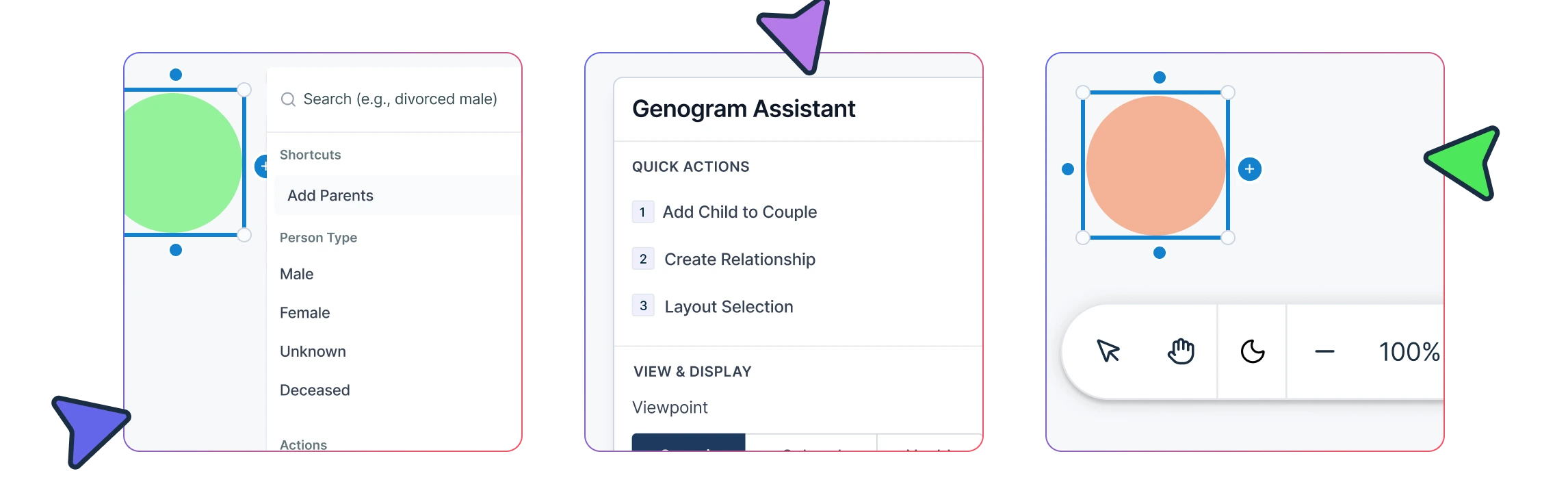
Use Creately’s quick-add controls to add partners, children, parents, or siblings without manually drawing each person and connection.
Step 3: Add trauma-related details with field packs
Add trauma-related information directly to each person’s profile using structured fields, notes, and comments. You can document significant life events such as loss, illness, separation, abuse, violence, displacement, neglect, addiction, or major caregiving changes.
For trauma mapping, Creately’s Family Therapy and Social Work field packs are especially useful for capturing trauma history, attachment patterns, coping strategies, risk factors, housing, employment, income, and support needs in an organized way.
Step 4: Build the family structure with clinical notation
Refine the AI-generated map or template using standard genogram notation. Arrange older generations at the top and younger generations below, then map biological, adoptive, foster, step, partner, and caregiver relationships.
Creately supports 71 relationship subtypes, so you can represent complex family structures more accurately than with basic connector lines.
Step 5: Mark trauma indicators and protective factors
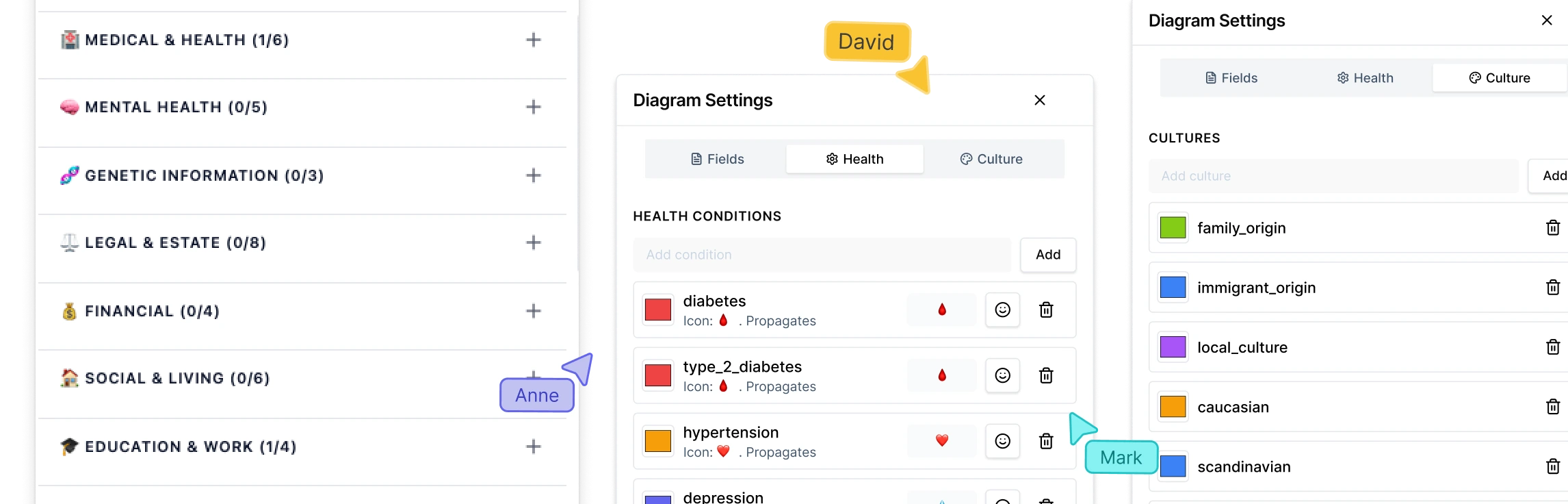
Use colors, labels, notes, and visual markers to show trauma exposure, emotional distress, illness, resilience, coping patterns, unresolved stressors, and protective strengths. For health-related trauma, use the Medical & Genetic field pack and health view to highlight recurring conditions or hereditary patterns across generations.
This keeps the genogram visual while storing deeper context in each person’s profile.
Step 6: Map emotional relationships, conflict, and harm
Use Creately’s relationship types to show how family members relate to and affect one another. Map patterns such as closeness, conflict, cutoff, distance, fusion, hostility, abuse, separation, or estrangement using distinct clinical relationship notation.
This step helps reveal how trauma moves through relationships, not just through individual events.
Step 7: Add support systems and external context
Add supportive people and systems such as extended family, friends, schools, religious communities, healthcare providers, social workers, shelters, or community organizations. Use labels, colors, and notes to distinguish emotional, practical, financial, medical, or community support.
You can also use the workspace to add broader contextual factors such as economic hardship, migration, displacement, stigma, cultural expectations, legal issues, or access to care.
Step 8: Use views and AI observations to identify patterns
Review the trauma mapping genogram to identify recurring themes such as intergenerational trauma, repeated loss, family conflict, neglect, addiction, mental health patterns, emotional cutoff, enmeshment, avoidance, or resilience.
Creately’s structured fields, relationship notation, health view, culture view, and AI observations can help surface patterns across generations and support therapy planning, case review, supervision, or community intervention work.
Step 9: Collaborate, share, and export for intervention planning
Invite authorized therapists, supervisors, care teams, or community stakeholders to review the genogram using comments, live collaboration, and role-based sharing. This helps keep sensitive information controlled while allowing the right people to contribute.
When the trauma mapping genogram is ready, export it as PDF, DOCX, PNG, JPEG, SVG, or JSON for case documentation, reports, supervision, research, or intervention planning.
Genogram Examples for Trauma Mapping
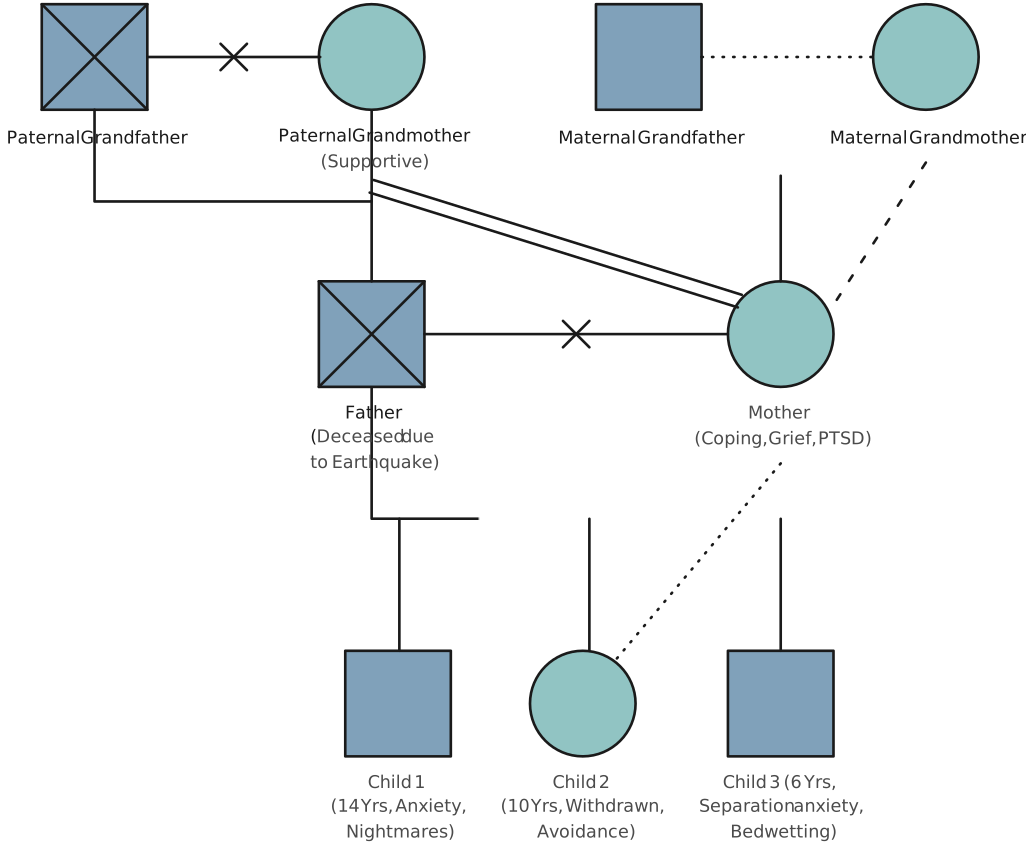
1. Loss and bereavement trauma genogram example
Shows how the death of a family member affects emotional well-being across generations. Highlights grief responses in parents and children, coping patterns, and sources of support from extended family.
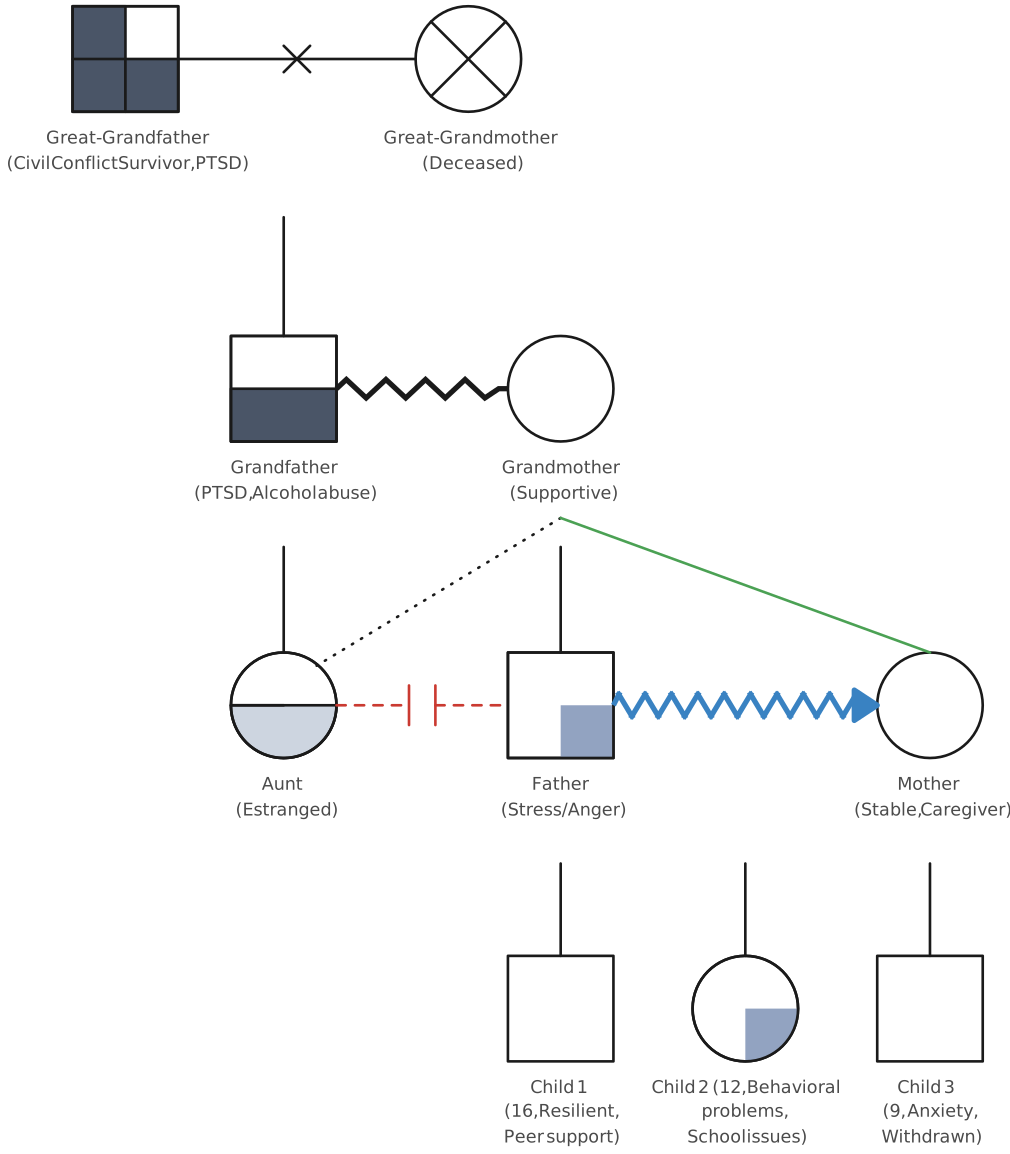
2. Generational trauma genogram after civil conflict
Visualizes trauma passed through multiple generations, such as PTSD, anxiety, or coping behaviors. Shows how past events influence family dynamics, resilience, and conflict patterns.
3. Genogram example for sibling conflict
This trauma genogram template maps tensions, rivalries, and emotional stress among siblings, along with the impact on parents and other family members. Highlights coping strategies and support structures within the family.
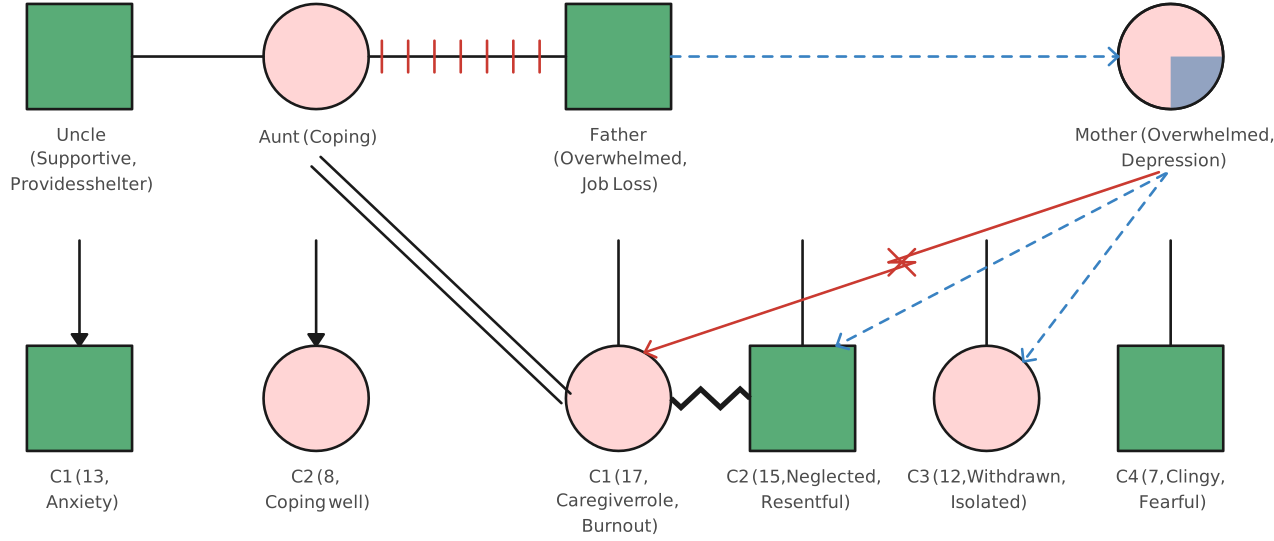
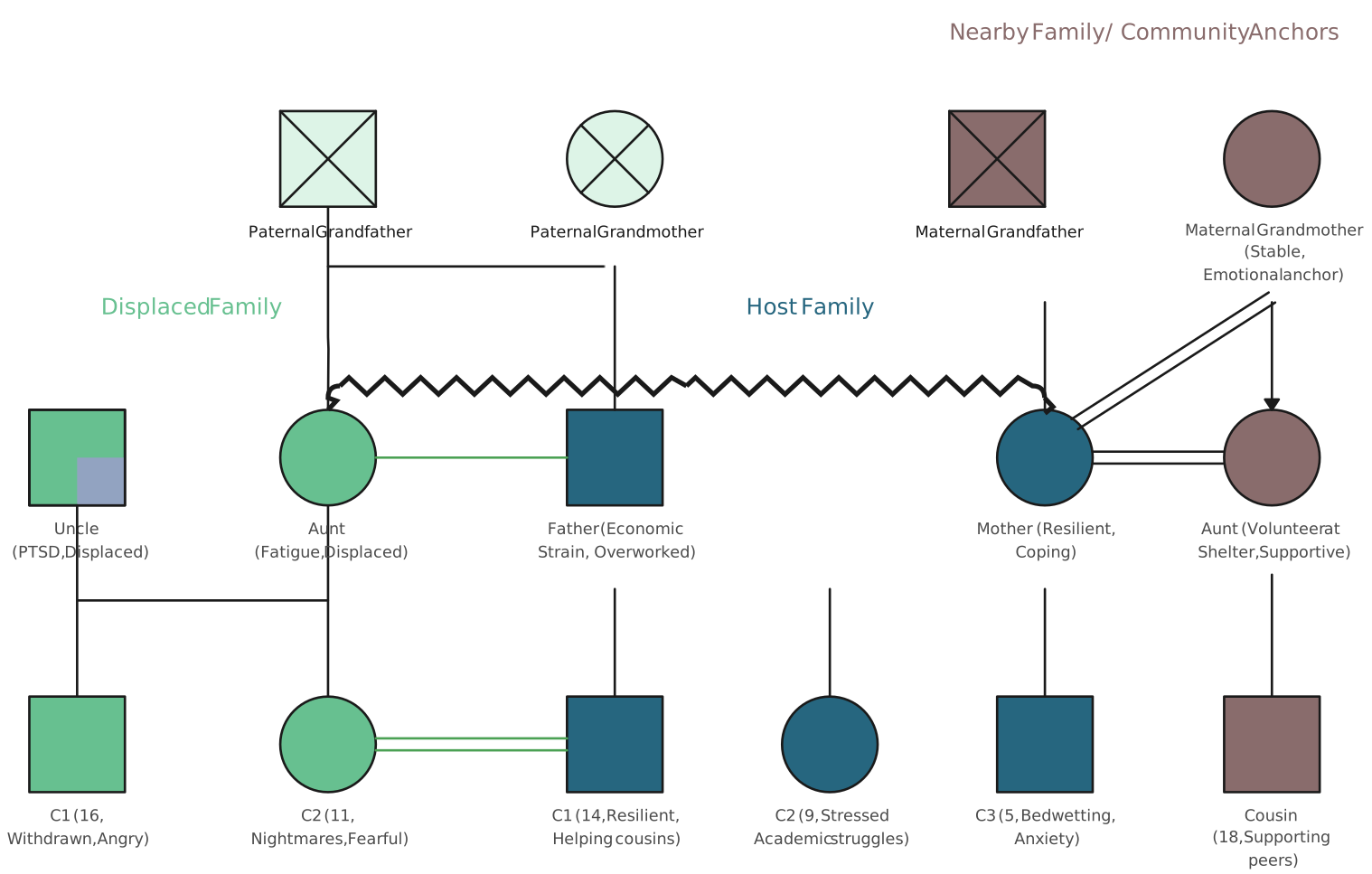
4. Disaster trauma genogram example
This family trauma genogram iIllustrates how traumatic events affect individuals, families, and broader support networks. Highlights psychological stress, coping responses, and connections between family members and community resources.
5. Substance abuse and addiction genogram
This trauma genogram example tracks patterns of substance use and addiction across generations. Shows affected family members, enabling factors, conflict lines, and sources of support for recovery.

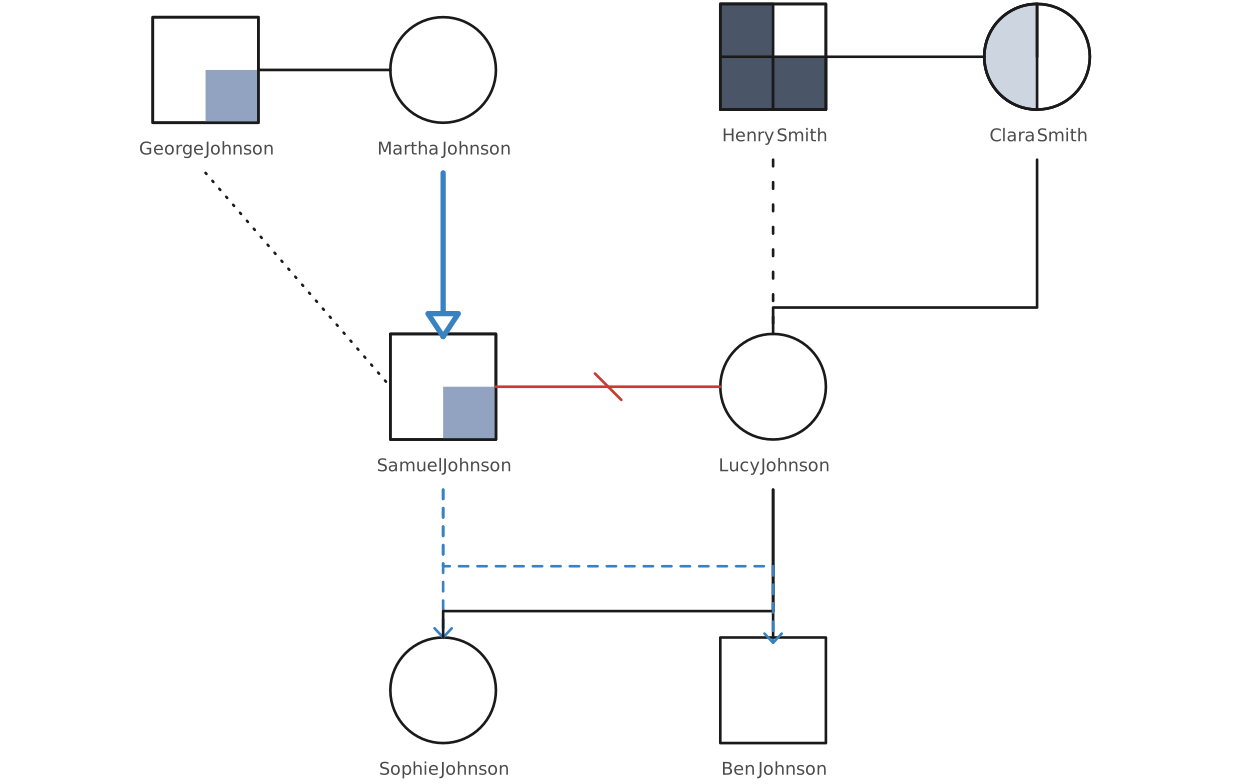
6. Mental health genogram
Maps mental health conditions such as anxiety, depression, or bipolar disorder within a family. Includes emotional patterns, treatment histories, coping strategies, and supportive relationships.
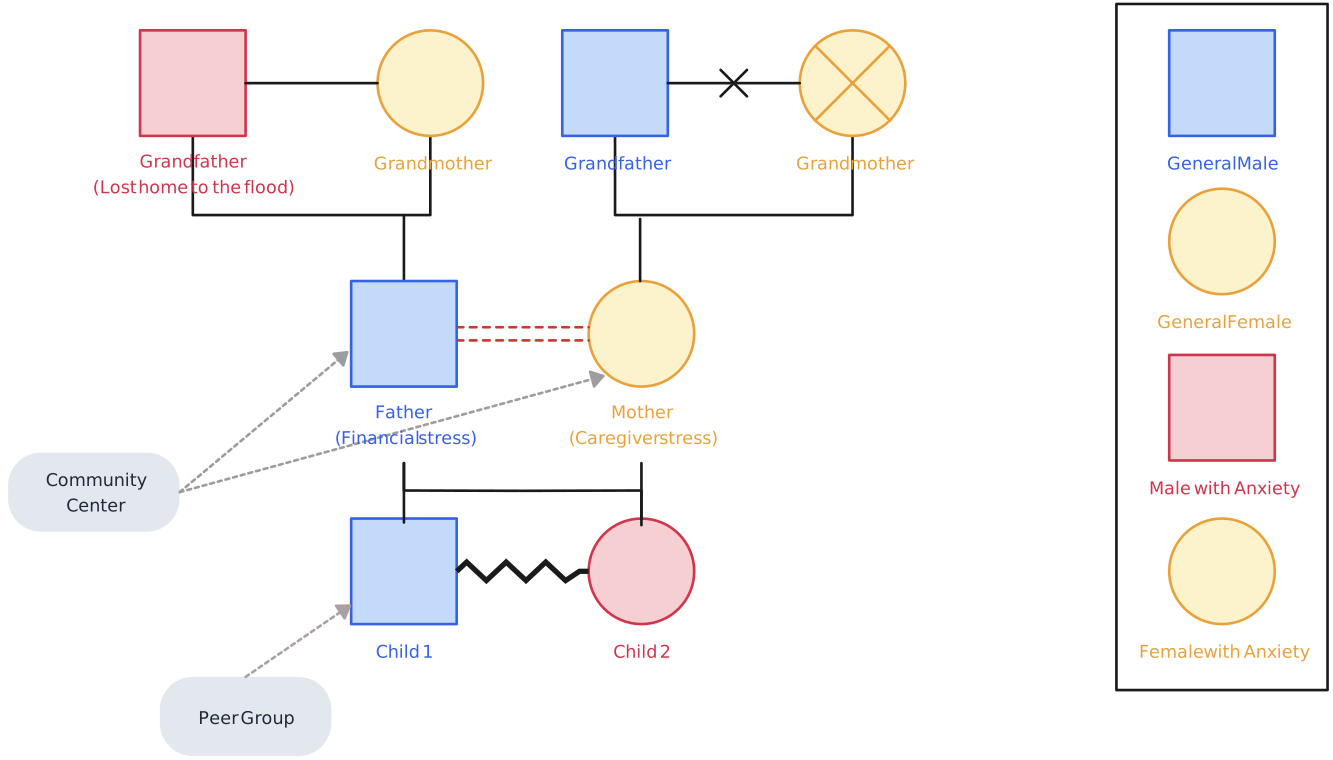
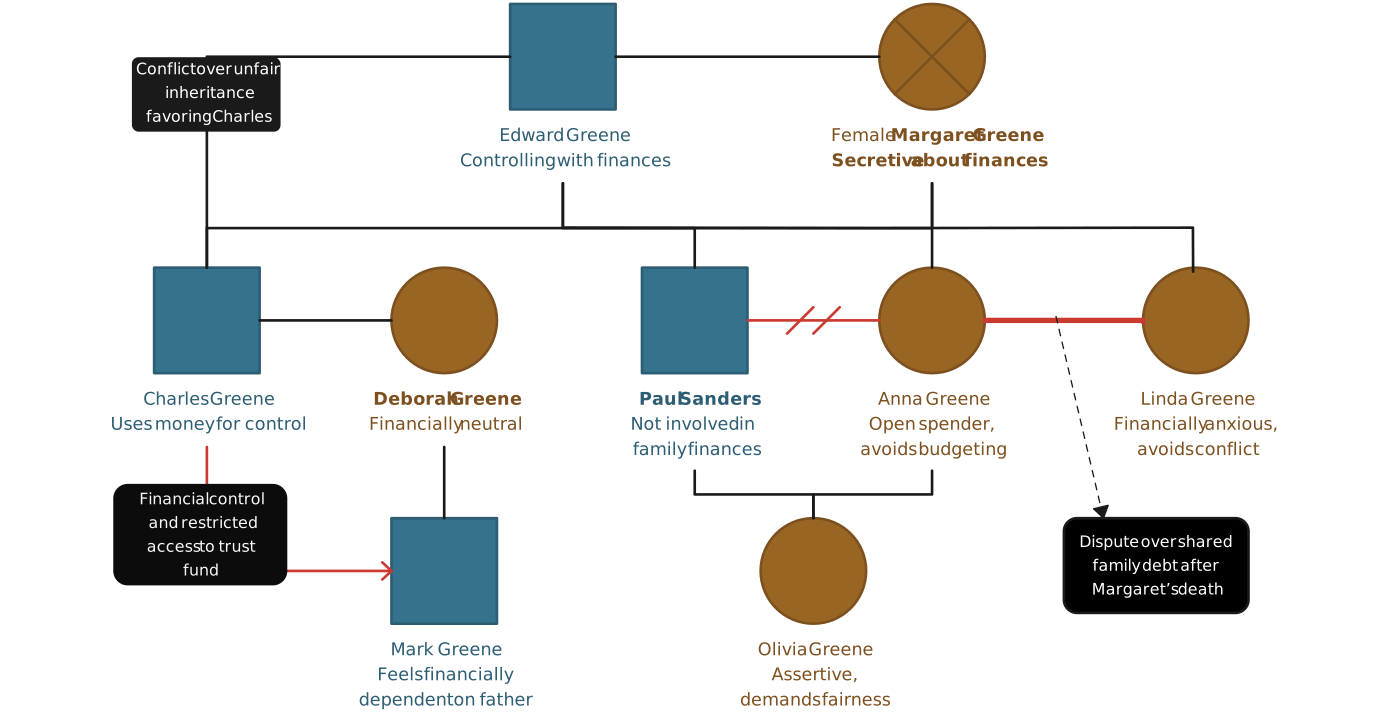
7. High-conflict financial genogram
This integenerational trauma genogram visualizes how financial stress and disputes influence family dynamics. Shows conflict lines, strained relationships, and potential support systems for resolving economic and emotional challenges.
8. Group counselling genogram
Represents participants in group therapy or support programs, their relationships, shared trauma, and patterns of interaction. Helps identify group dynamics, peer support, and potential triggers.
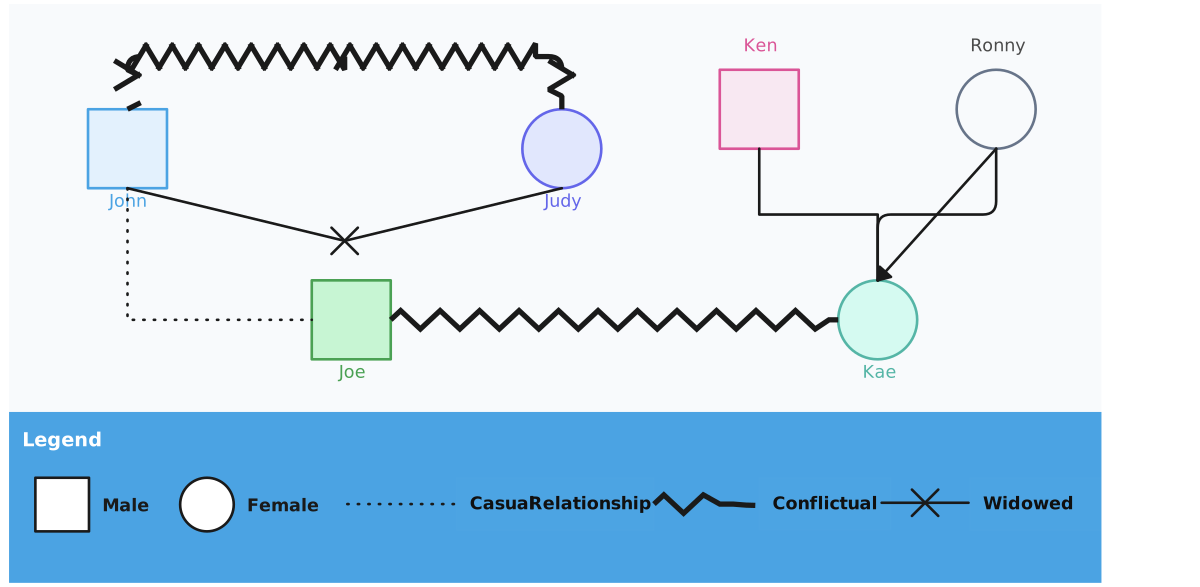
Analyzing Trauma Patterns
Interpreting patterns
Examine the genogram for recurring issues such as intergenerational trauma, repeated losses, sibling conflicts, or strained parent-child relationships. These patterns reveal how trauma affects families over time and also highlight sources of resilience, like supportive members or strong connections.
Assessing impact on mental health
Genograms can help show how trauma influences emotional and psychological well-being. Look for signs such as stress, anxiety, depression, or differing coping strategies among family members. This helps identify who is most affected and how trauma may move through generations.
Identifying support needs
Use the genogram to pinpoint individuals who need immediate care and those who can provide support. This guides interventions such as counseling, family or community support, and connecting with social services. A visual map ensures that support is targeted, informed, and effective.
Applying Genogram Findings to Intervention
Informing intervention strategies
Genograms reveal which family members or groups are most affected by transgenerational trauma and where support may be lacking. Tools like The Transgenerational Trauma and Resilience Genogram (TTRG), created by Rachael D. Goodman, PhD, LPC, specifically assess and address the complex relationship between trauma and resilience in families. Using these insights, professionals can design targeted interventions such as counseling, therapy, mentoring, or educational programs, ensuring resources reach those who need them most.
Community-based approaches
Trauma recovery is more effective when the wider community is involved. Genogram data can help identify local support networks, mentors, and informal resources. Engaging these groups strengthens collective resilience and ensures interventions are culturally appropriate and widely accepted.
Policy implications
Patterns uncovered through genograms can inform policies and programs related to mental health, social support, and community well-being. Insights about intergenerational trauma or gaps in care may guide decisions on counseling services, social programs, or community initiatives. Policymakers and organizations can use this data to create more responsive, evidence-based support systems.
References
Goodman, R. D. (2013). The transgenerational trauma and resilience genogram. Counselling Psychology Quarterly, 26(3-4), 386–405. https://doi.org/10.1080/09515070.2013.820172
FAQs About Genograms in Trauma Mapping
What are the challenges of using genograms for trauma mapping?
Are there special symbols for trauma genograms?
What is a scripto-trauma genogram?
Can genograms capture community-level trauma, not just families?
What are the key elements of a genogram?
How can digital tools like Creately help in trauma mapping?