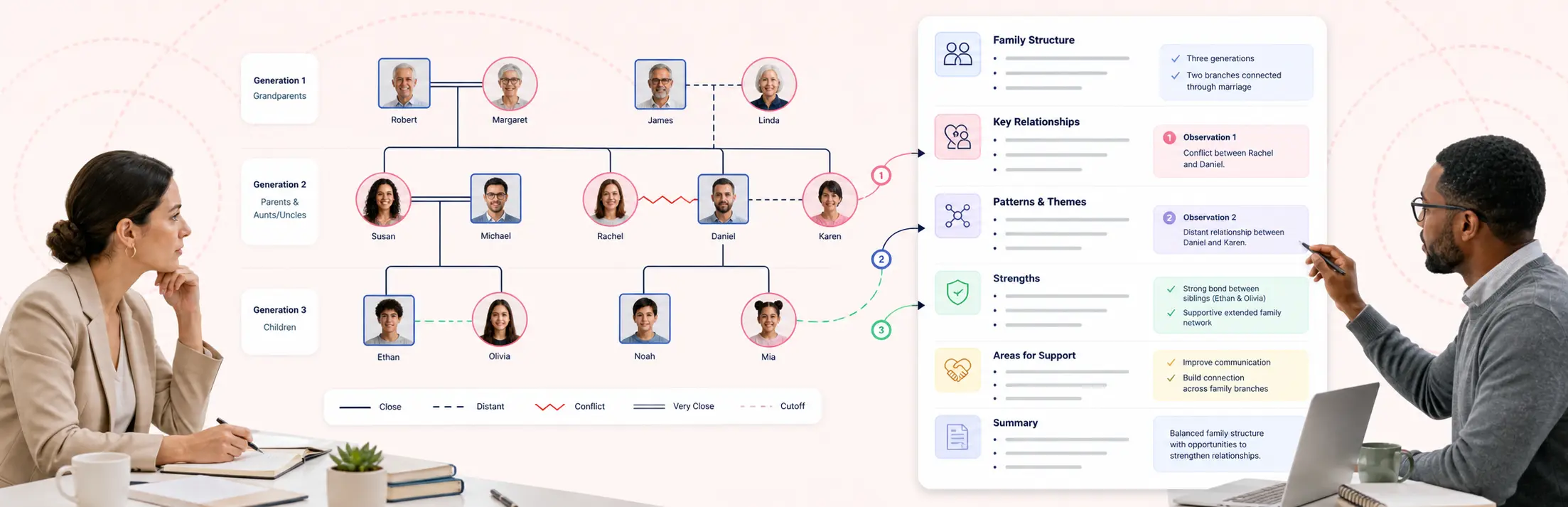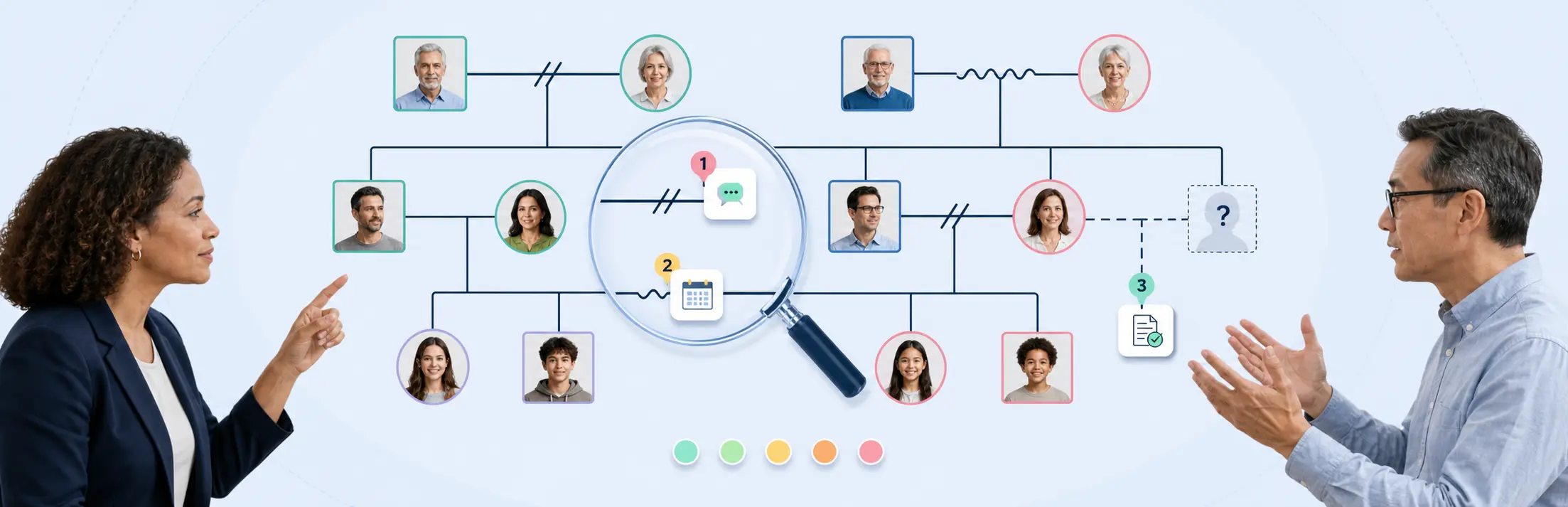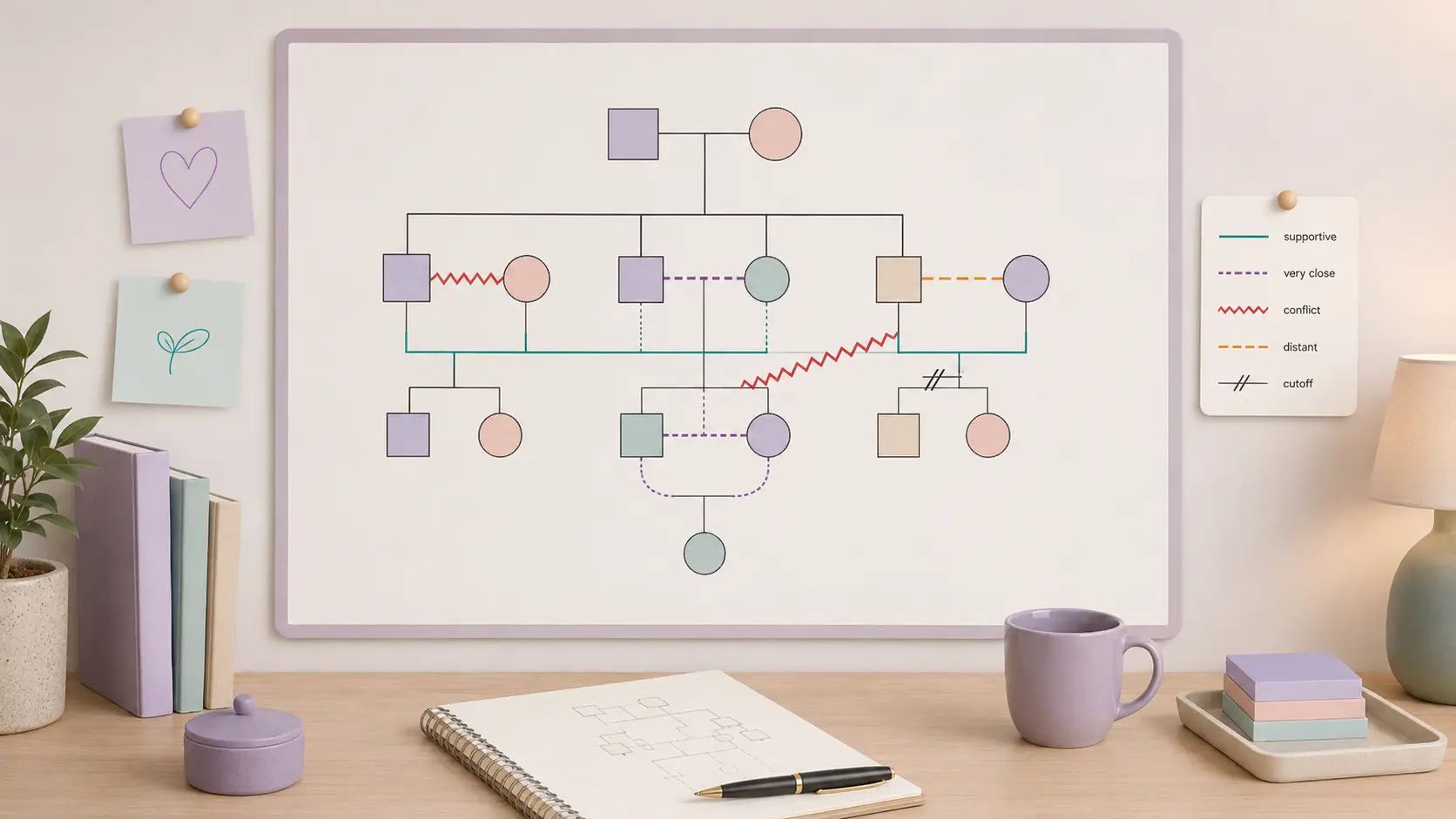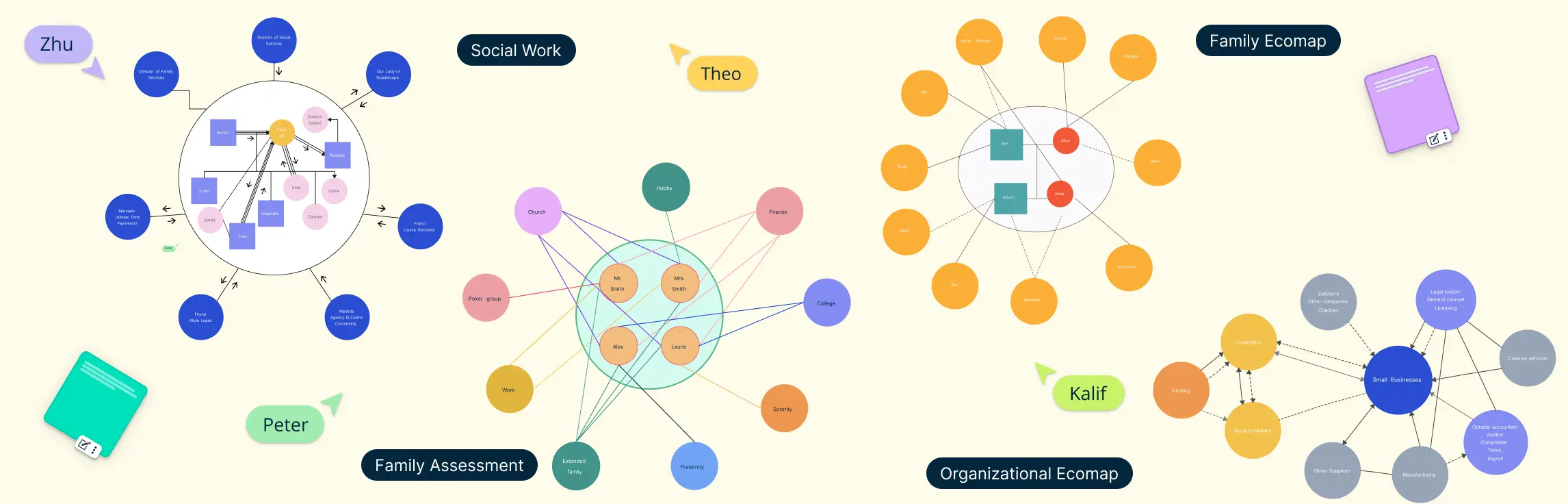
Ecomap examples help you quickly see how a person or family is connected to relatives, services, schools, care teams, and community resources. Instead of starting with a blank canvas, you can review a familiar pattern, choose the closest fit, and adapt it to the situation you are assessing.
In this guide, you will find 10 ecomap examples across social work, healthcare, education, self-care, and family support, along with a short explanation of what each example is best used for.
Ecomap Examples for Visualizing Support Systems Across Life Domains
Understanding how people are connected to family, friends, services, and communities can make support planning much more focused. These examples show how the same ecomap method can be adapted for different goals, from individual casework to school support and nursing care.
Before choosing a template, look for three things:
- The central person or family unit you need to understand.
- The outside systems that have the strongest positive or negative influence.
- The relationship patterns that should be made visible, such as support, stress, conflict, or missing connections.
1. Personal Ecomap Example
These types of ecomap examples focus on just one individual. It maps out their relationships with family, friends, services, and community groups, helping social workers get a clear view of where support is strong and where it’s missing.
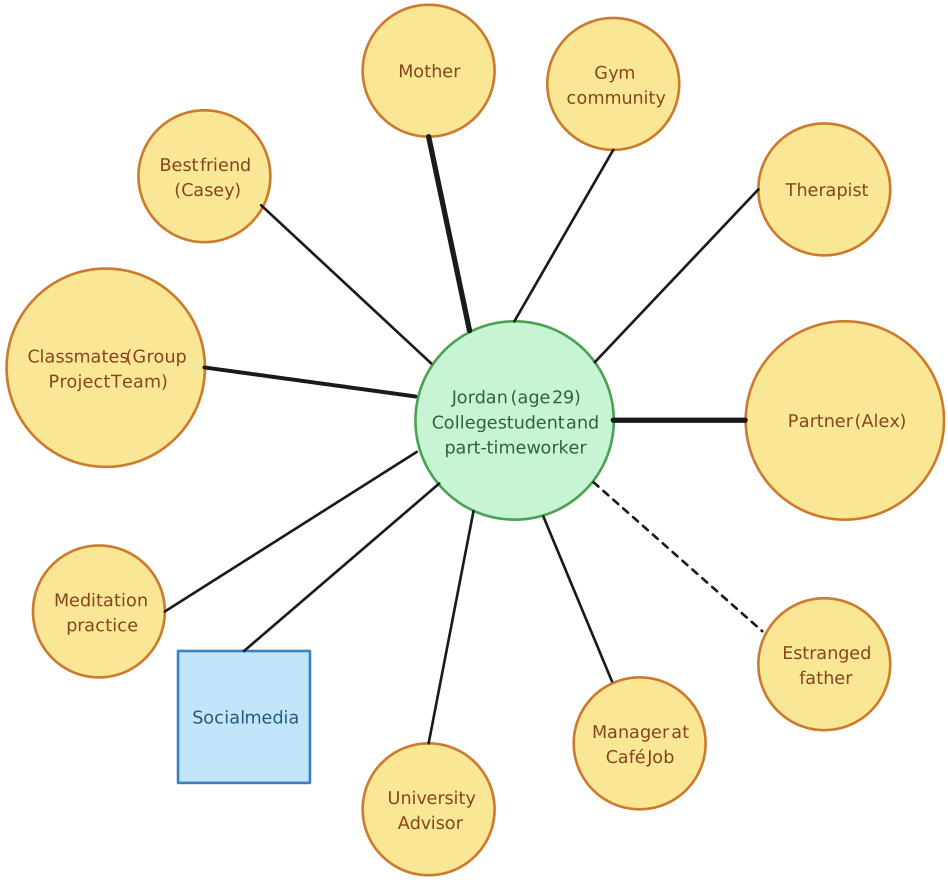

2. Social Work Ecomap Example
A broader version of the ecomap used in social work practice. It highlights how individuals or families interact with social services, healthcare providers, schools, and other key parts of their world.
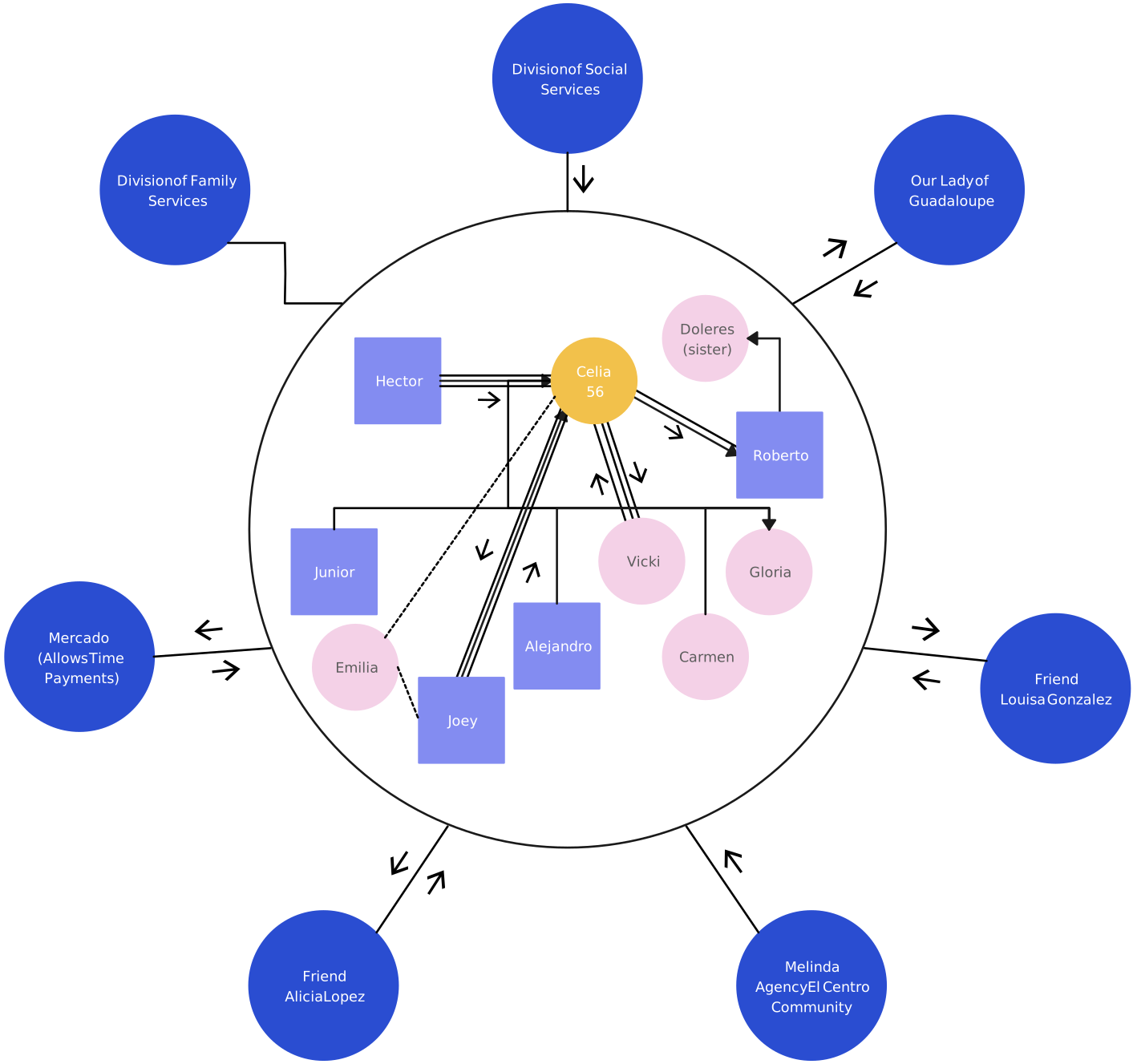
3. Self-Care Ecomap Example
A self-care ecomap shows the resources and strategies an individual uses to support their physical, emotional, and mental well-being. It includes relationships with healthcare providers, therapists, support groups, hobbies, and personal routines that contribute to self-care.

4. Family Ecomap Example
A family ecomap paints a picture of the family unit, including strong bonds, conflicts, and outside influences like extended family, community groups, and service providers. It helps explain how a family works together and where they face challenges.
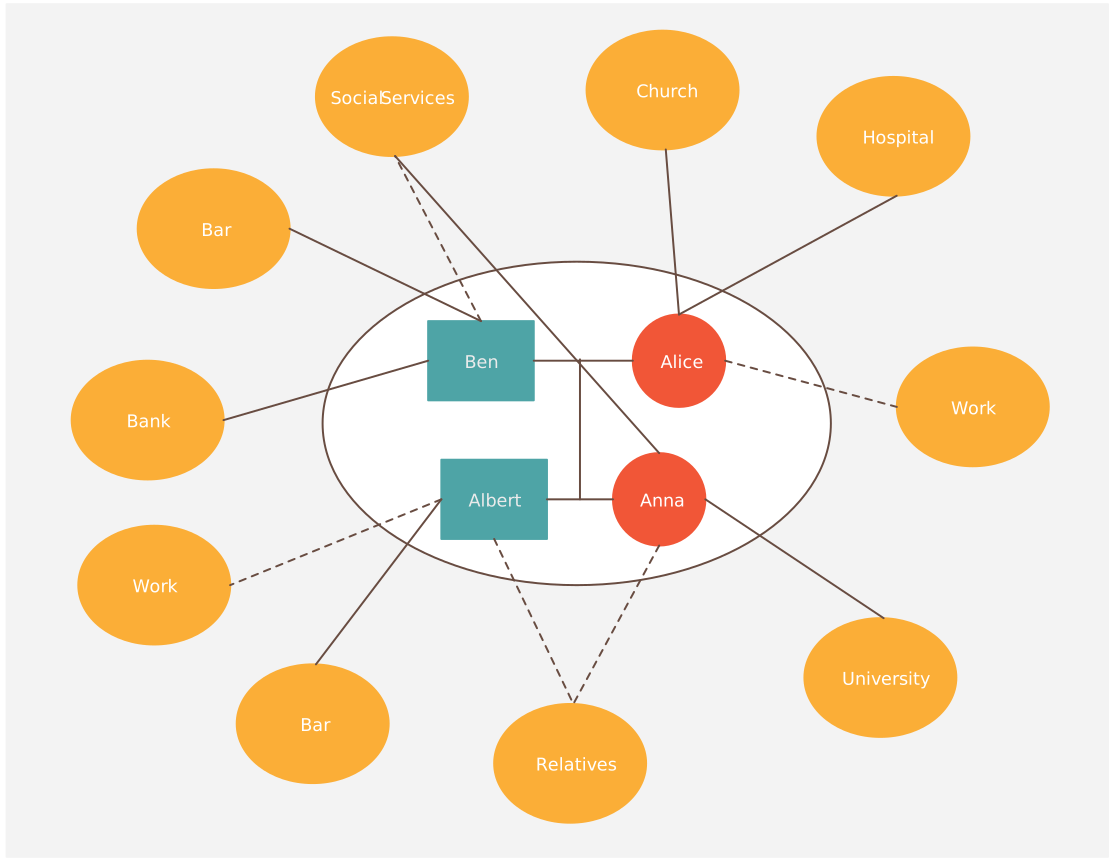
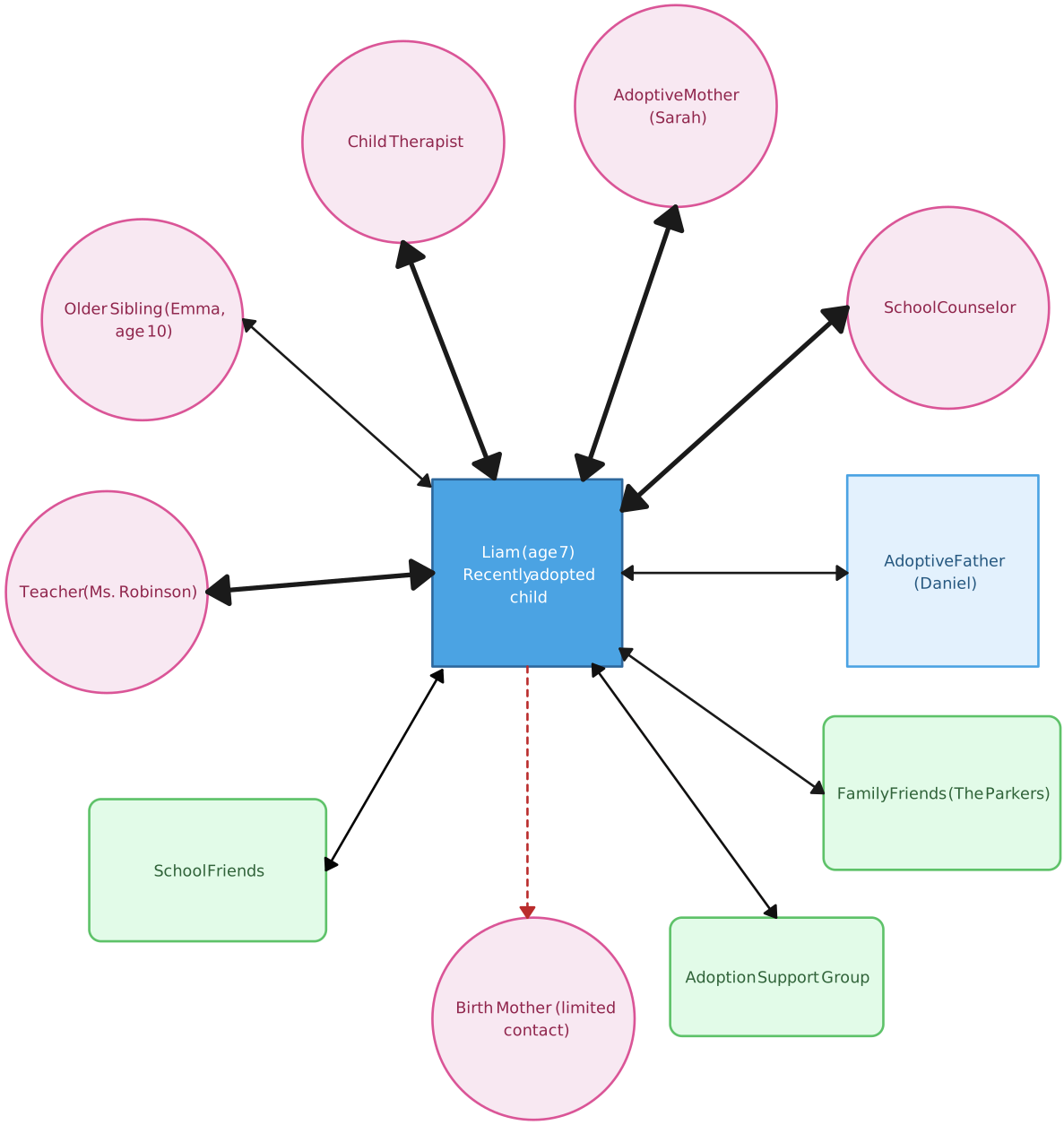
5. Adoption Ecomap Example
An adoption ecomap illustrates the connections and relationships in an adopted child’s life, including the adoptive family, birth family (if applicable), adoption agency, and any support networks like counselors or social workers.
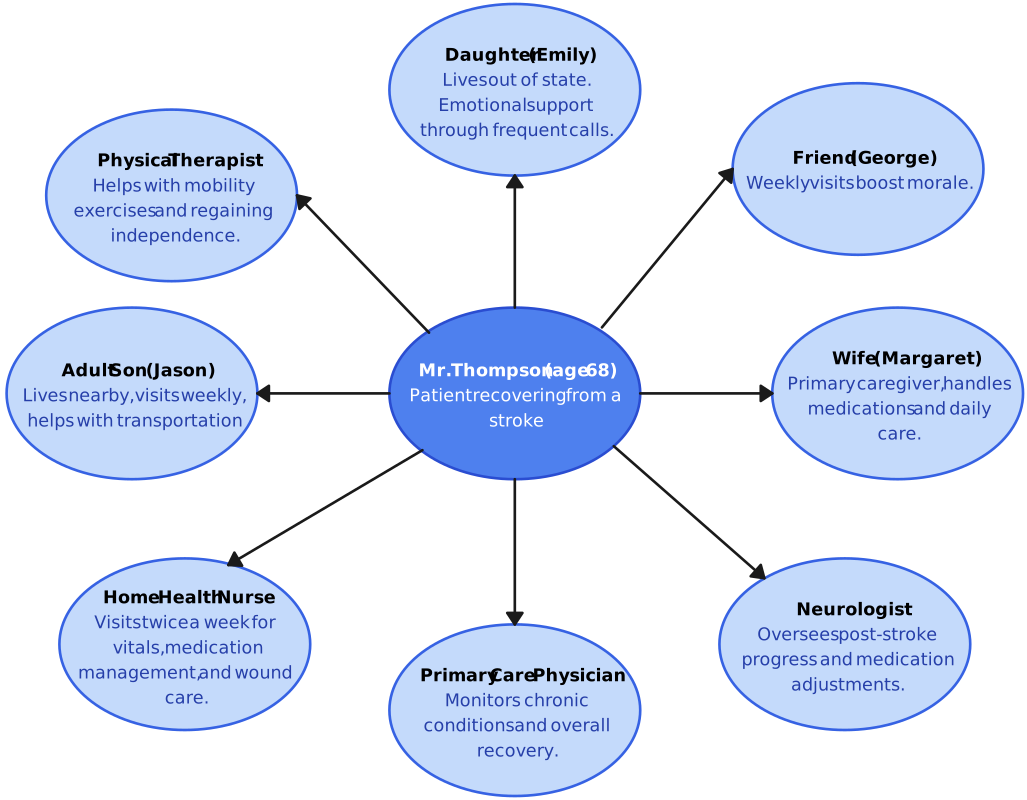
6. Ecomap Example for Nursing
An ecomap for nursing focuses on a patient’s network of care. It includes relationships with nurses, doctors, family caregivers, and other healthcare professionals, along with support systems like community health organizations or home care services.
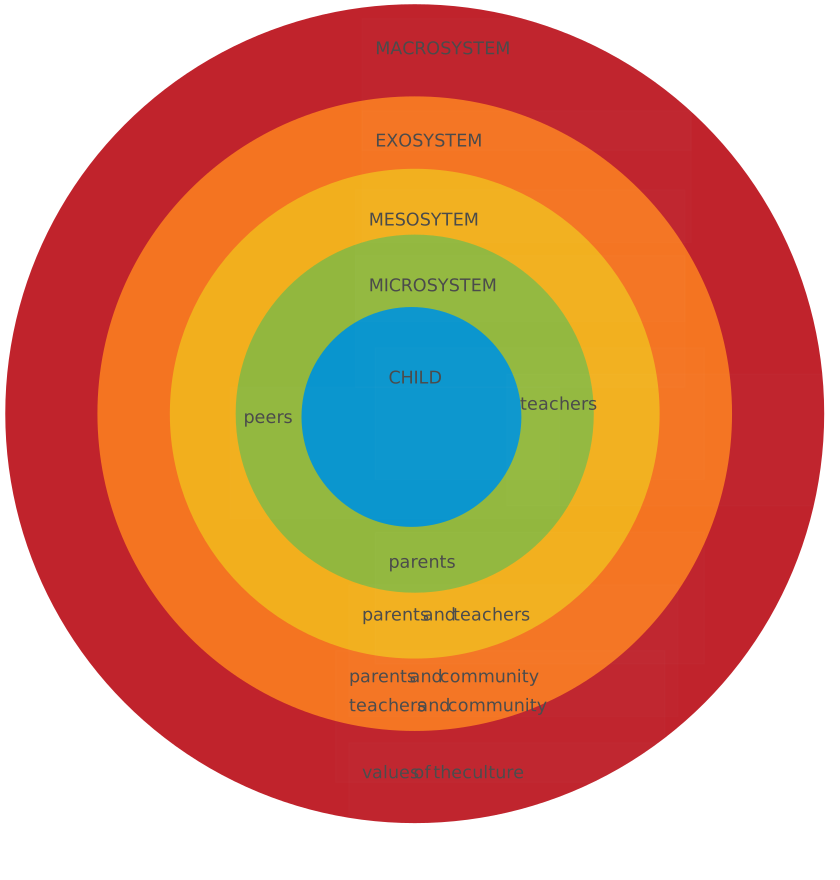
7. Bronfenbrenner Ecomap Example
Based on Bronfenbrenner’s ecological systems theory, this ecomap illustrates how a person is affected by different layers of their environment, from immediate relationships (family, friends) to broader societal influences (community, culture, policy). It visually maps the various systems that influence a person’s development, highlighting how each level — from micro to macro — interacts and impacts their life.
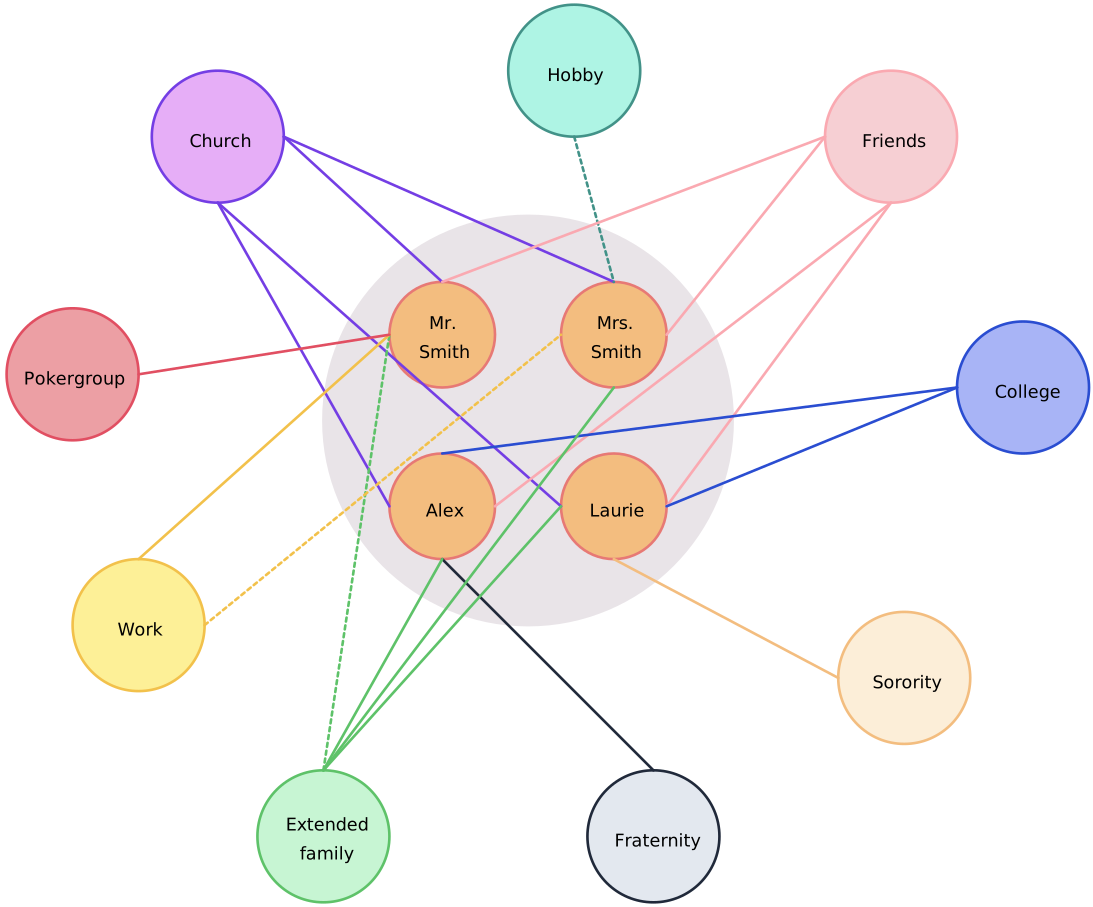
8. Ecomap Family Assessment
Family assessment ecomaps are used during intake or evaluation. They offer a clear view of a family’s support system, including strong bonds, stress points, and missing connections, to help plan appropriate interventions and support.
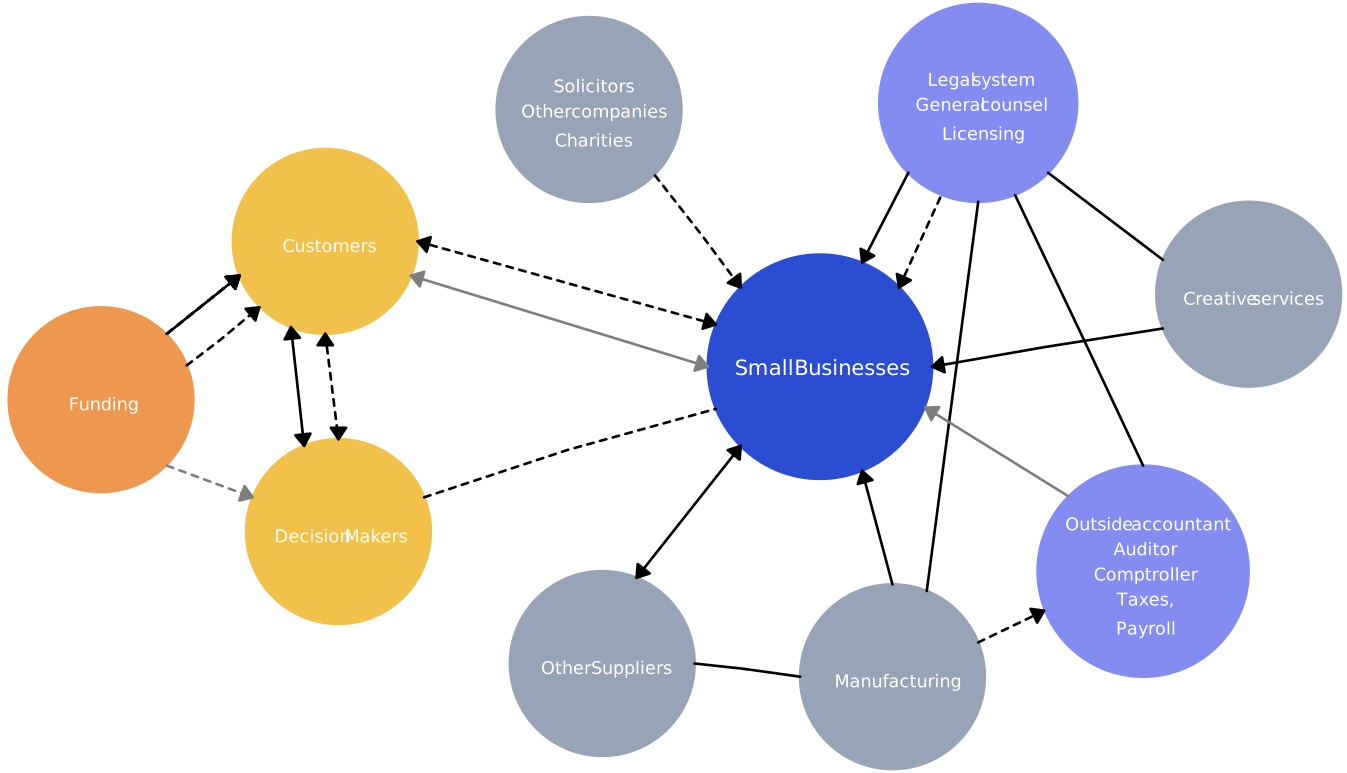
9. Organizational Ecomap Example
An organizational ecomap visualizes how a business, nonprofit, or agency connects internally (with staff and teams) and externally (with clients, partners, and the community). It helps spot strengths and areas for better collaboration.
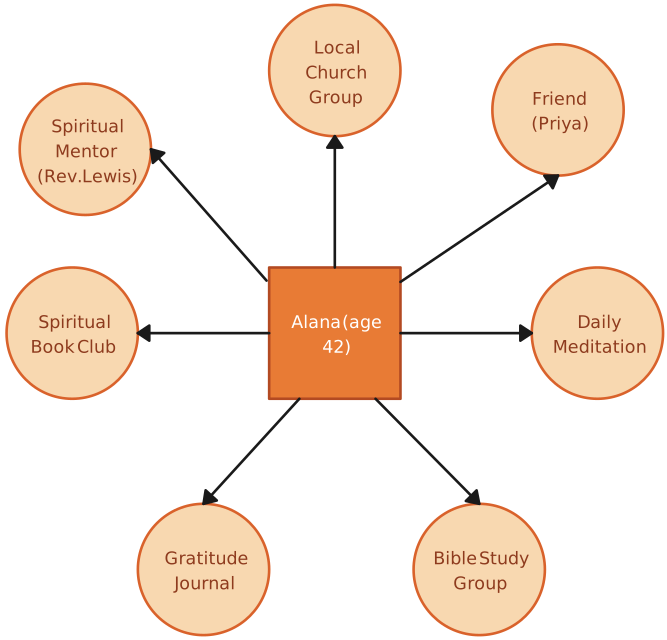
10. Spiritual Ecomap Example
A spiritual ecomap maps out the connections between an individual and their spiritual or religious community. It highlights relationships with spiritual leaders, community members, faith-based organizations, and personal practices like prayer or meditation.
How to Choose the Right Ecomap Example
The best ecomap example depends on the question you are trying to answer. A personal or family ecomap can help with case assessment, while a nursing, school, or organizational ecomap may be better for coordination, care planning, or systems review.
Use these examples as starting points rather than fixed templates. Once you identify the right structure, you can adapt the people, services, labels, and relationship lines to reflect the real support system in front of you.
References
Saragosa, M., Singh, H., Gray, C.S., Tang, T., Orchanian-Cheff, A. and Nelson, M.L.A. (2023). Use of eco-mapping in health services research: a scoping review protocol. BMJ Open, [online] 13(5), p.e072588. doi:https://doi.org/10.1136/bmjopen-2023-072588.
Bennett, J. and Grant, N.S. (2016). Using an Ecomap as a Tool for Qualitative Data Collection in Organizations. New Horizons in Adult Education and Human Resource Development, 28(2), pp.1–13. doi:https://doi.org/10.1002/nha3.20134.
FAQs About Ecomap Examples
Where can I find editable ecomap examples or templates?
Can I create ecomap examples easily with Creately?
Can I collaborate with others on ecomap examples in Creately?
How do I customize connections in my Creately ecomap examples?
Is it possible to attach notes or documents to my ecomap examples in Creately?
Can I present ecomap examples using Creately?