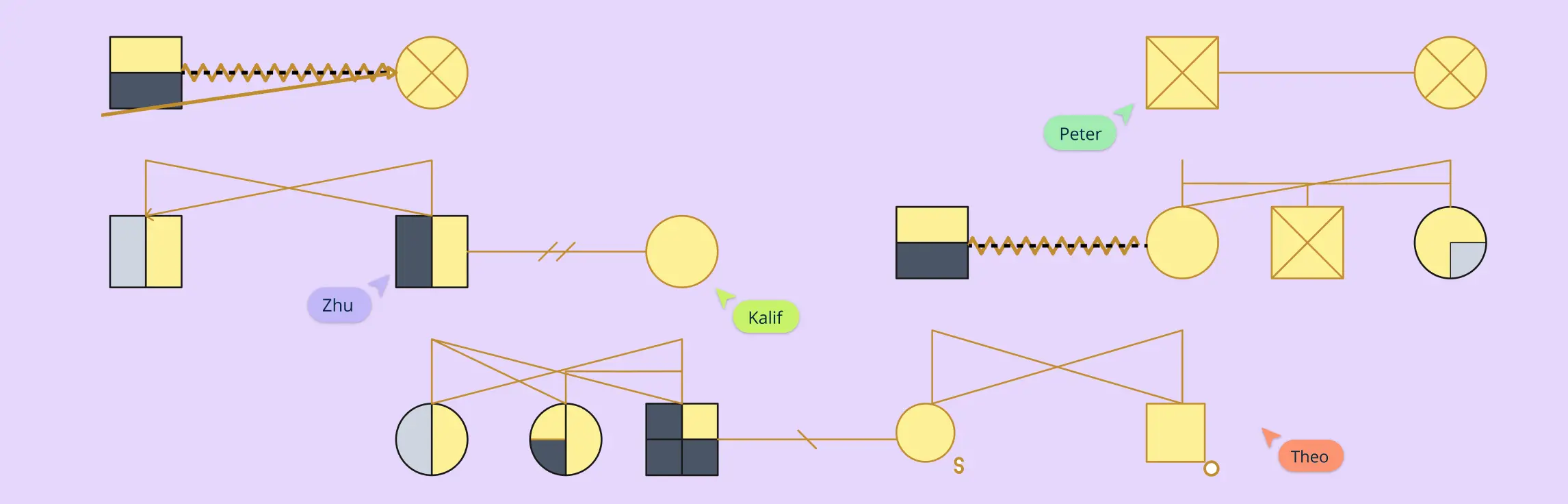
A genogram in psychology is more than a family tree—it’s a visual tool for therapists, counselors, and mental health professionals to explore emotional patterns and relationships. This guide explains how to create a genogram psychology step-by-step, its benefits in therapy, and why Creately is ideal for accurate professional psychology genograms with free real world examples.
What Is a Genogram in Psychology?
In psychology, a genogram is a visual representation of a person’s family relationships and medical history, extending beyond a simple family tree to include emotional and social dynamics across multiple generations. It’s a tool used by therapists, counselors, and other mental health professionals to understand patterns in family interactions, identify potential psychological or medical predispositions, and guide treatment.
Uses of a Genogram in Psychology
A psychology genogram helps therapists, counselors, and educators understand a person’s emotions and family patterns. Here are some common uses of a genogram in psychology:
1. Couples and Family Therapy
In therapeutic sessions, a psychology genogram helps couples and families see repeating issues like communication problems or emotional distance. This clear picture makes it easier to understand each other and build healthier relationships.
2. Psychological Assessment
Mental health professionals use a well-constructed genogram psychology example to spot patterns like behavior habits or emotional triggers passed through generations. This helps them create better treatment plans by understanding what someone might have inherited emotionally or mentally.
3. Counseling Diverse Family Dynamics
In psychology, genograms now include inclusive genogram symbols to reflect modern family dynamics like blended families or same-sex parents. This makes therapy more accurate and meaningful for all types of families.
4. Educational and School Counseling
In academic settings, school counselors use a detailed psychology genogram to understand a student’s family life and any stress affecting their behavior or learning. In school-based interventions, it helps uncover patterns like emotional withdrawal or family pressure, so counselors can design more effective, individualized intervention plans.
5. Family Reconnections
In a therapy session, a genogram in psychology can be used to map out emotional estrangement across three generations. By identifying patterns of disconnection, the family or the index person can open discussions that ultimately can lead to reconciliation and a meaningful reunion.
6. Counseling Trauma Survivors
Genograms are instrumental in tracing generational trauma. A psychology genogram can reveal cycles of hardship and resilience, allowing the therapist to reframe their narrative around strength and recovery. This empowers the individual to embrace healing through a broader, compassionate perspective.
Examples of Genograms in Psychology
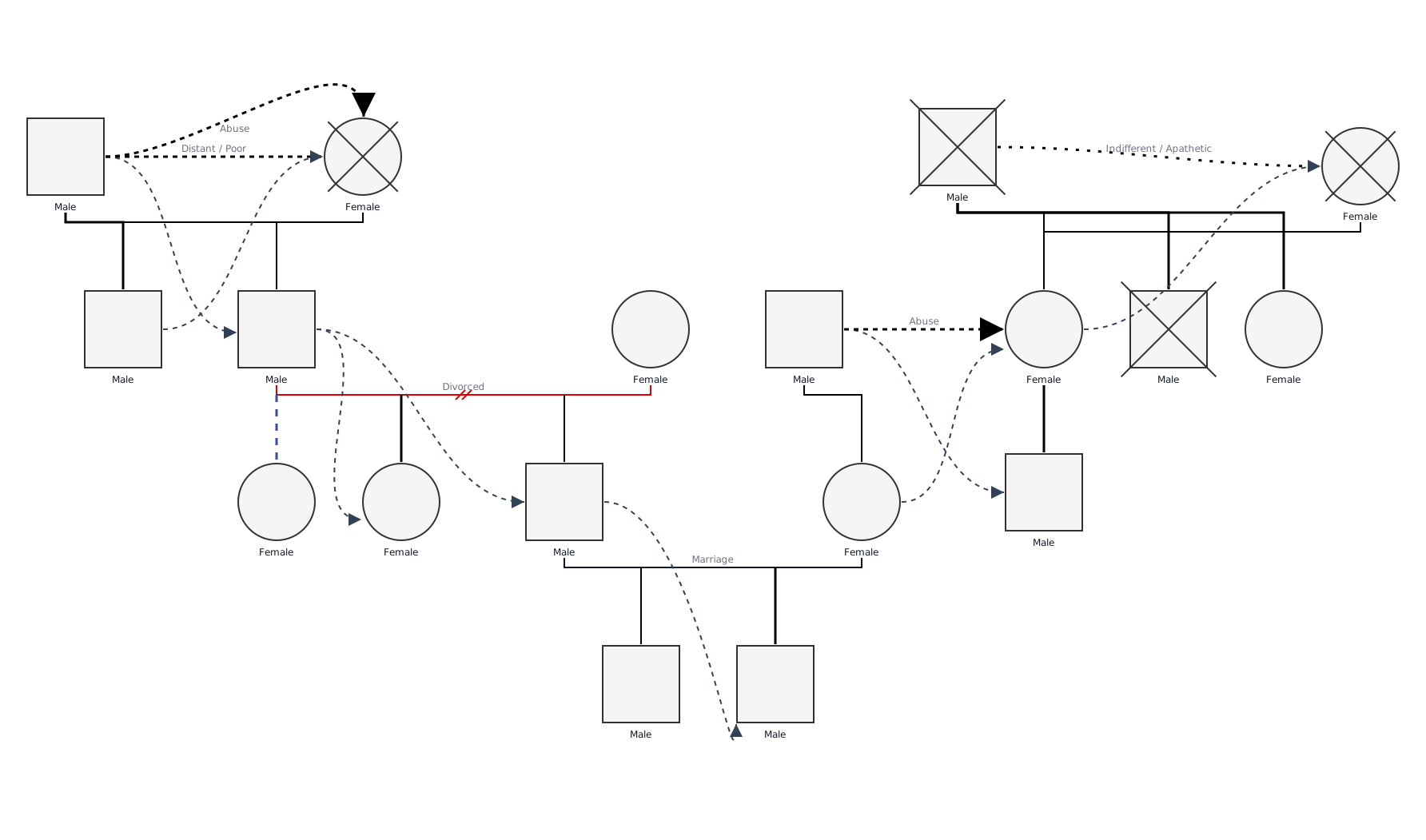
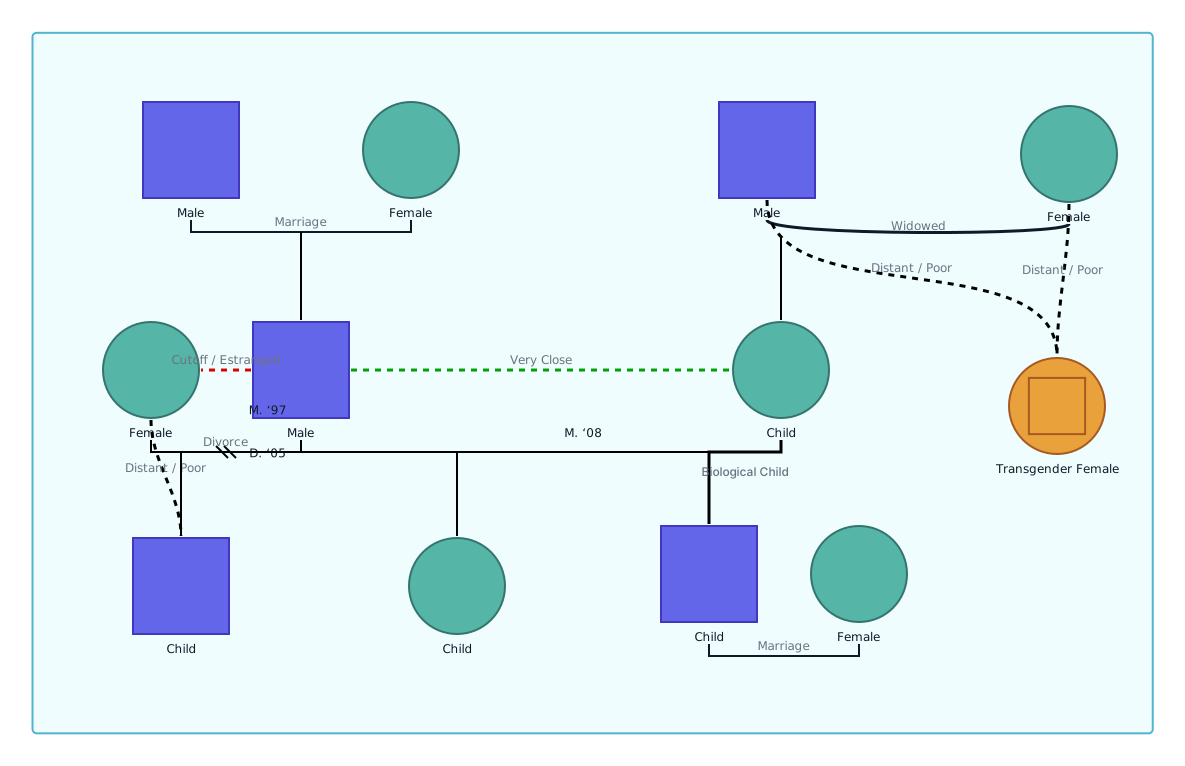
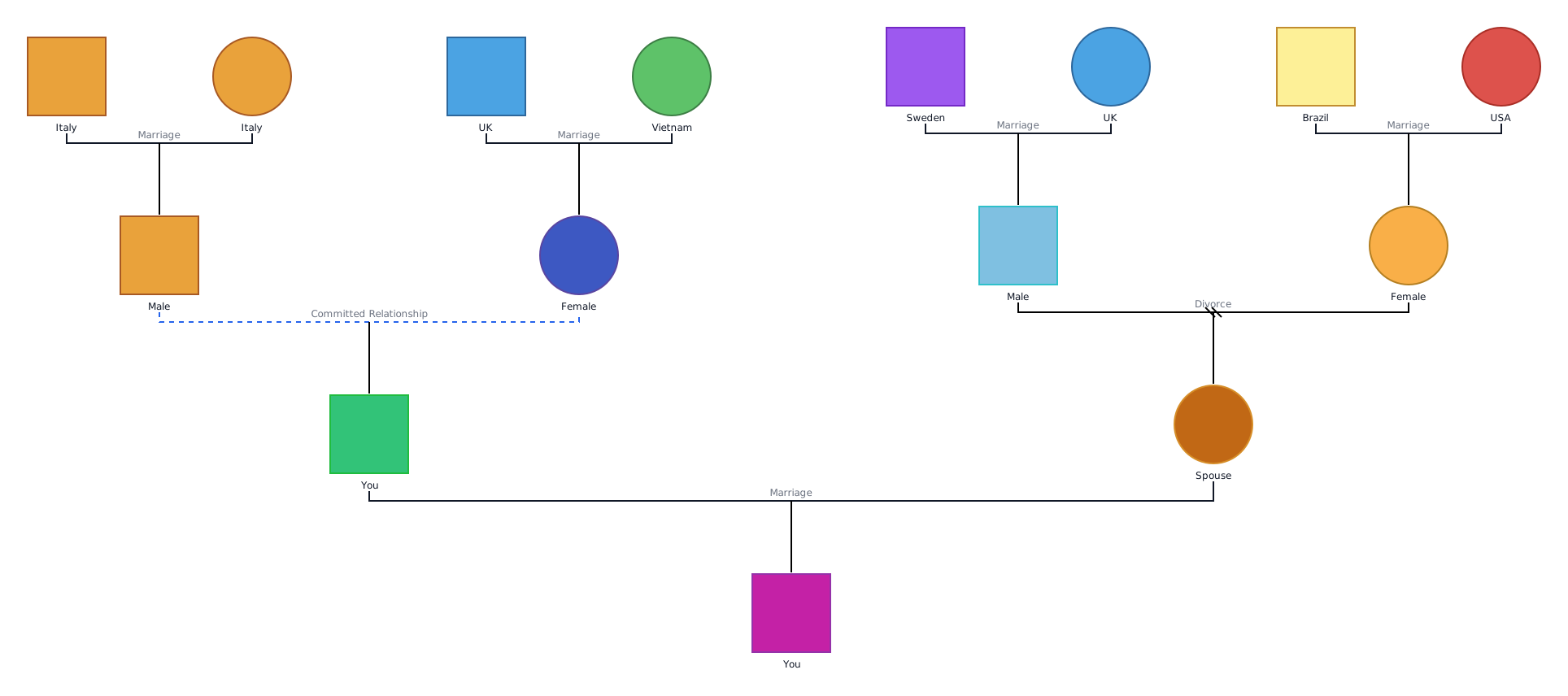
With ready-to-use templates, it’s easier to understand family and emotional patterns. These curated examples of genograms in psychology show how they’re used in real-world psychological settings like family therapy, trauma assessment, school counseling, and more.
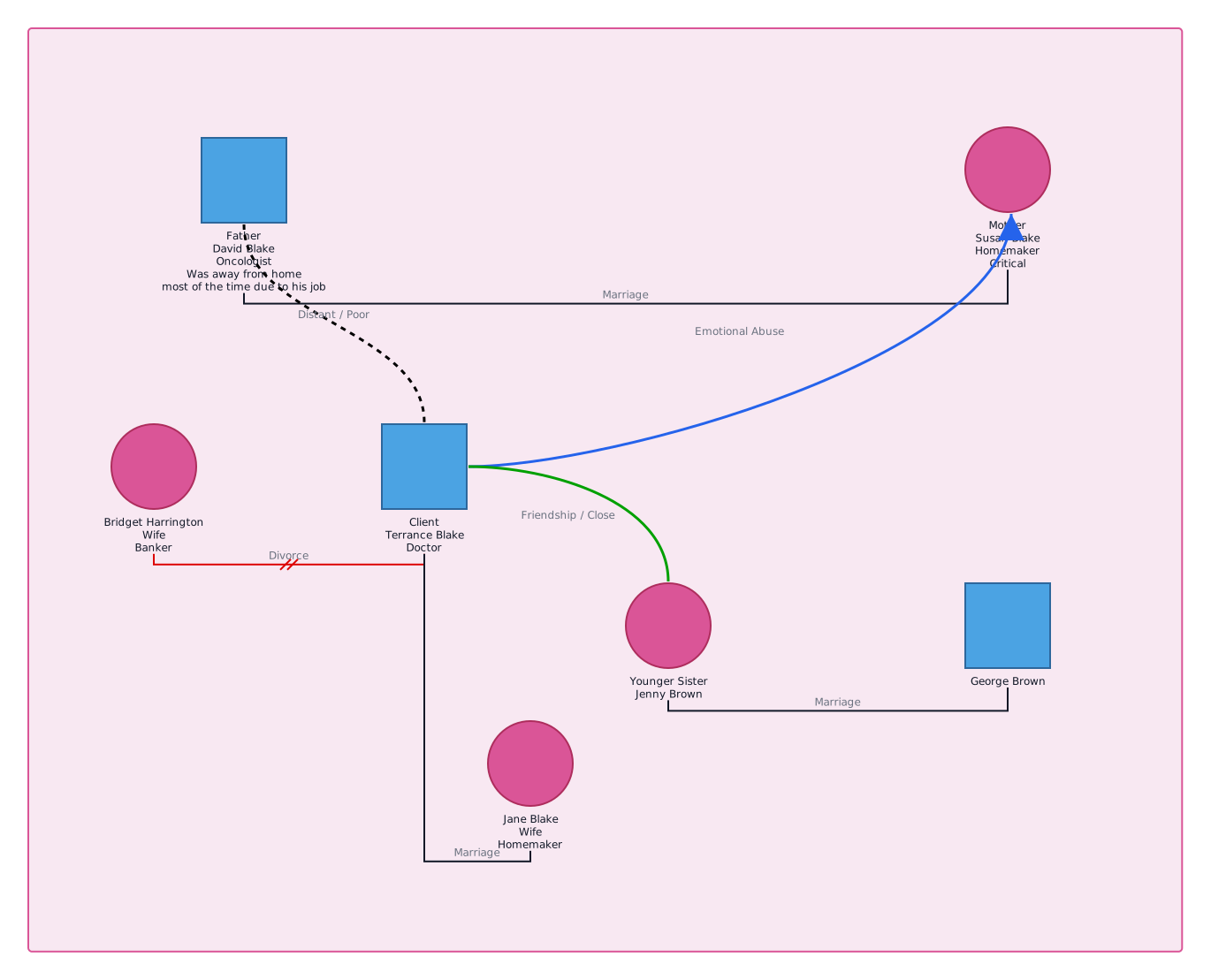


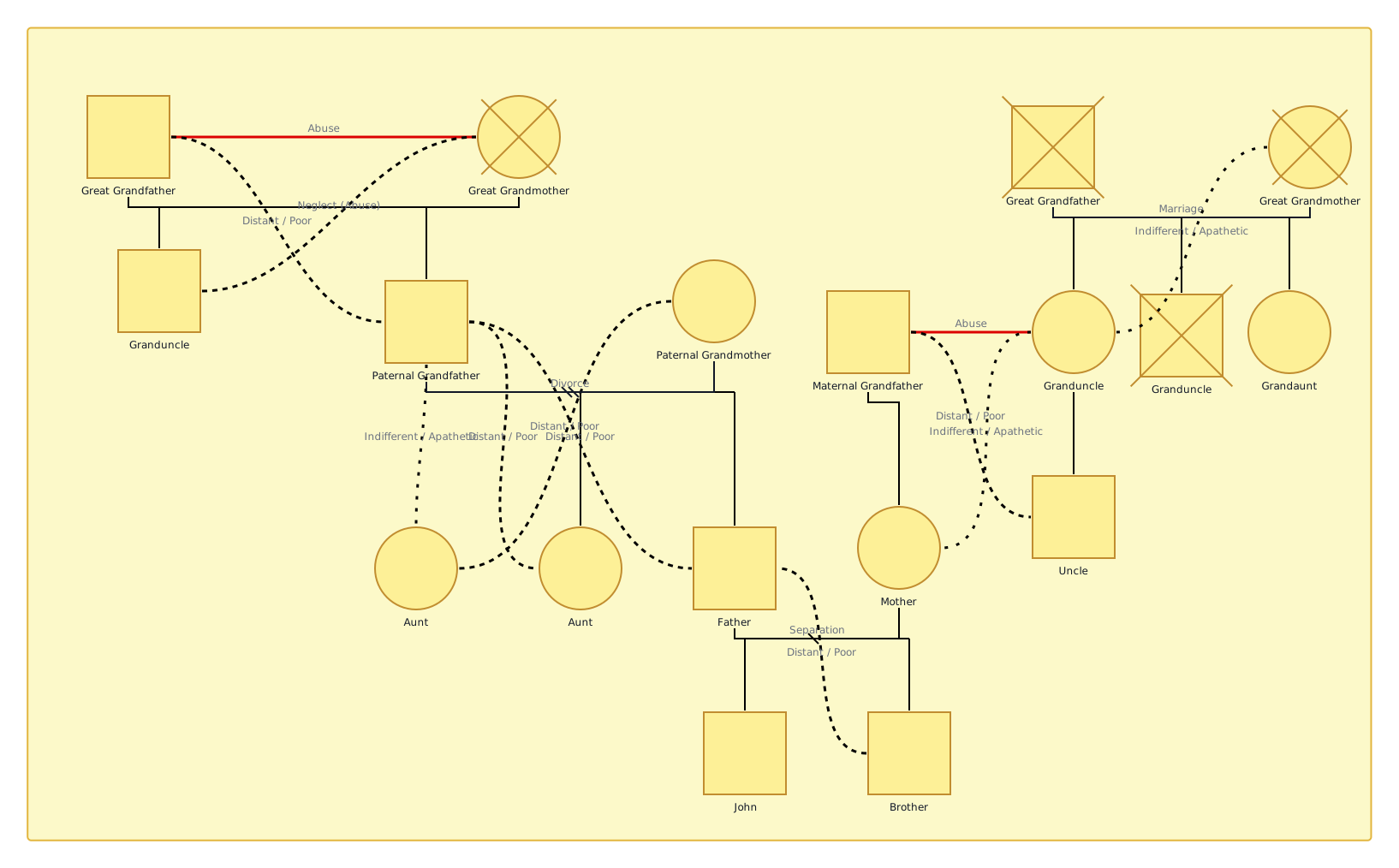
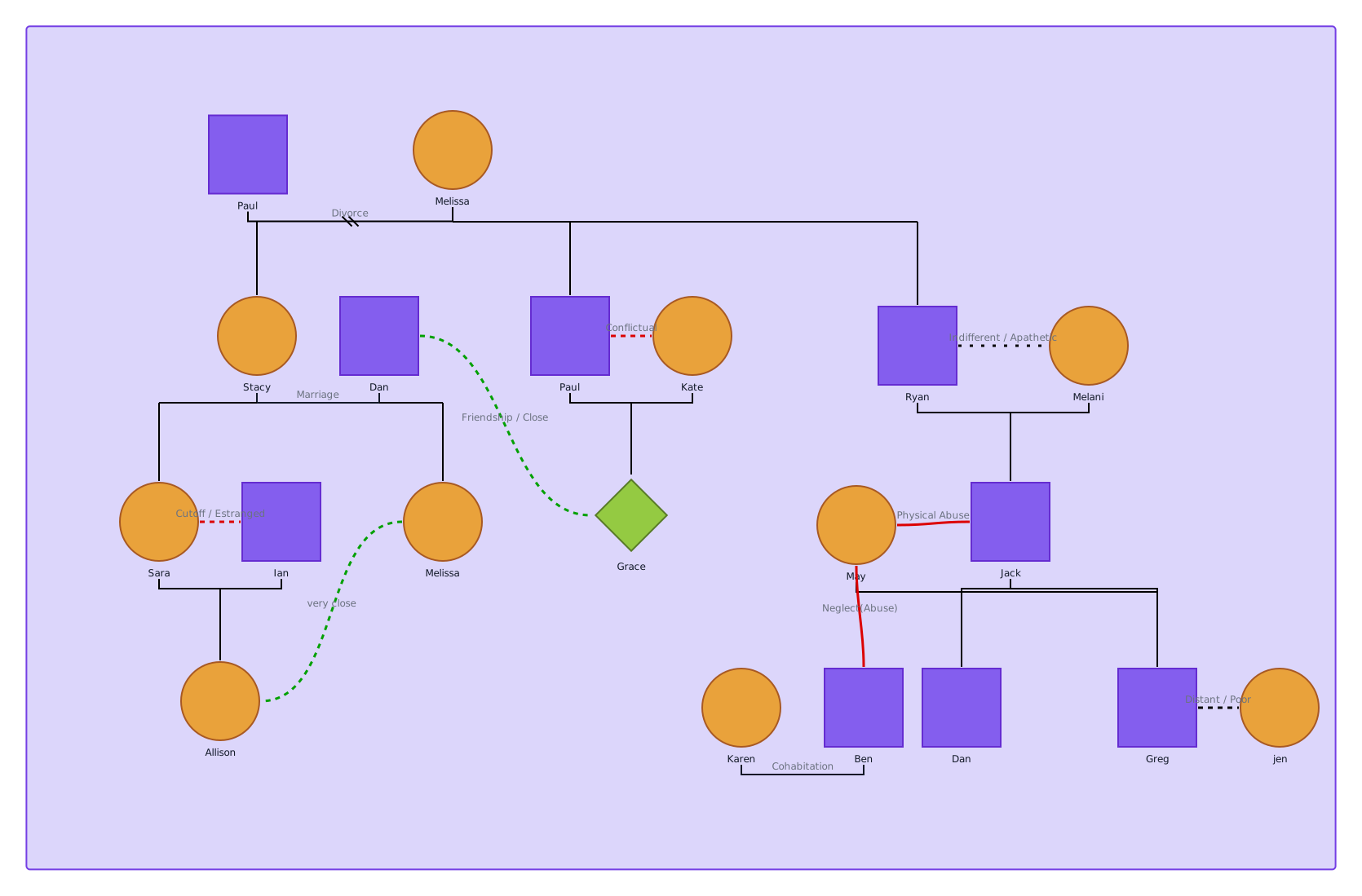
How to Create a Genogram in Psychology: Step-by-Step Guide
Creating a genogram in psychology involves more than just drawing a family tree—it requires careful observation, accurate use of standardized symbols, and attention to emotional and psychological relationships. Whether you’re a therapist, counselor, or student, the following steps will guide you through building an effective genogram.
Step 1: Define the Purpose
Before starting, clarify why you’re creating the genogram. Are you exploring generational trauma, emotional relationships, or behavioral patterns? The goal will determine the depth and focus of your psychology genogram.
Step 2: Gather Family Information
Collect detailed information across at least three generations. This includes:
- Full names, ages, and birth/death dates
- Marriages, divorces, separations
- Sibling order
- Medical or psychological conditions
- Key life events (e.g., abuse, loss, addiction)
Where possible, conduct interviews or use case files to capture both factual and emotional data.
Step 3: Use Standard Genogram Symbols in Psychology
Apply genogram symbols in psychology to represent family members and relationships. Use:
- Squares for males, circles for females
- Horizontal lines to indicate marriages or partnerships
- Vertical lines for children
- Dotted, jagged, or double lines to show emotional ties like conflict, closeness, or estrangement
- Additional symbols to represent abuse, addiction, mental illness, or trauma
Using consistent symbols ensures clarity and professional accuracy.
Step 4: Map Emotional and Psychological Relationships
Go beyond surface-level connections by identifying emotional bonds and psychological patterns. Highlight elements like:
- Enmeshment or emotional cutoffs
- Repeating behavioral traits (e.g., anger, anxiety)
- Attachment styles or roles (e.g., caretaker, scapegoat)
This step transforms a basic family tree into a true genogram in psychology, offering insight into how these dynamics affect the individual today.
Step 5: Analyze Patterns
Review the full genogram to identify recurring themes or psychological trends. Look for:
- Multi-generational trauma
- Repetitive relationship issues
- Emotional distances or alliances
- Inherited coping mechanisms
This analysis forms the foundation for therapeutic conversations and treatment strategies.
Step 6: Document and Discuss
Once completed, the psychotherapy genogram becomes a collaborative tool. Use it during therapy sessions to open dialogue, reflect on personal history, and create actionable goals for healing or growth.
Step 7: Update as Needed
A genogram is a living document. As new information surfaces—especially in ongoing therapy—update it to reflect changes in relationships, roles, or understanding.
Why Use Creately to Create a Genogram in Psychology?
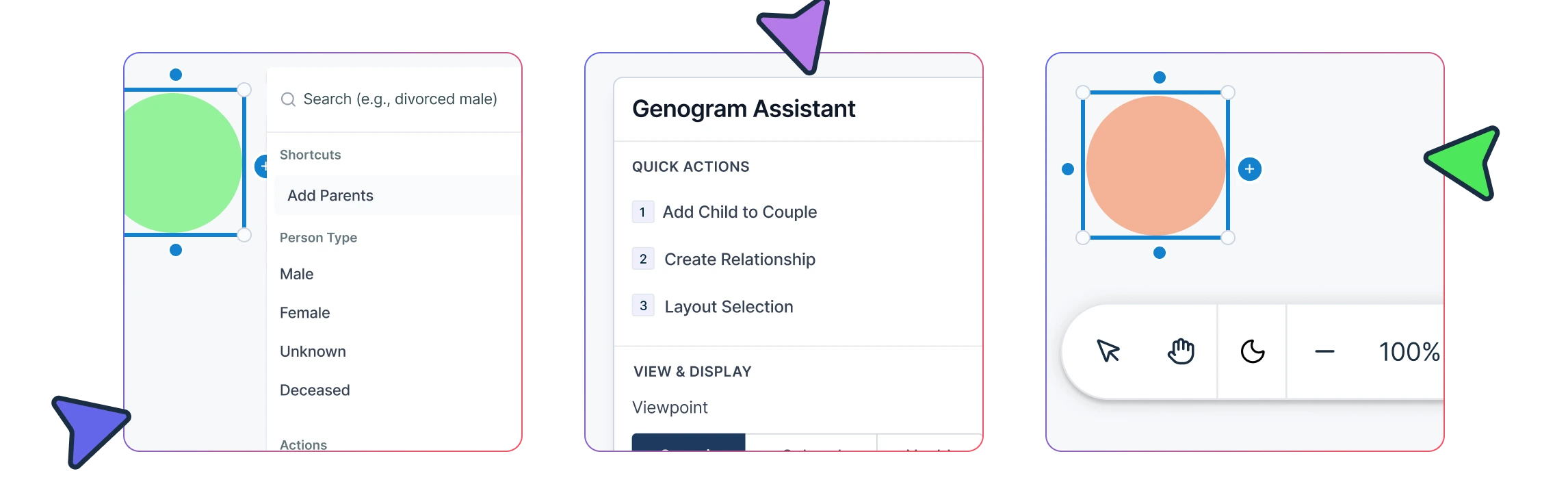
Creating a genogram in psychology is easier with Creately because it combines AI-powered generation, clinical genogram notation, structured fields, and collaboration in one workspace. Instead of manually drawing every family member and relationship, therapists, counselors, educators, and psychology students can create, analyze, update, and share psychology genograms more efficiently.
Generate a Psychology Genogram With AI
Creately’s AI-powered text-to-genogram generation lets you turn intake notes, case summaries, or written family descriptions into a visual genogram. You can generate a first draft from text, then refine names, relationships, emotional dynamics, conditions, roles, and family patterns as the assessment develops.
Use Clinical Genogram Symbols and Relationship Types
Creately supports person shapes following McGoldrick/Gerson notation, 40+ auto-derived person shape variants, and 71 relationship subtypes across 9 categories. This helps you map marriages, separations, divorces, biological links, adoptive or foster relationships, emotional closeness, conflict, cutoff, hostility, abuse, and other psychology-relevant dynamics with greater accuracy.
Start Faster With Genogram Templates
Choose from ready-made genogram templates for family therapy, trauma exploration, relationship mapping, and multi-generational family assessment. Templates help you avoid starting from a blank canvas while still giving you the flexibility to customize the genogram for each client, case, or classroom activity.
Capture Therapy-Specific Details With Field Packs
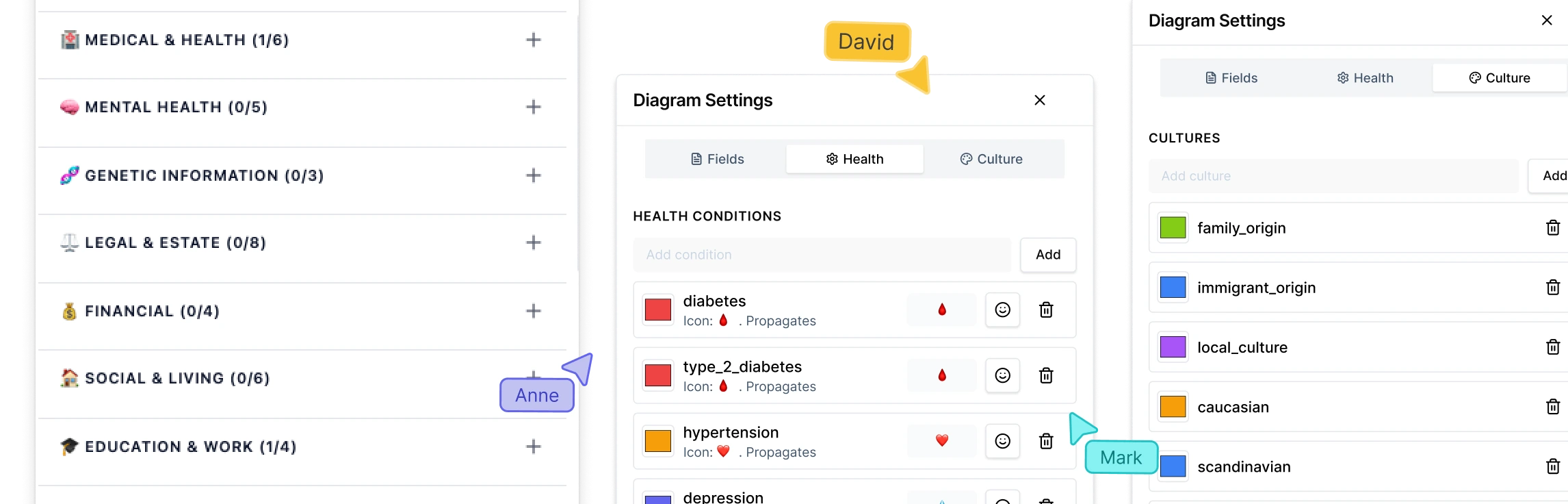
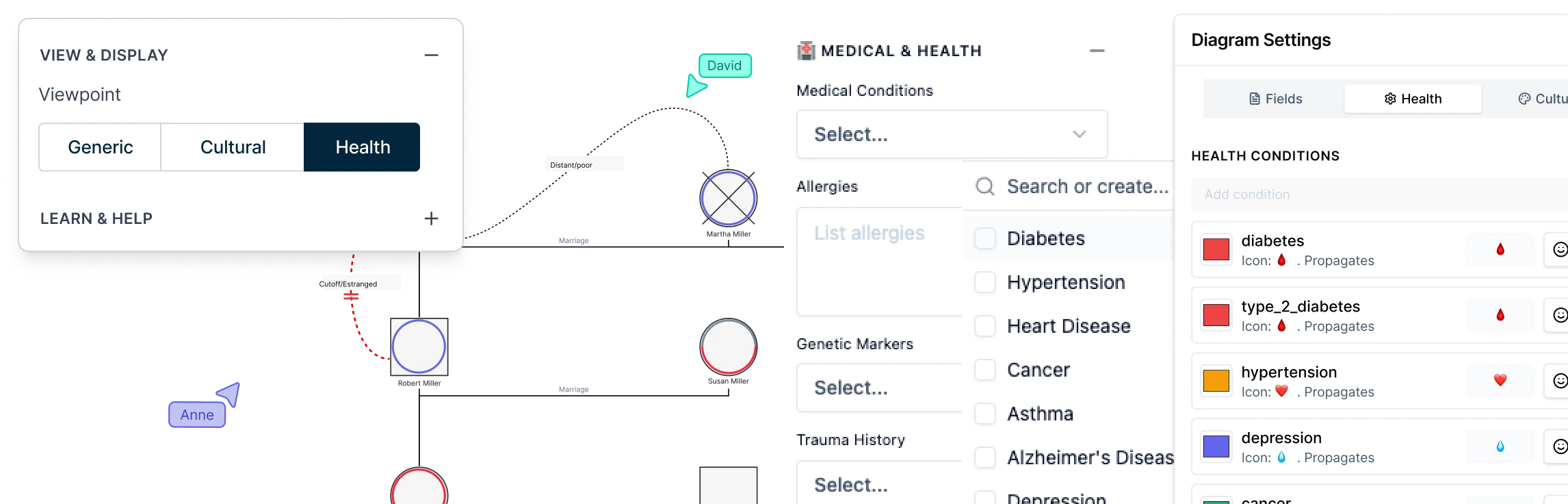
Creately’s field packs let you record structured information beyond names and relationships. For psychology use cases, you can use fields for family roles, attachment styles, trauma history, coping strategies, medical or behavioral conditions, cultural heritage, and key life events. This keeps important assessment details connected to the visual genogram.
Identify Patterns Across Generations
Creately makes it easier to visualize recurring psychological and relational patterns such as addiction, anxiety, grief, abuse, conflict, enmeshment, emotional cutoff, or caregiving roles. You can use relationship notation, labels, notes, colors, and structured fields to make these patterns easier to discuss in therapy, supervision, or case review.
Collaborate in Real Time With Role-Based Sharing
Therapists, supervisors, educators, students, and care teams can collaborate on the same genogram with comments, live cursors, and real-time updates. Role-based permissions let you control who can view, edit, moderate, or manage the workspace, which is especially useful when working with sensitive psychological or family information.
Auto-Save, Update, and Export for Documentation
Creately auto-saves your work in real time, so psychology genograms can be updated as new information emerges across sessions. When needed, export the genogram as PDF, DOCX, PNG, JPEG, SVG, or JSON for documentation, reports, presentations, classroom work, or case review.
Helpful Resources
Learn how different types of genograms can help visualize important aspects of life.
Follow essential genogram rules for accurate family mapping, including symbol use, connection guidelines, and consistent generational structure.
See practical genogram examples that illustrate family relationships, emotional ties, and patterns across generations.
Understand the key differences between a genogram and a family tree, including their purposes, structures, and the type of insights they reveal.
FAQs About Genogram in Psychology
Who can benefit from using a genogram in psychology?
Can I create a genogram in psychology without clinical training?
What are the different types of genograms in psychology?
What are the components of a psychological genogram?
Resources:
Alexander, J.H., Callaghan, J.E.M. and Fellin, L.C. (2018). Genograms in research: participants’ reflections of the genogram process. Qualitative Research in Psychology, 19(1), pp.1–21. doi:https://doi.org/10.1080/14780887.2018.1545066.
Butler, J.F. (2008). The Family Diagram and Genogram: Comparisons and Contrasts. The American Journal of Family Therapy, 36(3), pp.169–180. doi:https://doi.org/10.1080/01926180701291055.
Puhlman, D., Shigeto, A., Murillo‐Borjas, G.A., Maurya, R.K. and Vincenti, V.B. (2023). Qualitative genogram analysis: A methodology for theorizing family dynamics. Journal of Family Theory & Review, 15(2), pp.276–291. doi:https://doi.org/10.1111/jftr.12496.