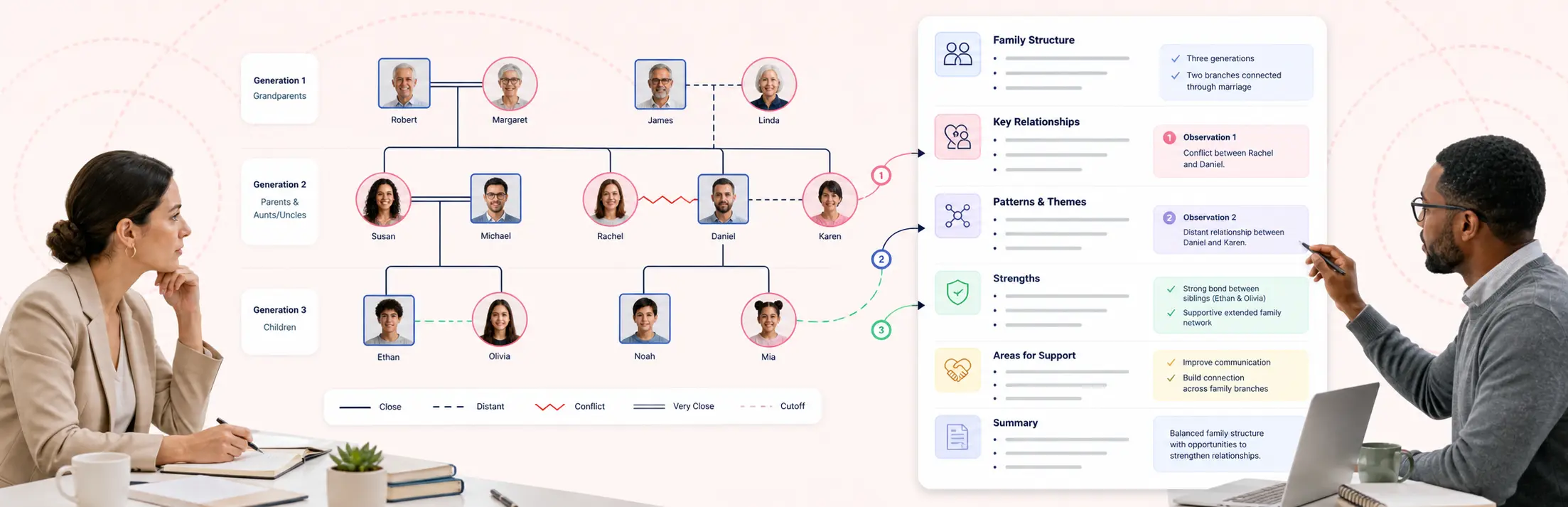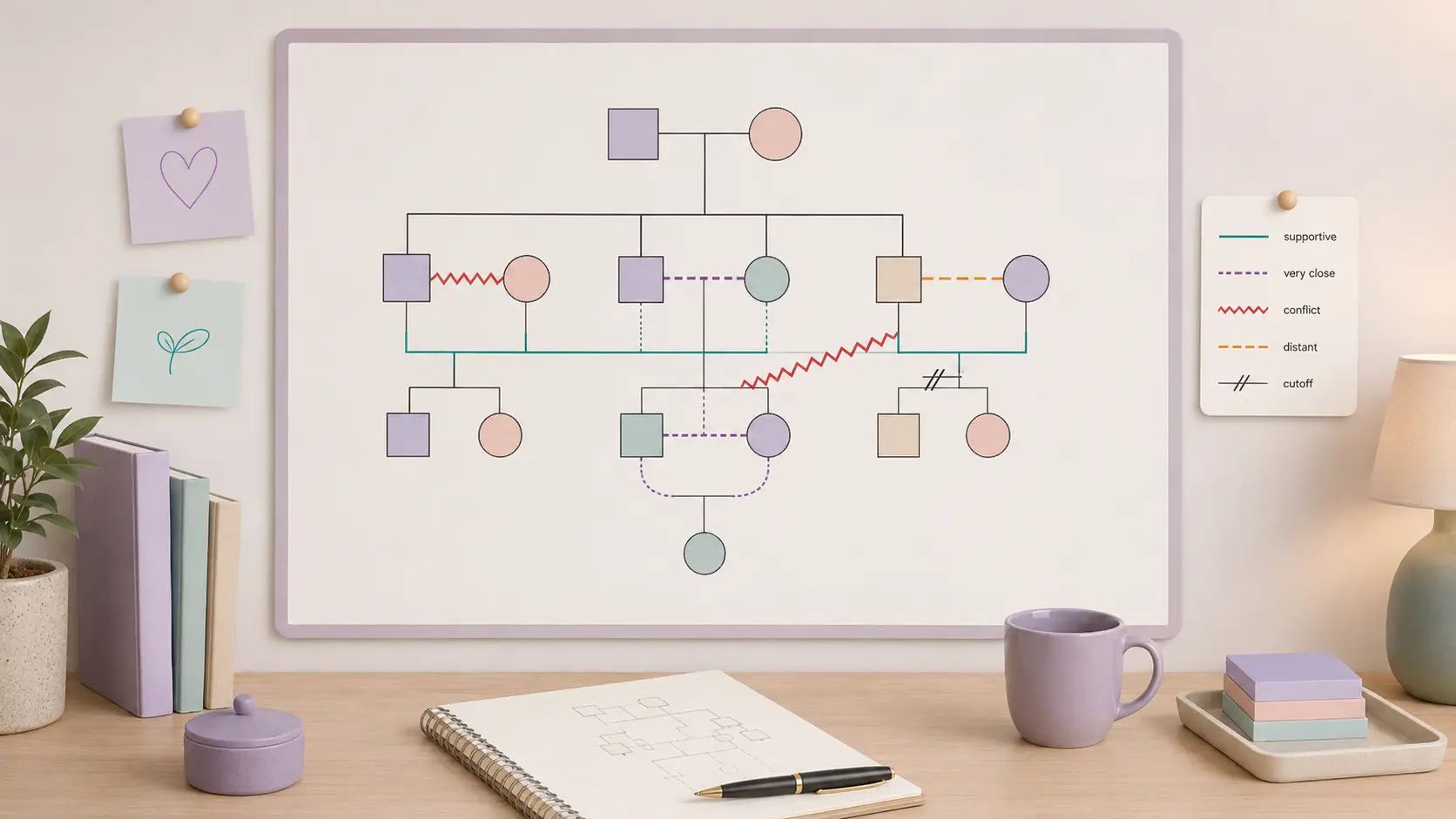
Not sure which relatives, relationships, or family patterns belong in your assignment? These genograms for psychology and counseling students show you what to include, how to structure the diagram, and which patterns to analyze. Start by choosing the example that best matches your assignment brief.
Free Genogram Templates for Psychology and Counseling Students
Before choosing a template, check how many generations your assignment requires, whether you must use your own family or a fictional case, which notation system to follow, and whether you need to submit a written analysis. Use the examples as starting points and adapt them to your rubric.
1. Three-Generation Genogram
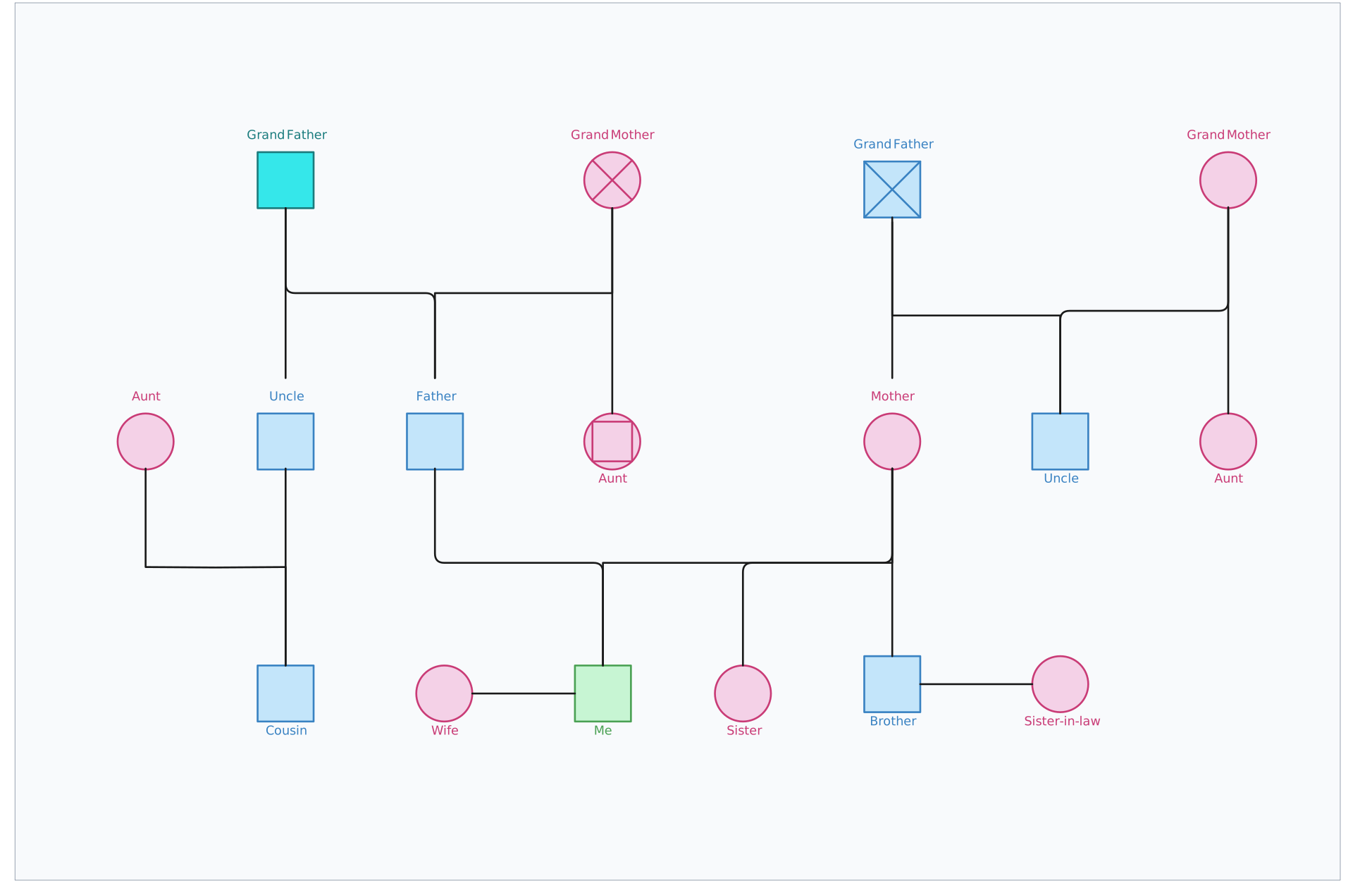

Use this example when
Your assignment asks for a general overview of a family across three generations.
Include
- The index person
- Parents or caregivers
- Siblings and partners
- Children and grandparents
- Step, adoptive, or foster relationships
- Births, deaths, marriages, separations, and divorces
Look for
- Repeated relationship changes
- Major losses or transitions
- Changes in caregiving
- Recurring family roles
- Missing or unknown family information
Creately tip
Start with the editable three-generation template or use AI text-to-genogram to turn family details into a first draft. Use the quick-add shortcuts to add relatives, then check that every person and relationship is connected correctly.
2. Family-of-Origin Genogram
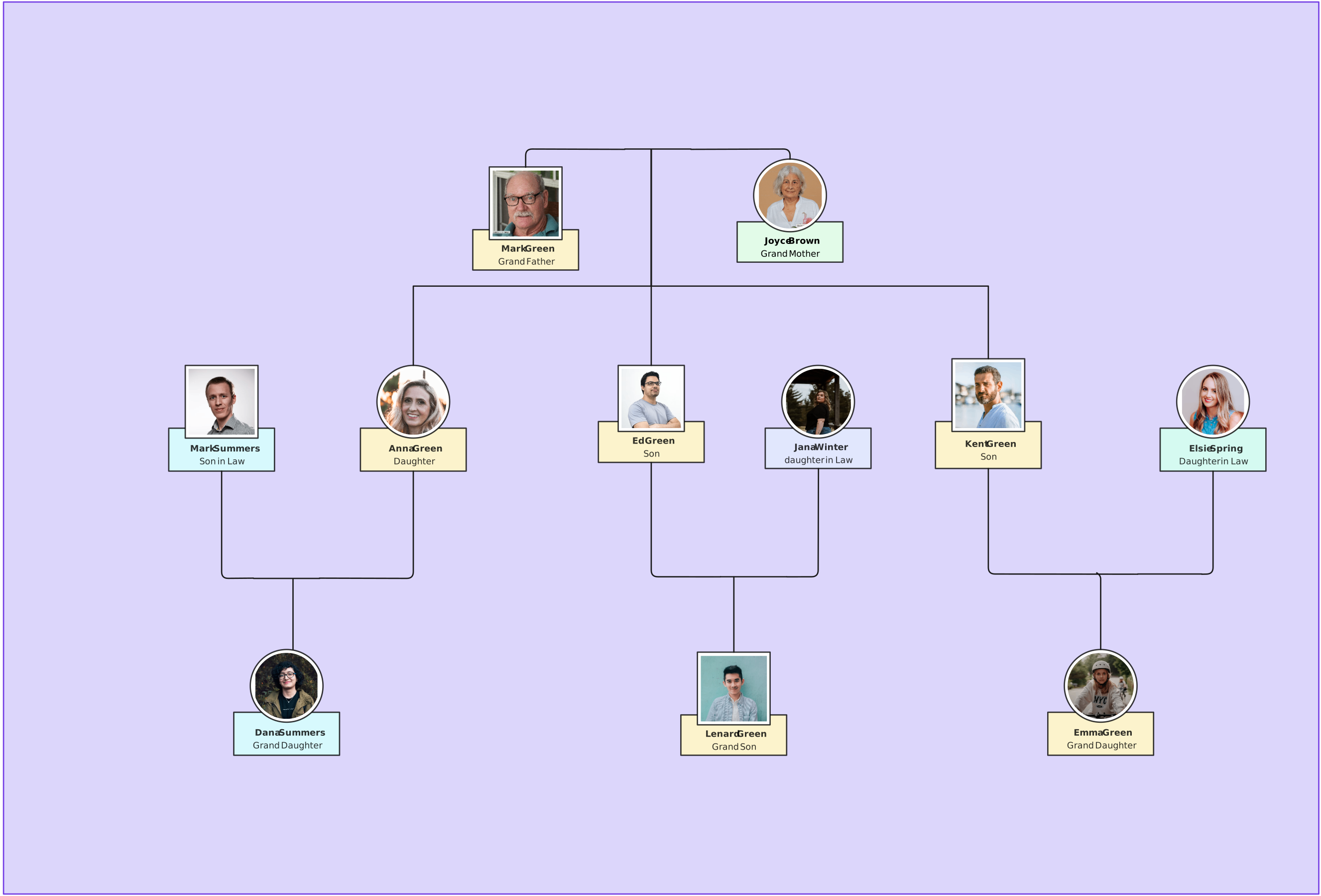
Use this example when
Your assignment explores the family environment in which you or a client grew up.
Include
- Parents and primary caregivers
- Siblings and grandparents
- Guardians or other important adults
- Household changes
- Periods of separation
- Family expectations and childhood events
Look for
- Who provided care and support
- Who made decisions
- How conflict was handled
- Roles children were expected to take
- Beliefs about success, loyalty, and responsibility
Creately tip
Activate the Family Therapy field pack to record family roles, trauma history, attachment details, and coping strategies without crowding the canvas. Use comments when a lecturer or classmate needs to review the work.
3. Bowen Family Systems Genogram
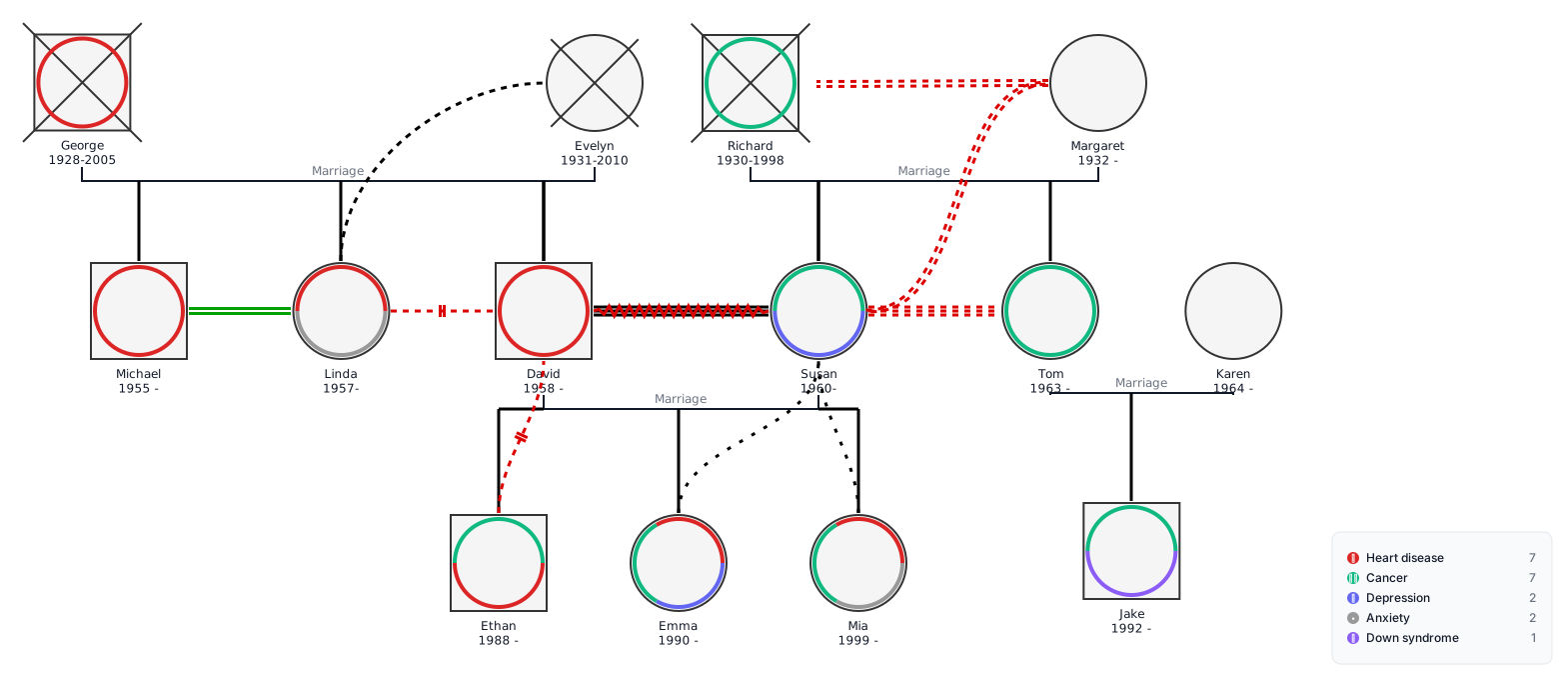
Use this example when
Your assignment asks you to apply Bowen family systems theory.
Include
- At least three generations
- Emotional triangles
- Emotional cutoff
- Fusion or enmeshment
- Sibling position
- Family projection
- Repeated patterns of stress or conflict
Look for
- Third people being drawn into conflict
- Withdrawal or cutoff during tension
- Similar patterns across generations
- Roles that repeat within the family
- Common ways of managing anxiety
Creately tip
Start with a three-generation template or one of the Tan-Miller clinical frameworks, such as the Conflict Map, Legacy Map, or Fusion Map. Use AI pattern detection to surface possible cutoffs, triangles, and repeated dynamics, then verify them against the case information.
4. Emotional Relationship Genogram
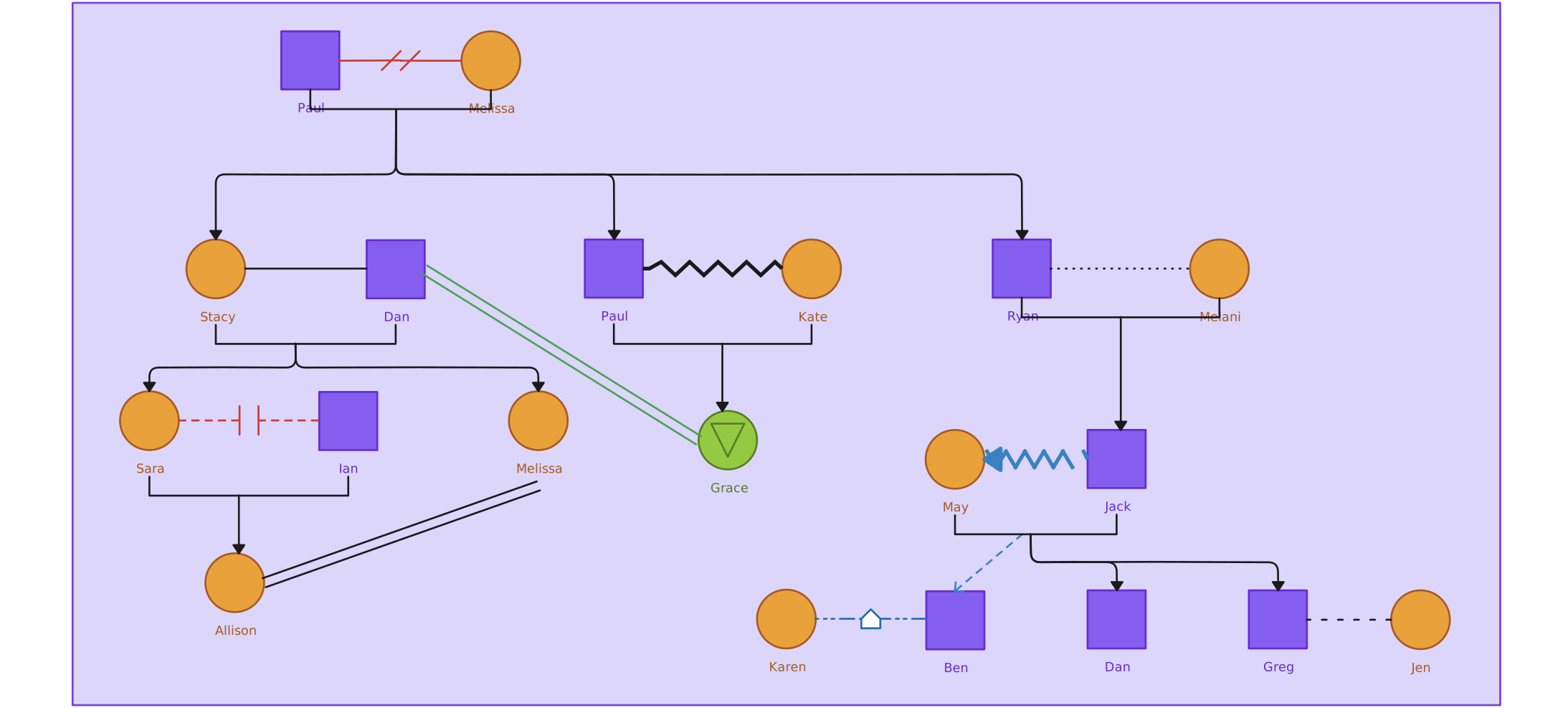
Use this example when
Your assignment focuses on closeness, conflict, support, distance, or emotional cutoff.
Include
Relationship lines for:
- Close or very close
- Fused or enmeshed
- Distant
- Conflicted
- Cut off
- Hostile or abusive, when confirmed
- Supportive
Look for
- Alliances and support systems
- Isolated family members
- Recurring conflict
- People caught between others
- Relationships that changed after major events
Creately tip
Choose from the dedicated emotional relationship types for closeness, conflict, cutoff, fusion, distance, and other dynamics. Each relationship has its own clinical line style, so use the correct connector rather than drawing custom lines.
5. Mental Health Genogram
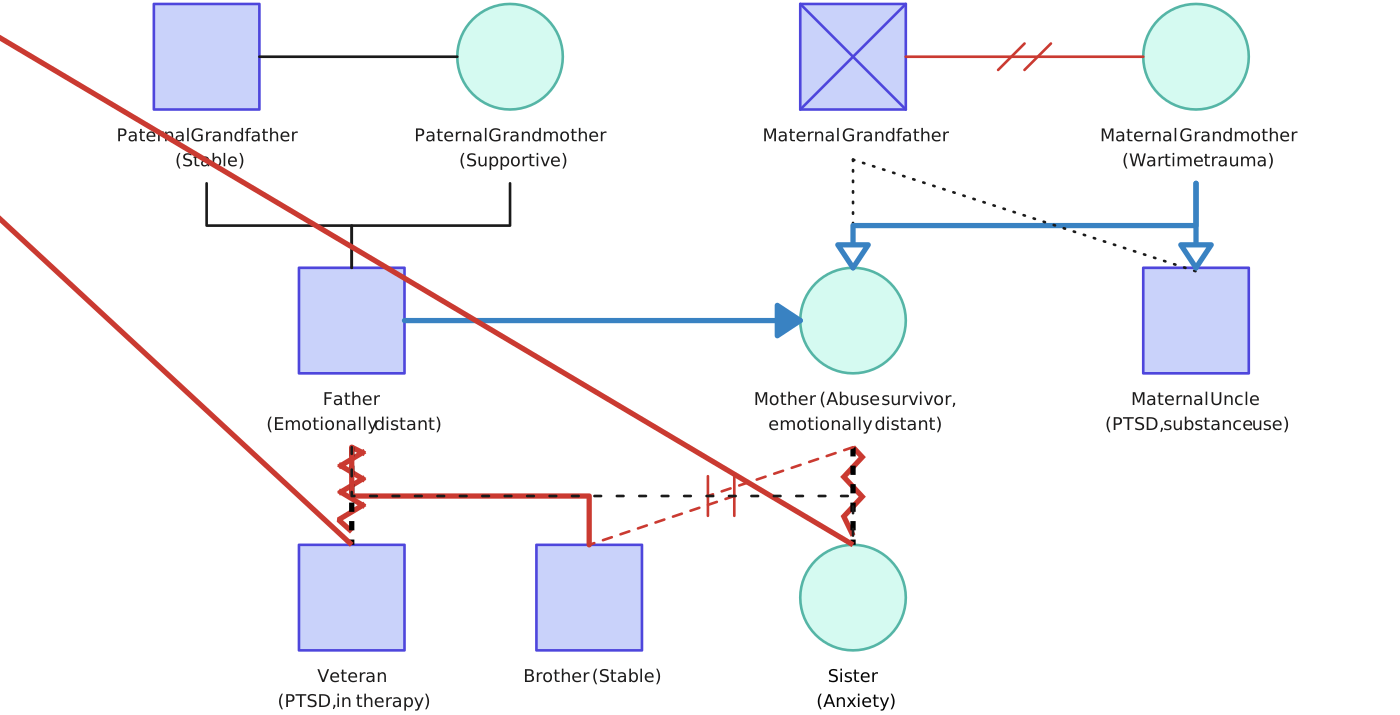
Use this example when
Your assignment examines mental health experiences, coping, treatment, or family support.
Include
- Confirmed diagnoses
- Reported symptoms or concerns
- Counseling or hospitalization
- Medication, when relevant
- Trauma exposure
- Coping methods
- Access to support or treatment
Look for
- Similar concerns across generations
- Family attitudes toward mental health
- Repeated coping strategies
- Barriers to treatment
- Supportive relationships
Creately tip
Activate the Medical & Genetic field pack to record conditions, medications, substance use, and genetic markers. Switch to Health View to color-code conditions and make repeated health patterns easier to see across generations.
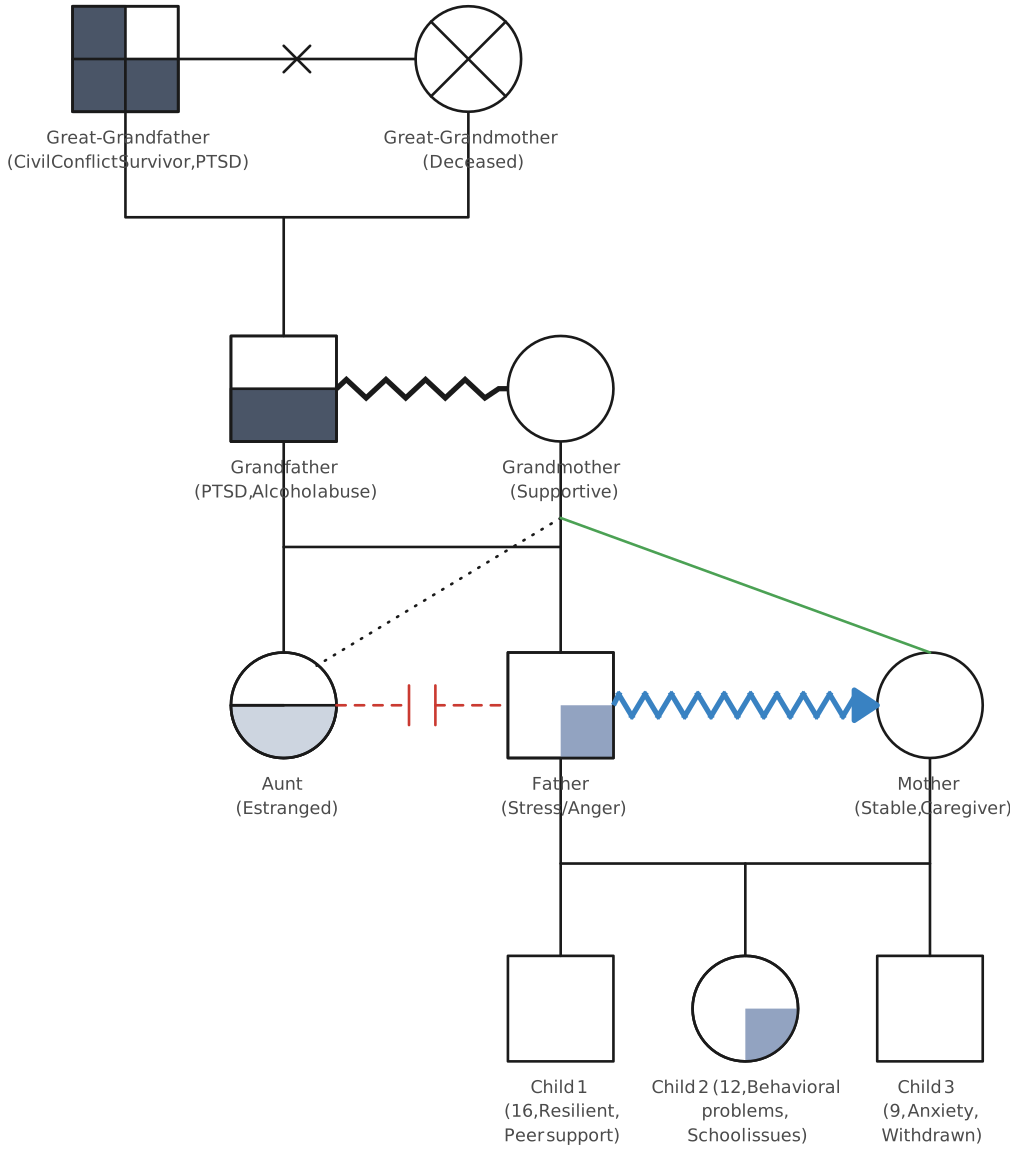
6. Trauma and Resilience Genogram
Use this example when
Your assignment focuses on trauma, loss, hardship, and how the family responded.
Include
Challenges such as:
- Bereavement
- Abuse or neglect
- Illness
- Separation or displacement
- Financial hardship
- Discrimination
Protective factors such as:
- Stable caregivers
- Supportive relatives
- Community or spiritual support
- Counseling
- Recovery
- Cultural strengths
Look for
- How people responded differently
- Who provided support
- Coping patterns across generations
- Effects that continued over time
- People who changed an established pattern
Creately tip
Use the Family Therapy field pack to record trauma history, coping strategies, family roles, and protective factors. Add notes for important context, then use AI pattern detection to review repeated experiences and missing information.
7. Addiction and Recovery Genogram

Use this example when
Your assignment explores substance use, addictive behavior, recovery, or its effect on the family.
Include
- Substance use or other relevant behaviors
- Treatment and rehabilitation
- Recovery and relapse
- Family conflict
- Changes in caregiving
- Financial or work-related effects
- Support groups and supportive relatives
Look for
- Patterns across generations
- Changes in family roles
- Children taking on adult responsibilities
- Repeated conflict or separation
- Relationships that support recovery
Creately tip
Record substance use, treatment, relapse, recovery, and coping details in the Medical & Genetic and Family Therapy fields. Use the Assistant to identify possible cross-generational patterns and generate follow-up questions for your analysis.
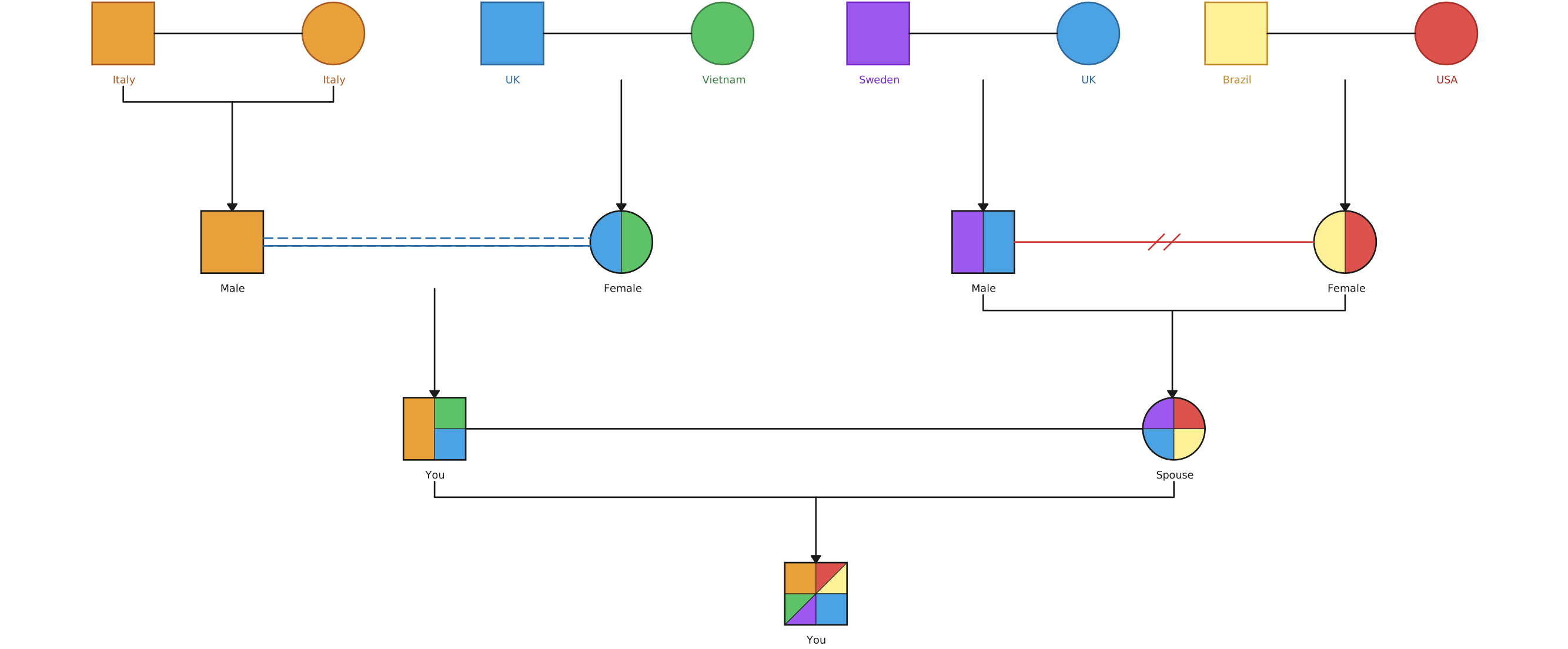
8. Cultural Genogram
Use this example when
Your assignment focuses on culture, identity, migration, language, religion, or family values.
Include
- Cultural or ethnic identity
- Nationality and region of origin
- Migration history
- Languages
- Religion or spirituality
- Traditions and values
- Social class and education
- Experiences of discrimination
Look for
- Changes in identity across generations
- Languages maintained or lost
- Effects of migration
- Differences in family expectations
- Cultural sources of belonging and support
Creately tip
Add cultural heritage, language, migration, and identity information to each person’s profile. Switch to Culture View to color-code cultural backgrounds and review migration or cross-cultural patterns more clearly.
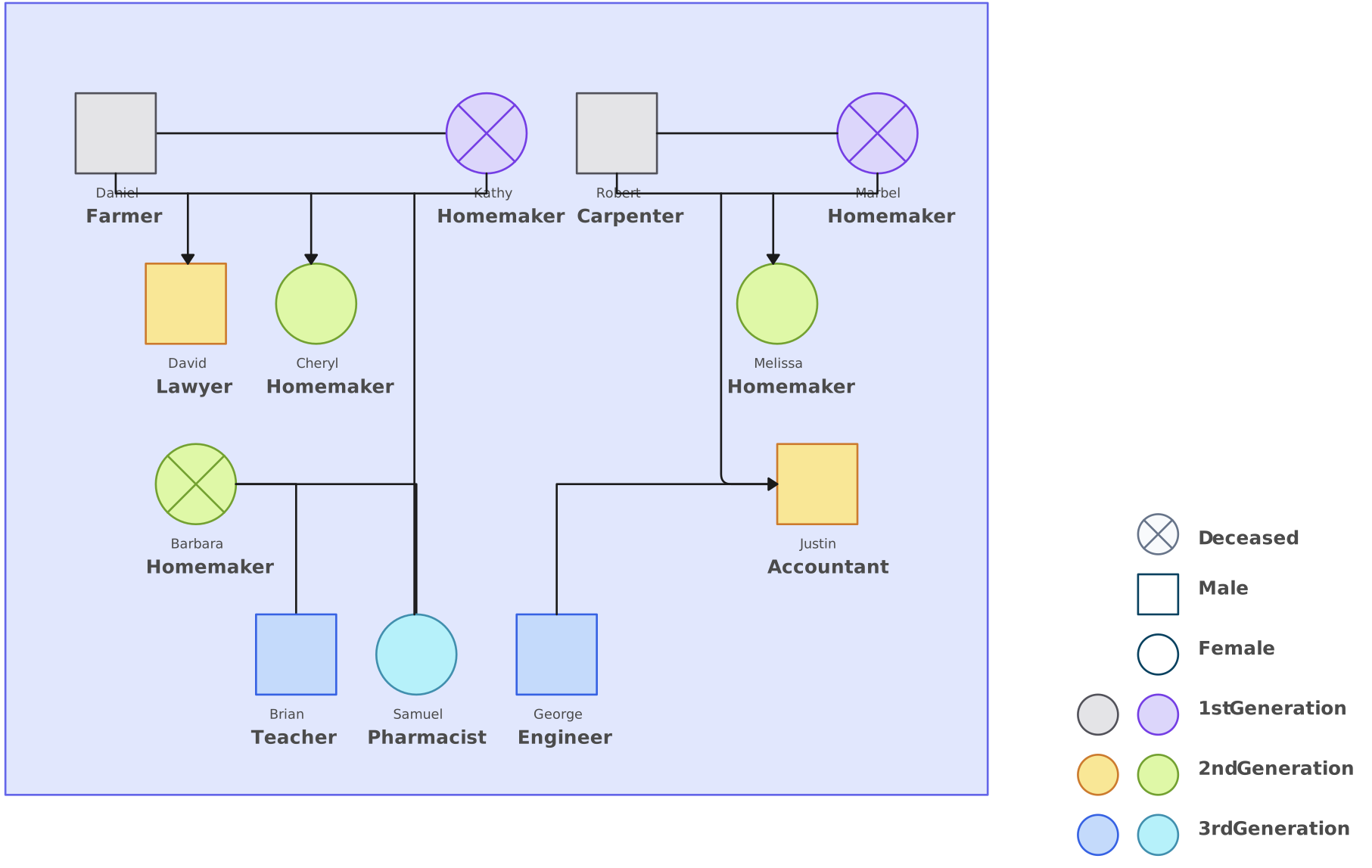
9. Career and Educational Genogram
Use this example when
Your assignment examines education, careers, vocational choices, or family ideas about success.
Include
- Education levels
- Occupations
- Career changes
- Unemployment or retirement
- Family businesses
- Migration for work
- Barriers to education
- Family expectations
- Caregiving responsibilities
Look for
- Repeated career paths
- Access to education
- Pressure to follow certain professions
- Financial or social barriers
- People who chose a different path
Creately tip
Use the base profile fields to record education, occupation, and important work-related changes. Add notes for barriers or family expectations, and use AI analysis to summarize repeated career or education patterns.
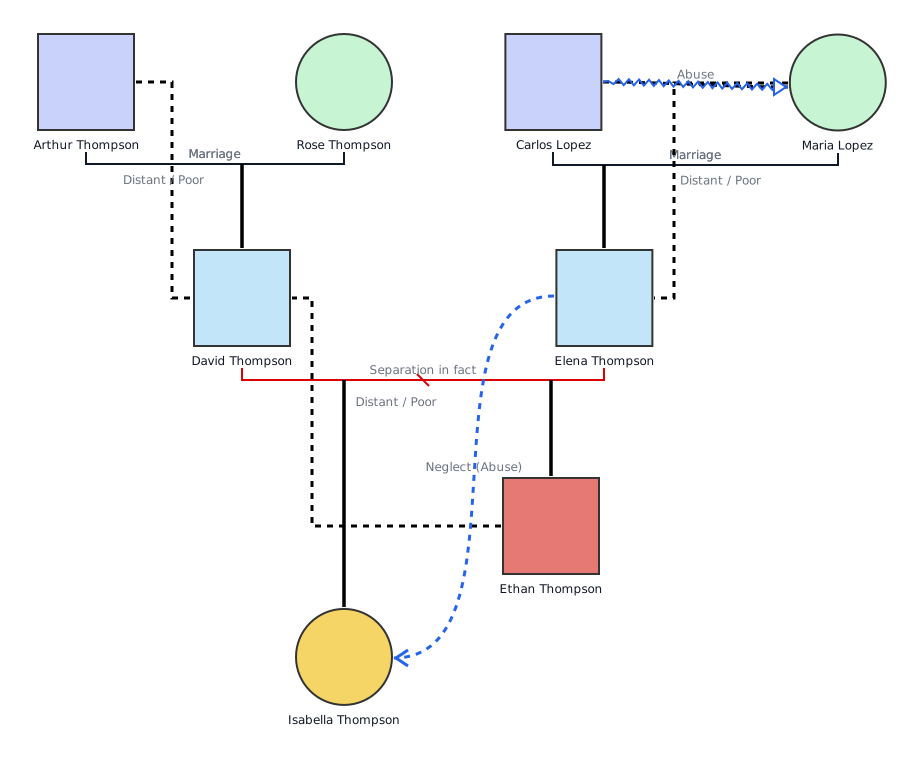
10. Attachment and Caregiving Genogram
Use this example when
Your assignment explores childhood care, stability, separation, or supportive relationships.
Include
- Parents and stepparents
- Foster or adoptive caregivers
- Grandparents and guardians
- Older siblings who provided care
- Changes in custody
- Periods of separation
- Caregiver illness or loss
- Long-term caregiving roles
Look for
- Who provided consistent care
- When caregiving changed
- Children taking on adult roles
- Sources of safety and comfort
- Relationships that remained stable
Creately tip
Use the correct biological, adoptive, foster, and step-parent relationship types so caregiving structures are shown accurately. Add dates and notes to record when custody, residence, or caregiving arrangements changed.
How to Adapt a Genogram Template for Your Assignment
- Check the rubric. Confirm the required generations, topic, symbols, and written components.
- Identify the index person. Mark the student, client, or case subject at the center of the genogram.
- Replace all sample information. Remove every example name, date, relationship, and condition.
- Add only relevant details. Include information that supports the assignment focus.
- Mark unknown information. Use labels such as “unknown,” “not reported,” or “unconfirmed.”
- Add a legend. Explain emotional lines, conditions, colors, or custom symbols.
- Review before exporting. Check connections, spelling, dates, readability, and privacy.