Planning for the future of your team can feel tricky, but knowing the right approach makes all the difference. In this guide, we’ll break down how succession planning and replacement planning help organizations stay ready, keep operations smooth, and build strong leadership for tomorrow.
What Is Succession Planning
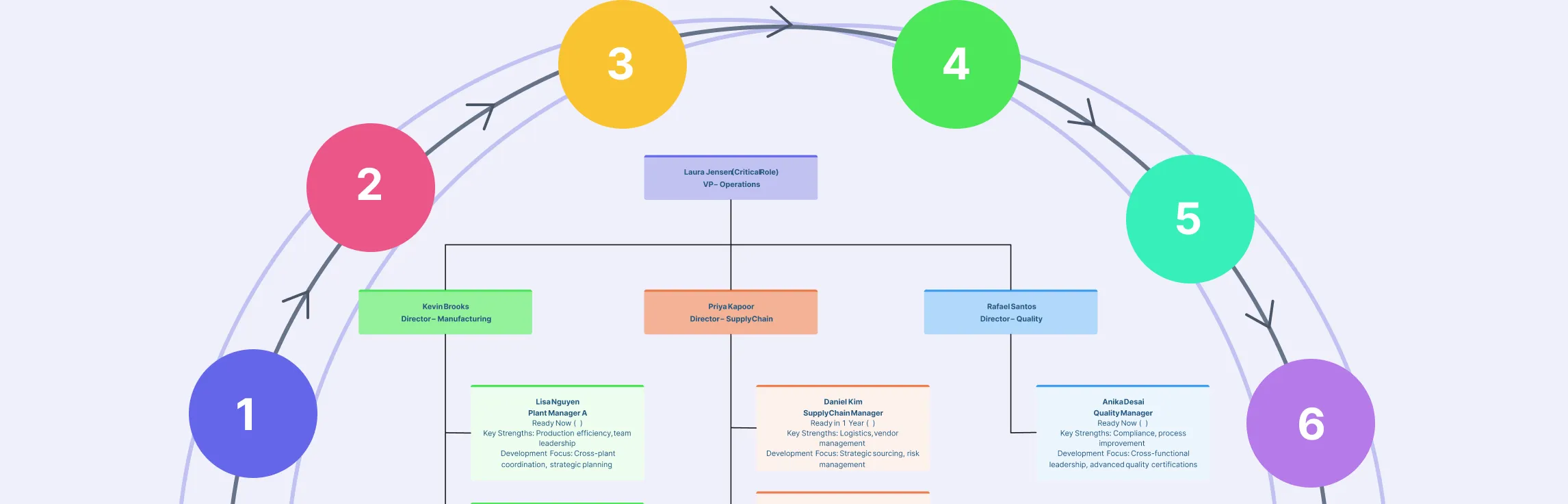
Succession planning is a smart way for organizations to stay ready for change. Instead of scrambling when a key employee leaves, it focuses on preparing high-potential team members to step into important roles.
It’s about:
Building a strong talent pipeline for the future
Developing skills and experience for key positions
Keeping business operations smooth during transitions
Motivating employees by showing clear growth paths
In short, succession planning helps your team stay agile, your leaders ready, and your organization competitive — now and in the future.
Use Succession Planning When:
You want to develop future leaders and build a strong talent pipeline.
You’re looking to align talent with long-term business goals.
Employee growth, engagement, and retention are top priorities.
You aim to transfer knowledge and leadership skills over time.
Example: Preparing a high-potential manager to take on a director-level role within the next 2–3 years, while giving them mentorship and stretch assignments to build their skills.
Benefits of Succession Planning
Succession planning isn’t just about filling roles—it’s about building a stronger, smarter, and more resilient team. Here’s why it matters:
Smooth transitions: Key roles are always covered, so the business keeps running without hiccups.
Stronger leadership: Future leaders are identified early and developed, ensuring your organization grows from within.
Employee motivation: Team members see clear paths for growth, boosting engagement and retention.
Business continuity: Critical knowledge and skills stay in-house, keeping operations stable.
Competitive edge: Prepared leaders mean your organization can adapt quickly to challenges and opportunities.
Succession planning turns uncertainty into confidence, helping your team stay ready for whatever comes next.
What Is Replacement Planning?
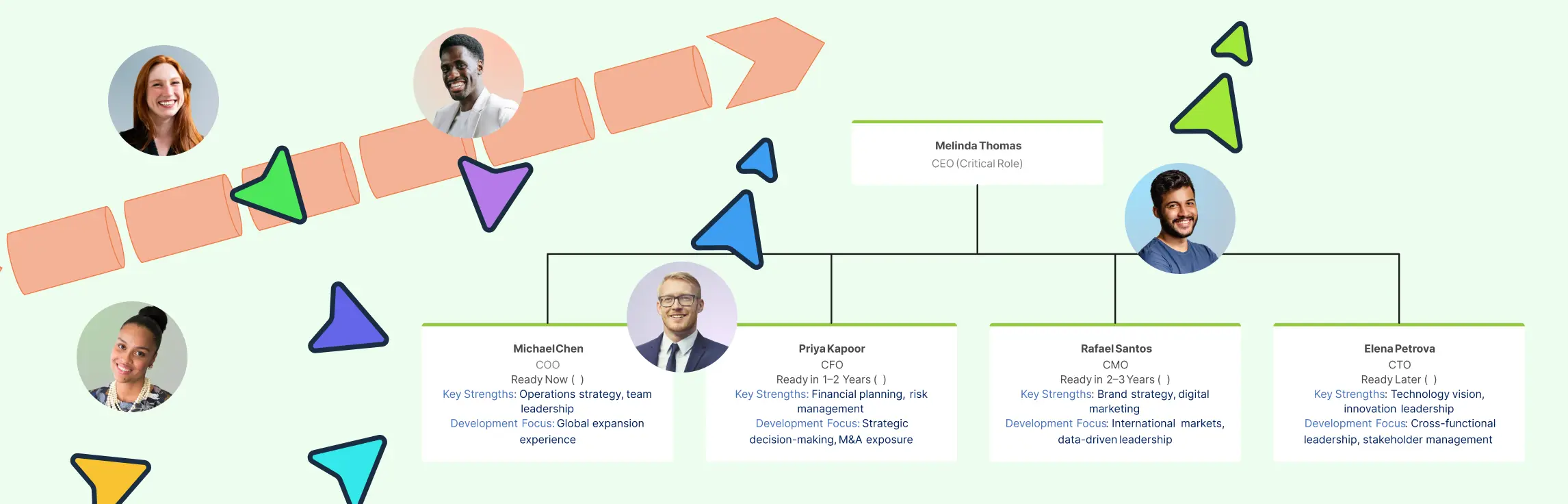
Replacement planning is all about keeping your team and business running smoothly when someone leaves suddenly. Instead of focusing on long-term growth, it identifies people who can step in quickly and cover critical roles without missing a beat.
Key points:
Immediate coverage: Ensures essential positions are never left empty.
Risk management: Helps prevent disruptions when key employees leave unexpectedly.
Ready backups: Lists backup candidates and prepares them to fill in when needed.
Think of it as a safety net for your organization—quick, practical, and essential for smooth operations.
Use Replacement Planning When
A key employee leaves suddenly or goes on unexpected leave.
You need immediate coverage to keep operations running smoothly.
The focus is on short-term risk management, not long-term development.
You’re handling critical roles where downtime could disrupt the business.
Example: Your head of IT resigns with two weeks’ notice, and you need someone ready to step in immediately while you find a permanent replacement.
Benefits of Replacement Planning
Replacement planning helps your organization stay steady when unexpected changes happen. It’s a practical way to reduce risk and keep things moving without disruption.
Here’s why it matters:
Business continuity: Critical roles are covered quickly, so daily operations don’t stall.
Reduced downtime: You avoid long gaps between someone leaving and someone stepping in.
Lower hiring pressure: With backup candidates identified, you don’t have to rush into poor hiring decisions.
Risk control: It protects the organization from sudden resignations, illnesses, or emergencies.
Operational stability: Teams feel more secure knowing there’s a clear plan in place.
Replacement planning may be simple, but it’s powerful. It gives your organization a safety net, helping you handle surprises with confidence and control.
Differences Between Replacement Planning and Succession Planning
Succession planning builds leaders for tomorrow. Replacement planning keeps things running today. Here are the key differences between replacement planning vs succession planning.
| Area of Comparison | Succession Planning | Replacement Planning |
| Primary Goal | Build a strong pipeline of future leaders and ensure long-term organizational success. | Ensure critical roles are covered quickly when vacancies occur. |
| Time Horizon | Long-term and forward-looking. | Short-term and immediate. |
| Approach | Proactive — anticipates future leadership needs. | Reactive — responds to sudden departures or emergencies. |
| Scope | Organization-wide; often focuses on multiple leadership and key roles. | Role-specific; usually limited to critical positions. |
| Talent Development | Strong focus on employee development through mentoring, training, job rotations, and stretch assignments. | Limited development focus; emphasis is on readiness to step in quickly. |
| Strategic Alignment | Closely aligned with business strategy and future growth plans. | Focused on operational continuity rather than long-term strategy. |
| Employee Engagement | Increases motivation and retention by showing clear career paths. | May not significantly impact engagement since it centers on backup coverage. |
| Risk Management | Reduces long-term leadership gaps and knowledge loss. | Reduces immediate disruption and operational downtime. |
| Candidate Pool | Identifies and nurtures high-potential employees over time. | Identifies one or more immediate backups for specific roles. |
| Organizational Impact | Strengthens leadership bench and supports sustainable growth. | Maintains stability during unexpected transitions. |
Why Succession Planning Is More Than Just Replacement Planning
Replacement planning helps you react fast. Succession planning helps you grow smart.
While both deal with filling key roles, succession planning goes further. It’s not just about having a backup ready — it’s about building leadership strength for the future.
Replacement Planning Is a Starting Point — Not the End Goal
Many organizations begin with replacement planning. They identify someone who can step in if a key employee leaves. That’s important.
But naming a backup alone isn’t enough. Without development, coaching, and experience, that person may not be fully prepared to lead long term.
Replacement planning protects today.
Succession planning prepares for tomorrow.
Think of replacement planning as a safety net. Succession planning is your long-term growth strategy.
The Shift in Modern HR
Modern HR has moved from reactive to strategic.
Instead of waiting for vacancies, organizations now:
Identify high-potential employees early
Develop leadership skills intentionally
Align talent planning with business goals
Build strong leadership pipelines
The focus is no longer just coverage — it’s capability.
How Succession Planning Strengthens Your Organization
Succession planning delivers benefits that go beyond filling roles:
Higher engagement: Employees stay motivated when they see clear career paths.
Better retention: High performers are more likely to stay when growth opportunities are real.
Stronger knowledge transfer: Leaders can mentor successors, preserving institutional knowledge.
Over time, succession planning builds a culture of development, stability, and confidence — something replacement planning alone can’t achieve.
Creately Templates for Replacement Planning and Succession Planning
Replacement Org Chart
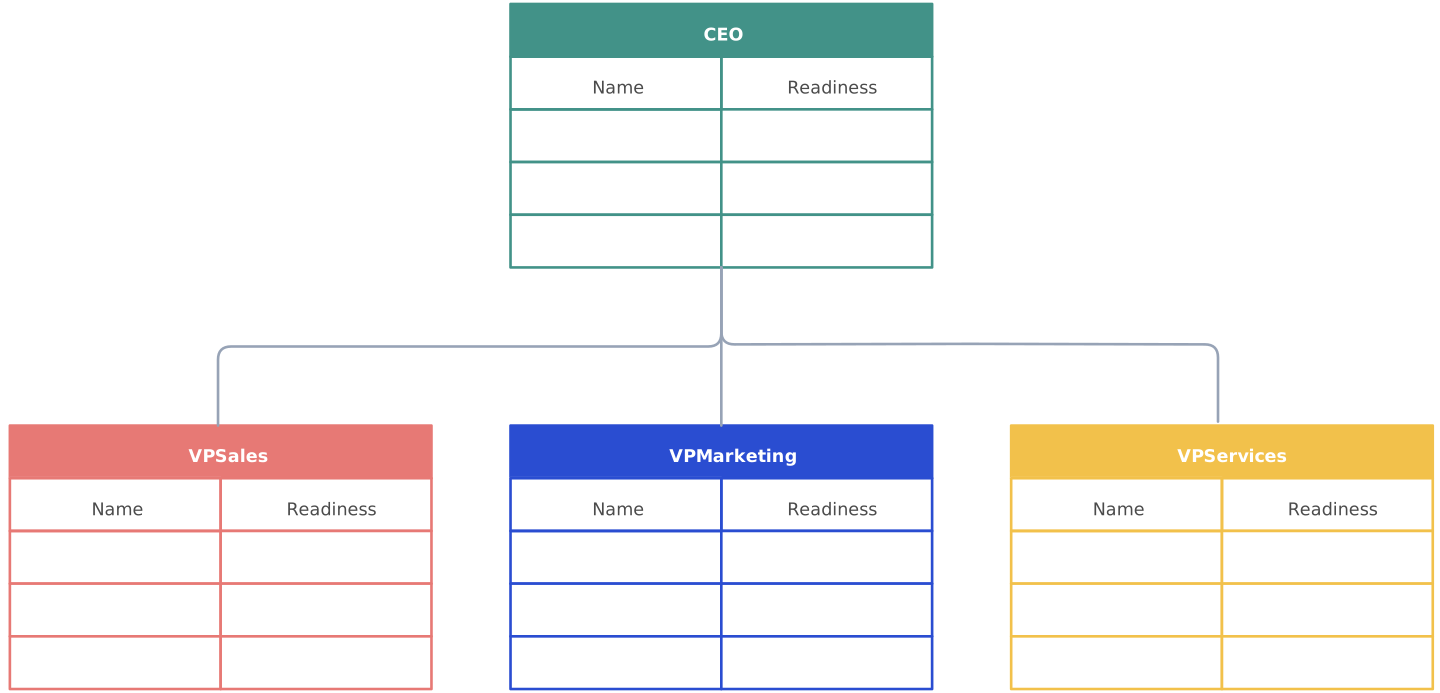

Skill Gap analysis
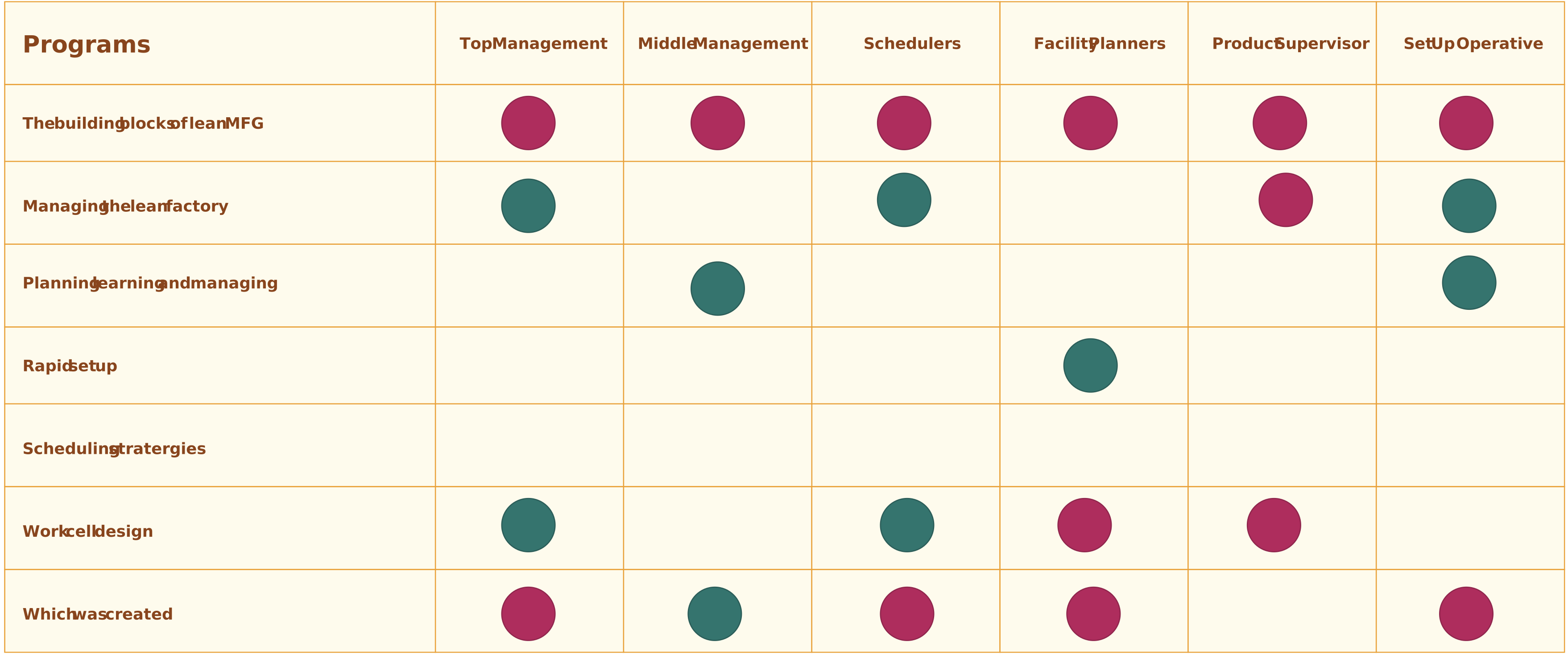
Talent Map Template
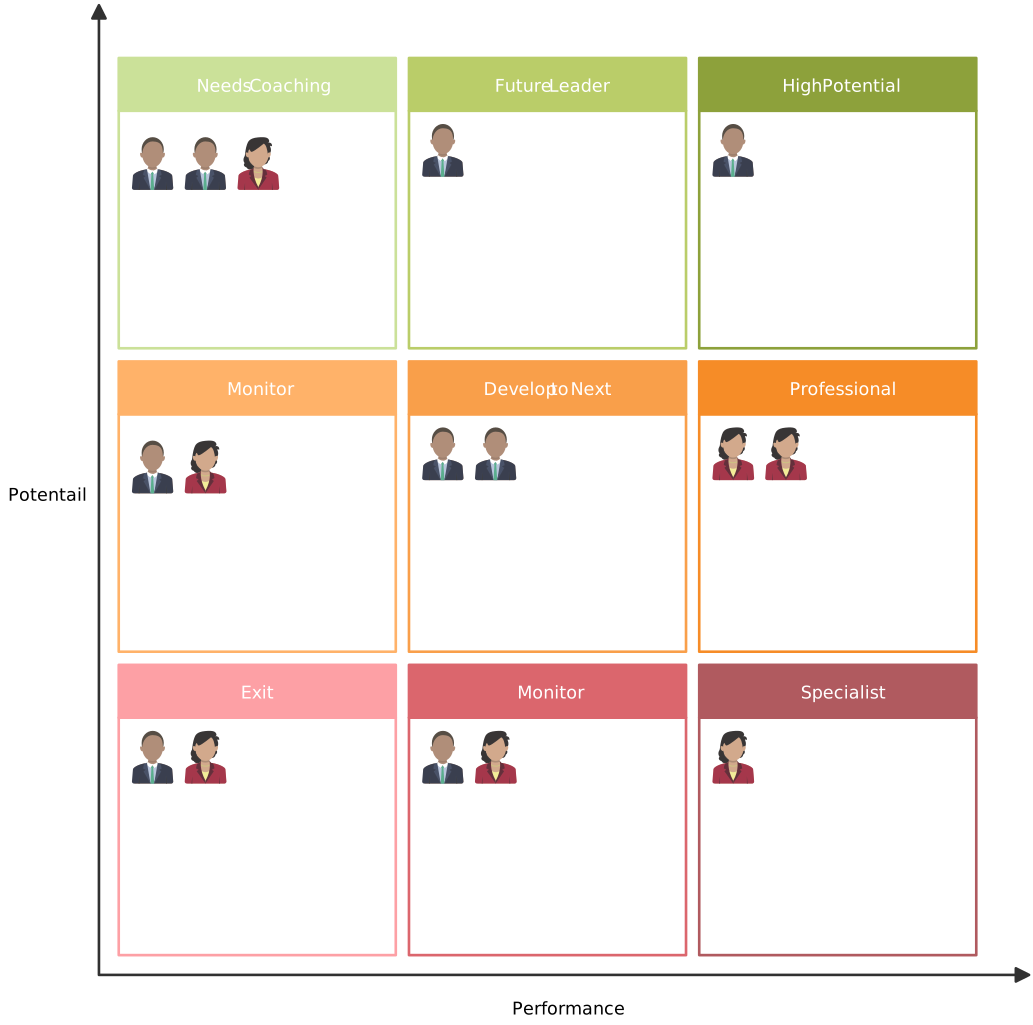
Succession Planning Framework
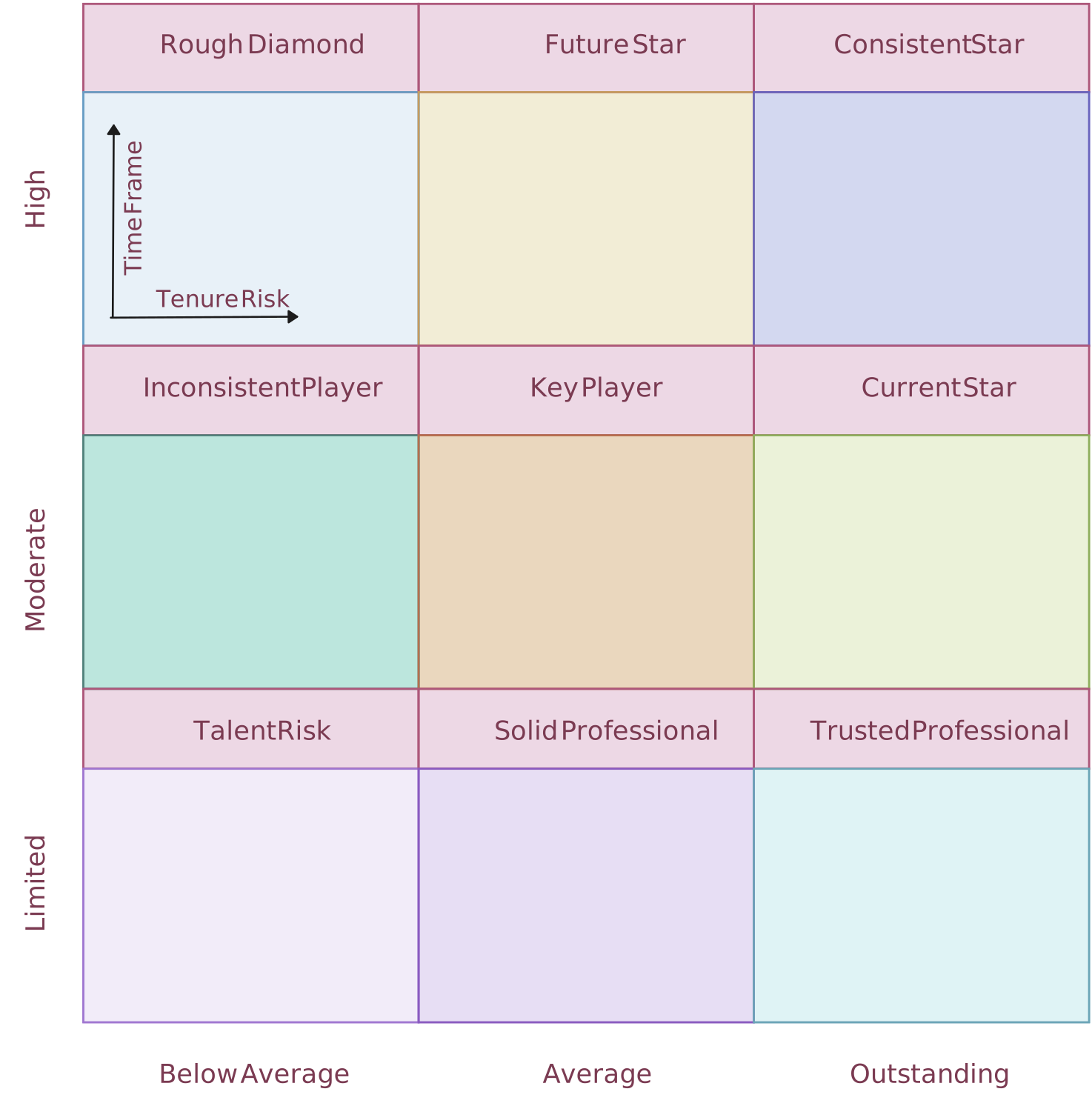
Succession Planning Template

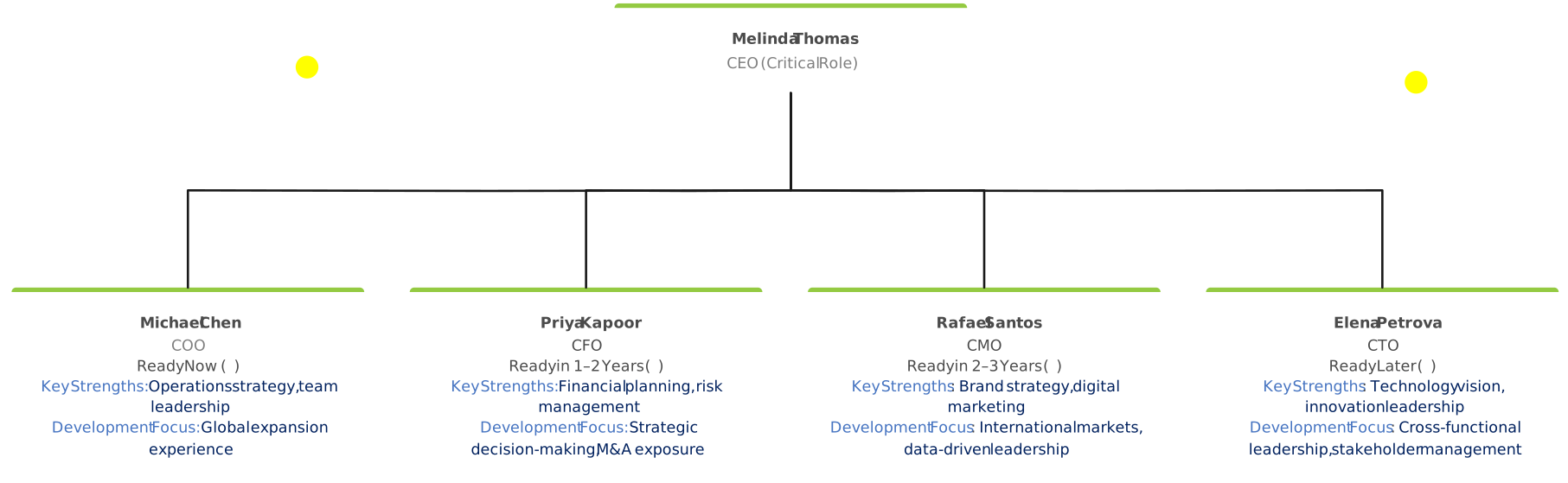
Executive Leadership Succession Planning Template
FAQs About Succession Planning vs Replacement Planning
How often should succession plans be updated?
Do replacement plans require training for backups?
Who should be involved in succession planning?
Is succession planning only for executives?
What happens if a replacement candidate isn’t ready?
Can small businesses use these strategies?