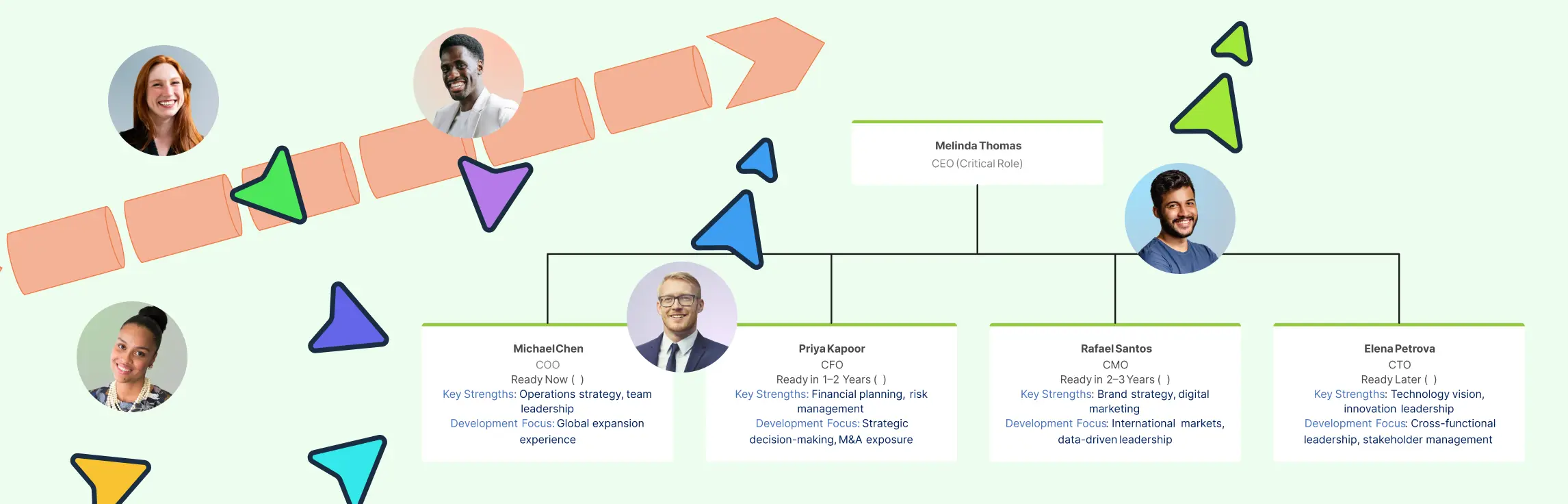
In today’s fast-paced workplace, building a strong pipeline of talent is more important than ever. Organizations can’t afford gaps in leadership or key roles, and employees expect clear opportunities to grow. That’s where talent management and succession planning come together — creating a system that not only develops your people but ensures your business stays ready for the future. This guide will show how these two strategies work hand-in-hand to keep your workforce engaged, prepared, and primed for success.
What Is Talent Management
Talent management is a strategic approach to attracting, developing, retaining, and deploying employees to meet current and future organizational needs. It focuses on aligning people strategies with business goals, ensuring the right talent is in place to drive performance, build engagement, and prepare the workforce for leadership and critical roles.
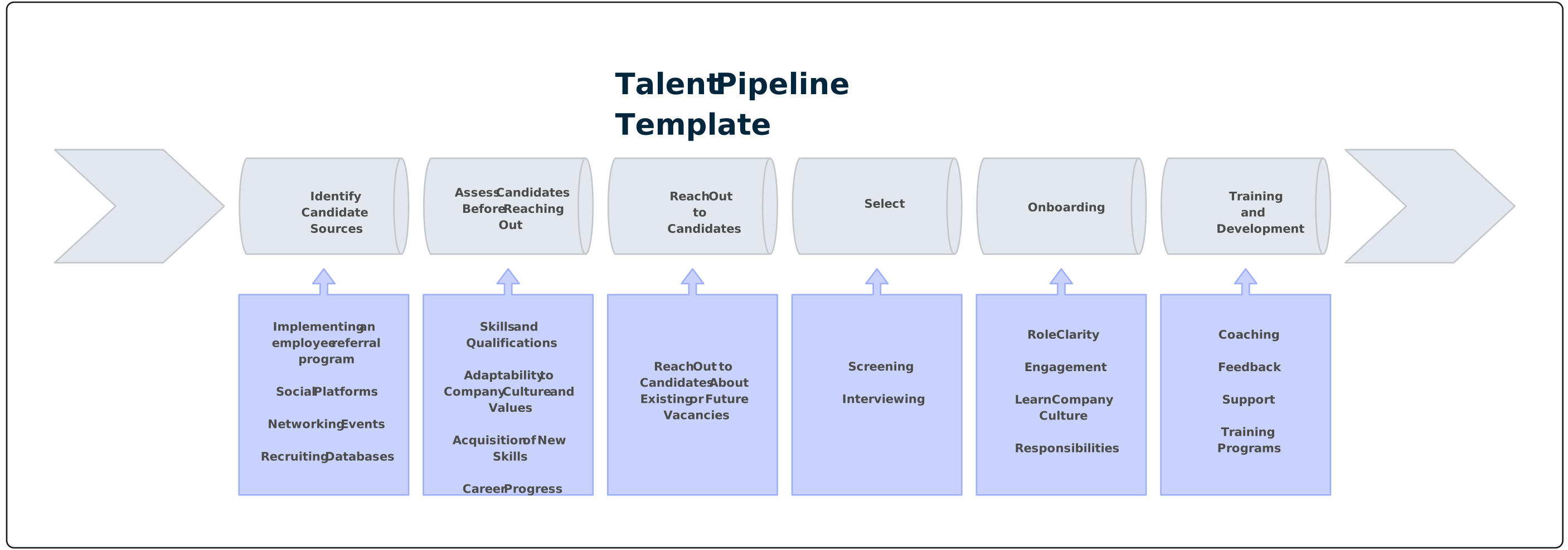

At its core, talent management focuses on:
Identify: Spot high-potential employees and critical roles that drive success
Attract: Bring in skilled professionals who fit your culture and long-term needs
Develop: Provide training, coaching, and career growth opportunities
Retain: Keep top performers engaged and committed to the organization
What Is Succession Planning
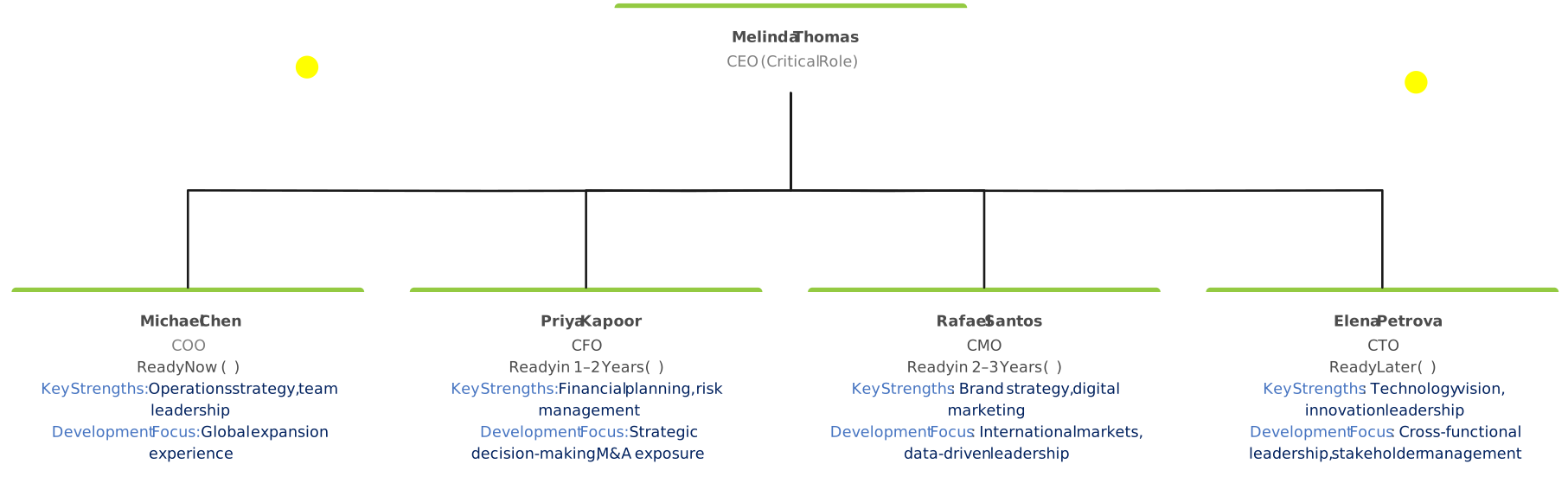
Succession planning is the process of identifying and preparing internal talent to take on key roles in the organization. It ensures that when critical positions become vacant, there’s a ready pool of capable employees who can step in and keep the business running smoothly.
Unlike replacement planning, which simply focuses on filling a role when someone leaves, succession planning is proactive and long-term. It’s about developing potential leaders in advance, rather than reacting to gaps as they occur.
How Does Talent Management Support Succession Planning?
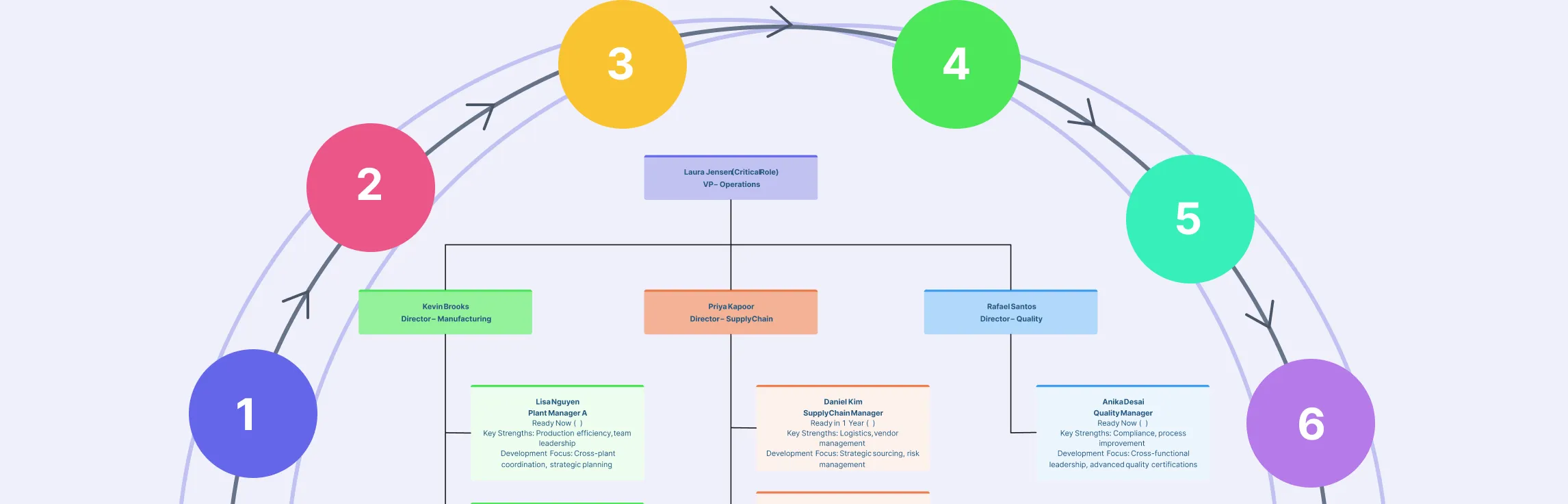
Talent Management provides the foundation that makes Succession Planning effective. Rather than treating succession as a separate activity, leading organizations embed it within broader talent strategies. When Talent Management is strong, succession becomes a natural outcome—not a last-minute reaction.
Here’s how Talent Management directly powers Succession Planning:
1. Strategic Workforce Alignment
Talent Management ensures that workforce planning is aligned with business strategy. By identifying future skill requirements, leadership capabilities, and critical roles in advance, organizations can proactively build pipelines for positions that will matter most. Succession Planning becomes forward-looking rather than reactive.
2. Early Identification of Leadership Potential
Through structured talent reviews, competency assessments, and performance data, Talent Management helps identify high-potential employees early. This creates visibility into who can grow into future leadership roles. Succession Planning relies on this insight to build realistic, data-driven leadership pipelines.
3. Structured Leadership Development
Talent Management invests in leadership development programs, mentoring, stretch assignments, and cross-functional exposure. These initiatives deliberately prepare individuals for greater responsibility. Succession Planning then tracks readiness levels and ensures development is aligned with specific future roles.
4. Performance and Potential Integration
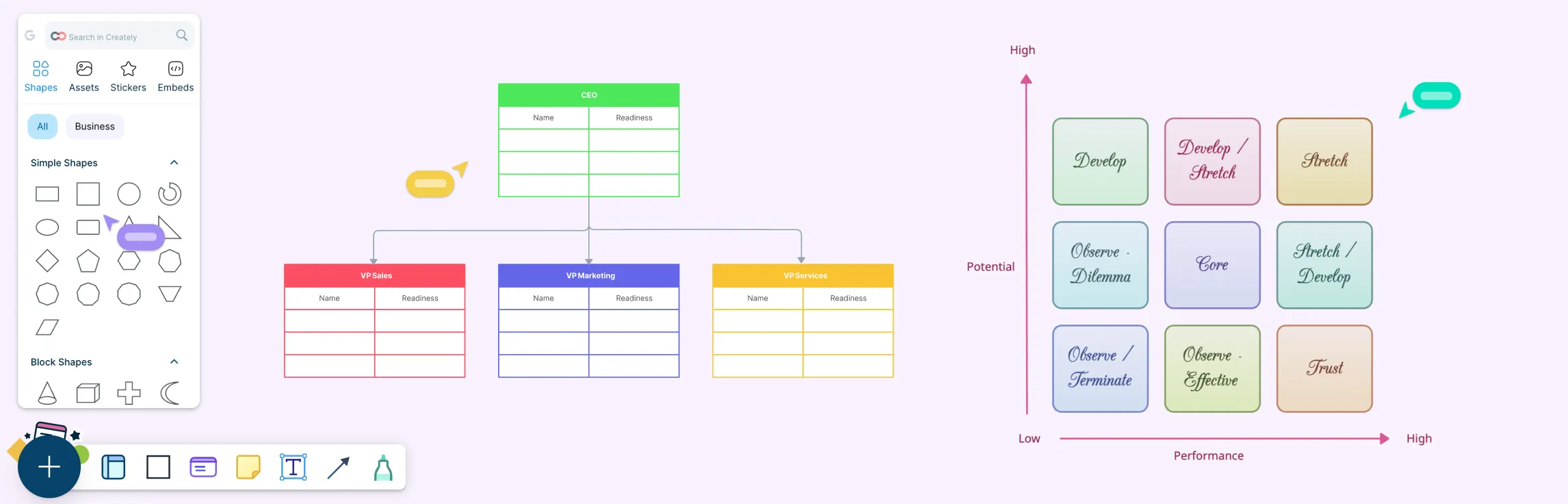
Modern Talent Management systems combine performance outcomes with potential indicators. Tools like talent grids and leadership assessments allow HR teams to evaluate not just who performs well today, but who can lead tomorrow. Succession Planning uses this integrated view to make informed advancement decisions.
5. Retention of High-Potential Talent
Research consistently shows that retaining top talent strengthens succession outcomes. When high-potential employees see clear growth pathways, they are more engaged and less likely to leave. Talent Management strategies focused on engagement, career mobility, and meaningful development protect the succession pipeline from disruption.
6. Continuous Review and Adaptation
Effective Talent Management includes regular talent reviews and workforce discussions. This keeps succession plans dynamic and responsive to business changes. Instead of being a static document, Succession Planning evolves alongside organizational needs.
Best Practices for Integration
Implementing talent management and succession planning effectively requires a strategic, proactive approach. Here are the key best practices:
Align talent management goals with organizational strategy
Ensure that all talent initiatives support the organization’s overall business objectives. This alignment helps prioritize which roles are critical, what skills will be needed in the future, and how succession plans can drive long-term success.
Identify high-potential talent early and develop structured pathways
Spot emerging leaders as early as possible and create clear development pathways. Use assessments, mentoring, stretch assignments, and leadership programs to prepare them for future roles, ensuring they are ready when opportunities arise.
Link performance management to succession readiness
Connect performance evaluations directly to leadership potential and succession planning. Measure competencies, results, and growth areas to identify who is ready now, who needs development, and how to track their progress over time.
Leverage learning programs to prepare successors
Use formal training, coaching, and experiential learning to build the skills successors need. Learning programs should be tailored to fill specific gaps identified through talent reviews and succession planning processes.
Ensure workforce planning is proactive, not reactive
Anticipate future role requirements and potential vacancies. Build succession pipelines in advance rather than waiting for gaps to appear, reducing disruption and maintaining business continuity.
Example Integrated Talent Models
Several widely used models help organizations link Talent Management (TM) and Succession Planning, providing clear frameworks for developing future leaders.
Rothwell’s Succession Planning Model
Focuses on identifying critical roles and developing internal talent to fill them.
Emphasizes structured career paths, leadership development programs, and readiness assessments.
Helps organizations create a transparent leadership pipeline that aligns with TM strategies.
9-Box Grid Model
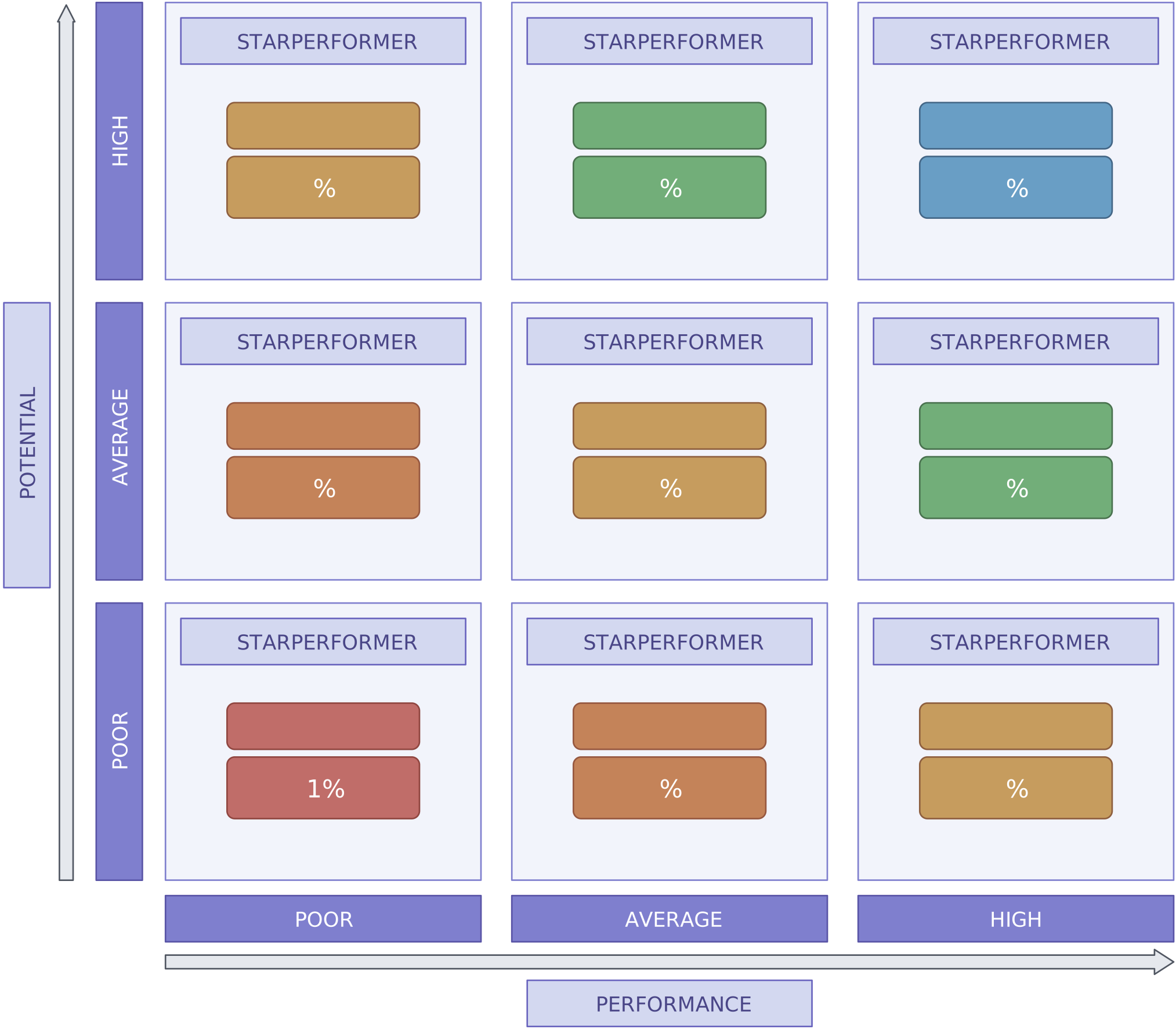
Evaluates employees based on performance and potential, creating a visual map of talent readiness.
Supports decisions on promotions, development needs, and succession planning priorities.
Links performance management data directly to succession planning outcomes.
Competency-Based Frameworks:
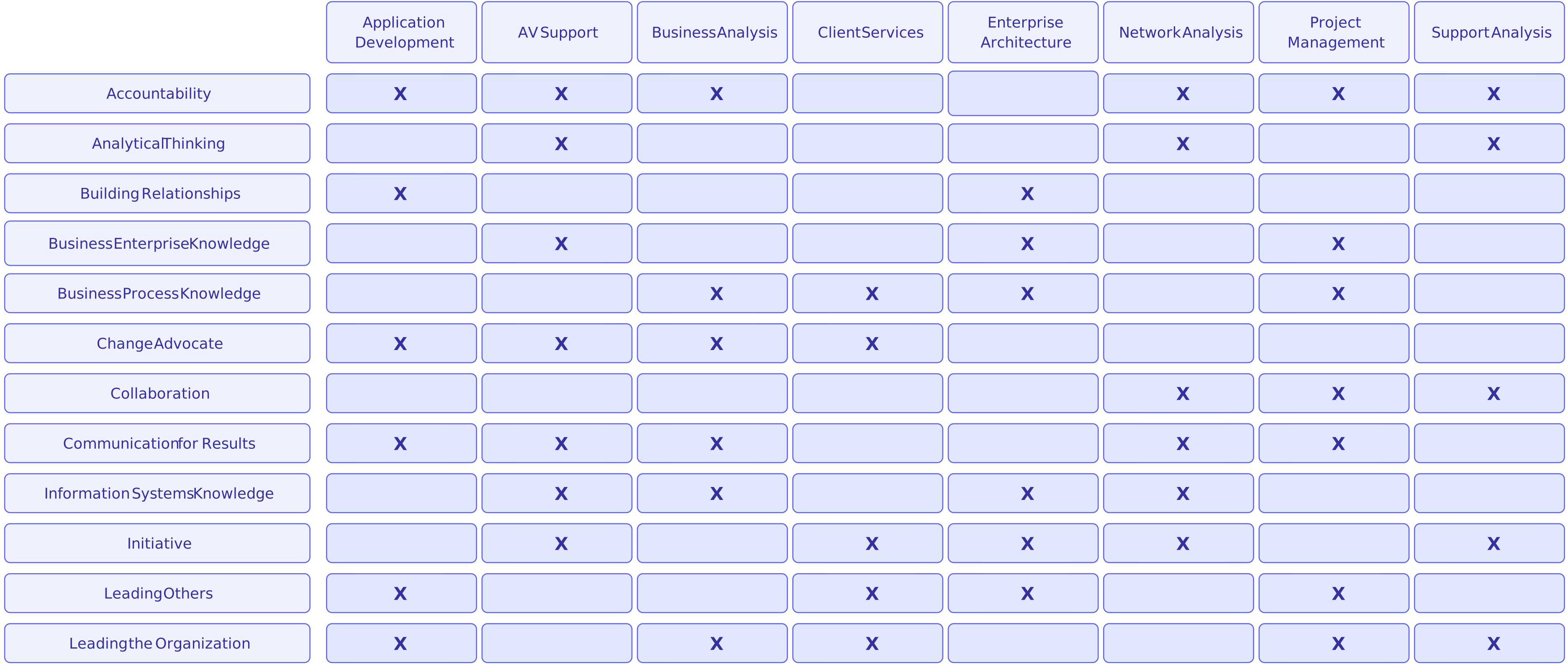
Defines the skills, behaviors, and knowledge required for key roles.
Helps align learning and development programs with succession planning goals.
Allows organizations to track progress and prepare high-potential employees for future positions.
Talent Pools and Leadership Pipelines
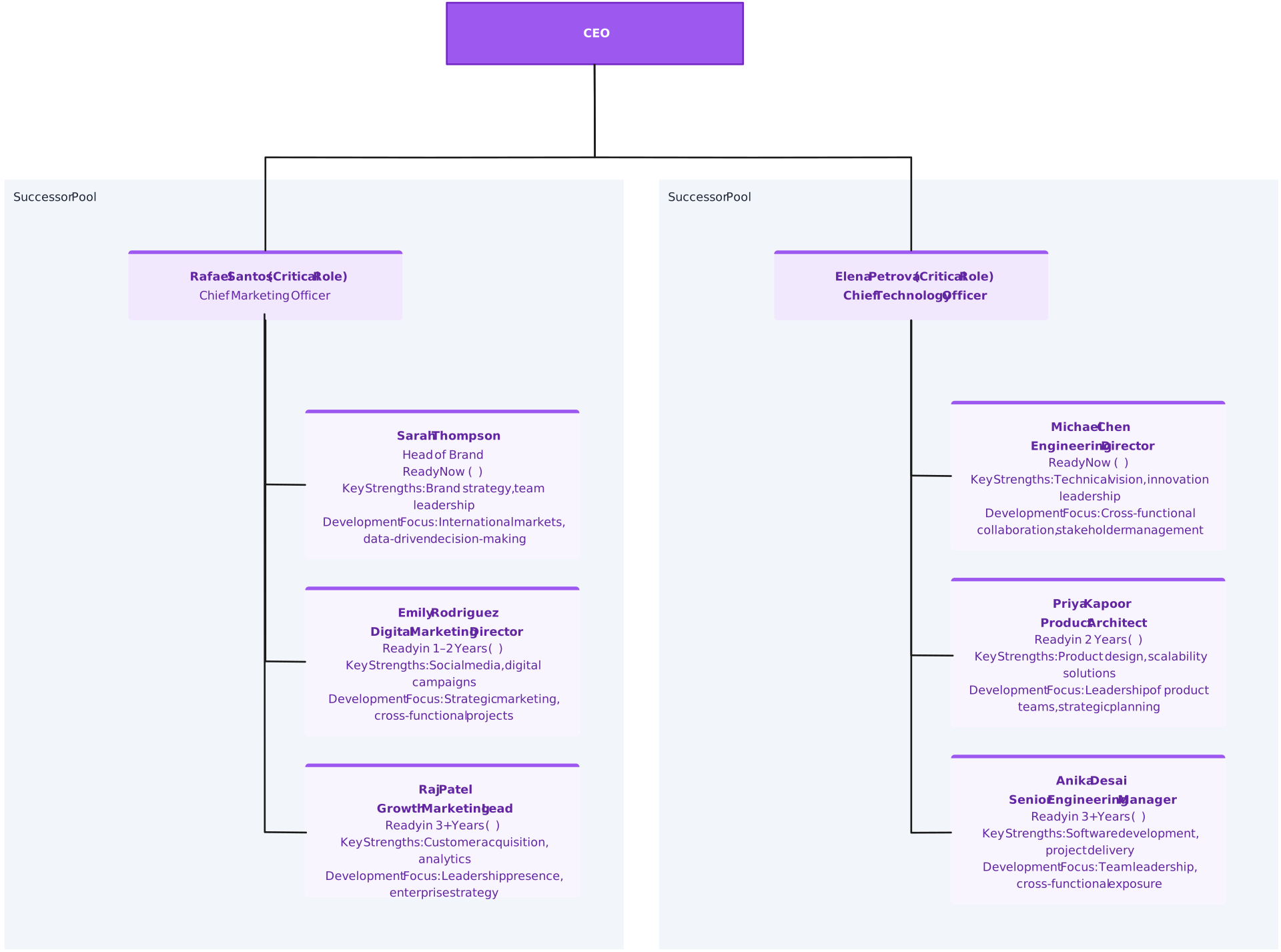
Groups high-potential employees by role or career track.
Provides structured development opportunities and mentorship aligned with organizational needs.
Ensures continuous readiness for critical roles and minimizes leadership gaps.
FAQs About Succession Planning in Talent Management
What is the difference between succession planning and talent management?
How does talent management support succession planning?
What happens if talent management and succession planning operate in silos?
How do performance management systems help succession planning?
How do talent management and succession planning impact organizational performance?