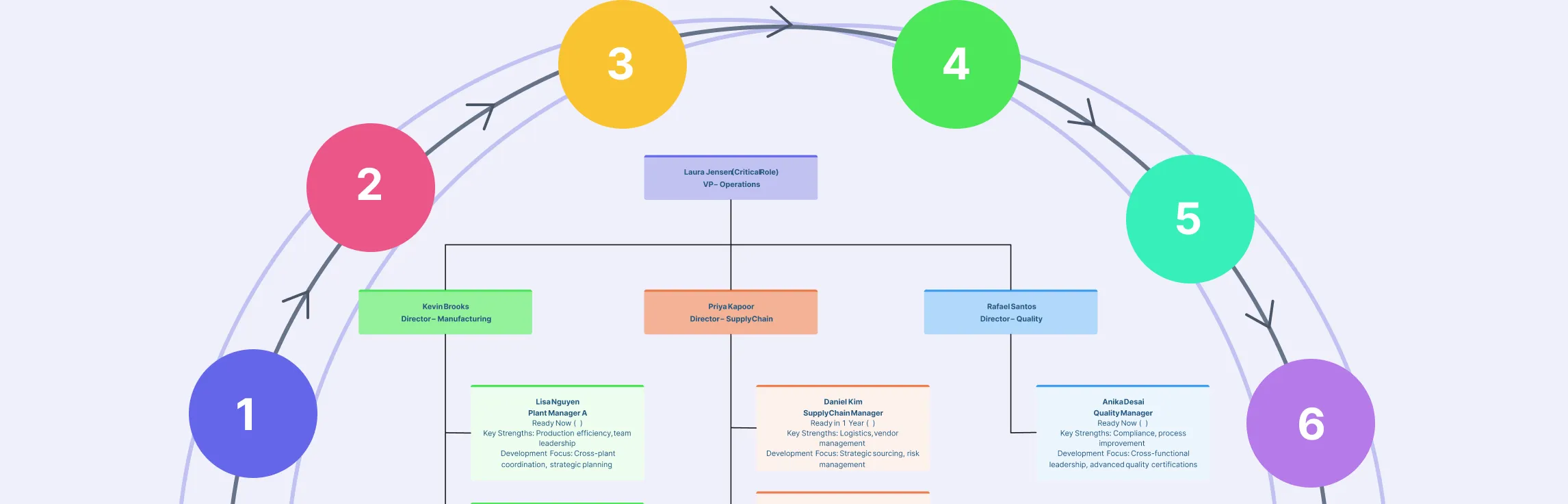
Leadership change is not a matter of if, but when. Organizations that prepare for it strategically are far more likely to sustain performance, protect institutional knowledge, and maintain employee confidence during transitions. A structured succession planning process ensures that critical roles are never left vulnerable and that future leaders are developed intentionally, not selected in haste. In this guide, we’ll walk through the key stages of the succession planning process, explore best practices backed by research, and outline practical steps to help you build a resilient leadership pipeline.
What Is the Succession Planning Process?
The succession planning process is a structured, strategic approach organizations use to identify and develop internal talent to fill critical roles when they become vacant. It involves assessing key positions, defining the skills and competencies required for future success, evaluating potential successors, and preparing them through targeted development initiatives. Rather than reacting to sudden departures, succession planning ensures business continuity, minimizes leadership gaps, and aligns talent development with long-term organizational strategy.
Steps to Create a Succession Plan
A strong succession planning process is not a one-time HR exercise. Research from experts like William J. Rothwell and advisory firms such as Gartner and Harvard Business Review consistently shows that an effective succession planning framework is systematic, data-driven, and tightly aligned with business strategy. Here are the succession planning steps leading organizations follow.
Preparing for Succession: Assessment and Strategic Alignment
Before diving into identifying roles and successors, start with the big picture. Succession planning must reflect where the organization is headed — not just where it is today.
Assess current leadership capacity and future needs
Evaluate your existing leadership bench. Who is ready now? Who could be ready in one to three years? At the same time, consider future business priorities — expansion, digital transformation, restructuring, or entering new markets. Leadership requirements evolve with strategy, so understanding the future context is critical.
Conduct a gap analysis
Compare future skill requirements with current capabilities. Research shows organizations often underestimate emerging competencies such as change leadership, digital fluency, and cross-functional collaboration. Identifying gaps early allows you to plan development intentionally.
Link succession goals with organizational strategy
Ensure succession planning aligns with your organization’s long-term vision. If growth or innovation is a priority, leadership pipelines should reflect these goals. Embedding succession into strategic planning cycles ensures readiness is not just about filling roles but about advancing the organization’s overall objectives.
Step 1. Identify Critical Roles
Map out the positions that are essential to your organization’s success. Focus on roles that:
Have high strategic impact or influence key decisions.
Hold specialized institutional knowledge that is hard to replace.
Directly affect revenue, operations, or team performance.
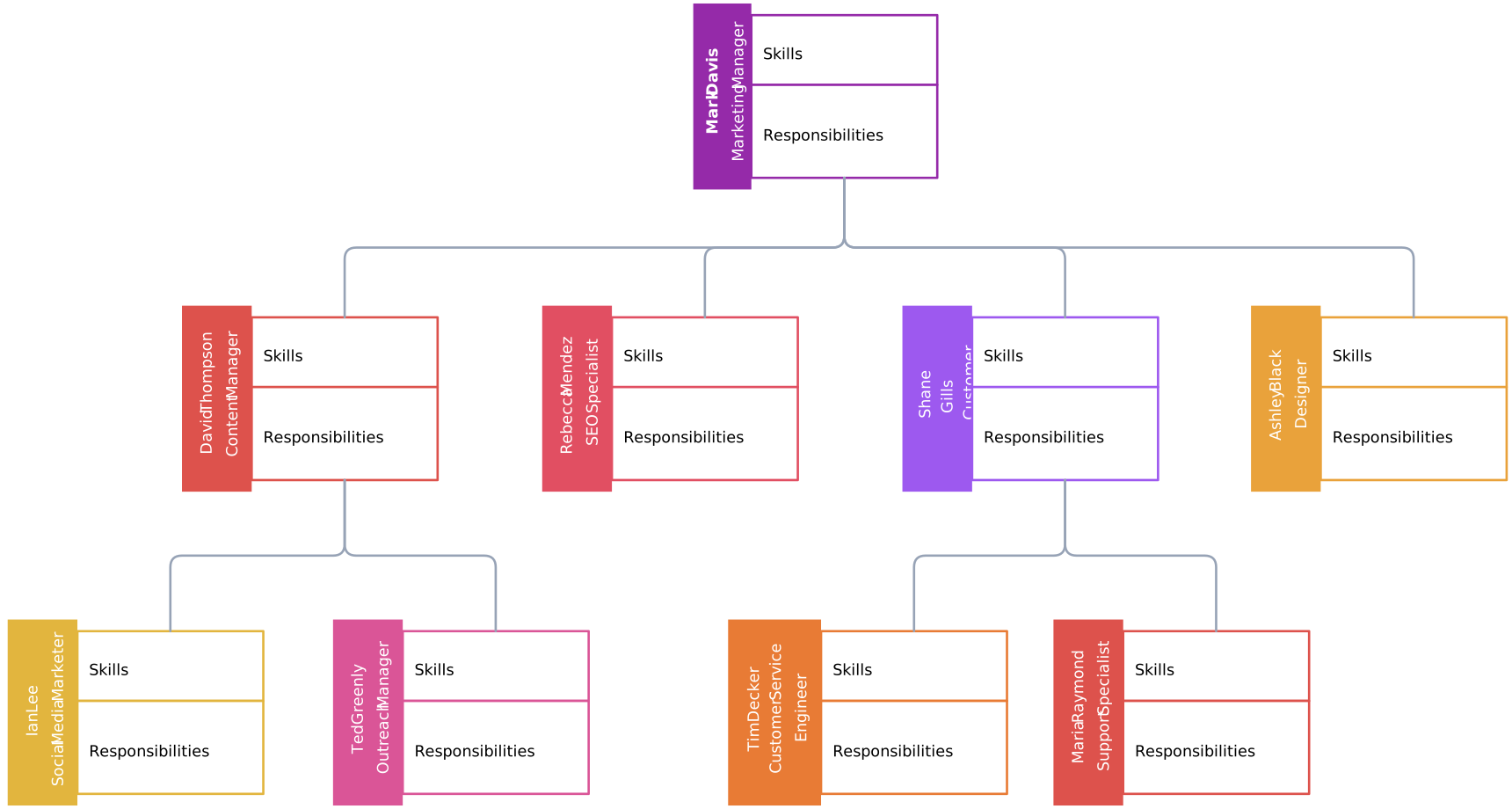

Clearly defining critical roles allows succession efforts to be focused, efficient, and aligned with business priorities. Involving leadership across functions ensures no critical role is overlooked and sets the stage for effective succession planning.
Step 2. Build Success Profiles
For each critical role, define the competencies, experience, and readiness required. Include:
Technical expertise: Industry knowledge, certifications, or specialized skills.
Leadership capabilities: Strategic thinking, decision-making under uncertainty, adaptability, and people management.
Readiness level: Identify if successors are “ready now,” “ready soon,” or “ready later.”
Documenting these profiles ensures clarity and alignment across HR, management, and leadership teams. Visual competency matrices or charts can help stakeholders quickly see where gaps exist and how successors measure up.
Step 3. Identify and Nominate Potential Successors
Evaluate employees who could step into these critical roles in the future. Use objective criteria such as performance reviews, leadership assessments, and career aspirations. Look beyond hierarchy to include high-potential employees across teams and levels.
A broad, diverse talent pool strengthens the leadership pipeline and ensures the organization is resilient to sudden departures or unexpected gaps. Collaboration between managers and HR reduces bias and ensures consensus on successor readiness.
Step 4. Assess Development Needs
Compare each potential successor’s current skills and experience against the success profile for their target role. Identify gaps in technical expertise, leadership capabilities, or organizational knowledge. Emerging competencies like digital literacy, cross-functional collaboration, and change leadership should be highlighted.
This step allows development plans to be focused and intentional, accelerating readiness for the most critical roles while reducing risk for the organization.
Step 5. Develop Talent
Design tailored development plans for each successor, combining:
Formal learning programs.
Mentoring and coaching relationships.
Stretch assignments and cross-functional projects.
Experiential learning opportunities that allow successors to lead initiatives, manage change, and solve complex challenges.
Monitor progress regularly and adjust development plans based on performance, changing business needs, and demonstrated growth. These succession planning best practices ensure successors gain the right experience to step into critical roles successfully.
Step 6. Implement, Monitor, and Refine
Put succession plans into action with thoughtful transitions and readiness timelines. Use phased handovers or interim assignments where needed to maintain business continuity.
Track progress using measurable indicators such as bench strength, readiness scores, time-to-fill critical roles, and overall risk exposure. Conduct regular reviews — at least annually or whenever strategy shifts — to refine competency models and development pathways, ensuring the leadership pipeline remains aligned with organizational goals.
Why Use Creately for Your Succession Planning Process
Succession planning can be complex, but Creately makes it simple, visual, and collaborative. Here’s why it’s a great choice for streamlining the stages of succession planning and building your leadership pipeline:
Visualize your talent pipeline
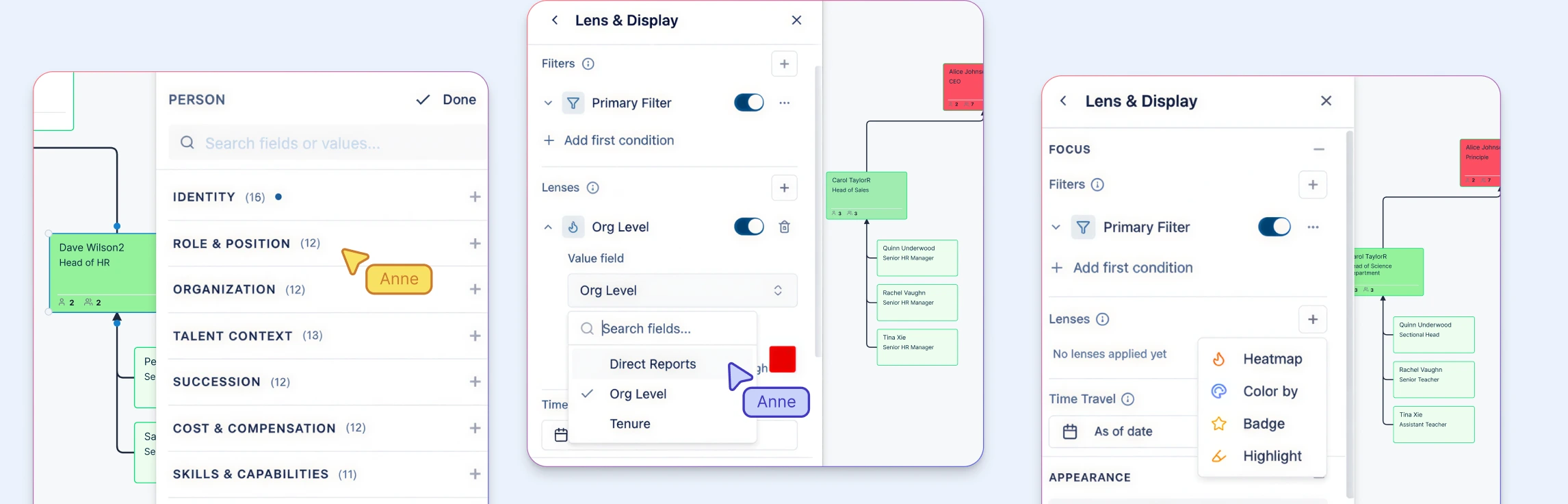
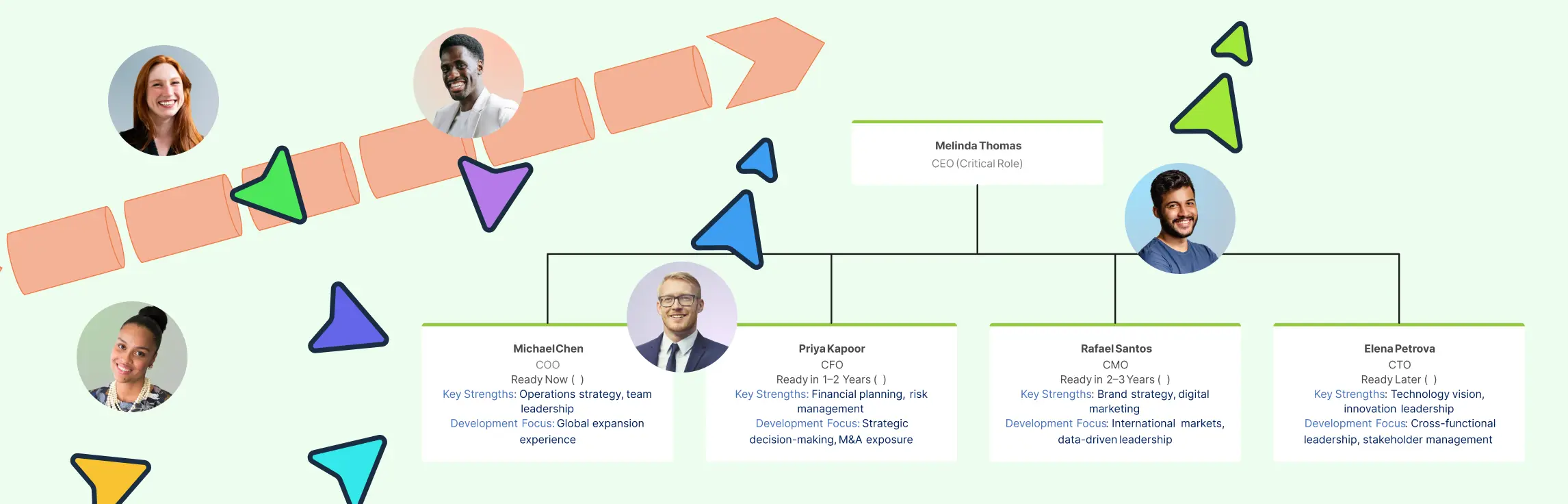
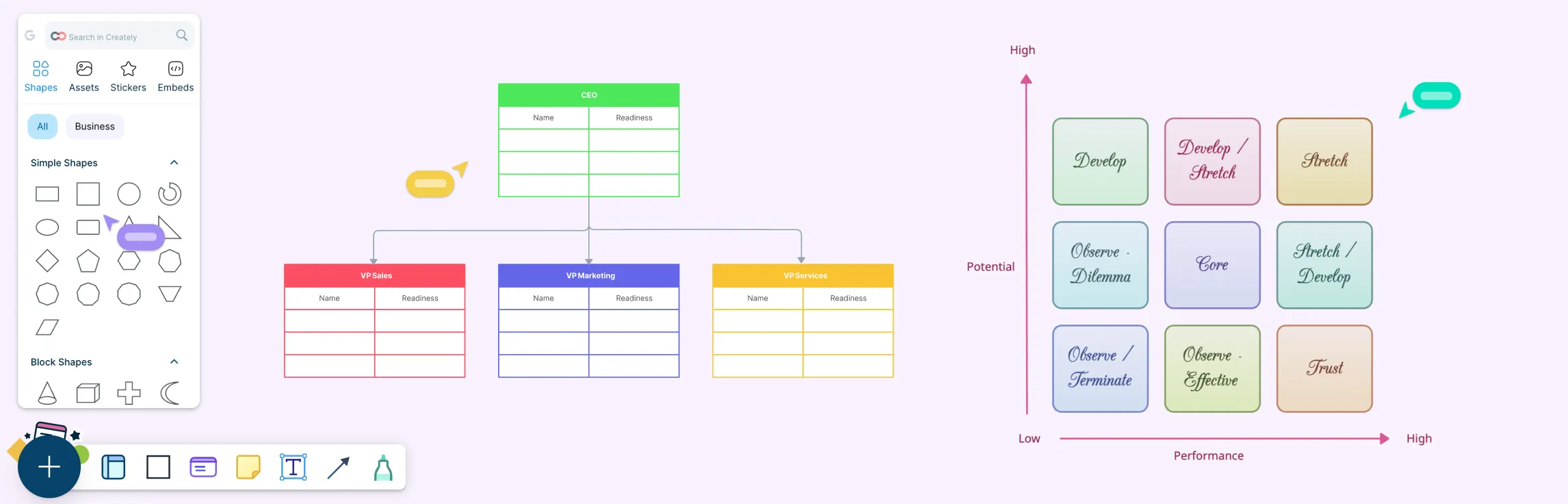
Creately offers ready-to-use templates for succession planning examples, org charts, and career path maps. You can clearly map critical roles, potential successors, readiness levels, and development plans — all in one easy-to-understand visual.
Collaborate in real time
HR, managers, and executives can work together seamlessly. With real-time collaboration, multiple users can edit diagrams, leave comments, and provide feedback instantly, keeping everyone on the same page.
Adapt quickly to change
Business priorities evolve, and so should your succession plan. Creately’s drag-and-drop interface and flexible canvas make it easy to update roles, add new successors, or model alternative scenarios.
Centralize your data
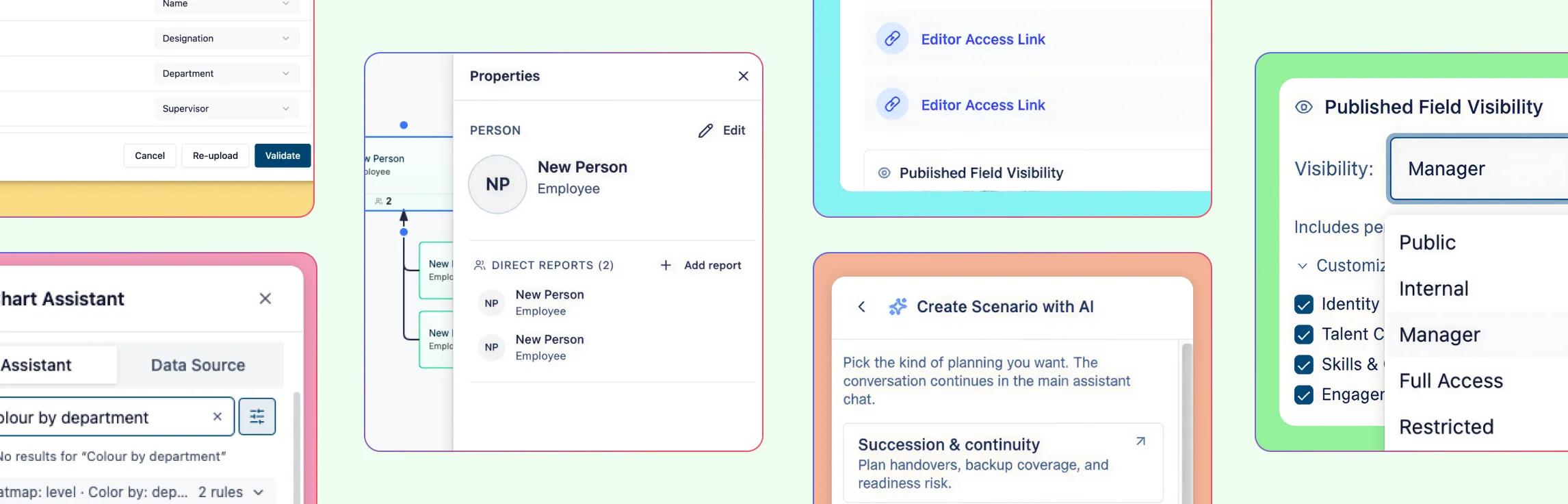
Keep everything in one place. You can attach performance reviews, development plans, and readiness assessments directly within your diagrams, creating a single source of truth for your succession planning process.
Share and present effortlessly
Export your visuals as PDF, PNG, or SVG, or share them with secure links. Present your succession plan to leadership or stakeholders without juggling multiple tools or documents.
Succession Planning Examples to Get Started
Now that you know how to do succession planning, here are some free templates to get you started.
Executive Leadership Succession Planning Template
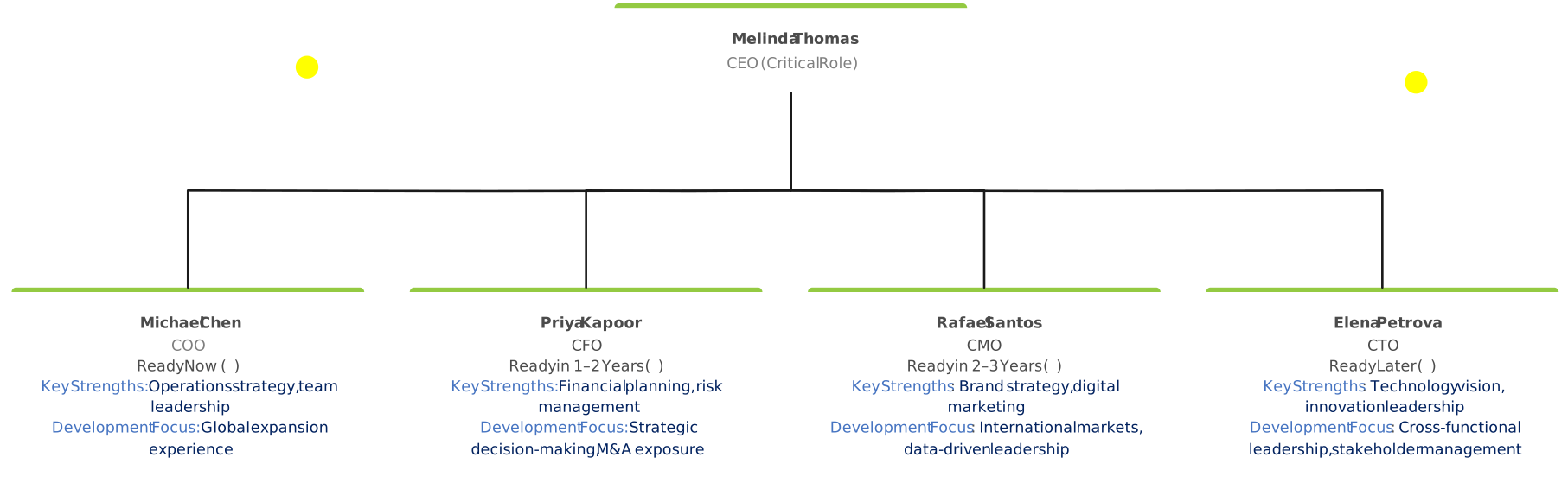
Single Critical Role Succession Plan Template
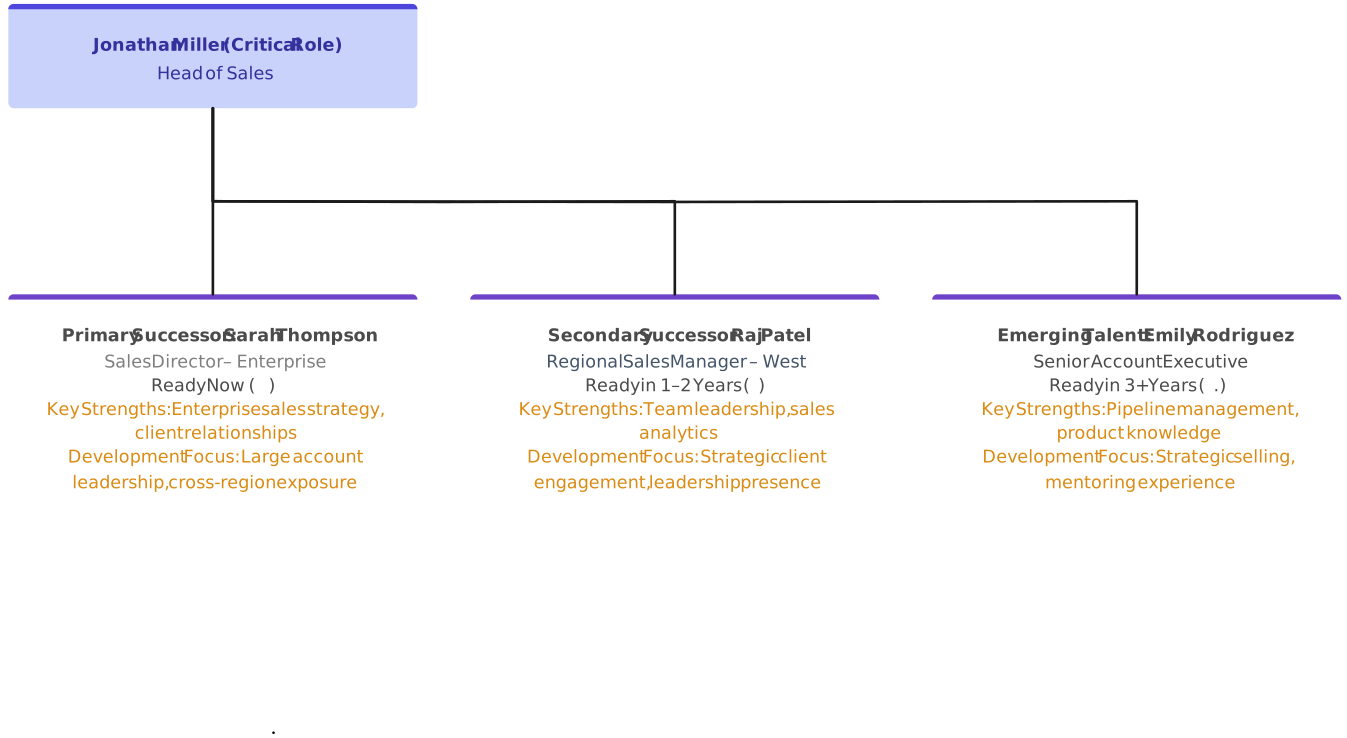
Multi-Level Department Succession Map
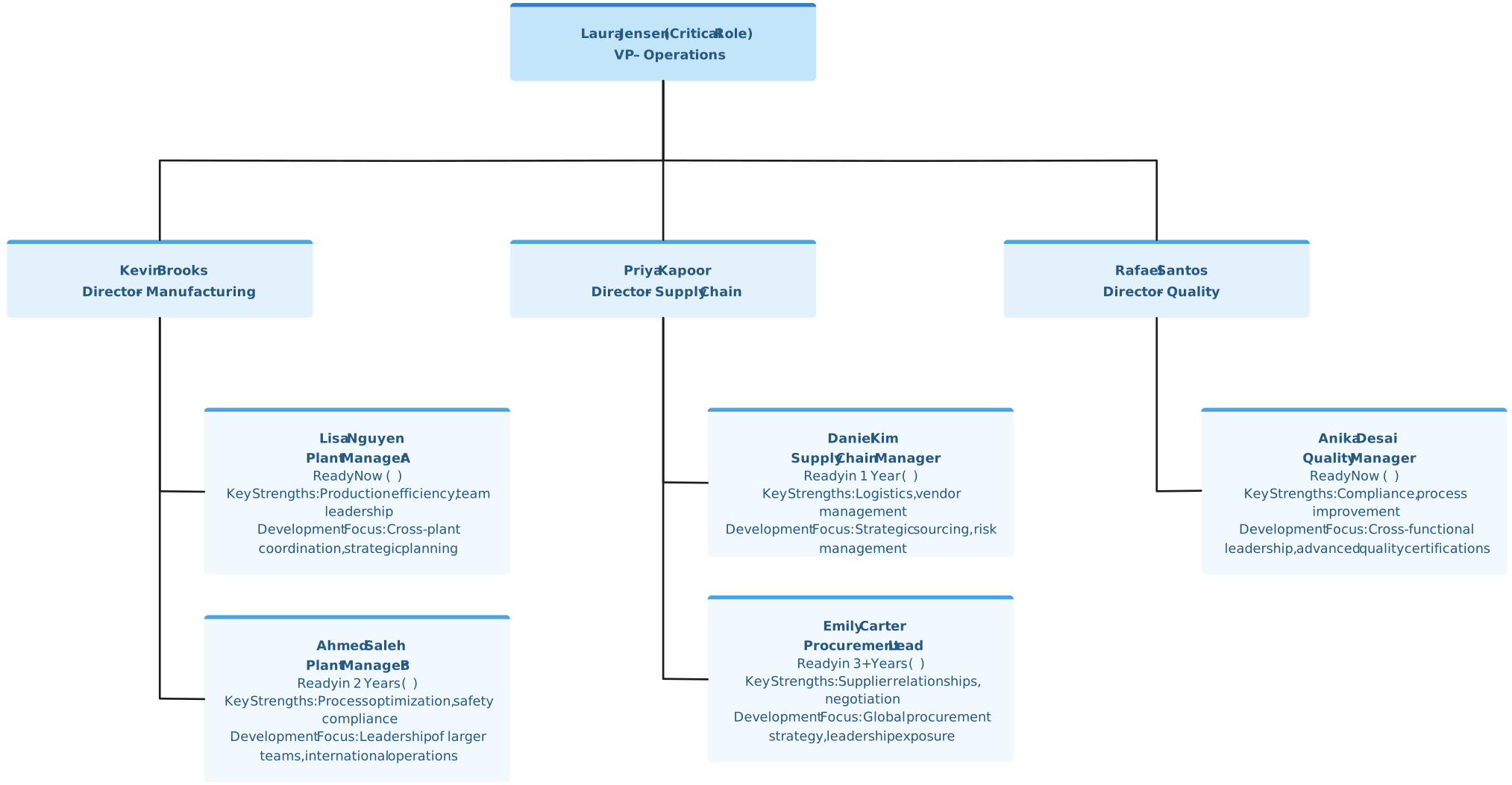
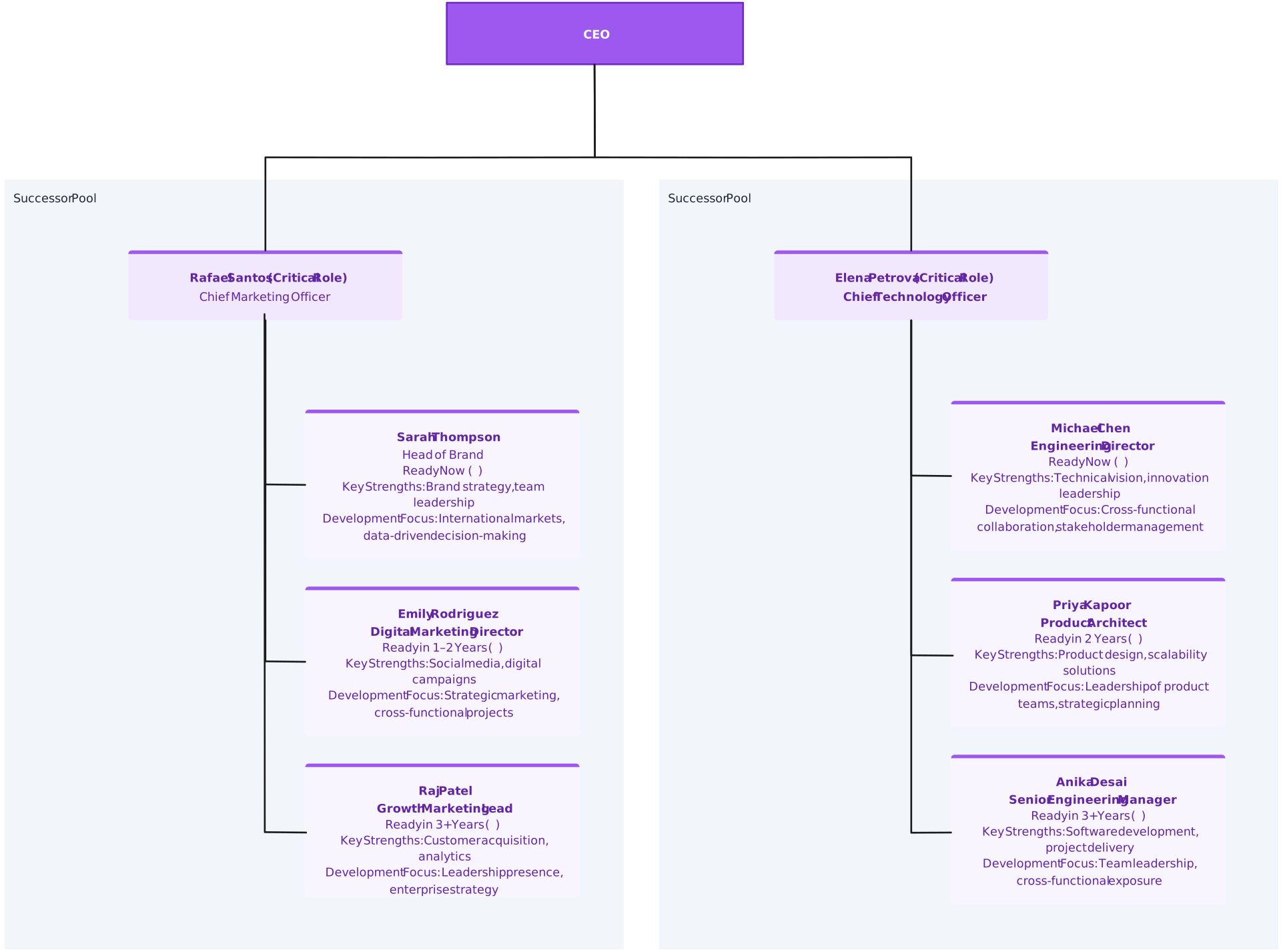
Talent Pool Succession Grid Structure
Emergency vs Long-Term Succession Planning Template
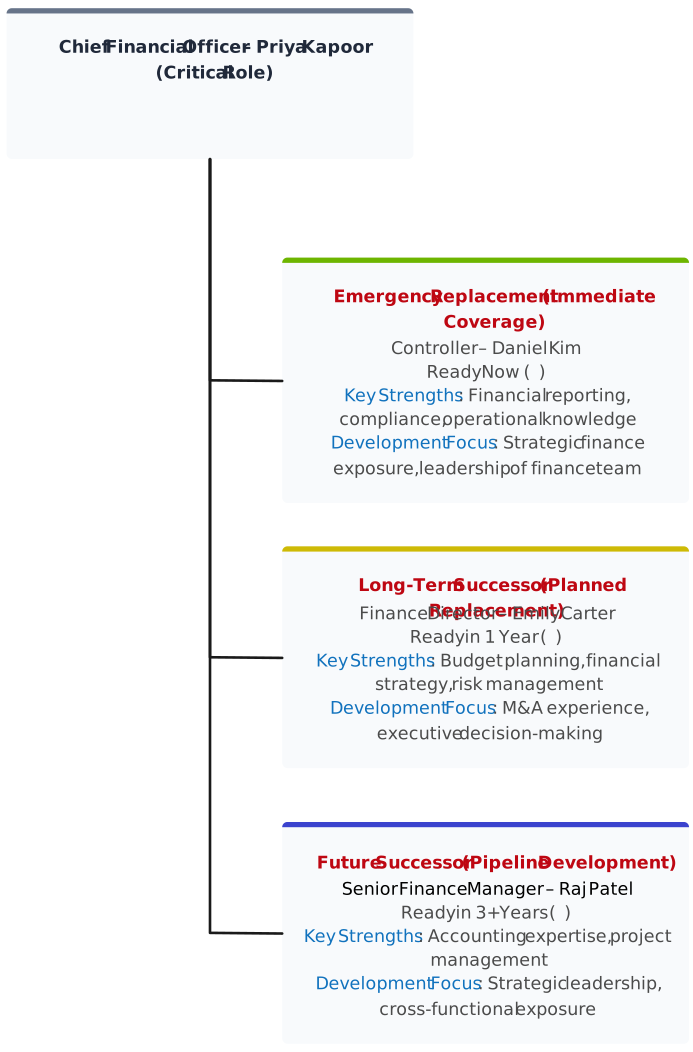
FAQs About the Steps in Succession Planning
Why is succession planning important?
What are the roles & responsibilities in the succession planning process?
What are the best practices for succession planning?
What are common challenges in succession planning and how can they be addressed?
How can succession planning support diversity and inclusion?
What is succession planning in HR?