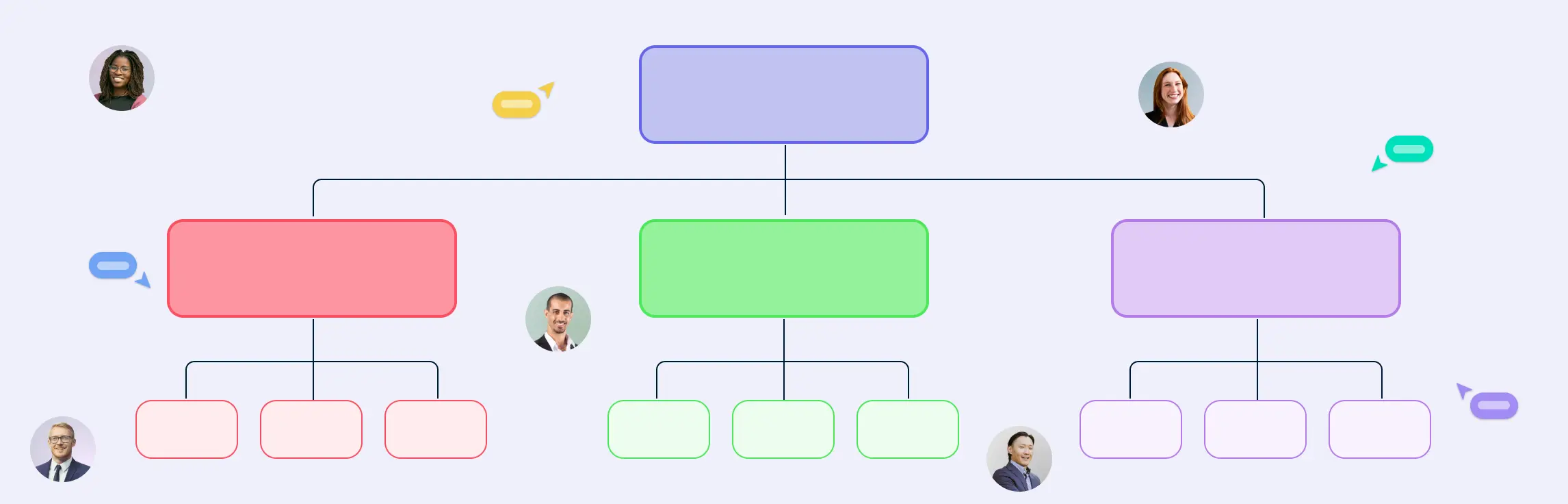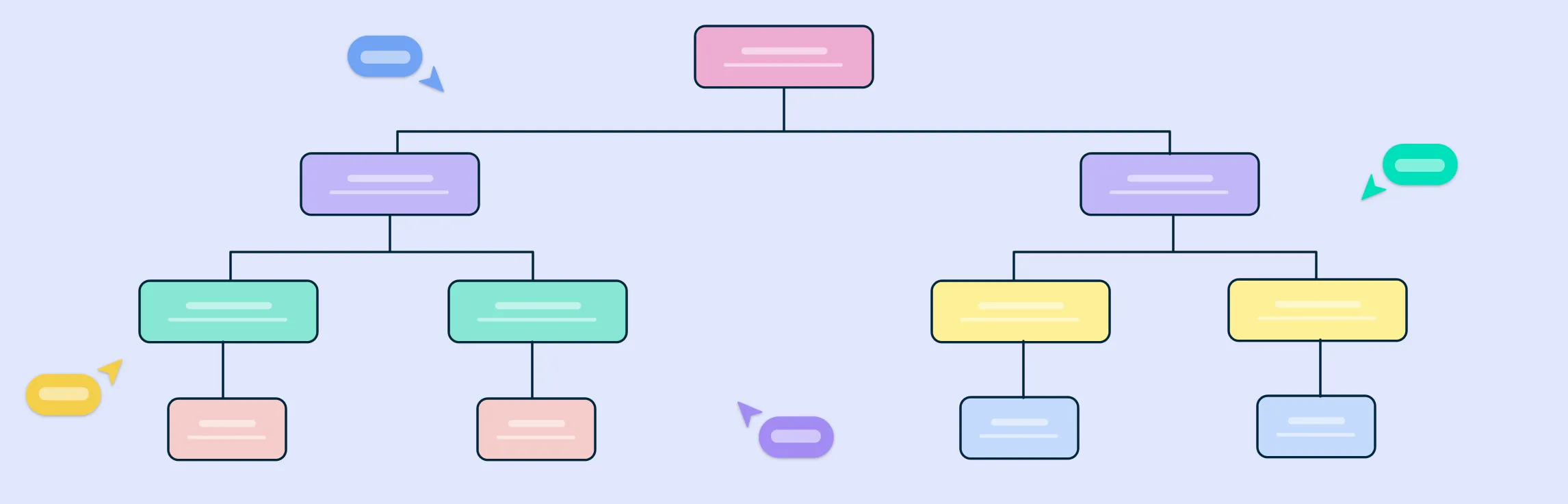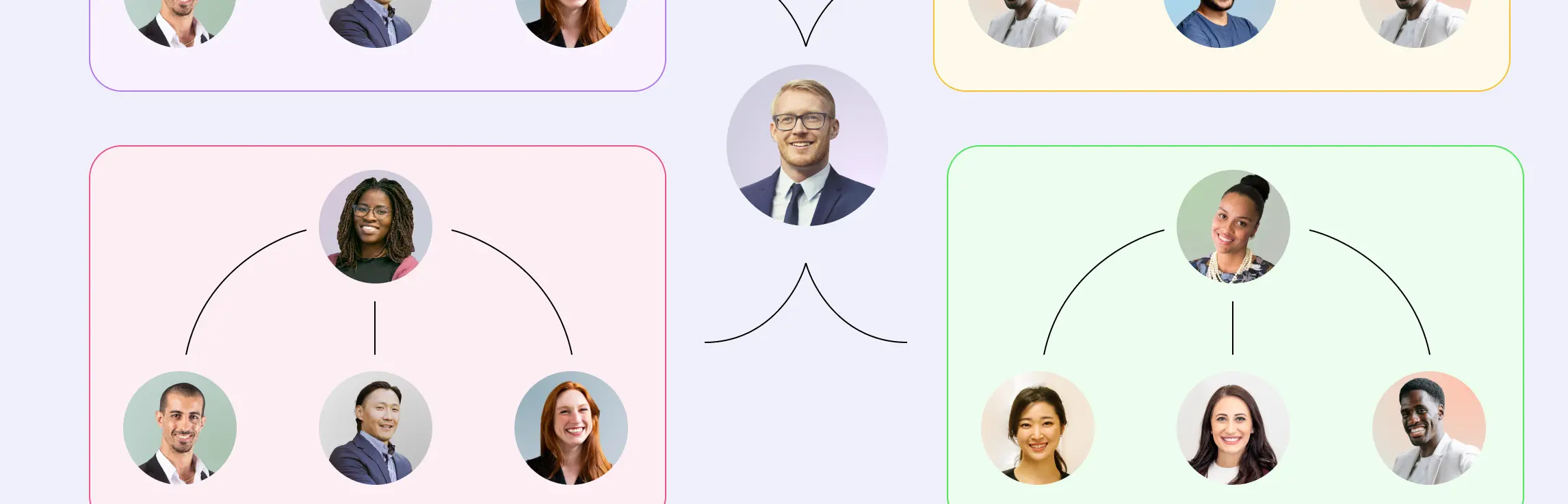
Imagine walking into a workplace where everyone knows their role, but nobody feels stuck in a rigid hierarchy. Teams aren’t just groups of people—they’re dynamic hubs of collaboration, creativity, and problem-solving. In today’s fast-moving business world, companies are realizing that the old top-down structures just can’t keep up. Instead, success often comes from small, empowered teams that can adapt quickly, make decisions on the fly, and take ownership of their work. In this guide, you’ll learn what a team based organizational structure is, and how to implement it effectively.
Team-Based Organizational Structure Definition
A team-based organization is a dynamic setup where work revolves around empowered teams instead of rigid hierarchies. Each team brings together people with different skills and expertise to collaborate, make decisions, and take ownership of outcomes. Think of it like a sports team: everyone has a role, but the magic happens when members communicate, support each other, and work toward a shared goal. In a business context, these teams connect across projects, products, or departments, and when you map them in a team org chart, you can clearly see responsibilities, relationships, and how collaboration flows throughout the organization.
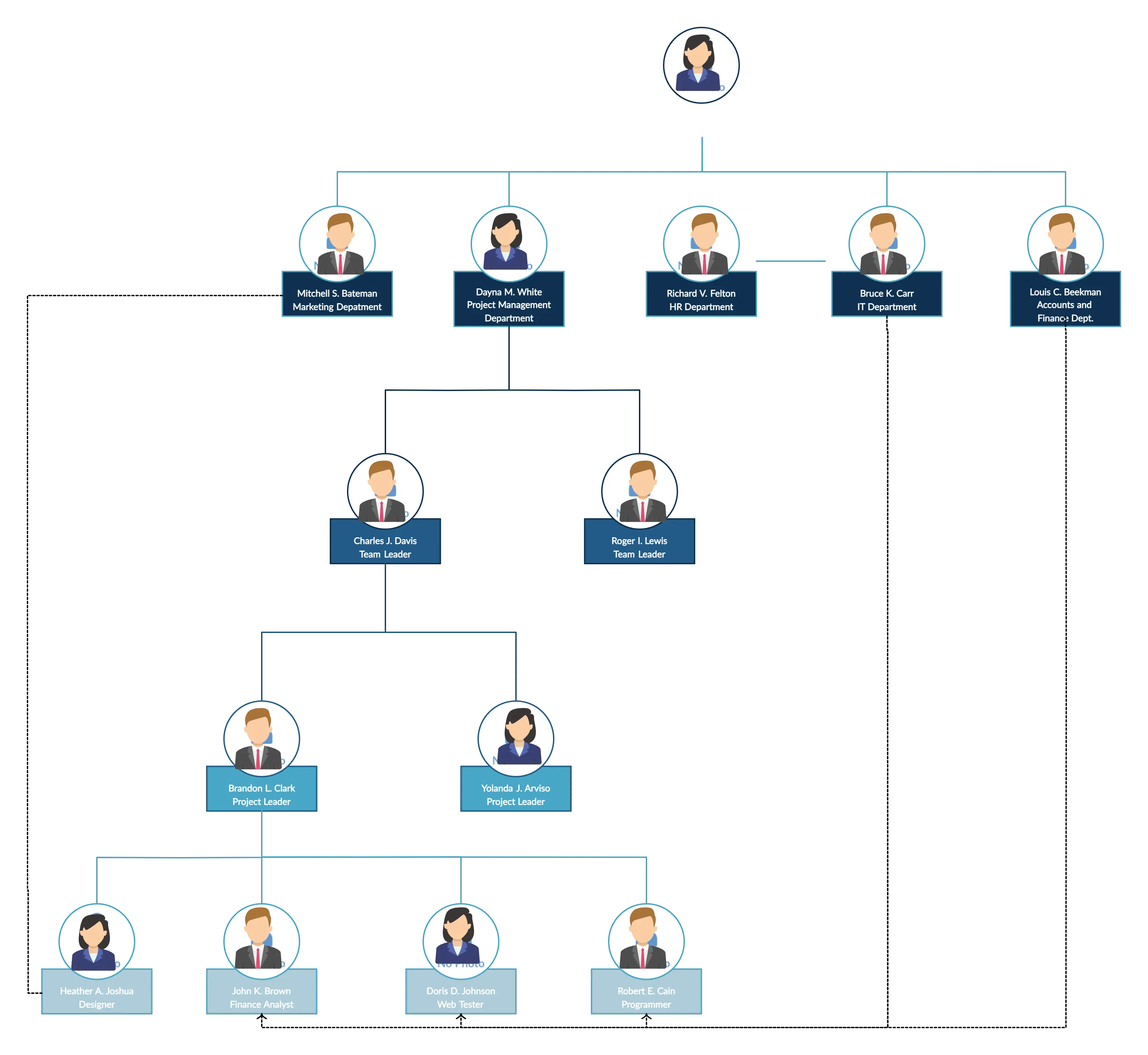
Characteristics of a Team Org Structure
When an organization is built around teams, it comes with some standout characteristics that make collaboration, decision-making, and adaptability feel effortless—and that’s what makes team-based structures so powerful.
Cross-functional or multidisciplinary teams – These teams bring together people from different departments, skills, and expertise to tackle challenges together. It’s like assembling the ultimate squad where everyone’s unique strengths combine to get things done faster and smarter.
Shared leadership / decentralized decision-making – Instead of one manager calling all the shots, leadership is more like a guiding hand. Team members have a voice, contribute ideas, and make decisions together, which keeps things nimble and energizes everyone to take ownership.
Team autonomy – Teams aren’t waiting for approvals at every turn. They manage their own processes, make decisions, and pivot quickly when the situation changes. It’s freedom with responsibility, and it often sparks innovation and faster results.
Flexibility and adaptability – Teams aren’t locked in place. They can be permanent, temporary, or dynamic depending on the project or goal. This flexibility allows the organization to respond to changes quickly, shuffle resources efficiently, and always stay ahead of the curve.
Different Types of Team Organizational Structures
Not all teams are built the same. Depending on the goals, projects, and nature of work, organizations can set up teams in different ways to get the best results. Here are the most common types:
Functional teams – These teams are made up of people who have similar skills or work in the same department, like a marketing team or a finance team. Everyone focuses on their specialty, which keeps work efficient and streamlined.
Cross-functional teams – These teams mix people from different departments or skill sets to tackle a project together. Think of it as assembling a “dream squad” to solve complex problems with diverse perspectives.
Self-managed teams – These teams operate with minimal supervision. Members set goals, make decisions, and manage their own workflow, giving them full ownership of results and accountability.
Project-based or temporary teams – These teams are created for a specific project or goal and disband once it’s completed. They’re flexible, focused, and designed to get results fast.
Matrix teams – In a matrix setup, team members report to more than one manager—usually a functional manager and a project or product manager. It’s a way to balance specialized expertise with cross-team collaboration.
How to Build an Effective Team-Based Organizational Structure
Creating a team-based structure isn’t just about forming teams—it’s about designing clarity, collaboration, and accountability, and visualizing it so everyone can see how it works. Using a team org chart makes this process simple and transparent.
Step 1. Identify your teams and objectives
Start by listing the key projects, products, or functions your organization needs to achieve its goals.
Decide which teams are needed to deliver on these objectives. For example, you might need a product development team, a customer support team, or a marketing team.
On your org chart, create separate “team blocks” for each group to show their focus areas and make it clear why they exist.
Step 2. Define roles and responsibilities clearly
Within each team, assign roles based on skills and experience. Who leads the team? Who handles specific tasks? Who is responsible for decision-making?
Avoid overlaps by detailing responsibilities for each role.
Visualize this in the org chart by placing team members under their roles. This helps everyone understand who to approach for what, reducing confusion.
Step 3. Establish reporting lines and communication channels
Even in a team-based setup, people need to know who they report to for approvals or guidance. Decide how information will flow within and between teams.
Use your org chart to show reporting lines clearly. For example, team leads can be connected to upper management, while team members show lateral connections for collaboration.
Step 4. Empower teams to make decisions
Give teams autonomy to make decisions within their scope. Trusting teams boosts ownership, engagement, and speed.
Highlight decision-making authority on your org chart so everyone knows which roles or teams can take initiative without waiting for approvals.
Step 5. Encourage cross-team collaboration
Teams shouldn’t work in silos. Identify areas where teams need to interact, share knowledge, or collaborate on projects.
Use your org chart to indicate inter-team relationships, shared responsibilities, or dependencies. This visual clarity makes coordination easier and reduces misunderstandings.
Step 6. Review and adapt regularly
Teams evolve as priorities and projects change. Schedule periodic reviews to adjust team composition, roles, and reporting lines.
Update your org chart regularly to reflect changes. A living org chart ensures clarity, prevents confusion, and keeps the organization agile.
Advantages and Disadvantages of a Team Organizational Structure
When organizations shift to a team-based setup, it changes how work gets done—and how people feel about it.
| Advantages | Disadvantages |
| Better collaboration and communication – teams work closely and share ideas; org charts show who’s on each team for clarity. | Role ambiguity – without clear responsibilities, tasks can overlap and cause confusion. |
| Faster decision-making – teams can make decisions within their scope, speeding up projects. | Conflict potential – shared decision-making and close collaboration can lead to disagreements. |
| Increased innovation and creativity – diverse skills and perspectives spark fresh ideas; org charts visualize team diversity. | Complex performance evaluation – measuring individual contributions in a team can be tricky. |
| Higher accountability and ownership – teams take responsibility for outcomes; org charts highlight roles and responsibilities. | Coordination challenges – multiple autonomous teams may create misalignment if not managed well. |
| Flexibility and adaptability – teams can be permanent, temporary, or dynamic; org charts help track changes. | Resource and management overhead – teams need support, training, and updated visual structures. |
| Enhanced employee engagement – empowered teams understand their role in the bigger picture. |
Examples of Team-Based Organizational Structure
Seeing how real companies organize around teams makes it easier to understand how this structure works in practice. Here are some examples:
Spotify – Known for its “squads” and “tribes,” Spotify organizes employees into small, cross-functional teams that own specific features or projects. Each squad functions autonomously but collaborates with other squads, and their team org charts clearly map these connections.
Google – Many teams at Google operate in a cross-functional, project-based model. Engineers, designers, and product managers work together in small teams, with flexible reporting lines shown in internal team org charts.
Zappos – Zappos adopted a holacracy-inspired team structure, where employees work in self-managed teams with distributed decision-making. Org charts highlight roles and responsibilities within each team while showing how they interact across the company.
Airbnb – Uses cross-functional “pods” for product development and customer experience. Each pod combines design, engineering, and data expertise to work on a specific customer journey. Team org charts help everyone see who’s in which pod and how pods connect.
Amazon (Project Teams) – Amazon often forms temporary, project-based teams to tackle new initiatives. Once a project ends, the team may disband or evolve into a new configuration, and org charts help track these dynamic changes.
Helpful Resources
Learn what a product organizational structure is, explore common team models, key roles, pros and cons, and how to build a scalable product org chart.
Project organizational structure explained. Learn types, how to choose the right model, and use pre-made templates to map roles and reporting lines.
A practical guide to geographic organizational structure: pros, cons, free templates, and a step-by-step implementation plan for regional teams.
Learn the difference between functional and divisional organizational structures, with examples, pros & cons, a comparison table and guidance on which to choose.
A practical guide to the matrix organizational structure with step-by-step instructions for creating clear matrix org charts, real company examples, free templates, pros & cons, and implementation tips for managers.
Learn what a hybrid organizational structure is, explore its types and key characteristics, and discover how to implement it effectively with free templates.
Learn what a decentralized organizational structure is, its benefits and drawbacks, real company examples, and steps to implement decentralization in your business.
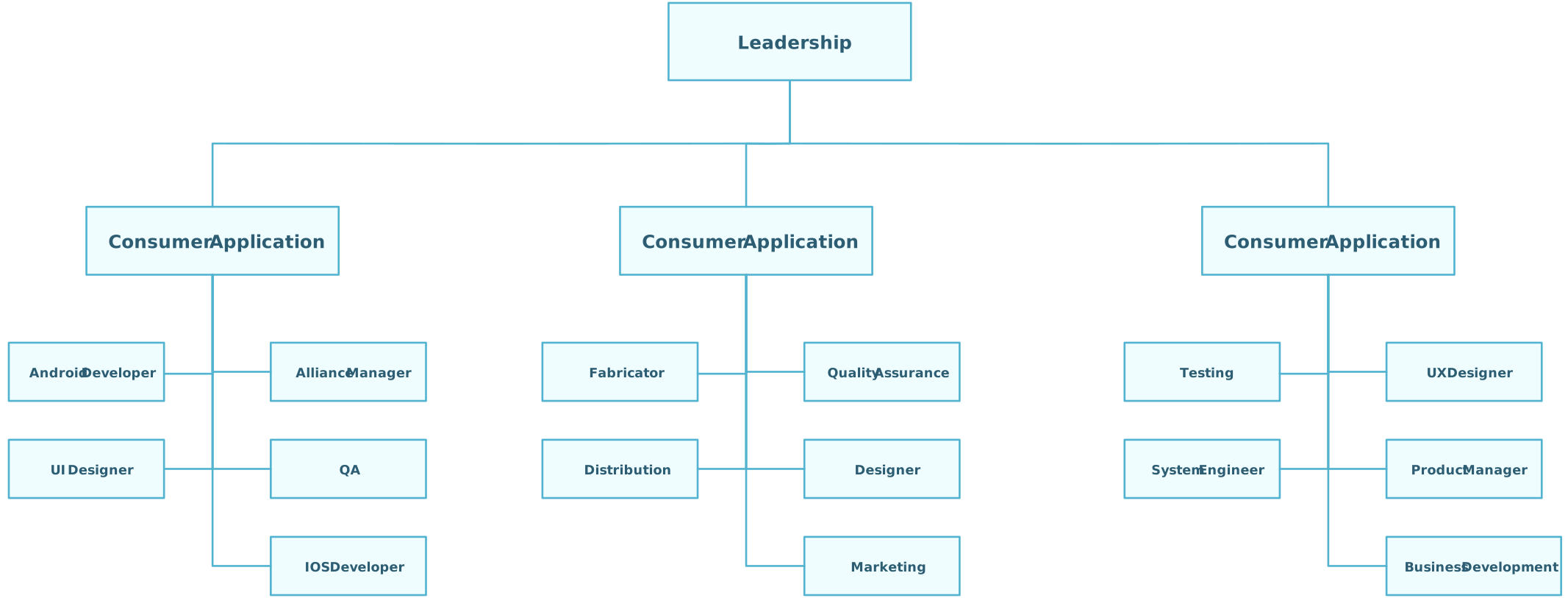
Team-Based Organizational Chart Templates
Team Based Structure
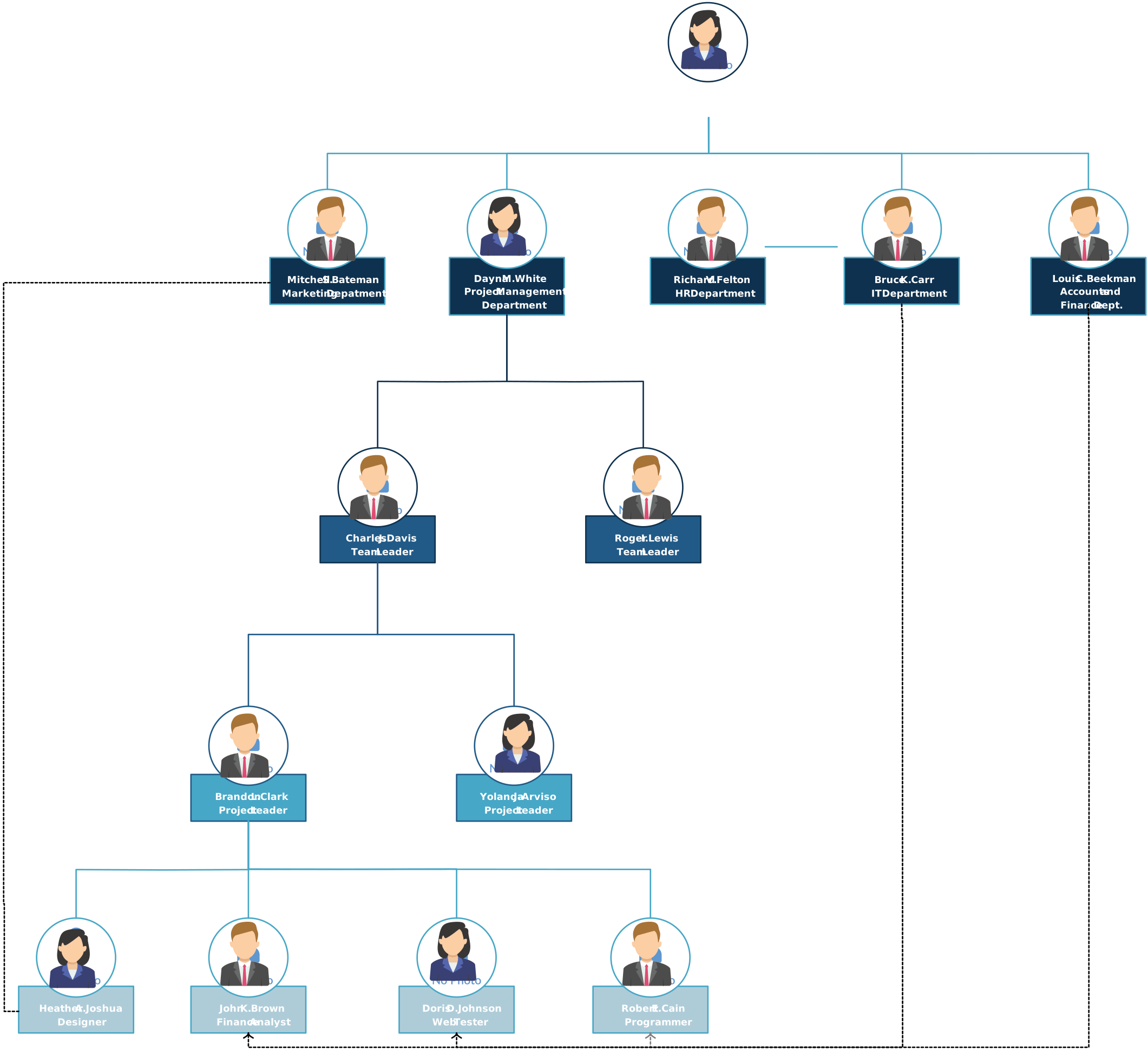

Org Chart Template for Team Based Company
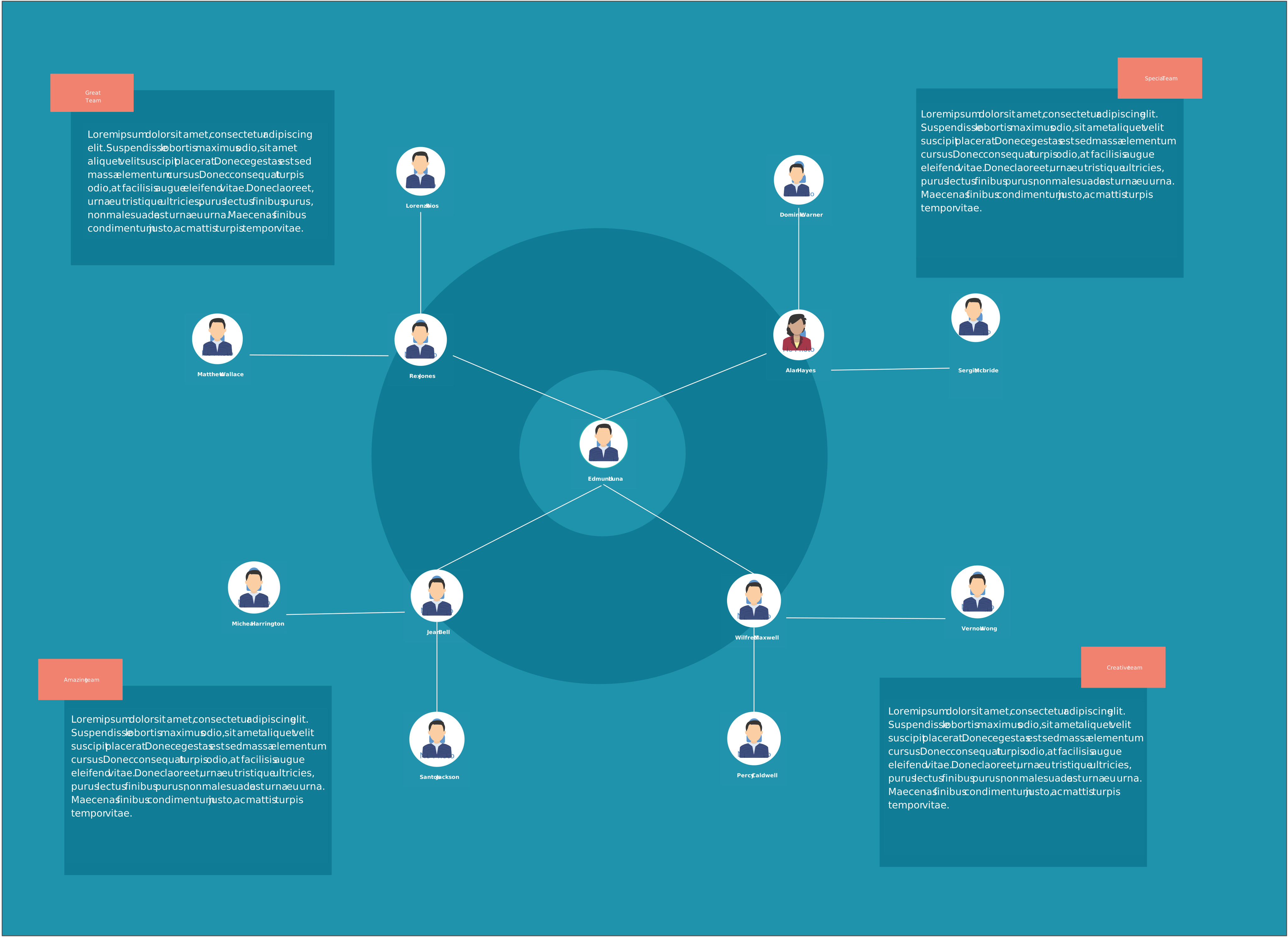
Org Chart Template for Company or Organization
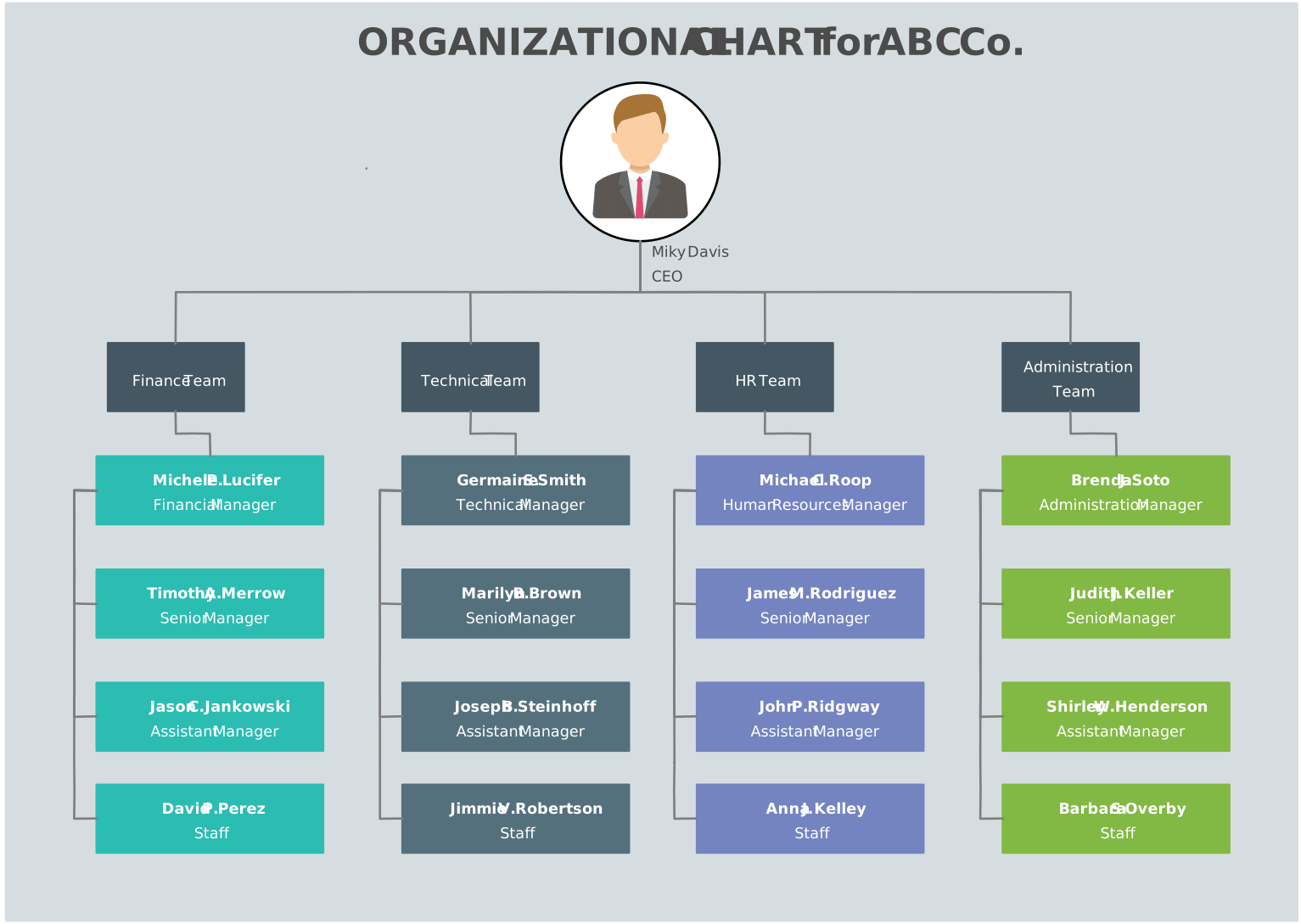
Team Based Org Chart Template
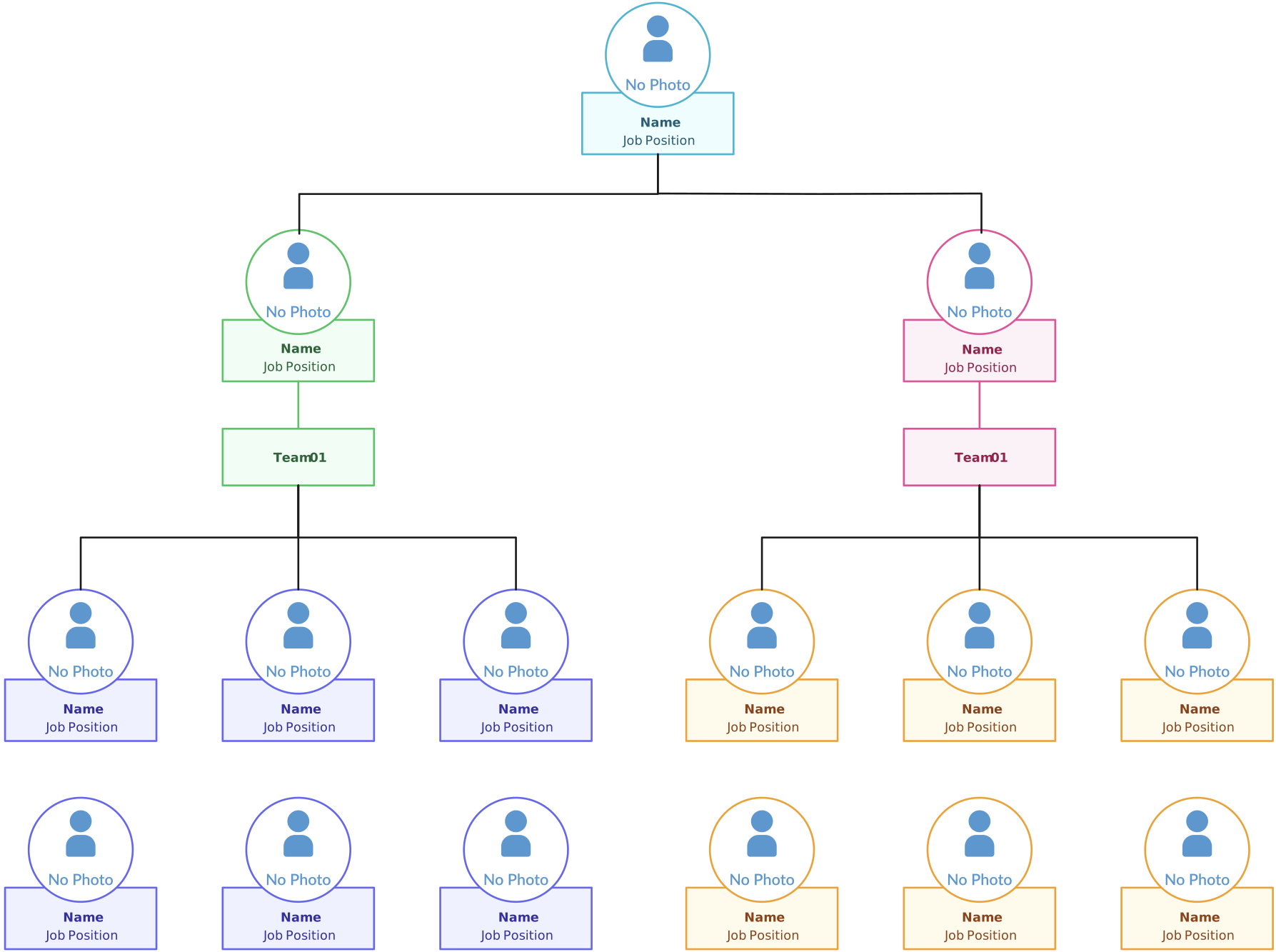
Team Based Organizational Structure Template
FAQs About Team-Based Org Structures
How is a team-based structure different from a traditional hierarchy?
What are the main benefits of using a team-based structure?
What are the biggest challenges of a team-based structure?
Can small businesses use team based structures?
How do org charts help in a team-based structure?