Start with the part of the business you need to understand.
Value Stream Mapping Tutorial This guide explains what value stream mapping is, when to use it, and how to build current-state and future-state maps that reveal waste, bottlenecks, and improvement opportunities. It also covers the sections of a value stream map, the metrics to capture, and practical ways to turn observations into an action plan.
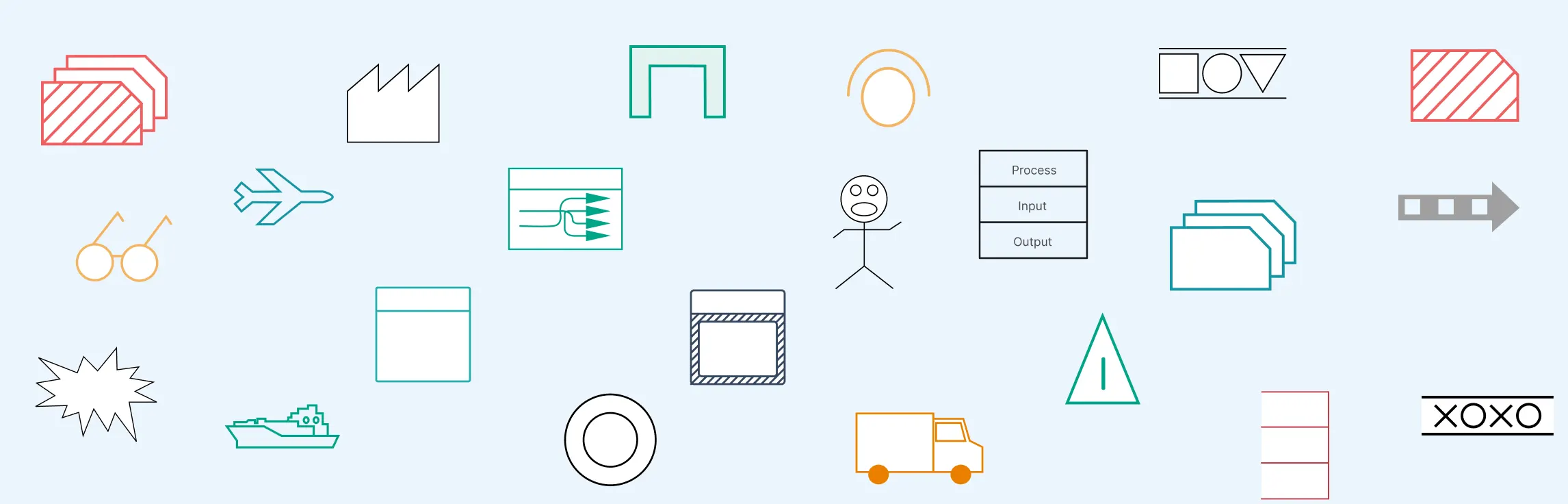
If you’ve ever tried value stream mapping and felt overwhelmed by unfamiliar icons, cluttered diagrams, or symbols that weren’t clearly explained, you’re not alone. This guide breaks it all down, starting with what value stream mapping is, followed by a clear explanation of value stream mapping symbols and meanings. You’ll see what each value stream icon represents, when to use it, and how it fits into the bigger picture, along with practical tips to avoid overcomplicating your map and turning insights into action.
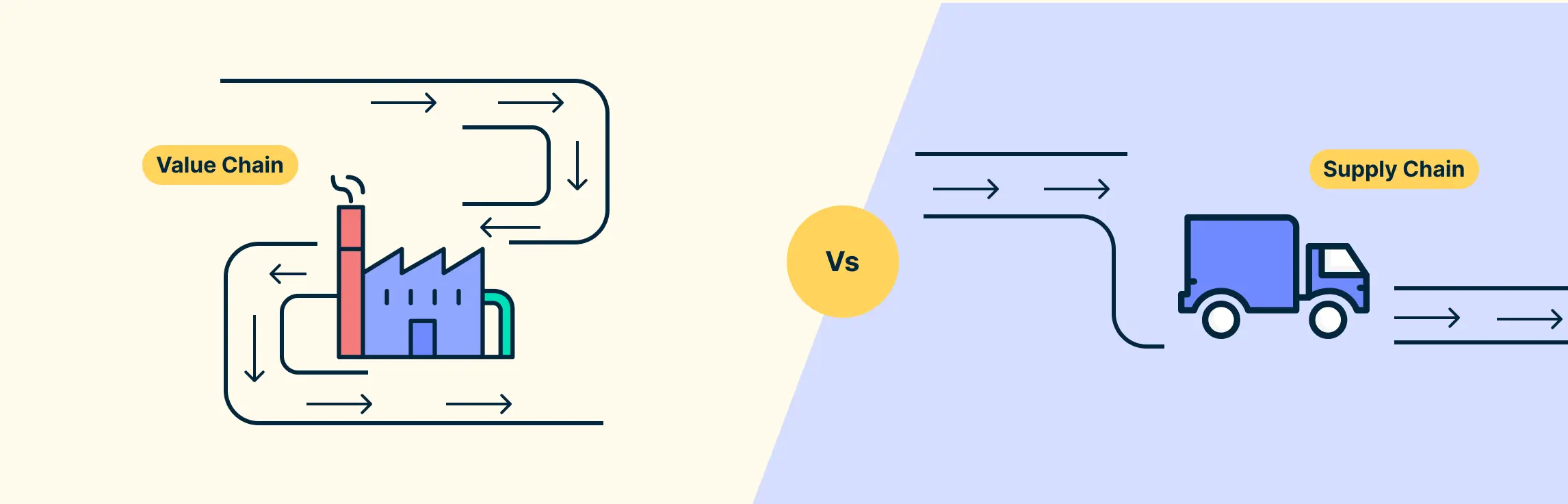
Understanding value chain vs supply chain is crucial for strategic growth. A value chain focuses on activities that add value at each stage, enhancing customer experience, while a supply chain ensures cost-efficient and timely product delivery. Recognizing the differences and synergies between them helps businesses optimize operations and gain a competitive edge.
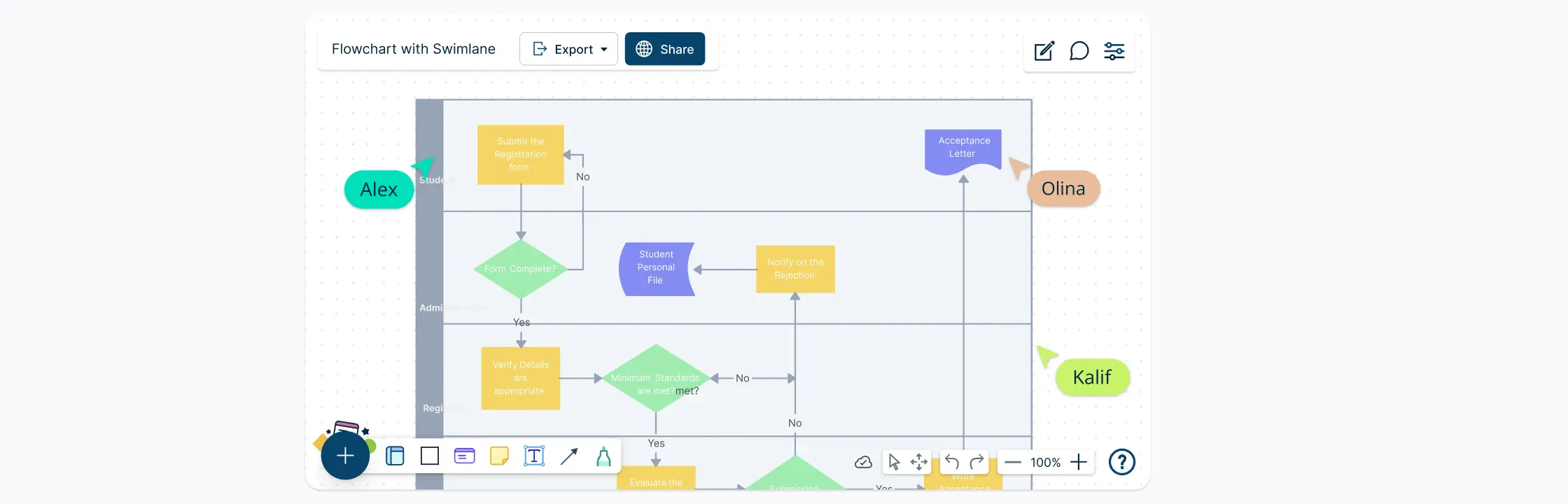
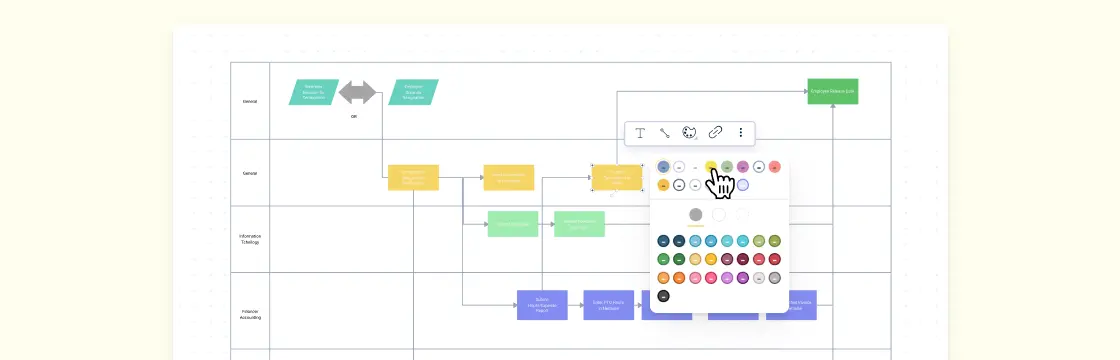
What are cross functional flowcharts Flowcharts are widely popular and one of the most frequently diagram types. They are great for mapping the flow of steps, decisions that need to be made etc in a process.
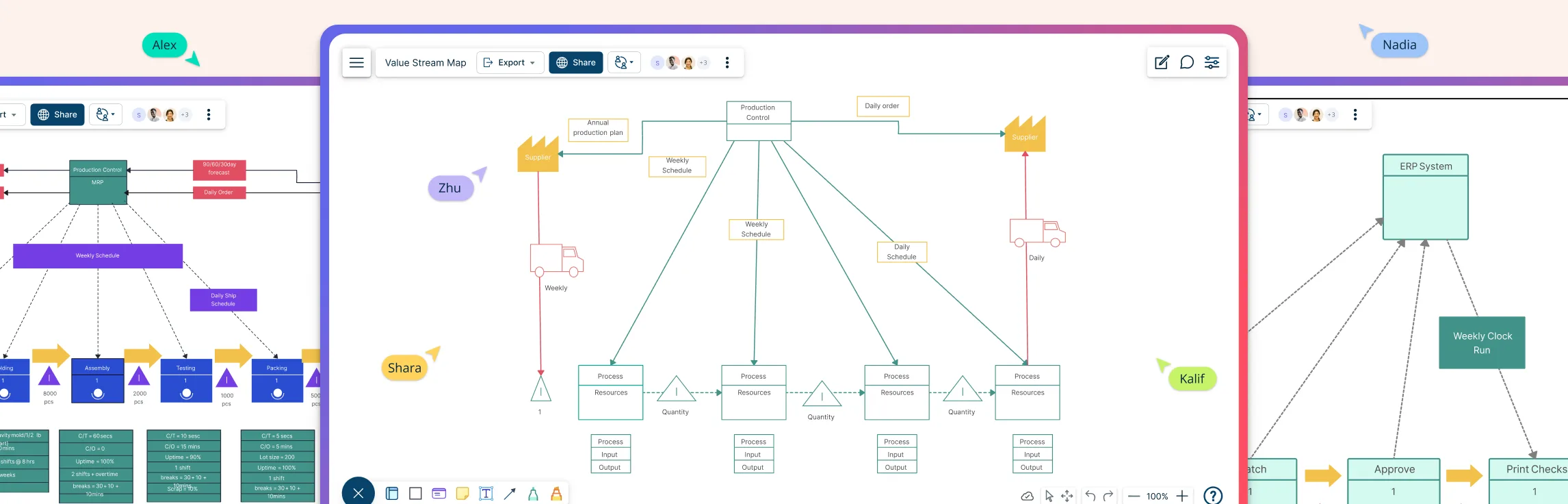
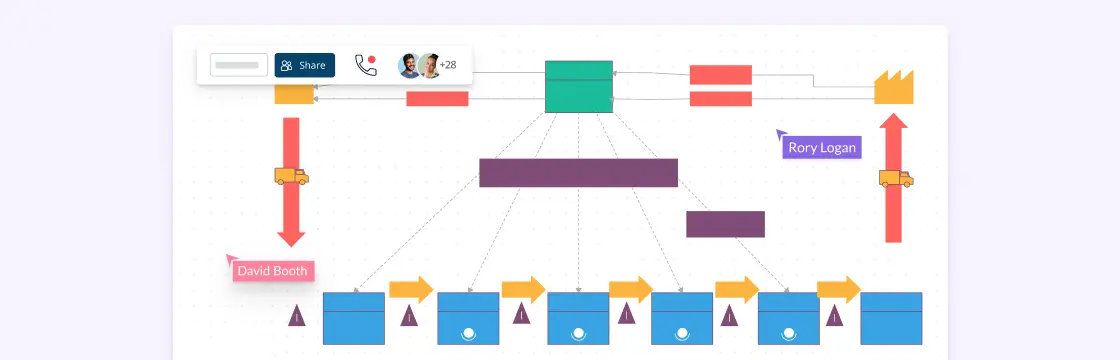
Value stream mapping (VSM) is a lean practice for visualizing the value-creating and non-value-creating activities required to deliver a product or service. A value stream map connects process flow with material or work-item flow, information flow, process data, and a timeline. Teams typically document the observed current state first and then design a feasible future state that improves the end-to-end flow.
A standard operations manual is essential to streamlining your business. It defines the roles of employees, what they are responsible for, how to carry out a process, what to do in case of an emergency and so on.
Japan is known worldwide for its quality products and services. One of the many reasons for this is its excellent quality management. How did it become so? Japan has Dr. Kaoru Ishikawa to thank for that.
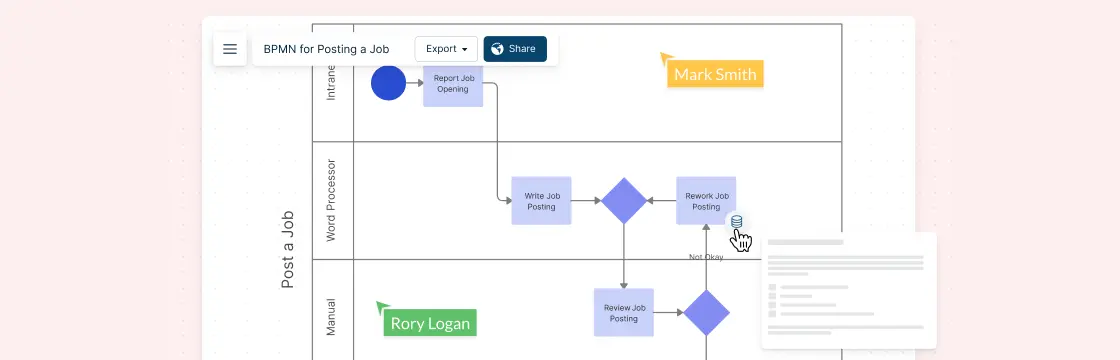
Why Business Process Mapping is Important Businesses don’t just crop up overnight. Every objective is achieved through systematic processes. Business process modeling lets everyone from the heads of departments to concerned staff figure out the why, what, where and when of these processes. Process maps take all the data from here and present it visually.
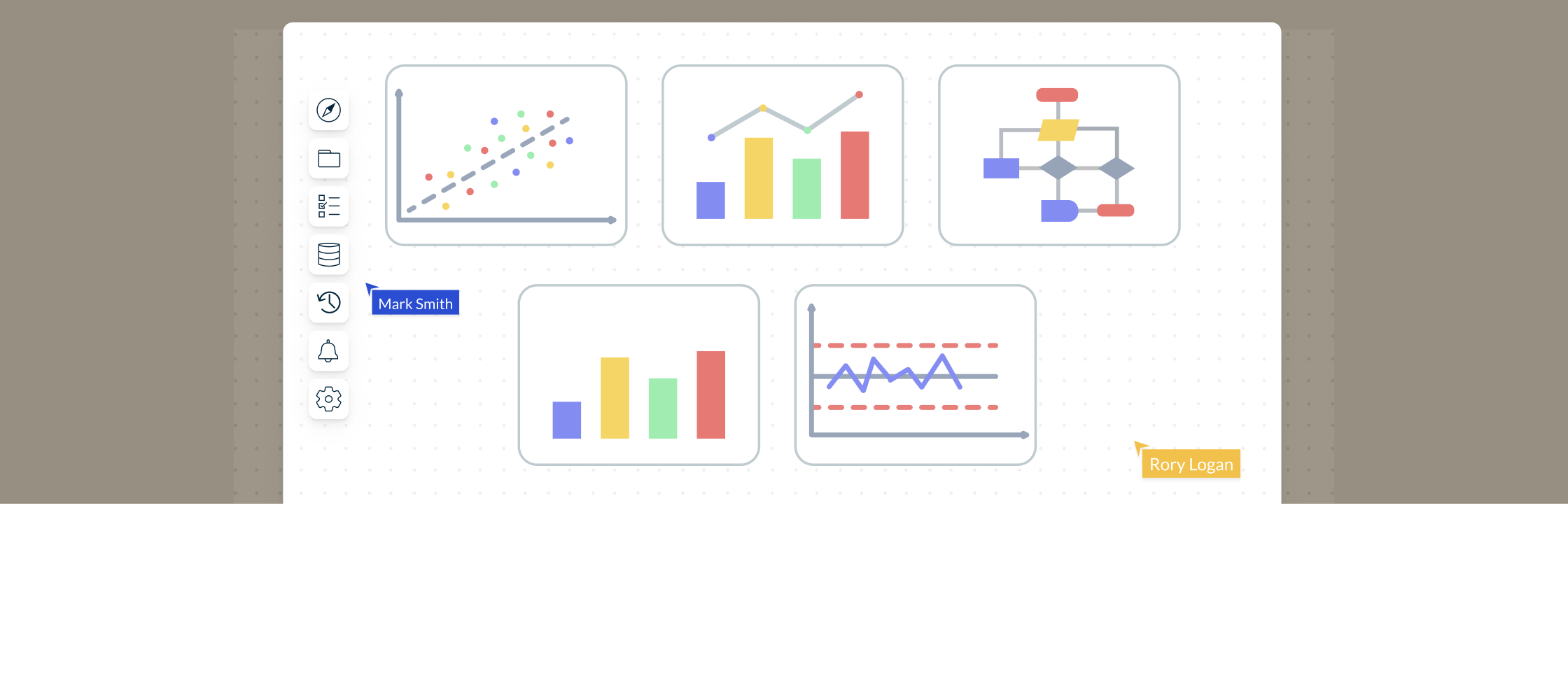
The most commonly used methodology in Six Sigma is the DMAIC process. Many use it to solve problems and identify and fix errors in business and manufacturing processes.