Feeling frustrated with scattered workflows, duplicated tasks, and unclear responsibilities? Many modern teams struggle to keep work flowing smoothly when traditional hierarchies or functional silos get in the way. By organizing your team around end-to-end workflows instead of just job titles or departments, this approach brings clarity, speed, and accountability to your operations. In this guide, we’ll explore what a process-based organizational structure is, its key features, real-world examples, and templates you can use to visualize and streamline your team’s work.
What Is a Process Based Organizational Structure?
A process based organizational structure is all about organizing your company around end-to-end workflows instead of traditional departments or job titles. Instead of focusing solely on functions like marketing, sales, or IT, this structure puts the process itself at the center, making sure every step, from start to finish, is clear, accountable, and optimized.
Think of it like turning a messy, scattered workflow into a well-lit highway: everyone knows their lane, the handoffs are smooth, and nothing gets lost in translation. This approach not only boosts efficiency but also ensures teams work together across functions, rather than operating in silos.
When to Use a Process Based Organizational Structure
A process based organizational structure isn’t one-size-fits-all—it shines in situations where clarity, speed, and accountability are crucial. Here’s when this approach makes the most sense:
1. Complex Workflows Across Teams
If your organization has multiple interdependent processes, a process structure ensures that every step is visible, responsibilities are clear, and handoffs happen smoothly.
2. Multi-Department Collaboration
When projects span departments—like marketing, sales, IT, and operations—aligning teams around processes rather than functions helps break down silos and encourages cross-functional teamwork.
3. Customer-Facing or High-Stakes Processes
Businesses that directly impact customers—like order fulfillment, service delivery, or product launches—benefit from a process-centric approach because it reduces errors, speeds up decision-making, and improves customer experience.
4. Organizations Seeking Operational Transformation
Companies looking to optimize workflows, embrace agility, or drive continuous improvement can use a process-based structure to achieve process optimization, empower agile teams, and support large-scale operational transformation.
Key Components of a Process Based Organizational Structure
A process based organizational structure relies on several core components that ensure workflows run smoothly and teams stay aligned. Understanding these elements is essential for designing an efficient process structure organization:
1. Process Owners
Individuals responsible for overseeing specific workflows from start to finish. They ensure tasks are completed on time, track performance, and drive continuous improvement, creating accountability across the process.
2. Process Steps and Workflows
Clearly defined stages of each workflow help teams understand what needs to be done, by whom, and when. Mapping these steps ensures nothing falls through the cracks and improves workflow clarity.
3. Cross-Functional Teams
Teams organized around processes rather than departments encourage collaboration across functions, reduce silos, and enable smoother handoffs between different parts of the organization.
4. Metrics and Performance Indicators
Key performance indicators (KPIs) measure the effectiveness of each process, helping leaders identify bottlenecks, optimize operations, and ensure the organization is meeting its goals.
5. Supporting Tools and Visuals
Tools like Creately allow teams to create visual org charts, workflow diagrams, and process maps, making complex processes easier to understand, manage, and improve.
Key Features of a Process Based Organization
A process based organizational structure isn’t just about who reports to whom—it’s about how work actually flows. Here are the key features that make this approach stand out:
1. Focus on Processes, Not Just People or Functions
Instead of organizing by department, teams are structured around end-to-end processes. This ensures every task, handoff, and responsibility contributes to the overall workflow, making your organization more efficient and aligned.
2. Efficiency and Streamlined Operations
With a process-centered design, teams can identify bottlenecks, eliminate redundant steps, and optimize each workflow. The result? faster decision-making, smoother collaboration, and measurable improvements across the organization.
3. Accountability Through Process Ownership
Every major workflow has a process owner—someone responsible for monitoring, managing, and continuously improving the process. This creates clear process accountability, so no task falls through the cracks.
4. Cross-Functional Collaboration
Teams work along workflows rather than within isolated silos, meaning coordinators, team members, and stakeholders can collaborate seamlessly across departments. This improves workflow visibility and ensures everyone understands their role in delivering results.
5. End-to-End Process Management
From initiation to completion, every workflow is mapped, tracked, and refined. This holistic view of operations ensures consistent quality, reduces errors, and supports continuous improvement.
Examples of Process Based Organizational Structure
A process based organizational structure can look different depending on the industry and business goals. What stays consistent is the focus on workflows, ownership, and cross-functional collaboration. The table below highlights common process based organizational structure examples, showing how they work and the value they deliver.
| Example | Core Process Focus | Key Features | Business Benefits |
| Order-to-Cash Process Structure | From customer order to payment collection | Defined process owners, cross-team handoffs between sales, finance, and operations | Faster cycle times, fewer billing errors, improved cash flow |
| Product Development Process Structure | Idea → design → build → launch | Cross-functional teams aligned around product lifecycle stages | Better collaboration, reduced rework, faster time to market |
| Customer Support Process Structure | Ticket intake to resolution | Clear workflow stages, ownership at each step, visibility across teams | Improved customer satisfaction, quicker response times |
| Procure-to-Pay Process Structure | Vendor sourcing to payment | Standardized workflows, clear accountability, process metrics | Cost control, improved compliance, operational efficiency |
| Employee Onboarding Process Structure | Hiring to full productivity | HR, IT, and managers aligned around onboarding stages | Smoother onboarding, higher employee engagement, productivity gains |
How Does a Process Based Organizational Structure Work?
A process based organizational structure works by organizing teams around how work flows, not just who reports to whom. Instead of tasks moving up and down a hierarchy, work moves forward through clearly defined processes—from start to finish.
Here’s how it typically works in practice:
1. Identify Core Business Processes
The organization first defines its most critical workflows—such as order fulfillment, product development, customer support, or onboarding. These processes become the foundation of the structure.
2. Break Each Process Into Clear Stages
Every process is mapped into logical steps, making responsibilities and handoffs visible. This creates workflow clarity and helps teams understand how their work fits into the bigger picture.
3. Assign Process Owners
Each workflow has a process owner responsible for outcomes, performance, and continuous improvement. This eliminates confusion and strengthens process accountability across teams.
4. Enable Cross-Functional Collaboration
Instead of working in silos, teams collaborate across departments along the workflow. Marketing, sales, operations, and support work together within the same process—improving cross-functional alignment and reducing delays.
5. Visualize and Improve Continuously
Processes are documented and visualized using org charts and workflow diagrams. With tools like Creately, teams gain real-time visibility into how work flows, making it easier to spot bottlenecks, optimize processes, and adapt as needs change.
Templates for Process-Based Org Charts
Visualizing a process based organizational structure becomes effortless with the right templates. Ready-to-use org chart templates can save you hours of planning while making workflows crystal clear for your team. Here are some templates that work perfectly:
1. End-to-End Workflow Org Chart
Map your entire process from start to finish. This template highlights each step, the teams involved, and handoffs, giving everyone a clear picture of the workflow and helping optimize operations.


2. Process Owner Hierarchy Chart
Show who’s responsible for each process, from initiation to completion. This chart makes process accountability visible, so roles are clear and decisions move faster without bottlenecks.
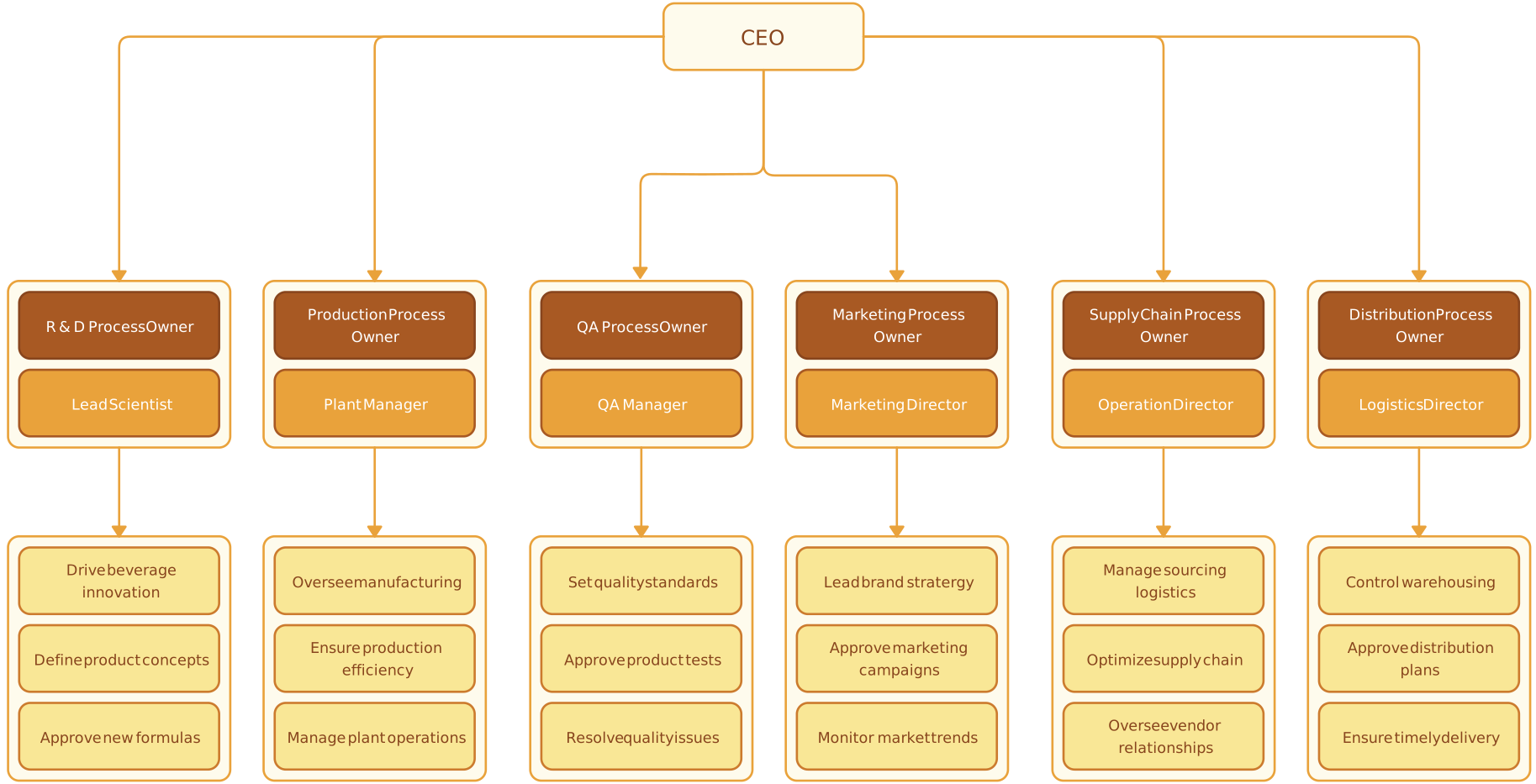
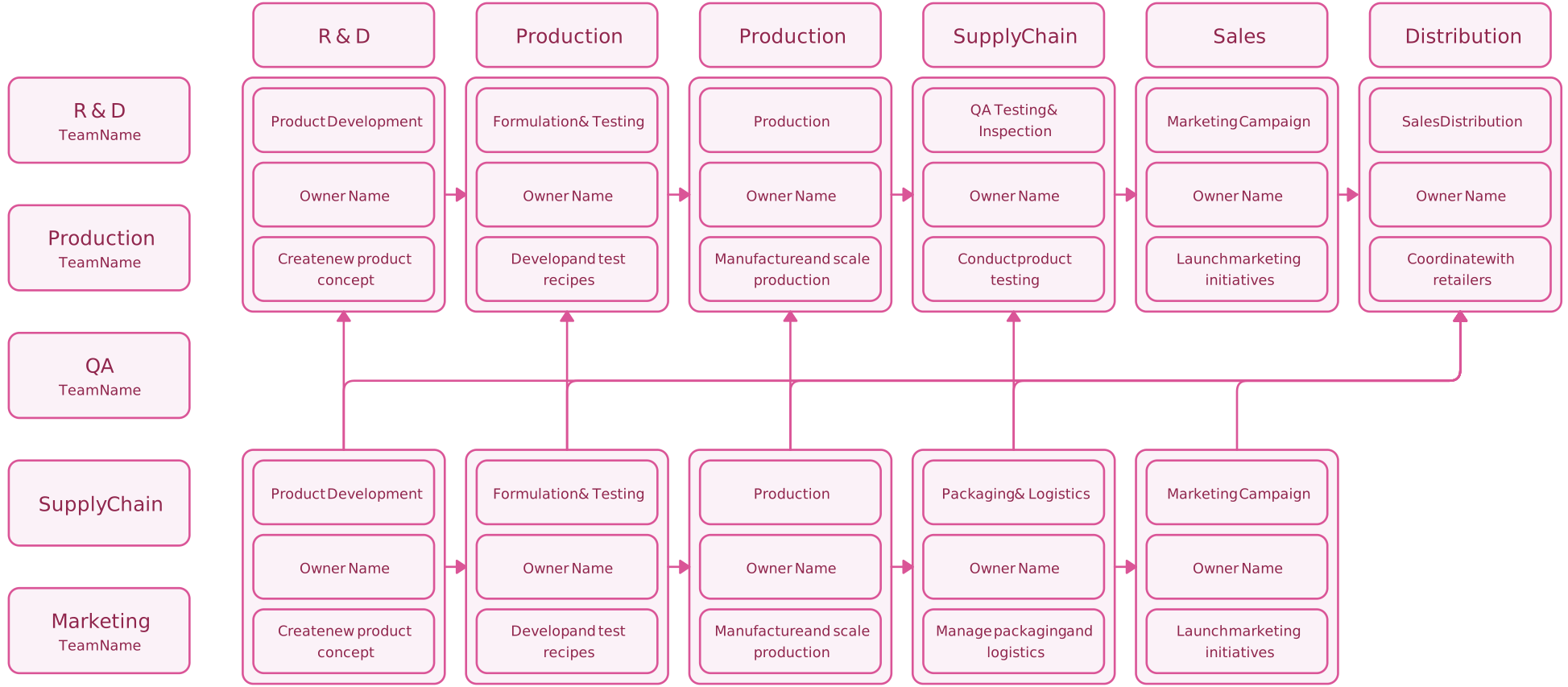
3. Cross-Functional Process Structure Chart
Visualize how teams across different departments collaborate on shared workflows. Perfect for boosting team alignment and workflow visibility, this template ensures no step or responsibility is overlooked.
Benefits of a Process Based Organizational Structure
Switching to a process based organizational structure can transform the way your team works, making operations smoother, faster, and more aligned. Here’s how it can benefit your organization:
1. Faster Decision-Making and Reduced Bottlenecks
With clear processes and designated process owners, decisions don’t get stuck waiting for approvals from multiple departments. Workflows move faster, and bottlenecks are minimized, improving overall operational efficiency.
2. Improved Collaboration and Team Alignment
By focusing on processes rather than individual departments, teams collaborate more effectively across functions. Everyone knows their responsibilities, which boosts workflow clarity and helps maintain consistent communication.
3. Better Customer-Focused Outcomes
When processes are mapped end-to-end, organizations can quickly identify areas that impact the customer experience. From faster deliveries to higher service quality, a process-centric approach ensures teams are aligned toward delivering customer value.
Mini-Case Example:
Imagine a software company where the product, marketing, and support teams often miscommunicated, causing delays in launches. By implementing a process organizational structure, they assigned process owners for product release workflows. Result? Launch timelines improved by 30%, and cross-team collaboration became seamless.
4. Boosted Productivity and Continuous Improvement
With visible workflows and accountability at every step, teams can identify inefficiencies, reduce redundant work, and focus on high-impact tasks—driving productivity and fostering a culture of continuous improvement.
How to Draw a Process Based Org Chart with Creately
Creating a process based organizational chart doesn’t have to be complicated. With Creately’s org chart software, you can map workflows, assign responsibilities, and visualize processes in a few simple steps. Here’s how:
Step 1: Choose a Template
Start with a ready-made process-based org chart template in Creately. Templates provide a pre-built structure for common workflows, helping you save time and focus on customizing the process to your team.
Step 2: Map Your Core Processes
Use Creately’s drag-and-drop interface to add process stages, steps, and handoffs. Each shape can represent a process, task, or department, giving you full workflow visibility at a glance.
Step 3: Assign Process Owners and Teams
Add roles directly into the chart using Creately’s customizable shapes and labels. You can assign process owners, coordinators, and cross-functional team members, creating clear accountability across all workflows.
Step 4: Connect Steps and Visualize Handoffs
Link tasks and stages with arrows or connectors using Creately’s smart connectors. This helps illustrate the flow of work, making handoffs between teams easy to understand.
Step 5: Customize and Brand Your Chart
Adjust colors, icons, and fonts to match your team’s style using Creately’s drag-and-drop styling tools. Highlight critical processes, bottlenecks, or priorities to make your org chart both informative and visually appealing.
Step 6: Collaborate in Real-Time
Share the chart with your team and collaborate live. Creately allows real-time updates, comments, and editing, so everyone stays aligned and can contribute to improving workflows.
Step 7: Review and Iterate
Process-based org charts are dynamic. Use Creately’s version control and easy editing features to refine processes continuously and ensure your chart evolves as your organization grows.
A process based organizational structure is more than just an organizational chart—it’s a roadmap for efficient, accountable, and collaborative work. By focusing on workflows, empowering process owners, and visualizing responsibilities clearly, modern teams can reduce bottlenecks, boost productivity, and deliver better outcomes for customers. Whether you’re managing a complex project, coordinating multiple departments, or seeking operational transformation, this approach gives your organization the clarity and speed it needs to thrive.
Ready to bring your processes to life? With Creately, you can create visual, customizable process-based org charts, collaborate in real time, and see your workflows come together effortlessly. Start mapping your processes today and experience the difference of an organization that just works.
Helpful Resources
Explore rules for drawing organizational charts and org chart best practices to make your org chart more meaningful and useful.
Easily make organizational charts to visualize the reporting structure of your organization for effective HR planning and management with org chart maker.
Learn simple steps to create an org chart that fits your business, along with tips and tools to make it easy to build and update.
FAQs About Process Based Organizational Structure
How is a process based organizational structure different from a functional or hierarchical structure?
Can small businesses benefit from a process organizational structure?
How do you assign roles in a process based organization?
What software tools can help visualize a process based organizational structure?
Are process based organizational structures suitable for remote or hybrid teams?