Ever feel like your team is stuck in endless email chains, unclear reporting lines, and scattered workflows? Traditional hierarchies can slow decision-making, stifle collaboration, and make it hard to respond quickly to change. That’s where a network structure comes in. Designed for modern, agile teams, this organizational approach emphasizes flexibility, decentralized decision-making, and strong connections between people and functions.
In this guide, we’ll break down what a network structure is, explore its key features, and explore practical network structure org chart templates.
What Is a Network Structure?
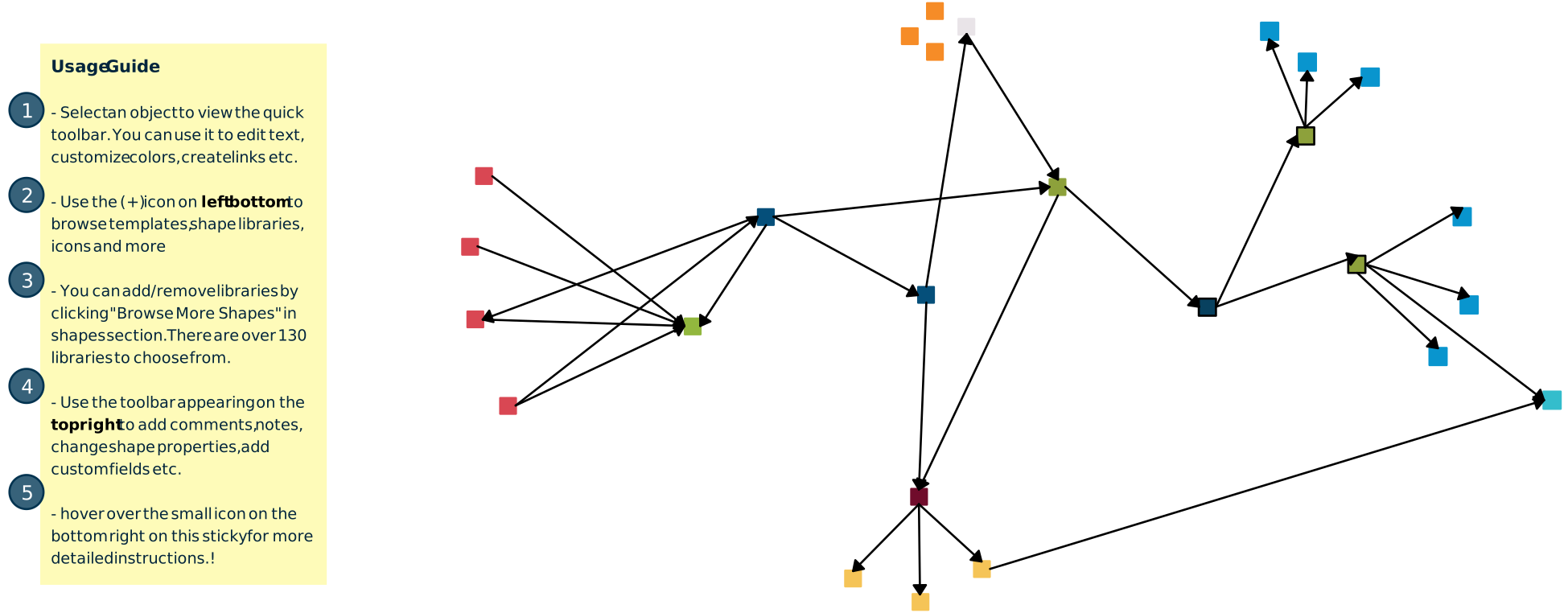
A network structure is an organizational design that prioritizes flexibility, collaboration, and interconnected teams over rigid hierarchies. Unlike traditional top-down models, where decisions flow from executives to employees, a network organizational structure distributes authority across multiple nodes, allowing teams to communicate, share resources, and make decisions more independently.
At its core, it’s a way for organizations to stay agile, adapt quickly to change, and foster innovation by creating networked organizations where connections and relationships matter as much as formal roles.

When to Use a Network Structure
A network structure isn’t a one-size-fits-all solution, but it excels in environments where agility, collaboration, and speed are essential. Understanding when to adopt this organizational design can help your team thrive.
Rapidly scaling teams: When teams grow quickly, a networked approach ensures communication remains fluid and decision-making doesn’t get bogged down in layers of hierarchy.
Innovation-driven companies: For startups and creative firms, a network organizational structure encourages idea sharing and cross-functional collaboration, accelerating innovation.
Highly collaborative projects: Projects that require input from multiple departments or geographically dispersed teams benefit from the flexibility and clarity of networked workflows.
Key Components of Network Organizational Structures
At the heart of every effective network structure are a few core components that keep the organization flexible without becoming chaotic. These components define how people, teams, and information connect within network organizational structures.
1. Nodes (Teams, Individuals, or Units)
In a network organizational structure, nodes represent people, teams, or external partners. Each node operates with a level of autonomy while remaining connected to others. This setup allows networked organizations to move faster without relying on rigid reporting layers.
2. Connections and Relationships
Connections show how nodes collaborate, share information, or depend on one another. Unlike traditional hierarchies, these relationships are often many-to-many rather than one-to-many, enabling stronger collaboration and faster problem-solving.
3. Shared Goals and Alignment
Even with decentralized decision-making, successful network structures rely on shared objectives. Clear goals ensure that autonomous teams stay aligned and work toward the same outcomes.
4. Communication Channels
Strong communication pathways are essential in network organizational structures. Information flows horizontally across teams, not just vertically, reducing silos and improving transparency across the organization.
5. Supporting Tools and Visual Systems
Because networks can become complex quickly, visual tools play a critical role. Network structure org charts help teams map nodes, connections, and responsibilities clearly. Tools like Creately make it easy to visualize, update, and scale these components as the organization evolves.
Together, these components form a flexible yet structured foundation, making the network organizational structure both adaptable and easy to manage when supported by clear visuals.
Key Features of Network Organizational Structures
Network organizational structures are designed to break free from rigid hierarchies and encourage agility across the organization. By understanding their core features, you can see why many modern companies are shifting toward this flexible way of working.
1. Decentralized Decision-Making
Unlike traditional hierarchies, where decisions flow from the top down, network structures empower teams to make choices at the point of action. This decentralization speeds up responses, reduces bottlenecks, and fosters a sense of ownership among employees.
2. Flexibility and Adaptability
A key hallmark of networked organizations is their ability to pivot quickly. Whether responding to market changes, customer feedback, or internal challenges, flexibility ensures teams can adjust their workflows without waiting for multiple approvals.
3. Collaborative Teams Across Functions or Geographies
Network organizational structures thrive on collaboration. Teams aren’t siloed by department or location; instead, cross-functional and geographically dispersed groups work together seamlessly. This approach leverages diverse skills and perspectives, driving innovation and efficiency.
4. Streamlined Communication Flow
In networked organizations, communication flows more horizontally than vertically. Clear channels for information sharing between teams reduce misunderstandings, speed up decision-making, and promote transparency—key ingredients for maintaining cross-functional team cohesion.
These features combine to make network structures a modern alternative to hierarchical models. By prioritizing agility, collaboration, and adaptability, organizations can respond faster, work smarter, and foster a more empowered workforce.
Types of Network Organizational Structures
Network organizational structures come in many forms, each suited to different strategic goals, team sizes, and business needs. Understanding these types helps organizations choose the right structure for collaboration, efficiency, and innovation.
1. Functional Network Organization
In a functional network organization, team members are grouped according to their roles or departments, such as marketing, finance, or customer service. This structure promotes collaboration within specialized teams while maintaining clear functional expertise.
2. Product Network Organization
A product network organization organizes teams around product lines. For example, a company may have divisions for beverages, snacks, and cereals. Teams collaborate across functions to bring products to market efficiently.
3. Market Network Organization
Here, members are organized based on market segments or customer groups. A market network might include separate teams for children’s, women’s, and men’s products, allowing the organization to focus on the unique needs of each market.
4. Geographical Network Organization
In a geographical network organization, teams are grouped by location. For instance, business units in Europe, the Middle East, and Africa might operate within an EMEA network, while Latin American teams form a LATAM network. This structure helps manage regional priorities and local customer demands.
5. Agile Network Organization
An agile network is task- or project-based. Teams are formed to accomplish specific goals and disband once the project is complete. This is ideal for innovation-driven projects requiring collaboration across different units.
6. Correlated Network Organization
A correlated network brings together departments or units with shared interests in certain business areas. For example, multiple product lines in manufacturing might collaborate on supply chain management or technology development.
7. Contract Network Organization
In a contract network, the organization works with independent partners under formal agreements, such as franchises or joint ventures. Each partner operates independently but contributes to shared business objectives.
8. Integrated Network Organization
An integrated network emphasizes collaboration and information sharing across all units. This is common in companies with multiple locations or divisions, where resources, processes, and knowledge are shared to maximize efficiency.
9. Virtual Network Organization
Virtual networks connect distributed teams across multiple locations or even countries. Digital tools and collaboration platforms allow teams to work seamlessly without a central physical office.
Each type of network organizational structure offers unique advantages, whether it’s fostering cross-functional collaboration, improving regional coordination, or enabling agile, project-based teamwork. Tools like Creately make visualizing these structures easy, allowing teams to see how nodes, connections, and responsibilities interact in real-time.
Examples of Network Organizational Structures
To better understand how network organizational structures function in real-world scenarios, let’s look at some well-known companies that use this model. Each example demonstrates how flexibility, decentralization, and collaboration allow organizations to scale, adapt, and innovate.
| Company | Structure Type | Functionality & Approach | Key Advantages |
| Starbucks | Franchise Network | Independent stores operate under the Starbucks brand, benefiting from shared services like marketing, training, and product development. | Rapid scalability, consistent quality, local autonomy, strong brand presence. |
| Momentum Metropolitan | Market/Brand Network | Operates across multiple markets (South Africa, UK, India) with different consumer brands. Each brand manages its products, profits, and losses while contributing to group earnings. | Localized decision-making, market-specific strategies, decentralized accountability. |
| Zara (Inditex) | Integrated/Agile Network | Combines design, production, distribution, and retail in a responsive global supply chain. Real-time data allows rapid adjustments to production and inventory. | Extremely fast product-to-market cycle, high responsiveness to trends, efficient global coordination. |
These examples show that network structures aren’t just theoretical, they’re practical frameworks that allow organizations to combine agility, autonomy, and collaboration. Whether it’s a franchise model like Starbucks, a market-based brand network like Momentum Metropolitan, or a highly responsive supply chain like Zara, visualizing these networks with network structure org charts in Creately makes it easier to manage complexity, optimize workflows, and communicate team connections clearly.
Network Structure Org Chart Templates
Visualizing a network structure is easier when you have the right templates. Network structure org charts help teams understand connections, roles, and workflows at a glance—perfect for modern, agile organizations. With Creately, you can access ready-to-use templates that are fully customizable for your team’s needs.
Here are a few examples of network organizational structure templates:
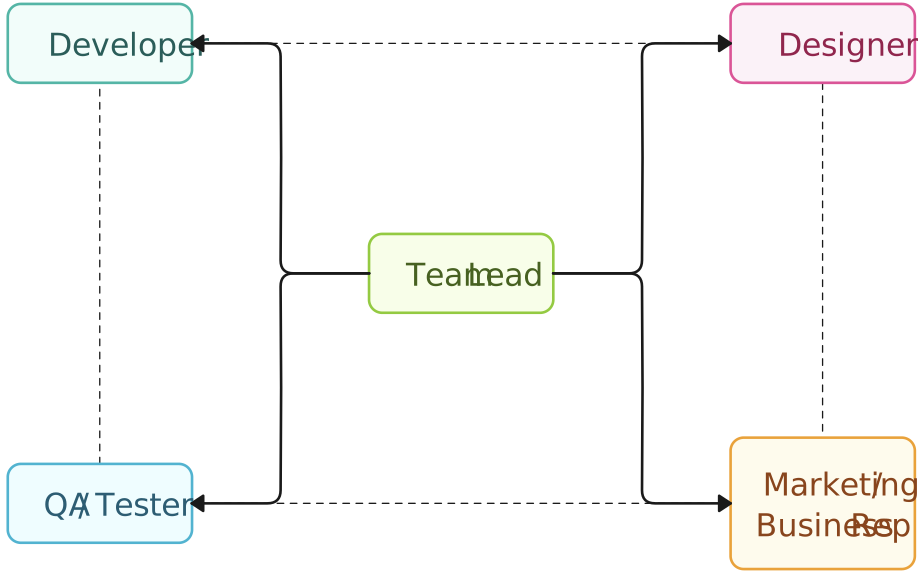
1. Simple Network Structure
A straightforward template showing key roles and their connections. Ideal for small teams or startups, it helps visualize reporting lines and collaboration paths without overwhelming complexity.
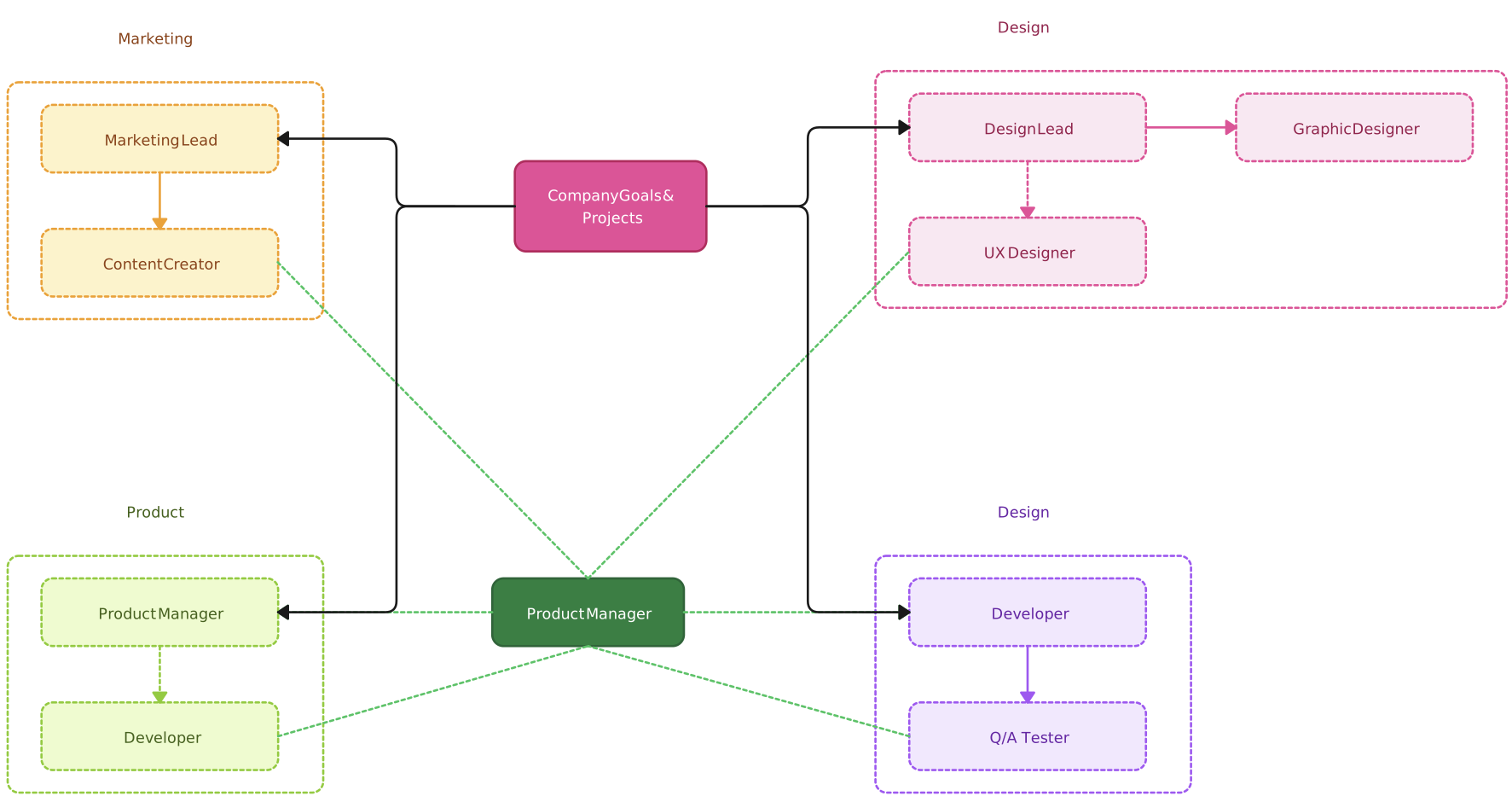
2. Cross-Functional Network
Designed for teams that work across departments, this template highlights collaboration between functions such as marketing, product, and design. Perfect for promoting transparency and cross-functional team synergy.
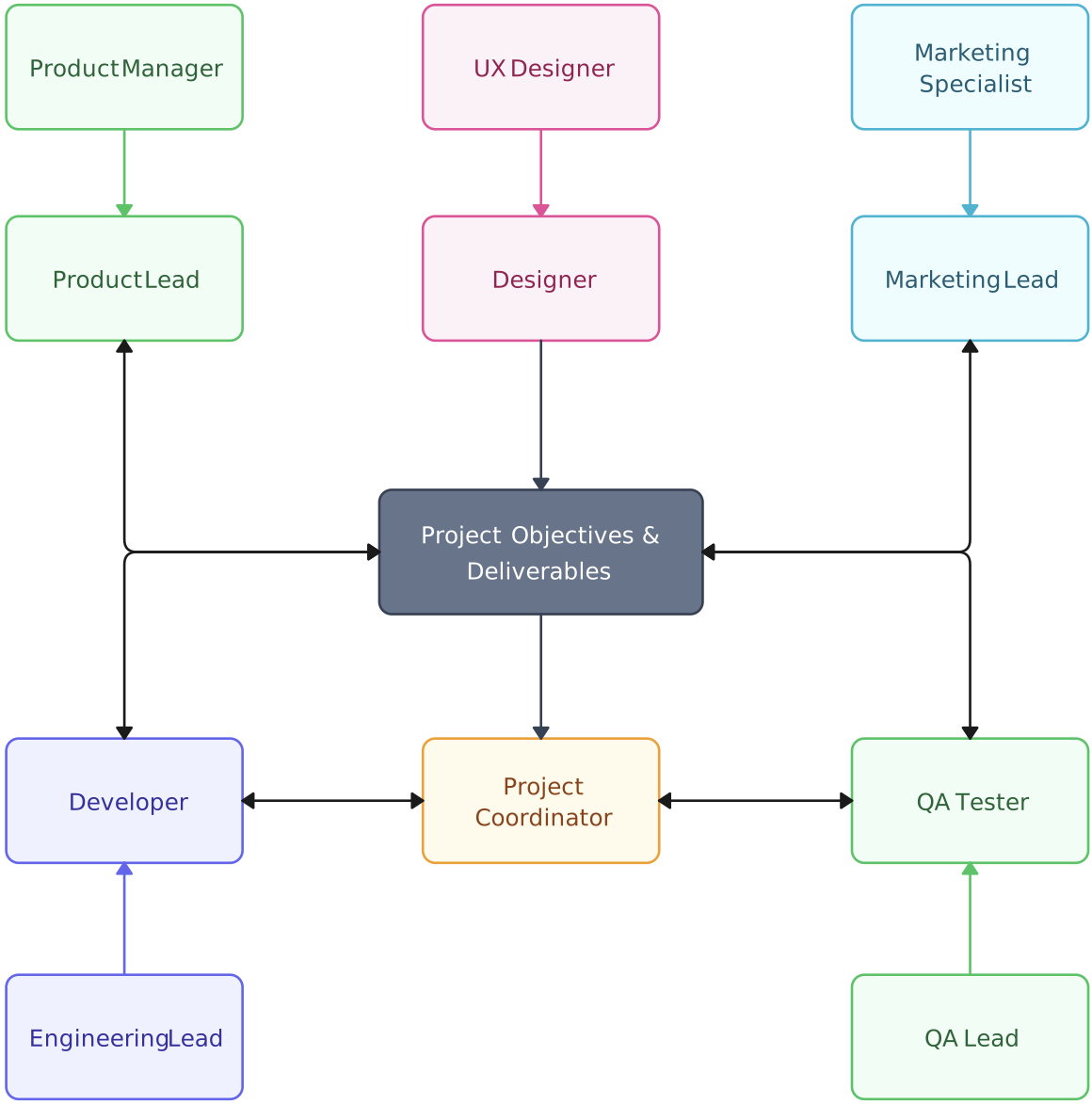
3. Project-Based Network
Focuses on temporary teams or projects where members from different departments collaborate. This template clearly maps roles, responsibilities, and communication channels for project success.
With Creately, these templates aren’t static, you can adjust roles, add connections, or modify layouts to reflect your team’s real-world dynamics. Whether you’re exploring an example of network organizational structure or designing one from scratch, Creately’s org chart software makes complex organizational networks easy to visualize and understand.
Challenges and Considerations
| Challenge / Consideration | Why It Matters | How Visual Org Charts Help |
| Potential confusion without clear roles | In networked organizations, multiple connections and shared responsibilities can make it unclear who owns what. | Visual network structure org charts clarify roles at a glance, showing each team member’s responsibilities and reporting lines. |
| Risk of overlapping responsibilities | Teams may duplicate work or miss tasks if responsibilities aren’t defined clearly. | Diagrams highlight overlaps and gaps, allowing leaders to adjust assignments and streamline workflows. |
| Maintaining clarity and alignment | Without clear communication channels, networked teams may struggle to stay aligned on goals. | Visual tools like Creately make relationships, project flows, and communication paths explicit, ensuring everyone stays on the same page. |
How to Draw a Network Structure Org Chart with Creately
Designing a network structure org chart is much easier when you can see relationships, roles, and workflows visually. Creately helps you do exactly that—without rigid layouts or complicated setup.
Step 1: Start with a ready-made network structure template
Begin by selecting a network organizational structure template from Creately’s template library. These templates are designed to reflect real-world networked organizations, giving you a flexible base that you can customize instead of starting from a blank canvas.
Step 2: Add nodes for teams, roles, or partners
Using Creately’s drag-and-drop smart shapes, add nodes to represent teams, individuals, or external partners. You can include role names, responsibilities, or notes directly inside each shape, making the network structure clear and informative at a glance.
Step 3: Map connections and relationships visually
Connect nodes using flexible connectors to show collaboration paths, reporting relationships, or information flow. Creately allows you to label and style these connections, helping you clearly visualize how work moves across the network rather than forcing it into a traditional hierarchy.
Step 4: Customize the layout for clarity
To make complex networks easier to understand, use colors, icons, and grouping features in Creately to differentiate departments, projects, or regions. These visual cues help reduce confusion and make your network structure org chart intuitive for everyone viewing it.
Step 5: Collaborate and keep the org chart up to date
Networked organizations evolve quickly, and Creately’s real-time collaboration ensures your org chart evolves with them. Team members can comment, edit, and update the chart together, so changes in roles, teams, or projects are reflected instantly.
Best Practices of Managing Network Structures
Managing a network organizational structure effectively requires clarity, collaboration, and flexibility. Here are key best practices:
- Define Strategic Objectives: Ensure every team member knows how their role contributes to overall goals.
- Choose the Right Network Model: Select a structure; functional, product, market, or agile, that fits your organization’s size and goals.
- Foster Collaboration: Encourage regular touchpoints for teams to share ideas and progress.
- Leverage Real-Time Data: Use instant metrics to guide decisions and adjust workflows quickly.
- Maintain Quality Standards: Align processes and expectations across all units and partners.
- Use Agile Teams: Form temporary groups to address specific projects or emerging challenges.
Following these practices keeps networked teams aligned, agile, and productive.
Final Thoughts: Why Creately Makes Network Structures Easy
A network organizational structure offers unmatched flexibility, agility, and collaboration potential, but only if it’s clearly mapped and easy to understand. By using visual tools like Creately, teams can create network structure org charts that clarify roles, highlight connections, and make complex networks simple to navigate. Whether you’re designing a cross-functional team, managing a project-based network, or exploring an example of a network organizational structure, Creately’s templates and intuitive interface help you turn abstract workflows into actionable, visual insights. Ready to see your team’s network come to life? Start with Creately’s templates and experience how effortless modern organizational design can be.
Helpful Resources
Explore rules for drawing organizational charts and org chart best practices to make your org chart more meaningful and useful.
Easily make organizational charts to visualize the reporting structure of your organization for effective HR planning and management with org chart maker.
Learn simple steps to create an org chart that fits your business, along with tips and tools to make it easy to build and update.
FAQs About Network Structure
Can small teams benefit from a network structure?
How does a network structure support remote or distributed teams?
What industries are best suited for network organizational structures?
How do network structures handle accountability?
Are there tools to help create a network structure for my organization?