
Building a marketing team that clicks isn’t just about hiring the right talent—it’s about creating a structure that sparks collaboration, drives results, and keeps everyone moving in the same direction. Whether you’re scaling a startup or optimizing an enterprise team, getting your marketing org right can be the difference between chaotic campaigns and strategies that actually stick. In this guide, we’ll explore the structures, roles, and best practices that help marketing organizations work smarter, faster, and more creatively.
What Is a Marketing Organization Structure?
A marketing organizational structure is a framework that defines how your marketing team is organized, how work flows, and how everyone collaborates to achieve business goals. It outlines roles, responsibilities, reporting lines, and interdependencies across the team, providing a clear blueprint for both day-to-day operations and long-term growth.
Clarity and accountability — everyone knows their role and who they answer to.
Coordination and collaboration — teams work together efficiently on campaigns and initiatives.
Scalability — your team can grow without breaking workflows or diluting impact.
Key questions to define your marketing structure
Company goals and size — small teams thrive with flat, generalist models; larger teams need specialization and layers.
Product vs market complexity — complex products or multiple segments may require specialized squads; simpler offerings can work with functional teams.
Geographic footprint and customer segments — teams may need local functions to adapt messaging and campaigns effectively.
Integration with sales and other teams — strong cross-team alignment ensures everyone is working toward the same goals.
7 Types of Marketing Organizational Structures
When it comes to organizing your marketing team, the structure you choose can make or break your ability to execute campaigns effectively. Here are the most common approaches:
1. Functional structure
Teams are grouped by their specialty — like content, SEO, social media, or paid advertising. This setup boosts efficiency and expertise because everyone focuses on what they do best. It’s great for larger teams where roles need clear boundaries.

2. Product-based structure
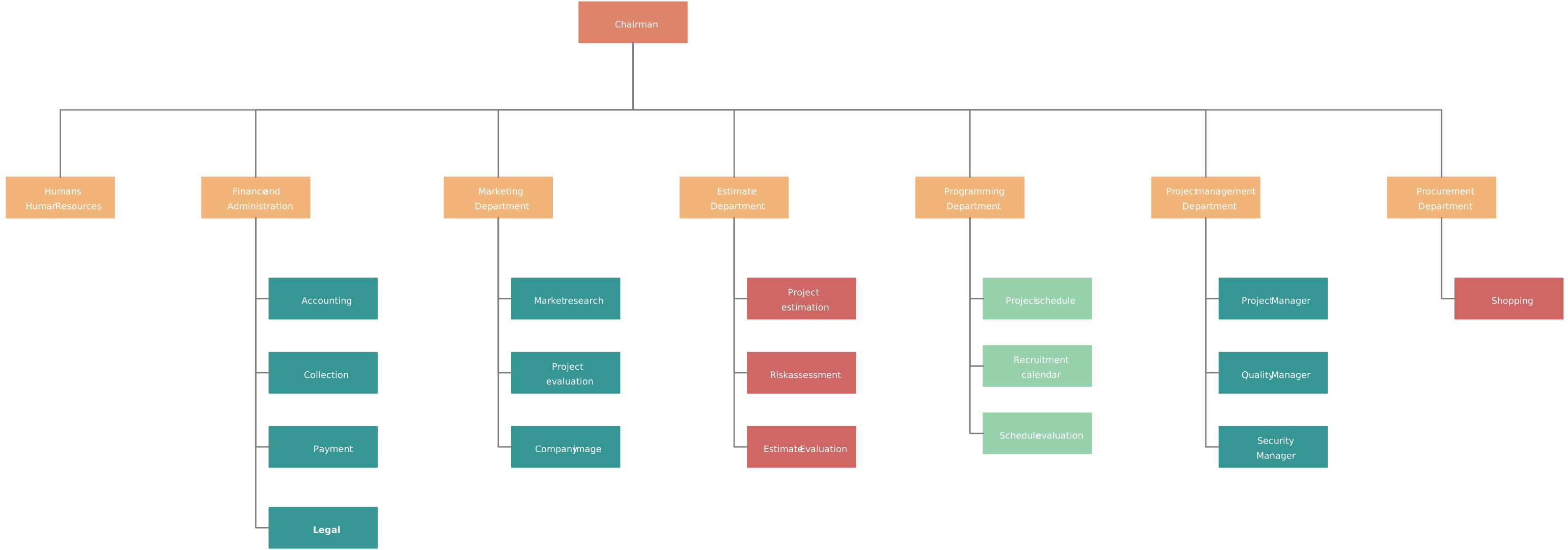
A product organizational structure is perfect for businesses with multiple products or services. Each product gets its own dedicated team responsible for marketing, allowing them to tailor strategies and campaigns to that product’s audience.
3. Geographic structure
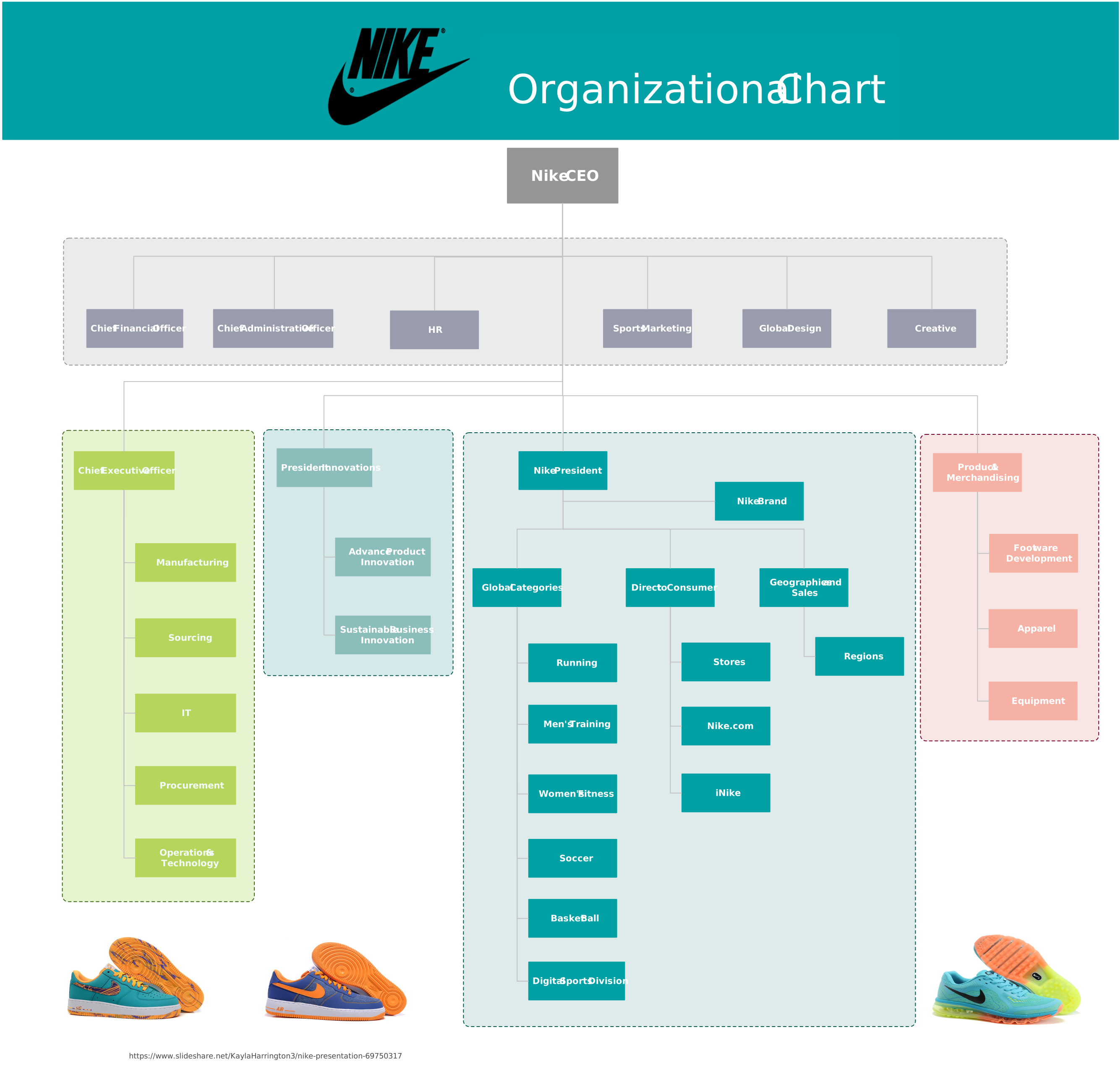
In a genographic org structure, teams are organized by region or market. This is ideal for businesses operating in multiple locations or countries, letting teams customize campaigns based on local culture, preferences, and market conditions.
4. Matrix structure
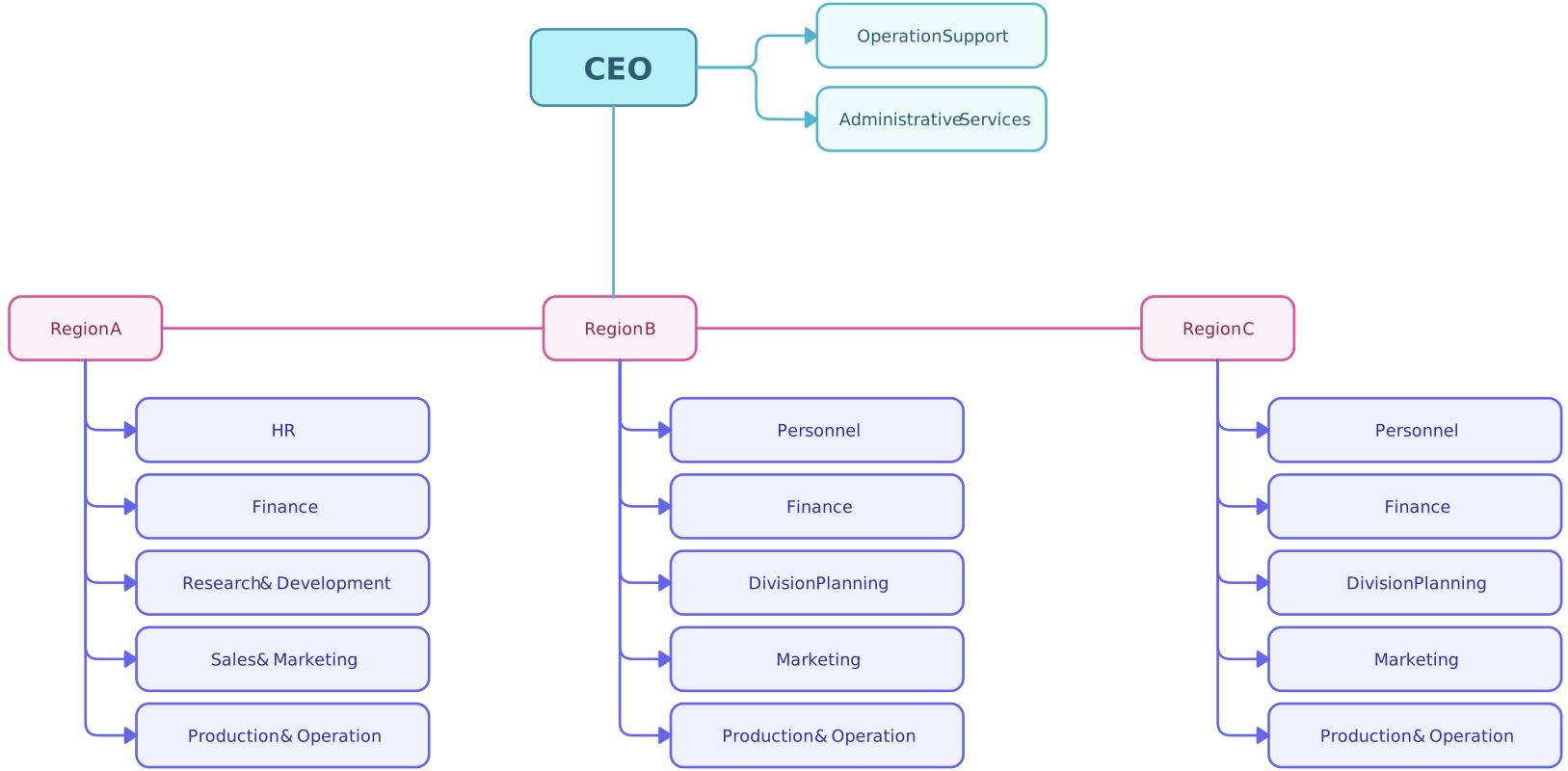
A hybrid approach where employees report to more than one manager, often combining functional expertise with project or product-based teams. The matrix org structure encourages collaboration but requires clear communication to avoid confusion.
5. Market-based structure
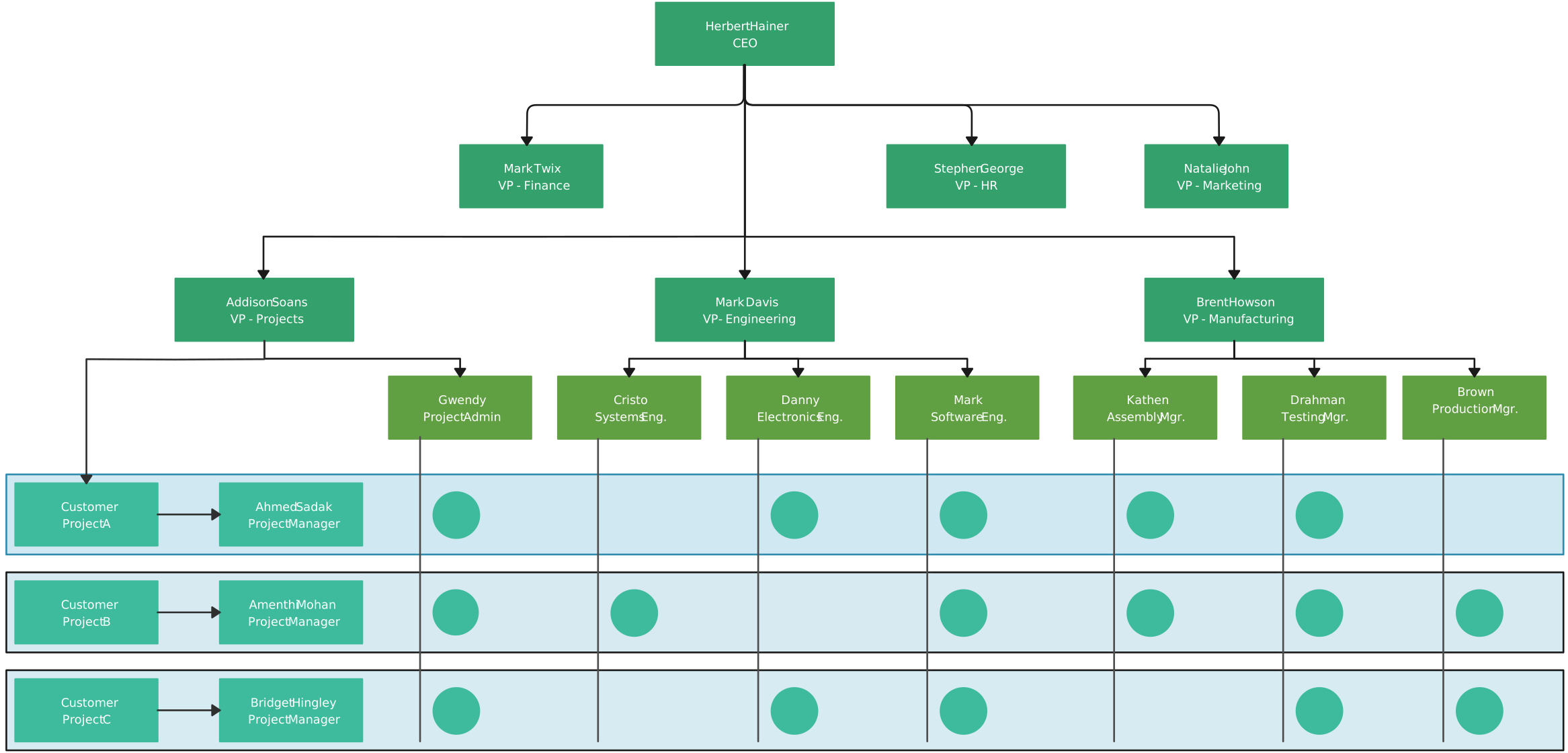
In a market-based structure, marketing teams are organized around specific customer segments, industries, or markets. This allows the team to tailor campaigns, messaging, and strategies to the unique needs of each audience. It’s ideal for companies with diverse customer types, helping ensure marketing efforts are relevant, targeted, and impactful.
6. Network structure
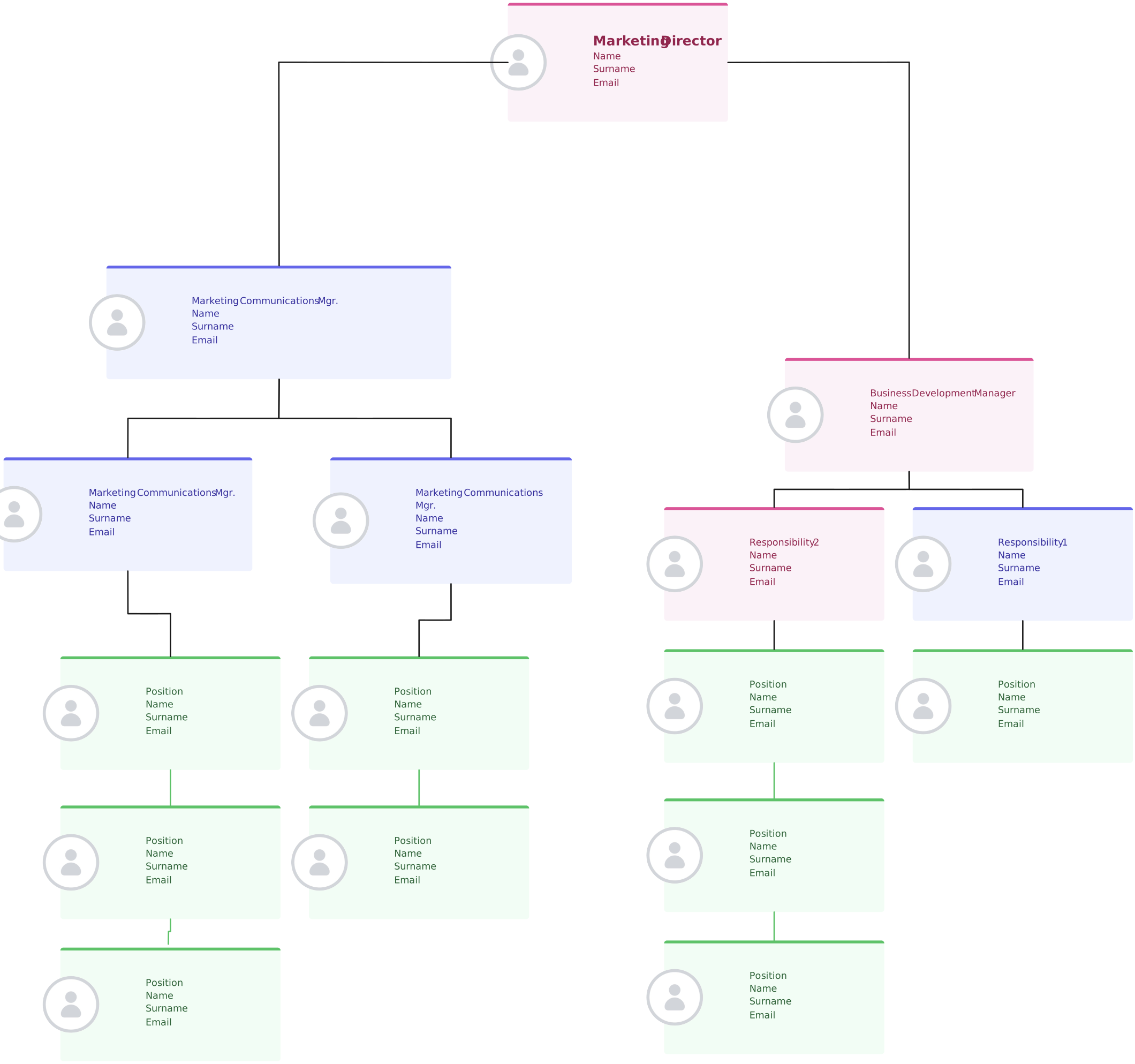
A network structure is highly flexible and collaborative, often involving multiple teams or even external partners working together toward shared goals. This structure allows for quick adaptation, innovation, and leveraging specialized skills from across the organization or through partnerships. It’s great for businesses operating in fast-moving industries or those relying on cross-functional expertise.
7. Linear structure
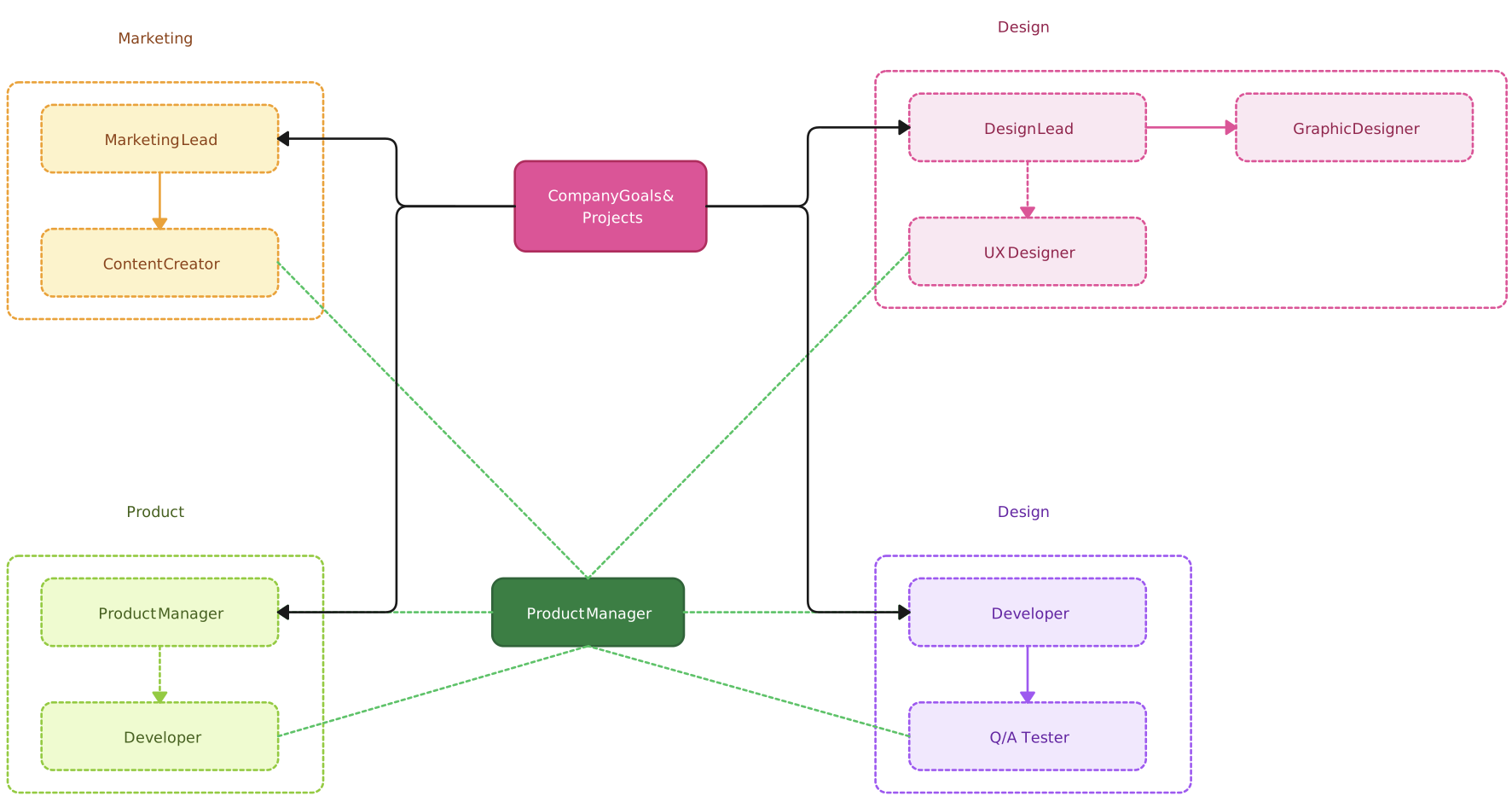
A linear structure is the simplest form, with a clear chain of command — one person at the top and a straightforward reporting hierarchy beneath. It’s easy to manage, ensures accountability, and works well for smaller teams or startups where roles and responsibilities are clear and overlap is minimal. The drawback is that it can become rigid and slow to adapt as teams grow.
Critical Roles & Responsibilities of a Marketing Org Structure
| Role / Layer | Key Responsibilities | Purpose / Value |
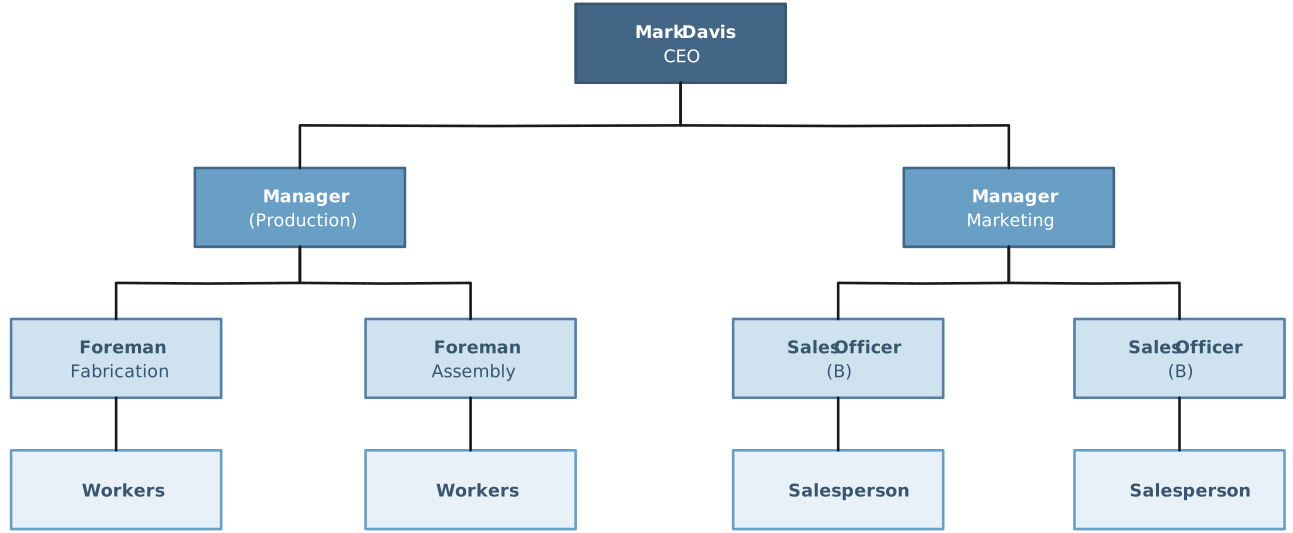
| CMO / Marketing Leadership | Sets marketing vision and strategy, aligns marketing with business goals, owns budget, leads cross-functional collaboration | Provides direction, ensures all campaigns contribute to measurable growth, and keeps the team aligned with business objectives |
| Directors & Managers | Directors oversee major functions (brand, growth, product marketing); Managers handle day-to-day execution, campaigns, performance tracking | Turn strategy into action, manage priorities, refine workflows, and ensure campaigns launch on time and on brief |
| Functional Specialists | SEO, Content, Paid Media, Social, Analytics | Drive specialized marketing activities; ensure campaigns perform, grow audience engagement, and provide actionable insights |
| Support Roles | Marketing Operations, Analysts, Cross-Functional Liaisons | Streamline tools, workflows, and reporting; align marketing with other teams; reduce friction and improve execution efficiency |
| Outsource vs In-House | Decide which roles to hire internally vs hire externally for specialized or project-based tasks | Keep core strategic functions in-house while leveraging external expertise for specialized or temporary needs, maintaining agility without inflating headcount |
How Does a Marketing Organization Structure Work
A marketing organizational structure works by defining who is responsible for what, how teams collaborate, and how decisions move from strategy to execution. It groups people by function, product, market, or customer stage, creating clear ownership, smooth handoffs, and consistent workflows so campaigns are planned, launched, and optimized without confusion.
Once the structure is defined:
Workflows and responsibilities are formalized, so everyone knows what they own — whether that’s running acquisition campaigns, crafting brand stories, or optimizing retention efforts. This clarity reduces duplication and speeds up project turnaround.
Decision-making paths are clear, so teams aren’t waiting on approvals or stuck looping through layers just to launch creative, test an audience segment, or pivot a campaign.
Cross-functional collaboration becomes easier, especially when teams have shared goals and agreed processes — for example, coordinating product launches with content, paid media, analytics, and sales enablement all aligned around the same timeline.
Scalability and adaptation are built in, so as your business grows or market conditions shift, the structure can flex by adding new roles, squads, or regional units without derailing ongoing work.
How to Build a Marketing Org Chart
A marketing org chart is a visual blueprint of your team, showing roles, responsibilities, and reporting lines that turn strategy into action. With Creately’s org chart software, you can easily design clear, professional charts, drag and drop roles, define reporting lines, and highlight cross-functional collaboration.
Step 1: Start With Your Marketing Strategy and Goals
Before you open any diagram tool, get clear on what your marketing team is responsible for delivering. Are you focused on demand generation, brand building, product launches, retention, or regional growth? Your org chart should mirror these priorities. A growth-heavy strategy may require performance and analytics roles upfront, while brand-led teams may prioritize content and creative leadership.
Creately tip: Start with a blank canvas or a marketing org chart template. You can add notes directly to the canvas to document strategic goals and assumptions alongside the chart.
Step 2: Identify Core Functions and Teams
List the major marketing functions you need today — and in the near future. This often includes content, SEO, paid media, social, product marketing, lifecycle, analytics, and marketing operations. Group these functions logically so responsibilities don’t overlap or fall through the cracks.
Creately tip: Use pre-built shapes and containers to group related roles visually. This makes functional boundaries clear at a glance and easy to adjust as teams evolve.
Step 3: Define Roles and Reporting Relationships
Now map specific roles under each function and define who reports to whom. Start from leadership (CMO or Head of Marketing), then directors, managers, and specialists. This step is where clarity matters most — unclear reporting lines lead to slow decisions and ownership confusion.
Creately tip: Drag and drop roles easily and connect them using smart connectors. If reporting lines change, you can rearrange the chart without rebuilding it from scratch.
Step 4: Show How Teams Collaborate
A good marketing org chart doesn’t just show hierarchy — it shows collaboration. Highlight cross-functional relationships between marketing, sales, product, or customer success where alignment is critical. This helps teams understand how work flows beyond their immediate function.
Creately tip: Use color coding, labels, or dotted connectors to visually represent cross-team collaboration without cluttering the chart.
Step 5: Review for Gaps, Overlaps, and Scalability
Once the chart is complete, review it critically. Are there roles doing too much? Are key responsibilities missing? Can this structure scale if you add new channels, products, or regions? A strong org chart should support growth, not limit it.
Creately tip: Add comments or annotations directly to roles to flag gaps, future hires, or temporary responsibilities. This keeps planning visible and collaborative.
Step 6: Share, Update, and Keep It Alive
Your org chart should be a living document. Share it with stakeholders, gather feedback, and update it as your team changes. Keeping it current helps onboarding, alignment, and long-term planning.
Creately tip: Use real-time collaboration and sharing to get feedback from leadership and team members. You can also present the org chart using presentation mode or export it for documentation.
Marketing Organizational Structure Examples
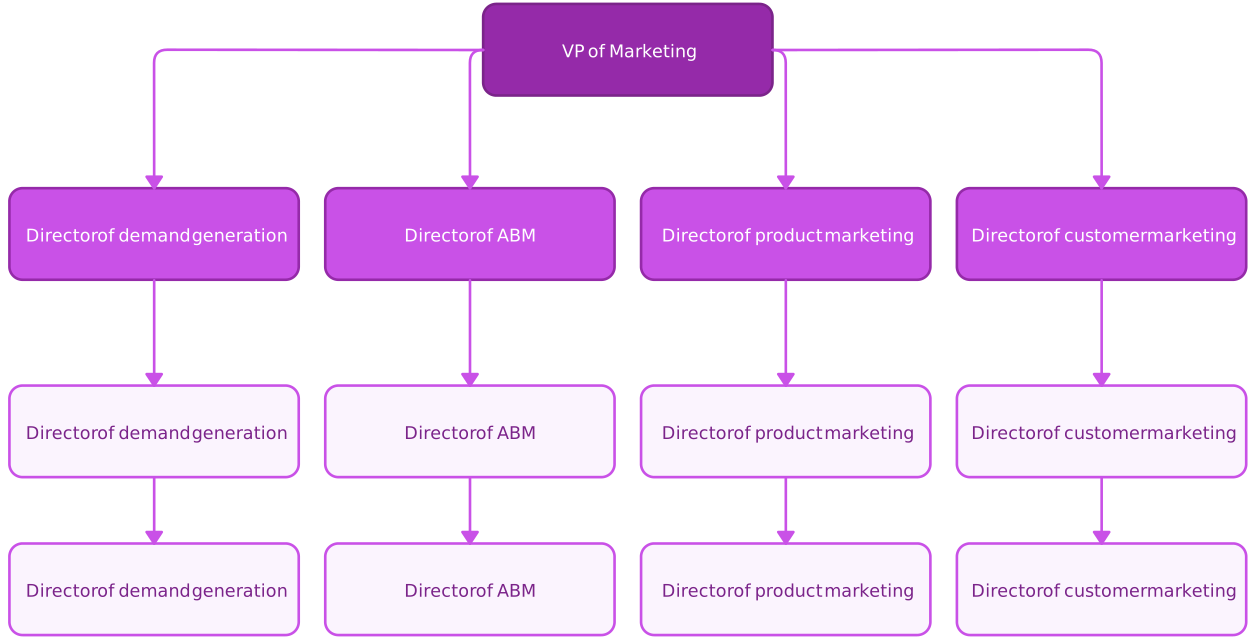
Quickly map your marketing team, define roles, establish reporting lines, and clarify collaboration with pre-built marketing organizational chart templates.
B2B Marketing Org Chart
Marketing Organizational Structure
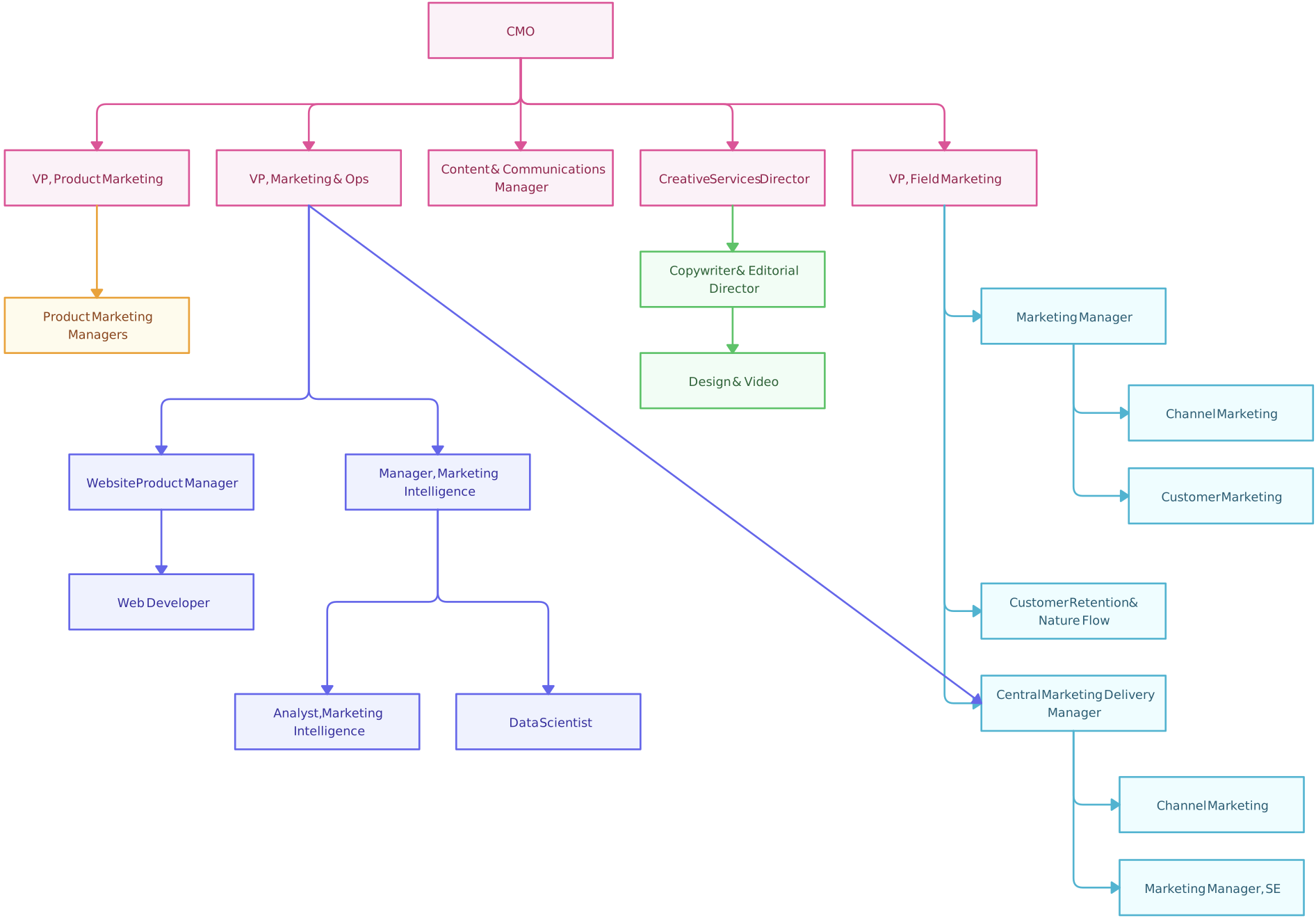
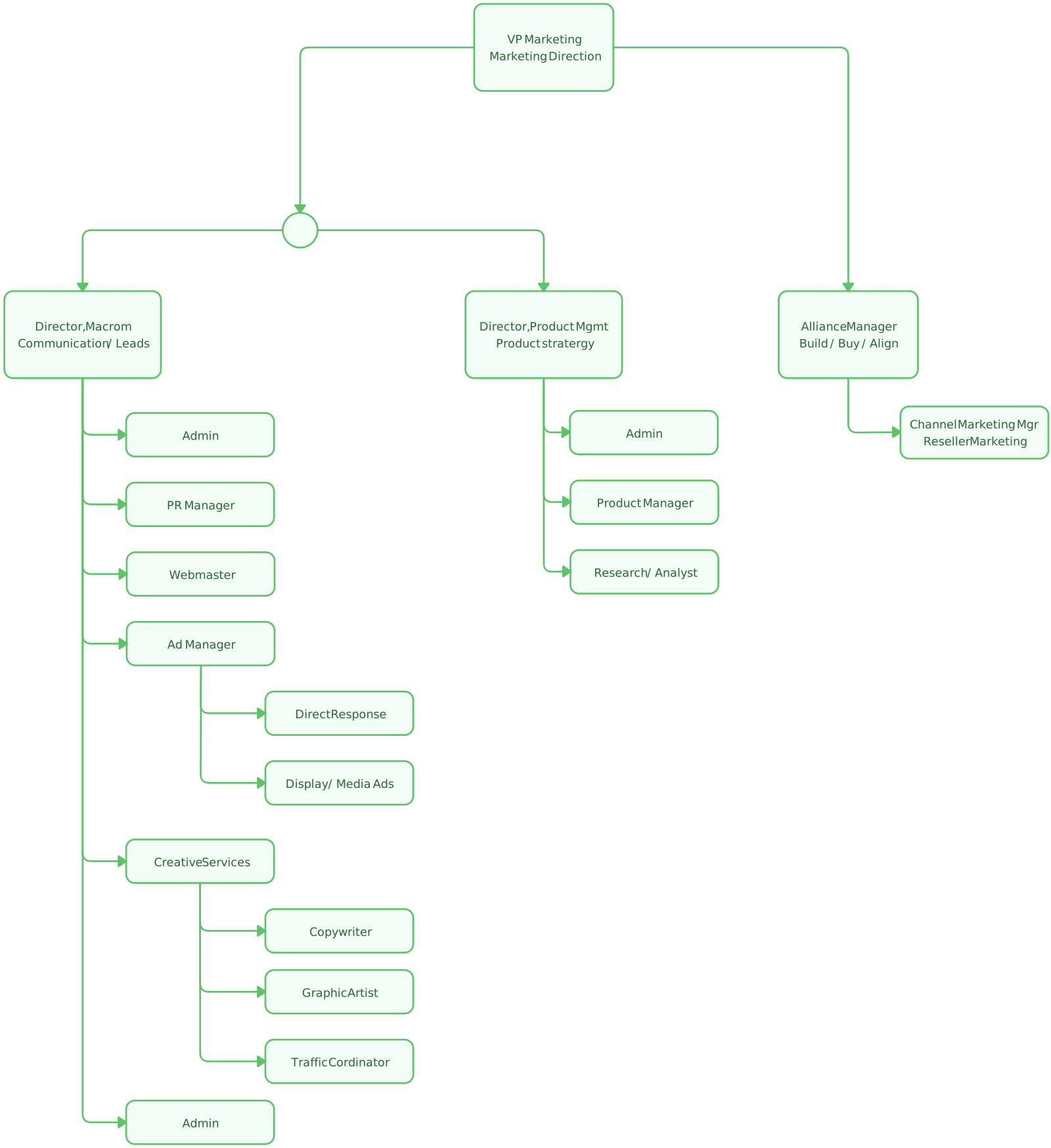
Marketing Organizational Chart
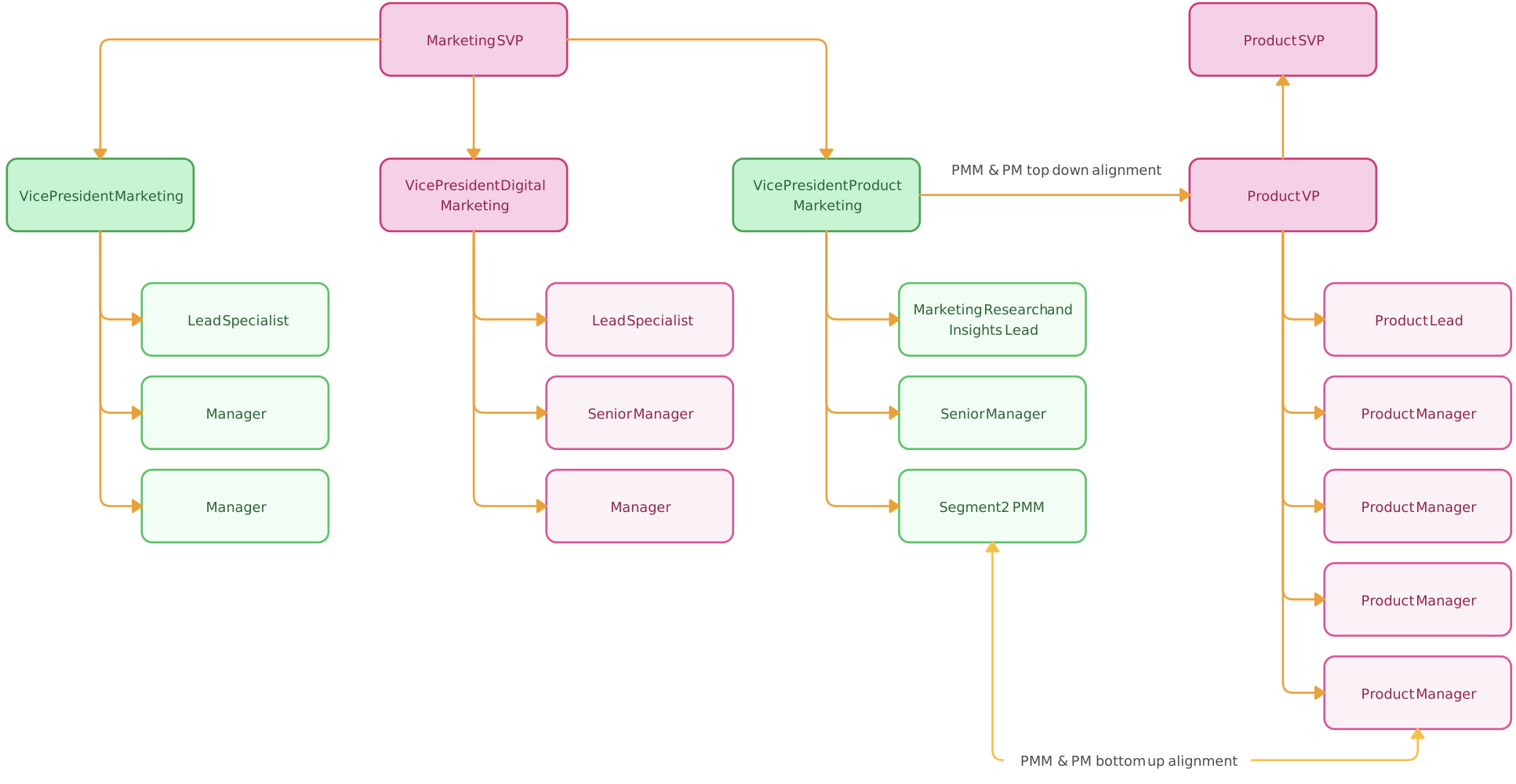
Product Marketing Department Org Chart
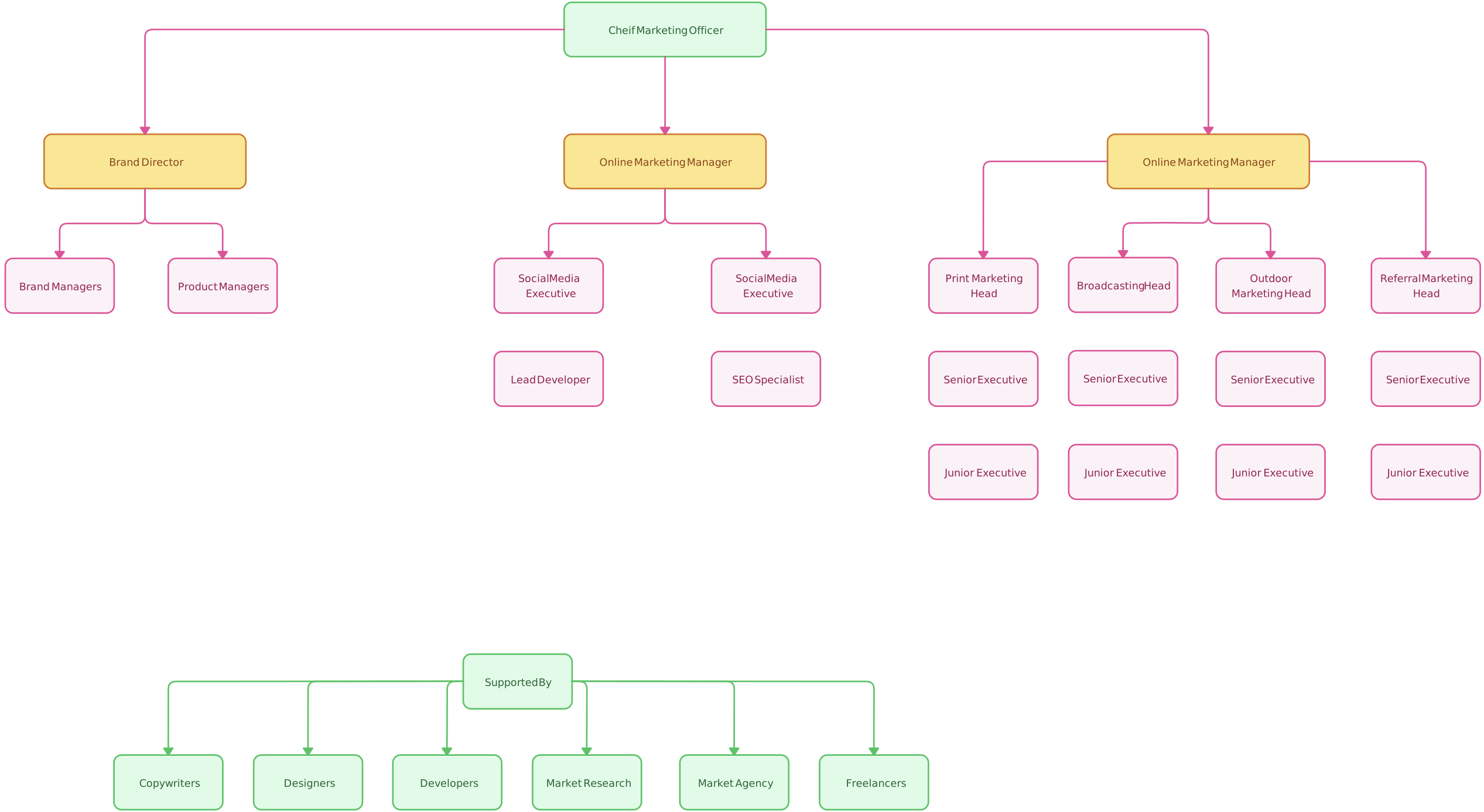
Linear Marketing Org Structure Chart
Helpful Resources
Learn what a product organizational structure is, explore common team models, key roles, pros and cons, and how to build a scalable product org chart.
Project organizational structure explained. Learn types, how to choose the right model, and use pre-made templates to map roles and reporting lines.
A practical guide to geographic organizational structure: pros, cons, free templates, and a step-by-step implementation plan for regional teams.
Learn the difference between functional and divisional organizational structures, with examples, pros & cons, a comparison table and guidance on which to choose.
Team‑based organizational structure: definition, benefits & drawbacks, best practices, and real‑world examples with free templates.
A practical guide to the matrix organizational structure with step-by-step instructions for creating clear matrix org charts, real company examples, free templates, pros & cons, and implementation tips for managers.
Learn what a hybrid organizational structure is, explore its types and key characteristics, and discover how to implement it effectively with free templates.
Learn what a decentralized organizational structure is, its benefits and drawbacks, real company examples, and steps to implement decentralization in your business.
Understand the line organizational structure with this practical guide covering how it works, its features, benefits, limitations, real-world examples, and how it compares to other organizational models.
FAQs About Marketing Org Structures
What happens when a marketing organizational structure is unclear?
Should marketing and sales share parts of the org structure?
How do you structure marketing teams for remote or hybrid work?
What is the biggest mistake companies make when designing a marketing organizational structure?
Can one company use multiple marketing structures?
What are the best practices for a marketing organizational structure?