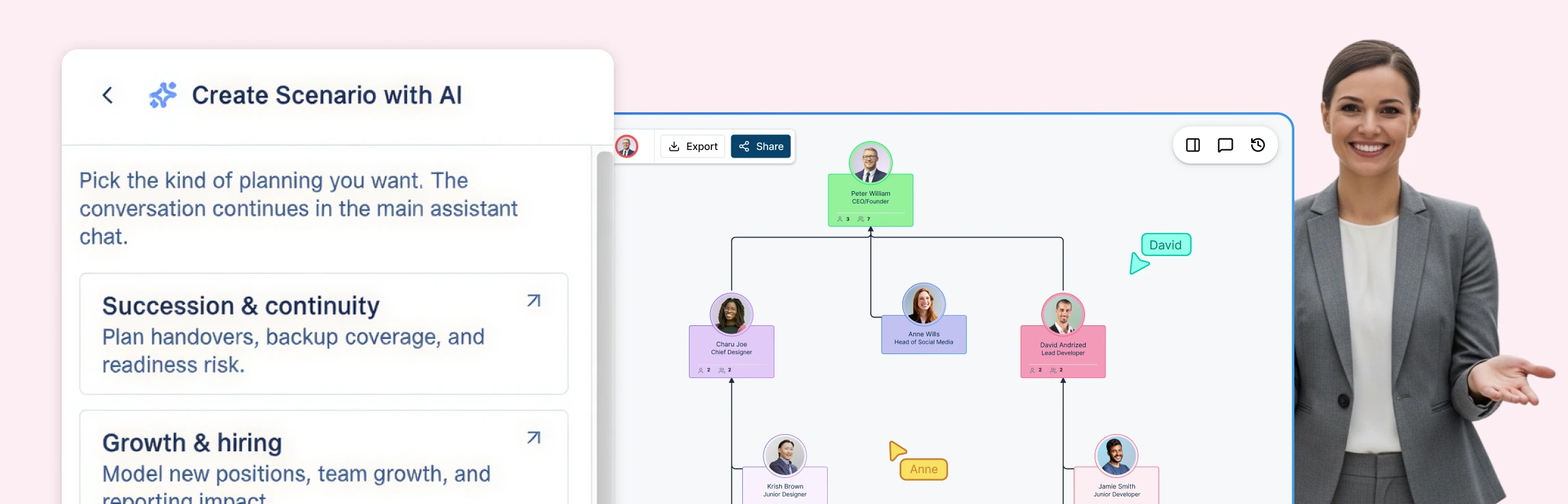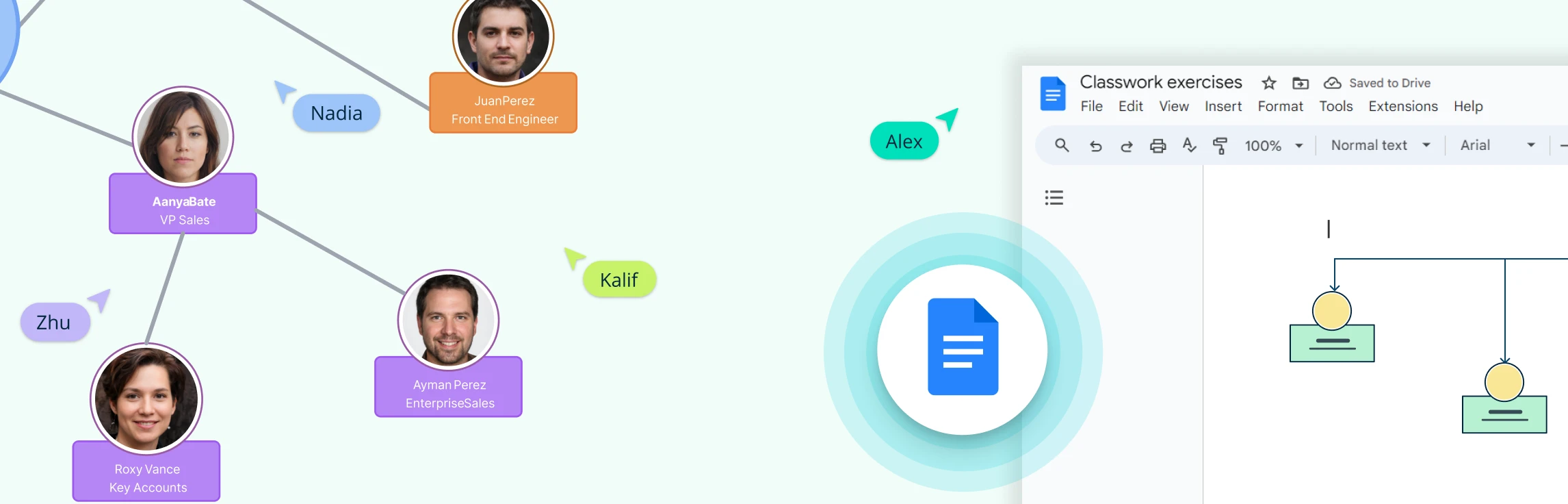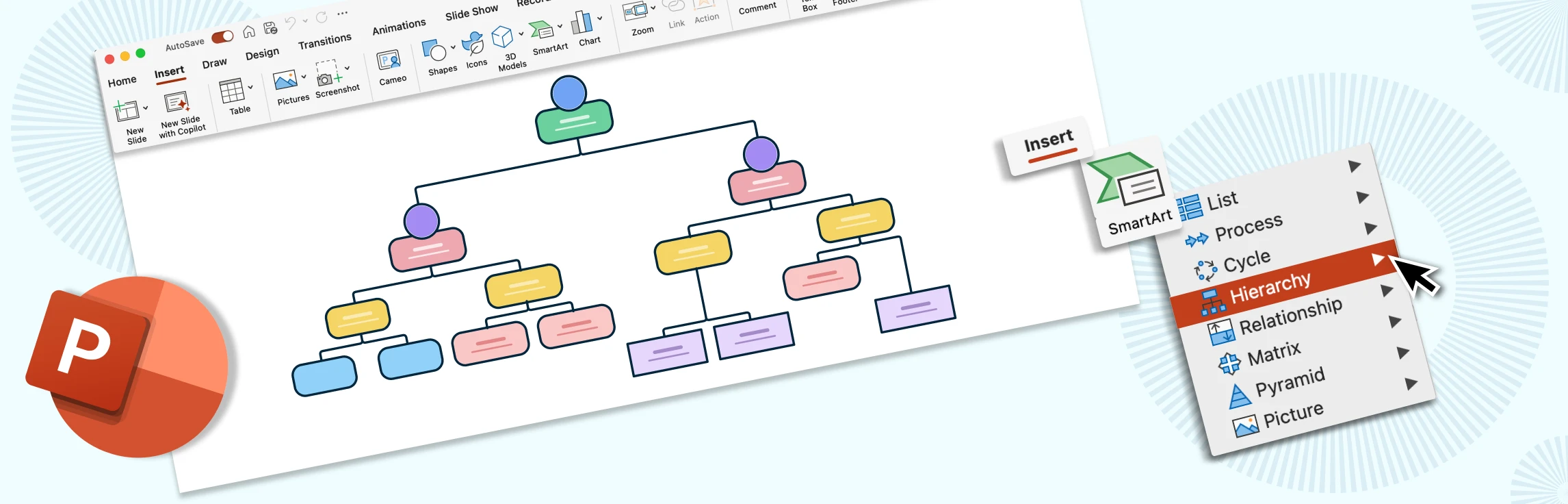
The “audit panic” is a feeling every HR professional knows too well: that sudden, high-stakes request for a “clean” reporting structure, only for you to realize your current charts are scattered across outdated, broken spreadsheets. An effective HR audit org chart must serve as a living, data-rich system of record that proves your organizational governance is airtight.
This guide explores how to transform your hierarchy from a simple visual aid into a powerhouse of organizational intelligence, covering everything from identifying hidden reporting anomalies and tracking historical “deltas” to balancing transparency with rigorous data security.
What Is an HR Audit Org Chart?
An HR audit org chart is a definitive system of record that verifies your company’s structural integrity. An audit-ready org chart acts as a data-rich blueprint that bridges the gap between raw HRIS data and human-readable transparency, providing an indisputable map of reporting lines, FLSA ( Fair Labor Standards Act) statuses, and EEO (Equal Employment Opportunity) categories.
The Anatomy of an Audit-Ready Org Chart
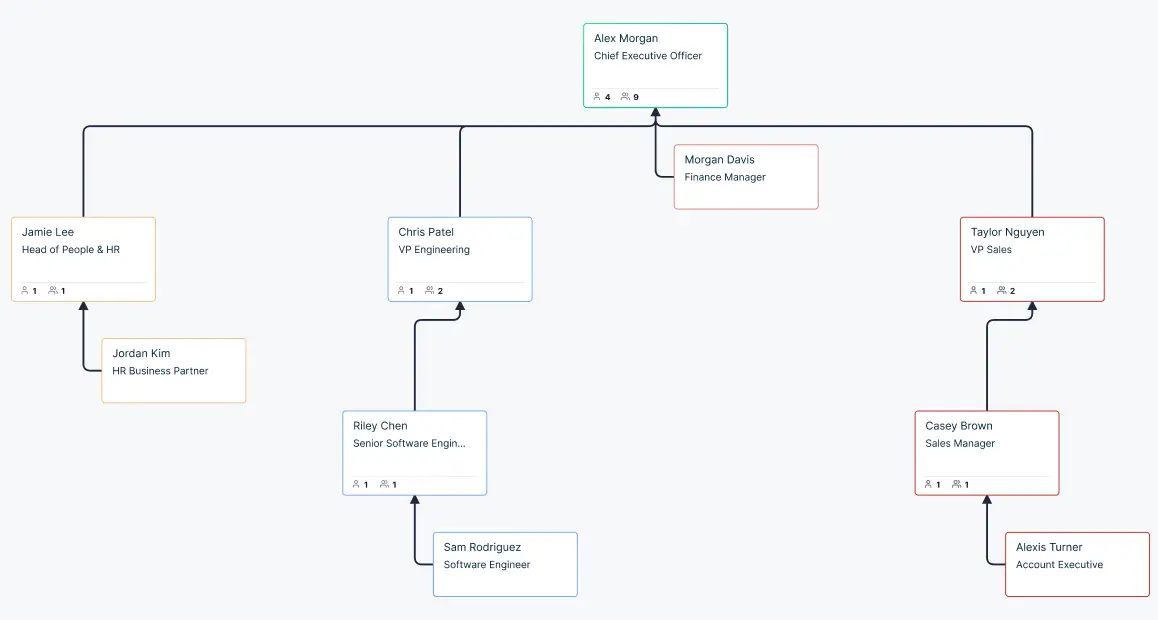
To move beyond a basic directory, an org chart must be treated as a verifiable data structure. For HR compliance and internal audit professionals, “completeness” is defined by the depth of data sitting behind the visual boxes.
Defining the “Data-Rich Node”
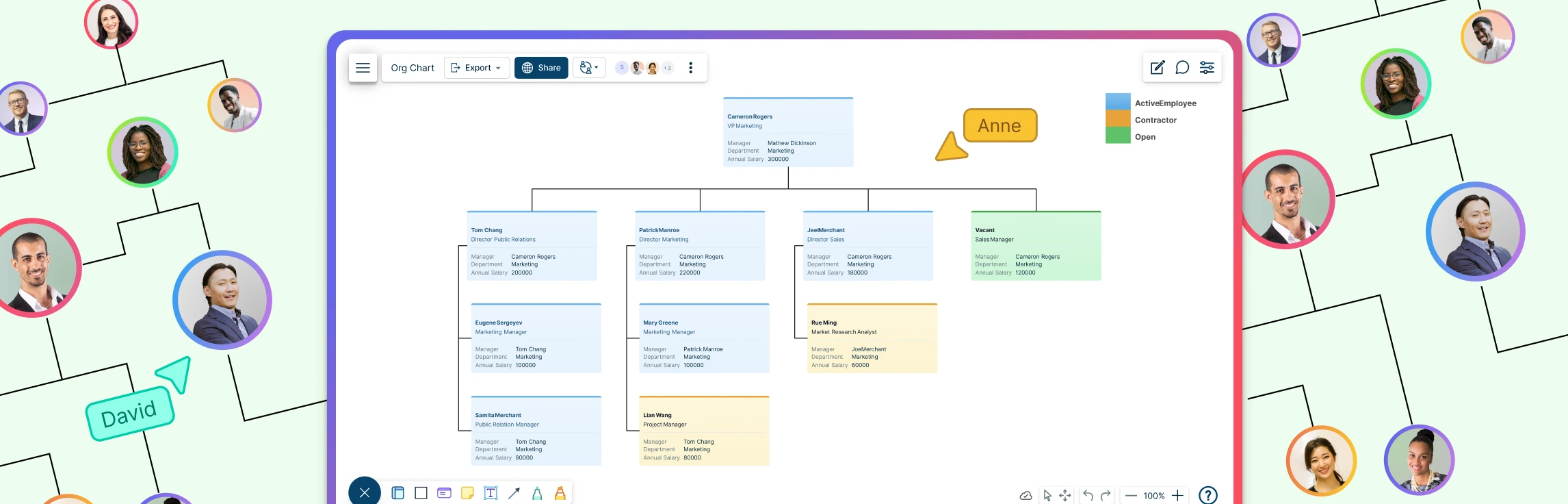
In a high-stakes audit, a box containing just a name and a title is a red flag. A truly audit-ready chart utilizes “data-rich nodes”—individual employee profiles that act as anchors for corporate governance. To meet modern compliance standards, each node should capture:
- Regulatory Classifications: Beyond the job title, the chart must reflect FLSA status (Exempt vs. Non-Exempt) and EEO categories. This allows auditors to instantly verify wage-and-hour compliance across the entire hierarchy.
- Financial Mapping: Integrating cost centers and department codes directly into the reporting structure. This ensures that headcount allocation aligns perfectly with the company’s financial reporting.
- Unique Identifiers: Using system-validated Employee IDs to ensure the chart remains a “Digital Twin” of your HRIS, eliminating the risk of undocumented “ghost” positions.
The Integrity of the Line: Administrative vs. Functional
To an auditor, a “line” is a statement of legal and operational accountability. A sophisticated audit org chart must be able to distinguish between different types of authority to prevent “shadow hierarchies”:
- Primary (Administrative) Reporting: The formal chain of command representing the manager with direct legal and performance responsibility for the employee.
- Matrix (Functional) Reporting: Indicated by dotted lines, this captures project-based oversight.
- Audit Risk: If these lines are blurred, it becomes impossible to prove who was responsible for oversight during a specific period—a major gap in internal controls.
Structural Integrity: Proactive Anomaly Detection
A compliant chart must be a “clean” data structure, free from the common errors that trigger audit findings. Your organizational framework should be audited for:
- Orphaned Nodes: Employees without a documented manager. To an auditor, an “orphan” represents a person operating outside the company’s control framework.
- Circular Reporting: Logical errors where reporting lines loop back on themselves, breaking the chain of command.
- Span of Control: Identifying managers with an excessive number of direct reports (e.g., 15+), which auditors often flag as a risk to effective supervision and compliance.
Visibility Governance: The Sensitivity Balance
Perhaps the most critical “anatomical” feature is the ability to control data exposure. While an auditor needs to see the reporting structure, they should only see the sensitive PII (Personally Identifiable Information) relevant to their scope.
A professional-grade audit chart implements granular sensitivity tiers. This allows HR to share a fully transparent reporting structure with auditors while keeping sensitive data—like specific compensation or performance ratings—strictly restricted to authorized personnel.
Navigating the Compliance Minefield (Identifying Anomalies)
In the eyes of a compliance officer, a “clean” org chart is a myth until it is verified. Most organizations operate with structural friction that remains invisible until a formal audit shines a light on it. Identifying these anomalies isn’t just about tidying up a diagram; it’s about mitigating legal and operational liability.
The Hidden Risks: Structural Logic Failures
Structural anomalies often stem from manual data entry or fragmented HRIS updates. Left unchecked, they create “dead zones” in accountability:
- Circular Reporting: This occurs when Employee A is mapped as reporting to Employee B, who is then mapped as reporting back to Employee A. Beyond the logical impossibility, this breaks the chain of command, making it impossible to determine who holds ultimate signatory authority or performance oversight.
- Shadow Hierarchies: These are the informal reporting structures that exist “off the books.” If an employee is functionally managed by someone other than their documented supervisor, it creates a massive liability in harassment, disciplinary, or performance cases. If the “official” record doesn’t match reality, the organization’s defense in a legal dispute is fundamentally weakened.
The “Span of Control” Risk: Identifying Single Points of Failure
Auditors use the reporting structure to assess operational risk. One of the most common flags is an unbalanced “Span of Control.”
- The Compliance Threshold: If a single manager has an excessive number of direct reports (e.g., 20–25+), an auditor sees a “Single Point of Failure.”
- The Implication: High spans of control suggest that meaningful supervision, policy enforcement, and regular 1-on-1 oversight are physically impossible. For an auditor, this signals a breakdown in internal controls, increasing the likelihood of unmonitored misconduct or burnout-related churn.
Proactive Detection: Moving Beyond Manual Reviews
The traditional way to find these errors is a “line-by-line” manual review—a process that is prone to human error and high frustration. Modern organizational governance shifts this burden from the HR team to the system itself.
By leveraging intelligent analysis and structured review workflows, teams can surface these anomalies earlier—making it easier to identify orphaned nodes, structurally ambiguous reporting lines, or span‑of‑control risks during ongoing governance reviews. This transforms the HR team from reactive “fixers” into proactive “governors” who can significantly reduce the risk of undetected structural gaps.
The “Time Travel” Requirement (The Audit Trail)
A common point of failure during a compliance review is the “Snapshot Gap.” When an auditor asks for the reporting structure as it existed during a specific grievance or a fiscal quarter from last year, providing today’s chart is often a compliance breach. To be truly audit-ready, an organization must move beyond static images and into the realm of chronological data integrity.
The Problem with “Now”: Why Real-Time Isn’t Audit-Ready
Most HR systems are designed for the present; they show who is in the organization today. However, internal audits are inherently retrospective. If you are investigating a compliance lapse from six months ago, a real-time chart is structurally irrelevant to the case.
Without a verified historical record, HR teams are often forced into “Forensic Reconstruction”—manually digging through archived spreadsheets and old emails to recreate a past hierarchy. This process is not only resource-intensive but also lacks the “Chain of Custody” that auditors require to trust the data.
Temporal Data: The Standard for Historical Accountability
In a high-maturity compliance framework, reporting lines are treated as time-stamped records. This means that every relationship between a manager and a subordinate is documented with a specific start and end date.
This “temporal” approach to organizational data allows for Point-in-Time Reporting. Whether it’s for a tax audit, a pay-equity study, or legal discovery, the organization must be able to produce a verified map of exactly who held authority and which cost centers were active at any precise point in history. This elevates the org chart from a static visual into a verifiable historical record that supports compliance and retrospective review.
Change Logs: Moving from “Guess” to “Record”
True structural integrity relies on a reliable, reviewable record of organizational changes over time, allowing auditors to trace how and when reporting structures evolved
- The Audit Trail: Every move, addition, or structural change must be recorded as a discrete event. This allows an auditor to see not just what changed, but when the reporting line shifted and who authorized the update.
- Comparative Analysis: A robust audit framework allows you to compare two distinct periods to identify the “delta”—the specific structural evolutions that occurred between those dates.
By maintaining this level of granular history, you move away from providing “best-guess” reconstructions. You provide a verifiable record of truth that proves your organization remained under continuous, documented oversight, regardless of how much internal movement occurred.
Balancing Transparency with Security
The final hurdle in any internal audit isn’t just proving the data is accurate—it’s proving the data is secure. This creates what we call the “Compliance Paradox”: HR must provide total transparency to auditors while simultaneously upholding strict data privacy standards (such as GDPR) to protect sensitive employee information.
The Compliance Paradox: Transparency vs. Privacy
When an auditor requests a reporting structure, they are often looking for a specific breadcrumb trail—perhaps related to a payroll discrepancy or a performance-related grievance. However, providing a global export of your entire organizational database to satisfy a single inquiry creates a massive security surface area.
If your org chart includes sensitive Personally Identifiable Information (PII) like home addresses, private emails, or compensation bands, sharing it without restriction is a secondary compliance failure waiting to happen. The goal is to provide structural transparency without data exposure.
Granular Access Control: The Multi-Tier Sensitivity Model
To solve this, modern organizational governance relies on a layered sensitivity model. Instead of an “all-or-nothing” approach to visibility, data should be categorized into tiers based on its risk level:
- Public Tier: Basic info like Name, Title, and Department (visible to the company).
- Operational Tier: Data needed by managers, such as Employee IDs or office locations.
- Restricted/Compliance Tier: Sensitive data such as FLSA status, EEO categories, and performance ratings (visible only to HR and authorized auditors).
- Highly Sensitive Tier: Compensation, equity, and private contact info (restricted to executive leadership).
By implementing these tiers, you can grant an auditor access to the “Compliance” layer of the chart without ever exposing the “Highly Sensitive” financial data that sits behind the same reporting line.
Departmental Views: Applying “Zero-Trust” to the Org Chart
In security, the principle of Least Privilege dictates that a user should only have access to the specific information necessary for their task. This should also apply to your org chart through the use of Departmental Views.
If an auditor is reviewing the “Engineering” department’s compliance, they do not need to see the “Sales” or “Legal” hierarchies. “Zero-Trust” organizational mapping allows HR to focus on sub-diagrams. These views act as isolated windows into the parent chart—allowing the auditor to deep-dive into the relevant subtree while the rest of the organization remains shielded.
This approach doesn’t just protect the company; it makes the auditor’s job faster. By filtering out the noise and sharing only the “need-to-know” scope, you provide a cleaner, more professional audit experience that proves your data governance is as strong as your reporting structure.
From Documentation to “Organizational Intelligence”
The ultimate goal of high-level compliance is to move beyond passive documentation and toward organizational intelligence. For an internal HR auditor, an org chart shouldn’t just show that you are compliant today; it should demonstrate that the organization has the structural health and foresight to remain compliant tomorrow.
Succession & Stability: Auditing the Future
While an auditor traditionally looks for stability (clear lines of authority and consistent oversight), Organizational Intelligence looks for gaps.
- The Compliance Link: An audit-ready HR org chart should do more than list current occupants; it should highlight succession readiness. If a “Single Point of Failure” exists—such as a critical compliance officer with no designated successor—it represents a massive operational risk.
- Risk Mitigation: By connecting the audit chart to succession planning, HR can prove to auditors that the “Chain of Command” is resilient. You aren’t just documenting who is in charge now; you are documenting the plan for continuity, ensuring that governance never lapses during a leadership transition.
The Sandbox Advantage: Risk-Free Compliance Modeling
In a rapidly changing business, reorgs are inevitable. However, changing a reporting structure “live” before fully vetting the compliance implications is a dangerous gamble.
- The “What-If” Scenario: High-maturity teams use a Sandbox environment—a private staging area where you can model major structural shifts without touching the live, “Record of Truth” data.
- Impact Assessment: Before a reorg is finalized, HR can run a “Compliance Impact Assessment” within the sandbox. Does the new structure create circular reporting? Does it push certain managers over the recommended span-of-control threshold? By identifying these red flags in a sandbox, you ensure tha that proposed structures align with governance and compliance expectations before they are finalized.
Future-Proofing: Keeping Pace with Organizational Velocity
The sheer velocity of modern hiring, internal transfers, and churn has made manual mapping obsolete. A static chart is a “dying” document that loses accuracy every hour.
- AI-Assisted Mapping: To maintain a standard of excellence, organizations are turning to AI to automate the heavy lifting of structural governance. AI doesn’t just draw the lines; it can validate them.
- Continuous Governance: Advanced systems can assist teams in surfacing structural issues earlier—making it easier to identify orphaned nodes, span‑of‑control risks, or incomplete records during ongoing reviews.
By embracing organizational intelligence, HR moves from being the “curator” of an old chart to the architect of a living system. You are no longer just preparing for the next audit; you are building an organization that is inherently audit-proof by design.
10 Essential Points for a Compliant HR Audit
1. Sync with the Source of Truth
Start by importing your workforce data via a smart mapping wizard. This ensures your visual chart is a “Digital Twin” of your HRIS, using unique employee IDs to prevent any undocumented or “ghost” positions from slipping through.
2. Activate Data-Rich Nodes
Ensure every person in the chart is backed by a full profile. For compliance, these must include essential fields like FLSA status, EEO categories, and Cost Centers to allow for instant regulatory filtering.
3. Verify Line Authority
Ensure the reporting structure can be clearly reviewed for logical consistency. The system should make it easy to identify employees without an assigned supervisor, unclear reporting paths, or structurally ambiguous relationships through a clear visual representation. This enables HR and audit teams to confirm that every role sits within an accountable chain of authority during compliance reviews.
4. Balance the Span of Control
Review your hierarchy for operational risk. Identify any manager with an excessive number of direct reports (e.g., 12+) that might suggest a lack of proper oversight or a compliance “Single Point of Failure.”
5. Define Functional vs. Administrative Lines
Clearly distinguish between formal reporting and project-based (matrix) relationships using solid and dotted lines. This clarifies legal accountability during internal investigations.
6. Secure Data with Sensitivity Tiers
Apply a multi-level visibility model. This allows you to share the reporting structure with auditors while keeping sensitive data—like compensation or private contact info—strictly restricted to authorized HR leadership.
7. Establish a Verifiable History
Ensure the system maintains a reliable history of organizational structure changes over time. It should allow reviewers to reference prior states of the org during a specific audit period, making it possible to demonstrate who reported to whom at a given point in time. This historical visibility is essential for substantiating compliance decisions during retrospective reviews or investigations.
8. Track and Review Structural Changes
Ensure organizational changes are traceable and reviewable. The system should support identifying what changed between two points in time—such as role moves, reporting line updates, or team restructures—so auditors can verify that changes were intentional, documented, and governed rather than ad hoc.
9. Test Changes in a “Sandbox”
Before pushing a reorganization live, model the shift in a private staging area. This allows you to run a “what-if” analysis to ensure the new structure doesn’t create any new compliance anomalies.
10. Enable Ongoing Structural Oversight
Ensure the organization has a defined process for regularly reviewing structural integrity, not just during audit cycles. The system should support recurring reviews to identify emerging gaps—such as teams left without clear leadership after personnel changes—so issues can be addressed promptly rather than discovered retroactively.
How to Build a Compliant HR Audit Organizational Chart in 5 Steps
Creating a high-standard HR audit organizational chart shouldn’t feel like forensic accounting. By moving away from manual drawing and into data-driven mapping, you can build an HR audit structure chart that is both a visual map and a legal record of truth. Here is how to architect a compliant HR audit hierarchy chart that stands up to the toughest regulatory scrutiny.
Step 1. Centralize and Sync Your Primary Workforce Data Source
The foundation of a compliant HR audit team structure is data integrity. Avoid manual entry, which introduces “ghost” employees and broken reporting lines that fail audits. Instead, utilize a smart import wizard to sync your existing HRIS or spreadsheet data. Use unique employee IDs as the primary anchor to ensure your visual chart acts as a “Digital Twin” of your official personnel records, ensuring that every position in the HR audit reporting structure is verified and accounted for.
Step 2. Layer Specialized Compliance Field Packs into the Nodes
An HR audit organizational chart is only as valuable as the metadata sitting behind the boxes. Once your basic hierarchy is mapped, you must layer on specific field packs to meet regulatory standards. Ensure every employee node includes verified FLSA Status (to prove wage-and-hour compliance), EEO Categories (to demonstrate workforce diversity), and Cost Centers (to align the structural growth with financial reporting). This transforms a simple diagram into a data-rich compliance dashboard.
Step 3. Validate Reporting Line Integrity to Eliminate Structural Risks
Use automated validation tools to “stress-test” your HR audit structure chart for logical inconsistencies. Scan the entire hierarchy to identify and resolve Circular Reporting (where two employees are mapped as reporting to each other) and Orphaned Nodes (employees operating without a documented manager). This step is critical to proving to auditors that your chain of command is unbroken and every individual is under authorized oversight within the HR audit team structure.
Step 4. Implement a Multi-Tier Sensitivity Model for Data Security
Audit readiness requires transparency, but data privacy laws (like GDPR or CCPA) require strict security. Configure a granular, multi-tier sensitivity model within your HR audit hierarchy chart. This allows you to grant auditors access to the structural reporting lines they need while ensuring sensitive Personally Identifiable Information (PII)—such as compensation, performance ratings, and private contact info—remains restricted to authorized HR leadership only.
Step 5. Create a Time-Stamped Audit Trail for Historical Accountability
Finalize your chart by ensuring every reporting line carries a verified time interval. Unlike a static PDF, a professional HR audit reporting structure must allow you to “time-travel” to specific fiscal periods. This creates a permanent, unshakeable record of every move, addition, and change in the company’s history. By maintaining this chronological log, you can provide auditors with the exact state of the organization from any point in time, moving from “best-guess” reconstructions to a verifiable record of truth.
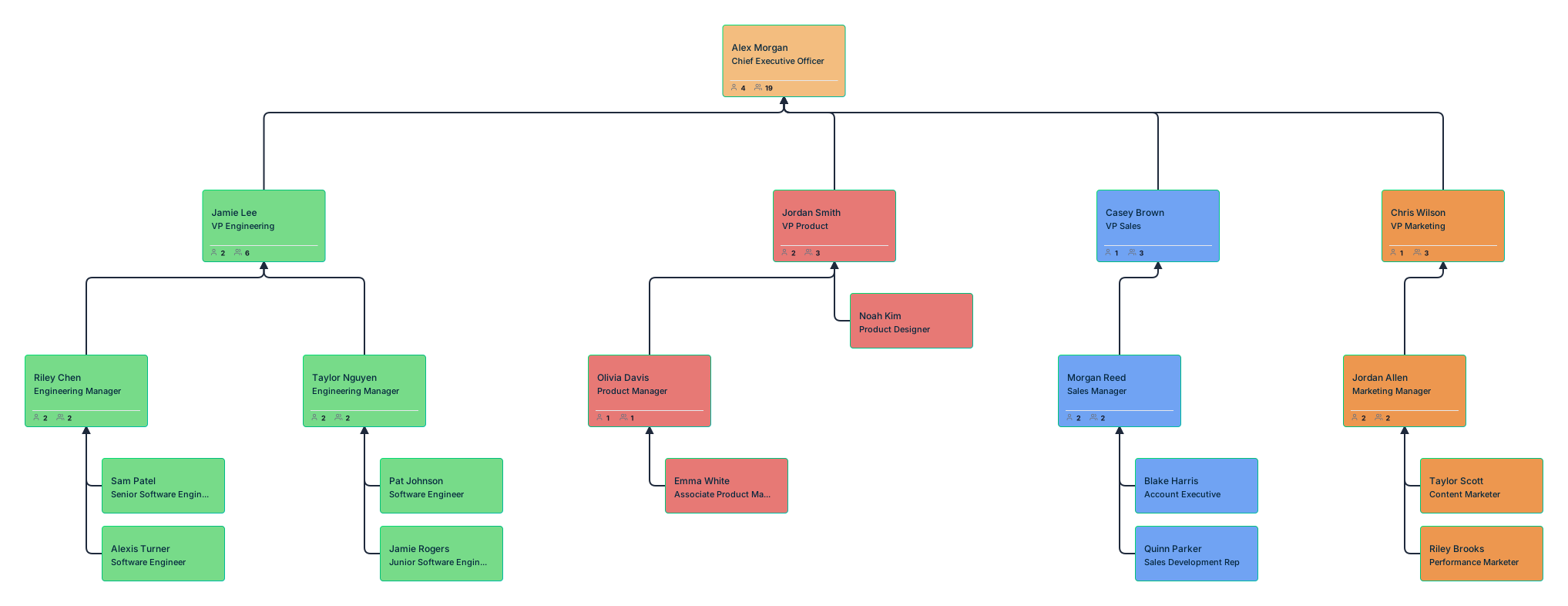
Free Org Chart Templates for HR Audits



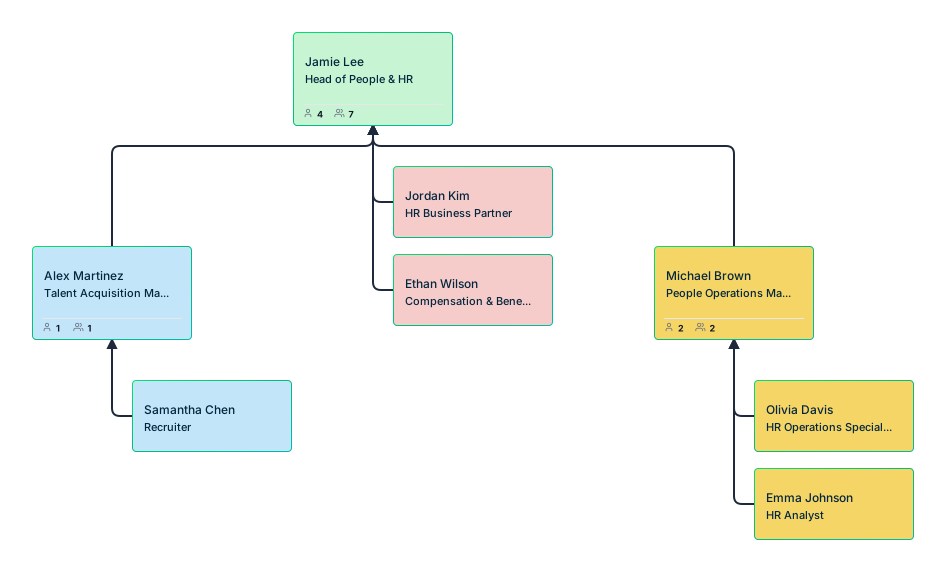
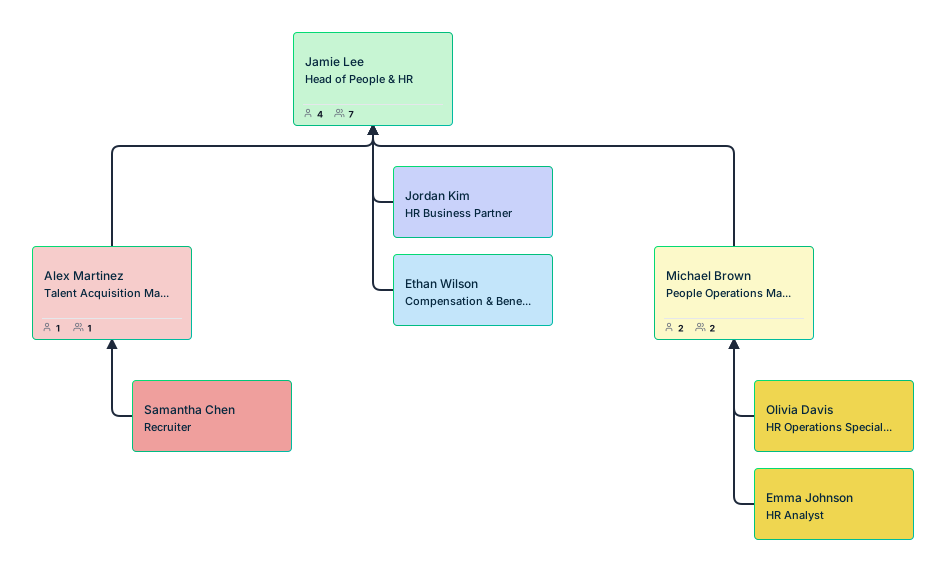
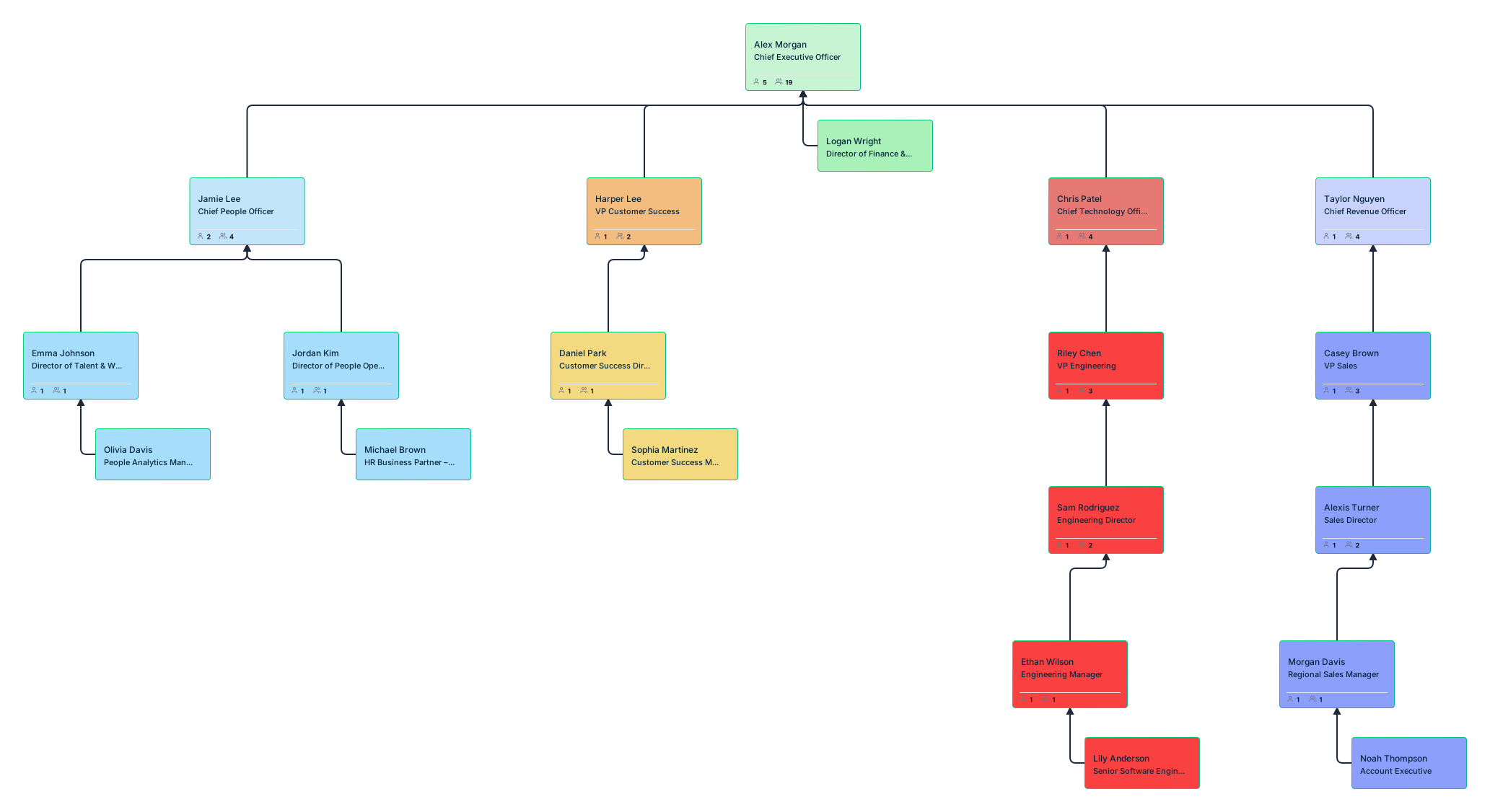
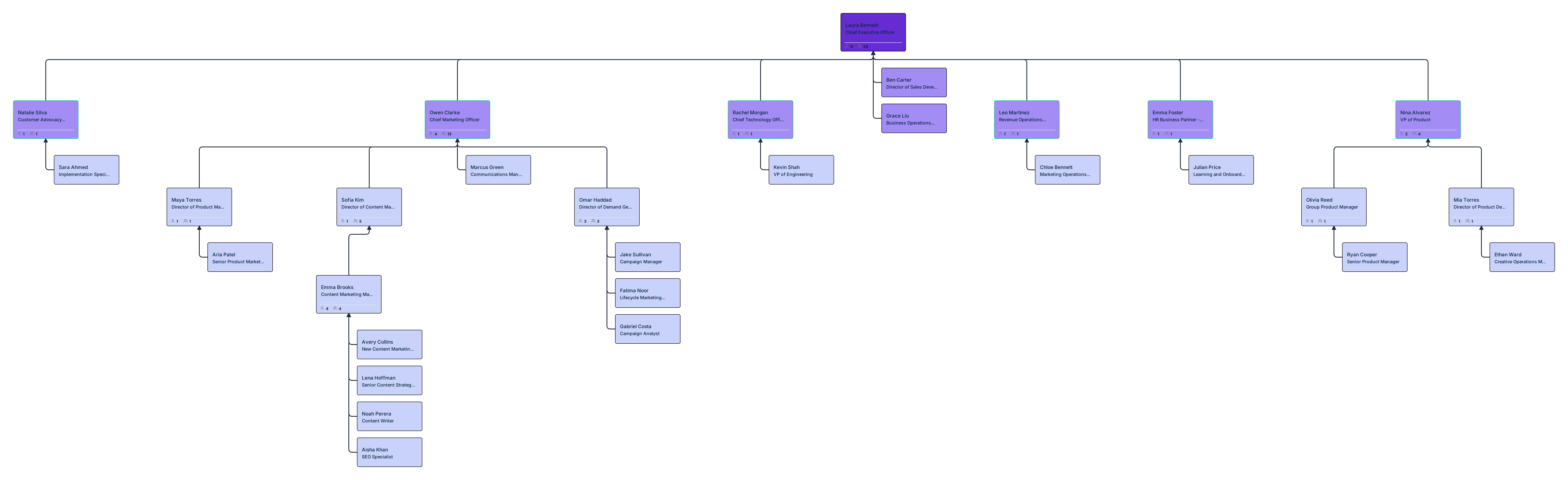
Mastering the HR Audit Org Chart is ultimately about moving from a state of reactive “snapshot” documentation to a proactive culture of structural integrity. Throughout this guide, we have explored the anatomy of data-rich nodes, the necessity of verifiable historical record-keeping, and the strategic advantage of using “sandboxes” to vet organizational changes before they go live. By treating your org chart as a “Digital Twin” of your company, you ensure that you are always prepared for scrutiny while staying focused on growth. Ready to replace the manual struggle with an AI-supported Org Chart? Build a more audit‑ready organization with Creately today and experience the peace of mind that comes with true organizational intelligence.
Helpful Resources
Build, analyze, and plan org structures with Creately’s workforce planning tool.
Explore what is workforce planning with dynamic org charts.
Learn how to plan organizational restructures using scenario planning.
Explore rules for drawing organizational charts and org chart best practices to make your org chart more meaningful and useful.
Plan reorgs, visualize reporting structures, and collaborate using Creately’s org chart software.
Step-by-step guide to creating org charts that scale with your organization.
FAQs About the HR Audit Org Chart
What is the difference between an HR audit org chart and a regular org chart?
Why do auditors request org charts during HR audits?
What compliance regulations rely on HR org charts?
HR org charts commonly support audits related to:
- FLSA (wage and hour compliance)
- EEO reporting and workforce classification
- SOX (management accountability and internal controls)
- Pay equity and headcount allocation reviews
- Internal investigations and grievance handling
What audit risks occur when org charts are outdated?
Outdated org charts can lead to:
- Unclear supervisory accountability
- Incorrect FLSA or EEO interpretations
- Inability to prove who had authority during an incident
- Failed audits due to inconsistent or unverifiable records