Want to make costly marketing errors and waste time and resources? Start without a marketing plan.
A marketing plan is not only an essential part of your business plan, but it is the roadmap that will provide your team with focus and direction in all their marketing efforts.
A good marketing plan is backed by research and facts. Below, we’ve covered the steps you need to follow when creating a marketing plan that will help you attract potential customers to your product and services and convince them to buy.
What Is a Marketing Plan?
A marketing plan is a clear roadmap that outlines how you’ll reach your target audience and achieve your marketing goals within a specific time frame. It connects your strategy to real actions, so your team knows what to do, when to do it, and why it matters.
Simply put, a marketing plan defines:
- Your marketing goals
- Your target audience and buyer personas
- Your key marketing channels
- Your core messaging and positioning
- Your budget, timelines, and resources
- Your metrics and KPIs
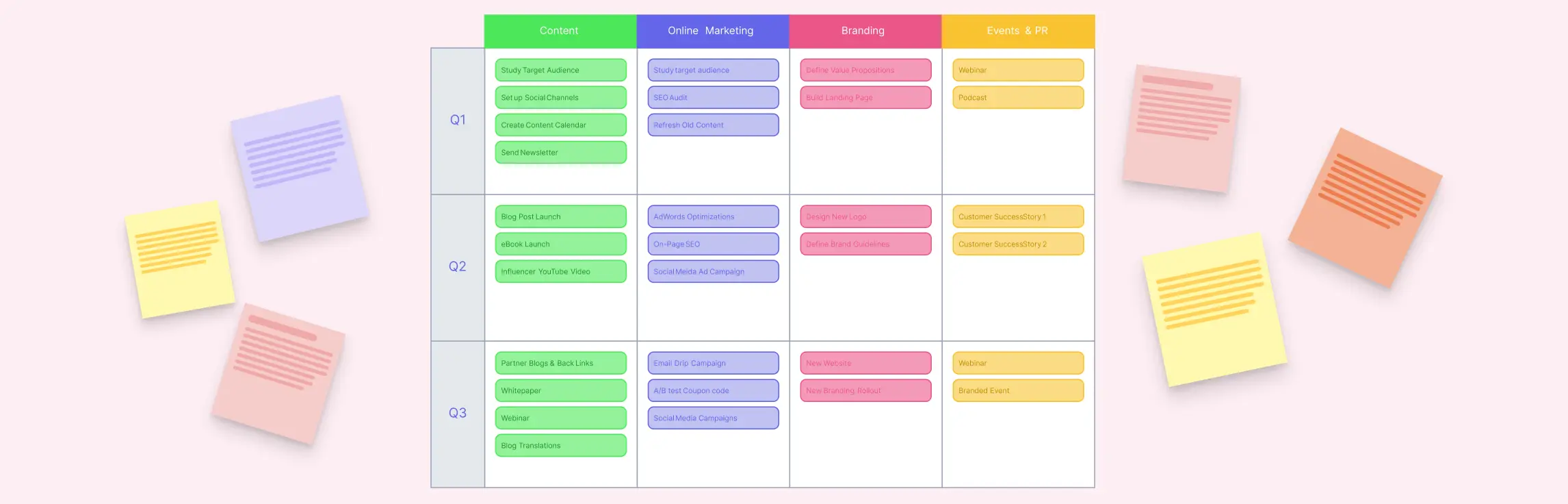
When creating a marketing plan, the goal isn’t to produce a long, static document. It’s to create clarity and alignment. That’s why many teams now prefer visual marketing plans. They’re easier to understand, faster to update, and help everyone see the big picture at a glance.
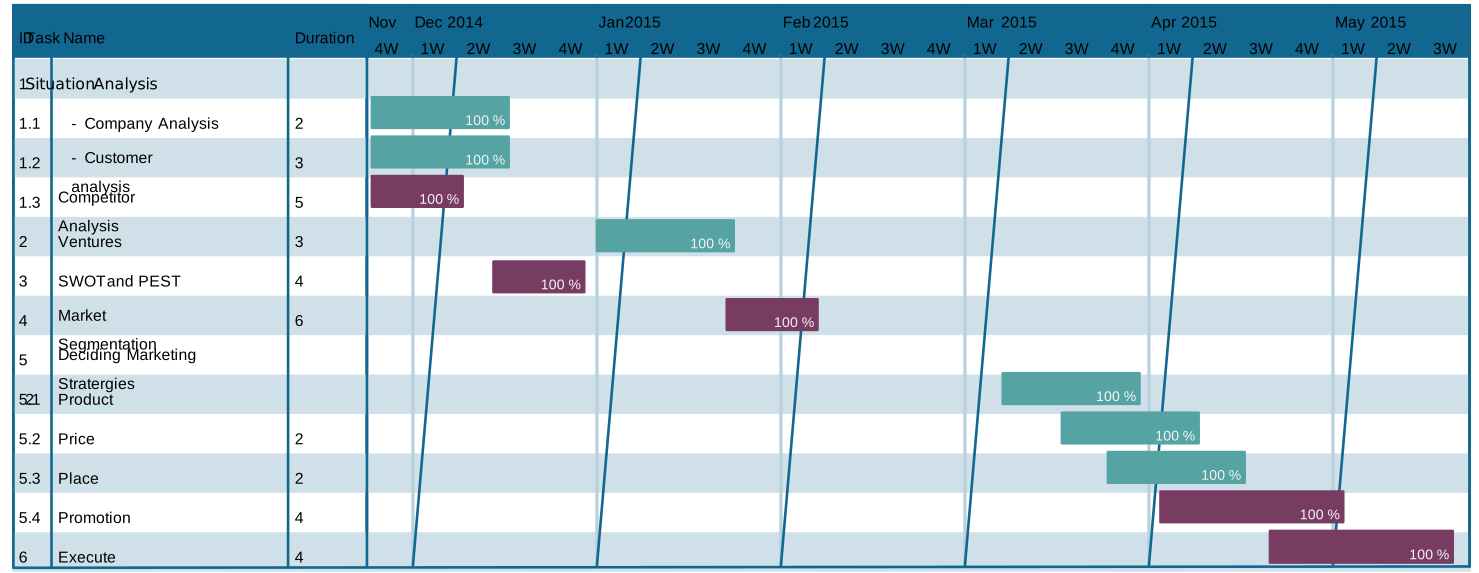

How to Create a Marketing Plan Step-by-Step
Step 1: Understand Your Current Market and Market Position
Pricing, promoting and creating brand messages, all depend on your current market and your position in it.
When understanding your current market position, there are a few things that you need to look into;
Understand Your Product
This is where you look into the strengths, weaknesses, opportunities, and threats associated with your product.
With your team and a SWOT analysis, this will take only a few hours. Once you understand your product in terms of these four areas, it’ll be easier to understand your market position.
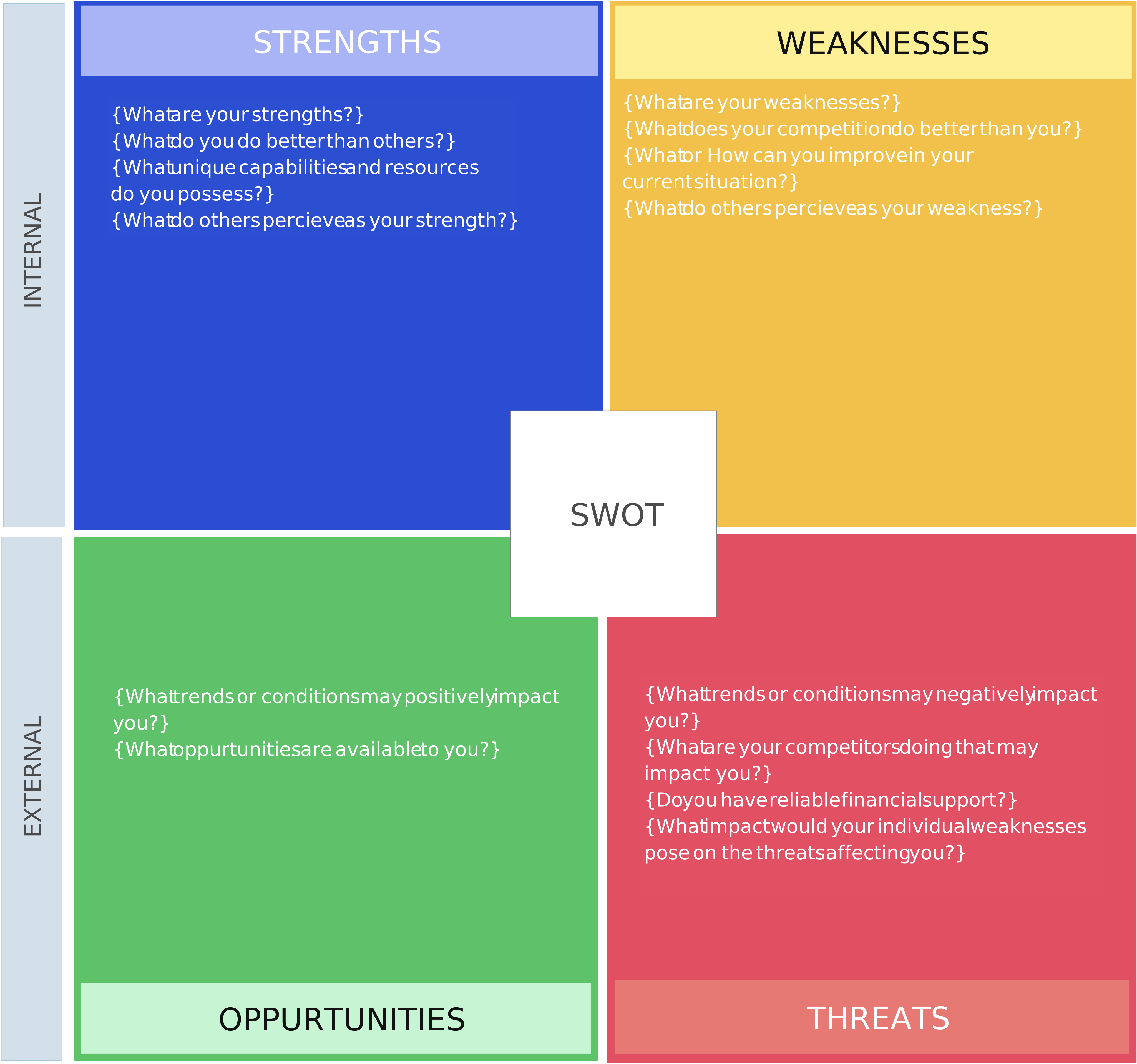
To create a SWOT analysis template for Marketing Plan:
- Define your objective.
- Gather relevant information.
- Use a SWOT analysis template.
- Analyze strengths (internal factors).
- Evaluate weaknesses (internal factors).
- Identify opportunities (external factors).
- Assess threats (external factors).
- Analyze results and look for insights.
- Develop strategies based on findings.
Understand Your Customer
Everything – from what words you use to communicate your message to what marketing channels you use to promote your product – depends on who your customer is.
How old are they? Are they employed? What are their interests? While you need both quantitative and qualitative data on your customers, you can collect them via email surveys, direct interviews, questionnaires, and research.
Using the data you collect, create several user personas based on user segments. You can refer to these whenever you are developing a marketing strategy.
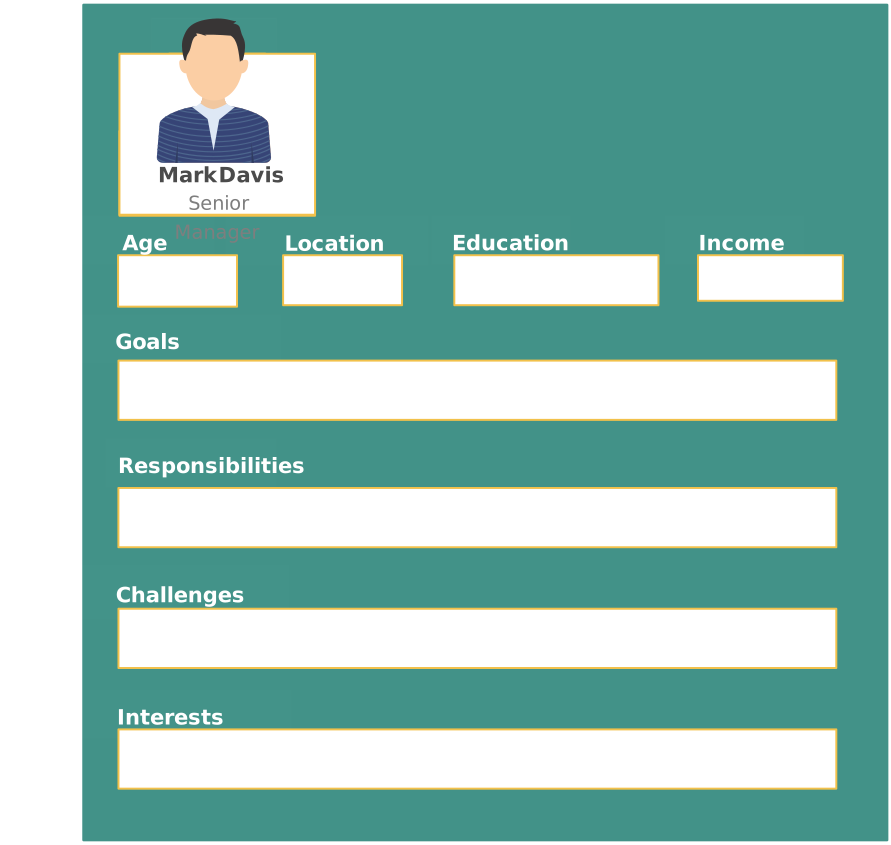
To create a buyer persona template for the Marketing Plan:
- Research your target audience.
- Define key characteristics.
- Give the persona a name and image.
- Describe background and demographics.
- Detail goals and motivations.
- Outline challenges and pain points.
- Document preferred channels and information sources.
- Capture buying behavior and decision-making process.
- Add additional relevant details.
- Create a visual template for easy reference.
- Validate and update regularly.
Understand Your Competitors
This is where you identify your top competition, assess their strengths and weaknesses and analyze their marketing strategies in the market. The information you collect can be used to build effective strategies to improve your competitive advantage.
Once you conduct research, gather and analyze data on your competitors, you’d be able to understand whether you are a leader or a follower in the market.
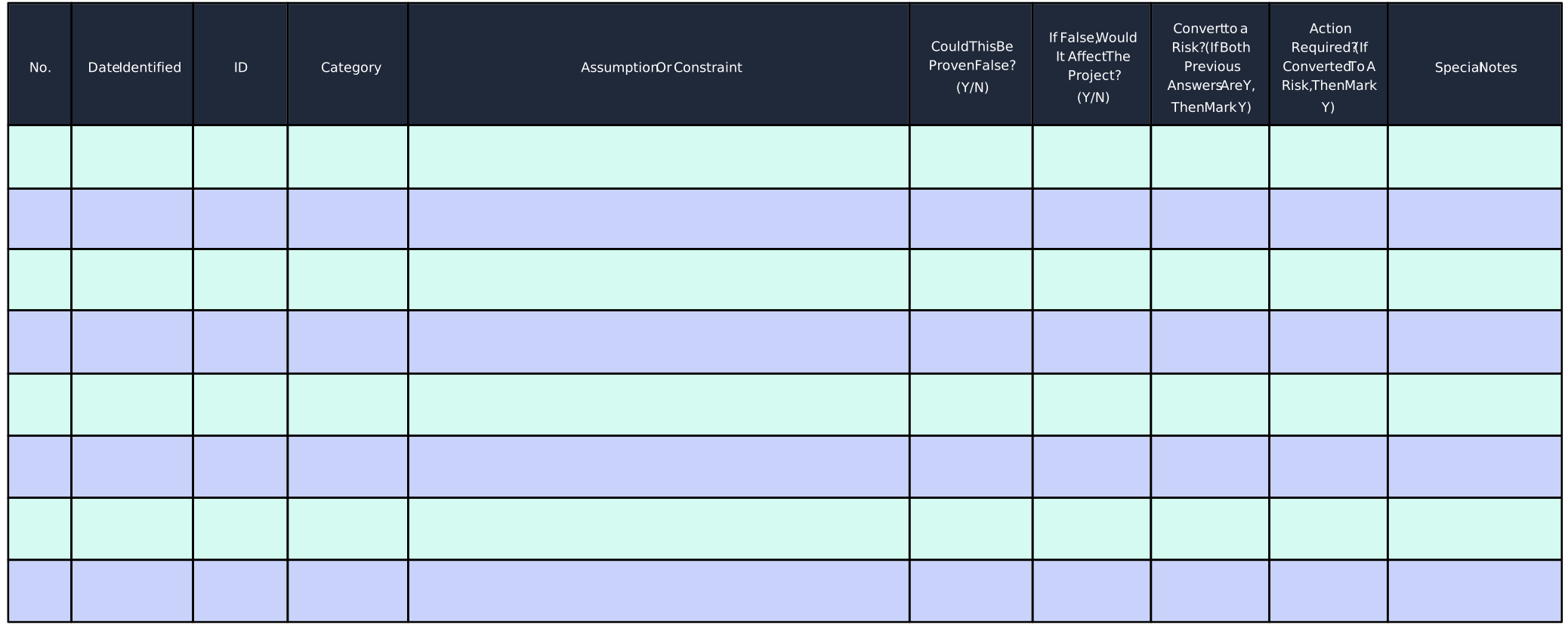
To create a competitor analysis template for Marketing Plan:
- Identify key competitors.
- Determine evaluation criteria.
- Gather information.
- Create a table or spreadsheet.
- Analyze each competitor.
- Compare and contrast.
- Identify competitive advantages.
- Make strategic decisions.
- Update regularly.
Understand Your Brand Positioning
Your brand position is how you want your customers to perceive your brand. In order to determine this, you need to
- Know what your customer wants. The target market research you did earlier will help you with this.
- Understand what your brand’s capabilities are. Again refer to the SWOT analysis you did of your product.
- Understand how your competitors are positioning their brands in the market. You can figure this out with the help of the competitor analysis you did earlier.
Hence, your brand positioning should resonate with your consumers, can be delivered by you and should be different from that of your competitors. Keep these in mind when you are setting your marketing goals.
The Brand Asset Scorecard
Compare your brand with the average brands in the market by scoring each of the following five brand asset categories using a 20-point scale with a maximum possible score of 100. This way you can derive a score that indicates the relative strength of your brand against your competitors.
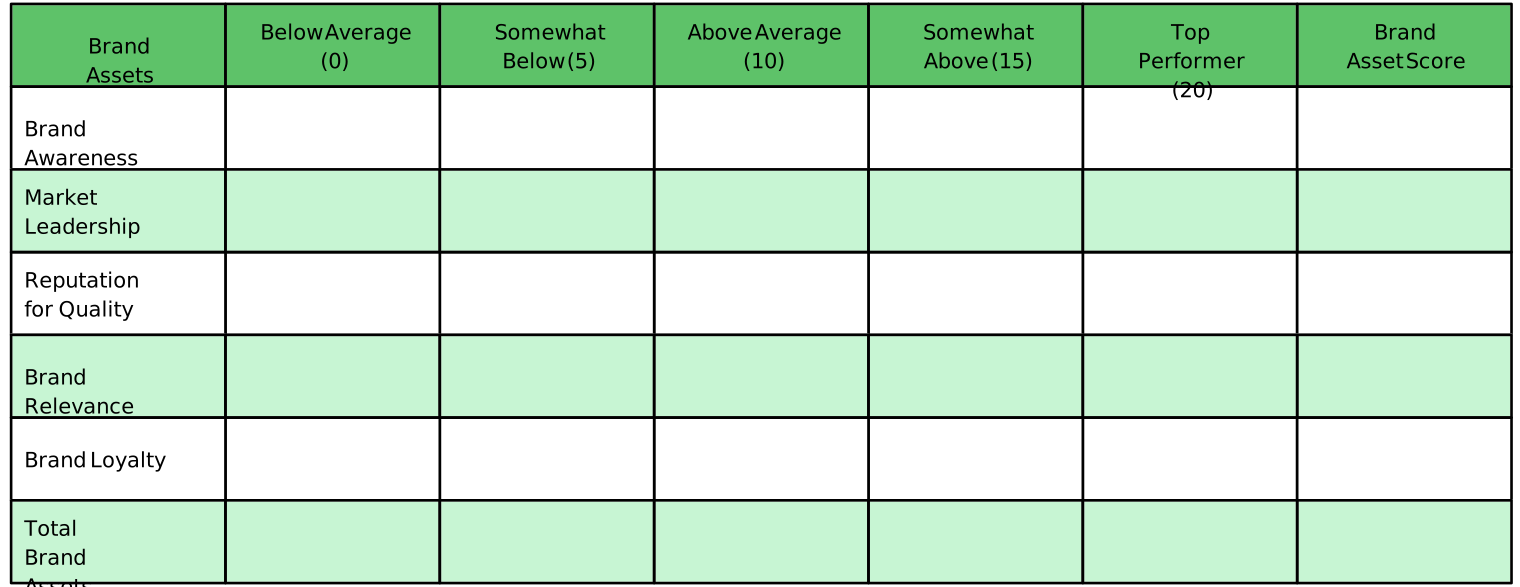
To create a brand asset scorecard template for Marketing Plan:
- Identify brand assets.
- Define evaluation criteria.
- Determine rating scales.
- Create a table or spreadsheet.
- Evaluate brand assets.
- Calculate scores and summarize.
- Identify improvement areas.
- Set action plans.
- Regularly review and update.
Step 2: Set Your SMART Marketing Goals
Now that you know where you stand in the market, it’s time to define your marketing goals. They are the only way to measure the success of the effort your marketing team is putting in.
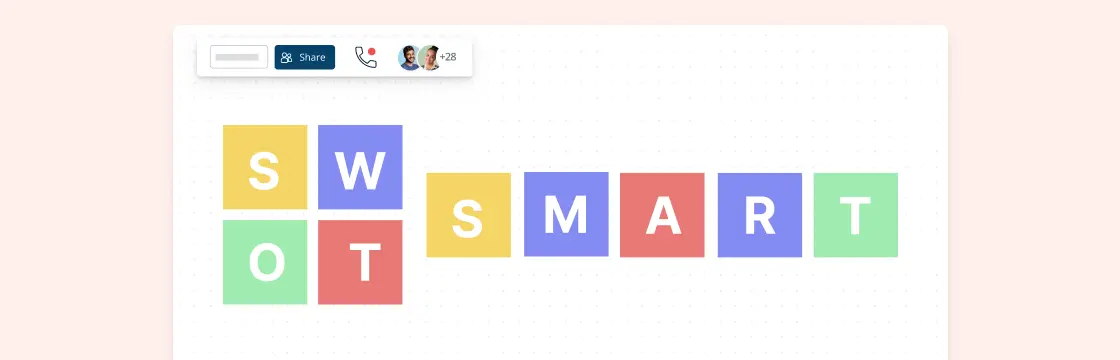
Based on your current performance and your marketing objectives, your goals might change, but make sure that they align with the SMART goal criteria.
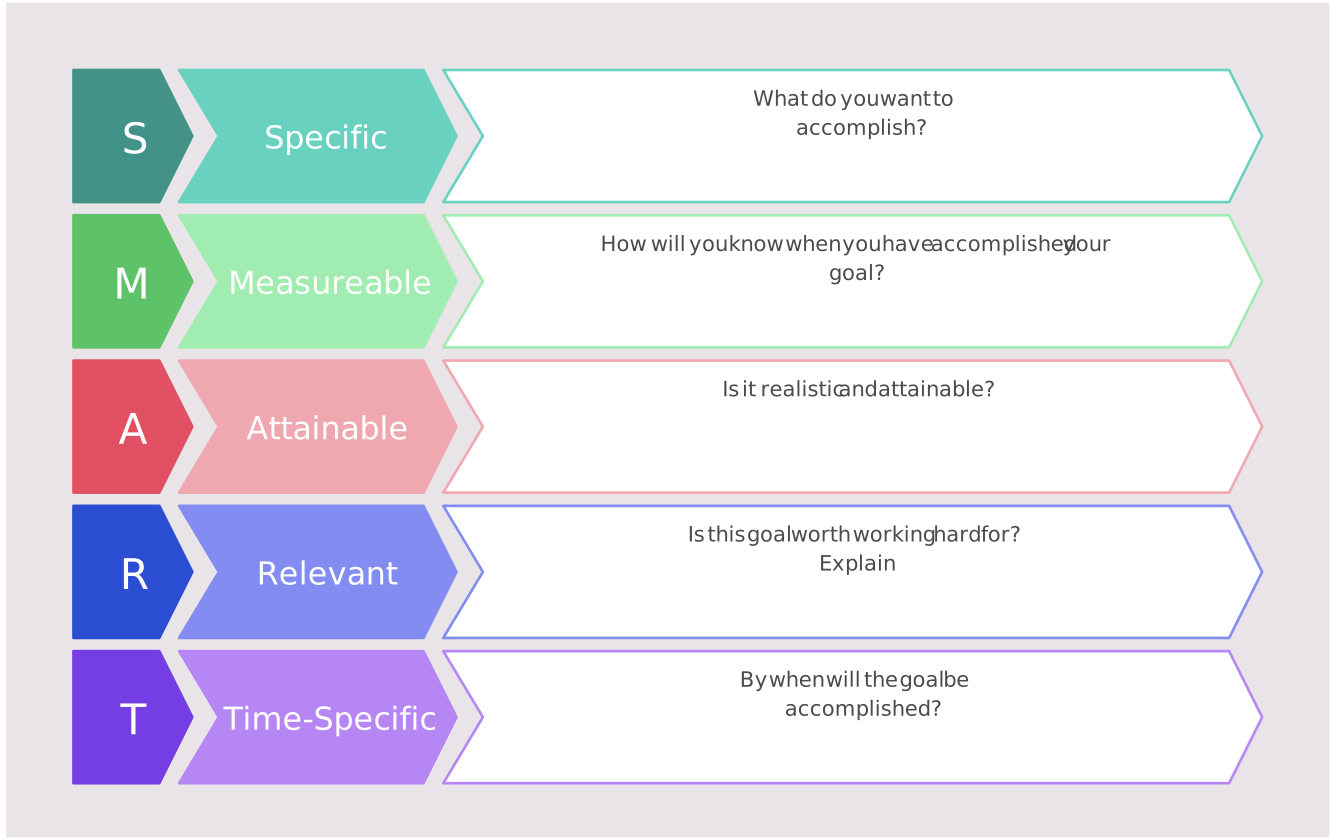
To create a SMART marketing goal template for Marketing Plan:
- Start with a specific objective.
- Make it measurable with clear metrics.
- Ensure it’s achievable with the allocated resources.
- Check if it’s relevant to business goals.
- Set a time-bound deadline.
- Document in a template.
- Review and track progress regularly
Step 3: Outline Your Marketing Processes
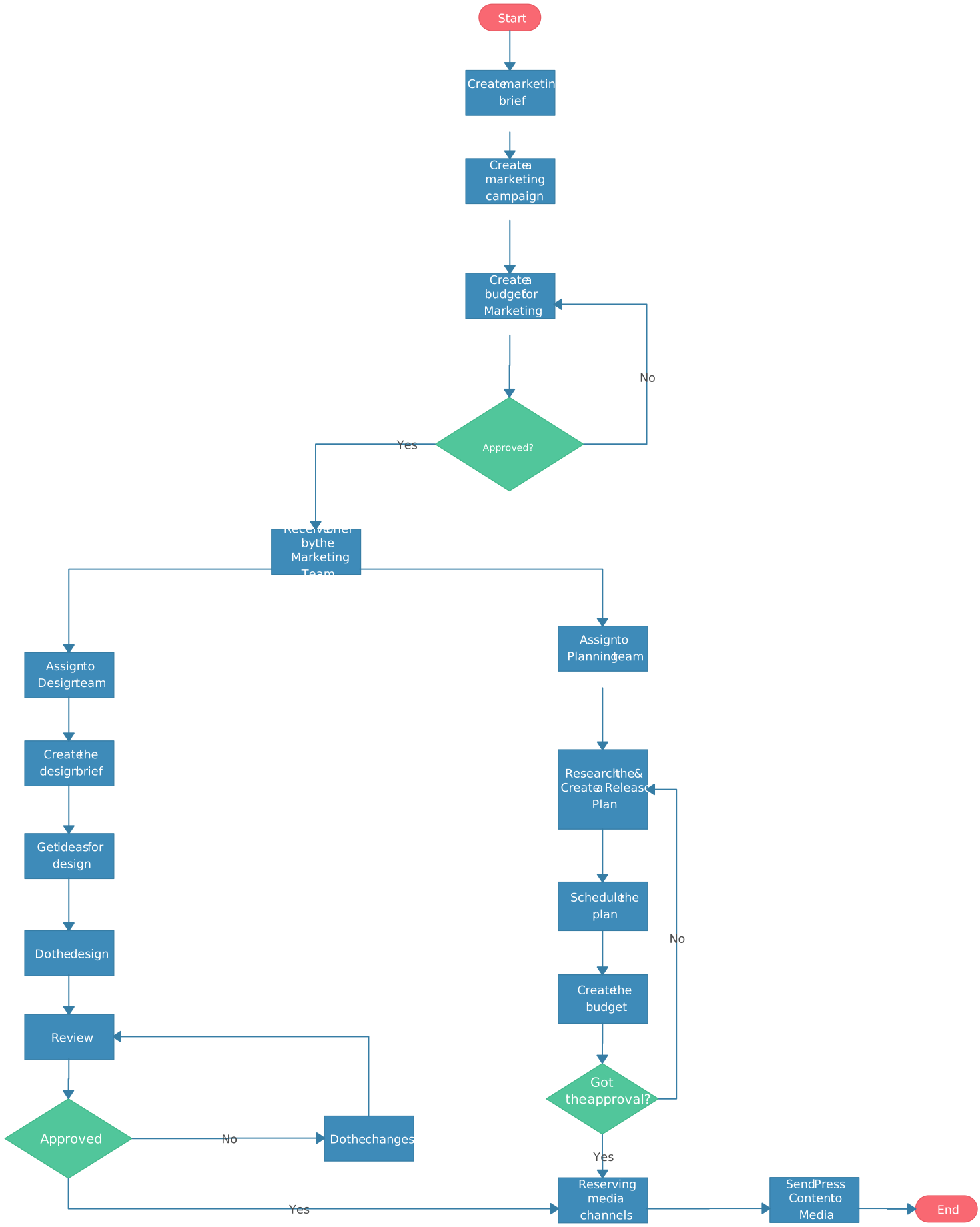
Once you know the goals you want to achieve, you can easily outline the steps that you need to take to accomplish them.
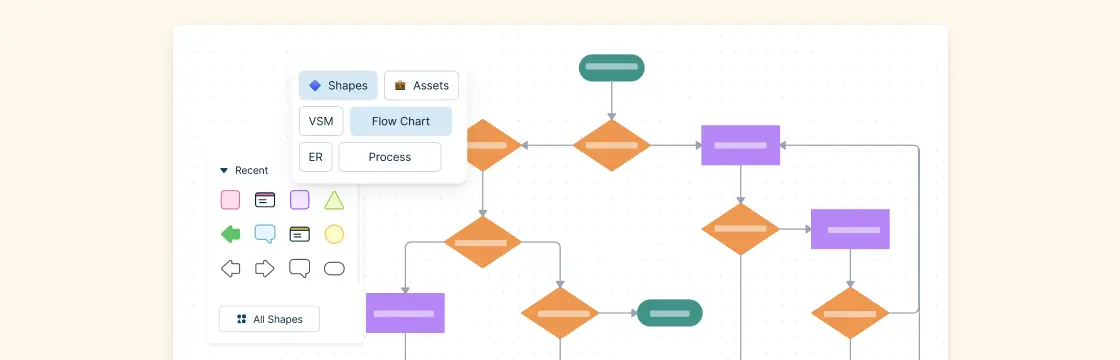
With a process map or flowchart, you can map the tasks you need to complete in order to achieve each of your goals. Once you’ve diagrammed your strategy, you can share it with your team and analyze whether the process needs to be improved or not.
Step 4: Set a Budget for Your Marketing Activities
Whether it is to run a social media campaign or to get an ad published in a newspaper, you need to spend money.
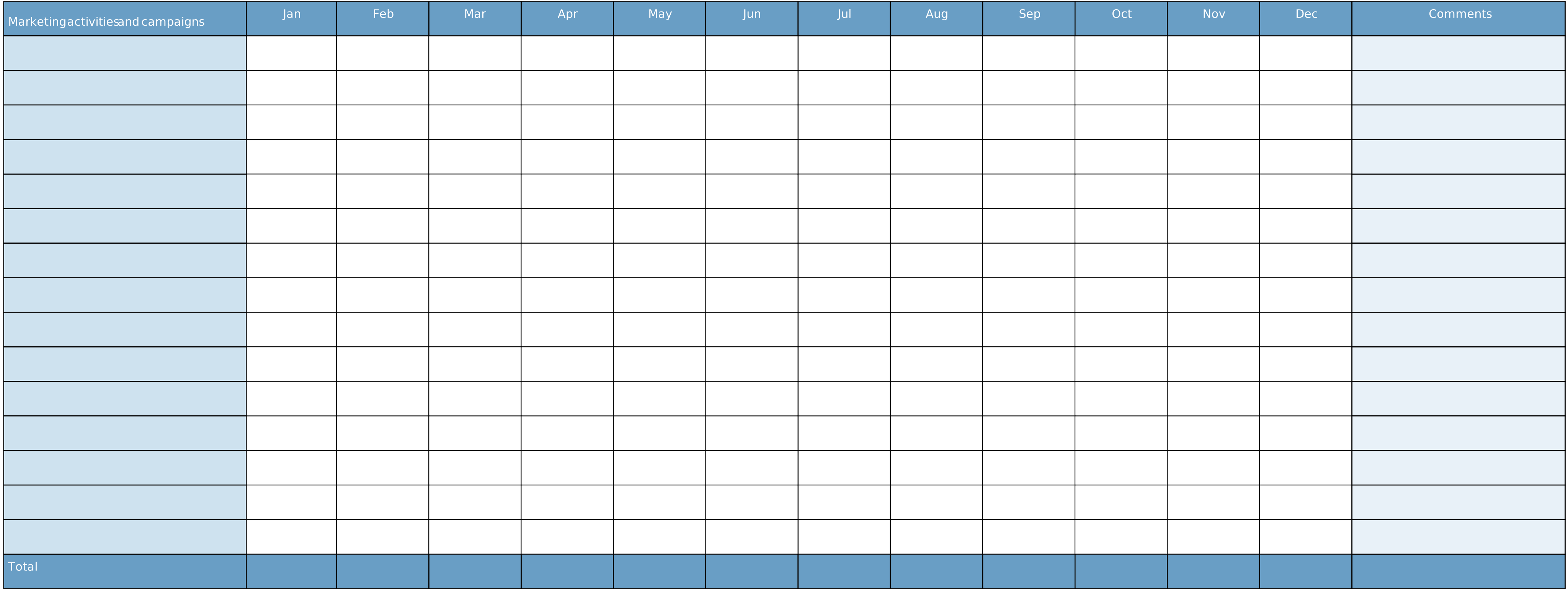
Now that you have identified the tasks/ steps you need to take, figure out how much money you’ll have to spend on each activity and where you’ll take the money from. Having planned how you spend money earlier will help you keep track of your finances.
Why Creately Is the Most Effective Marketing Planner
Creating a marketing plan is easier with Creately because it turns complex strategies into clear, visual roadmaps. Here’s how:
Creating a marketing plan is easier with Creately because it’s built for visual planning, real-time collaboration, and fast execution. Here’s how Creately helps teams plan better:
- Extensive Template Library - Access professionally designed marketing plan, campaign roadmap, and strategy templates to get started instantly, no setup required.
- Drag-and-Drop Visual Canvas - Visually map goals, target audiences, channels, and tactics on an infinite canvas that makes complex strategies easy to understand.
- Built-in Timelines & Task Ownership - Create timelines, link activities, and assign responsibilities directly within your marketing plan to keep execution on track.
- Live Updates & KPI Tracking - Add metrics, track progress, and update plans in real time as campaigns evolve, without rebuilding your plan from scratch.
- Real-Time Collaboration & Comments - Work together on the same plan, leave comments, and make decisions faster with live collaboration, perfect for remote and cross-functional teams.
💡 Why Creately Helps: It’s visual, fast, collaborative, and flexible—so creating a marketing plan isn’t just easier, it’s smarter.
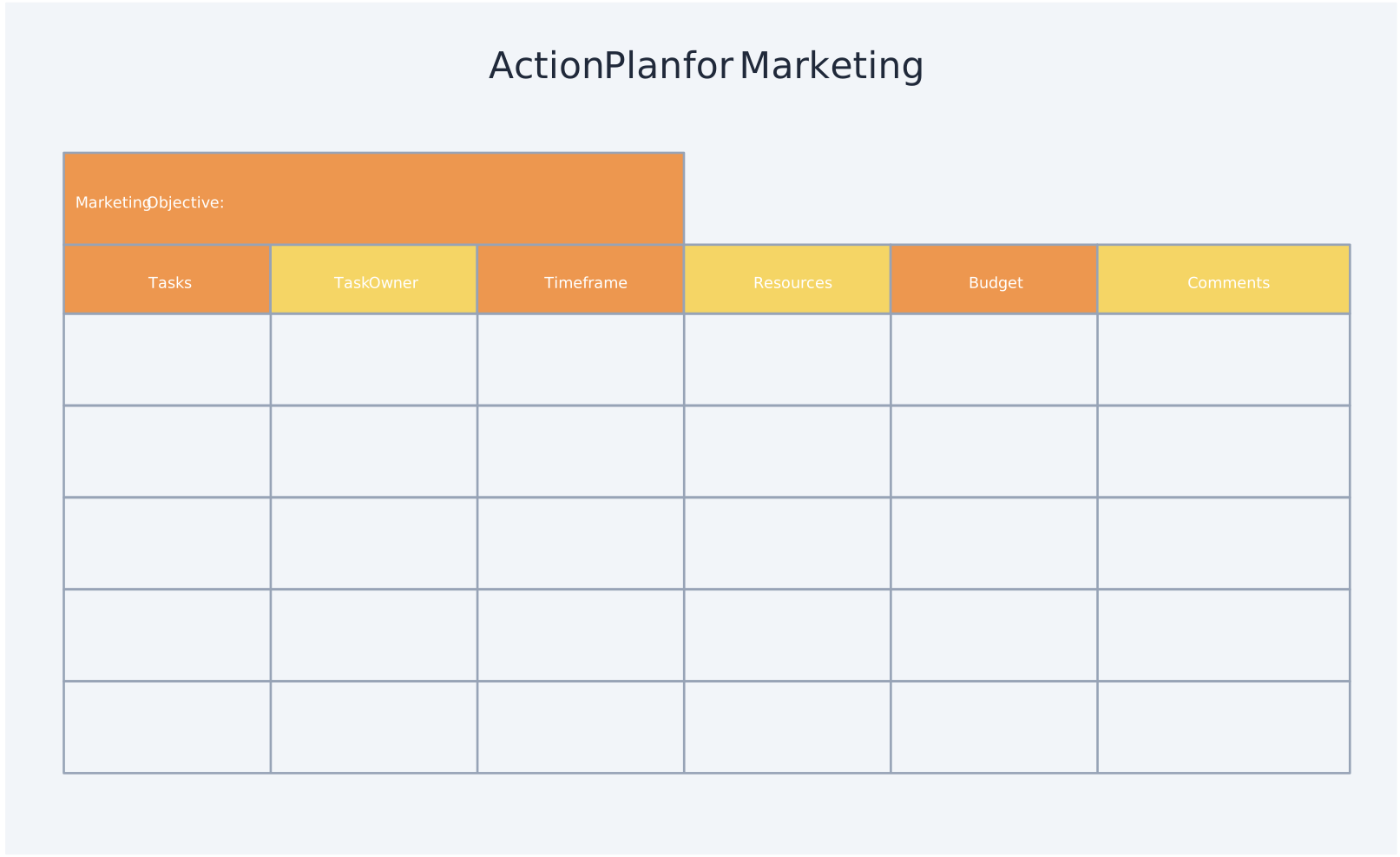
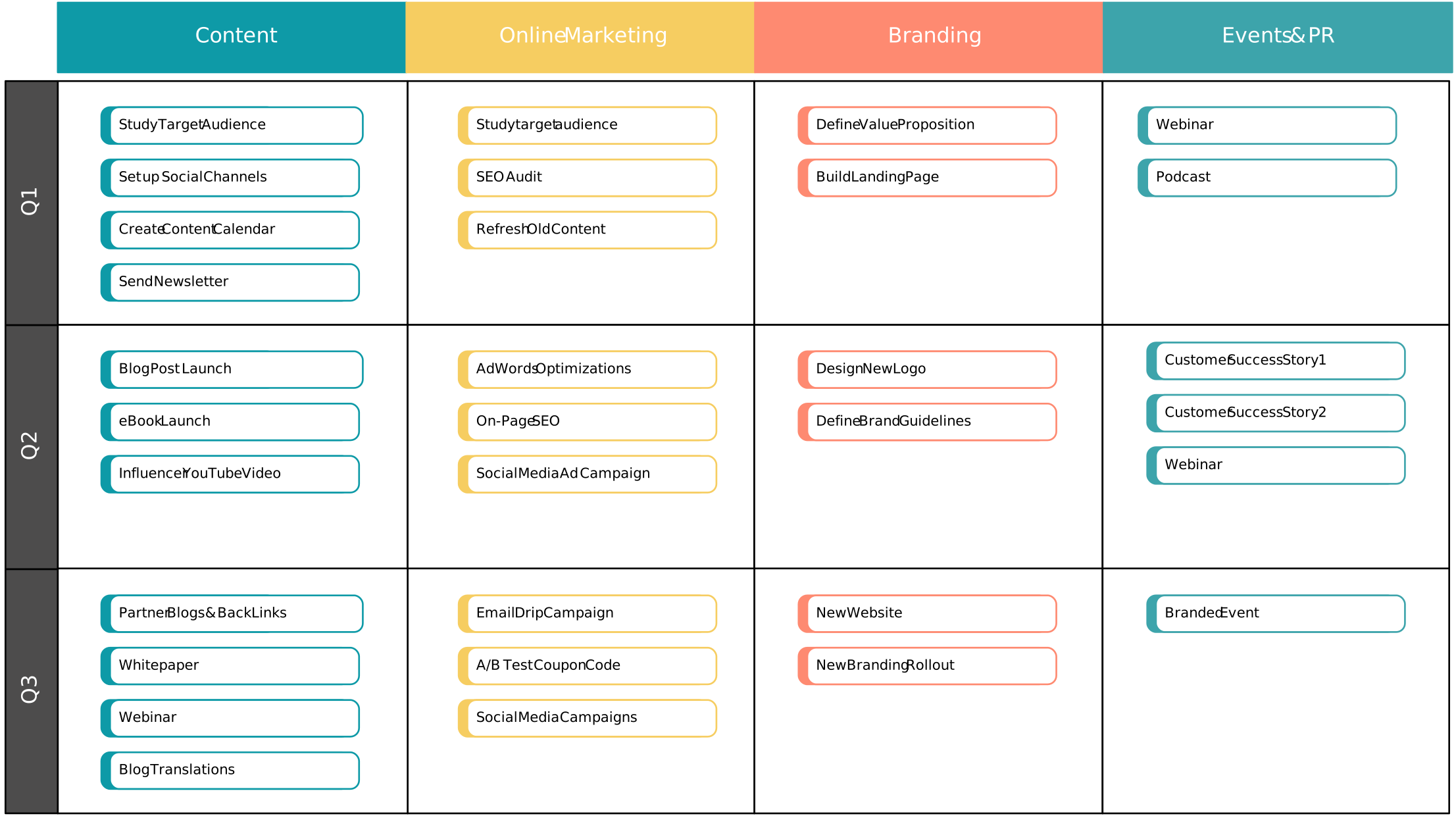
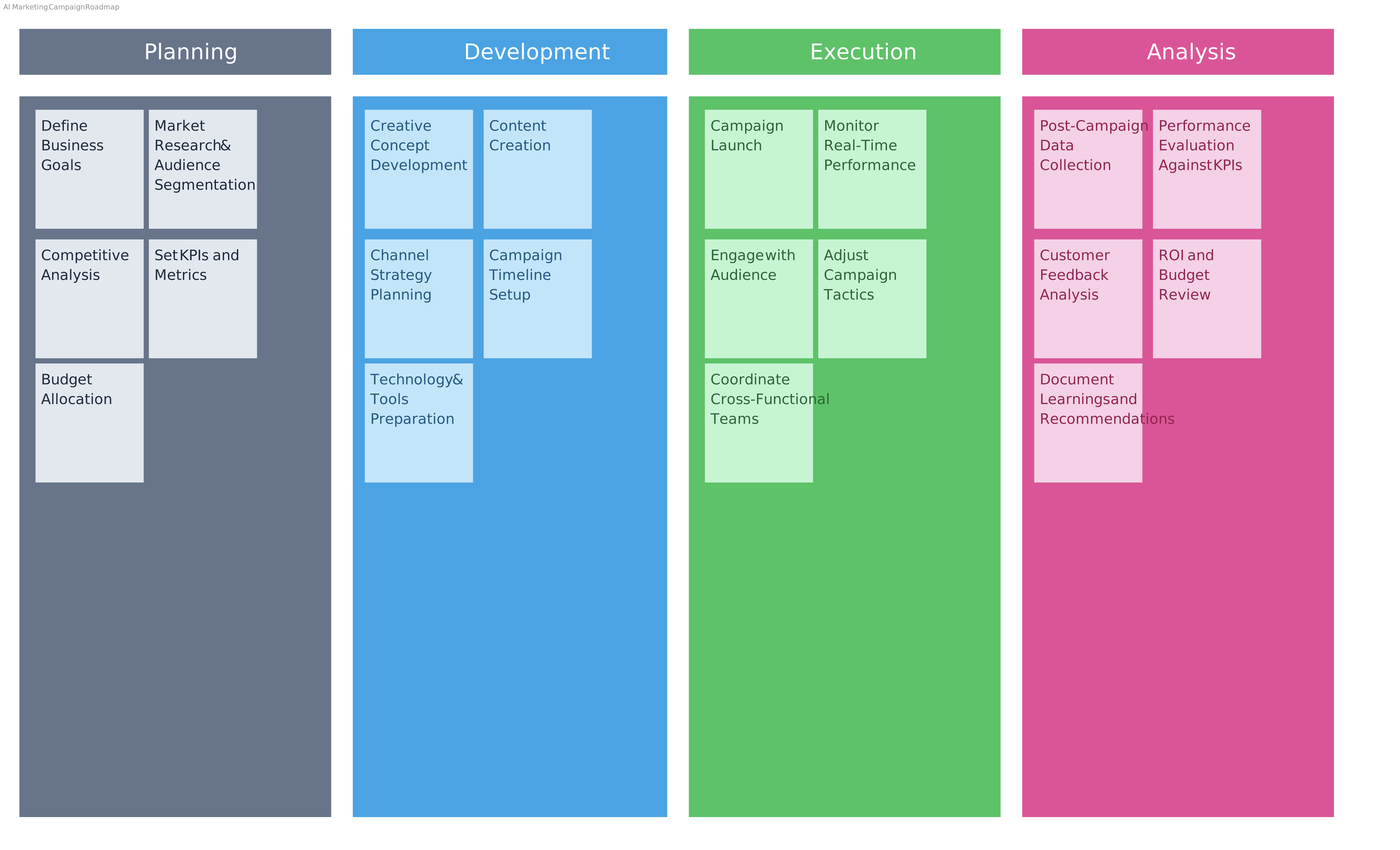
Free Marketing Plan Templates


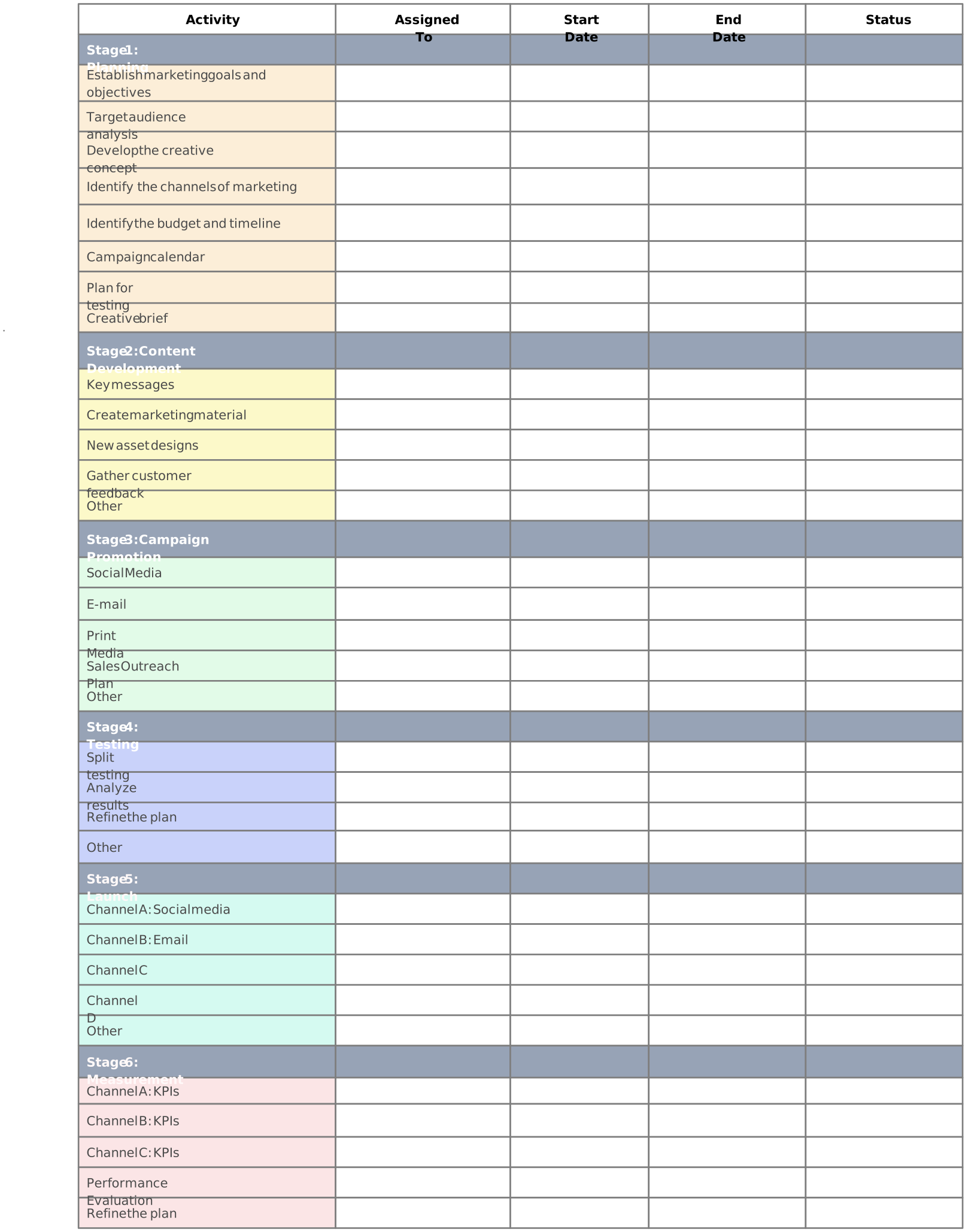
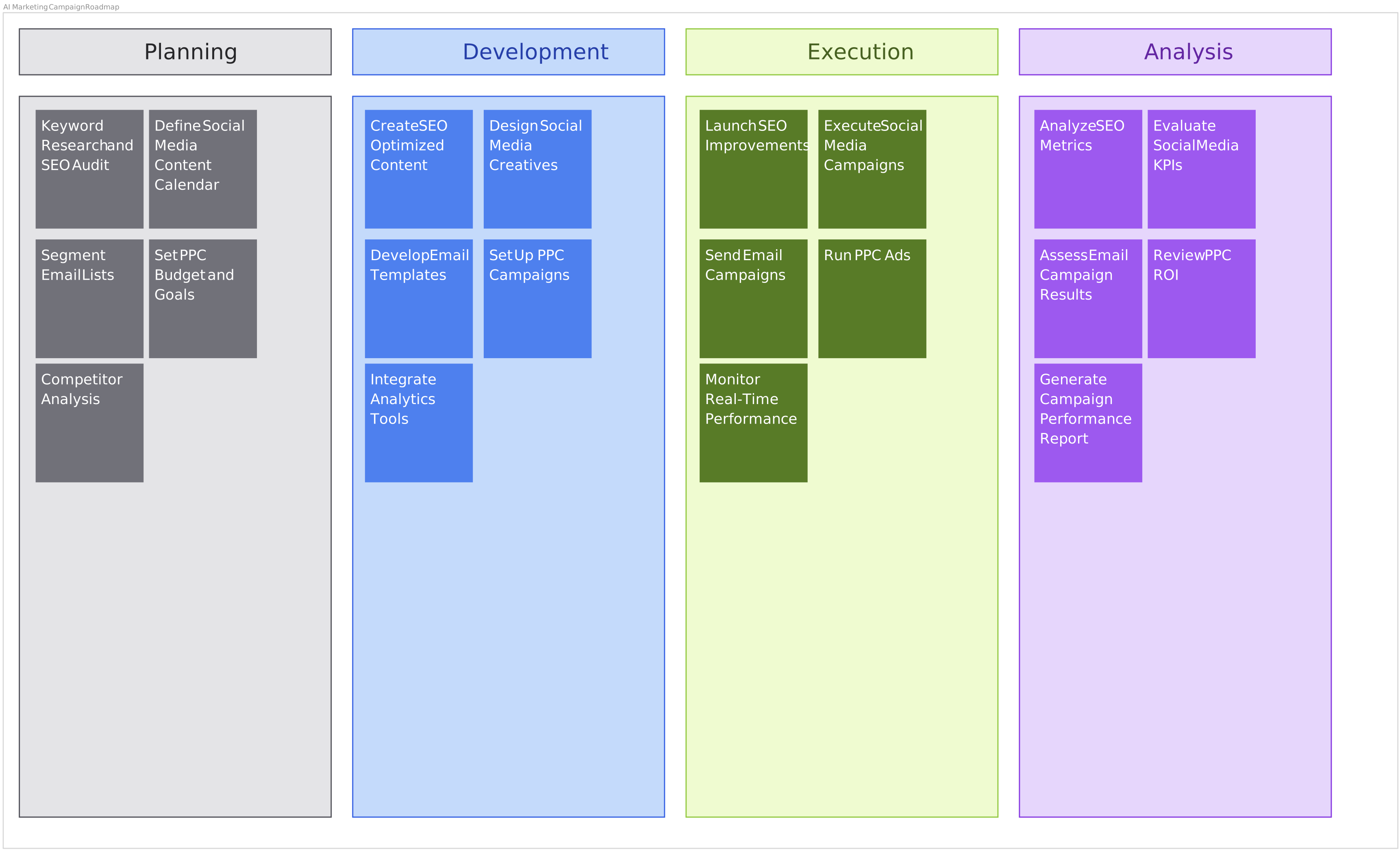
Before winding up, let’s also take a look at popular marketing strategies and tactics you can use and implement along with a marketing plan.
Marketing Strategies and Tactics
Different marketing strategies and tactics may be more effective depending on your industry, target market, and business goals. It’s important to regularly assess the effectiveness of your marketing initiatives, make any necessary adjustments, and monitor results. Here are some examples of marketing strategies and tactics commonly used by businesses.
Target Market Segmentation
Based on demographics, psychographics, or other relevant factors, divide your overall market into smaller, more manageable categories. Customize your marketing messaging and strategies to engage and effectively reach each category.
Content Marketing
To attract and engage your target audience, produce and distribute relevant material, such as blog posts, videos, infographics, or whitepapers. Focus on delivering helpful information, resolving issues, and building your reputation as an industry expert.
Social Media Marketing
Use well-known social media sites like Facebook, Instagram, Twitter, or LinkedIn to promote your goods or services, build brand awareness, and interact with your audience. To achieve your marketing objectives, combine organic posts with sponsored adverts, influencer partnerships, and community engagement.
Search Engine Optimization (SEO)
Increase the visibility of your website and online content by optimizing it. To increase your website’s visibility and organic traffic, conduct keyword research, provide high-quality content, optimize meta tags and descriptions, and develop quality backlinks.
Pay-Per-Click (PPC) Advertising
Run targeted internet advertising where you only pay when someone clicks on them on search engines (like Google advertising) or social media platforms (like Facebook Ads). For your campaigns to be as effective as possible, set specified budgets, target keywords, demographics, or interests, and keep an eye on them.
Email Marketing
Create an email list of prospective or current clients and send them targeted, customized emails. To cultivate leads, promote conversions, and increase customer loyalty, use email newsletters, promotional offers, product updates, or automated drip campaigns.
Influencer Marketing
To promote your business or products, collaborate with influential individuals or popular social media personalities in your industry. These influencers can create content, share reviews, or endorse your offerings, helping you reach their dedicated audience and increase brand awareness.
Referral Programs
You can encourage your current clients to recommend your company to their friends, relatives, or coworkers by providing rewards or incentives. Create referral programs that give discounts, exclusive access, or loyalty points to both the referrer and the new consumer.
Event Marketing
Participate in or organize trade exhibitions, conferences, events, or webinars that are relevant to your field. These events provide opportunities to network, showcase your products, share knowledge, and generate leads.
Personalization and Customer Segmentation
Tailor your marketing messages and offers to individual customers or specific customer segments based on their preferences, behavior, or purchase history. Deliver personalized experiences across numerous channels by utilizing customer data, analytics, and marketing automation tools.
Advanced Strategies for Experienced Marketers
Advanced strategies require a deep understanding of your target audience, extensive data analysis, and ongoing experimentation. To ensure optimal performance and maintain an edge over the competition, it’s critical to regularly assess the outcomes, iterate, and change your methods.
- Account-Based Marketing (ABM): Tailor personalized marketing campaigns to specific high-value accounts, using personalized content, targeted advertising, and outreach to engage and convert them.
- Marketing Automation: Streamline marketing processes with automation tools, automating tasks, nurturing leads through personalized workflows, and leveraging data and analytics to deliver targeted content and offers.
- Predictive Analytics: Use large datasets and machine learning to gain insights into future customer behavior, enabling data-driven decisions, anticipating needs, and personalizing marketing efforts effectively.
- Retention Marketing: Focus on retaining existing customers through personalized communication, loyalty programs, exclusive offers, proactive customer support, and targeted upselling or cross-selling campaigns.
- Omnichannel Marketing: Create a seamless customer experience across multiple channels, integrating online and offline marketing efforts for consistent messaging and customer interactions.
- Data-driven Personalization: Utilize customer data and advanced segmentation to deliver highly personalized experiences, tailoring marketing messages, recommendations, and offers based on individual behavior and demographics.
- Influencer Relationship Management: Build long-term relationships with influencers and thought leaders, collaborating beyond one-off campaigns for continuous brand exposure and audience engagement.
- Customer Advocacy Programs: Encourage satisfied customers to become brand advocates through incentives for sharing positive reviews, referrals, or user-generated content, leveraging their influence and social proof.
- Account-Based Retargeting: Combine ABM principles with retargeting strategies, using personalized ads and email campaigns to engage key accounts that have shown interest but have not converted.
- Experimental Marketing: Take calculated risks and experiment with innovative tactics, channels, or technologies to discover unique growth opportunities, such as virtual reality experiences, chatbots, voice search optimization, or emerging social media platforms.
Ready to Create Your Own Marketing Plan?
A great marketing plan doesn’t need to be long or complicated; it just needs to be clear, focused, and actionable. When your team can see the strategy, priorities, and next steps in one place, execution becomes faster and more confident.
By using the visual techniques covered in this guide, you can turn ideas into a shared roadmap your team actually understands and follows. That’s where tools like Creately make a real difference, helping you plan visually, collaborate easily, and adapt as your strategy evolves.