The sudden departure of a key leader shouldn’t feel like a localized earthquake that brings your entire workflow to a halt. If you’re tired of the “single point of failure” anxiety, this guide moves past dry theory to provide concrete succession planning examples and visual roadmaps that actually work for modern teams.
1. The Baseline: A Simple Succession Planning Example
If a manager from a department suddenly leaves, it can create a ripple effect of uncertainty that stalls ongoing projects. A simple succession planning example provides a clear roadmap for this transition, moving the team from “crisis mode” to a structured handover.
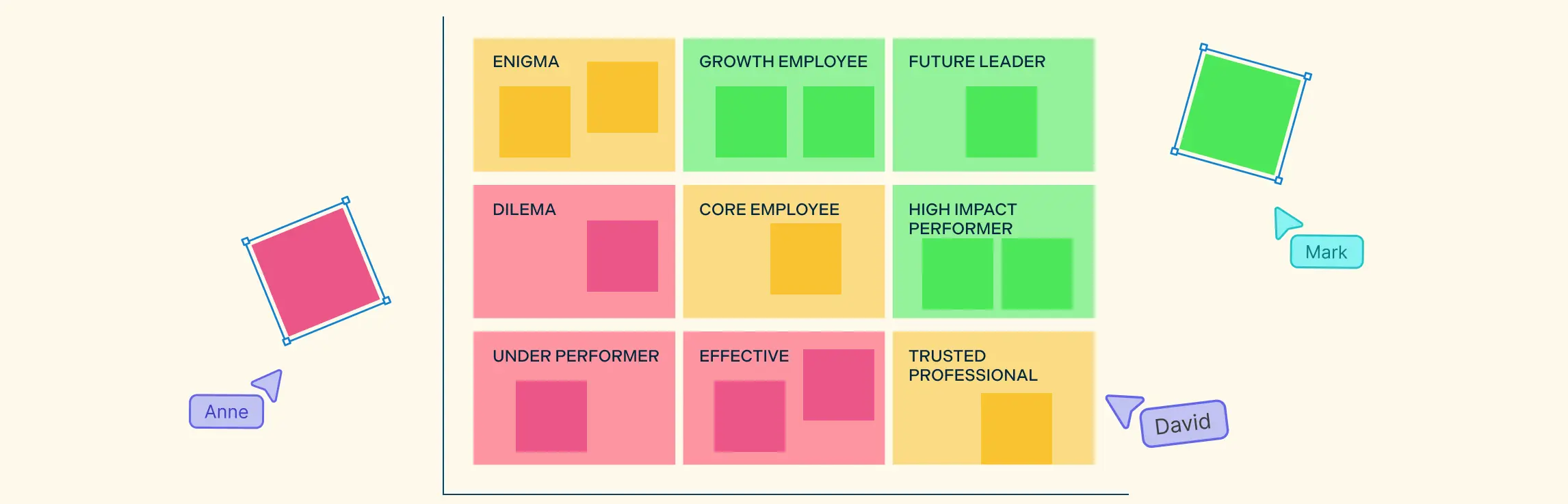
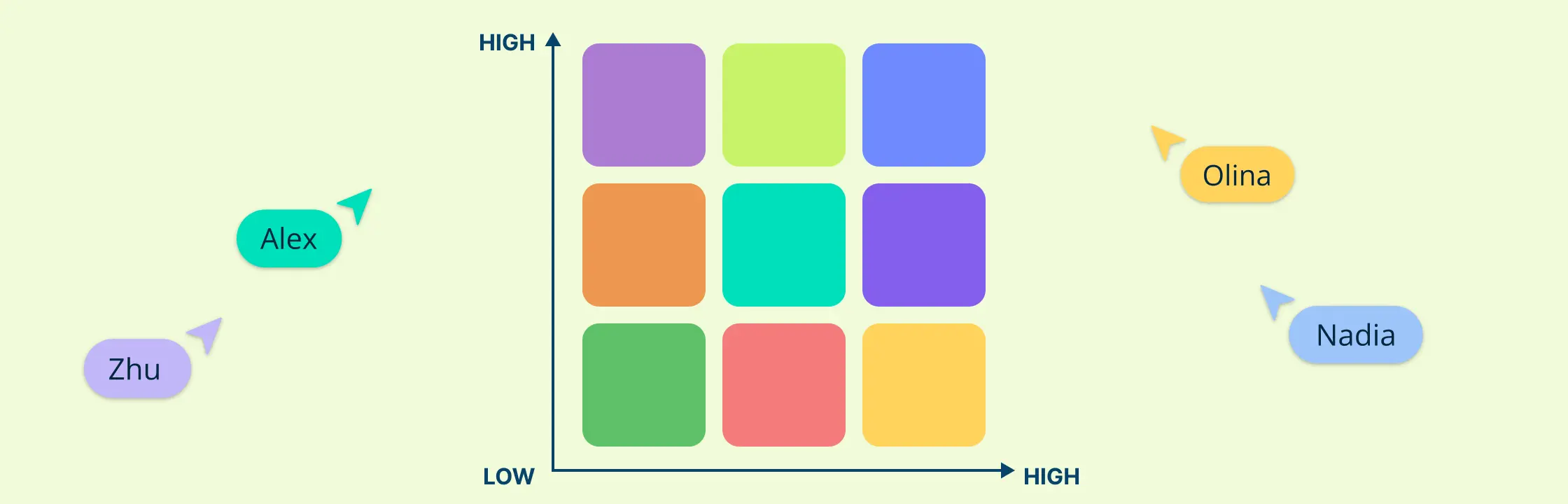
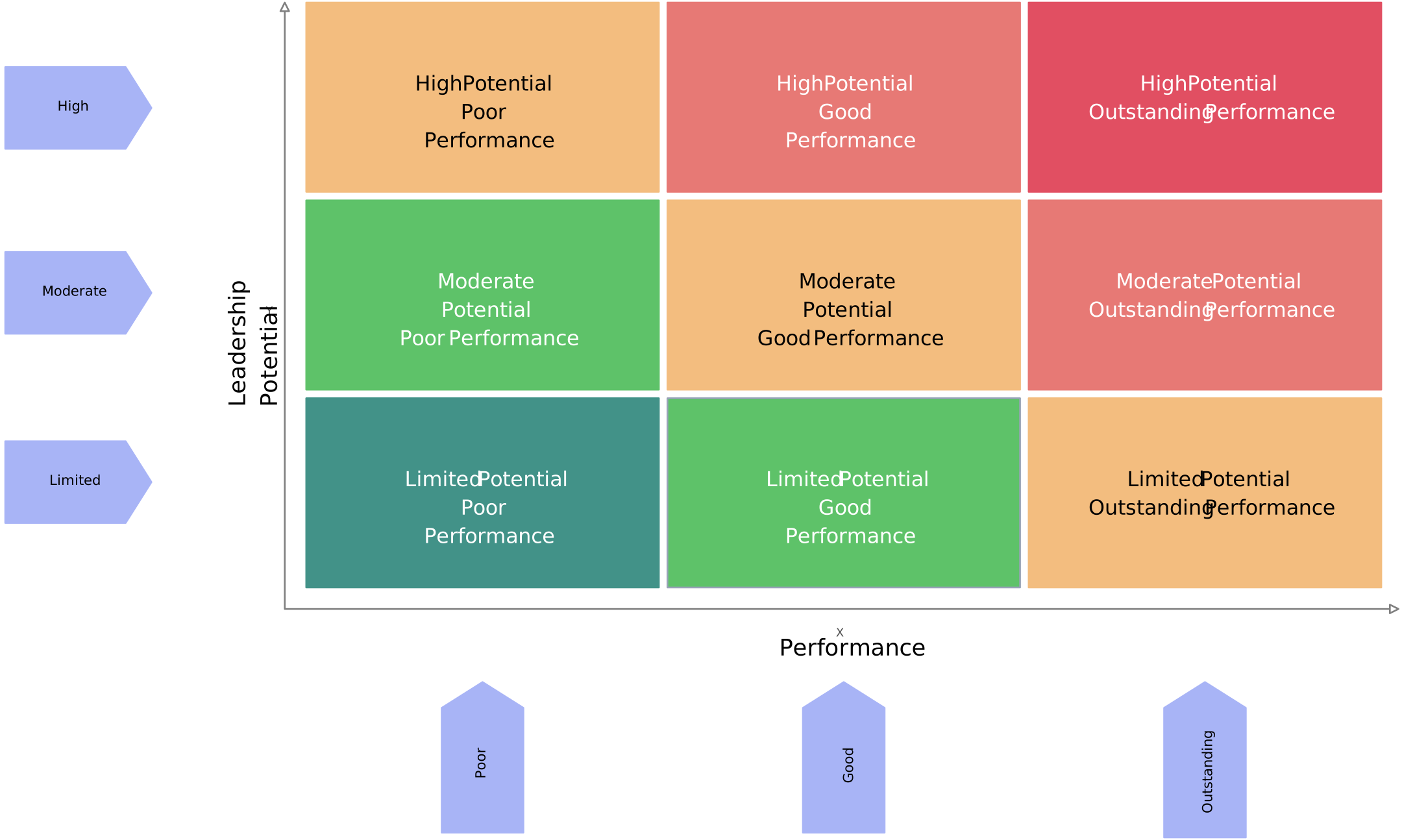
The most effective way to visualize this is through the 9-Box Grid, a classic assessment tool that maps employees based on two simple metrics: current performance and future potential.

The Scenario: A Marketing Department Lead
In a mid-sized firm, the Department Manager uses the grid to evaluate their five direct reports. Rather than choosing a successor based on tenure alone, they categorize the team to see who is truly ready for the next level.
| Employee Type | Performance | Potential | Action Plan |
| The High Potential (HiPo) | High | High | Immediate leadership mentoring and "stretch" assignments. |
| The Steady Performer | High | Low/Moderate | Professional development within their current expert role. |
The Breakdown: Identifying the Successor
High Potential (HiPo)
This individual is your “Star.” They aren’t just hitting their current KPIs; they are already demonstrating the emotional intelligence and strategic thinking required for the next level. In this succession planning example in the workplace, the HiPo is the person you begin “shadowing” with the current manager immediately.
Steady Performer
These are the bedrock of your organization. They are masters of their craft but may lack the desire or specific skill set to move into people management. Promoting a steady performer into a leadership role they don’t want is a common failed succession planning example that leads to burnout.
Key Takeaway: Success is found by distinguishing between those who provide a “floor” of excellence and those who have the “ceiling” to lead. By identifying these roles early, you ensure the department’s stability remains intact during a leadership change.
2. The Startup Approach: Building Knowledge Redundancy for Role-Critical Positions
In a fast-paced startup environment, job titles are often fluid, but specific roles are “load-bearing.” If a Lead Developer or Head of Product leaves, the gap isn’t just a missing name on an org chart—it’s a loss of the institutional knowledge that keeps the product alive.
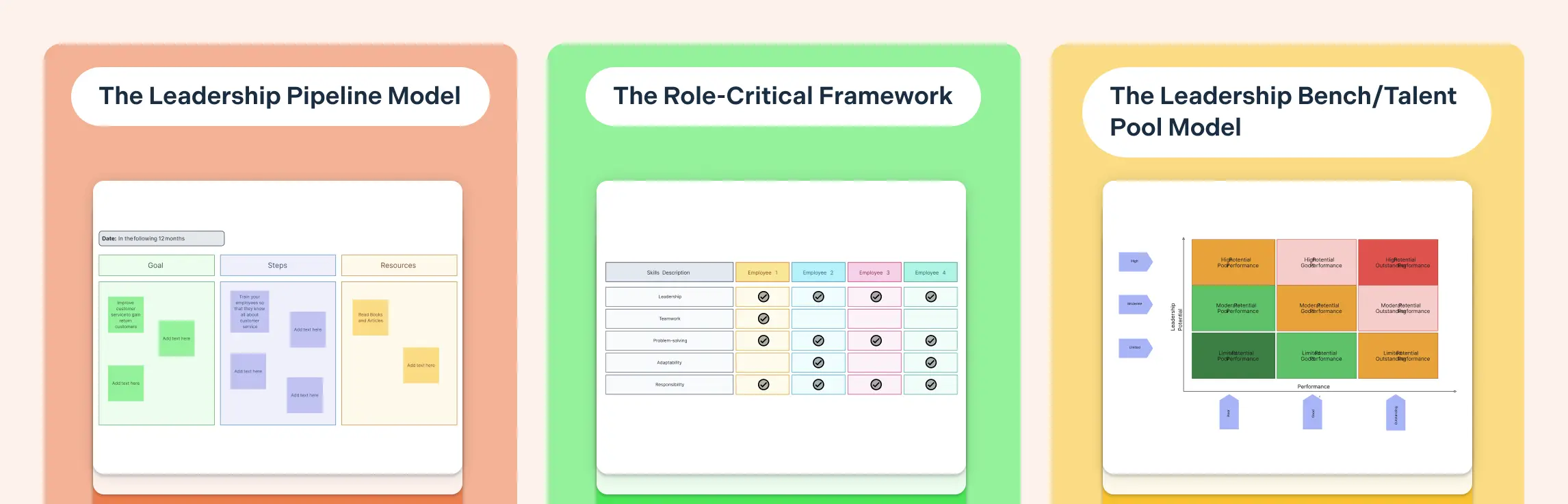
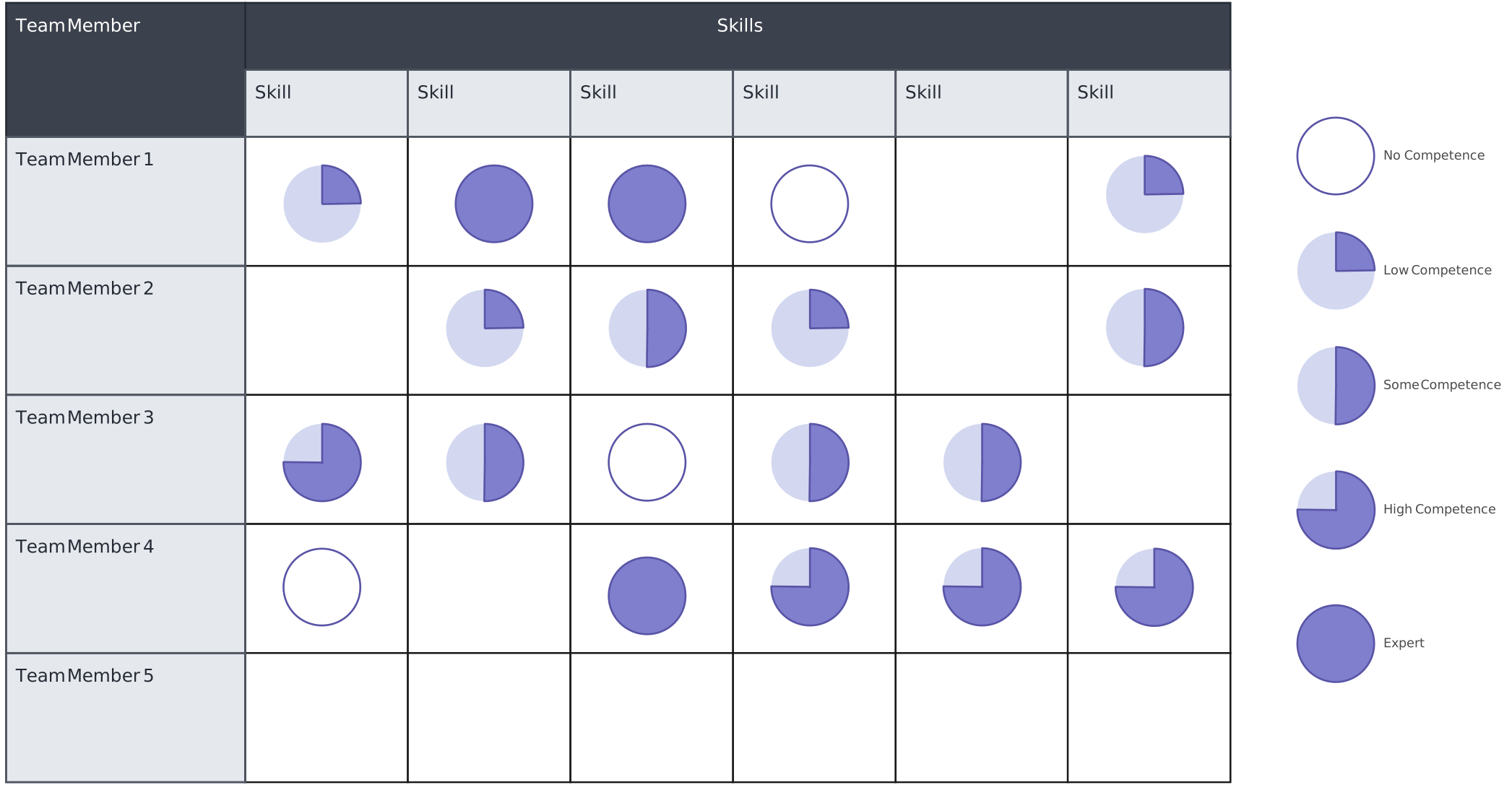
The most effective examples of succession planning for startups move away from rigid hierarchies and focus on Knowledge Redundancy. To visualize this, startups often swap the traditional org chart for a Skills Matrix.
The Scenario: The Lead Developer’s Departure
In a 15-person tech startup, the Lead Developer holds the keys to the entire codebase. Rather than naming a “Junior CEO,” the startup identifies this as a role-critical succession example. They focus on ensuring that if the Lead exits, the system doesn’t collapse with them.
The Breakdown: Building Agile Redundancy
- The Shadowing Phase: Instead of a formal promotion track, the startup implements a “rotation” where two mid-level engineers shadow the Lead Dev on specific, high-risk modules every week.
- The Knowledge Repo: Part of the succession plan includes a mandatory “Internal Wiki” where the Lead documents architectural decisions. This ensures the intellect of the role is captured, even if the person leaves.
- The “Two-Person” Rule: For every critical system, at least two people must have access and understanding to deploy updates.
| Feature | Startup Succession Approach |
| Primary Goal | Operational Continuity (Technical) |
| Key Metric | Percentage of "shared" critical knowledge |
| Successor Type | Distributed (Cross-trained team) |
Key Takeaway: In a startup, succession isn’t about moving someone “up”—it’s about spreading “out” the expertise so no single departure can sink the ship. This is a prime example of succession planning in the workplace where agility beats seniority.
3. The SMB Strategy: Navigating the “Key Employee” Pivot with Phased Timelines
In a small business, the greatest risk is often “Key Employee” dependency—where a single person, frequently the owner or a long-term manager, holds all the critical client relationships and operational secrets in their head.
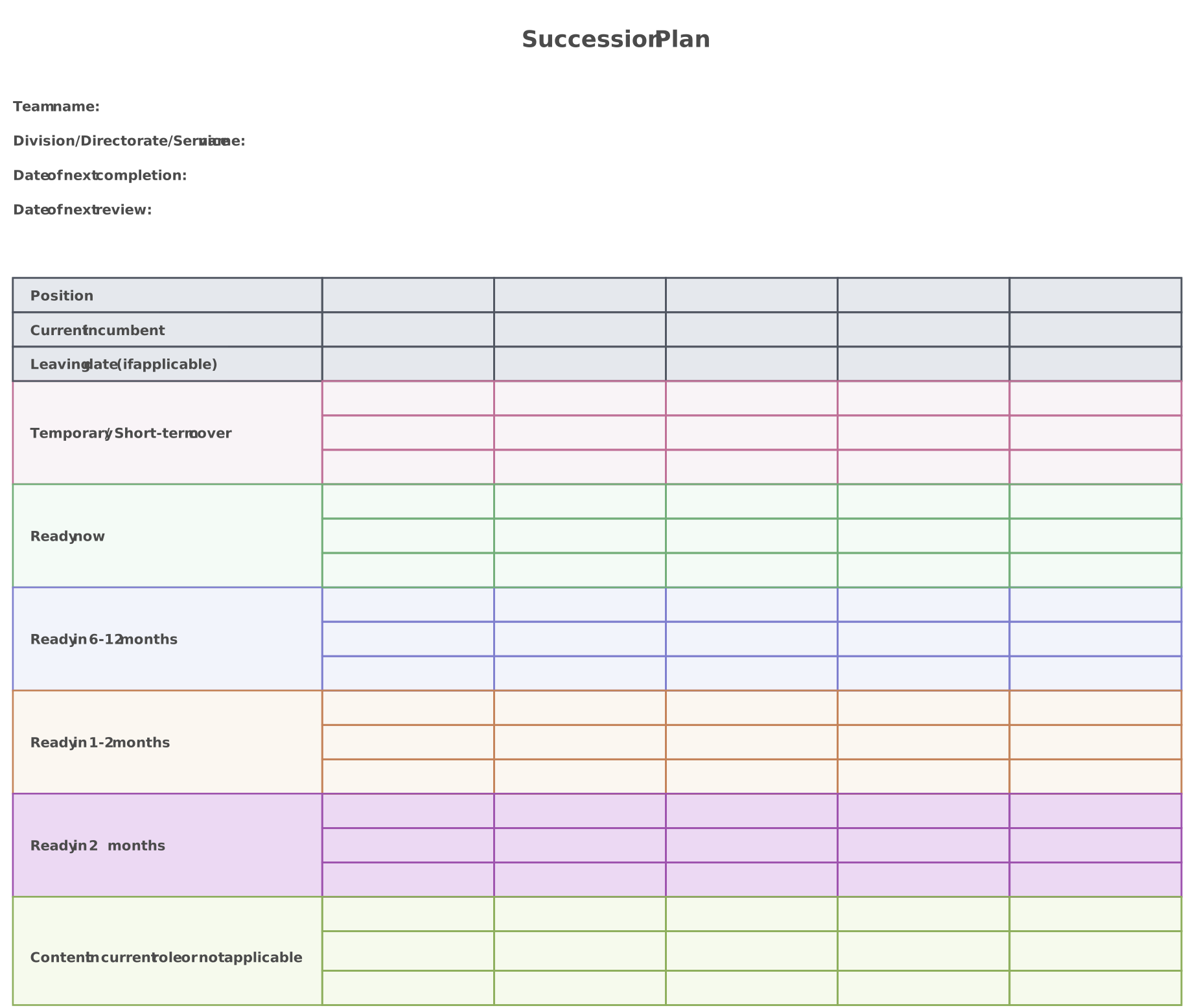
The most effective example succession plan for a small business moves away from a sudden “handover” and toward a Phased Transition. This ensures that the trust built over the years isn’t lost when the leadership changes.
The Scenario: The Founder or Key Manager’s Departure
In a 25-person boutique agency, the Managing Director plans to retire. To prevent a “client exodus,” they implement a 12-to-18-month “Bridge Period.” This allows the successor to earn their stripes in front of stakeholders while the outgoing leader is still there to provide a safety net.
The Breakdown: The “Bridge Period” Strategy
- Phase 1: The Introduction (Months 1–6): The outgoing manager brings the successor into all high-level client meetings. The successor is introduced not just as a “replacement,” but as a new strategic partner.
- Phase 2: The Delegation (Months 7–12): The successor begins leading projects while the outgoing manager moves into an advisory role. This tests the successor’s decision-making in real-time.
- Phase 3: The Final Handoff (Months 13–18): The outgoing manager moves to a part-time consultancy or board role, and the successor takes full operational control.
| Feature | SMB Succession Approach (Transition Timeline) |
| Primary Goal | Relationship Continuity & Stakeholder Trust |
| Key Metric | Client retention rates during the transition |
| Successor Type | The "Bridge" Leader (Internal or External) |
Key Takeaway: For small businesses, succession is a marathon, not a sprint. By using a phased timeline, you prove to your clients and team that the business’s value lies in its systems and collective talent, not just one “irreplaceable” person.
4. The Enterprise Model: Managing Complexity with Data-Driven Pipelines
In large-scale enterprises, succession planning is a high-stakes operational necessity. These organizations manage thousands of roles across global offices, meaning they cannot rely on a simple handoff. Instead, they build a deep “bench strength” that ensures the leadership pipeline is always full, often looking three or four levels down the org chart.
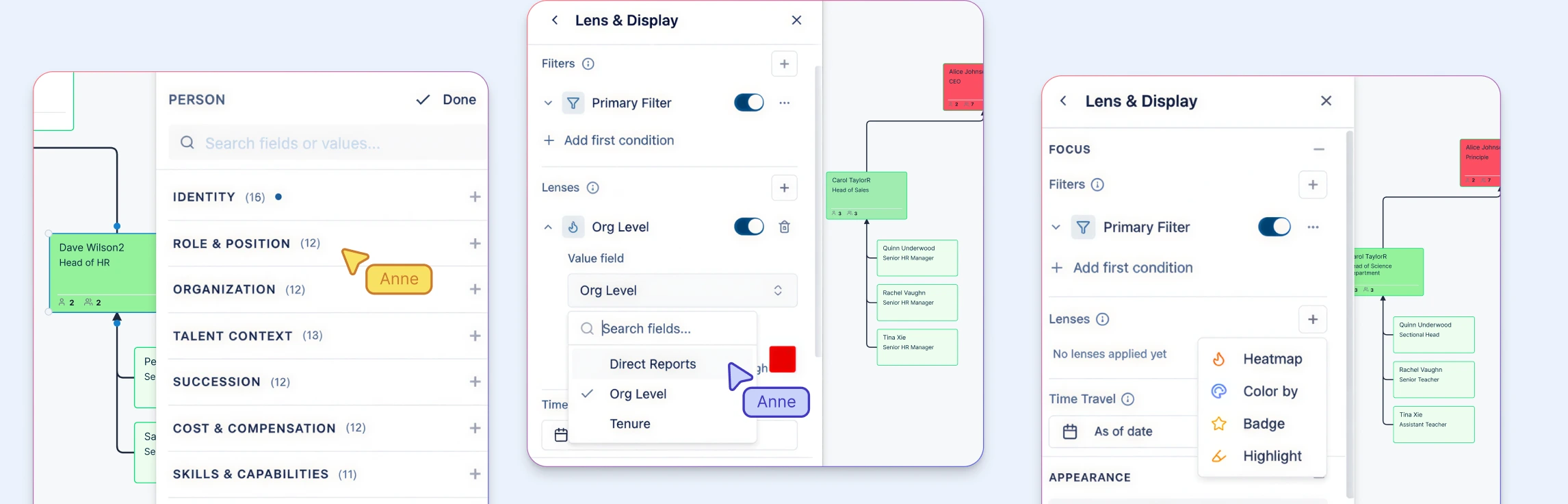
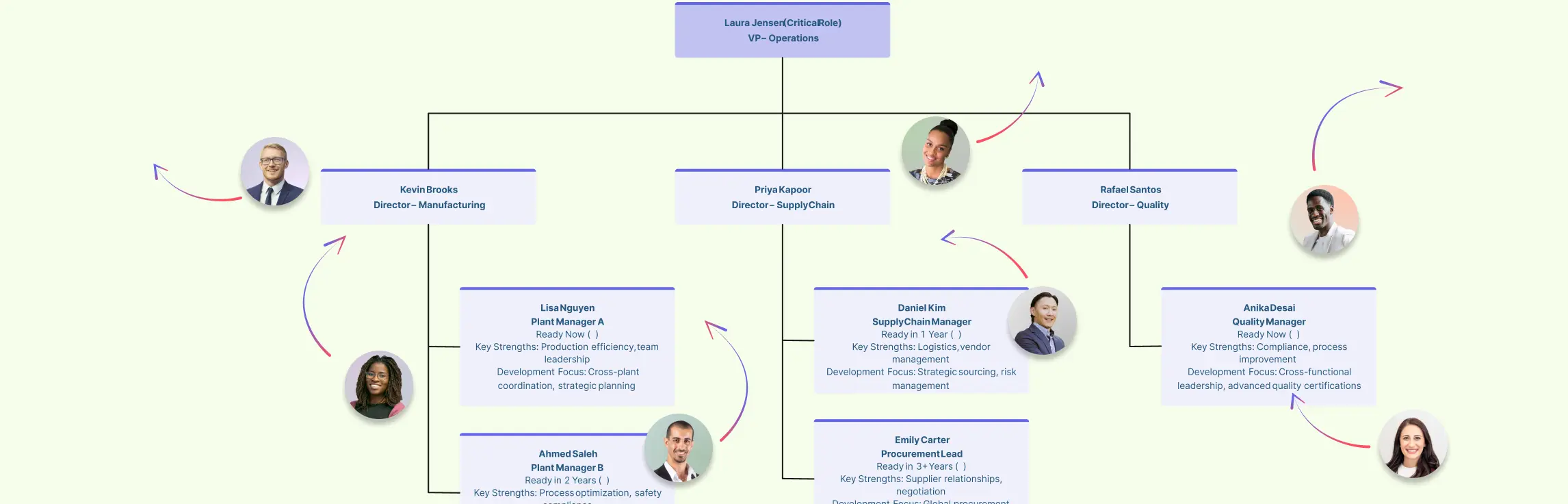
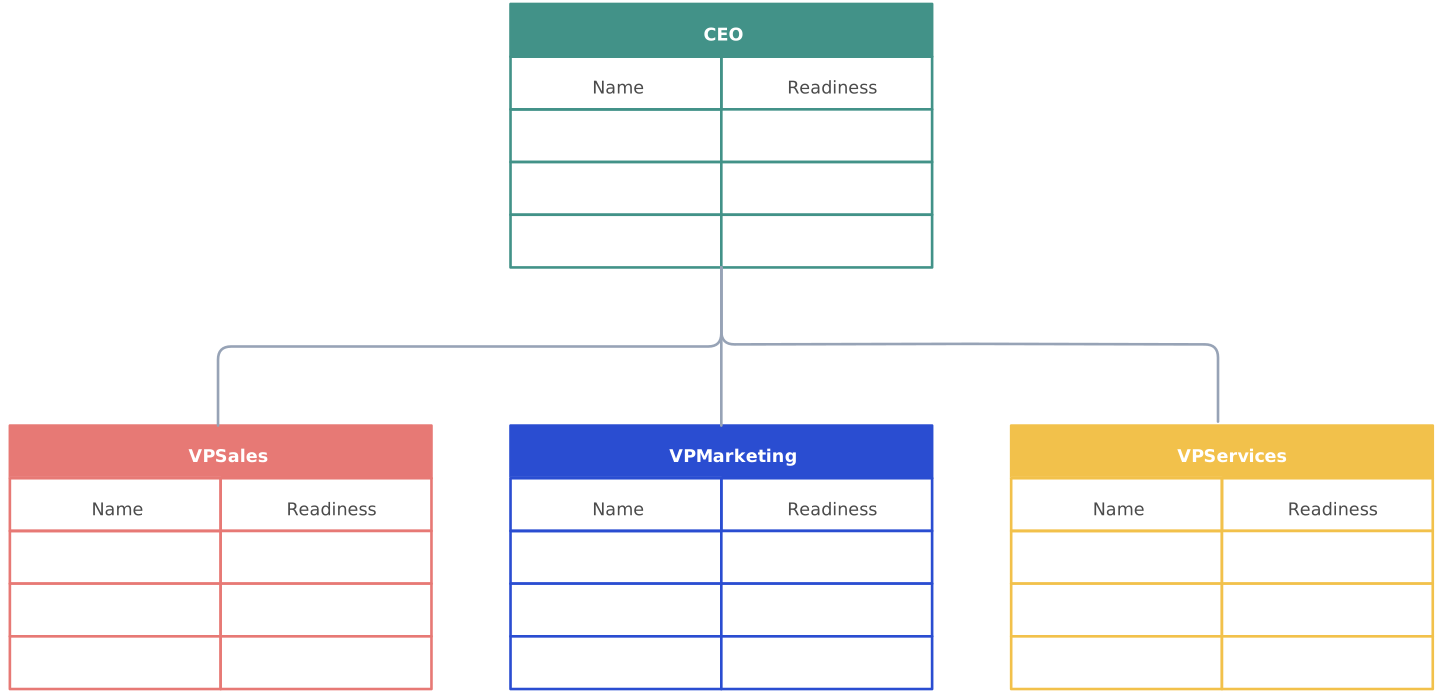
The most effective succession planning examples companies at this scale use are data-driven and focus on Replacement Org Charts—visual tools that categorize potential successors by their readiness.
The Scenario: Apple’s Meticulous Transition
Apple succession planning is frequently cited as the gold standard for enterprise stability. When Steve Jobs passed the torch to Tim Cook, it wasn’t an emergency reaction; it was the culmination of a decade-long plan. Cook had been operationally running the company as COO for years, allowing the board to signal continuity rather than disruption to investors.
The Breakdown: Data-Driven Pipelines
- “Ready Now” vs. “Ready in 2 Years”: Enterprises don’t just pick one person. They use digital talent marketplaces to track multiple candidates for every executive role. A “Replacement Chart” might show three candidates: one ready to step in tomorrow, and two others who need specific “stretch assignments” to be ready within 24 months.
- Apple University: To preserve institutional “DNA,” Apple created its own internal training center. This ensures that even as leaders change, the core philosophies of innovation and simplicity remain embedded in every potential successor. +1
- Standardized Talent Pools: Unlike a startup, where skills are localized, an enterprise uses standardized metrics to compare a VP in London with a Director in Singapore. This “bench strength” means they can move talent geographically to fill critical gaps.
| Feature | Enterprise Succession Approach (Replacement Charts) |
| Primary Goal | Global Continuity & Investor Confidence |
| Key Metric | Bench depth (Ratio of "Ready Now" candidates per role) |
| Successor Type | The "Groomed" Executive (Internal Pipeline) |
Key Takeaway: While startups prioritize agility and SMBs prioritize relationship stability, enterprises prioritize a deep, data-driven pipeline. By utilizing a Replacement Chart, they turn the “unpredictable” nature of leadership change into a predictable, managed process.
5. The “Hidden Gems”: Bridging the Gap Between Role-Critical and Leadership Succession
While most organizations fixate on the C-suite, the most resilient companies recognize that “role-critical” positions—the “Hidden Gems”—are often the true engine of daily operations. Transitioning a Senior Project Manager into a Director role is a classic succession planning example in the workplace where technical expertise must be bridged with strategic leadership.
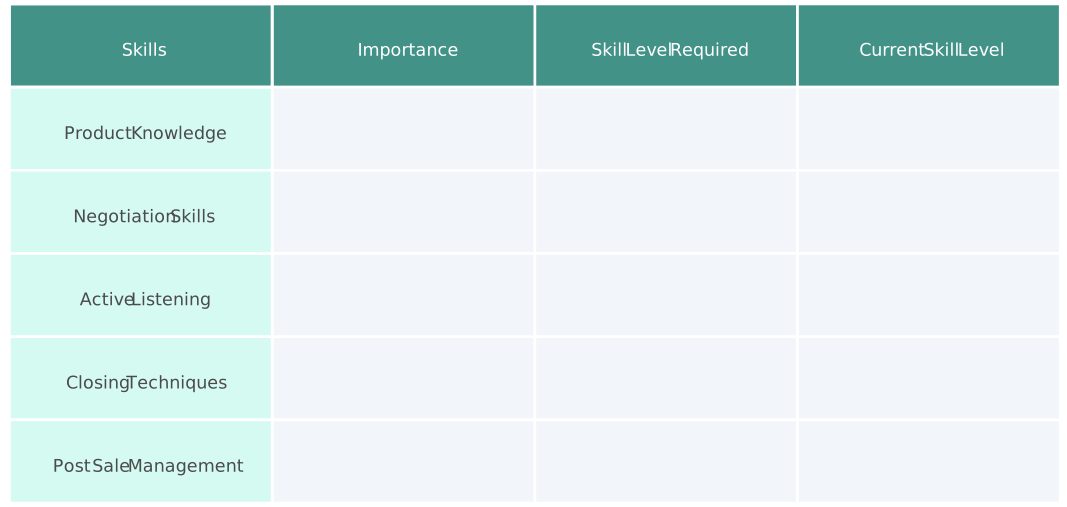
To manage this transition without losing operational momentum, managers often use a standardized skill gap analysis to identify who’s suitable for the shift from “doing” to “leading.”
The Scenario: The Senior Project Manager Pivot
In a growing tech firm, the Senior Project Manager (SPM) is the “go-to” for every complex delivery. They have the technical trust of the team but haven’t yet managed a P&L or set a multi-year strategy. The succession plan isn’t just about a title change; it’s a structured evolution.
The Breakdown: Transitioning the “Hidden Gem”
- The Competency Gap Analysis: Using a succession planning template for managers, the current Director identifies which “Director-level” skills the SPM lacks—such as stakeholder negotiation or budget forecasting.
- The “Micro-Leadership” Phase: The SPM is given a “stretch assignment,” like heading a cross-departmental task force. This allows them to practice leadership outside their usual comfort zone without the full risk of the Director title.
- The Mentorship Loop: The SPM begins a formal mentorship with a Director from a different department. This prevents “siloed thinking” and prepares them to lead the broader organization, not just their immediate team.
| Feature | Role-Critical to Leadership Transition |
| Primary Goal | Scaling Technical Expertise into Strategic Authority |
| Key Tool | Succession Planning Template for Managers |
| Successor Type | The "Internal Growth" Candidate |
Key Takeaway: Role-critical succession is about identifying the people who keep the lights on and giving them the architectural skills to build the whole building. By focusing on these “Hidden Gems,” you ensure that your leadership pipeline is built on a foundation of proven operational excellence.
Succession planning is often treated as a “one-day” task, but as these examples of succession planning demonstrate, the most resilient teams are those that build their bench strength today. Whether you are navigating the agile needs of a startup or the global complexity of an enterprise, the goal remains the same: replacing uncertainty with a visual, actionable roadmap. By identifying your “Hidden Gems” and documenting institutional knowledge now, you ensure that your organization doesn’t just survive a transition—it thrives because of it.
Ready to stop guessing and start visualizing your leadership pipeline? Try Creately and build a plan that keeps your team moving forward, no matter what changes tomorrow brings.
Helpful Resources
Learn what is succession planning and how it helps organizations to continue their growth
Learn how to make a succession plan that aligns with your company growth strategy
Explore the succession planning frameworks for your leadership strategy while comparing the big three succession planning models
Discover how to execute a high-impact, strategic 9 box talent review for succession planning.
Discover how this talent management tool works, define every category in the 9-box model, and provide a step-by-step framework to build your own succession planning roadmap.