Therapists often struggle with scattered notes, fragmented stories, and the challenge of making sense of complex family dynamics. Narrative family therapy offers a structured, empowering approach that helps families reframe their stories, uncover patterns, and build stronger connections. By combining this approach with visual tools like genograms and eco-maps, therapy sessions become clearer, faster, and far more actionable, turning abstract problems into insights that families can see, understand, and act on.
What Is Narrative Family Therapy?
Narrative family therapy is a collaborative and empowering approach that helps families understand and reshape the stories they tell about their lives. Unlike traditional therapy that often focuses on problems within individuals, narrative therapy encourages families to externalize challenges, viewing issues as separate from the person, and re-author their stories in more constructive ways. Simply put, it’s about helping families rewrite the narratives that shape their relationships.
Roots in Psychology & History
Narrative family therapy is grounded in narrative theory in psychology, which explores how the stories people tell influence their identity, behavior, and relationships. Developed in the 1980s by Michael White and David Epston, it built upon social constructionist ideas, emphasizing that meaning is co-created rather than fixed. The history of narrative family therapy shows a shift from problem-focused models toward a story-based approach, making it uniquely suited for addressing complex family dynamics.
How It Differs from Other Therapy Types
Unlike behavioral or cognitive therapies that focus primarily on modifying actions or thought patterns, narrative family therapy centers on meaning-making. Where traditional methods may diagnose or pathologize, narrative therapy seeks to uncover alternative stories, highlight strengths, and identify exceptions to the problem story. This makes it highly adaptable and particularly effective for families navigating conflict, trauma, or recurring relational patterns.
When Is Narrative Family Therapy Used?
Narrative family therapy is especially valuable when individuals, couples, or families feel overwhelmed by problem-focused stories, when statements like “I’m a depressed person” or “We’re always a dysfunctional family” begin to define their identity. This approach helps people separate themselves from the problem, making space for healthier, more empowering narratives.
Therapists often use narrative family therapy when families are navigating challenges such as:
- Anxiety that shapes daily decisions or interactions
- Depression that influences how individuals see themselves
- Trauma that affects emotional responses and family patterns
- Addictions that impact relationships and communication
- Eating-related struggles tied to identity or self-worth
- Anger and conflict cycles within the family
- General emotional regulation difficulties that disrupt harmony
Because narrative therapy is flexible and deeply relational, it works well across ages and family structures. Whether a teen is struggling with self-image, a couple feels stuck in blame, or a family is trying to break long-standing patterns, narrative family therapy offers a compassionate way to reframe their story
Who Can Benefit from Narrative Therapy?
Narrative therapy is incredibly versatile, making it suitable for a wide range of individuals, couples, and families. Anyone who feels defined by their struggles or stuck in a problem-saturated story can benefit from this approach. Instead of labeling people by their challenges, narrative therapy helps them reclaim agency, identity, and possibility.
Those who often benefit include:
- Individuals dealing with overwhelming emotions, self-blame, or negative self-narratives
- Couples navigating communication breakdowns, recurring conflicts, or trust issues
- Families experiencing patterns of misunderstanding, generational tension, or emotional distance
- Children and teens who respond well to storytelling, drawing, and visual tools like genograms and eco-maps
- People managing ongoing stressors, such as school pressure, caregiving responsibilities, or workplace strain
- Clients seeking a strengths-based, non-pathologizing approach rather than traditional diagnostic labels
Narrative therapy also supports people coping with anxiety, depression, trauma, identity challenges, behavioral issues, and many other concerns—because it focuses on understanding how a story took shape, not who’s to blame. It empowers clients to re-author their experiences, build resilience, and create a more hopeful version of their future.
The Core Principles of Narrative Family Therapy
Narrative family therapy is built on a few key principles that guide families and therapists through meaningful change. These principles are designed to empower families, helping them regain control over their stories and relationships. Understanding these core ideas is essential before applying narrative therapy techniques or following the structured steps of narrative therapy.
1. Externalization
Externalization is the process of separating the problem from the person. Instead of labeling a family member as “angry” or “disruptive,” the issue is framed as something external, such as “anger” or “conflict.” This principle allows family members to work collaboratively against the problem rather than blaming one another, creating space for understanding, empathy, and constructive solutions.
2. Re-authoring
Re-authoring involves identifying moments and experiences that contradict the dominant problem story and using them to create alternative narratives. Families explore times when challenges were managed successfully or strengths came through. Through this process, members can co-create a more balanced, empowering story of their relationships. This is a core narrative therapy step, often practiced through reflective conversations, storytelling, and mapping exercises.
3. Deconstruction of Dominant Stories
This principle focuses on questioning and breaking down unhelpful cultural, societal, or familial narratives that influence behavior. By examining assumptions and beliefs embedded in the “problem story,” families can uncover hidden influences and explore new perspectives. Deconstruction helps family members challenge limitations and see possibilities beyond the patterns they may have felt stuck in.
Why These Principles Empower Families
By applying these principles, families gain clarity about the origins and impacts of their challenges. They shift from feeling trapped by problems to actively shaping their story, fostering resilience and stronger connections. Therapists use these principles as a foundation for narrative therapy techniques and interventions, making the sessions both structured and flexible.
Narrative Family Therapy Techniques & Interventions
Narrative family therapy becomes actionable when principles like externalization and re-authoring are applied through practical narrative therapy techniques and narrative family therapy interventions. Breaking these down helps therapists guide families effectively and empowers clients to reshape their stories.
Narrative Therapy Techniques
These are the tools therapists use to help families explore, understand, and reconstruct their narratives:
Storytelling
Families are encouraged to share personal experiences and recount significant events. This helps uncover dominant problem stories and opens space for alternative narratives.
Externalizing Conversations
Problems are treated as separate from individuals. For example, a teen’s “anger” becomes something the family collectively observes and addresses, rather than labeling the teen themselves.
Mapping Influence
Families visually map relationships and the impact of issues on each member. This technique highlights patterns, strengths, and external factors affecting the family dynamic.
Narrative Therapy Interventions
These structured interventions guide families through deeper therapeutic work:
Re-authoring Sessions
Families identify moments that contradict the problem narrative, co-creating new stories that emphasize strengths, resilience, and hope.
Identifying Exceptions
Therapists help clients recognize situations where the problem did not dominate, highlighting successful coping strategies and positive behaviors.
Reflective Questioning
Thoughtful, open-ended questions encourage families to explore assumptions, perspectives, and meanings, fostering insight and self-awareness.
How Visual Tools Enhance Narrative Family Therapy
Visual tools like genograms and eco-maps play a transformative role in narrative family therapy, helping therapists and families move beyond scattered notes and abstract discussions. By making relationships and patterns visible, these tools provide clarity, speed, and actionable insights that support collaborative engagement.
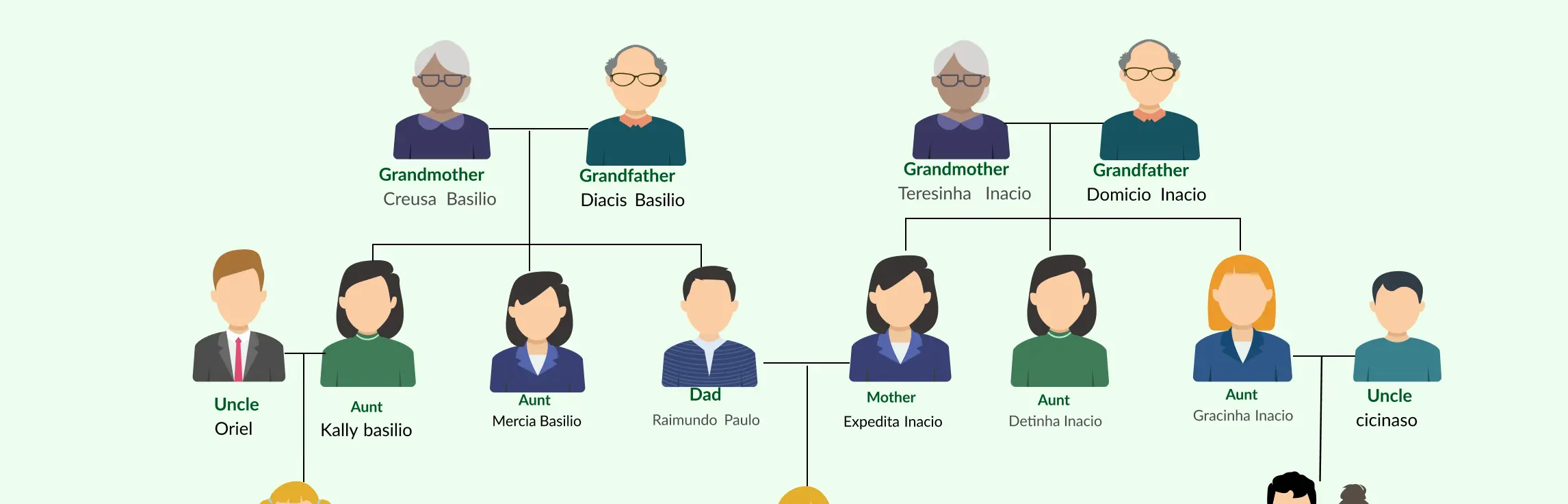
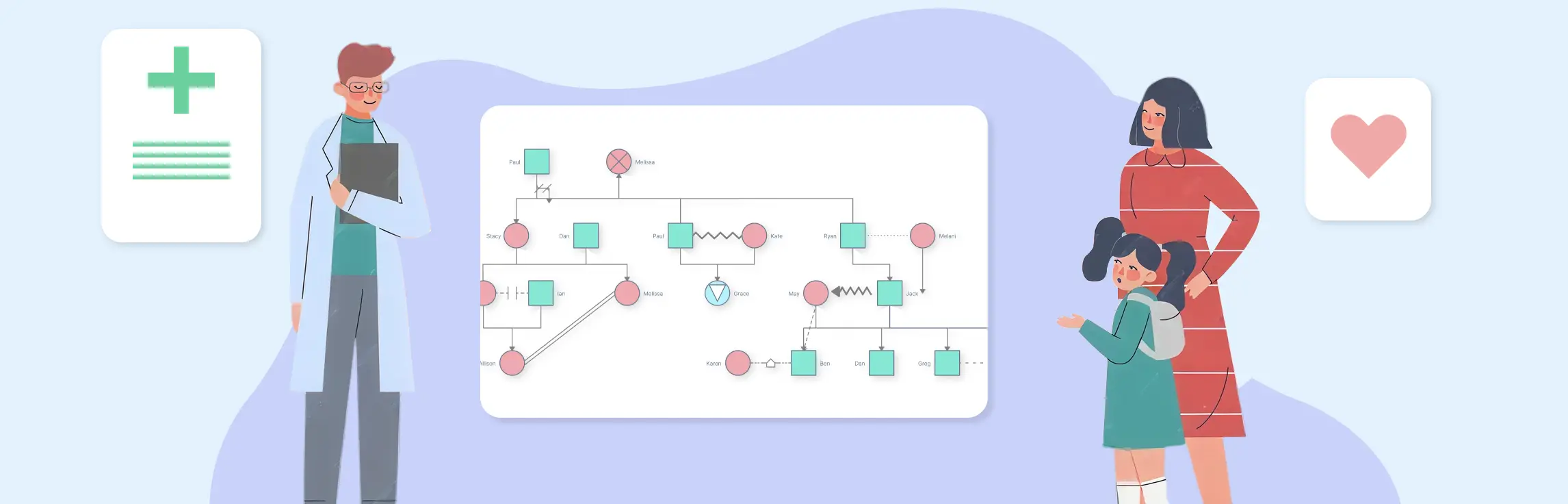
Genograms serve as a blueprint of family relationships, mapping connections, emotional bonds, and recurring patterns across generations. Using genogram software, therapists can quickly identify influences, conflicts, or inherited behaviors, making sessions more structured and insightful.
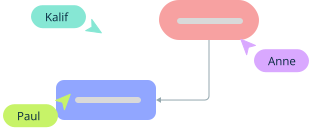
Eco-maps, on the other hand, focus on external factors, social networks, community connections, and environmental stressors. A powerful eco map maker helps visualize these influences, revealing support systems and potential areas of strain. By combining genograms and eco-maps, families gain a holistic view of their dynamics, fostering deeper understanding and empowering them to take meaningful action.
Together, these visual therapy tools enhance family mapping, improve family dynamics visualization, and make therapy more interactive, insightful, and client-friendly.
Genogram Templates for Narrative Family Therapy
Creately offers a variety of genogram templates designed specifically for narrative family therapy. These templates allow therapists to:
- Map relationships and emotional bonds using standardized symbols.
- Customize colors, notes, and annotations to reflect individual sessions.
- Track intergenerational patterns, medical history, or recurring behaviors.
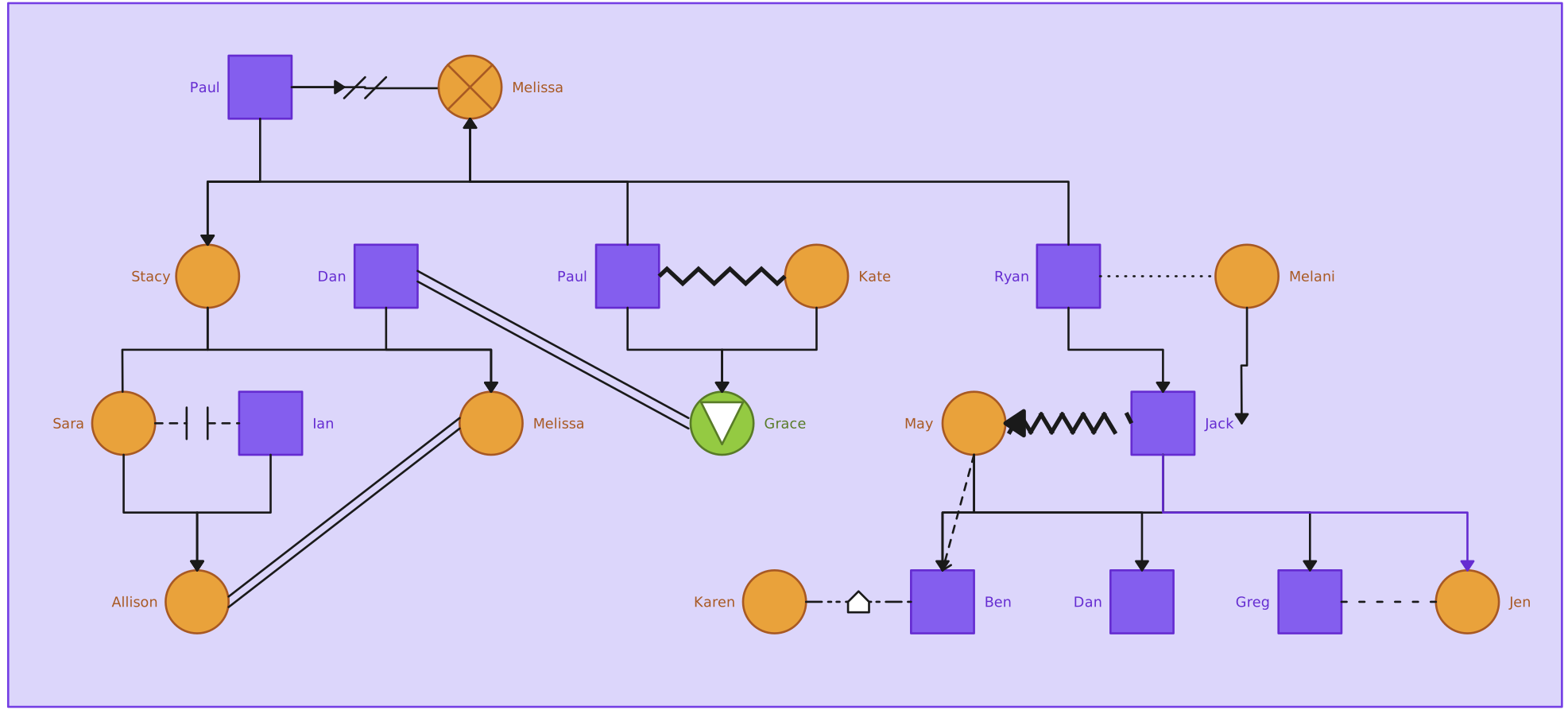


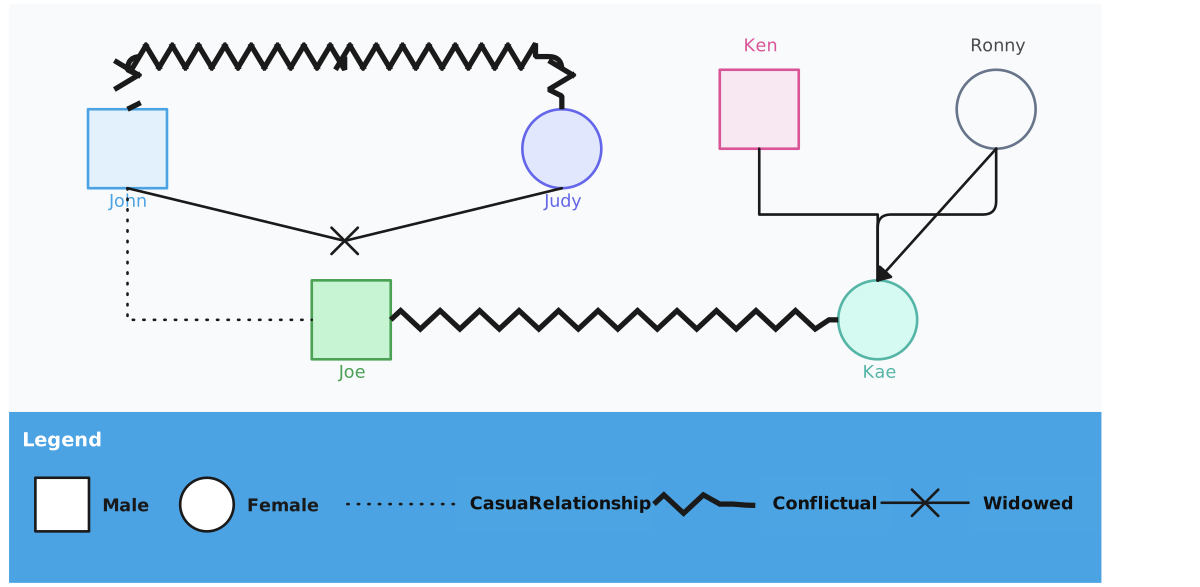
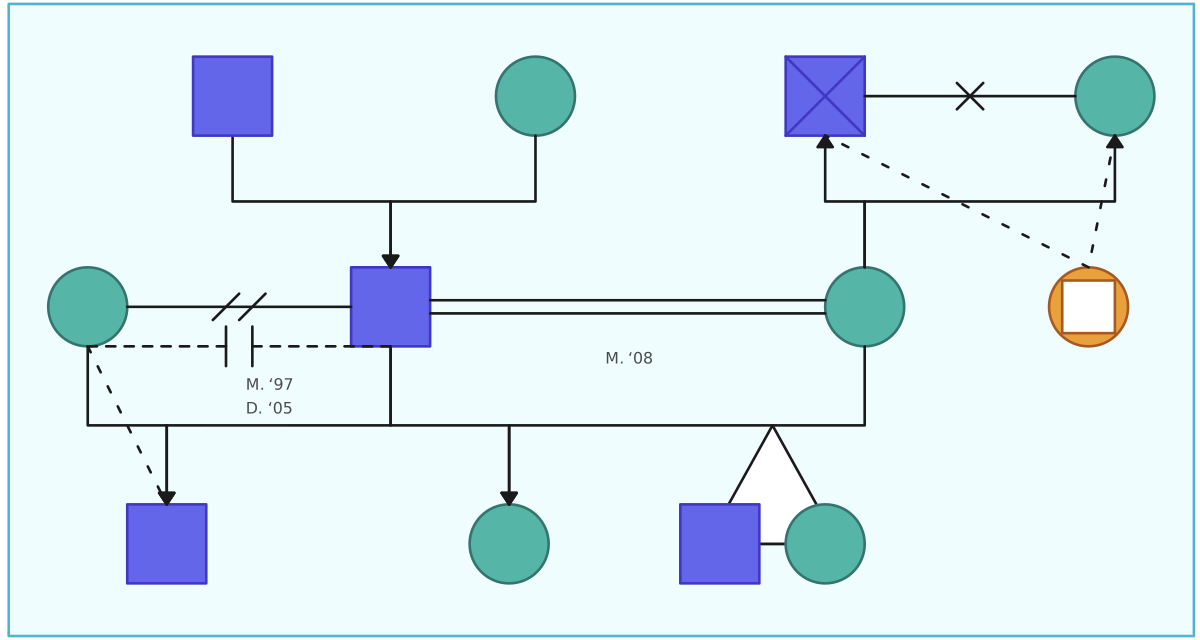
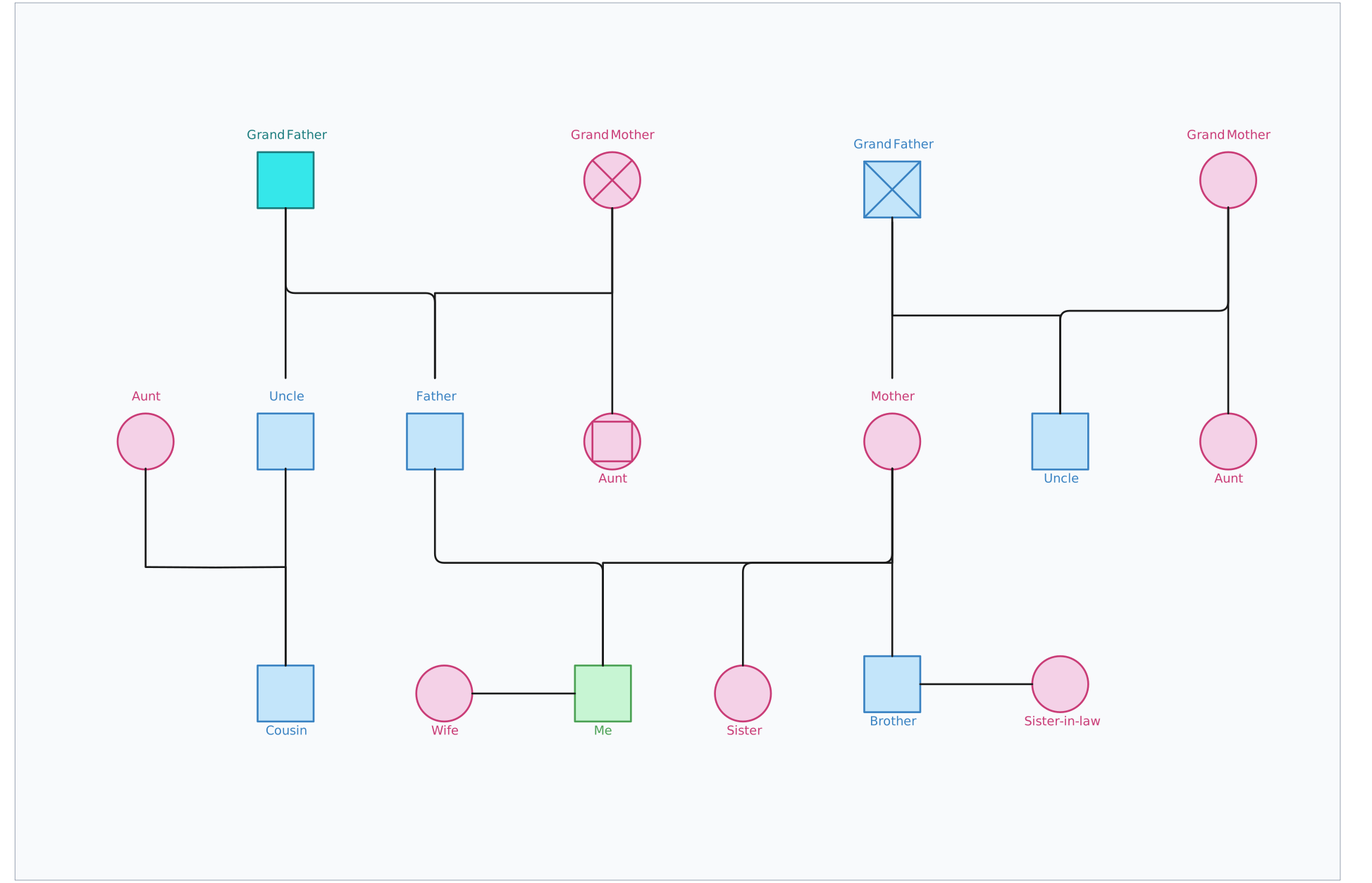
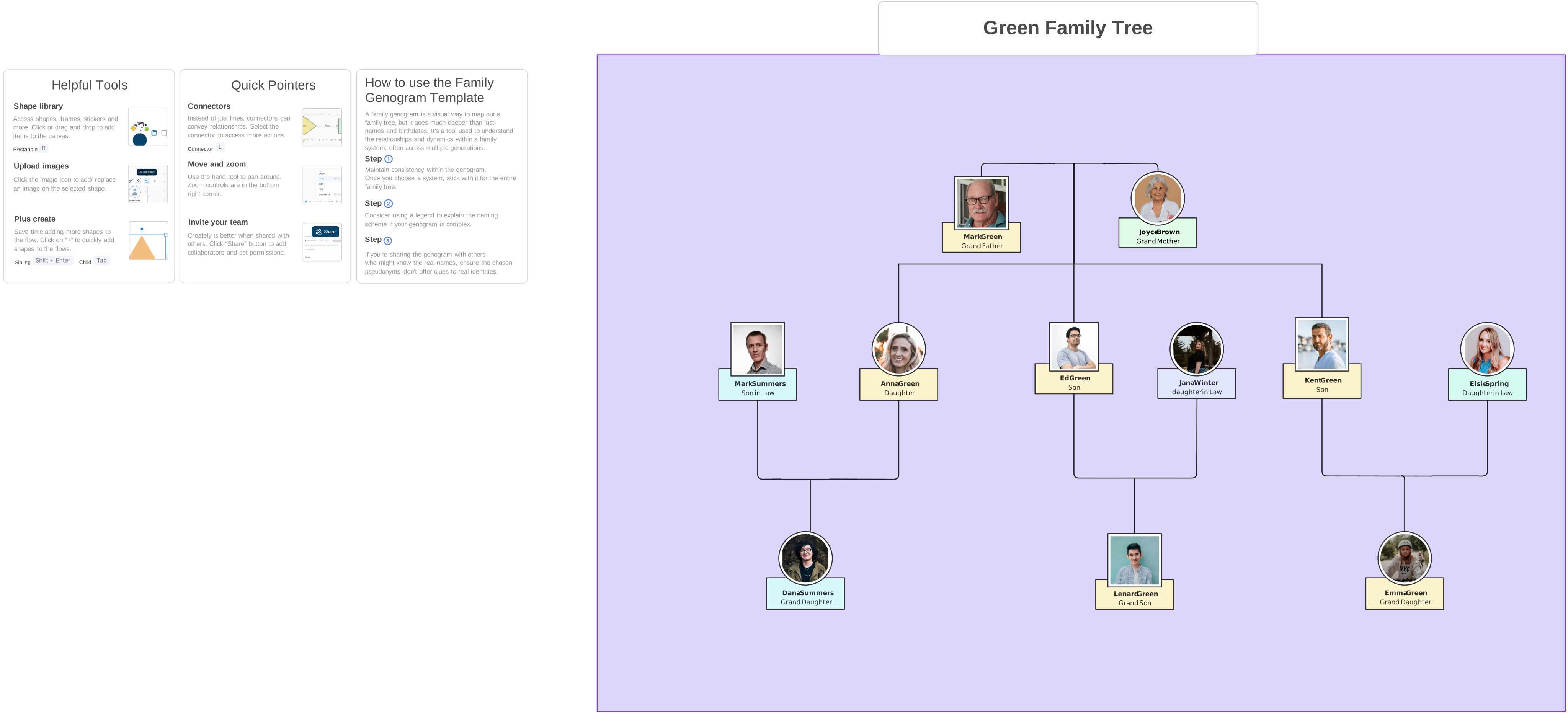
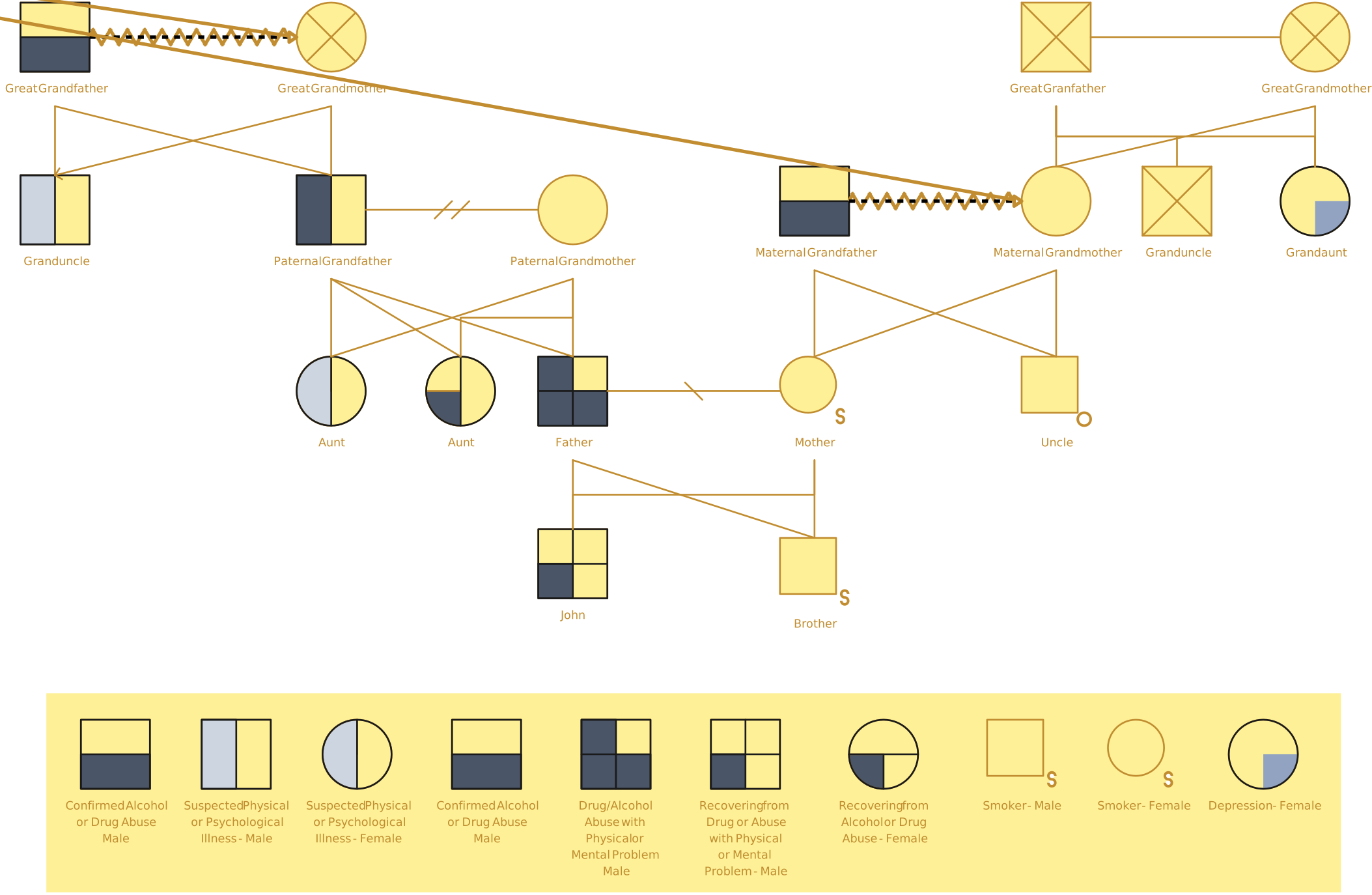
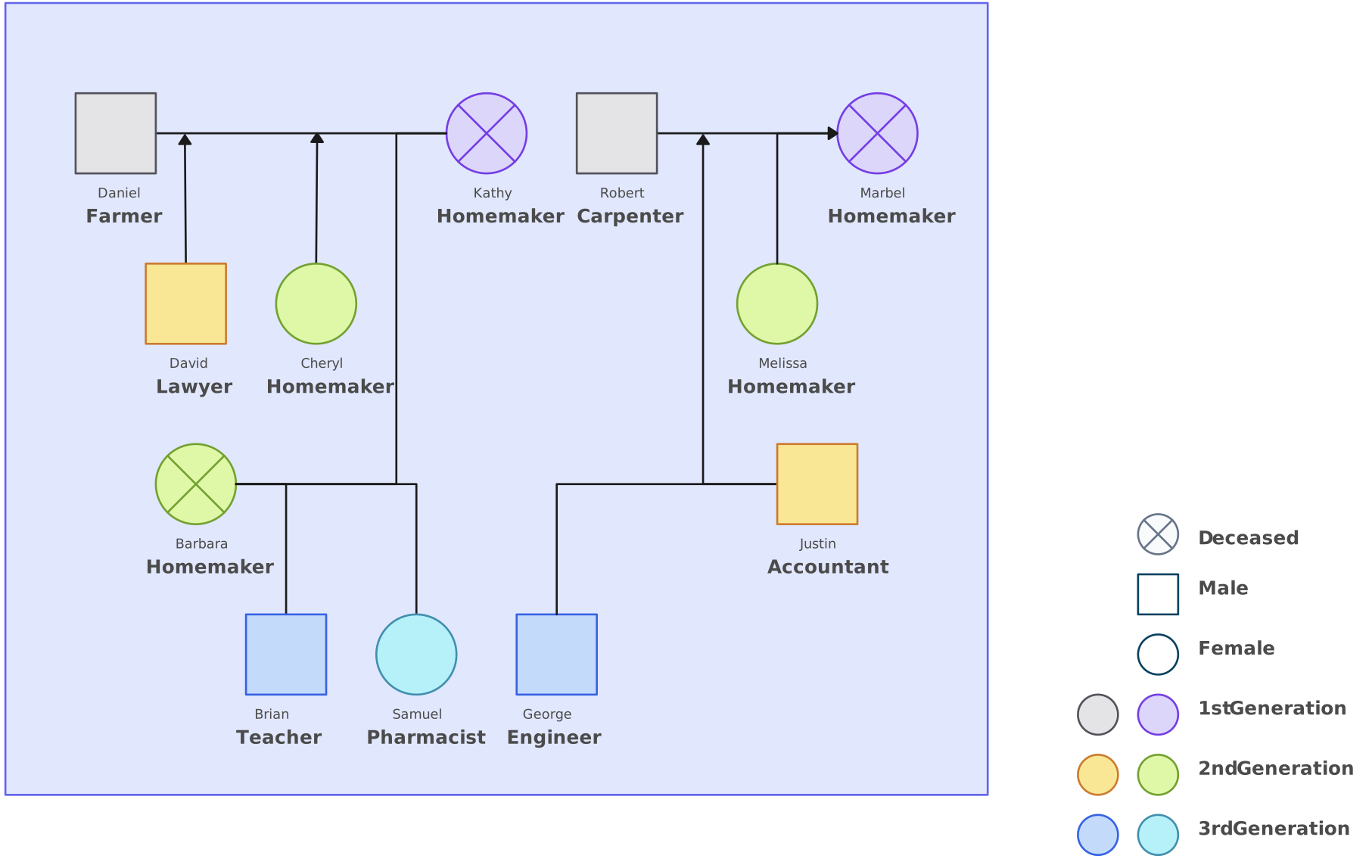
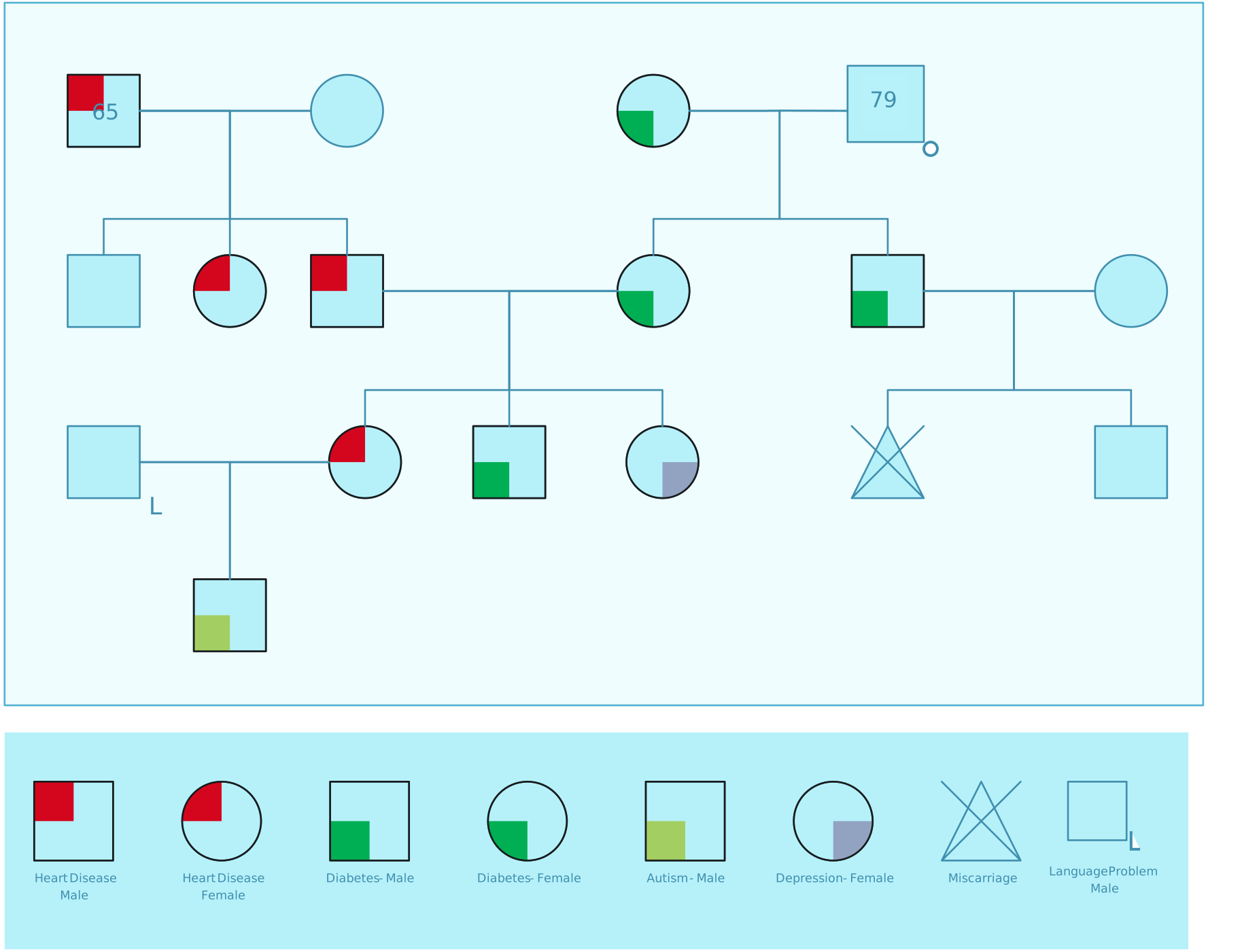
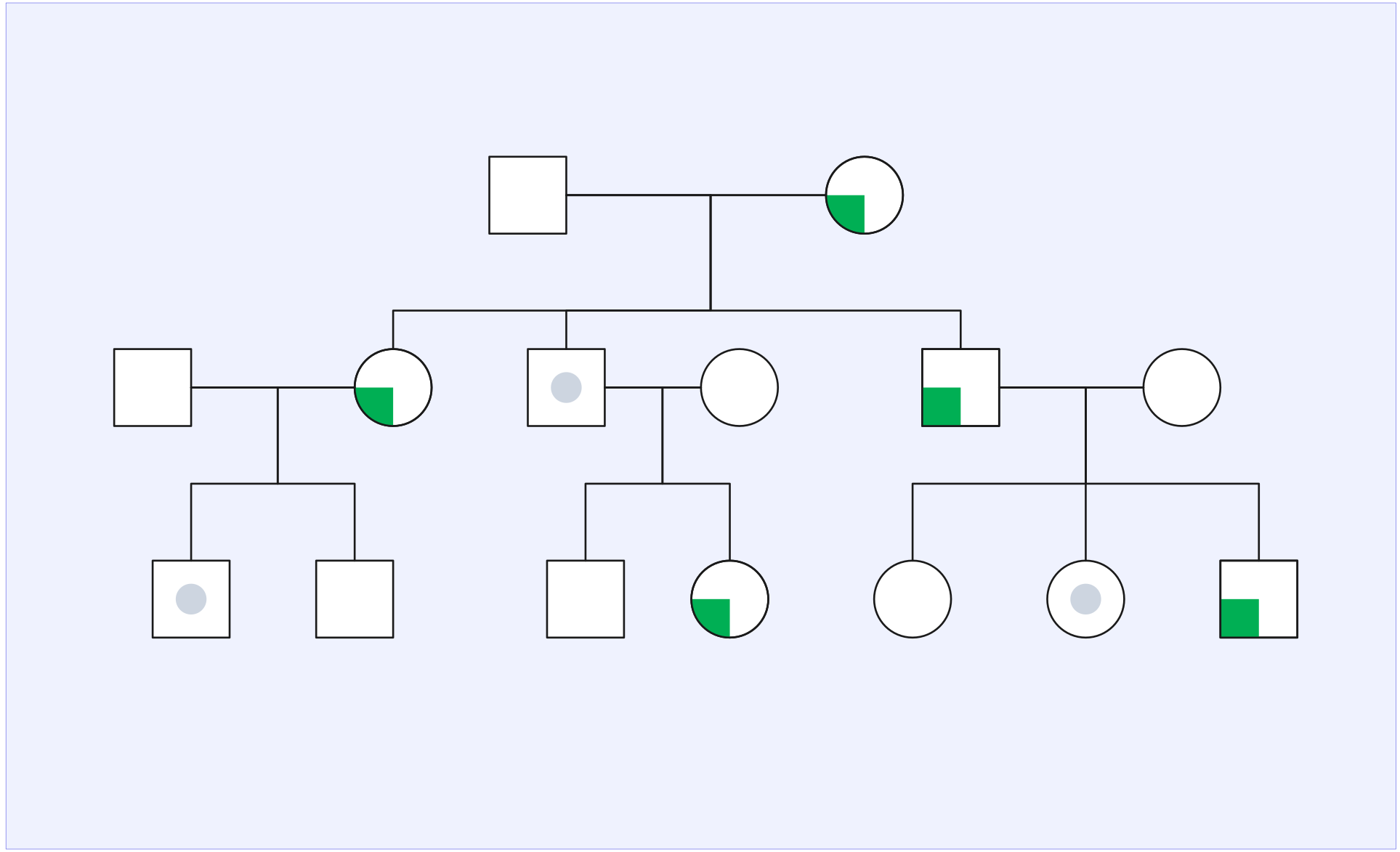
With these genogram templates, teams can easily collaborate, share diagrams with clients, and update information in real time, saving time while maintaining clarity. Modern therapy sessions become more engaging, visually clear, and actionable.
Eco-map Templates for Narrative Therapy
Eco-map templates in Creately help track social, community, and environmental influences that impact families. By visually representing support systems, stressors, and connections, therapists can:
- Identify external factors affecting the family dynamic.
- Use eco-maps to guide interventions and highlight areas for positive change.
- Reduce cognitive load by presenting complex relationships in a single, easy-to-read diagram.
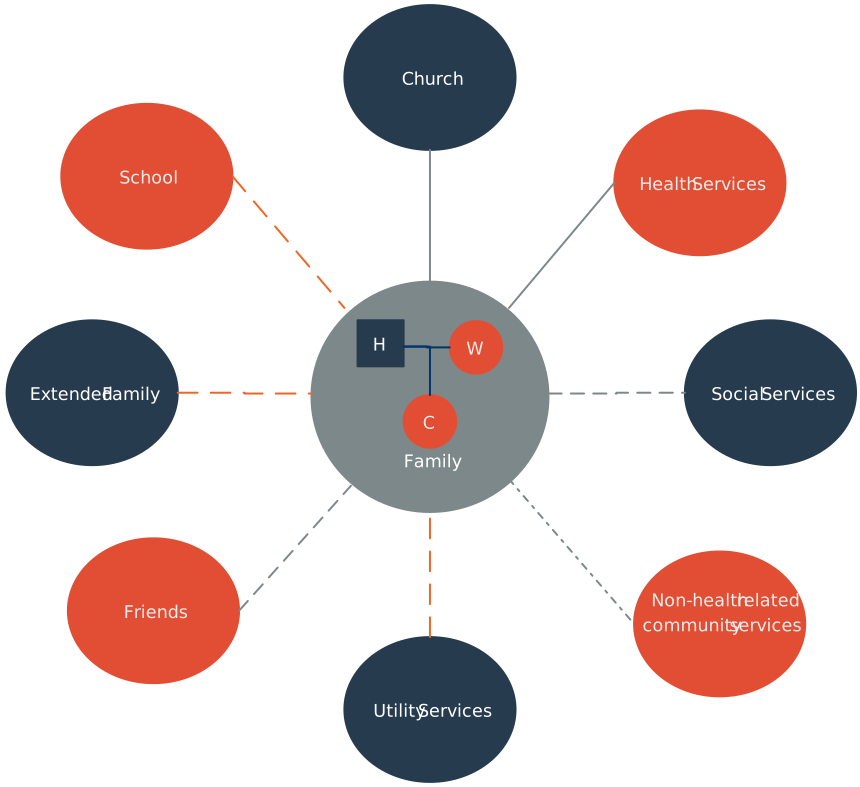
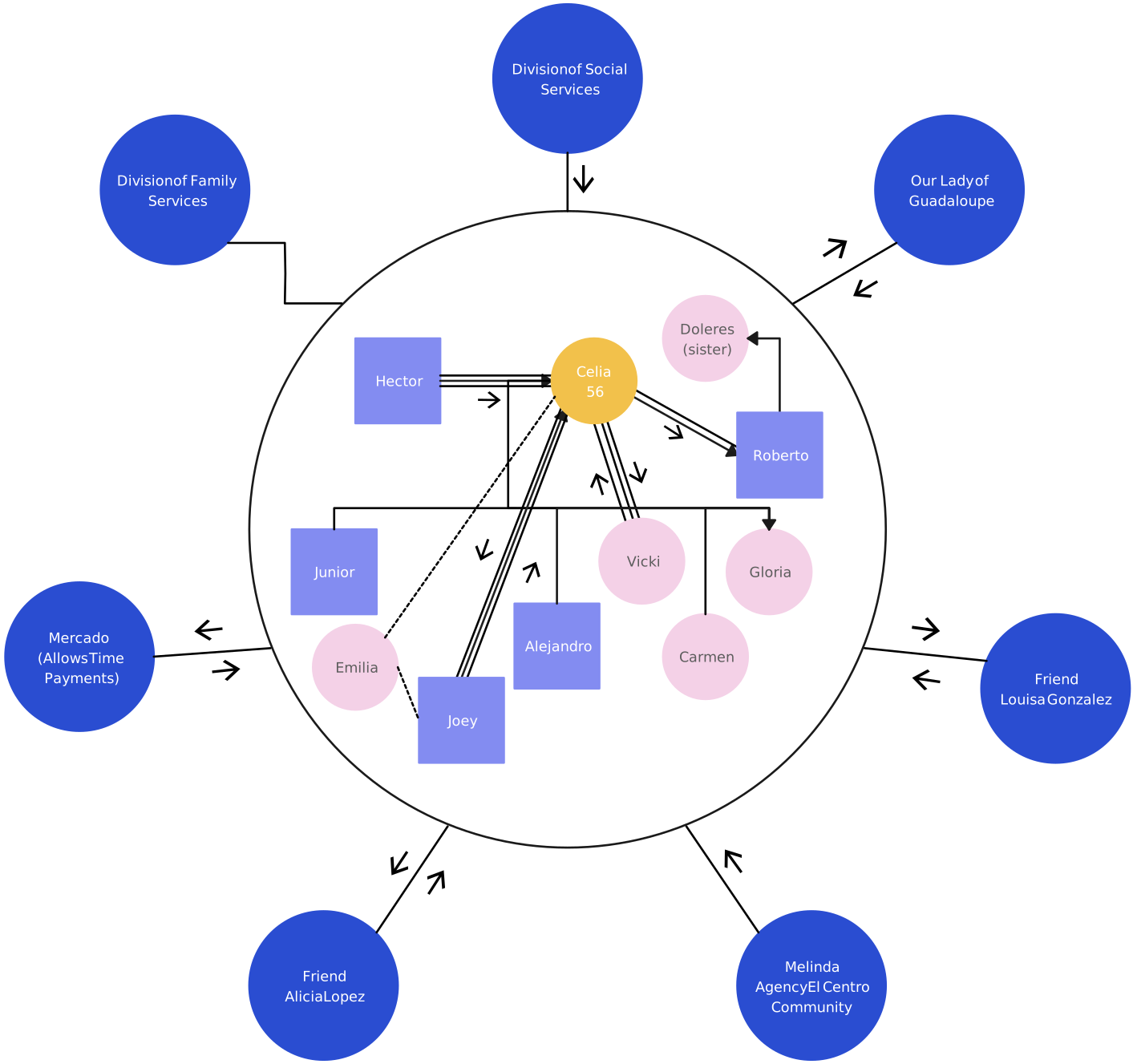
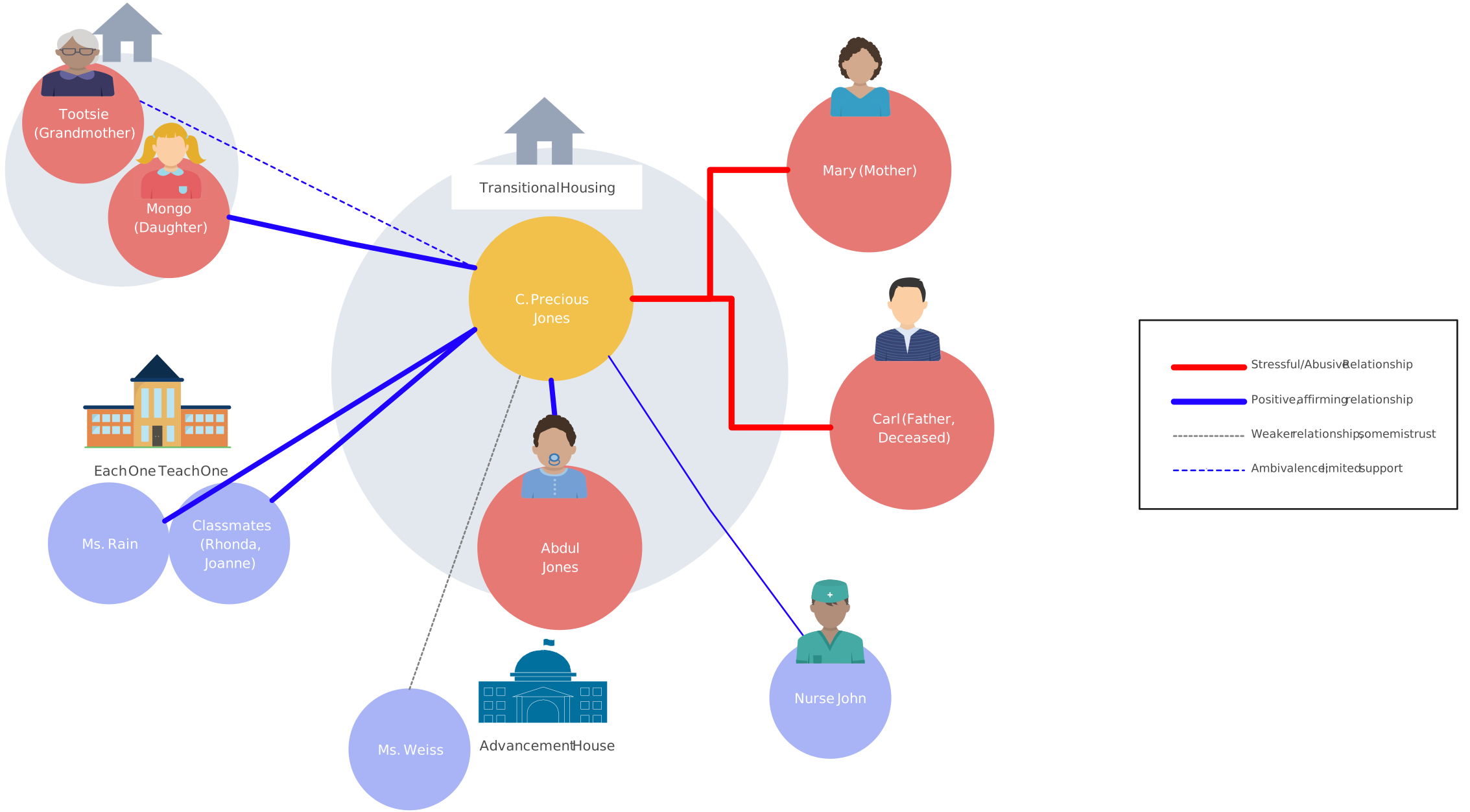
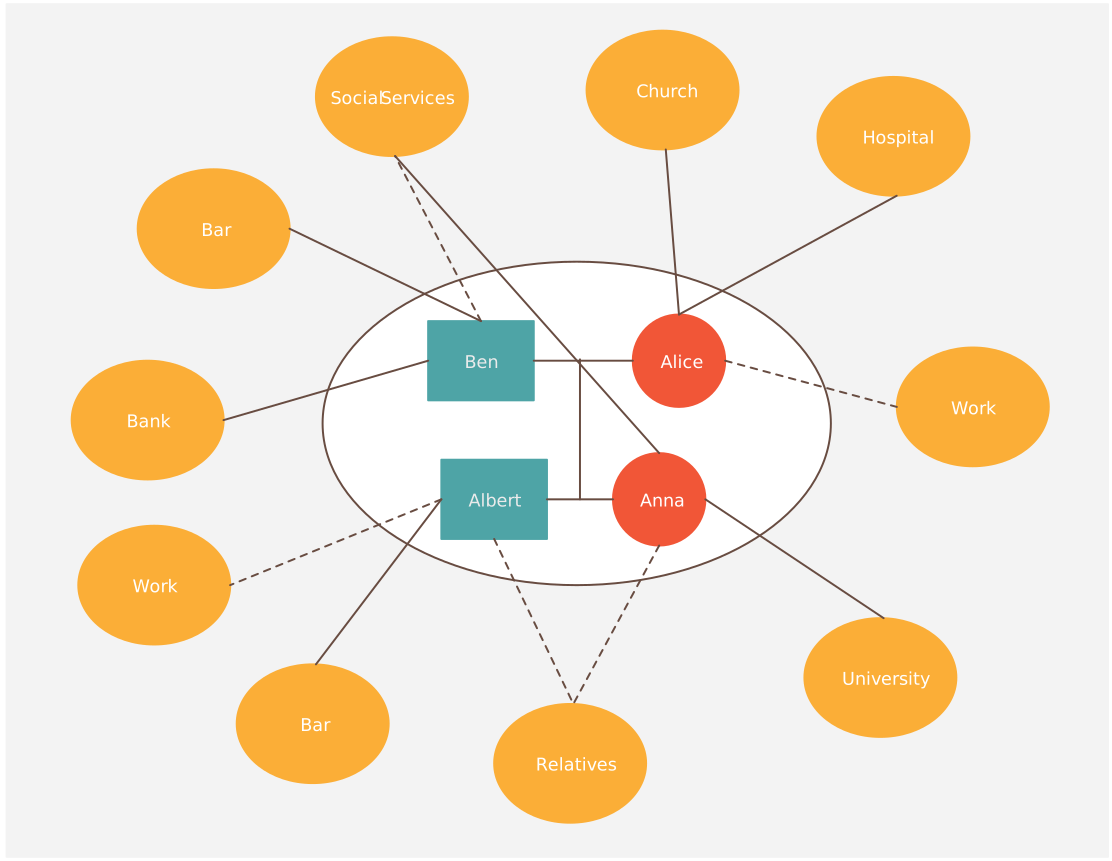
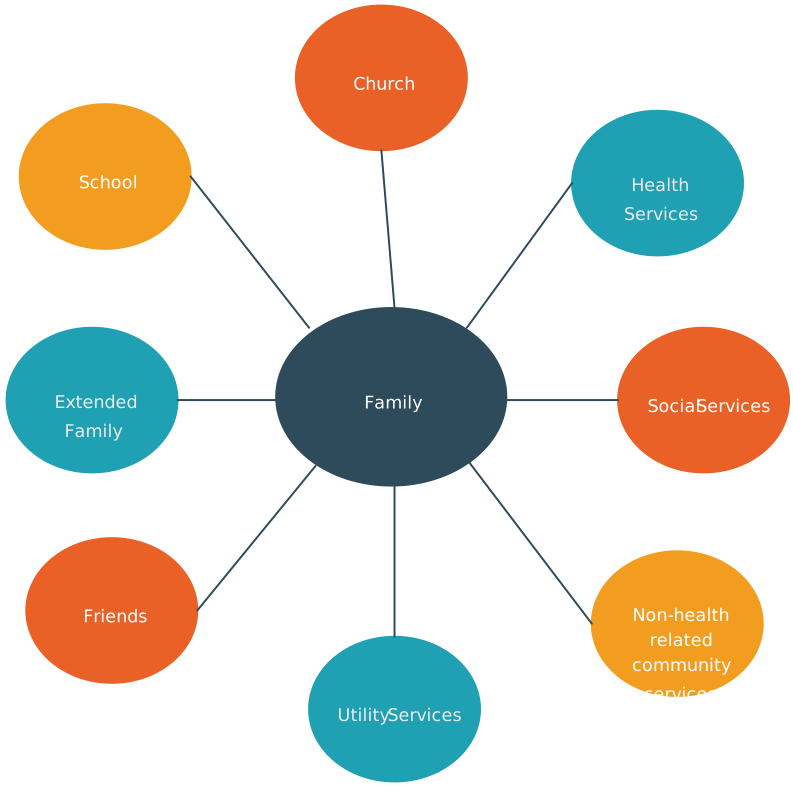
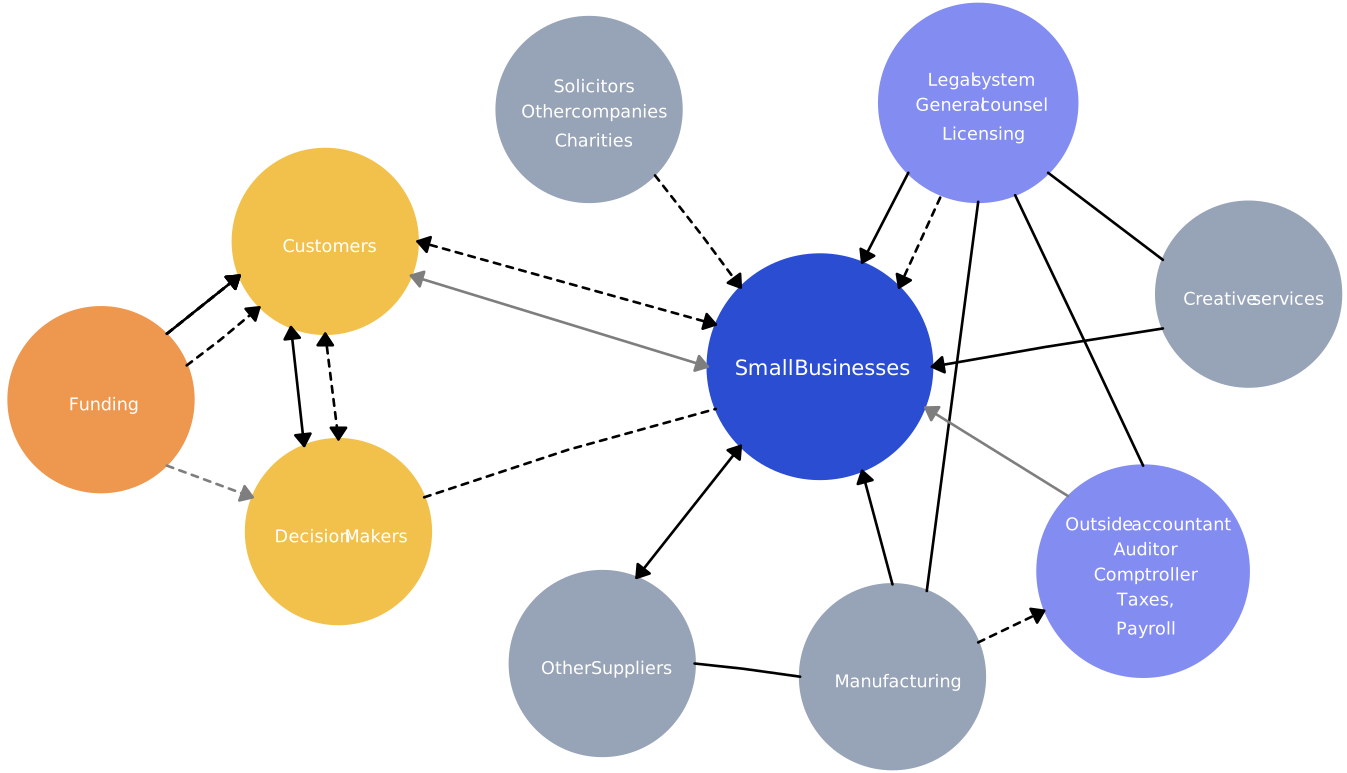
Using these templates, narrative therapy sessions become faster, more insightful, and more engaging for clients. Visual representation allows families to see patterns they might not have noticed, making collaboration intuitive and meaningful.
How to Conduct Narrative Family Therapy Effectively
Narrative family therapy works best when guided by structured steps, helping families transform problem-saturated stories into empowering narratives. Integrating genograms and eco-maps at each stage adds clarity, speeds understanding, and makes sessions more engaging. Here’s a step-by-step approach:
Step 1. Establish the Story
Begin by encouraging family members to share their experiences and perceptions. This stage focuses on listening, understanding, and documenting the narratives that shape family dynamics. Using genograms, therapists can visually map relationships, family structures, and patterns, making it easier to see connections and recurring themes.
Step 2. Externalize Problems
Separate the problem from the individual by framing challenges as external issues. For example, “anxiety” or “conflict” becomes the focus rather than labeling a family member. Eco-maps can help visualize how external influences—friends, community, or environmental stressors, contribute to the problem, giving families a clear perspective.
Step 3. Identify Exceptions
Look for moments when the problem did not dominate. Highlighting these exceptions helps families see their strengths and resilience. Visual tools like genograms can track these exceptions across generations or relationships, while eco-maps can show supportive influences that helped create these positive moments.
Step 4. Re-author the Story
Collaboratively create alternative narratives that emphasize solutions, strengths, and hope. This step may involve reflective questioning, storytelling, and mapping exercises. Both genograms and eco-maps can be updated to reflect these new narratives, helping families see tangible changes in patterns and support systems.
Step 5. Solidify Change
Reinforce the newly co-authored story by setting goals, recognizing progress, and planning follow-ups. Updated genograms and eco-maps serve as visual records of growth, making it easier for families to sustain change and for therapists to track progress over time.
Following these narrative therapy steps ensures a structured, empowering process that turns abstract issues into actionable insights. Families gain clarity, feel understood, and are better equipped to take charge of their stories, while therapists benefit from streamlined workflows and visual documentation.
Bringing Narrative Therapy to Life with Visual Tools
Combining narrative family therapy with visual tools like genograms and eco-maps transforms the way therapists and families understand and interact with their stories. These tools provide clarity, speed, and actionable insights, making sessions more engaging and collaborative. With Creately’s ready-to-use genogram templates and eco-map templates, therapists can streamline workflows, reduce frustration, and help families visualize relationships and influences with ease. Start mapping stories today and empower families to rewrite their narratives with confidence and clarity!
Helpful Resources
Build detailed genograms effortlessly to visualize patterns, uncover emotional connections, and support informed decision-making in therapy, healthcare, and research.
Explore the most widely used family therapy models, their key techniques and interventions, and how visual tools like genograms and family trees can simplify the process.
Explore the core concepts and techniques of structural family therapy, the insights from Minuchin’s family systems theory, and how genogram mapping helps visualize and transform family relationships.
Learn what strategic family therapy is, explores its core principles, and shows you how to use techniques, interventions, genograms, and family trees to create meaningful change.
Discover resource planning templates to streamline project execution. Organize resources, minimize bottlenecks, and ensure project success with Creately.
Everything you need to know about family mapping, including how to use genograms and family trees, and even provide ready-to-use templates to help you start mapping families with clarity, speed, and confidence.
Compare Strategic vs Structural Family Therapy in a clear, approachable way, helping you understand the purpose, techniques, and differences between the two models.
Explore key concepts of family systems theory to understand patterns, roles, and intergenerational dynamics using a clear visual tool.
Explore different types of genograms that you can create using Creately.