Juggling scattered notes, multiple therapy models, and complex family dynamics can be frustrating. Integrative family therapy streamlines this process by combining approaches like CBT, narrative, and attachment-focused methods. With visual tools such as genograms, family maps, and timelines, therapists can quickly uncover patterns, track progress, and deliver personalized care, bringing clarity, speed, and insight to every session.
What Is Integrative Family Therapy?
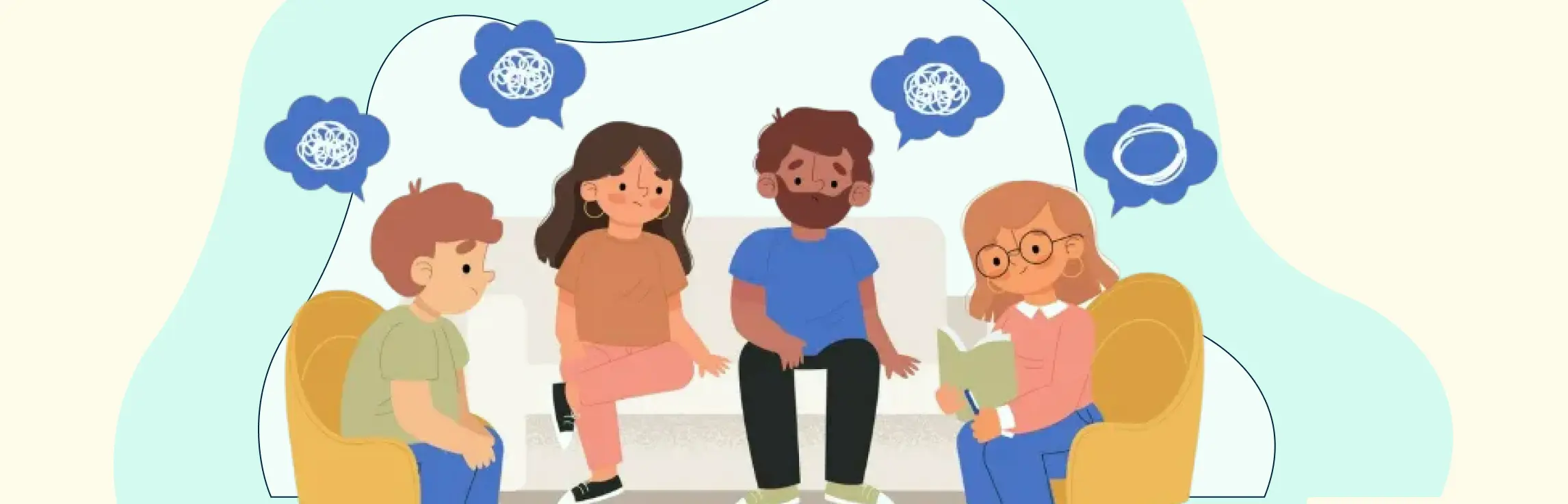
Integrative family therapy is a flexible, multi-theoretical approach that brings together the best elements of different therapeutic models to support families in a more holistic, personalized way. Instead of relying on a single school of thought, therapists blend methods from integrative therapy, integrative counseling, attachment theory, cognitive-behavioral strategies, narrative practices, systemic thinking, and more, depending on the family’s needs, goals, and cultural background.
At its core, integrative family therapy recognizes that no single model can explain the full complexity of modern family life. Families today face layered challenges: blended structures, generational trauma, cross-cultural dynamics, mental health concerns, shifting roles, and rapid life transitions. By combining modalities, therapists can address relational patterns, emotional responses, belief systems, and behaviors, all at once.
What Can Integrative Therapy Help With?
Integrative family therapy is adaptable, making it useful for a wide range of emotional, relational, and behavioral challenges. Because it blends techniques from multiple models, therapists can tailor interventions to the family’s unique context and needs. This approach is especially effective for:
- Anxiety and chronic worry that affects family communication or functioning
- Grief and bereavement, including losses that shape family roles or dynamics
- Depression and mood-related issues that influence connection, motivation, or conflict
- Low self-esteem or negative self-beliefs carried through family narratives
- Stress arising from life transitions, conflict cycles, or pressure-filled environments
- Substance use patterns that affect safety, trust, and relational stability
- Trauma and trauma loops, including intergenerational wounds and unresolved histories
Because integrative therapy draws from evidence-based approaches—such as CBT, attachment theory, narrative therapy, and systemic models—it can be adapted for individuals, couples, and whole-family systems navigating complex emotional landscapes.
Who Can Integrative Therapy Help?
Integrative family therapy is versatile and can benefit a wide range of clients, from individuals to entire family systems. It’s particularly effective for:
- Individuals struggling with anxiety, depression, trauma, or self-esteem issues who want a personalized, multi-approach plan.
- Couples experiencing communication challenges, conflict, or relational strain, where combining techniques like behavioral strategies and attachment interventions can improve connection.
- Families navigating complex dynamics, blended or stepfamily structures, intergenerational trauma, or recurring patterns of conflict.
- Children and adolescents who need developmentally sensitive support, especially when family context impacts emotional or behavioral challenges.
- Parents and caregivers who are seeking guidance on improving relationships, strengthening bonds, and fostering resilience within the family system.
Key Principles of Integrative Therapy in Family Work
At the heart of integrative family therapy is a philosophy grounded in adaptability, collaboration, and deep respect for the complexity of family systems. Rather than forcing families into a single framework, integrative therapy weaves together multiple approaches to create a tailored, responsive path toward healing. Here are the core principles that guide this work:
1. Flexibility & Responsiveness
Every family brings a unique mix of histories, communication styles, cultural values, and emotional needs. That’s why flexibility is one of the defining strengths of integrative therapy. Therapists aren’t limited to one rigid model, they draw from a wide range of methods and adjust their approach in real time.
This responsiveness makes it possible to address:
- Shifting emotional dynamics during sessions
- Different needs across family members
- Layered issues like trauma, conflict patterns, or developmental challenges
Families feel seen as they are, not as a model expects them to be.
2. Collaboration With Families
Integrative counseling thrives on partnership. Instead of a top-down “expert tells the family what to do” style, this approach emphasizes shared decision-making. Therapists and families work together to:
- Identify patterns
- Clarify goals
- Choose interventions
- Build new skills and narratives
This collaborative stance increases engagement, ownership, and motivation—especially important when working with resistant teens, high-conflict systems, or families navigating long histories of stress.
3. Strength-Based Storytelling
A powerful theme in integrative family therapy is reframing the family’s story. Instead of focusing solely on problems, therapists highlight strengths, resilience, and moments of connection. This aligns closely with narrative and systemic traditions, helping families see themselves not as “broken,” but as capable of change.
Strength-based storytelling allows families to:
- Re-author unhelpful narratives
- Recognize generational strengths
- Build hope and momentum
- Understand how past events shaped present dynamics
This is where visual tools, such as genograms, family maps, and family timelines—become especially valuable. They help families literally see their strengths, resources, and turning points.
4. Multi-Theoretical Integration
The hallmark of integrative work is the thoughtful blending of methods from different therapeutic schools. Therapists combine evidence-based tools that fit the family’s needs, not the other way around.
Common integrations include:
- CBT (Cognitive Behavioral Therapy) + Narrative Therapy: Reframing unhelpful thoughts while helping the family rewrite limiting stories.
- Attachment + Structural Family Therapy: Strengthening emotional bonds while clarifying boundaries, roles, and patterns.
- Systemic + Trauma-Informed Approaches: Understanding the whole family system while honoring individual trauma histories.
- Solution-Focused + Emotion-Focused Techniques: Addressing immediate goals while deepening emotional understanding.
By weaving together these elements, therapists create a holistic plan that addresses emotional, cognitive, relational, and behavioral layers of the family experience.
Integrative Family Therapy Models
Integrative family therapy is not a one-size-fits-all approach—it thrives on blending techniques and frameworks to meet the unique needs of each family. Over time, several models have emerged that illustrate how therapists can combine methods effectively, each with its own focus, structure, and ideal applications.
Eclectic Integrative Models
Eclectic integrative models are highly flexible frameworks that draw techniques from multiple therapeutic approaches without strict adherence to any single model. A prominent example is Integrative Family and Systems Treatment (I-FAST), which allows therapists to select interventions from various models based on the family’s presenting issues. This approach is particularly effective when families present with complex, multi-layered challenges that cannot be addressed by one method alone.
Integrative Attachment Family Therapy (IAFT)
IAFT focuses on repairing and strengthening the parent-child bond. It emphasizes non-verbal communication, physiological attunement, and relational connection. Therapists use this model to address attachment disruptions, emotional distance, or trauma histories, making it ideal for families where emotional bonds need deep repair. Visual tools like genograms and family timelines are invaluable here, helping therapists track attachment patterns across generations.
Systemic + Narrative Integrations
This model combines systemic therapy which examines family structures, roles, and patterns with narrative therapy, which helps families re-author the stories they tell about themselves. The integration allows therapists to:
- Understand systemic dynamics (alliances, hierarchies, boundaries)
- Identify recurring patterns of conflict or dysfunction
- Guide families in creating new, empowering narratives about their relationships
It works best when families are stuck in repetitive interaction cycles or need a fresh perspective on long-standing conflicts. Family maps and timelines are particularly helpful for visualizing these dynamics.
Behavioral + Structural Combinations
Behavioral and structural integrations blend behavioral interventions, like reinforcement, skill-building, and problem-solving, with structural family therapy techniques, which address hierarchies, boundaries, and subsystems. Examples include Integrative Behavioral Couple Therapy (IBCT), which balances acceptance and change strategies to improve communication and resolve conflicts. This approach is highly effective for families struggling with day-to-day behavior issues, relational tensions, or role confusion.
Other Notable Integrative Approaches
- Internal Family Systems (IFS): Views the mind as a system of “subpersonalities,” helping family members understand their internal parts and how these influence interactions.
- Combines systems thinking with internal awareness, supporting deep emotional understanding within the family.
When Each Model Works Best
| Model | Best Use Case | Key Visual Tools |
| Eclectic Integrative / I-FAST | Complex, multi-issue families | Genograms, family maps |
| Integrative Attachment Family Therapy | Repairing parent-child bonds | Family timelines, attachment-focused genograms |
| Systemic + Narrative Integration | Repetitive conflict patterns, entrenched narratives | Family maps, narrative timelines |
| Behavioral + Structural | Communication, behavior problems, role clarity | Behavior flow charts, family maps |
| Internal Family Systems | Understanding internal conflicts affecting family dynamics | Subpersonality maps, timelines |
By choosing the right model, or combining elements across models, therapists can tailor interventions to both the family system and individual needs, making therapy more precise, responsive, and effective.
Visual Tools That Support Integrative Therapy
Visual tools are essential in integrative family therapy, helping therapists and families turn complex histories and relationships into clear, actionable insights. Using diagrams and interactive maps, therapists can track patterns, reveal hidden dynamics, and create a shared understanding that accelerates healing.
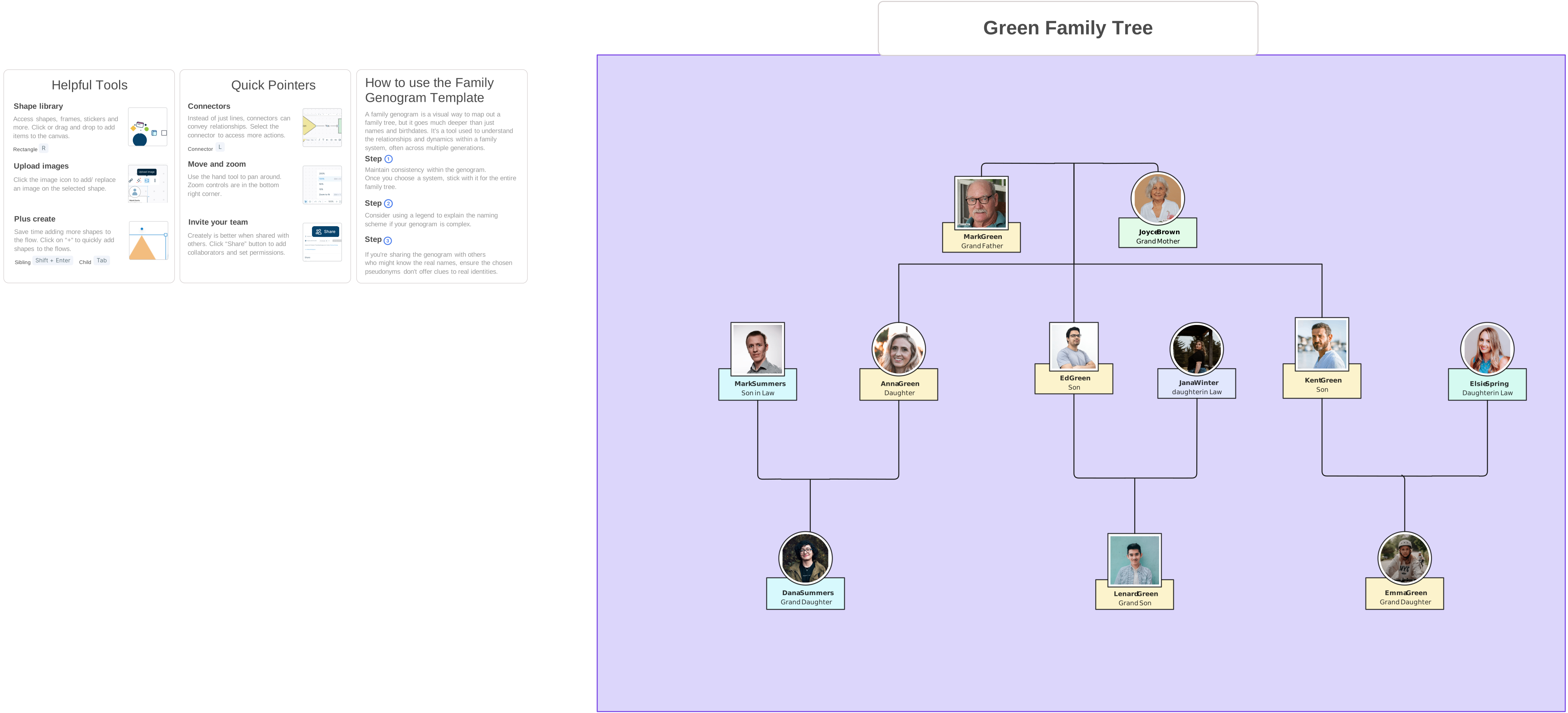
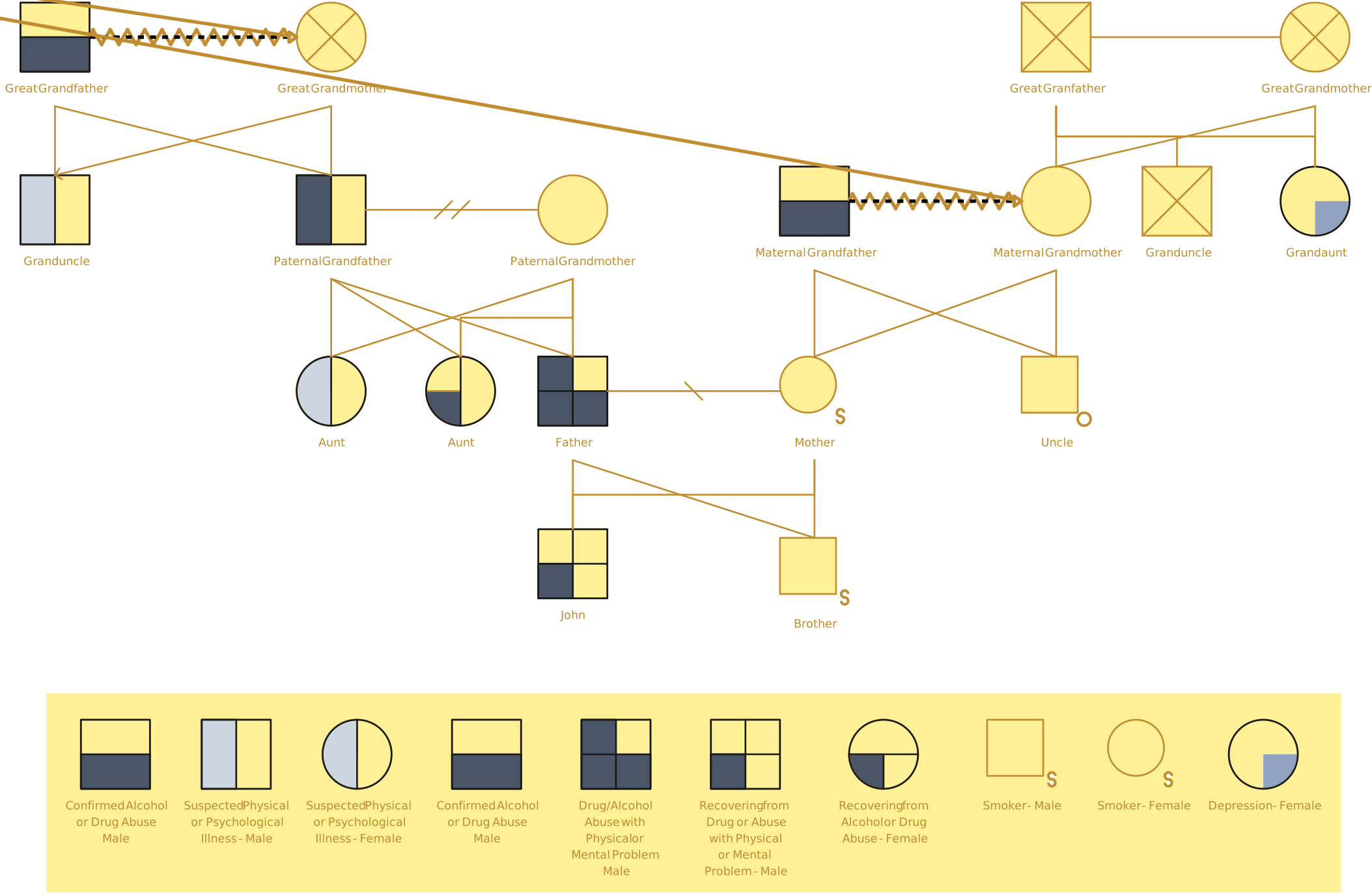
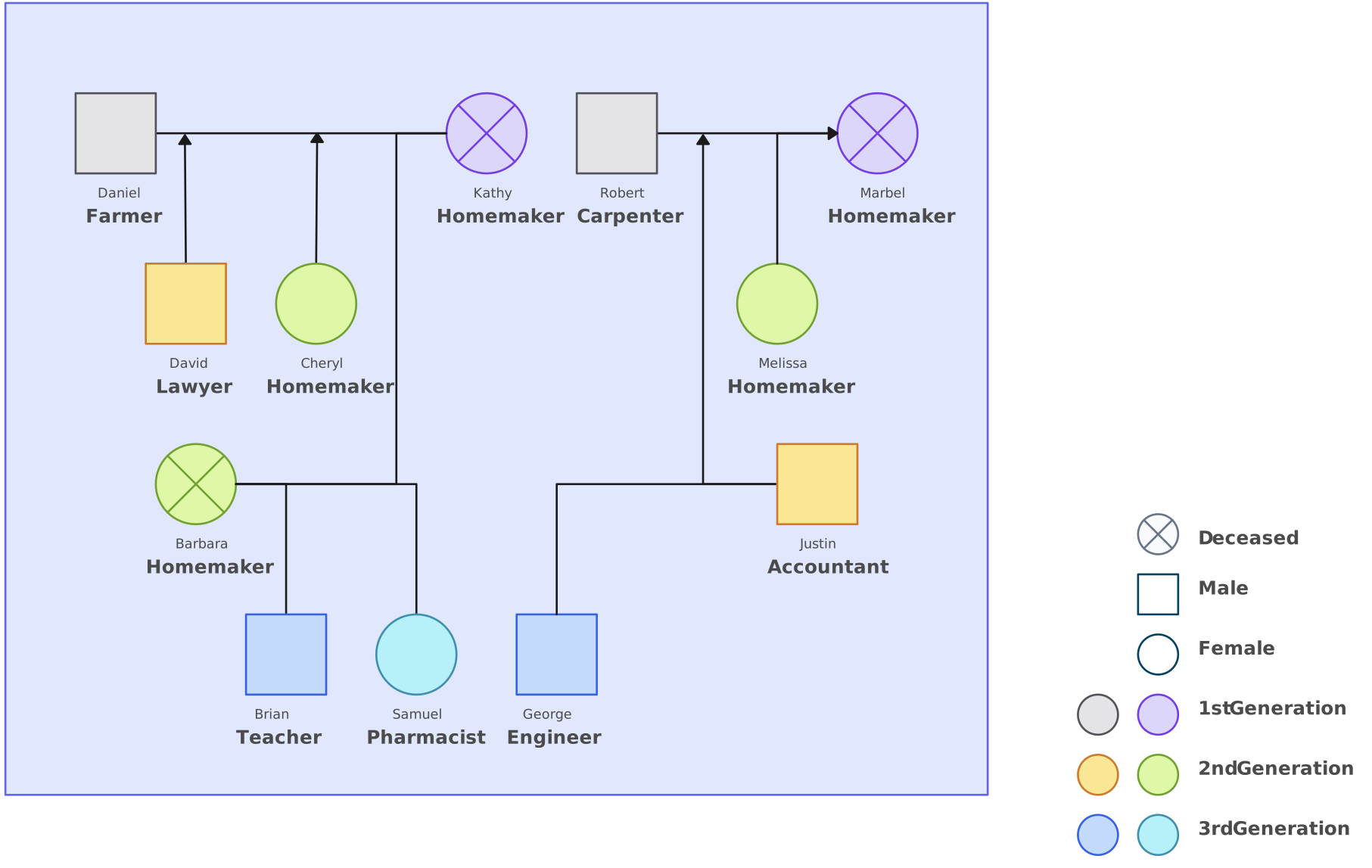
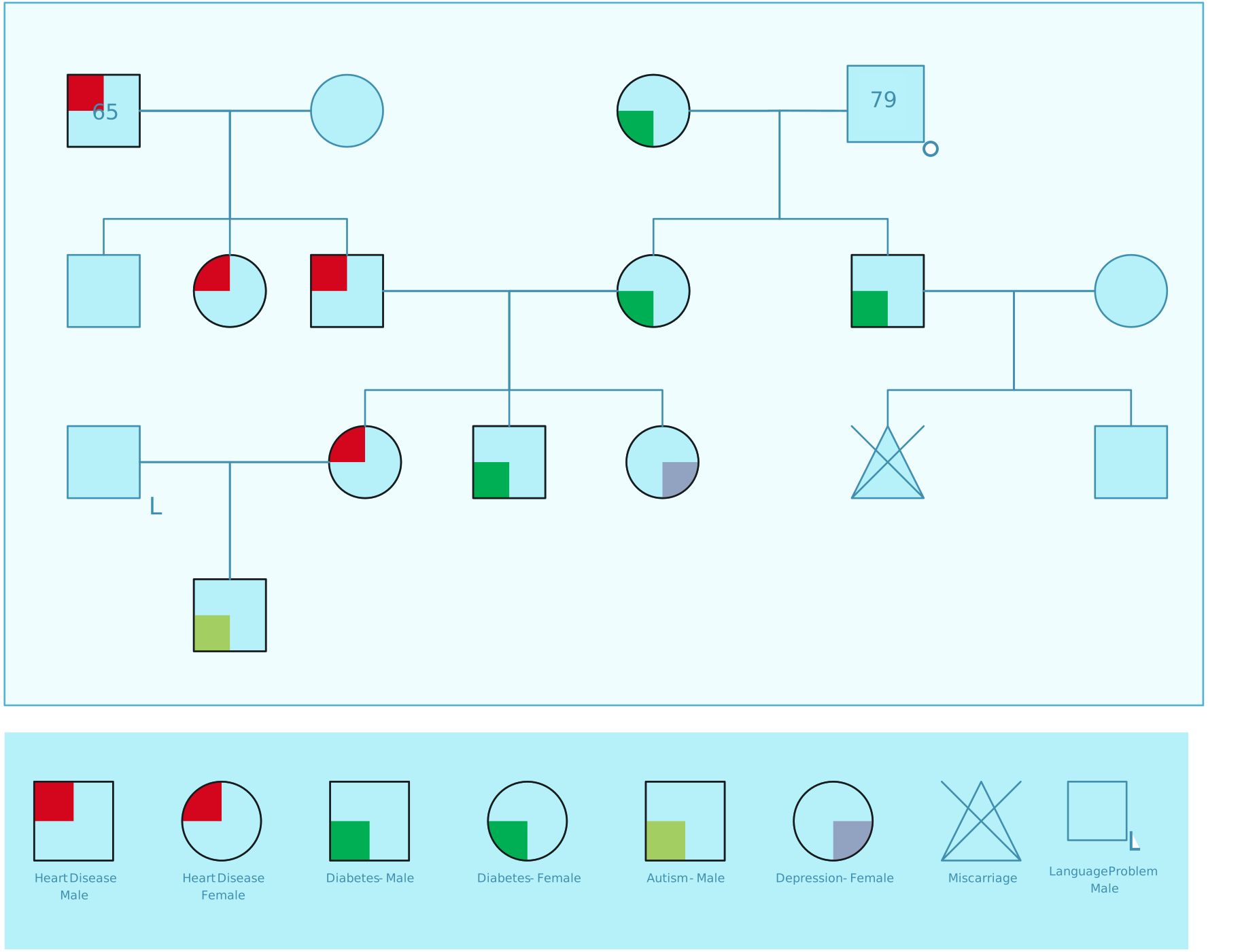
Genograms for Integrative Family Therapy
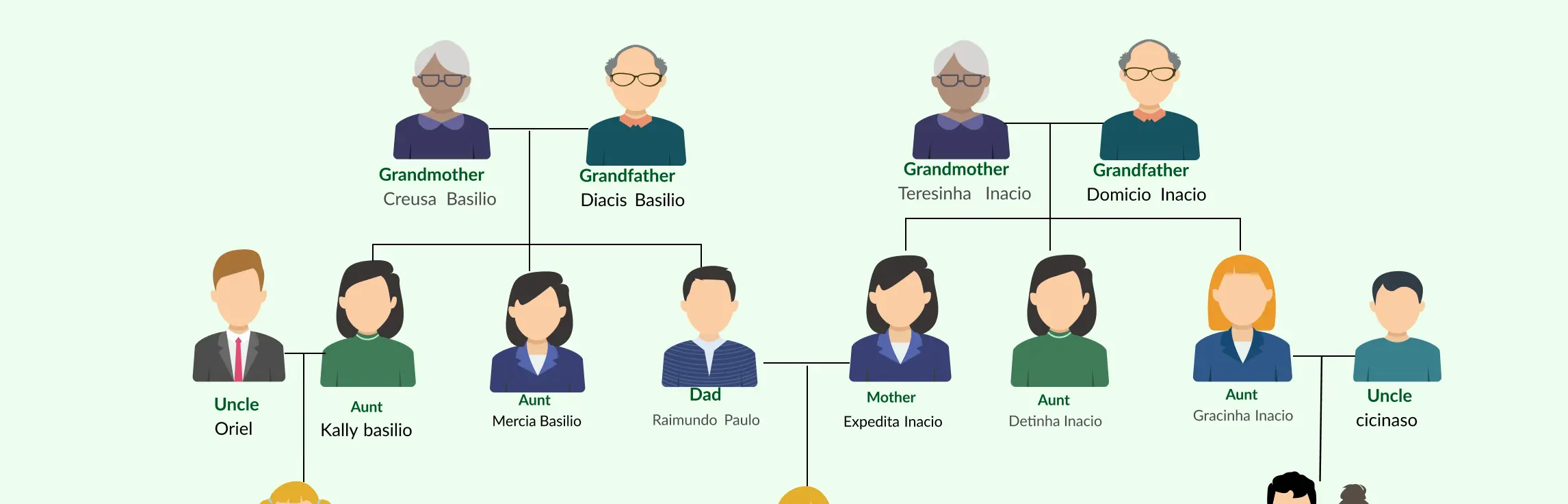
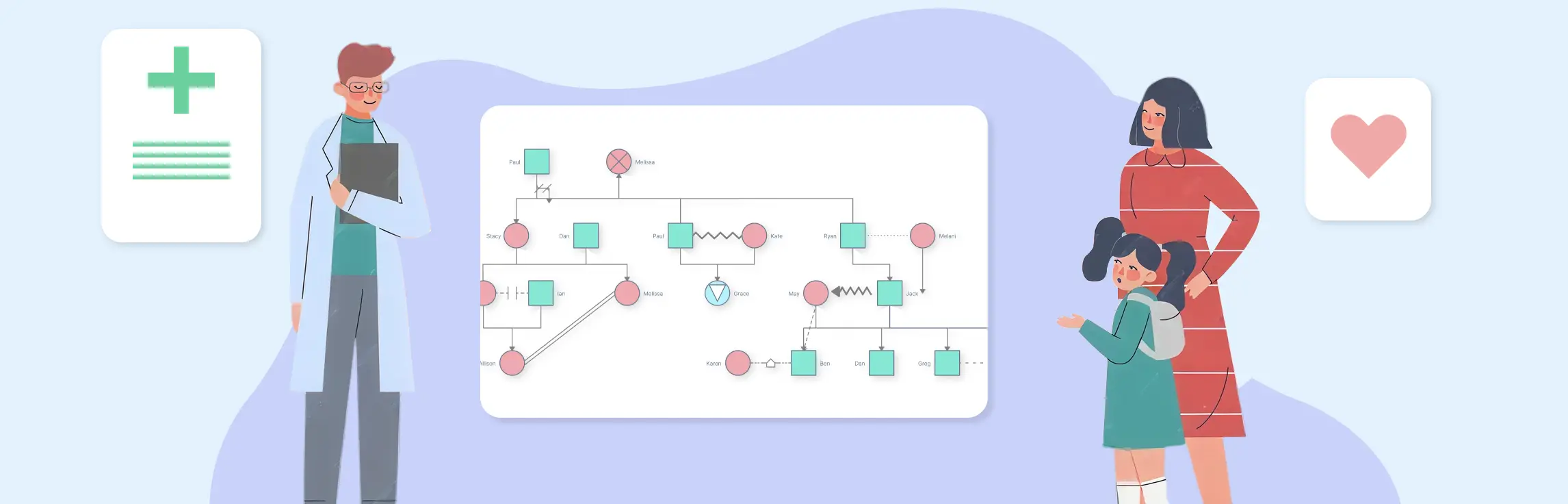
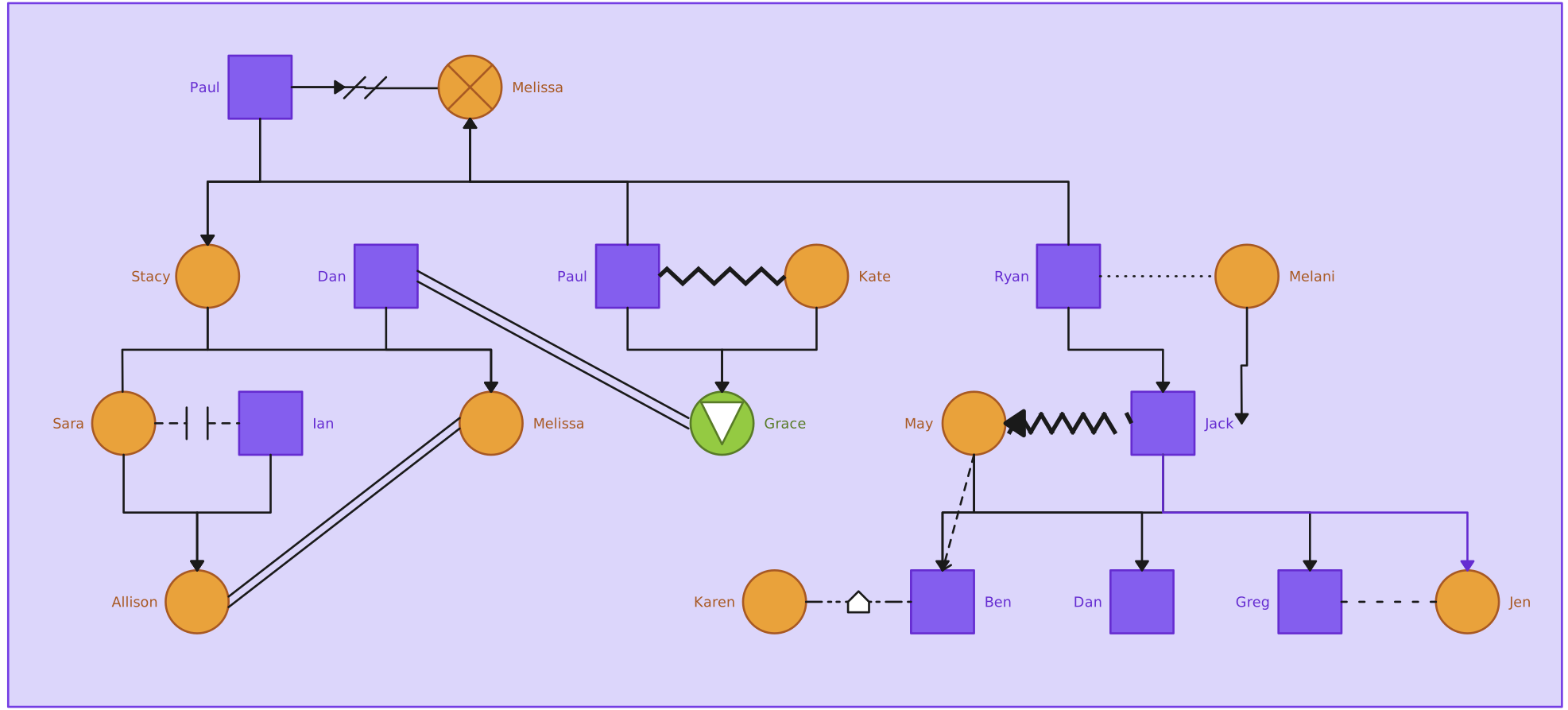
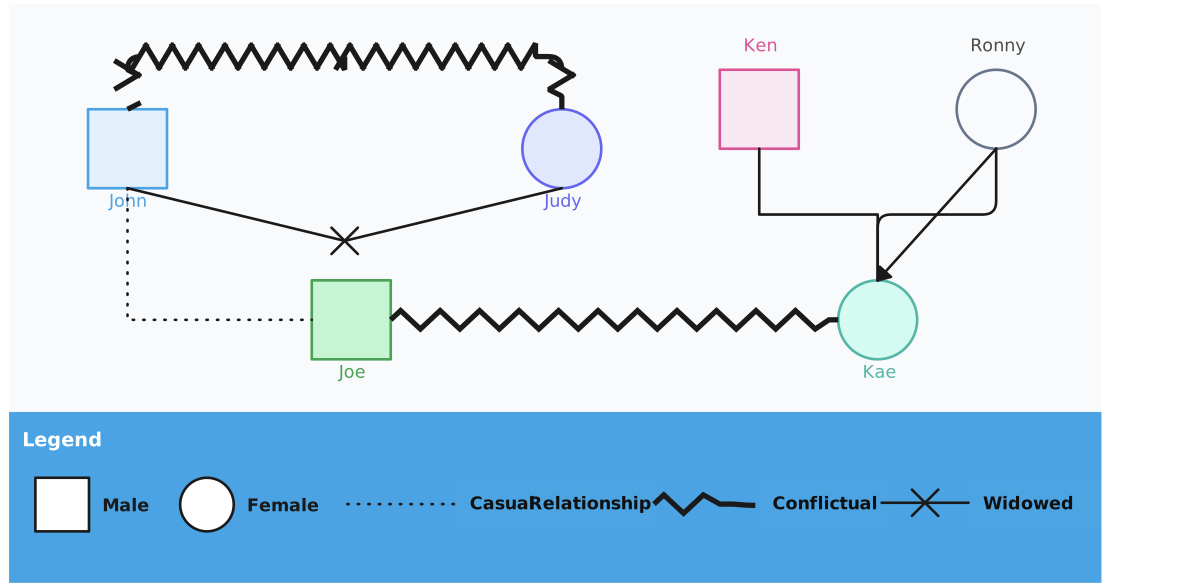
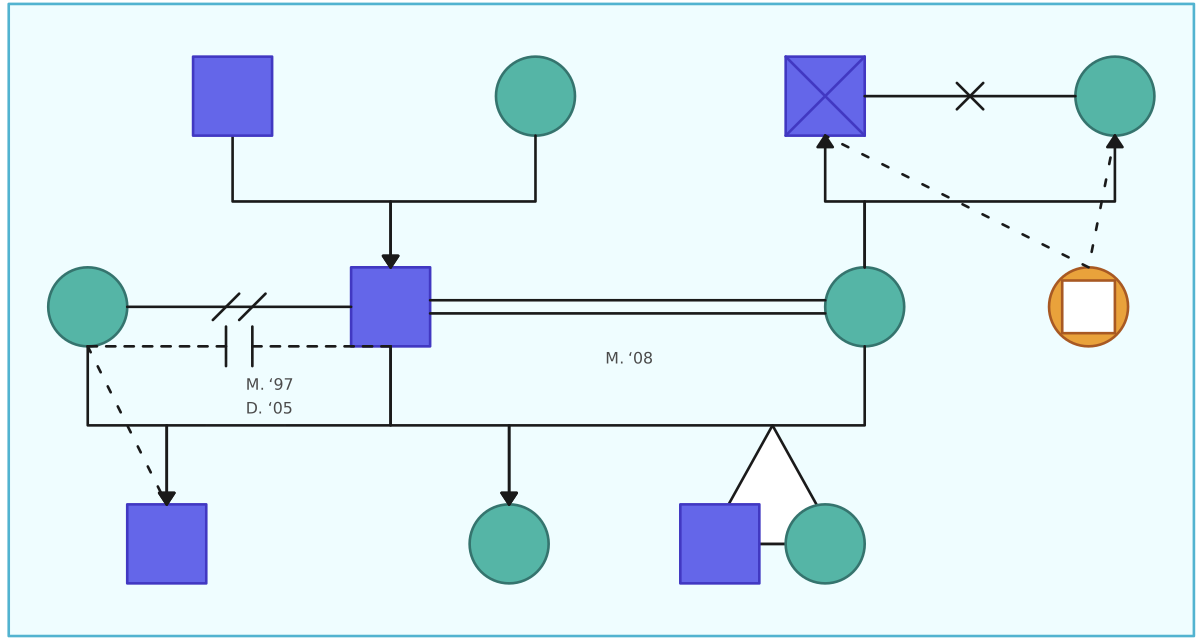
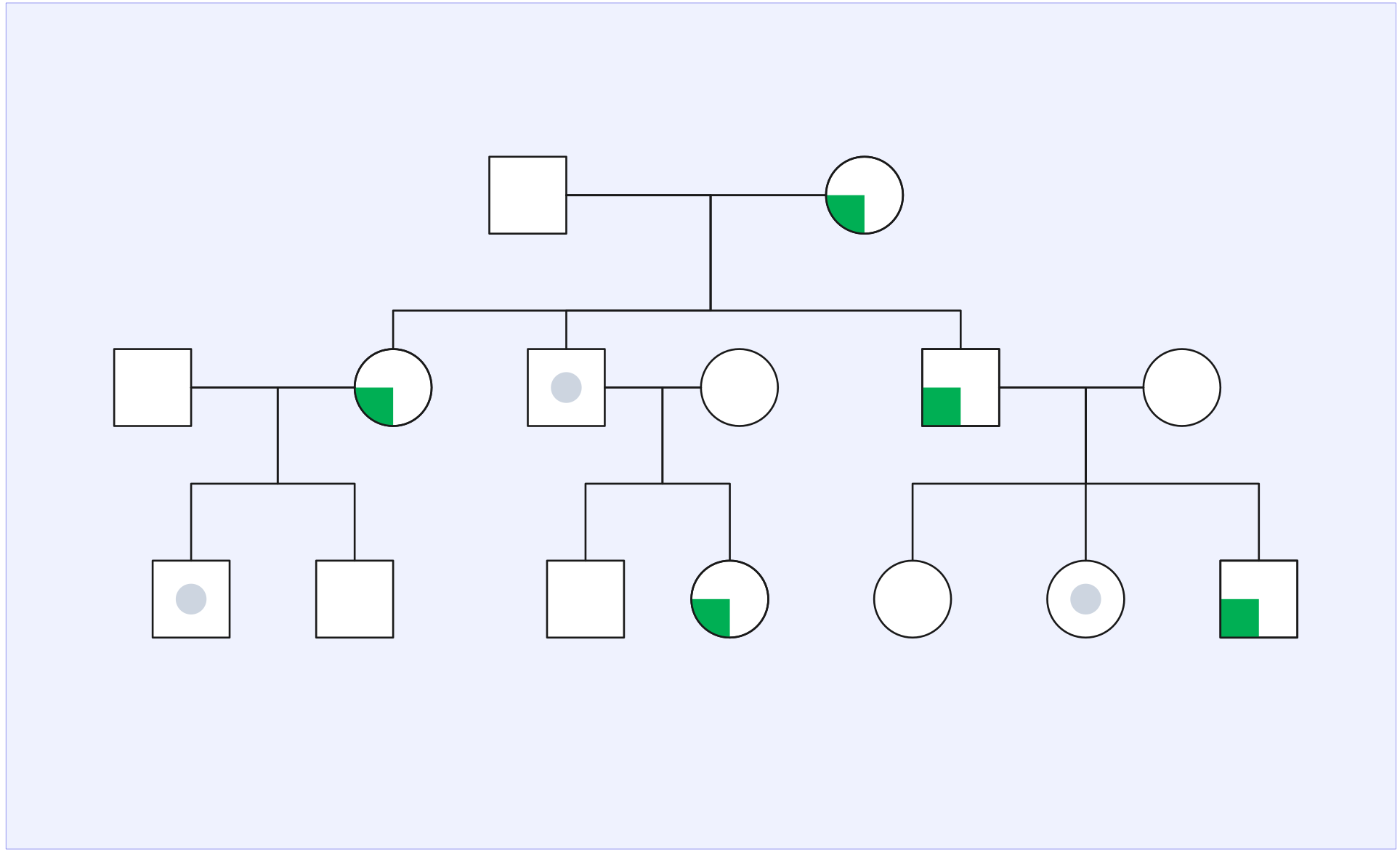
Genograms are advanced family diagrams that map relationships, emotional patterns, health histories, and generational dynamics. They are especially valuable in Integrative Attachment Family Therapy (IAFT), where understanding parent-child bonds and attachment histories is critical.
- Reveal patterns and trauma loops: Identify repeated behaviors, conflicts, and attachment challenges across generations.
- Support therapy planning: Highlight areas for intervention, emotional repair, or skill-building.
For therapists, a genogram maker or ready-to-use genogram templates makes creating these diagrams faster and more accurate, allowing sessions to focus on insight rather than manual drawing.


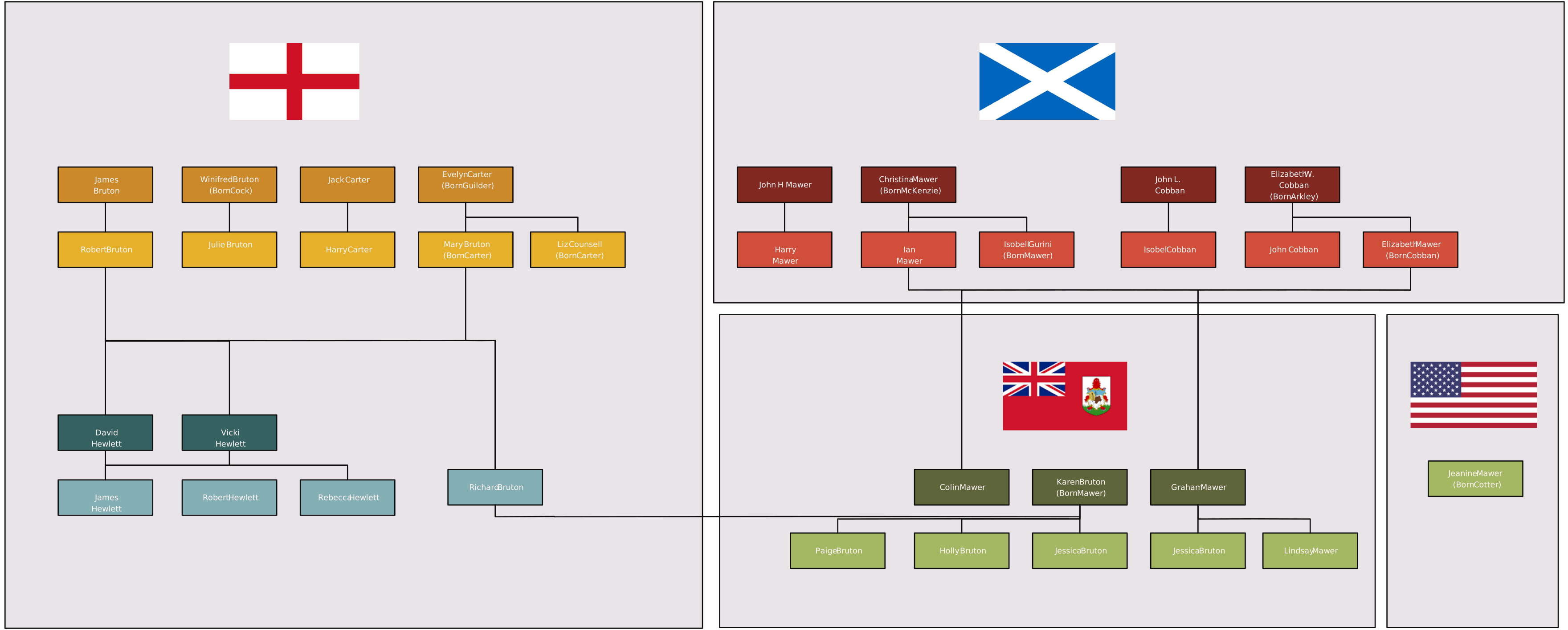
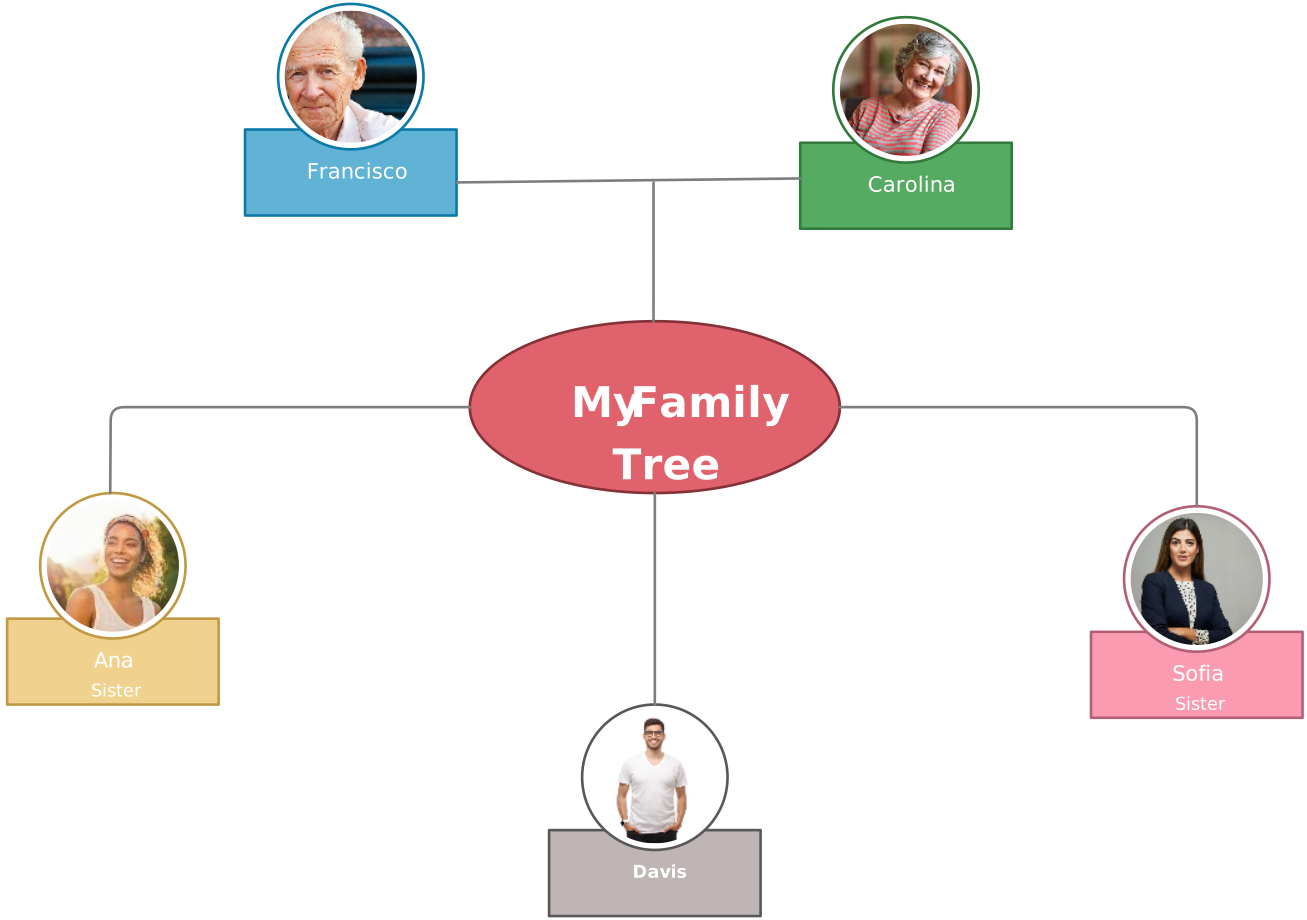
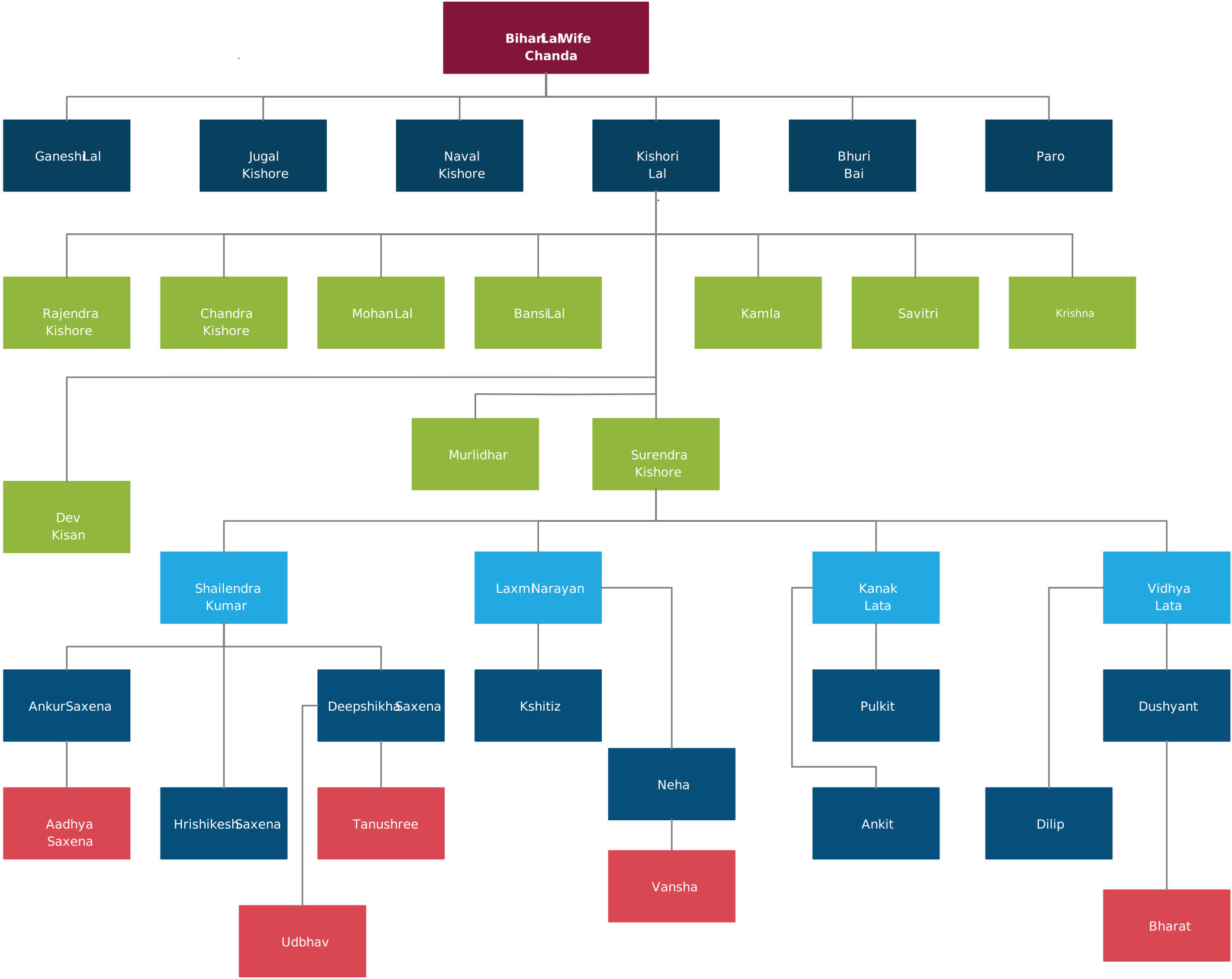
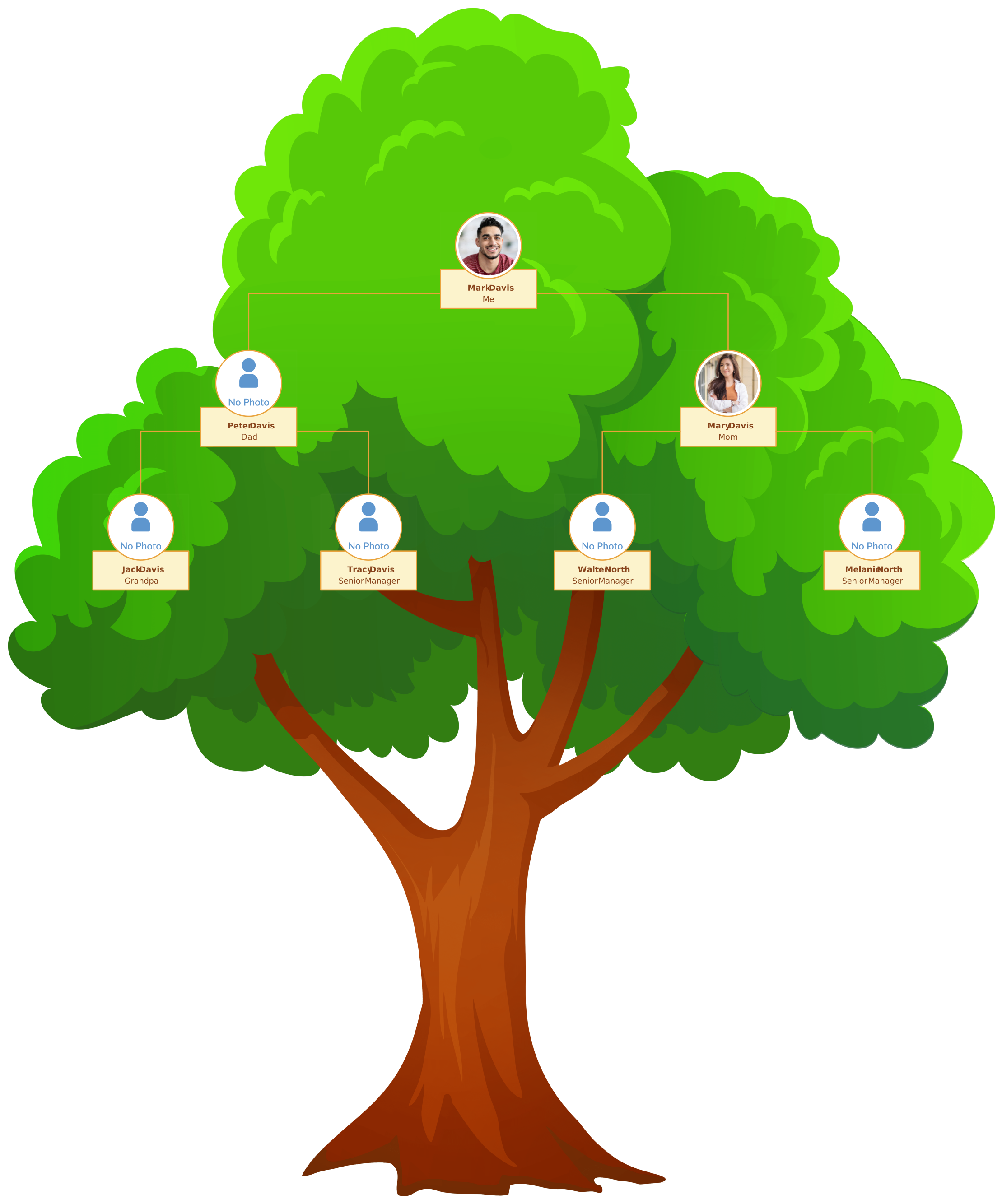
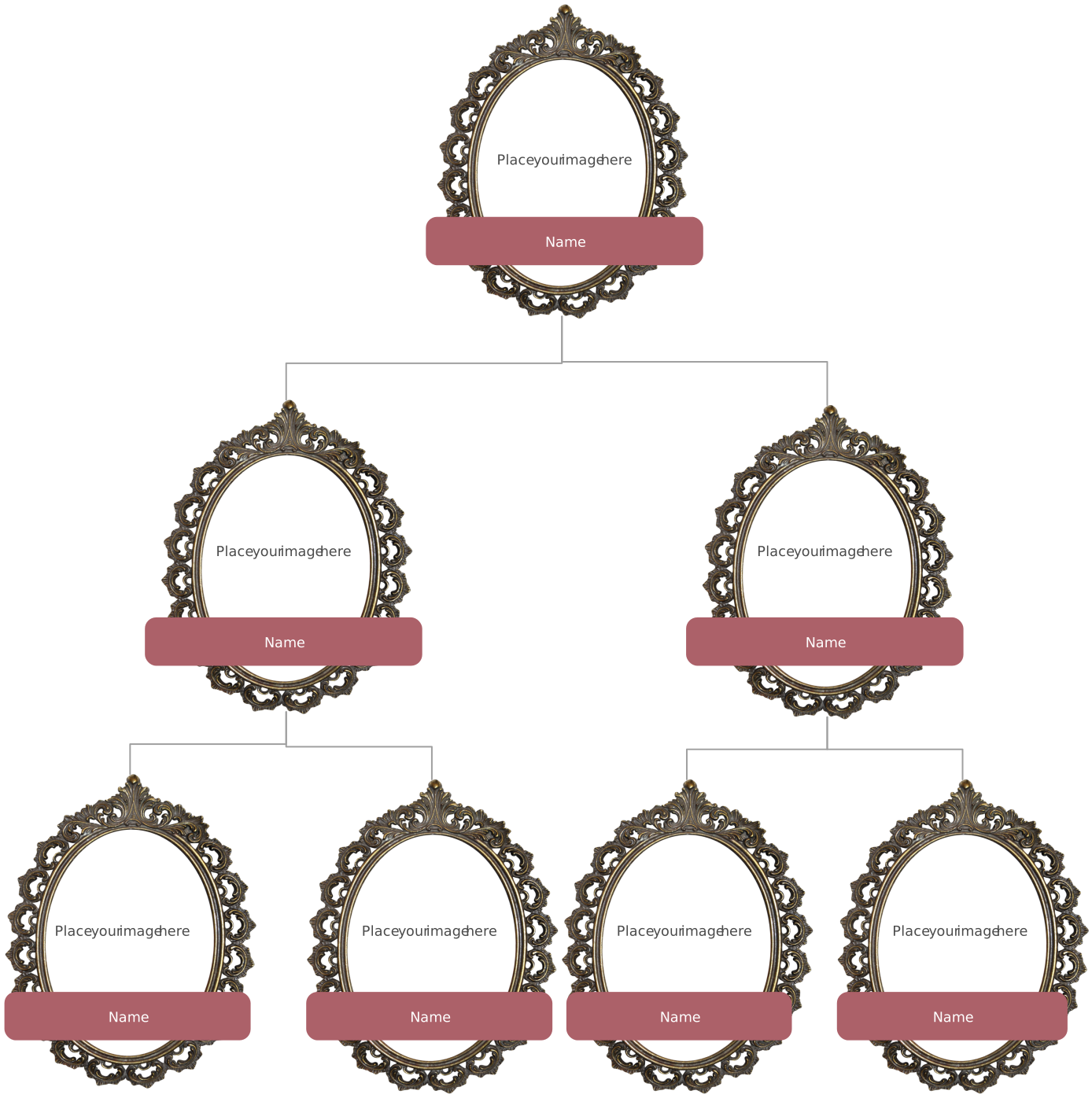
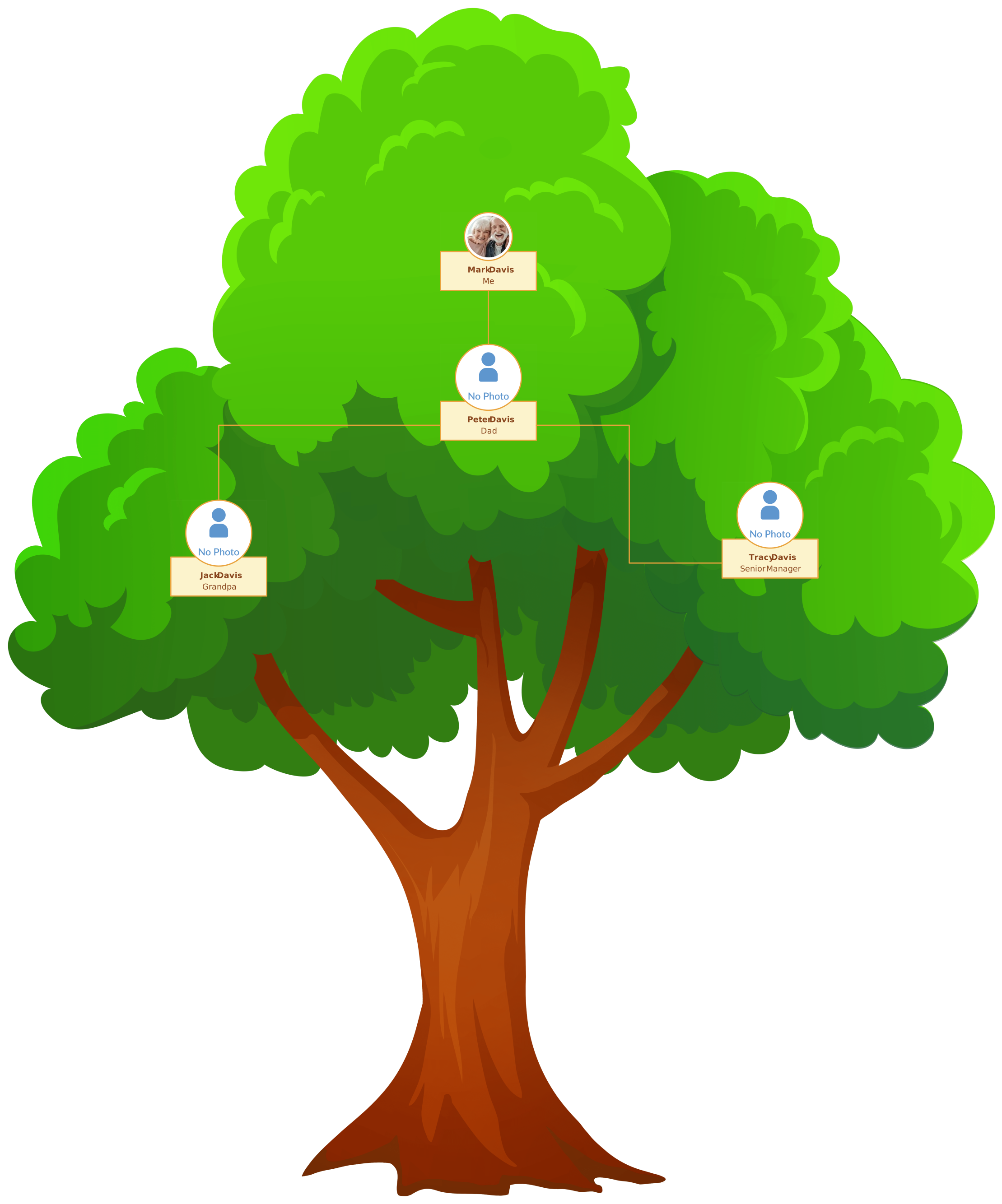
Family Maps / Family Trees
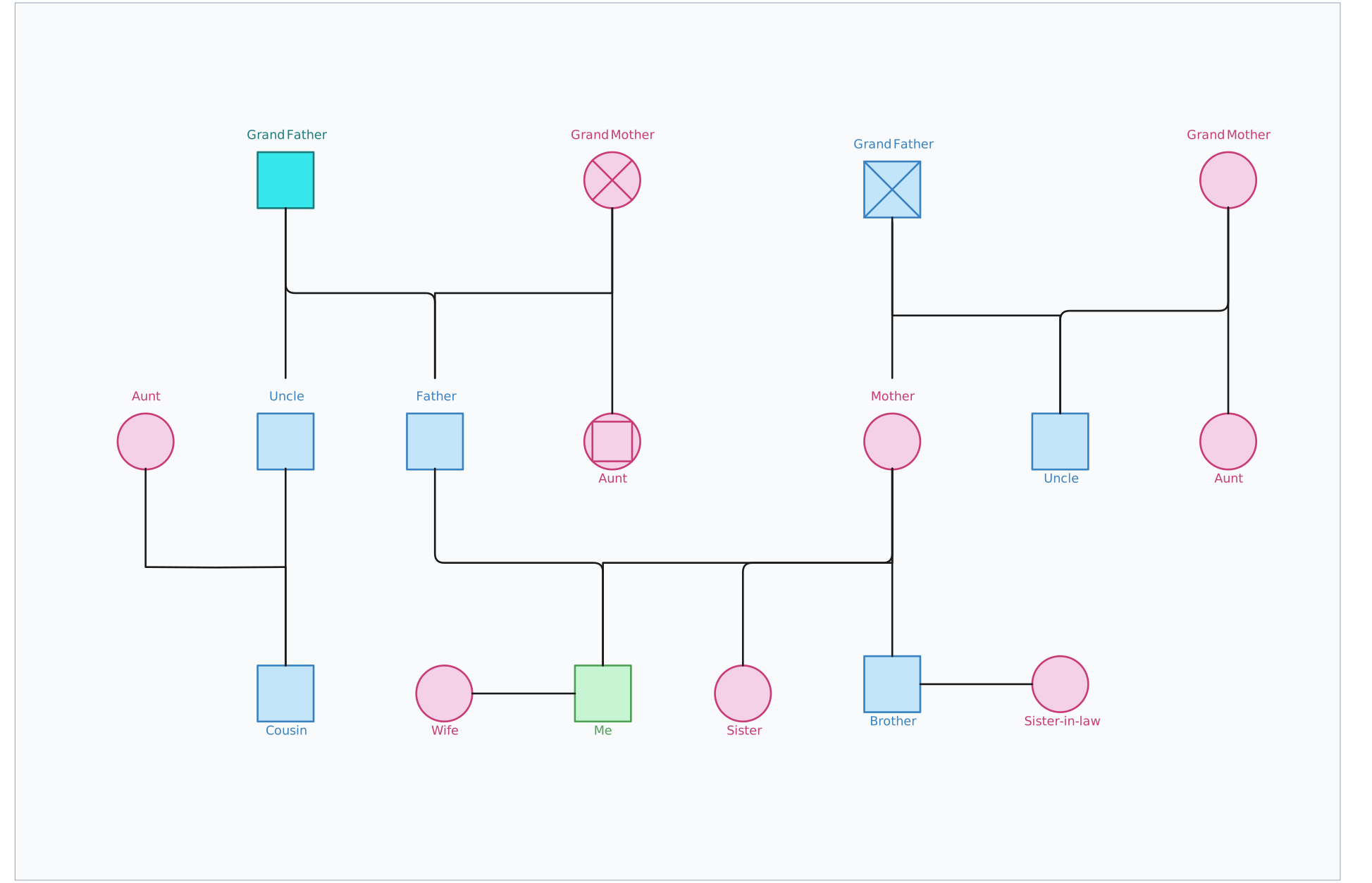
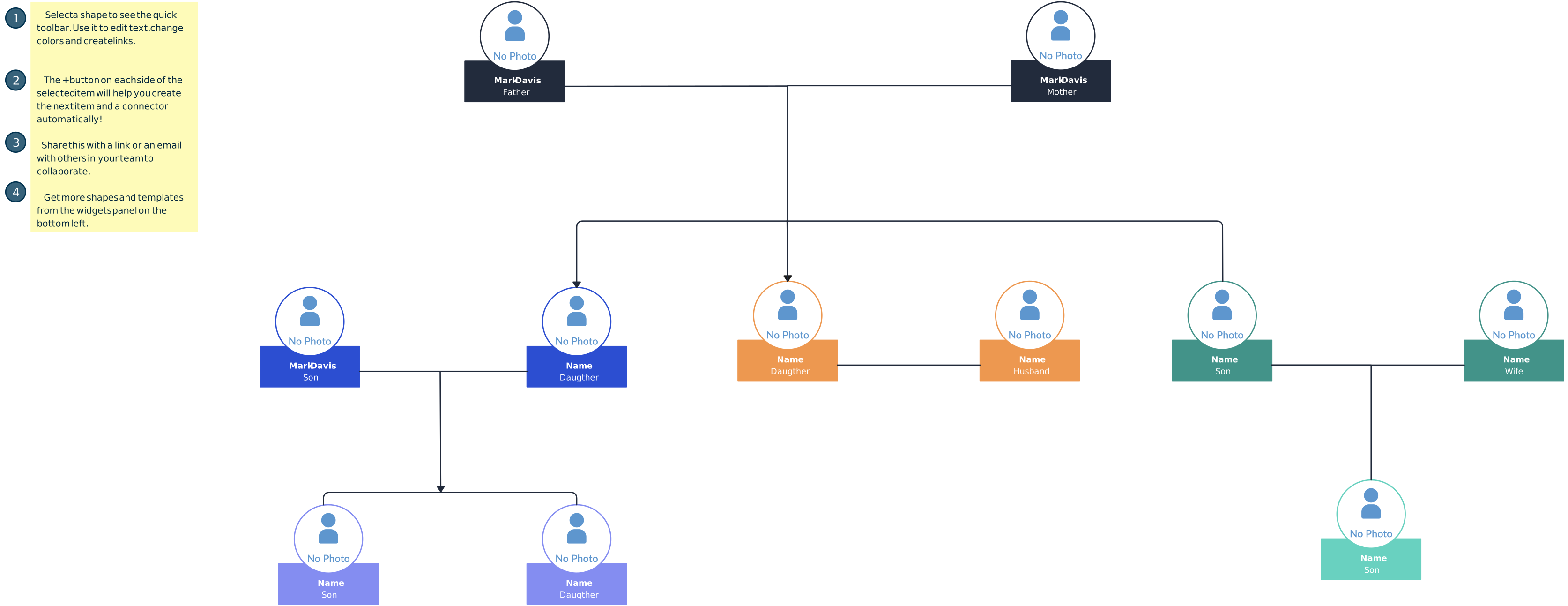
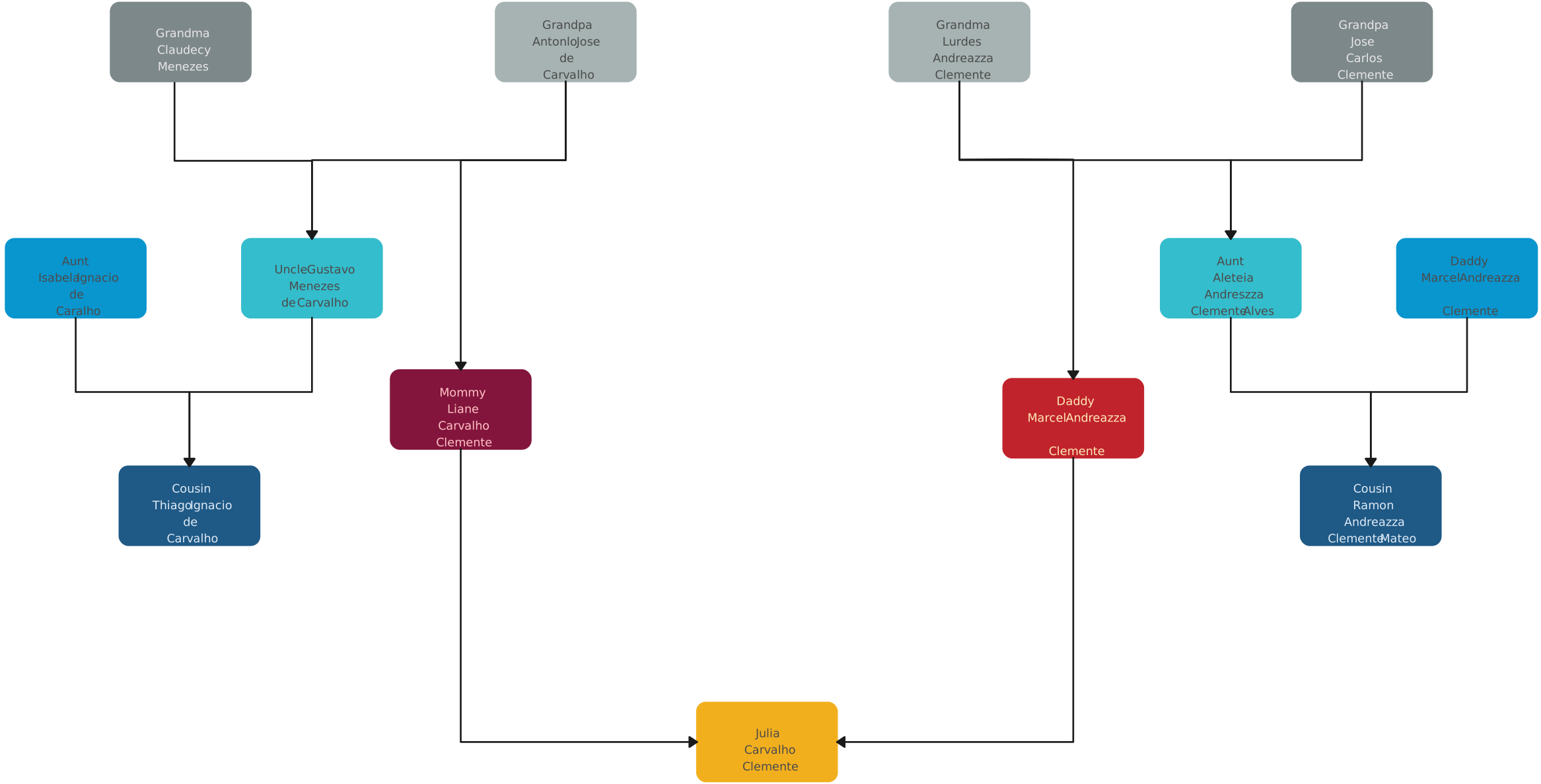
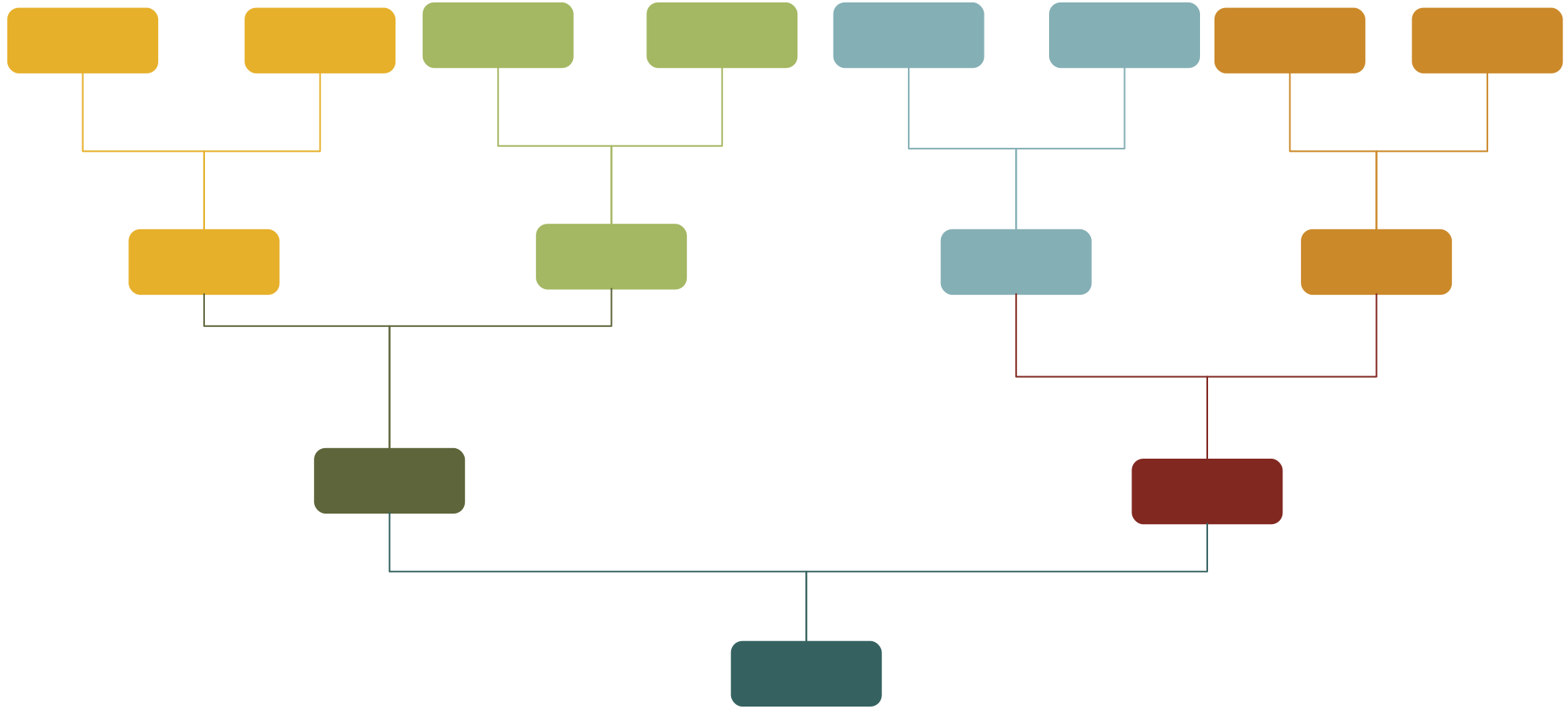
Family maps (or family trees) visually represent relationships, roles, boundaries, and alliances within a family system. They are ideal for systemic and structural integrations, helping families understand how interactions, hierarchies, and roles affect their dynamics.
- Map dynamics, roles, and boundaries: Clarify power structures, subsystems, and family rules.
- Highlight systemic patterns: Show interconnections that influence behaviors and communication.
Using a family tree maker or pre-designed family tree templates, therapists can quickly build accurate visual representations and adjust them as family systems evolve.
Family Timelines
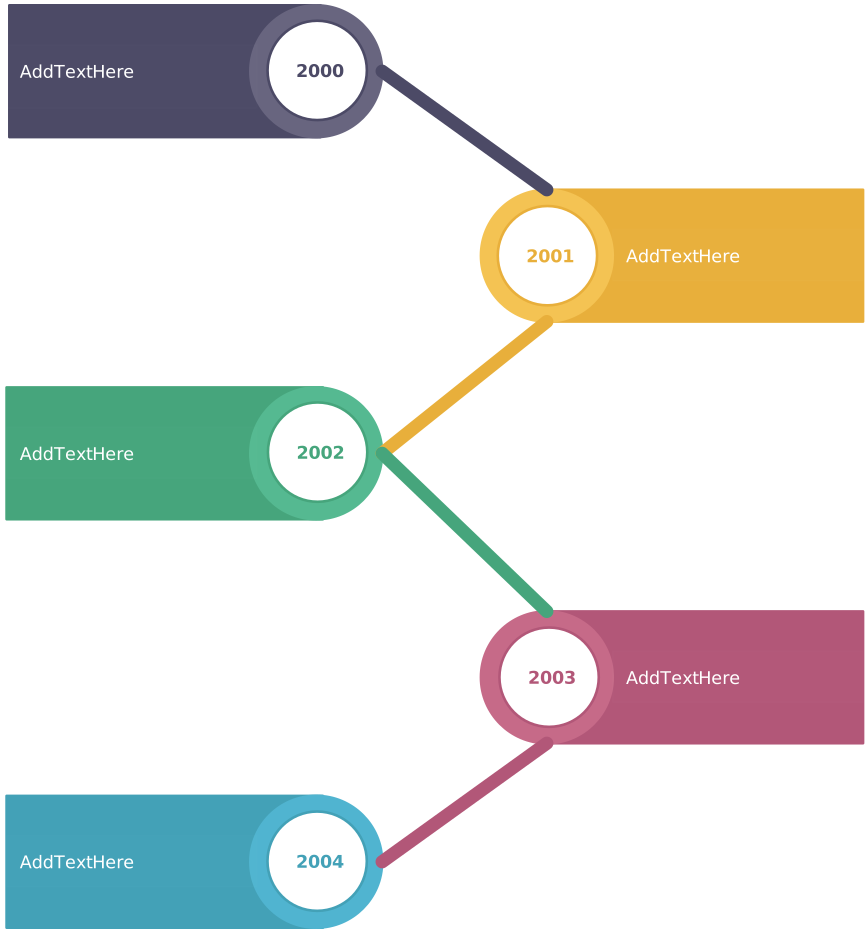
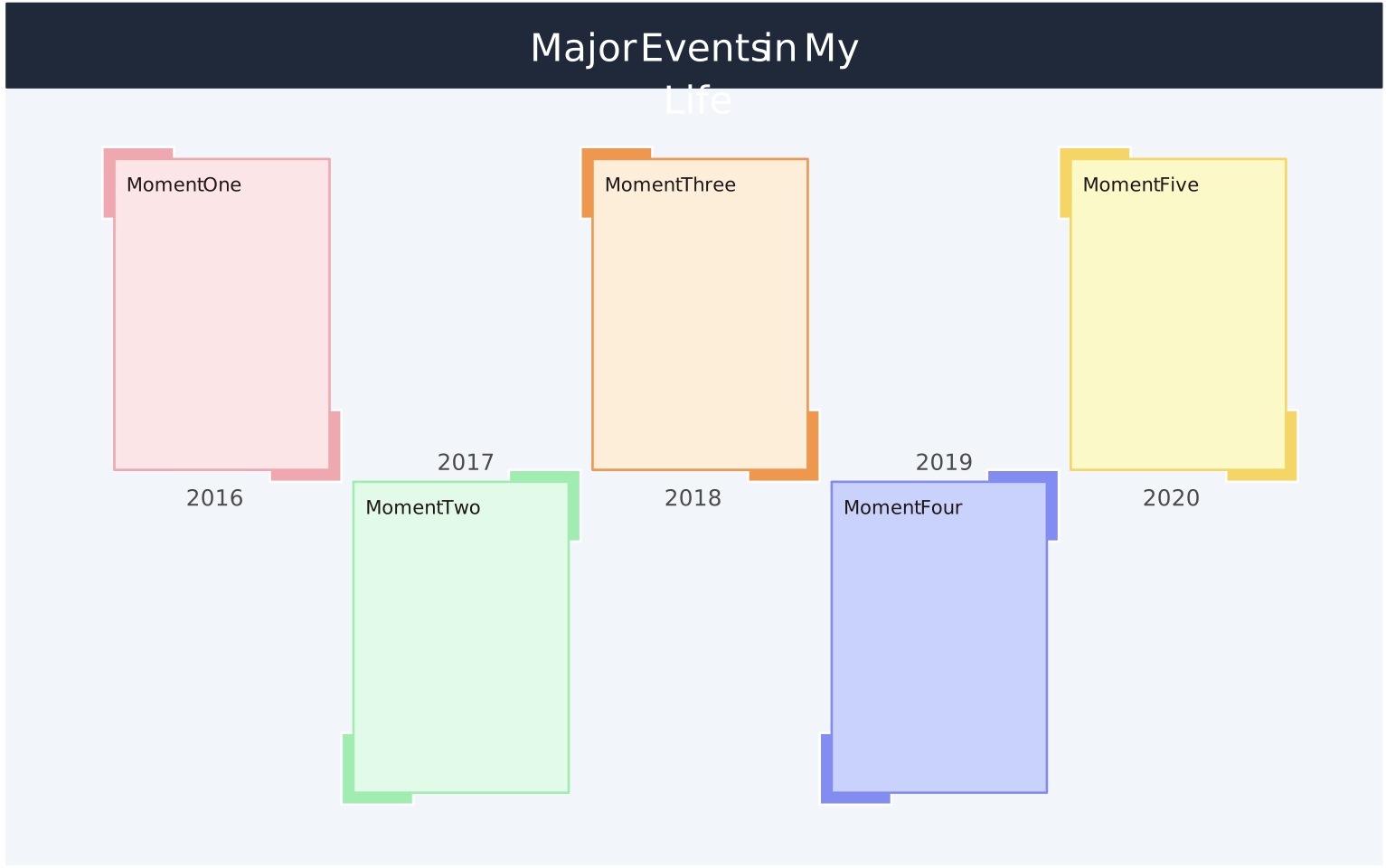
Family timelines plot significant events, life transitions, losses, and turning points to help families contextualize their experiences over time. Timelines are particularly effective in narrative and trauma-informed integrative therapy, giving both therapists and family members a visual narrative of challenges and resilience.
- Track milestones and transitions: Highlight events that shape family beliefs and behaviors.
- Support reflection and insight: Enable families to identify patterns, coping strategies, and moments of strength.
A timeline maker makes it easy to create editable, collaborative timelines that can be updated as therapy progresses.
These visual tools—genograms, family maps, and timelines—allow therapists to see the full family system at a glance, communicate more effectively with clients, and make integrative therapy both efficient and impactful. Using Creately’s genogram maker, family tree maker, timeline maker, and templates, therapists can save time, reduce frustration, and focus on what really matters: helping families thrive.
Common Integrative Family Therapy Techniques
Integrative family therapy combines techniques from multiple models to address the unique needs of each family. By blending approaches, therapists can target cognitive patterns, relational dynamics, and emotional processes simultaneously. Here are some widely used integrative family therapy techniques along with practical examples of integrative therapy in action:
1. Reframing + Cognitive Restructuring
This technique, drawn from Cognitive Behavioral Therapy (CBT), helps families identify unhelpful thought patterns and replace them with more balanced, constructive perspectives.
Example:
A teenager believes, “My parents never listen to me.” Through reframing, the family explores alternative explanations, such as miscommunication or timing, and practices clearer expression. Coupled with narrative therapy, they may also re-author the family story around communication challenges, creating a more empowering narrative.
2. Attachment-Based Interventions
Attachment-focused strategies aim to strengthen emotional bonds and repair disrupted connections between family members. Therapists may use activities that enhance empathy, attunement, and secure attachment.
Example:
In Integrative Attachment Family Therapy (IAFT), parents and children participate in structured exercises to practice attuned responses, supported by family timelines that highlight pivotal moments in the parent-child relationship.
3. Family Sculpture & Enactment
This experiential technique allows families to physically represent relational patterns, hierarchies, or conflicts. It makes abstract dynamics visible and tangible.
Example:
Family members position themselves in a “sculpture” to show alliances or emotional distance. A therapist may combine this with structural family techniques to discuss boundaries and roles. Using a family map, the therapist can later translate these positions into a visual diagram for ongoing reference.
4. Narrative Externalization
Externalization separates the problem from the person, allowing families to confront issues without blame.
Example:
A family struggling with a teenager’s anxiety might “name” the anxiety as an external entity (“The Worry Monster”) and explore how it affects each member. Paired with genograms, therapists can track patterns of anxiety across generations.
5. Emotional Regulation Strategies
Therapists teach families techniques for recognizing, expressing, and managing emotions. Integrating approaches from emotion-focused therapy and CBT, families learn to handle conflict and stress constructively.
Example:
Parents practice calming techniques while a teen journals emotional triggers. Using a family timeline, the therapist helps the family see how past stressors influenced current responses.
6. Strength Mapping & Resource Activation
This technique identifies family strengths, resources, and coping strategies to build resilience.
Example:
Through discussions and visual tools like family maps or genograms, families can see patterns of resilience across generations, recognizing skills, values, or supportive relationships they can leverage in current challenges.
Integrative family therapy offers a flexible, evidence-based approach to help families navigate complexity, repair relationships, and build resilience. By combining multiple models, leveraging techniques like reframing, attachment interventions, and narrative externalization, and using visual tools like genograms, family maps, and timelines, therapists can see patterns, track progress, and engage families in meaningful ways. Ready to simplify your workflow and bring clarity to every session? Try Creately, your all-in-one genogram maker, family tree maker, and timeline maker, and transform the way you practice integrative family therapy.
Helpful Resources
Explore the most widely used family therapy models, their key techniques and interventions, and how visual tools like genograms and family trees can simplify the process.
Explore the core concepts and techniques of structural family therapy, the insights from Minuchin’s family systems theory, and how genogram mapping helps visualize and transform family relationships.
Learn what strategic family therapy is, explores its core principles, and shows you how to use techniques, interventions, genograms, and family trees to create meaningful change.
Discover resource planning templates to streamline project execution. Organize resources, minimize bottlenecks, and ensure project success with Creately.
Everything you need to know about family mapping, including how to use genograms and family trees, and even provide ready-to-use templates to help you start mapping families with clarity, speed, and confidence.
Compare Strategic vs Structural Family Therapy in a clear, approachable way, helping you understand the purpose, techniques, and differences between the two models.
Explore key concepts of family systems theory to understand patterns, roles, and intergenerational dynamics using a clear visual tool.
Explore different types of genograms that you can create using Creately.