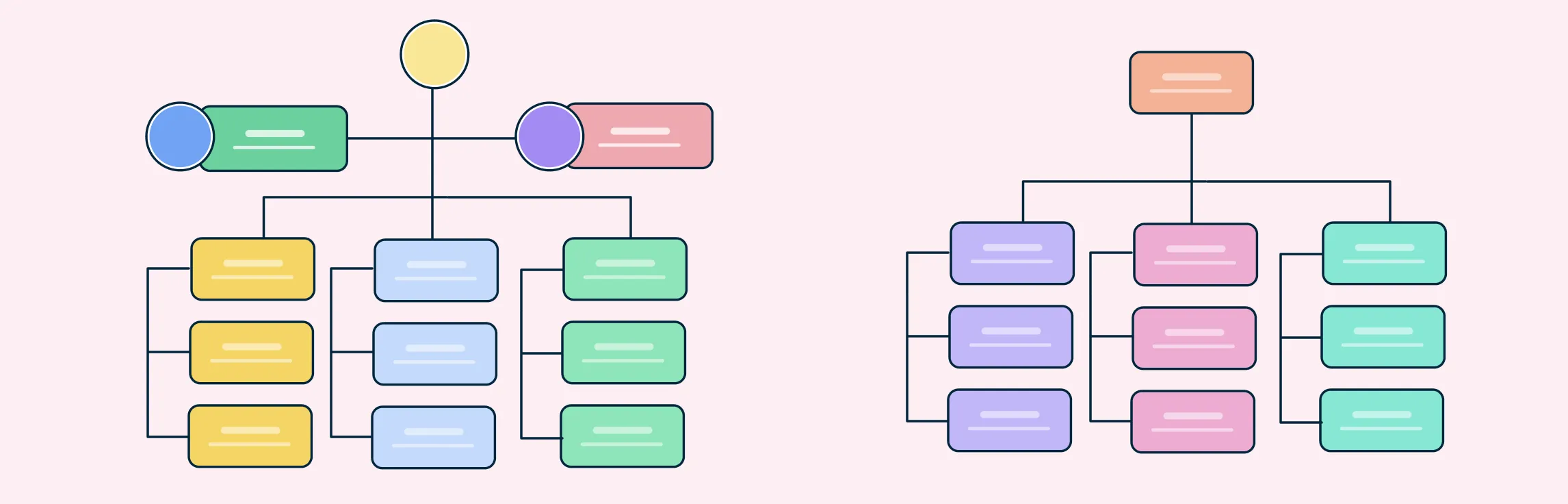
The difference between functional and divisional structure isn’t just a theory in a business textbook — it’s a real decision that shapes how your team works every single day. Should you organize people by expertise, like marketing and finance, or build focused business units around products, regions, or customer segments? In this guide, we’ll compare how these two organizational charts actually operate inside companies, help you pick the model that fits your growth stage, and show practical ways to implement or transition without creating chaos.
Quick Comparison at a Glance
Functional vs divisional structures look similar on paper, but they drive very different behavior inside an organization. Here’s a fast side-by-side snapshot you can use to orient the reader immediately.
| Functional structure | Divisional structure | |
| Definition | Teams are grouped by expertise or department (e.g., marketing, finance, operations). | Teams are grouped by product line, region, or customer segment, each operating like a mini-business. |
| Best for | Companies building depth in core skills, optimizing processes, and scaling gradually. | Companies with diverse product portfolios, multiple markets, or fast-changing customer needs. |
| Pros | Deep specialization, clear role clarity, efficient resource use, standardized processes. | Faster decisions, strong accountability, customer alignment, greater market responsiveness. |
| Cons | Silos, slower cross-team decisions, less ownership over end-to-end outcomes. | Resource duplication, inter-division competition, higher management overhead. |
| Typical size/industry | Startups, SaaS, professional services, manufacturing, agencies. | Consumer brands, multinational firms, retail groups, conglomerates, regional businesses. |
| Org chart snapshot | CEO → Heads of functions (Marketing, Sales, Finance, HR, Product) → Specialist teams. | CEO → Division A / Division B / Division C, each with its own Marketing, Sales, Finance, HR. |
What Is a Functional Structure
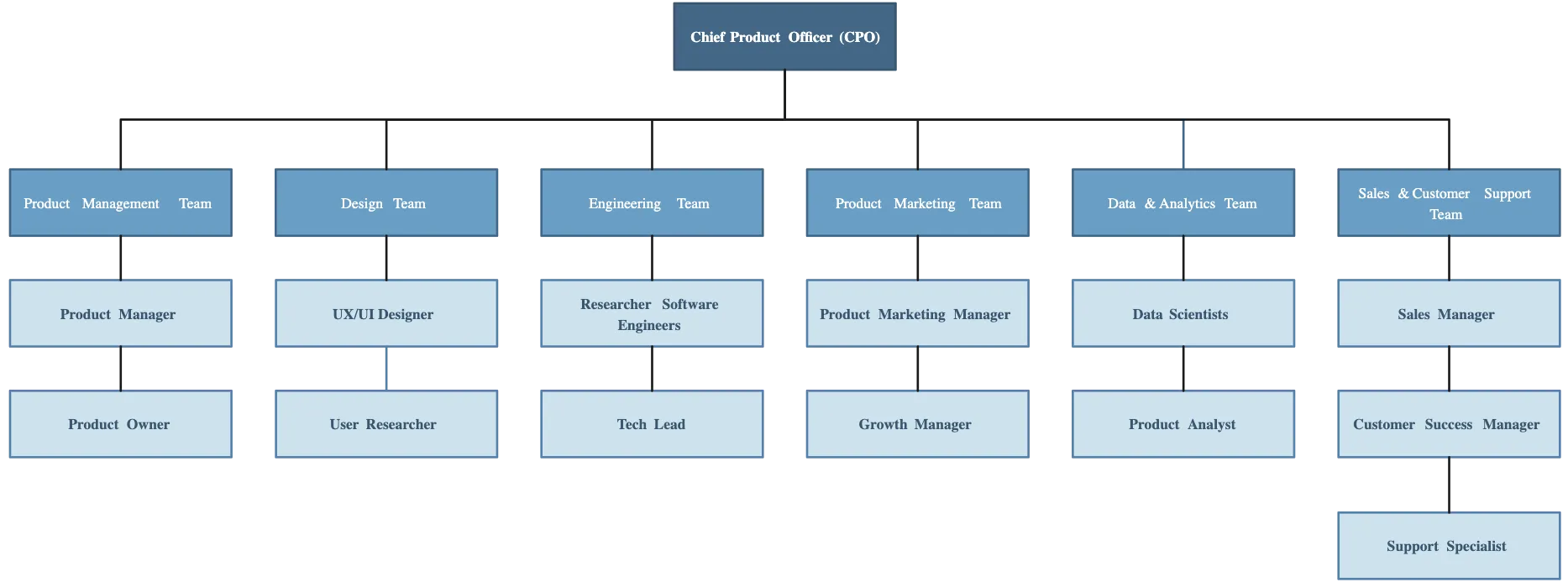
A functional structure organizes your company by skills and departments, bringing people who do similar work under the same leader. It’s simple, familiar, and very effective when you’re building strong core capabilities.
How it works
Teams are grouped by expertise: marketing, sales, finance, operations, product, HR.
Each department has its own goals, workflows, and leadership.
Employees build deep knowledge and follow standardized processes.
Why companies love it
Strong specialization — people get really good at their craft.
Clear reporting lines and responsibilities.
Efficient resource use — no duplicate job roles across units.
Easy to scale early: hire more specialists as the company grows.
Where it can get messy
Departments can become silos, focused on their own metrics over shared outcomes.
Collaboration across teams moves slower (marketing vs product vs sales politics).
Innovation can stall if teams don’t see the bigger picture.
Customers may feel like they’re bouncing between departments.
What Is a Divisional Structure
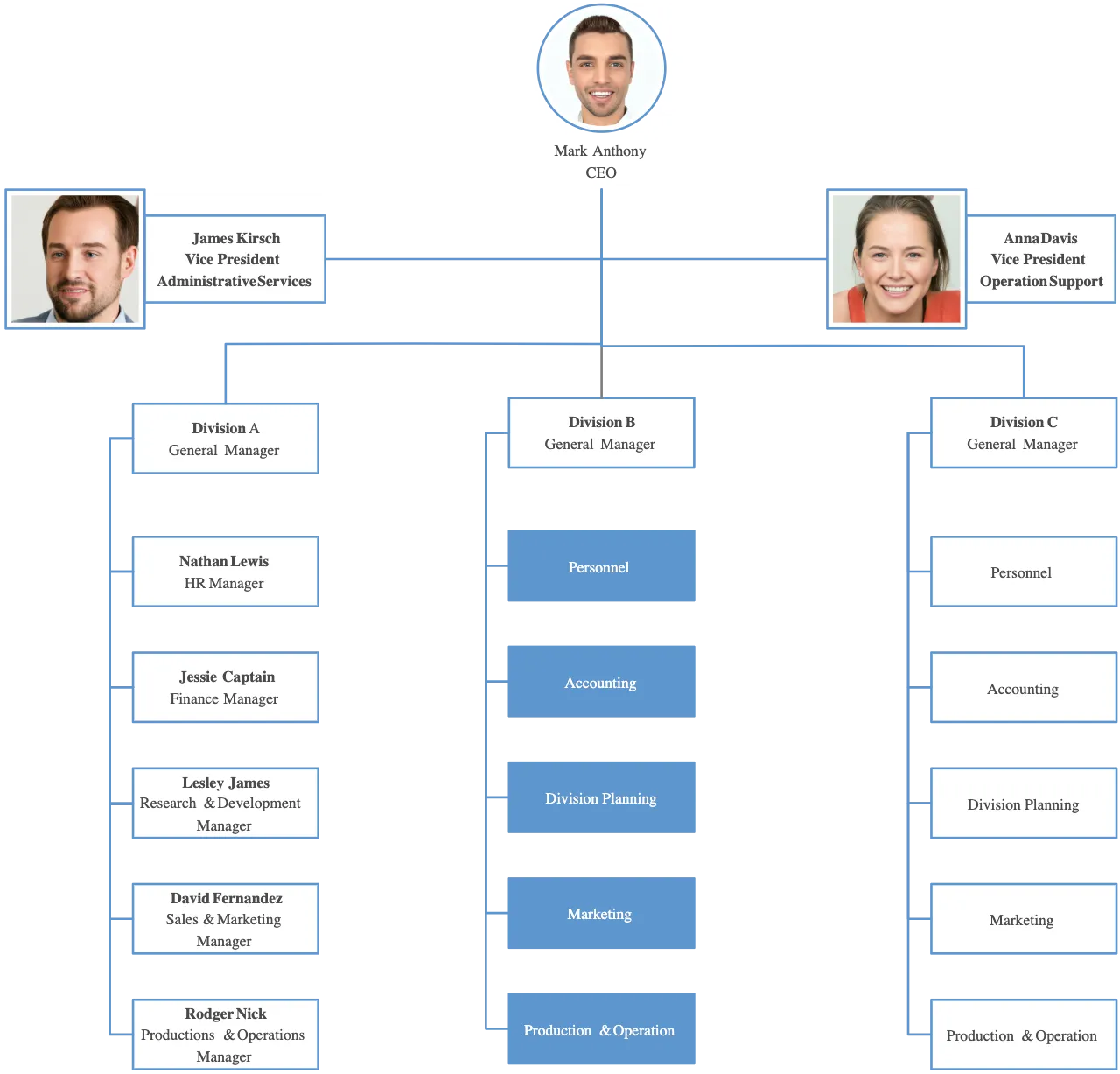
A divisional structure organizes your company around products, markets, or customer segments instead of just skills. Each division operates like a mini-company, with its own resources, goals, and leadership — almost a “company within a company.” This setup works well when your business has multiple products, services, or markets that need focused attention.
How it works
Teams are grouped by product line, region, or customer type.
Each division has its own departments (marketing, sales, finance, operations) under the division leader.
Divisions operate semi-autonomously, making decisions faster for their specific area.
Why companies love it
Faster decision-making since each division controls its own priorities.
Strong accountability — performance is measured at the division level.
Better alignment with customer needs or regional markets.
Encourages innovation within divisions because teams focus on their specific product or market.
Where it can get messy
Resource duplication — each division may have its own finance, marketing, or HR team.
Higher management costs to oversee multiple divisions.
Risk of internal competition between divisions.
Company-wide collaboration can be challenging if divisions focus only on their own goals.
Difference Between Divisional Structure and Functional Structure
While both functional and divisional structures organize people to get work done, they do it in very different ways — and each has its own vibe, advantages, and trade-offs. Understanding the difference is key to picking the structure that actually fits your business goals, team size, and growth stage. Let’s break it down in a way that’s easy to relate to.
1. How teams are grouped
Functional structure: People are grouped by specialty or department — marketing, finance, HR, operations, product, etc. Everyone in a department focuses on their area of expertise.
Divisional structure: People are grouped by product line, market, or customer segment. Each division has its own mini-teams covering marketing, sales, finance, and operations.
Think of functional as “grouped by what you do,” and divisional as “grouped by what you sell or who you serve.”
2. Decision-making and accountability
Functional: Decisions usually go up the chain within departments. Collaboration across departments can take extra effort, so change can feel slow.
Divisional: Each division can make its own decisions, creating faster responses to market changes and clearer accountability for results.
3. Specialization vs. flexibility
Functional: Deep specialization is the star here. Teams become experts in their craft and can optimize processes efficiently.
Divisional: Flexibility is the star. Divisions can pivot quickly to respond to customer or market needs, even if it means some resources are duplicated across divisions.
4. Pros and cons at a glance
| Feature | Functional | Divisional |
| Strength | Expertise, efficiency, clear roles | Responsiveness, accountability, market focus |
| Weakness | Silos, slower cross-team decisions | Resource duplication, higher costs, internal competition |
| Best for | Companies focusing on depth, consistent processes, and efficiency | Companies with multiple products, markets, or customer segments |
| Decision speed | Moderate to slow | Fast |
| Innovation | Can be slower if cross-department collaboration is limited | Often faster within divisions |
| Cost | Lower — shared resources | Higher — each division replicates functions |
When to Choose Divisional vs Functional Structure
Choosing the right structure isn’t about what “looks nice on paper” — it’s about what helps your business actually get things done, grow, and adapt.
Go for a functional structure if
Your business is focused on one core product or service and needs deep expertise.
Efficiency, standard processes, and skill mastery are your top priorities.
You’re still in the early-to-mid growth stage, building strong departments before diversifying.
Collaboration across teams can be managed with meetings, project managers, or shared workflows.
Cost control is important — shared resources across departments save money.
Go for a divisional structure if
You have multiple products, markets, or customer segments that require dedicated focus.
Fast decision-making and market responsiveness are critical to success.
You want clear accountability — each division owns its own results, P&L, and goals.
Your company is large enough to support semi-autonomous teams without killing efficiency.
You want each team to adapt strategies to local or product-specific needs without waiting for approval from the top.
Pro tip: Many growing companies start functional to master their craft and then shift toward divisional (or hybrid/matrix) as products, markets, or regions expand. The key is to match your structure to your strategy, not just your org chart.
How to Make the Transition from Functional to Divisional (or Vice Versa)
Step 1. Diagnose the problem
Identify why your current structure isn’t working: slow decisions, duplicated work, lack of accountability, or poor customer focus.
Gather input from team leads and employees — they often see friction points before leadership does.
Step 2. Define your goals
Be clear on what you want to achieve: faster decision-making, deeper specialization, better market responsiveness, or improved customer alignment.
Set measurable outcomes like reduced project timelines, clearer reporting lines, or improved team performance.
Step 3. Pilot units or divisions
Start small: try the new structure with a single team, product line, or region before rolling it out company-wide.
Observe how workflows, communication, and accountability change.
Collect feedback and adjust before scaling.
Step 4. Establish governance & KPIs
Clearly define roles, responsibilities, and reporting lines under the new structure.
Set key performance indicators to track success: decision speed, project completion, P&L accountability, cross-team collaboration.
Step 5. Manage the change
Communicate openly: explain why the change is happening, what it means for teams, and the expected benefits.
Provide support through training, mentorship, and updated processes.
Monitor morale and productivity; make iterative improvements as needed.
Pro tip: Change takes time. Don’t rush it — small wins and visible improvements build confidence across the company and make the new structure stick.
Helpful Resources
Learn what a product organizational structure is, explore common team models, key roles, pros and cons, and how to build a scalable product org chart.
Learn how to use Gantt charts to plan projects, why they are useful and how to effectively use them in a project.
Divisional and Functional Structure Examples
Now that you knwo the difference between functional and divisional structures, here are some ready-to-use templates to get you started.
Divisional Org Structure Templates
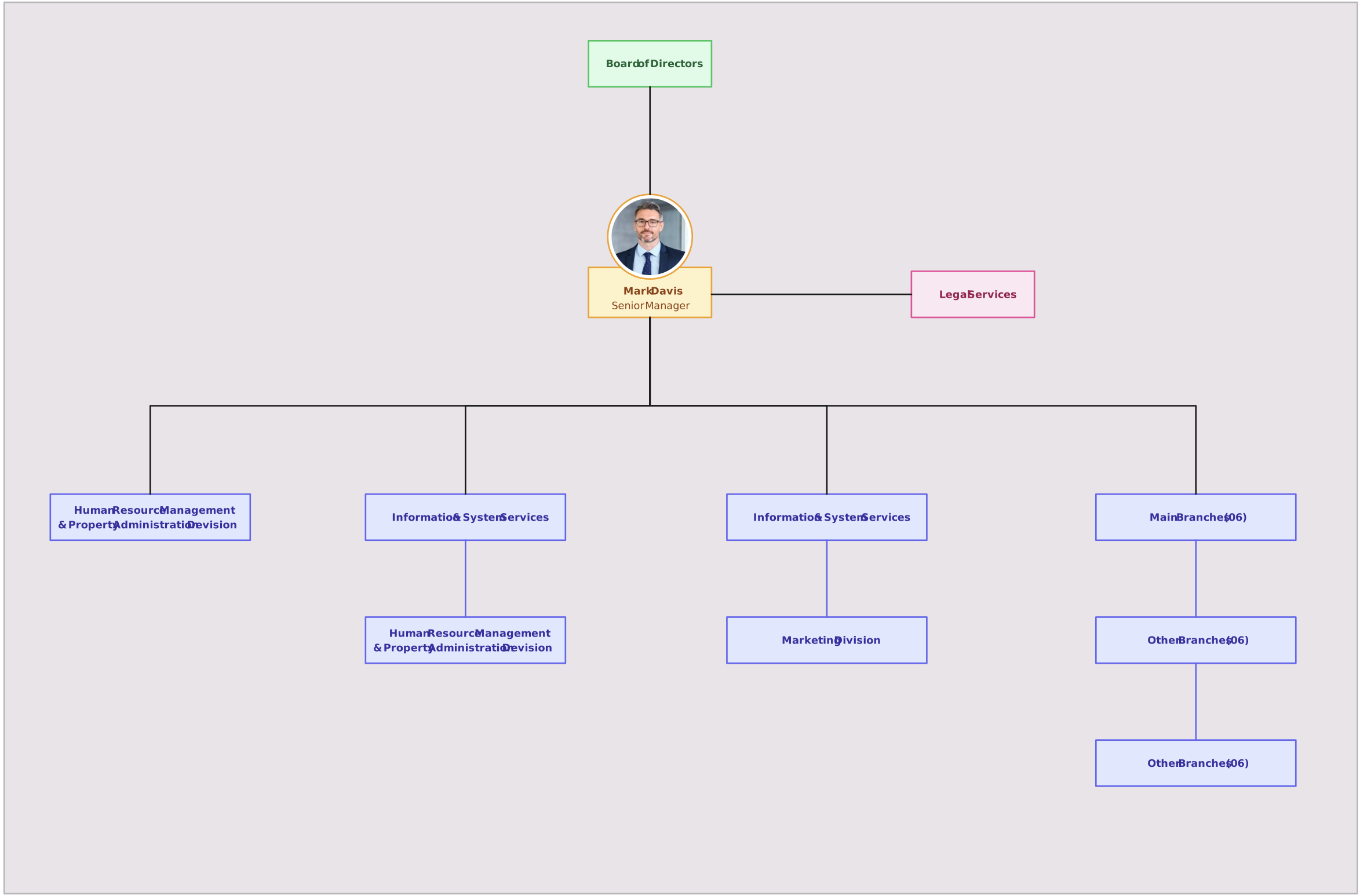
Organizational Structure of a Company

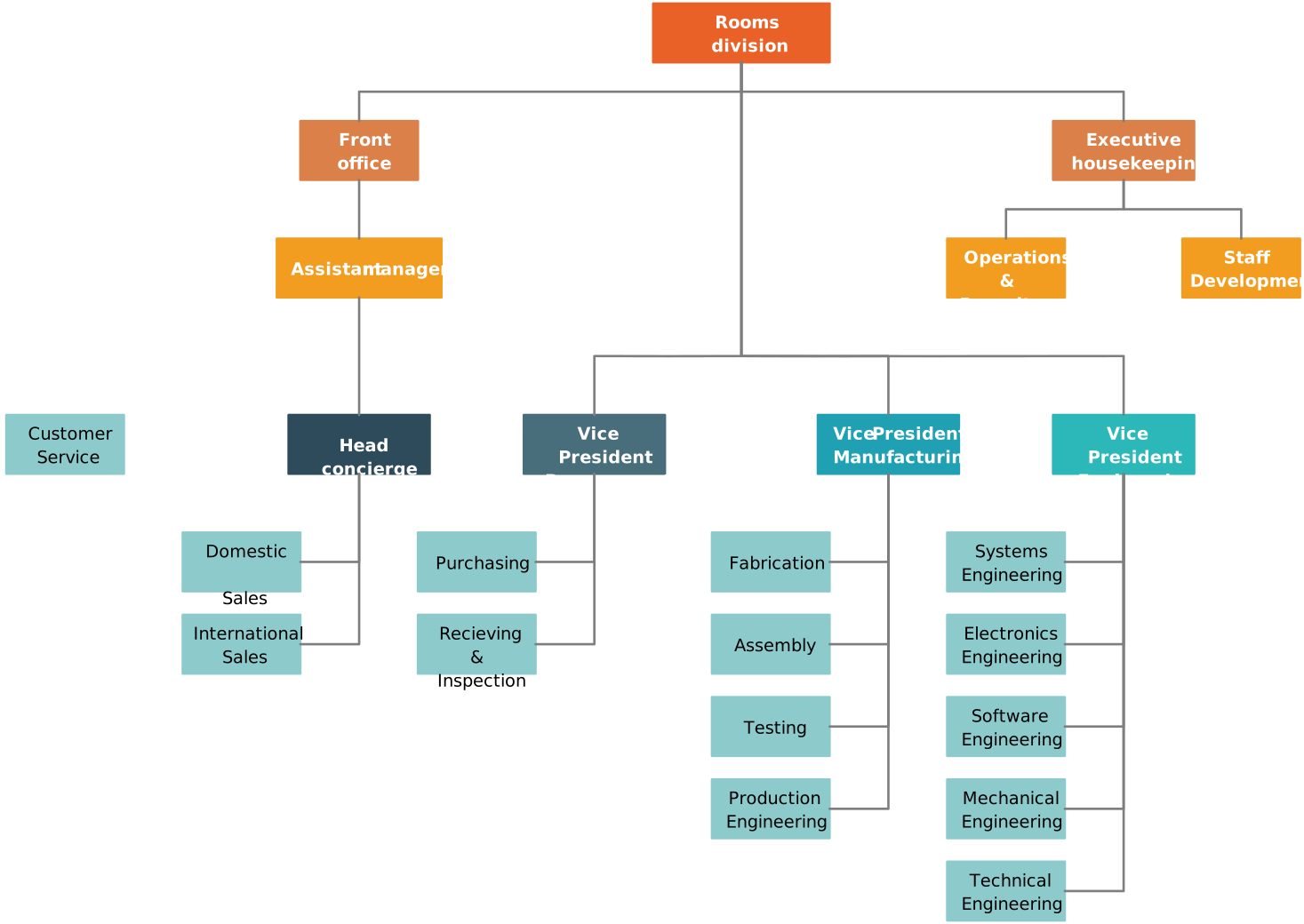
Org Chart of Rooms Division
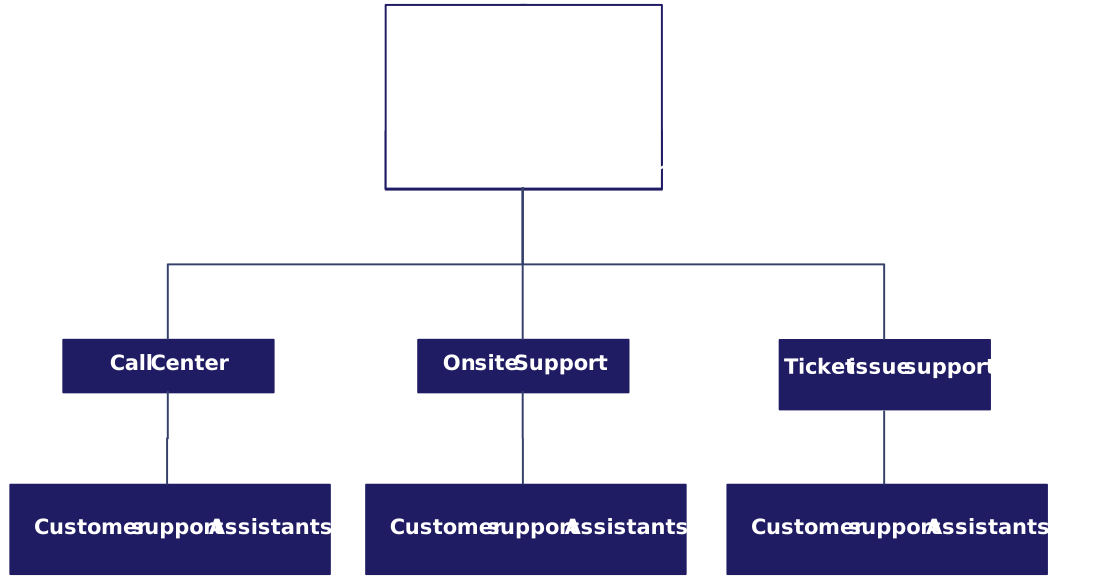
Customer Support Division Structure
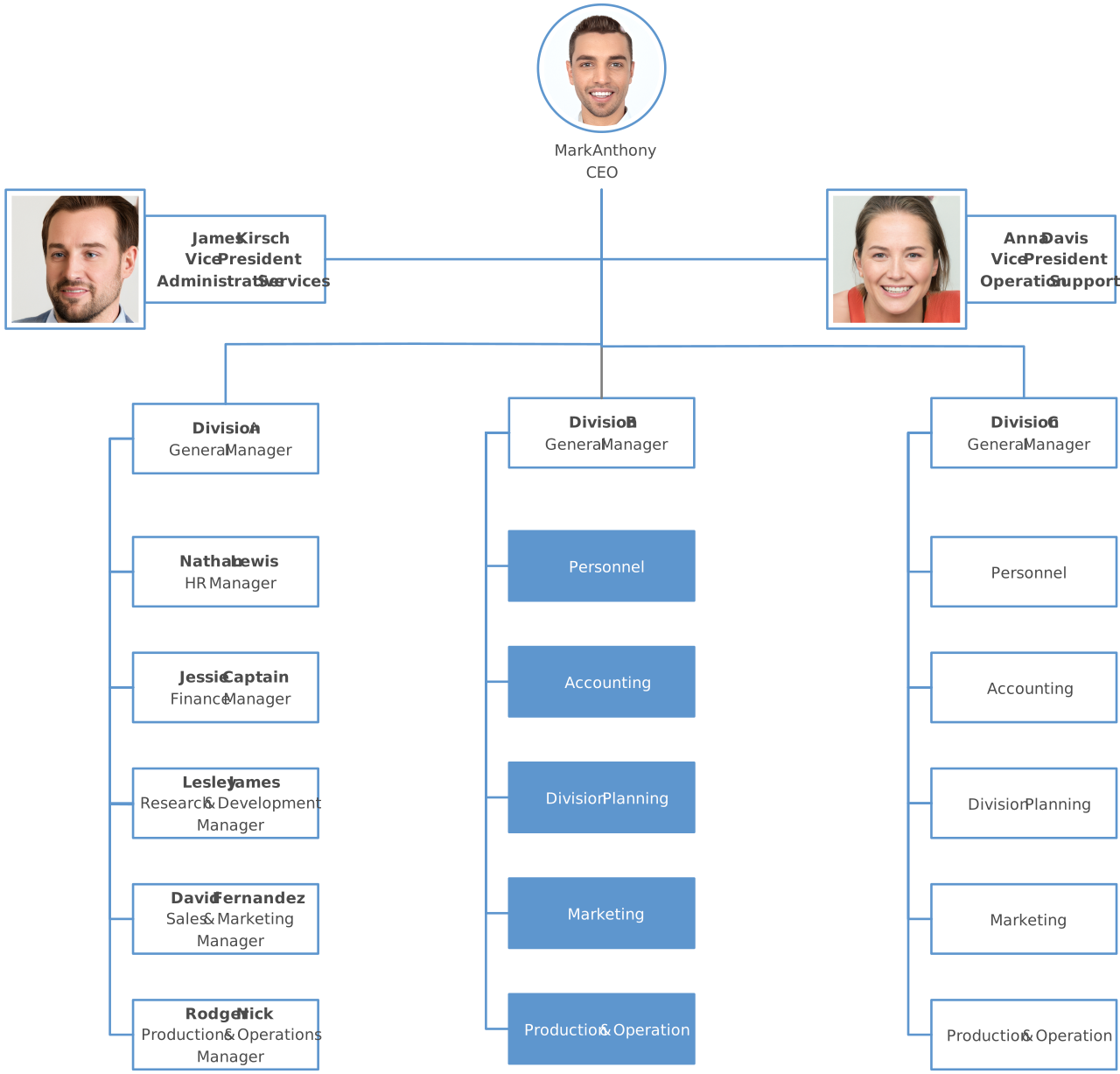
Divisional Organizational Structure
Functional Org Structure Templates
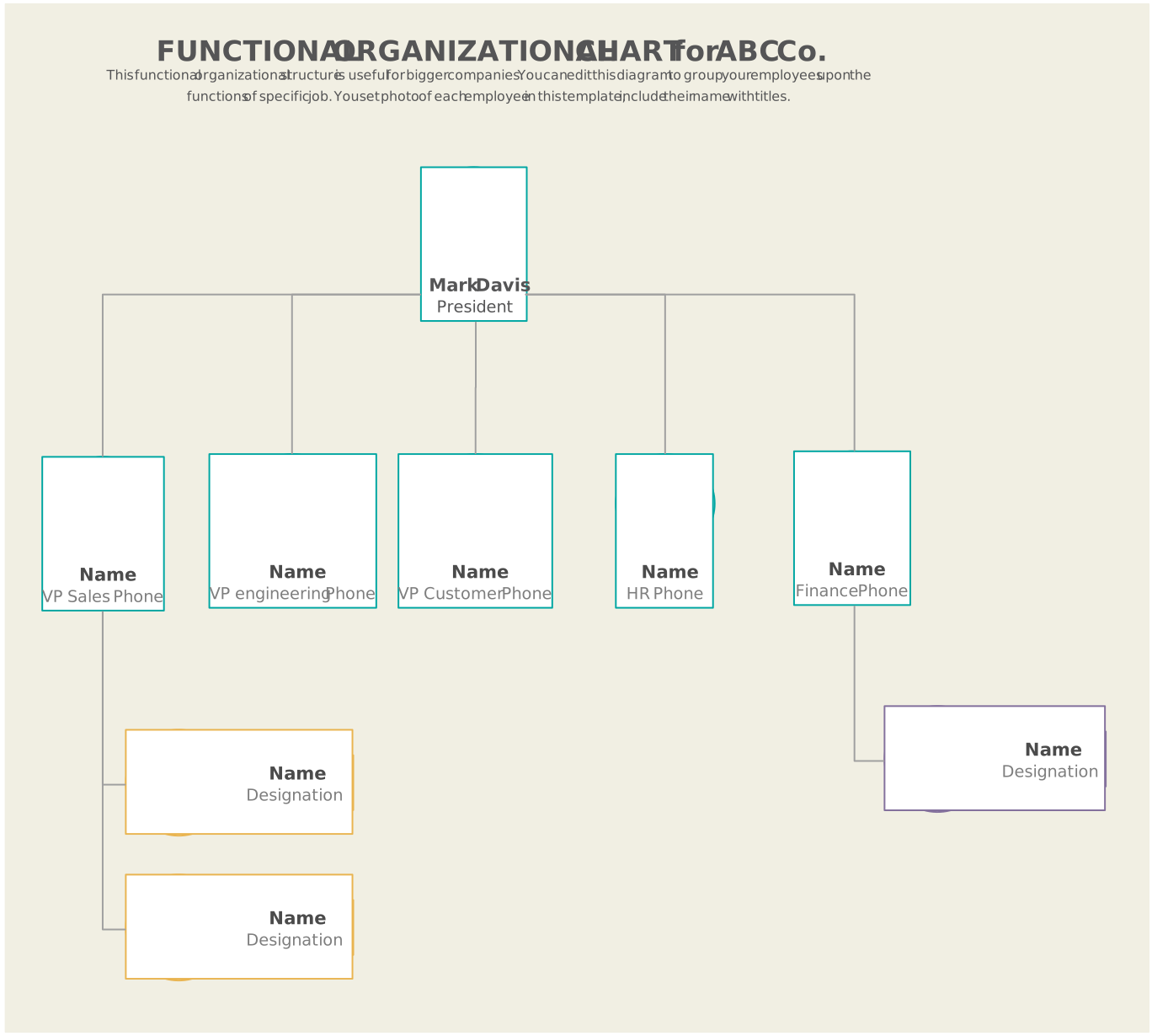
Functional Structure Diagram Template
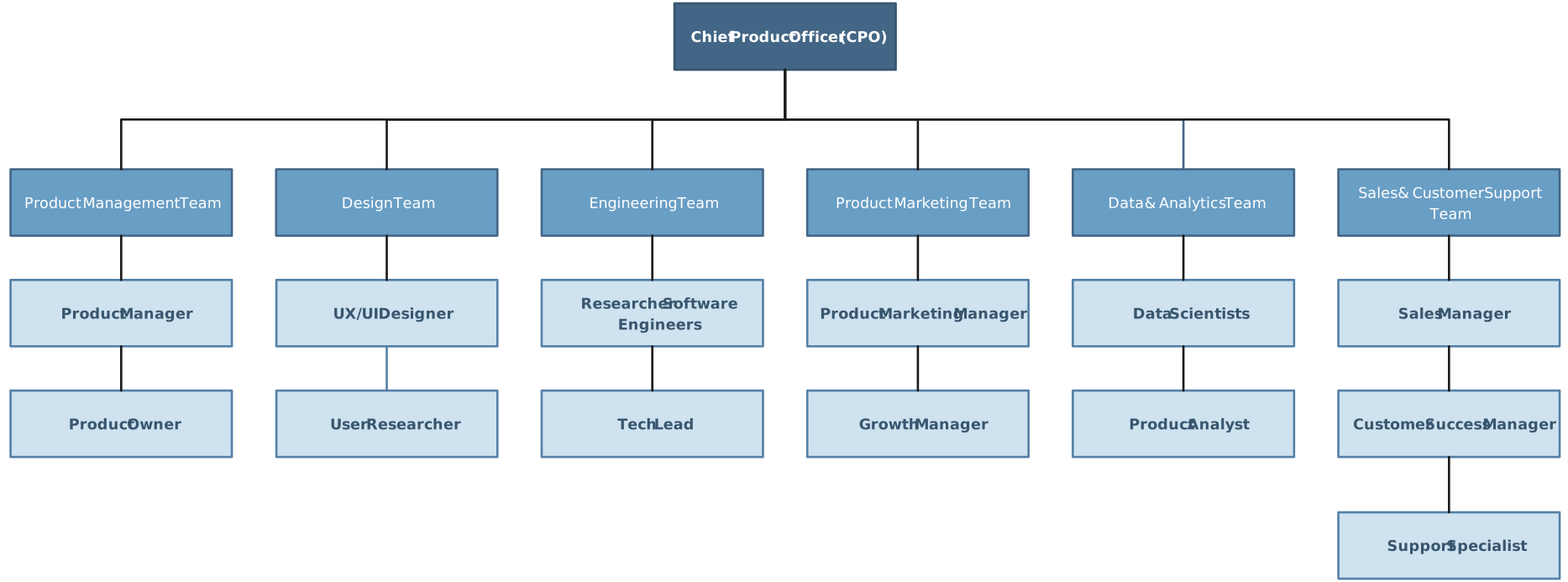
Functional Product Team Structure
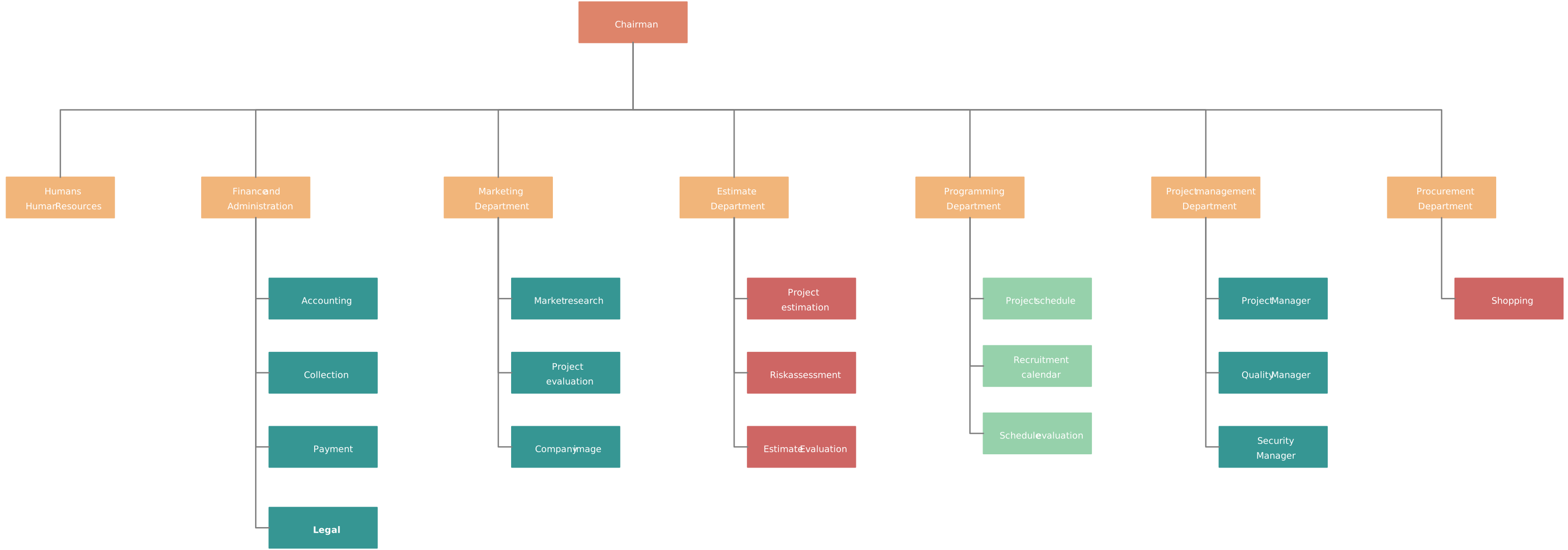
Functional Organization Chart
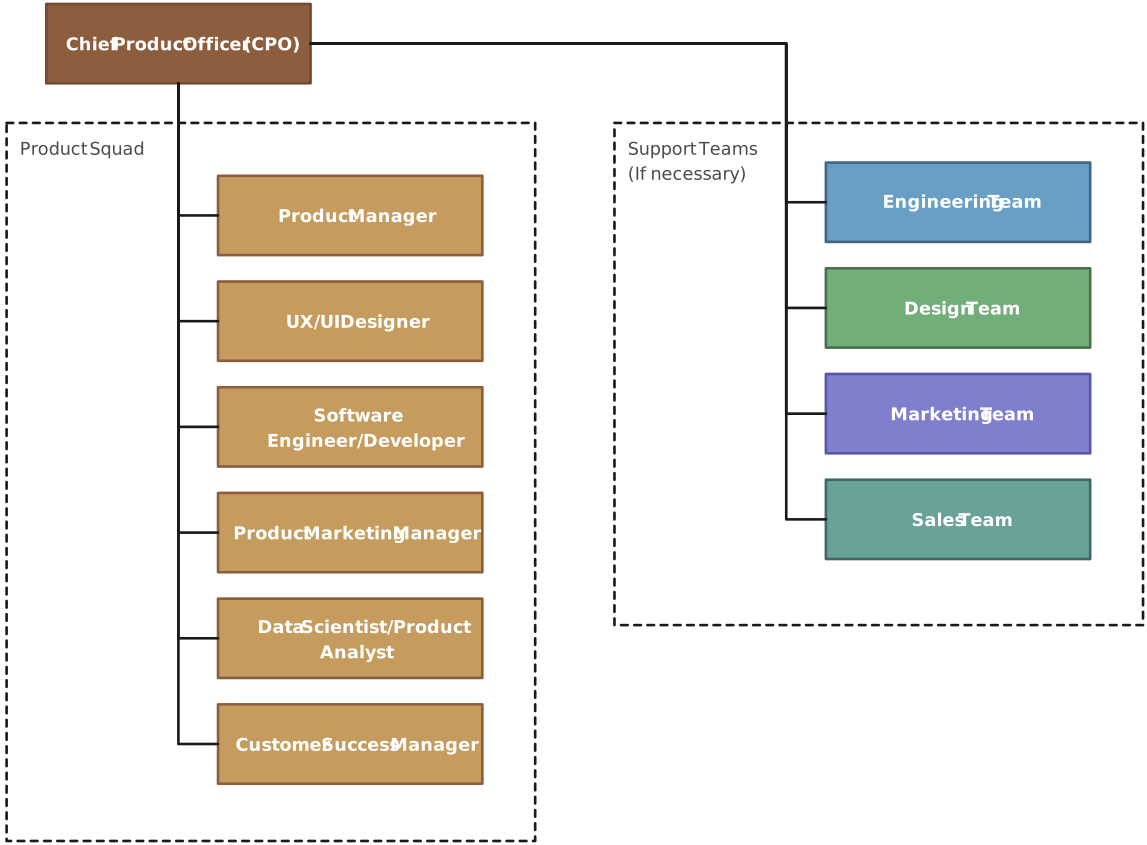
Cross Functional Product Team Structure
The biggest challenges include: Resource duplication — each division may create its own finance, marketing, or HR teams. Cultural friction — teams used to a functional setup may resist the change. Governance gaps — decision-making and reporting lines may be unclear initially. Mitigate these issues with shared services, clear KPIs, and strong change management. Look at both performance and process metrics: Decision-making speed and efficiency P&L accountability for divisions Success of cross-team projects Employee engagement and satisfaction Cost per unit of delivery or project If teams are hitting goals faster, collaborating better, and morale is high, your structure is likely working.FAQs About Divisional Structure vs Functional Structure
Functional structure vs divisional structure, which structure is better for startups?
Can a company use both (hybrid)?
What are common problems when switching from functional to divisional?
How do you measure if the structure is working?
Can a functional structure evolve into a divisional structure over time?
Which structure is better for innovation?