The right project team org chart can make a big difference in how clearly people understand roles, reporting lines, and collaboration across a project. In this guide, you’ll find practical project team org chart examples for different team setups, from cross-functional launches to client delivery teams, so you can choose a structure that fits the way your team works.
If you need help building one from scratch, pair this with your guide on how to create an org chart for project teams. This article focuses on examples of project team org charts, team setups, and what to include in each structure.
10 Project Team Org Chart Templates
1. Cross-Functional Product Launch Team Org Chart
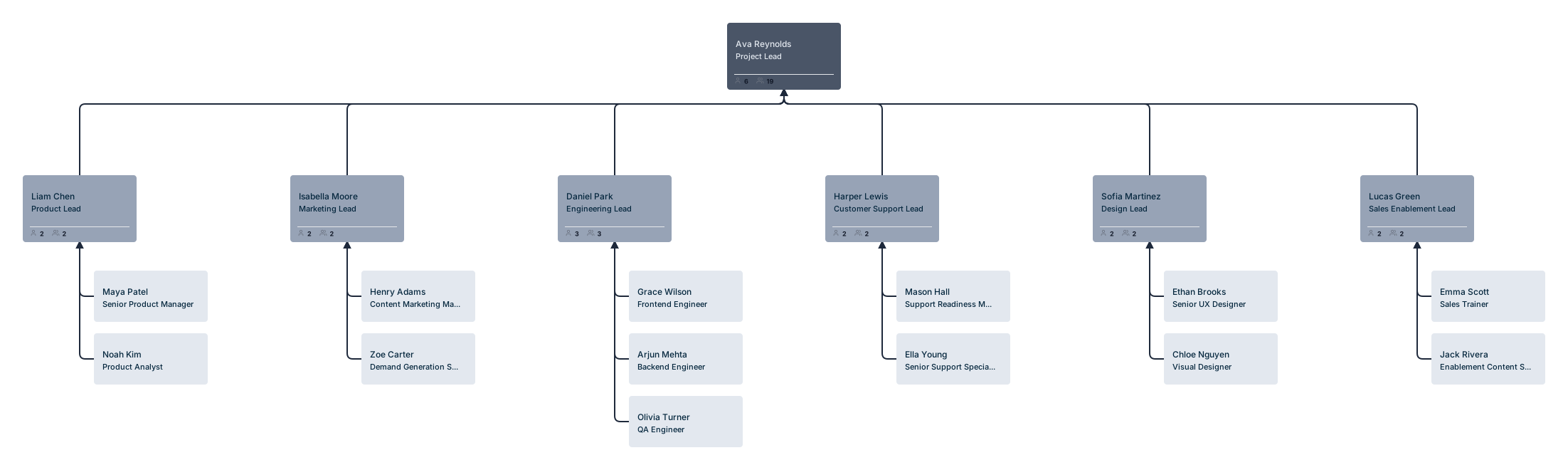

What it is: This org chart shows a project lead at the top, with workstreams for product, design, engineering, marketing, sales enablement, and customer support.
Best for: Product launches where multiple teams need to coordinate around one release, campaign, or go-to-market milestone.
What to include:
- project lead
- product lead
- design lead
- engineering lead
- marketing lead
- sales enablement lead
- customer support lead
- supporting team members under each workstream
Why this structure works: It makes cross-functional dependencies easier to see and helps teams stay aligned from product development through launch.
2. Software Implementation Project Team Org Chart
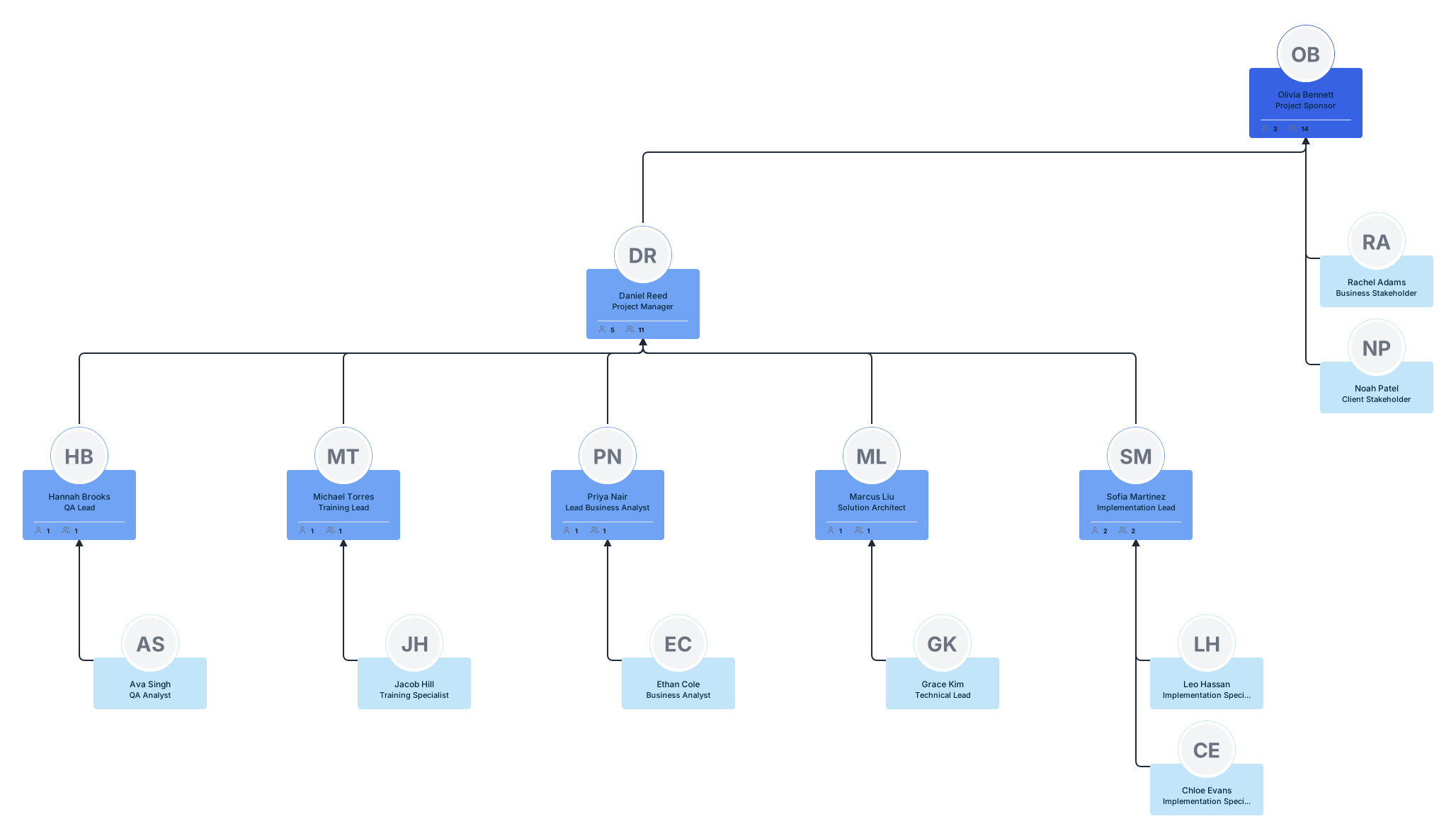
What it is: This example shows a project team built around implementing a system, platform, or internal tool.
Best for: ERP rollouts, CRM implementations, software onboarding projects, and other operational or technical implementations.
What to include:
- project sponsor
- project manager
- business analyst
- solution architect or technical lead
- implementation specialists
- QA or testing support
- training lead
- client or business stakeholders
Why this structure works: It shows how technical delivery, business input, testing, and training come together in one implementation team.
3. Agile Project Squad Org Chart
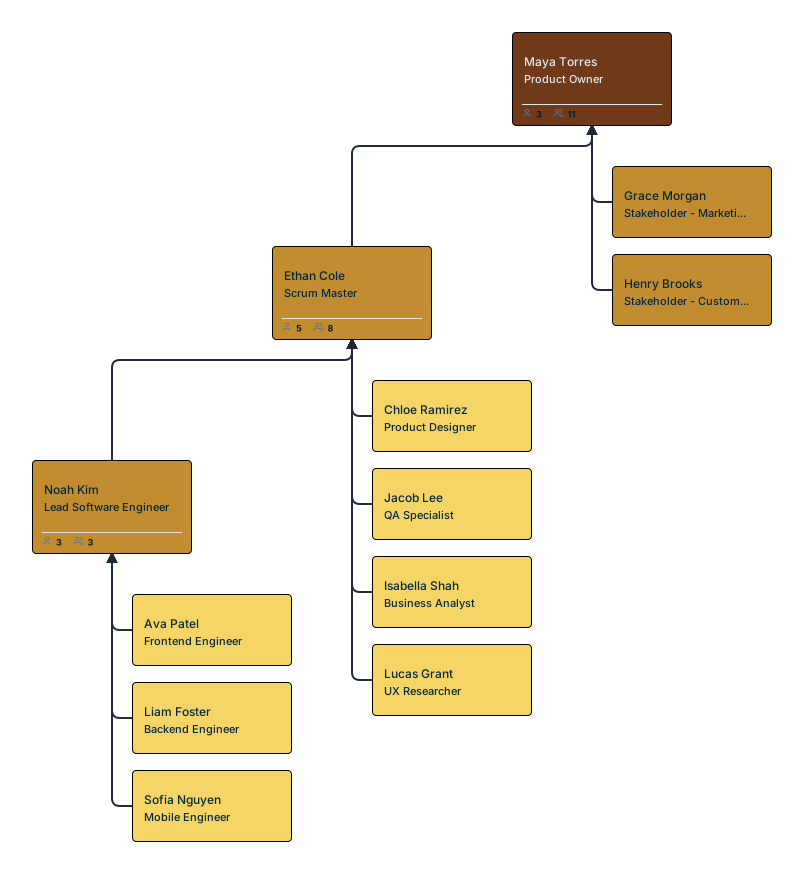
What it is: This is a flatter project team org chart built around a squad or pod.
Best for: Agile software teams, digital product teams, and fast-moving delivery teams working in sprints.
What to include:
- product owner
- scrum master or delivery lead
- engineers
- designer
- QA specialist
- business analyst or researcher
- supporting stakeholders where needed
Why this structure works: It keeps the focus on the core delivery team and supports fast collaboration across a small, cross-functional group.
4. Client Delivery Project Team Org Chart
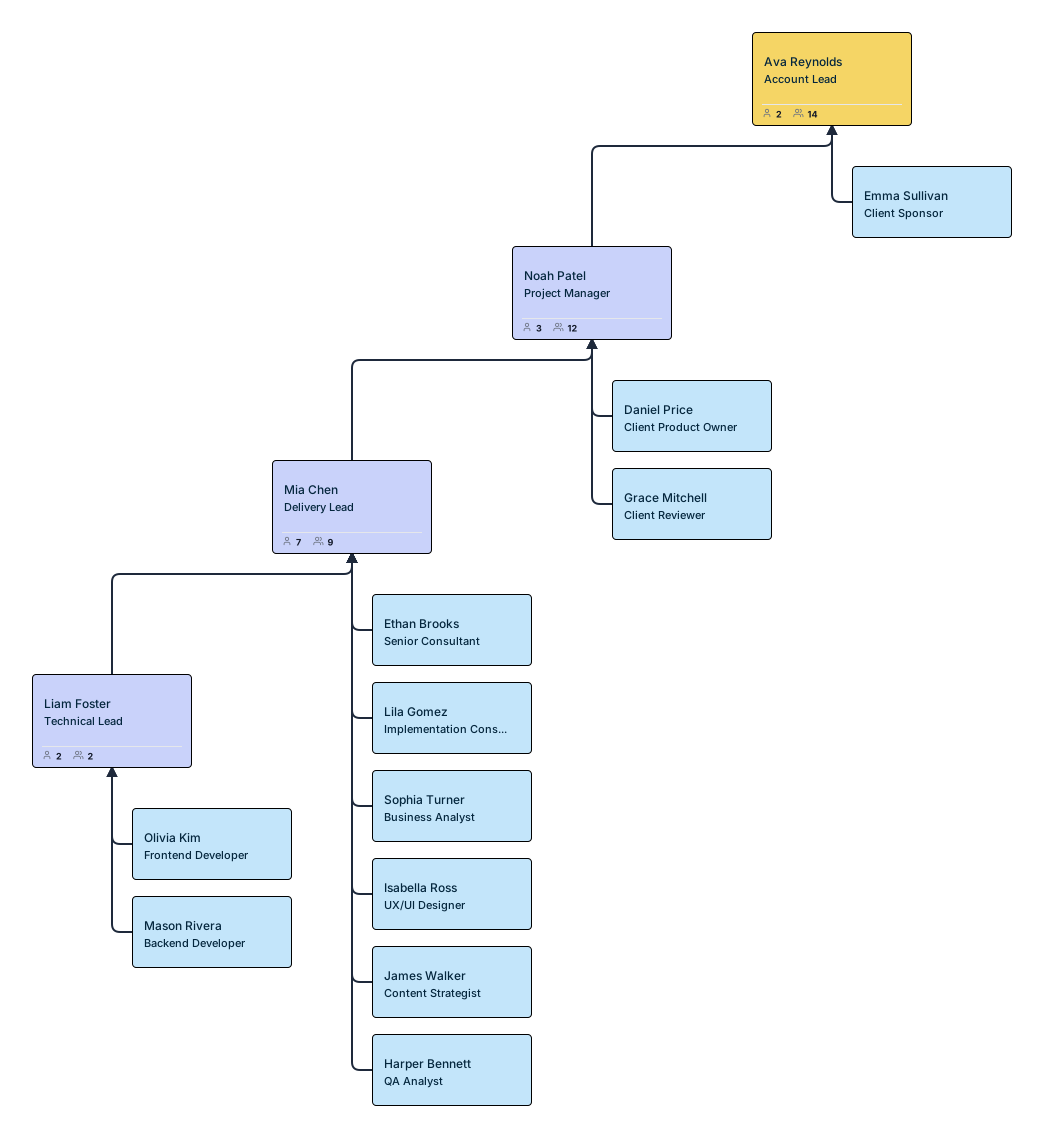
What it is: This example is built around delivering work for an external client and usually shows both the internal team and client-side touchpoints.
Best for: Agency teams, consultancies, service providers, implementation partners, and client-facing project teams.
What to include:
- account lead or client lead
- project manager
- delivery lead
- specialists or consultants
- designers, writers, analysts, or developers depending on the project
- client sponsor
- client-side reviewers or approvers
Why this structure works: It makes internal delivery and client approvals easier to coordinate.
5. Construction or Field Project Team Org Chart
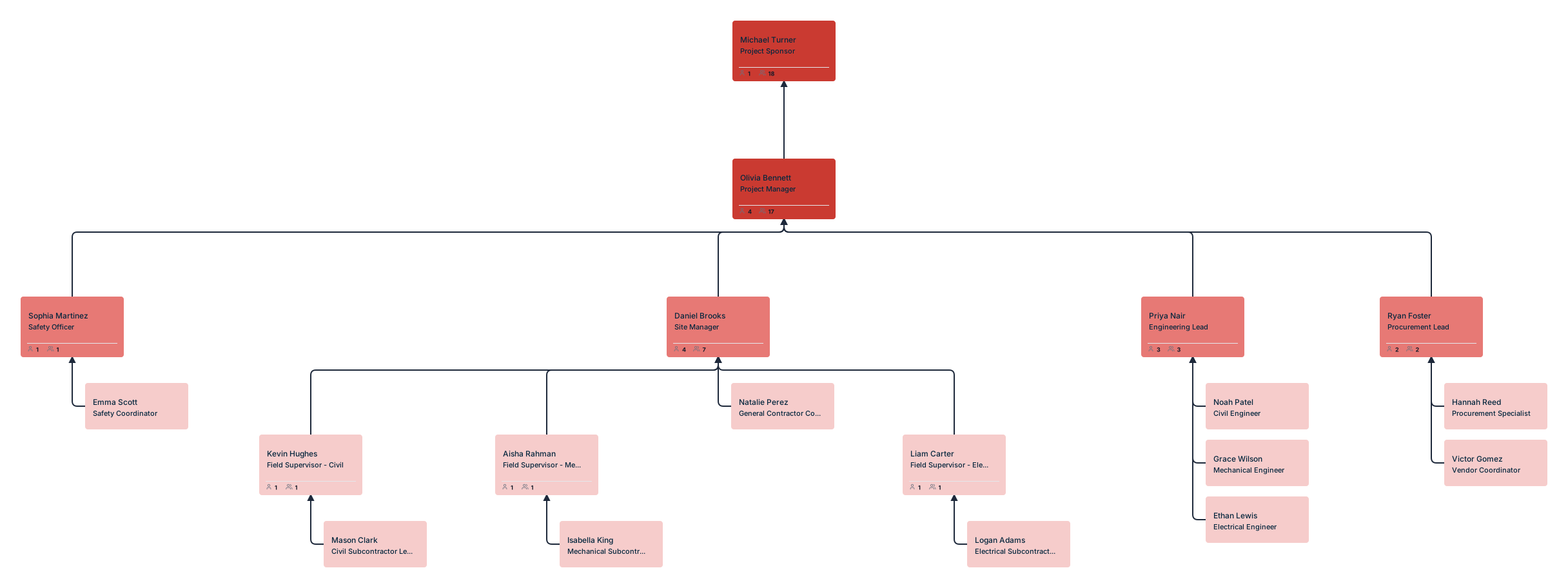
What it is: This structure shows a project team working across site leadership, technical planning, field execution, and contractor coordination.
Best for: Construction projects, engineering projects, infrastructure teams, and field-based delivery work.
What to include:
- project sponsor
- project manager
- site manager
- engineering lead
- procurement lead
- safety officer
- field supervisors
- contractors or subcontractors
Why this structure works: It connects project leadership with on-site execution and contractor coordination.
6. Marketing Campaign Project Team Org Chart
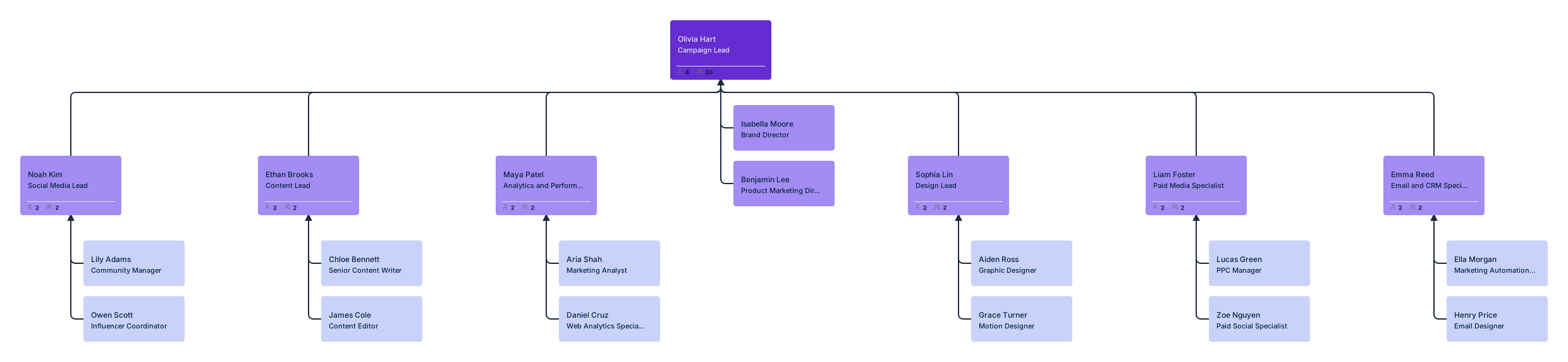
What it is: This example maps the people involved in planning, creating, launching, and measuring a marketing campaign.
Best for: Campaign launches, brand activations, seasonal campaigns, product marketing pushes, and multi-channel promotions.
What to include:
- campaign lead
- content lead
- design lead
- paid media specialist
- email or CRM specialist
- social media lead
- analytics or performance lead
- stakeholder approvers
Why this structure works: It makes creative ownership, channel responsibilities, and approval paths easier to follow.
7. Matrix Project Team Org Chart
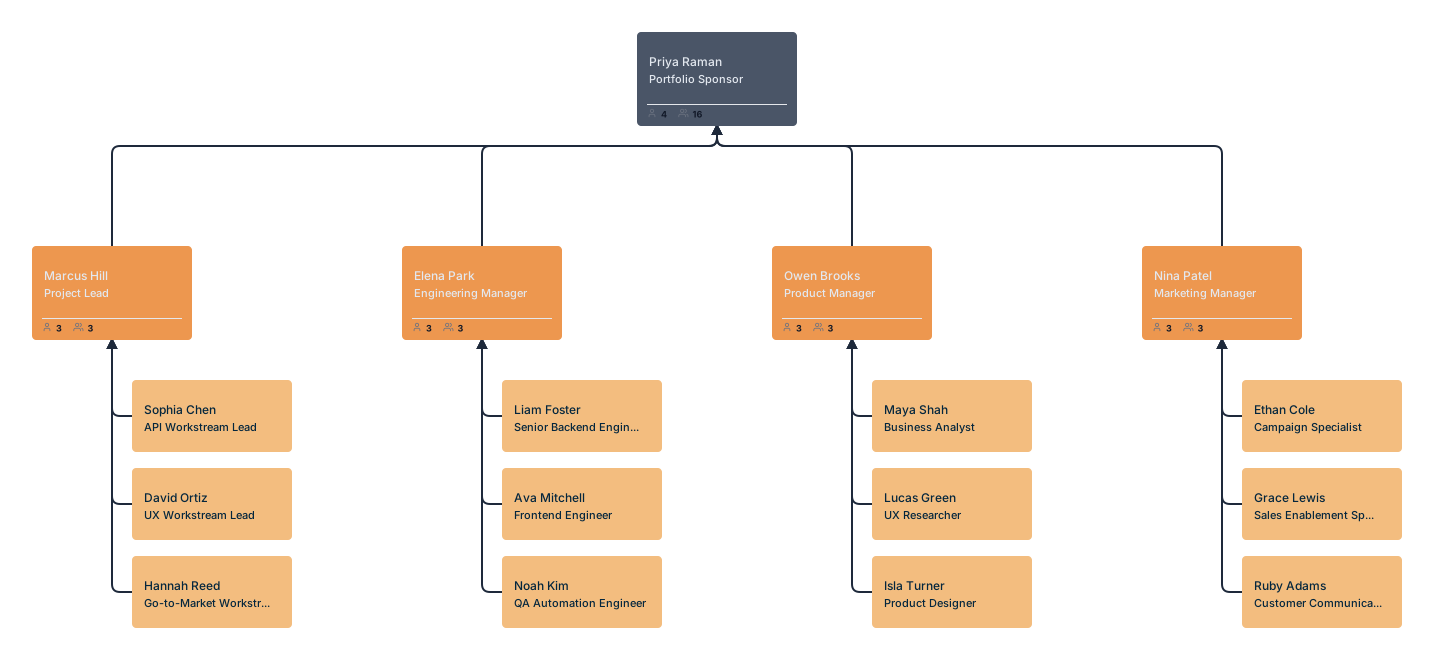
What it is: This org chart shows team members who report to one manager formally but also work under a project lead or workstream lead for delivery.
Best for: Organizations where people are assigned to projects from functional departments and have dual reporting relationships.
What to include:
- project lead
- functional managers
- workstream leads
- shared team members
- dotted-line or matrix reporting connections
Why this structure works: It shows both formal reporting and project-based collaboration in one view.
8. Workstream-Based Transformation Team Org Chart
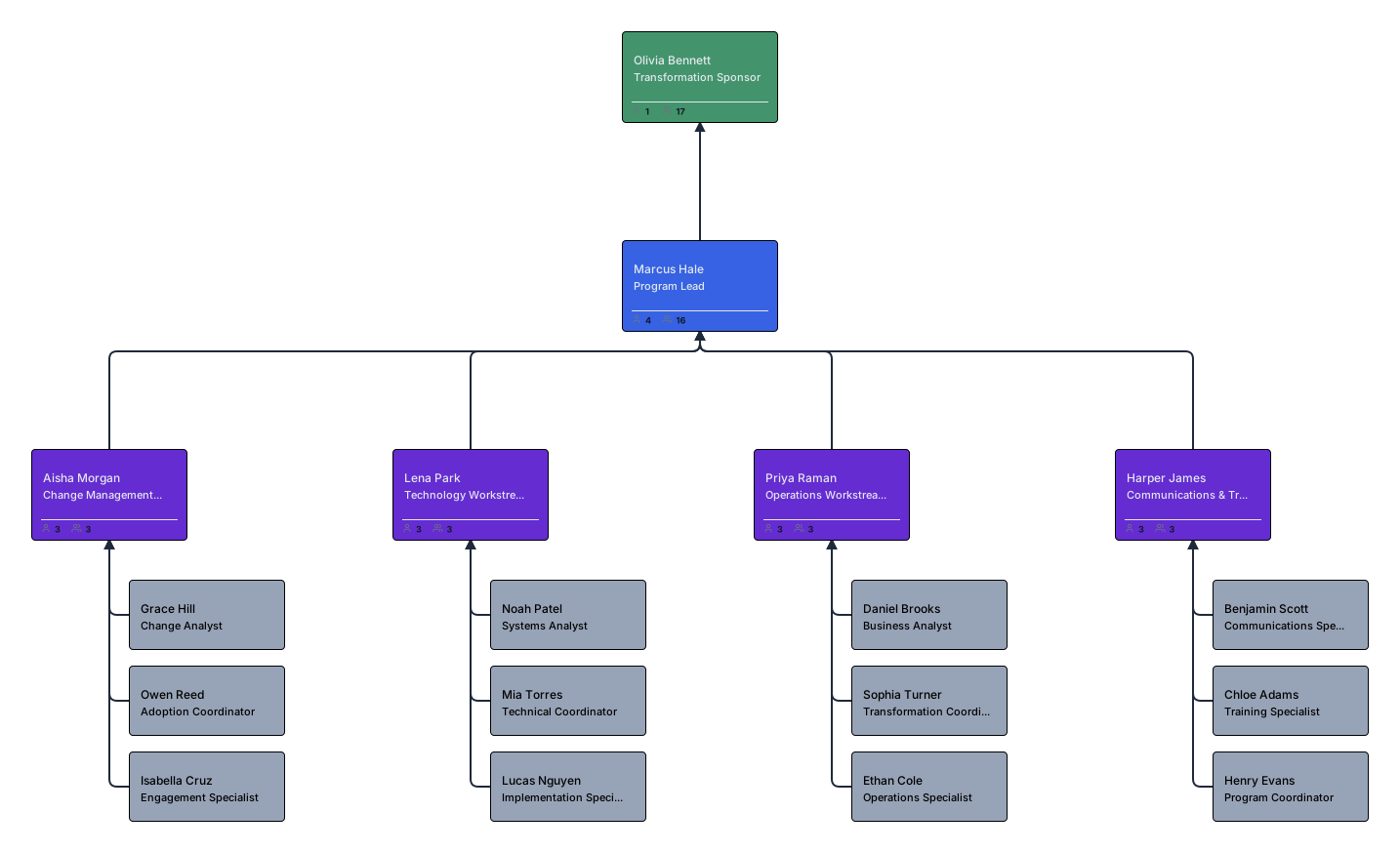
What it is: This example is organized around separate streams of work within a larger change or transformation effort.
Best for: Business transformation, digital transformation, operating model changes, mergers, restructuring projects, and enterprise-wide initiatives.
What to include:
- transformation sponsor
- program or project lead
- operations workstream lead
- technology workstream lead
- change management lead
- communications or training lead
- analysts, coordinators, and specialists under each stream
Why this structure works: It makes large, multi-stream initiatives easier to organize and track.
9. Event Planning Project Team Org Chart
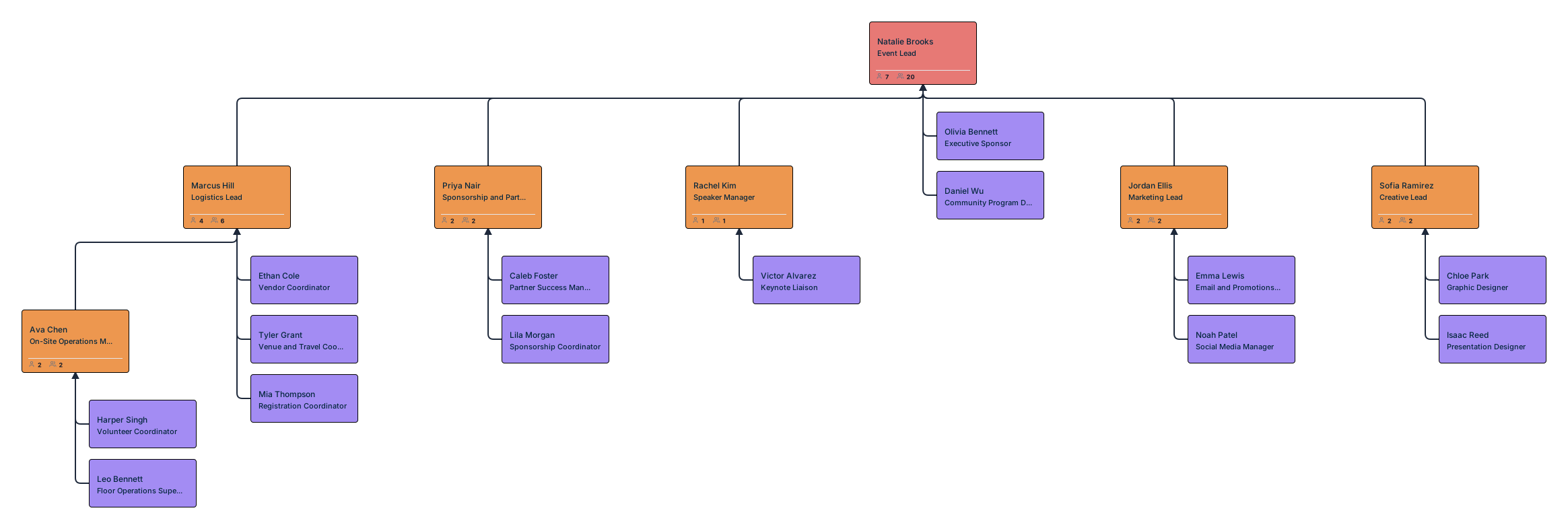
What it is: This org chart shows the team behind planning and running an event, from early coordination to on-site execution.
Best for: Conferences, corporate events, webinars, workshops, launches, fundraising events, and community events.
What to include:
- event lead
- logistics lead
- sponsorship or partnerships lead
- marketing lead
- design or creative support
- vendor coordinator
- on-site operations team
- speakers or stakeholder contacts where relevant
Why this structure works: It helps teams coordinate logistics, promotion, partnerships, and on-site delivery more clearly.
10. Research or Innovation Project Team Org Chart
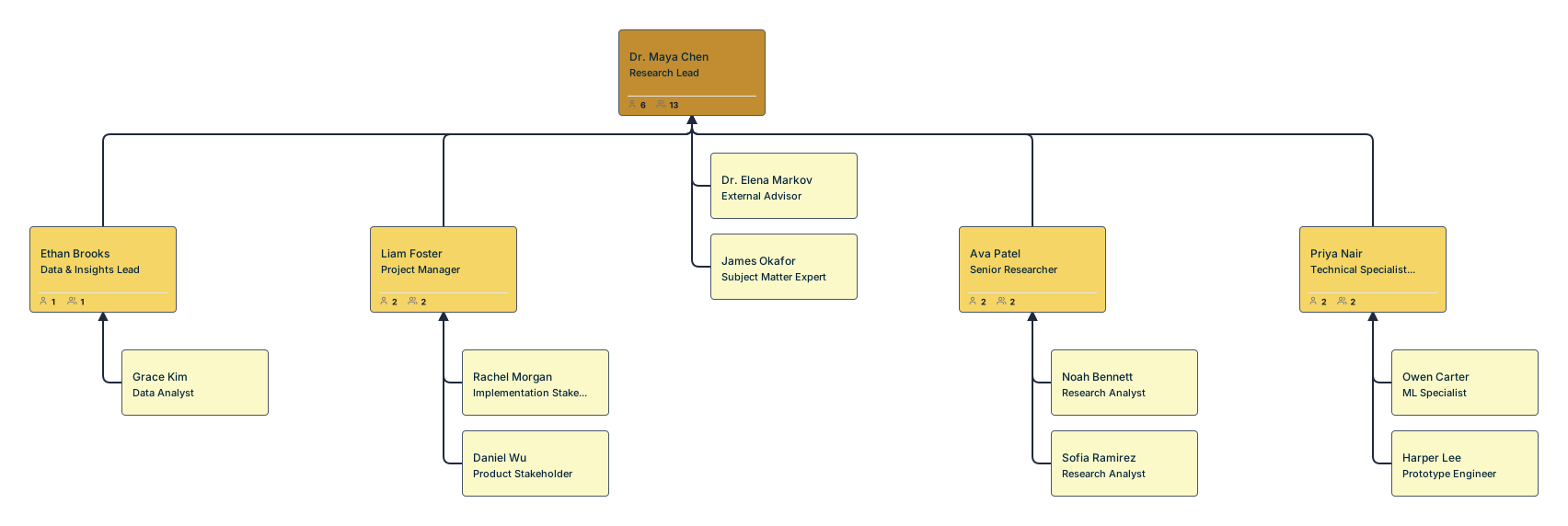
What it is: This example shows a project team built around research, experimentation, or innovation work involving different specialist roles.
Best for: R&D teams, innovation labs, discovery projects, product research teams, and pilot initiatives.
What to include:
- research lead or innovation lead
- project manager
- researchers or analysts
- technical specialists
- data or insight leads
- external advisors or subject matter experts
- implementation or product stakeholders
Why this structure works: It shows how specialist input, decision-making, and delivery connect across the project.