Effective feedback tells an employee what happened, why it mattered, and what to do next. It can reinforce a useful behavior or help someone change course. For managers, the hardest part is often moving from a vague judgment to a concrete conversation. This guide gives you a repeatable approach, sample wording, and ways to keep the next step visible.
What Makes Feedback Effective?
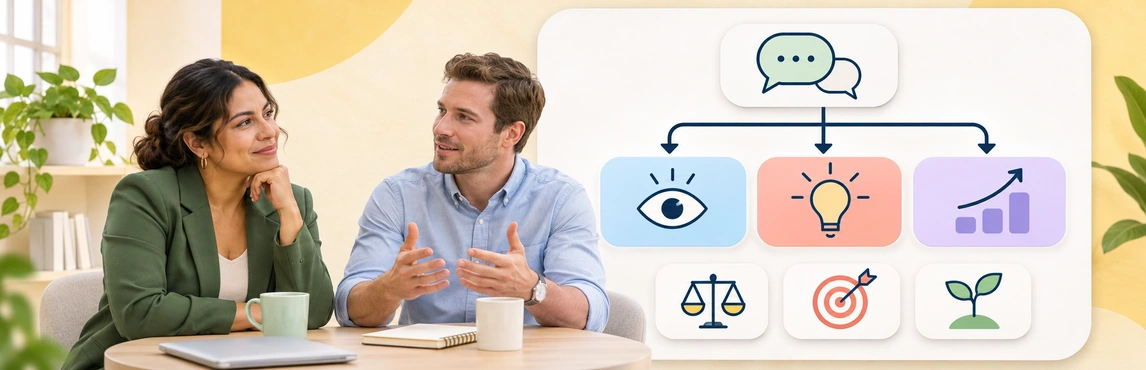
Useful feedback is specific, timely, respectful, and actionable. Name something you observed rather than assigning a trait or motive. Explain the effect on work, customers, or colleagues. Leave room for the employee to add context, then agree on a reasonable action together.
For example, “You need to communicate better” leaves too much to guess. “In Tuesday’s project update, the handoff risks were missing; the design team did not know which changes needed approval. Could we add a risks section to the next update?” identifies the event, consequence, and possible change. The employee may know of a blocker you have not seen, so ask before deciding the solution.
Positive feedback deserves the same care. Instead of “Great job,” try “Your summary at the end of today’s customer call confirmed the three decisions and owners. The team could start work without another clarification meeting.” That tells the employee what to repeat.
When and Where Should You Give Feedback?
Give routine feedback near the event, while details are fresh and there is time to act. A quick thank-you after a meeting may be enough for recognition. If the topic could embarrass the employee, affect their role, or require a longer discussion, arrange a private conversation. Avoid correcting someone in front of the team simply because the moment is convenient.
Use regular one-on-one meetings to spot patterns, hear the employee’s view, and revisit earlier agreements. A formal performance review can summarize a longer period, but it should not be the first time an employee hears about a recurring concern. For serious conduct, safety, or policy matters, follow your organization’s HR process and documentation rules.
| Moment | Useful approach |
|---|---|
| A behavior helped the team today | Recognize the specific action and its effect promptly. |
| A correctable issue happened once | Check the facts, then discuss it privately while it is fresh. |
| A pattern is emerging | Bring two or three observed examples to a one-on-one and ask what is getting in the way. |
| A formal review is due | Summarize previously discussed evidence, progress, and development goals. |
How to Give Feedback: A Manager’s Five-Step Conversation
1. Prepare one observable example
Write down the date or setting, what you saw or heard, and its effect. Separate evidence from interpretation. “The client received the estimate two days after the agreed date” is observable; “You do not care about clients” is a guess. Check whether expectations and resources were clear before you meet.
2. State the behavior and its impact
The Center for Creative Leadership’s Situation–Behavior–Impact (SBI) model gives managers a simple structure: describe the situation, the behavior you observed, and the impact it had. Use it for praise as well as corrective feedback. It helps keep the discussion about work rather than personality.
Constructive example: “During yesterday’s handoff meeting (situation), you moved to the next topic before the support owner confirmed the escalation steps (behavior). Support had to ask for clarification afterward, and the customer reply was delayed (impact). What did you notice about that handoff?”
Positive example: “In Monday’s planning meeting (situation), you asked each owner to confirm the next milestone (behavior). We left with clear responsibilities and avoided two duplicate tasks (impact). Please keep doing that on cross-team projects.”
SBI describes what happened; it does not settle why. Pause after the impact and listen. The employee may correct a mistaken assumption or identify a constraint you can help remove.
3. Ask for the employee’s perspective
Try “How did you see it?”, “What made that difficult?”, or “What would help next time?” Listen without treating every explanation as an excuse. If you disagree on the facts, check the work record or another relevant source before agreeing on a plan.
4. Agree on one next action
Choose a change that the employee can actually perform and that you can observe. For the handoff example, you might agree to add an owner-confirmation line to the meeting agenda and have the manager review it for the next two handoffs. Write down who owns the action and what support is needed. If the employee suggests a better way to reach the same outcome, use it.
5. Return to the conversation
At the next check-in, compare the agreed action with what happened. Recognize progress with another concrete example. If progress stalled, ask what blocked it and revise the plan. Regular follow-up makes the original conversation useful without turning every check-in into a formal review.
Two Feedback Models to Choose From
| Model | Best used for | What to capture |
|---|---|---|
| Situation–Behavior–Impact | A specific event you witnessed | The setting, observable action, and effect. |
| Start Stop Continue | A broader check-in or review of work habits | Behaviors to begin, change, and repeat, with examples. |
SBI is useful when you can point to a particular event. It helps you explain an observed action and its impact in a few sentences. Add a question and an agreed next step so the conversation leads to action.
Start Stop Continue helps when you want to review a broader period or invite a more balanced discussion. Ask what the employee should start doing, stop doing, and continue doing, using one concrete example for each useful category. It also gives the employee a way to offer feedback to you. Creately has an editable Start Stop Continue feedback guide and template. Use this framework selectively; do not force a “stop” item when there is no meaningful behavior to change.
Start Stop Continue Feedback for an Employee
Use this existing board to prepare a few specific points, then invite the employee to add their perspective. Keep personal performance notes in a workspace with appropriate access rather than on a broadly shared team board.


How to Use a One-on-One for Feedback
A feedback conversation needs room for the employee’s questions and priorities. Share the agenda before the meeting if the issue warrants preparation. Start with their updates, discuss one or two feedback examples, and finish with decisions and support. A workable agenda is:
- Check in: What is going well, and what feels blocked?
- Review progress: What happened with the action from the last meeting?
- Discuss feedback: Share a specific example; ask for the employee’s view.
- Choose next steps: Agree on the action, owner, support, and review date.
- Invite upward feedback: Ask what you should keep doing or change as their manager.
The Creately one-on-one meeting template gives you a visual place to organize talking points, notes, and outcomes. You can edit the workspace together and add comments for follow-up. Decide who can see it before entering sensitive employee information; Creately is a discussion and planning space, not a replacement for your organization’s official personnel record.
Weekly Employee One-on-One Meeting Template
Use this existing template to keep the agenda and agreed actions consistent across check-ins. It is especially helpful when feedback spans several weeks rather than one incident.

Turn Feedback Into a Development Plan
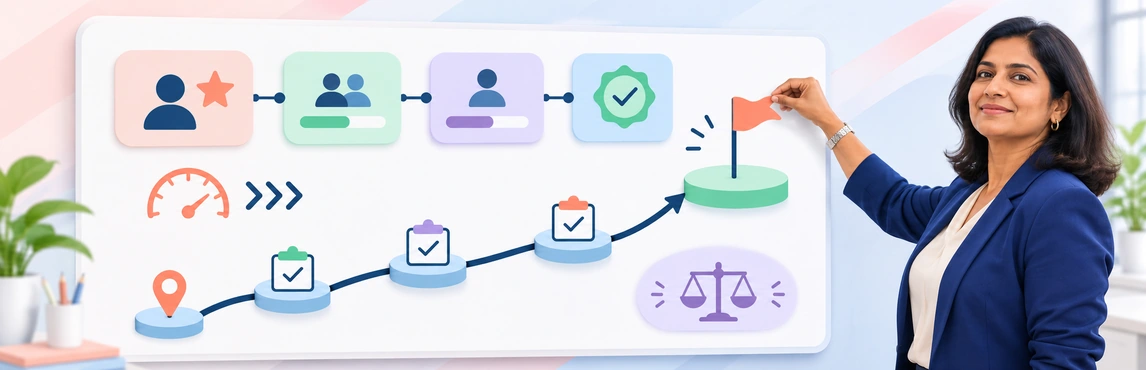
After the conversation, record only what the employee needs to act: the agreed behavior or goal, evidence of success, who will help, and when you will check in. For example:
| Agreed action | Evidence to review | Support | Check-in |
|---|---|---|---|
| Confirm the support owner and escalation steps before closing each handoff meeting. | The next two handoff notes show a named owner and confirmed steps. | Manager provides a short agenda prompt. | Next two weekly one-on-ones. |
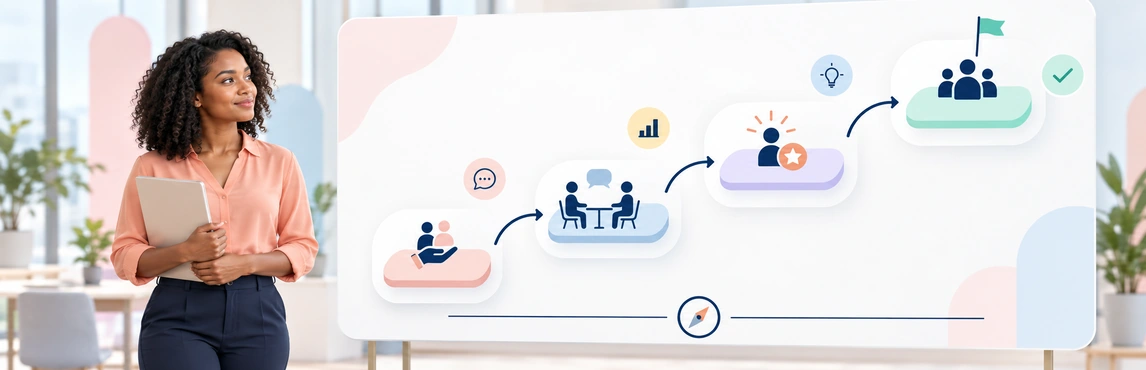
For a skill that needs more than one practice cycle, move the action into an employee development plan. A performance review template can then summarize observed progress at the appropriate review date. Creately’s shared canvas can hold a meeting agenda beside the plan, with comments and notes for context, but the manager still needs to verify progress and make the people decision.
Common Feedback Mistakes to Avoid
- Vague praise or criticism: Name the action and its effect so the employee knows what to repeat or change.
- Guessing motives: Ask what happened before concluding that someone was careless, resistant, or disengaged.
- Saving everything for review season: Raise routine issues while they are relevant and use the review to summarize an ongoing conversation.
- Giving too many instructions at once: Agree on the highest-priority change and a realistic check-in.
- Treating the conversation as a monologue: Ask for the employee’s view and be prepared to adjust your own support.
- Sharing notes too widely: Use access appropriate to the sensitivity of employee feedback and follow your HR policy.
Templates for Employee Feedback and Follow-Up
The two examples above help you run the feedback conversation. These additional, existing Creately templates support preparation, formal review, and development without repeating those examples.


Helpful Resources for Managers
See more examples of balanced feedback for employees, managers, and peers.
Prepare a formal review using evidence, goals, and a development plan.
Turn a longer-term growth goal into actions and milestones.