Pacesetting leadership is a way of leading by setting a demanding performance standard, demonstrating it yourself, and expecting others to keep up. It can help an experienced team deliver a clear, urgent goal. Used continuously or without enough support, it can also make the work harder to sustain.
This guide explains when to use the style, when to switch approaches, and how to make expectations visible without turning every week into a deadline sprint.
What Is Pacesetting Leadership?
In Daniel Goleman’s framework of six leadership styles, the pacesetting leader models excellent work and expects competent colleagues to deliver at a similar level. The leader often gives people room to execute rather than prescribing each step. That combination of high standards and limited direction matters: it assumes the team already has the skills, context, and resources to succeed.
For example, a design lead might show what a polished handoff looks like, agree on a release date with experienced designers, and let each person own their part. That differs from simply asking everyone to work faster. A target becomes useful only when people understand the quality bar, priorities, and what can be deferred.
Pacesetting is one option among several management styles. It is a choice for a situation, not a permanent description of a good manager. Goleman’s original discussion of leadership styles emphasizes that effective leaders draw on different styles as conditions change.
Pacesetting Leadership: Pros and Cons
| Potential advantage | What to watch for |
|---|---|
| A visible example clarifies what good work looks like. | The leader’s own pace may be unrealistic for others with different workloads. |
| Skilled team members can act quickly without waiting for detailed instructions. | Newer team members may need coaching that the leader has not provided. |
| A focused push can help a team complete a defined, urgent deliverable. | If every project becomes an urgent push, fatigue and quality problems can build. |
| Clear ownership can help people move independently. | People may hesitate to raise risks if they think the only acceptable answer is “done.” |
These are possible outcomes, not guarantees. The team’s experience, workload, trust, and the nature of the task determine which side becomes more visible.
When Does Pacesetting Work Best?
Use pacesetting selectively when the work is familiar, the team is capable, and the goal has a clear finish line. A short product release, an incident follow-up with known steps, or a deadline for a well-practiced team may fit. Ask these questions first:
- Is the outcome specific? Define the deliverable, quality bar, and deadline together.
- Does the team have the skills? If people are learning the work, coaching is likely more useful.
- Is there enough capacity? Check current commitments and decide what will move or stop.
- Can people flag problems safely? Make it easy to raise a dependency or ask for a decision early.
- When will the pace end? Agree on a review point and what normal working rhythm looks like afterward.
Pacesetting is a poor fit for exploratory work that needs many ideas, major change with uncertain requirements, or a team that needs support to learn a new skill. In those cases, the leader may need to invite input, explain direction, or coach rather than rely on an example and a high bar.
Pacesetting Leadership Examples
A focused use: A release with a defined scope
A product team has two weeks to prepare an update for a committed launch. The manager shares an example of a complete release checklist, names the required checks, and asks each experienced owner to flag blocked items daily. The team agrees to defer a lower-priority enhancement. At the end of the launch, the manager reviews defects, workload, and lessons with the team before setting the next schedule.
The high standard is useful because the scope is bounded, the tradeoff is explicit, and the team has a way to ask for help.
An overused approach: Every week is a sprint
Another manager expects the same speed from a new team while adding requests each day. They redo work themselves whenever a draft falls short, but never explain the standard or adjust priorities. People begin hiding delays and stop suggesting improvements. The problem is not the wish for good work; it is the missing support, capacity check, and opportunity to learn.
How to Use Pacesetting Without Burning Out Your Team
- Set a standard people can see. Show a strong example or a short checklist. Explain which details are essential and which are flexible.
- Agree on the tradeoffs. If a deadline is tight, decide what work will wait. Do not treat extra hours as the plan.
- Give capable people ownership. Agree on outcomes and decision boundaries, then let them choose how to deliver.
- Check progress and workload together. In a one-on-one meeting, ask what is blocked, what support is missing, and whether the pace is still workable. Make it safe to say no to an added request.
- Coach instead of taking over. If a person needs a new skill, give feedback and time to practice rather than repeatedly doing the task for them.
- Review and reset. After the milestone, compare the result with the cost in time, quality, and team energy. Keep the useful standard; change the pace if it cannot be sustained.
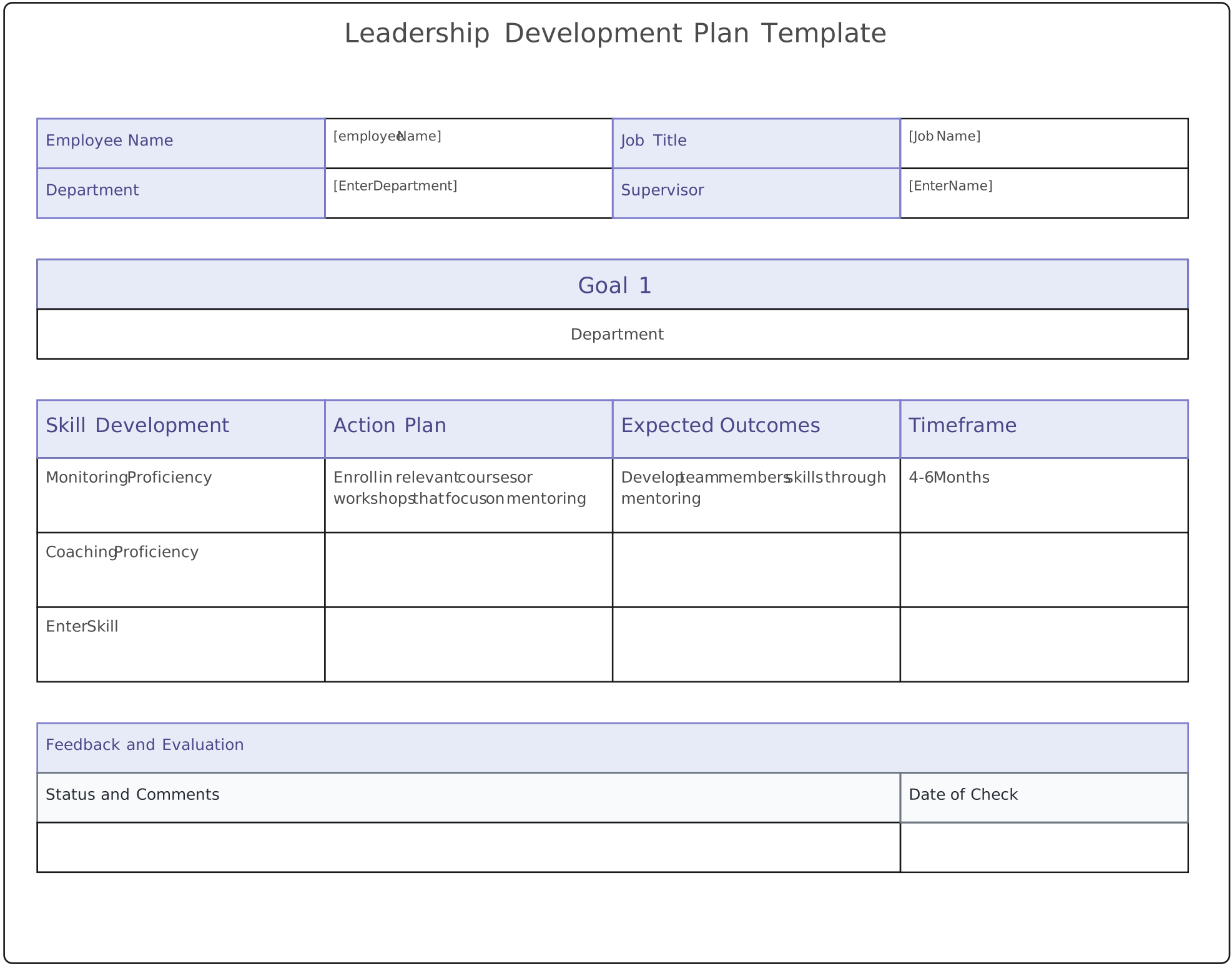
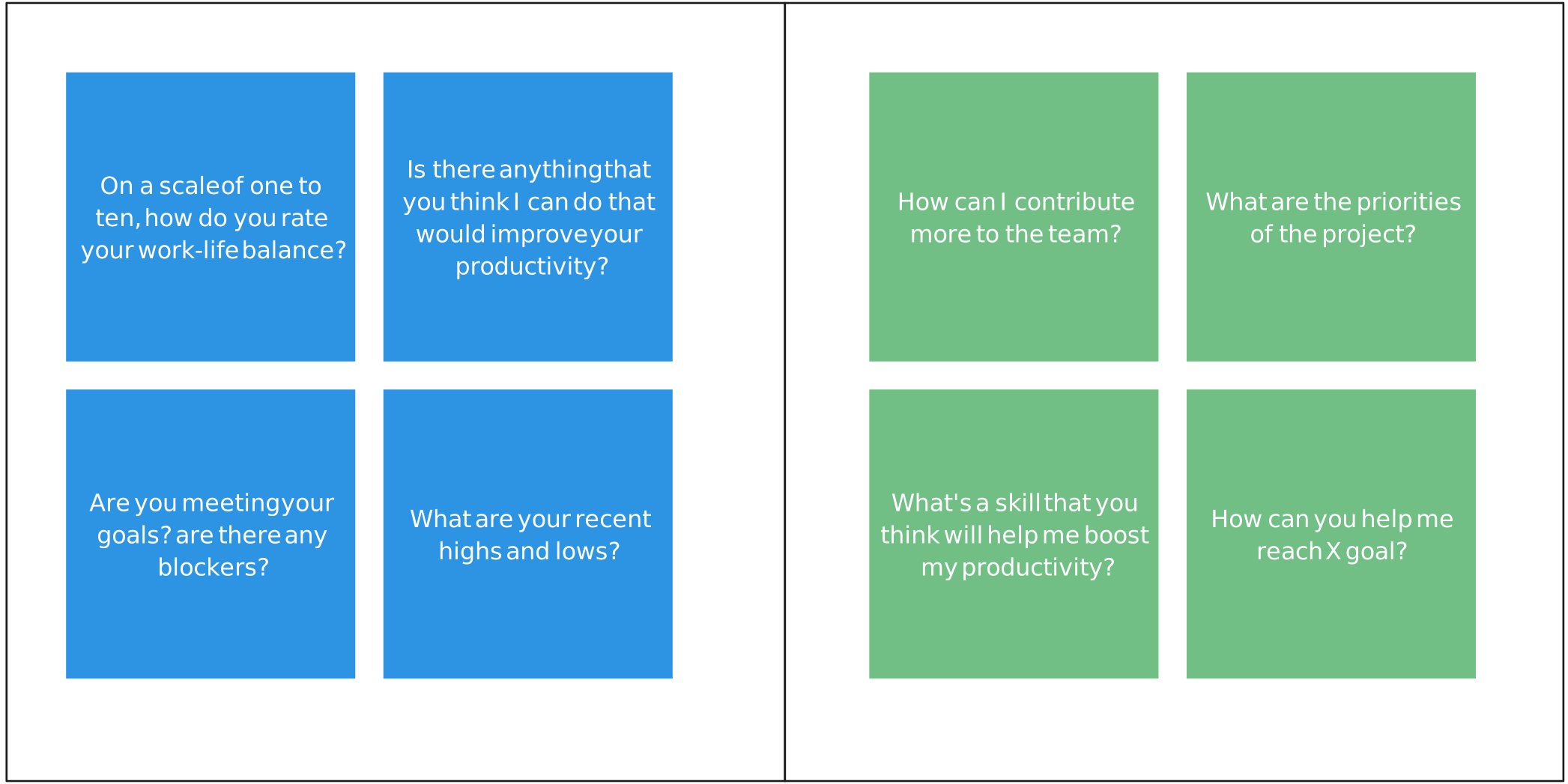
A leadership development plan can help a manager record which situations suit this style, what warning signs to watch, and which alternative style to practice. A 1:1 agenda gives the team a recurring place to surface workload and support needs.
Pacesetting vs Coaching Leadership
| Question | Pacesetting | Coaching |
|---|---|---|
| Immediate focus | Deliver a clear outcome to a high standard | Develop capability for future work |
| Best fit | Experienced people doing familiar work | People learning or expanding a skill |
| Leader’s main contribution | Model the standard, clarify priorities, remove blockers | Ask questions, give feedback, make room to practice |
| Common failure | Pressure without enough support or recovery | Development conversations without clear next actions |
The styles are not mutually exclusive. A manager might pace a short release with an experienced team, then coach a newer colleague through the next cycle. The important decision is whether the people and task fit the approach now.
Templates for Leading at a Sustainable Pace
Use these existing Creately templates to make a high standard easier to discuss and review. The development plan is for the manager’s own style choices; the 1:1 meeting template is for conversations with team members. Neither is a dedicated pacesetting-style matrix.