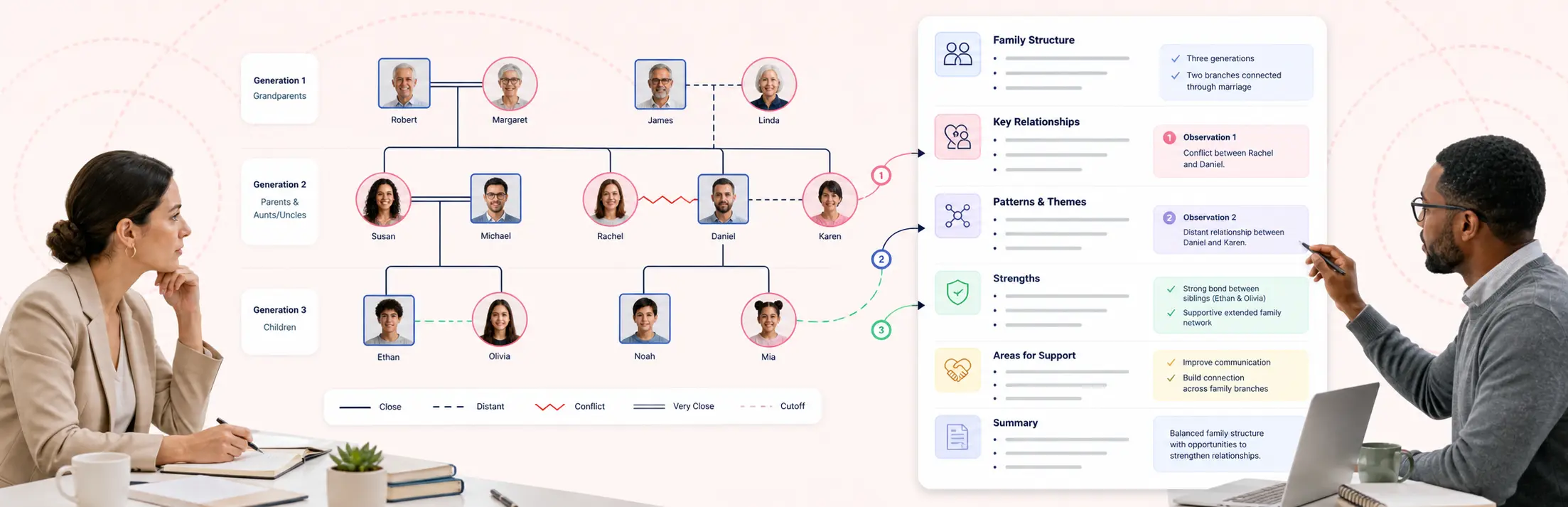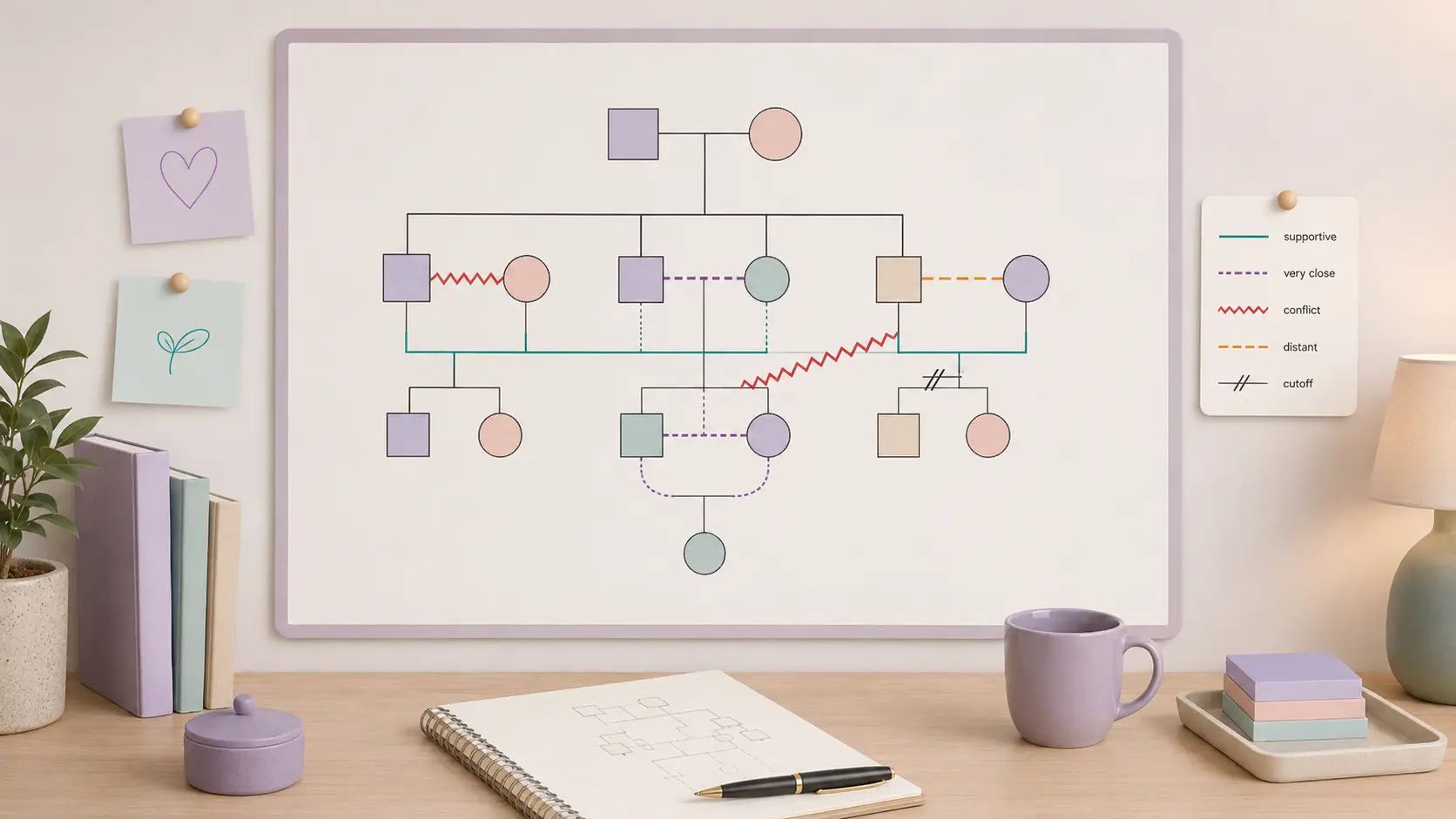
Graduate genogram assignments vary by course and program. One class may ask you to map your family of origin, while another focuses on a clinical case, cultural influences, or family health history. The examples below cover some of the most common graduate-level assignments and show what information to include in each one. Choose the template that best matches your assignment, then customize it instead of starting from scratch.
Before you begin, check your assignment brief for the required number of generations, notation system, and whether you should use your own family, a fictional family, or a client case. Use fictional or de-identified information whenever required by your institution or placement.
Genogram Assignment Examples for Graduate Students
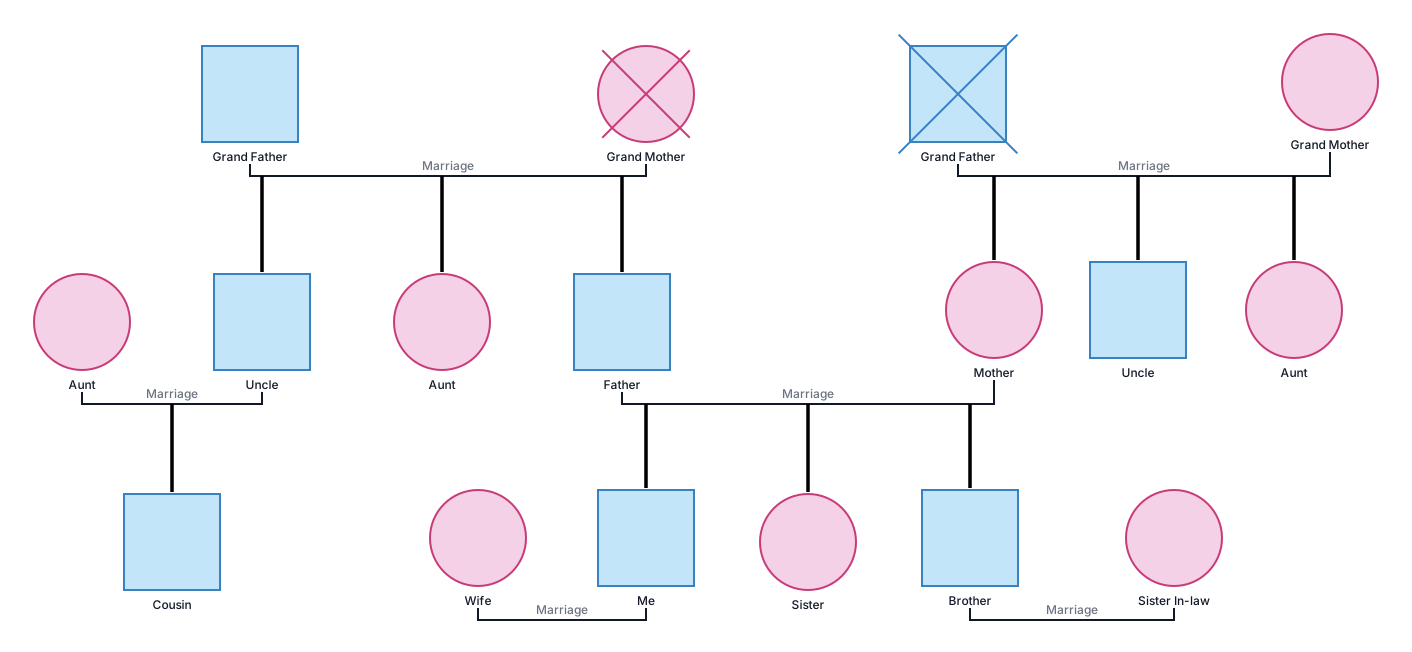
1. Three-Generation Family-of-Origin Genogram

Use this example when
Your assignment asks you to explore your own family across multiple generations and identify recurring family patterns.
Common in
- Counseling
- Psychology
- Social Work
- Marriage and Family Therapy (MFT)
Include
- Yourself as the index person
- Parents, siblings, grandparents, and other close relatives
- Marriages, separations, divorces, remarriages, and children
- Emotional relationships
- Major life events
- Relevant health or mental health information
- Family strengths and challenges
Why instructors assign it
This assignment helps you understand how family experiences, relationships, and behaviours may influence later development, communication, and decision-making.
Creately Tip
Paste your family notes into Creately’s AI text-to-genogram tool to create the first draft. Then use the quick-add shortcuts or right-click menu to add missing parents, siblings, partners, and children. Activate the Family Therapy field pack to record family roles, attachment styles, coping patterns, and important experiences without crowding the diagram.
2. Self-of-the-Therapist Genogram
Use this example when
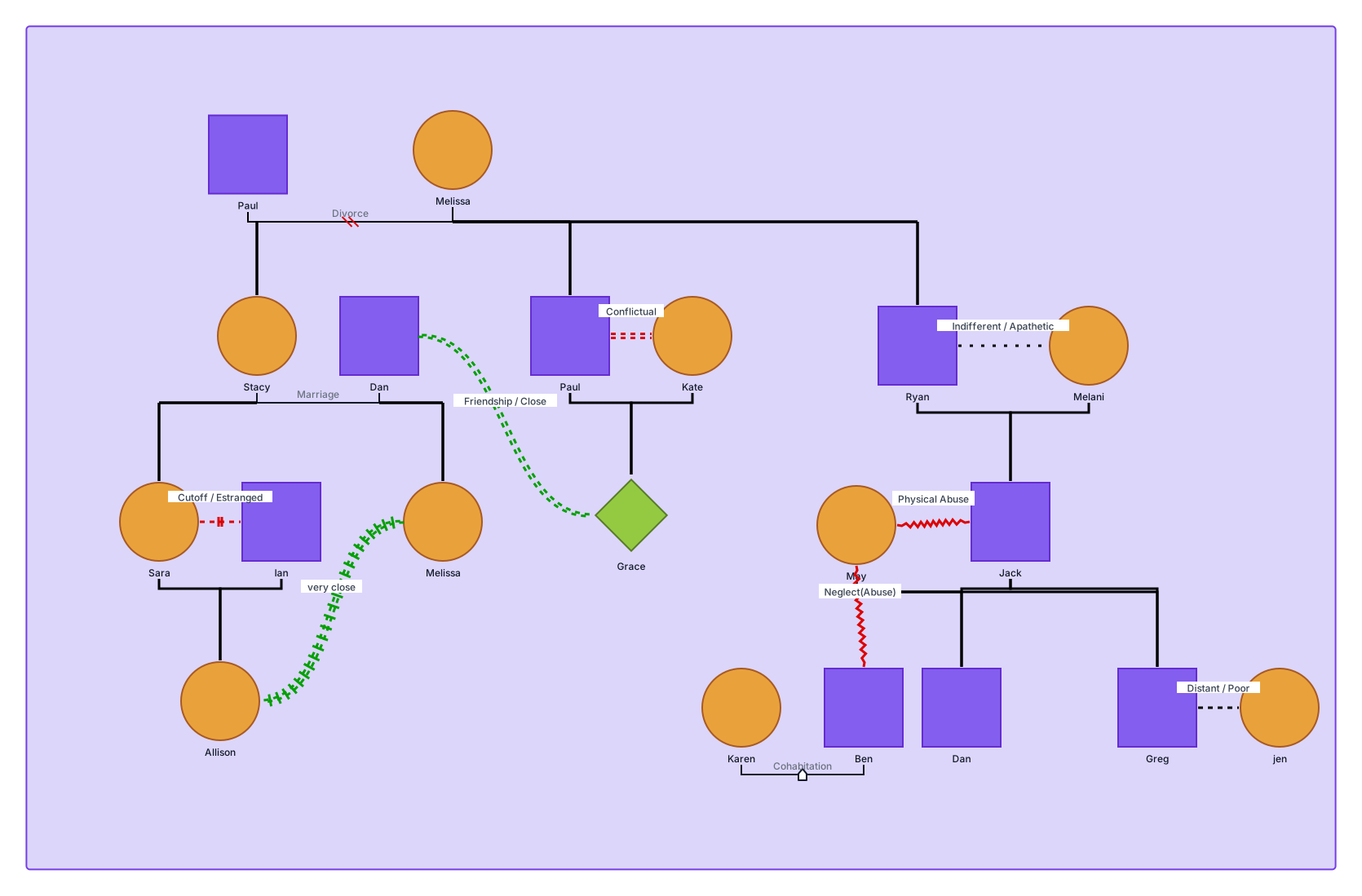
Your assignment asks you to reflect on how your own family experiences may influence your future work with clients.
Common in
- Counseling
- Marriage and Family Therapy
Include
- Family relationships
- Emotional boundaries
- Family roles
- Caregiving responsibilities
- Communication patterns
- Cultural and religious influences
- Significant losses or life events
- Family strengths
Why instructors assign it
The goal is to increase self-awareness and help you recognize personal experiences that may influence your professional practice.
Creately Tip
Use the Family Therapy field pack to document family roles, attachment patterns, trauma history, and coping strategies. Add emotional relationship types such as closeness, conflict, distance, cutoff, or fusion, then use the Genogram Assistant to review the diagram for repeated relational patterns or missing information.
3. Clinical Case Genogram
Use this example when
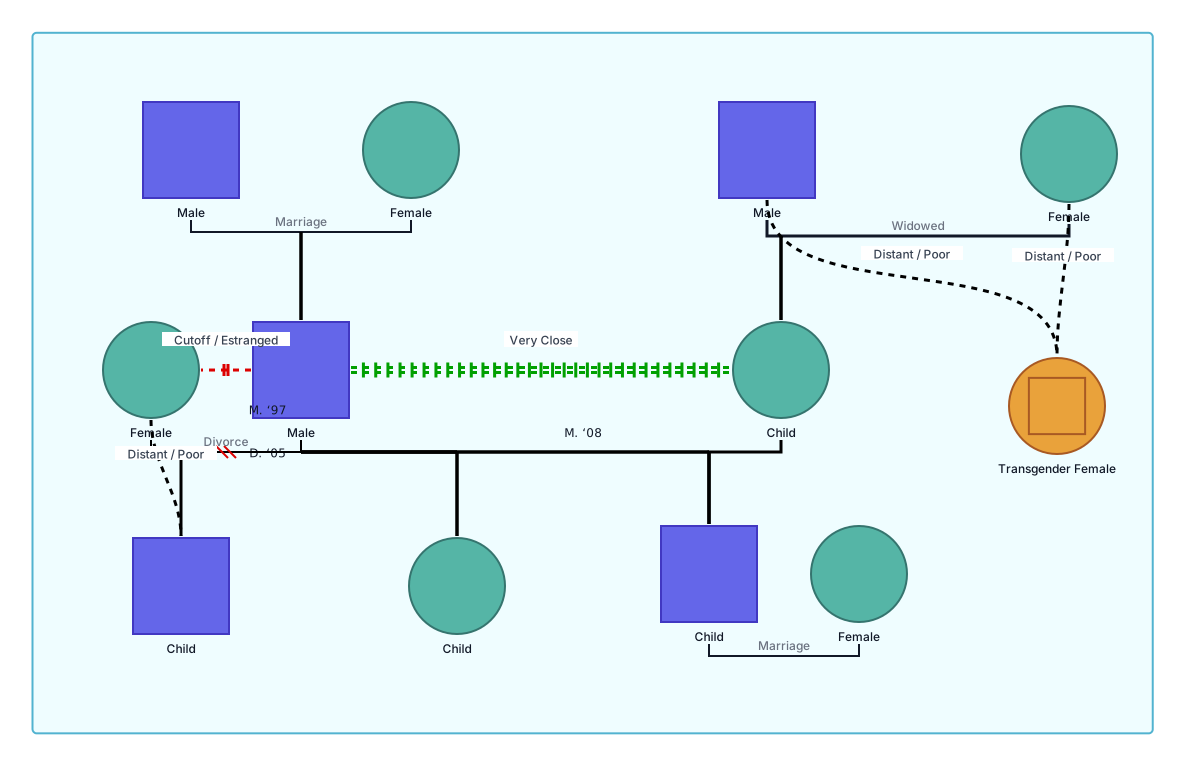
You are analyzing a client, case study, or simulated family instead of your own family.
Common in
- Counseling
- Psychology
- Social Work
Include
- The client or index person
- Household members
- Relevant extended family
- Presenting concerns
- Emotional relationships
- Risk factors
- Protective factors
- Important family events
- Unknown or missing information
Why instructors assign it
This type of genogram helps organize information for assessment, treatment planning, and case discussions.
Creately Tip
Build the case from intake notes using AI text-to-genogram generation, then review the suggested relationships before adding them. Use the Genogram Assistant to check for disconnected relatives, missing relationships, evidence gaps, and incomplete case details. When the diagram is ready, generate a PDF or DOCX case report that includes the genogram, person profiles, relationships, observations, and symbol legend.
4. Family Health History Genogram
Use this example when
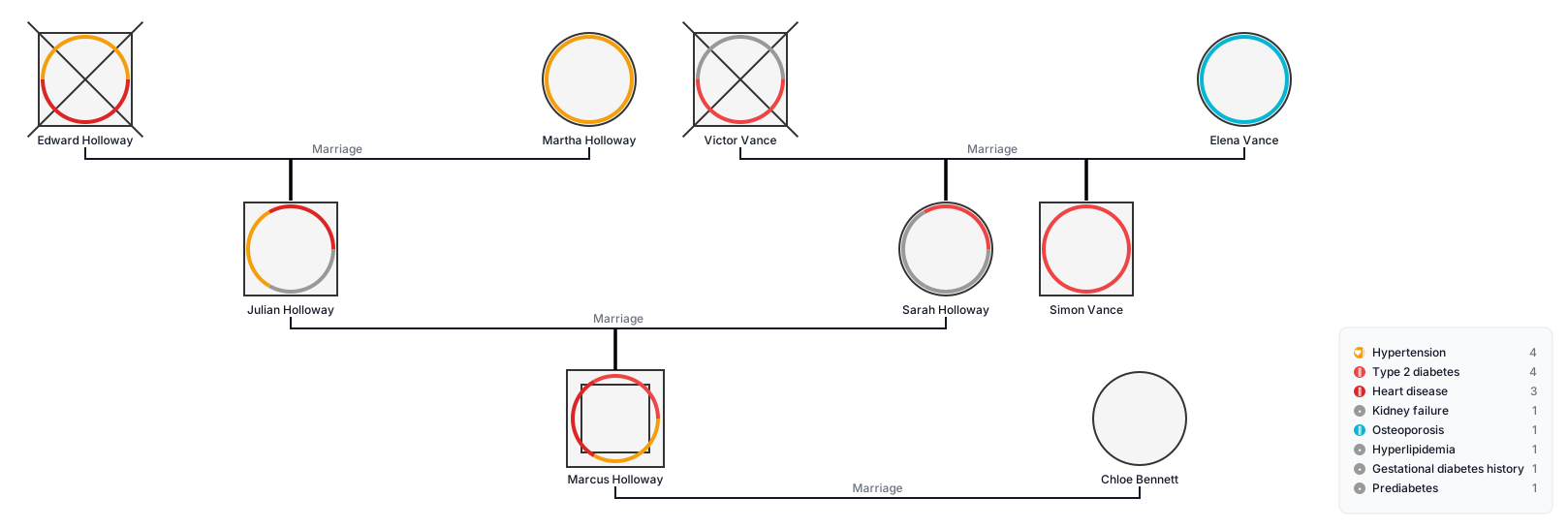
Your assignment focuses on hereditary conditions or family health history.
Common in
- Nursing
- Public Health
- Health Sciences
Include
- Three or more generations
- Medical conditions
- Mental health conditions where relevant
- Age at diagnosis
- Cause of death
- Lifestyle risk factors
- Pregnancy history when applicable
Why instructors assign it
This example helps identify possible hereditary risks and family health trends that may influence patient care or public health planning.
Creately Tip
Activate the Medical & Genetic field pack to record conditions, age at diagnosis, medications, allergies, genetic markers, and substance-use history. Switch to Health view to see conditions across generations, then run an Inherited Risk Review to identify possible hereditary clusters and follow-up questions.
5. Cultural Genogram
Use this example when
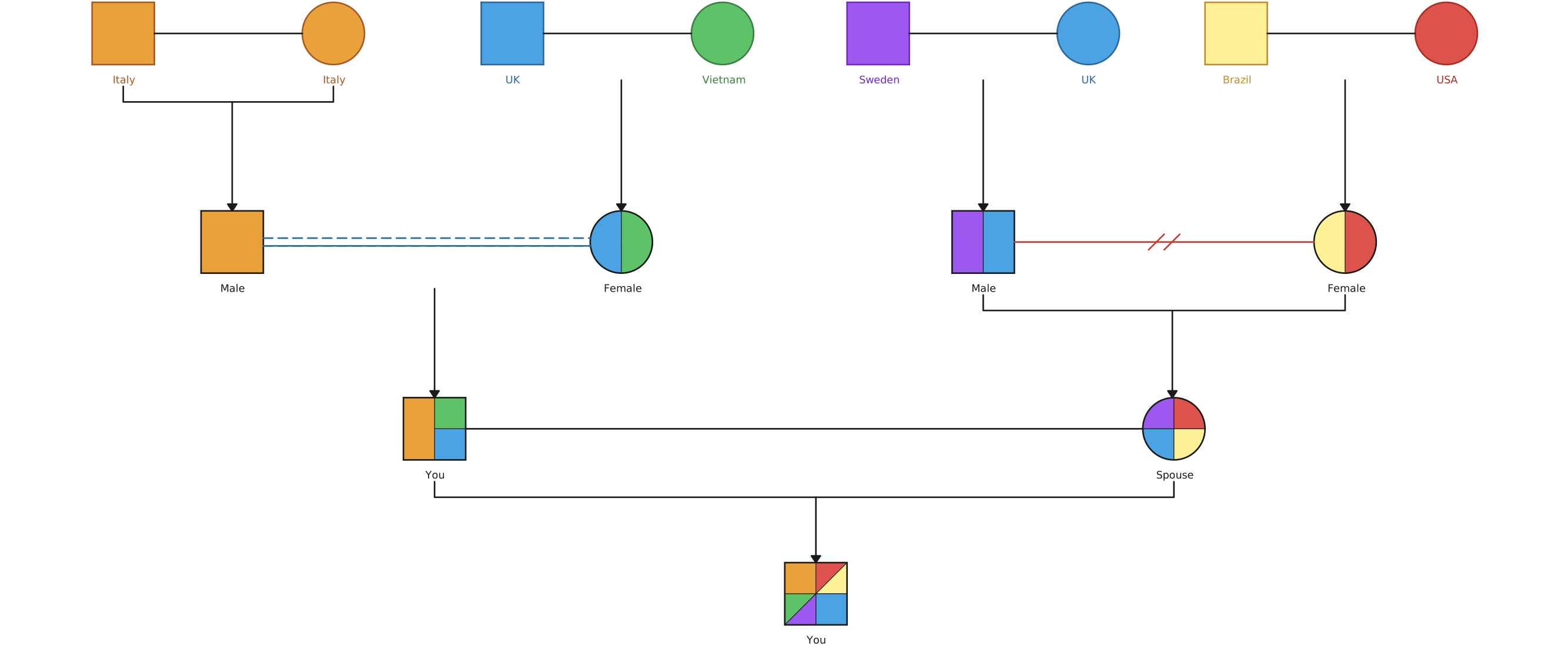
Your assignment explores how culture, identity, and family background shape people’s experiences.
Common in
- Counseling
- Psychology
- Social Work
Include
- Cultural background
- Ethnicity
- Religion
- Languages
- Migration history
- Family traditions
- Cultural beliefs
- Intercultural relationships
- Community connections
Why instructors assign it
Understanding cultural influences helps provide more respectful and culturally responsive care.
Creately Tip
Record cultural heritage, language, religion, migration history, and other relevant details in the person profiles. Switch to Culture view to see cultural patterns across the family while keeping the standard genogram structure unchanged. This can make migration, intercultural relationships, and changes between generations easier to discuss.
6. Trauma and Adversity Genogram
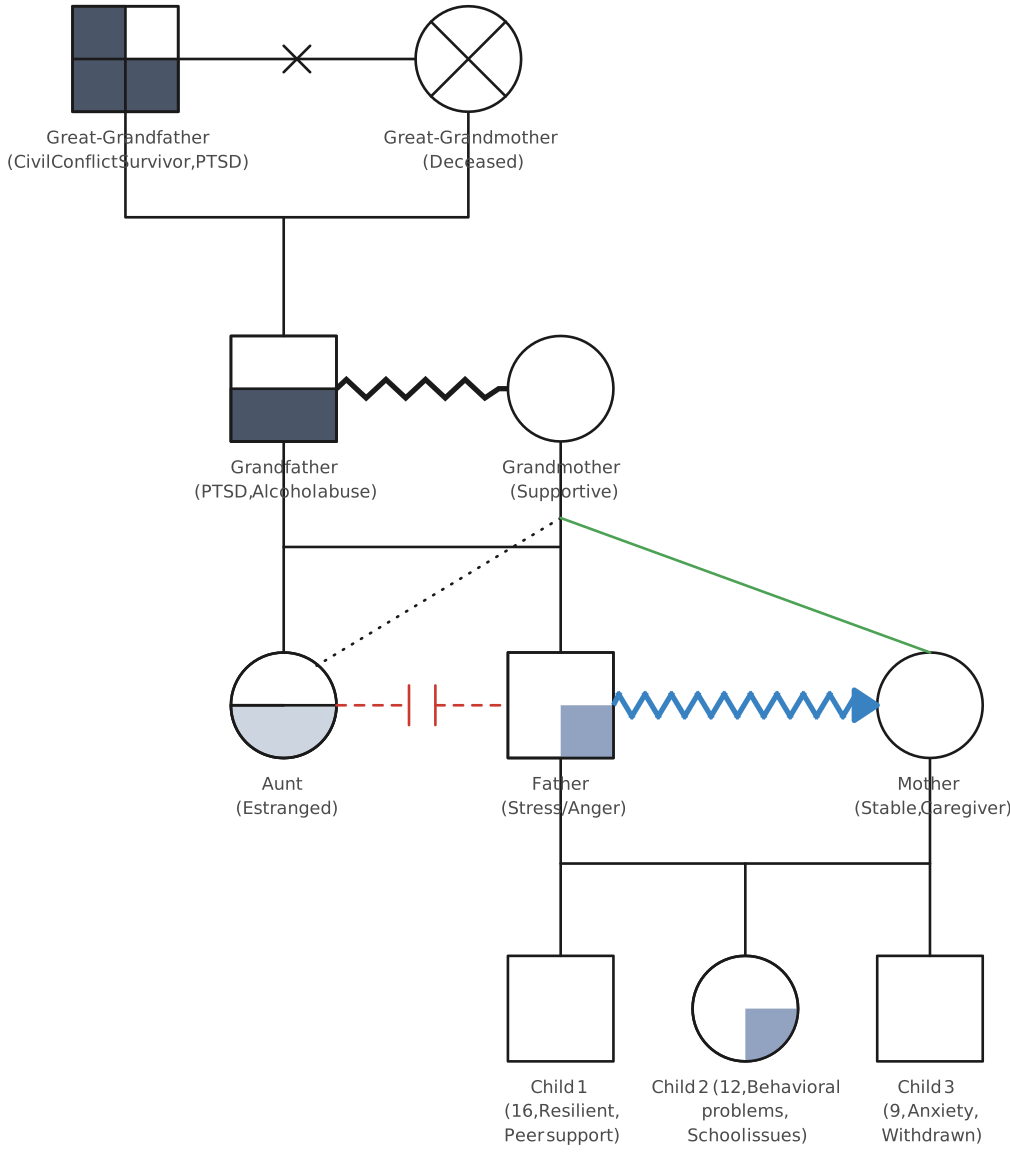
Use this example when
Your coursework focuses on trauma, adverse life experiences, or family crises.
Common in
- Psychology
- Counseling
- Social Work
Include
- Significant losses
- Abuse or violence where appropriate
- Family separation
- Serious illness
- Migration
- Addiction
- Emotional relationships
- Sources of support and resilience
Why instructors assign it
Students learn how difficult experiences can affect individuals and families across generations.
Creately Tip
Use the Family Therapy field pack to document trauma history, coping strategies, family roles, and attachment patterns. Add the appropriate relationship notation for conflict, cutoff, abuse, violence, or control rather than relying only on written labels. Use the Genogram Assistant to look for repeated emotional or behavioural patterns, but review every suggestion against the information you have collected.
7. Mental Health Genogram
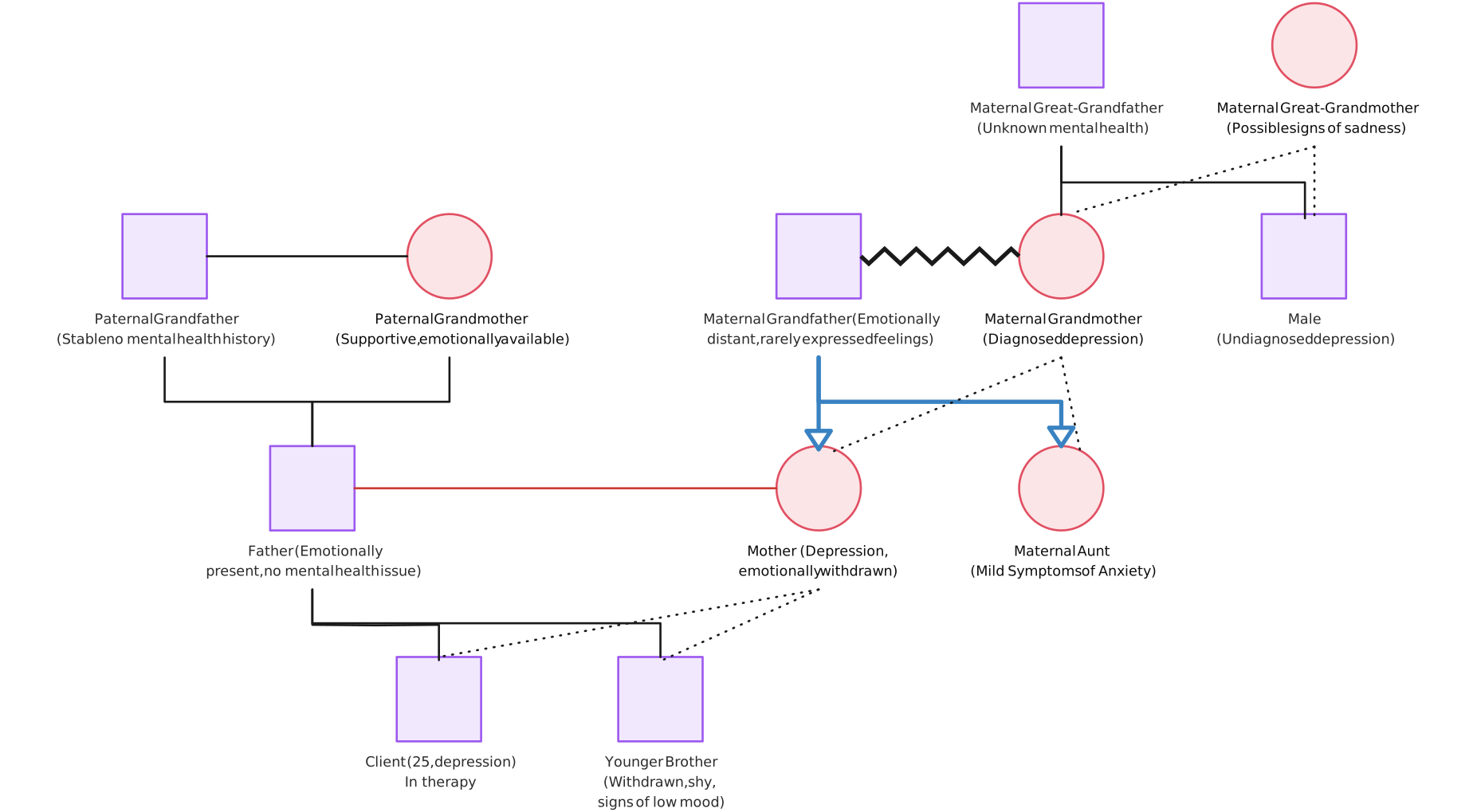
Use this example when
Your assignment focuses on mental health conditions or behavioural patterns within families.
Common in
- Psychology
- Counseling
- Psychiatric Nursing
Include
- Diagnosed mental health conditions
- Substance use where relevant
- Hospitalizations
- Recovery history
- Family relationships
- Support systems
- Significant life events
Why instructors assign it
This helps identify patterns that may contribute to understanding family history and mental wellbeing.
Creately Tip
Use structured person fields to record diagnoses, age of onset, treatment, hospitalization, medication, substance use, and recovery where relevant. Then ask the Genogram Assistant to review the diagram for recurring mental-health or behavioural patterns and to flag missing evidence. Keep confirmed information separate from suspected or unverified details.
8. Substance Use and Recovery Genogram

Use this example when
Your assignment examines substance use, recovery, or addiction within families.
Common in
- Counseling
- Social Work
- Psychology
Include
- Alcohol or drug use
- Recovery history
- Relapse where relevant
- Family support
- Family conflict
- Treatment history
- Significant life events
Why instructors assign it
Students learn how addiction may affect family relationships across generations while also identifying protective factors and recovery.
Creately Tip
Record substance-use history, treatment, recovery, relapse, coping strategies, and family support in the Medical & Genetic and Family Therapy fields. Use relationship lines to distinguish supportive, conflicted, distant, or cut-off relationships. The Assistant can then help surface repeated patterns and identify important follow-up questions without treating its observations as confirmed conclusions.
9. Blended Family Genogram
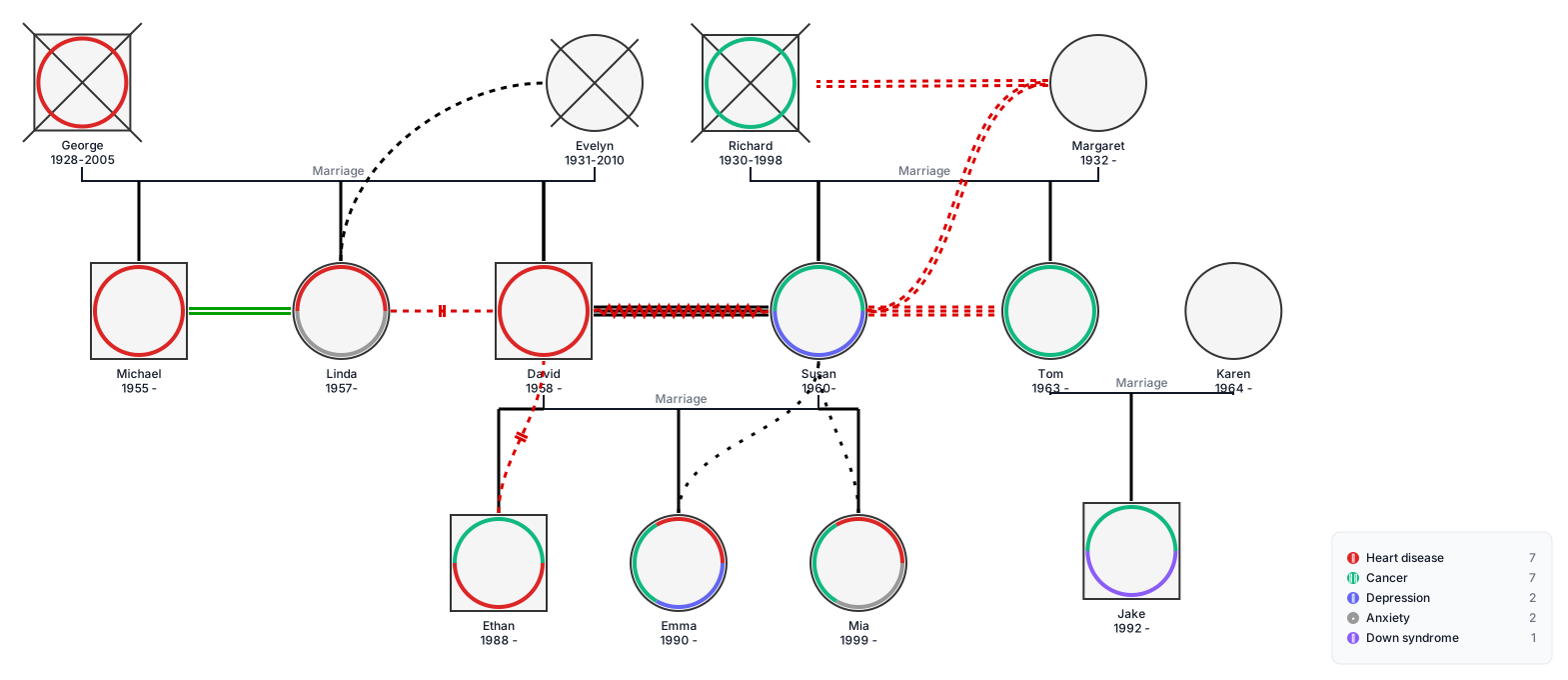
Use this example when
Your assignment involves stepfamilies, adoption, foster care, or other complex family structures.
Common in
- Social Work
- Marriage and Family Therapy
- Counseling
Include
- Biological parents
- Stepparents
- Adoptive parents
- Foster caregivers
- Half-siblings
- Stepsiblings
- Guardians
- Emotional relationships
- Household structure
Why instructors assign it
Many families do not fit traditional structures. This example helps represent complex caregiving relationships clearly.
Creately Tip
Use Creately’s distinct biological, adoptive, foster, and step relationship types instead of drawing every parent-child connection the same way. Add former partners, half-siblings, stepsiblings, guardians, and caregivers using the right-click menu, then run a relationship review to find missing parent, sibling, or household connections.
10. Family Strengths and Resilience Genogram
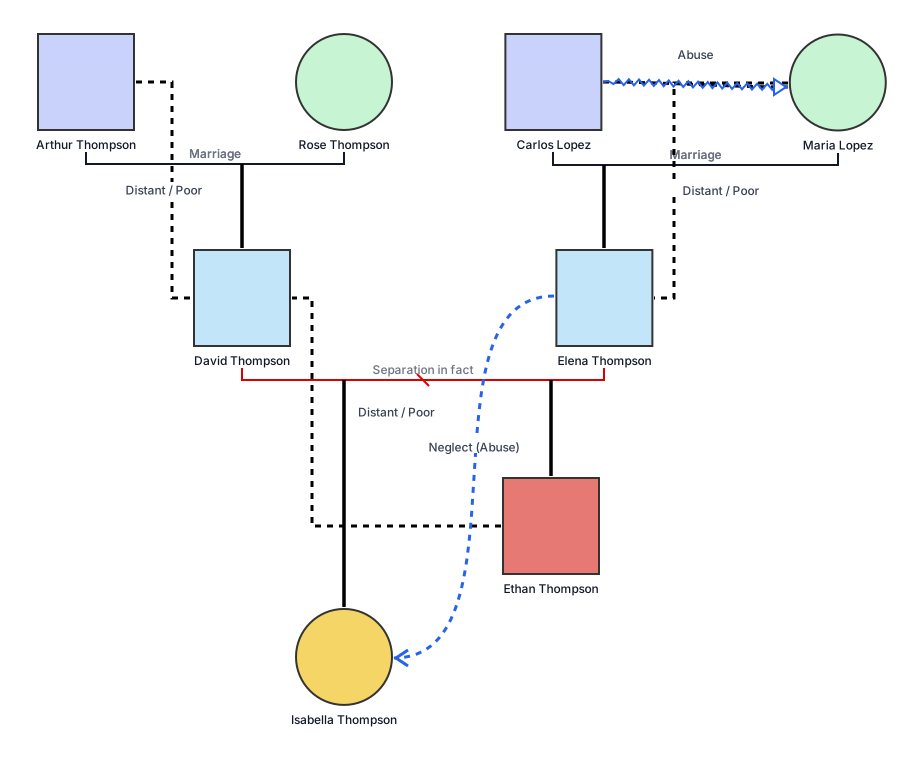
Use this example when
Your assignment focuses on protective factors instead of only problems.
Common in
- Counseling
- Psychology
- Social Work
- Public Health
Include
- Supportive relationships
- Positive family traditions
- Mentors
- Community support
- Religious or cultural support
- Healthy coping strategies
- Educational or career achievements
- Recovery from difficult experiences
Why instructors assign it
Graduate programs increasingly encourage strengths-based assessment rather than focusing only on challenges.
Creately Tip
Use the Family Therapy and Social Work fields to record coping strategies, supportive relationships, housing stability, employment, community resources, and other protective factors. Add close or supportive relationship types to make these strengths visible, then use the Genogram Assistant to draft a family summary that considers both risks and resources.
Tips for Completing a Graduate Genogram Assignment
- Read the assignment rubric before you begin.
- Include only the information relevant to your assignment.
- Follow standard genogram symbols throughout the diagram.
- Mark information as unknown if you cannot verify it.
- Use fictional or anonymized information when required.
- Keep your genogram organized and easy to read.
- Review your diagram before submitting to make sure relationships, dates, and symbols are consistent.