Process improvement is the disciplined practice of understanding how work happens, identifying a measurable problem, testing a change, and checking whether the result improved. The goal is not to change every process continuously; it is to focus effort where evidence shows avoidable delay, risk, rework, waste, or poor stakeholder outcomes.
This guide outlines a five-step improvement method and 11 practical process improvement ideas. Use the ideas selectively according to the process, risk, available evidence, and outcome you need to improve.
What is Process Improvement and Why is it Important?
Process improvement is the practice of analyzing a current workflow, identifying a specific performance gap, designing a future-state process, testing the proposed change, and monitoring the result. Improvements may target cycle time, quality, safety, compliance, cost, workload, customer experience, or another defined measure.
Process improvement can help teams:
- Reduce avoidable waiting, rework, duplication, and waste.
- Clarify ownership, decision points, controls, and handoffs.
- Improve consistency where standardization is appropriate.
- Test whether changes improve quality, safety, compliance, cost, or stakeholder experience.
- Preserve learning by documenting evidence, decisions, and updated ways of working.
Five Steps for Process Improvement
Teams can use methods and quality tools such as Lean Six Sigma, Kaizen, or Business Process Management (BPM). The terminology and depth vary, but the following five steps provide a practical improvement cycle:
Step 1 - Define Goals and Metrics
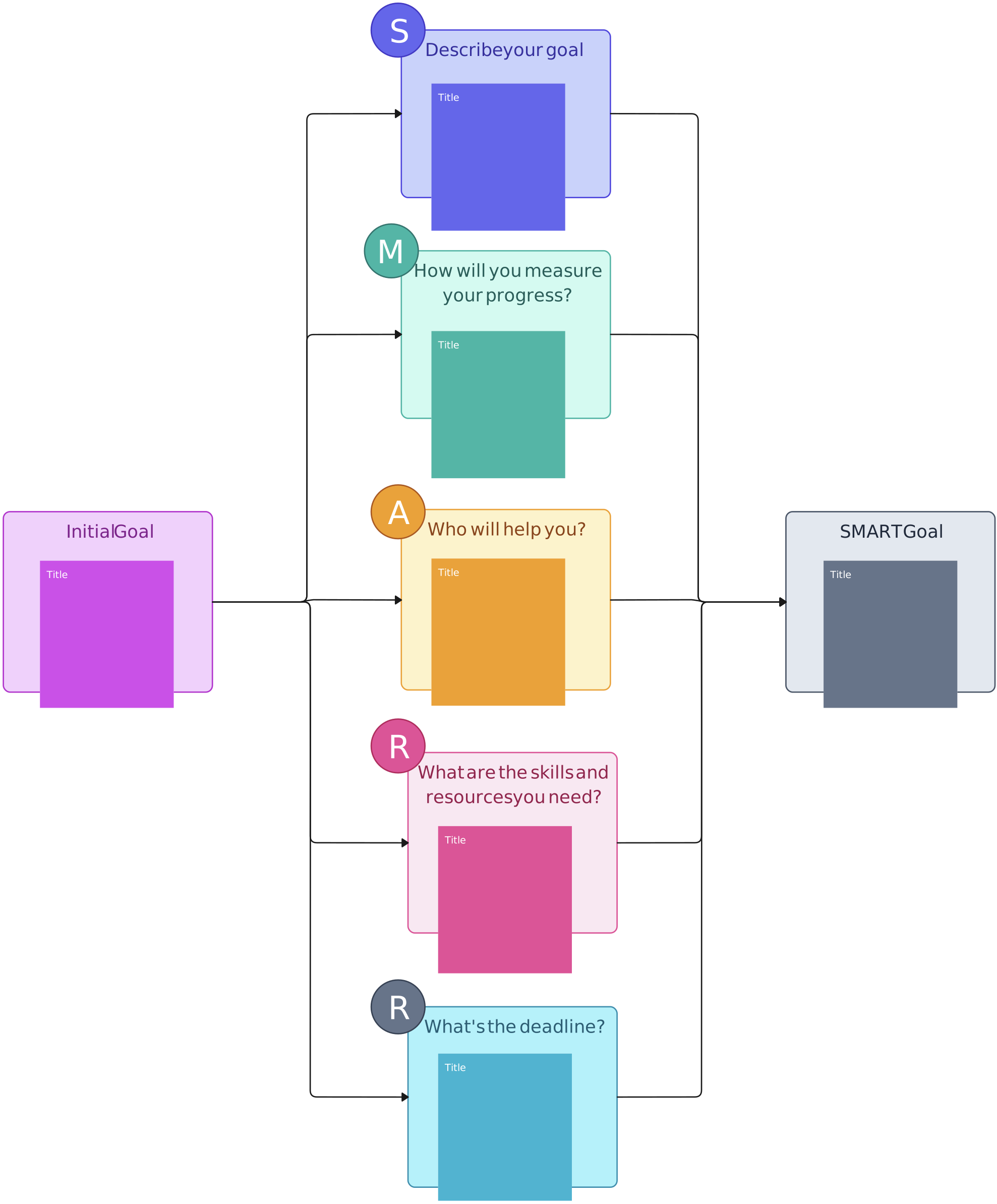
Define the problem before choosing a solution. Establish the process objective, baseline performance, target, scope, and accountable owner. Select a small set of measures that reflect the desired outcome, such as cycle time, first-pass yield, error rate, cost per transaction, customer wait time, or percentage of work completed within an agreed service level. SMART (Specific, Measurable, Achievable, Relevant, and Time-bound) goals make it easier to evaluate whether a change worked.
Learn how to use a goal-setting process.

Step 2 - Visualize Current Processes
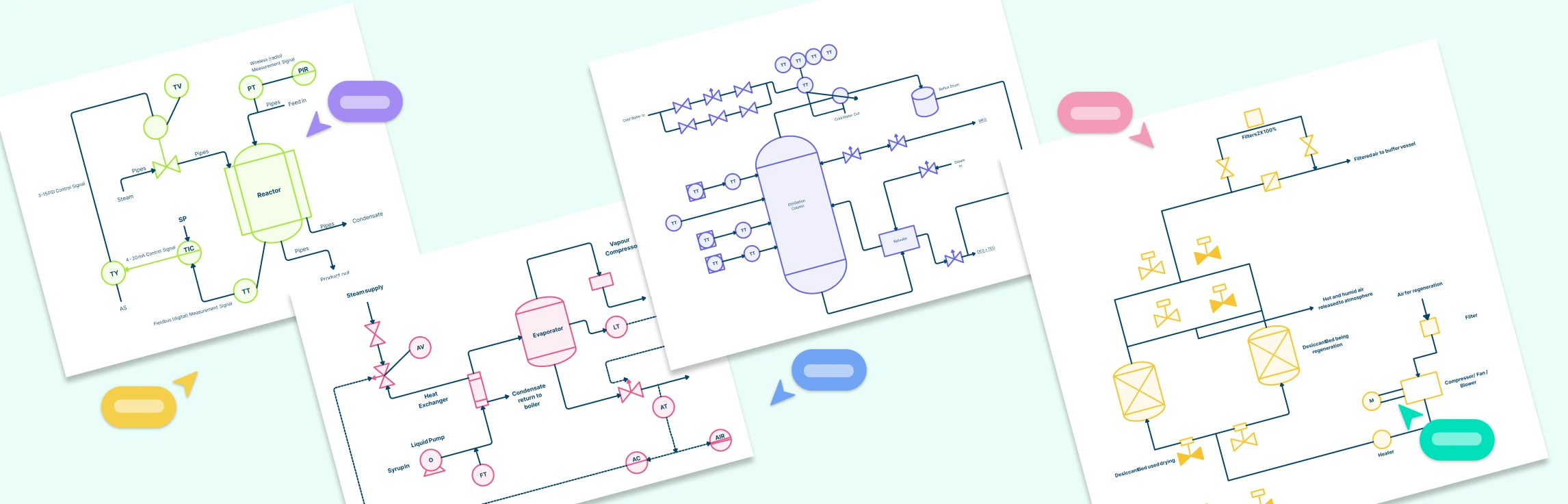
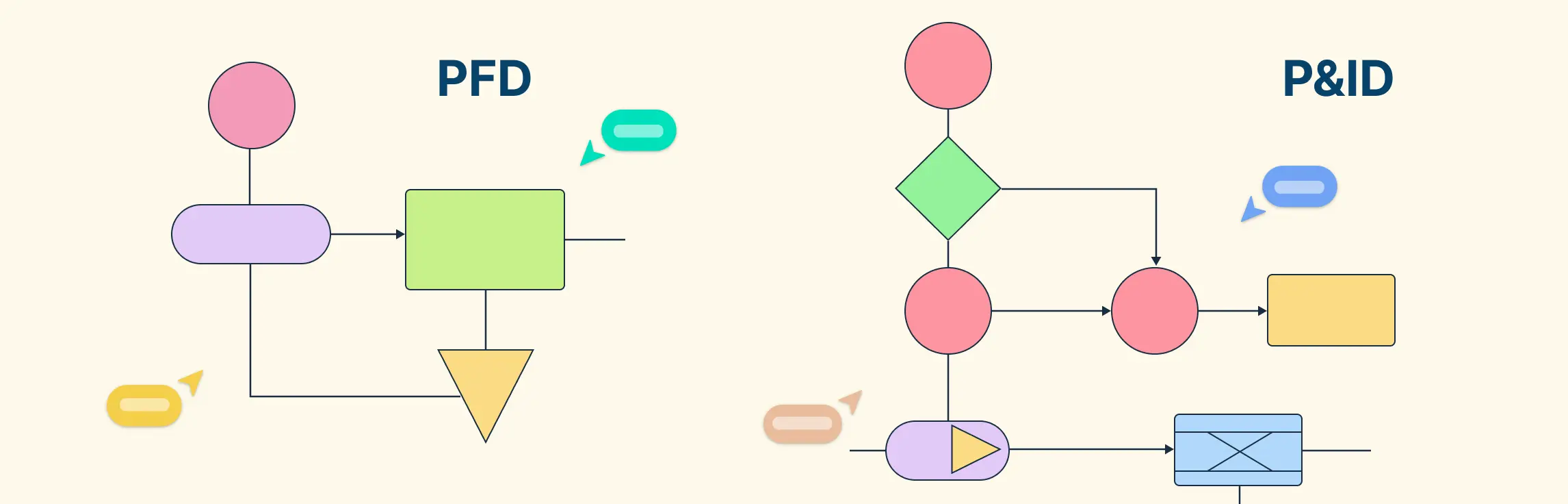
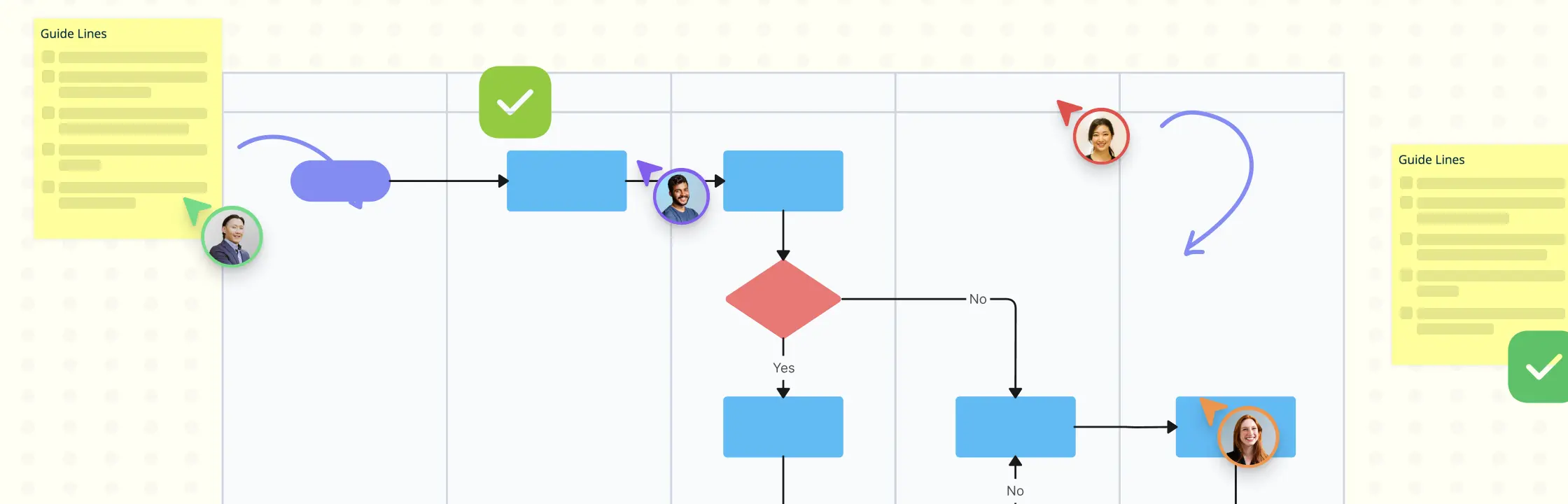
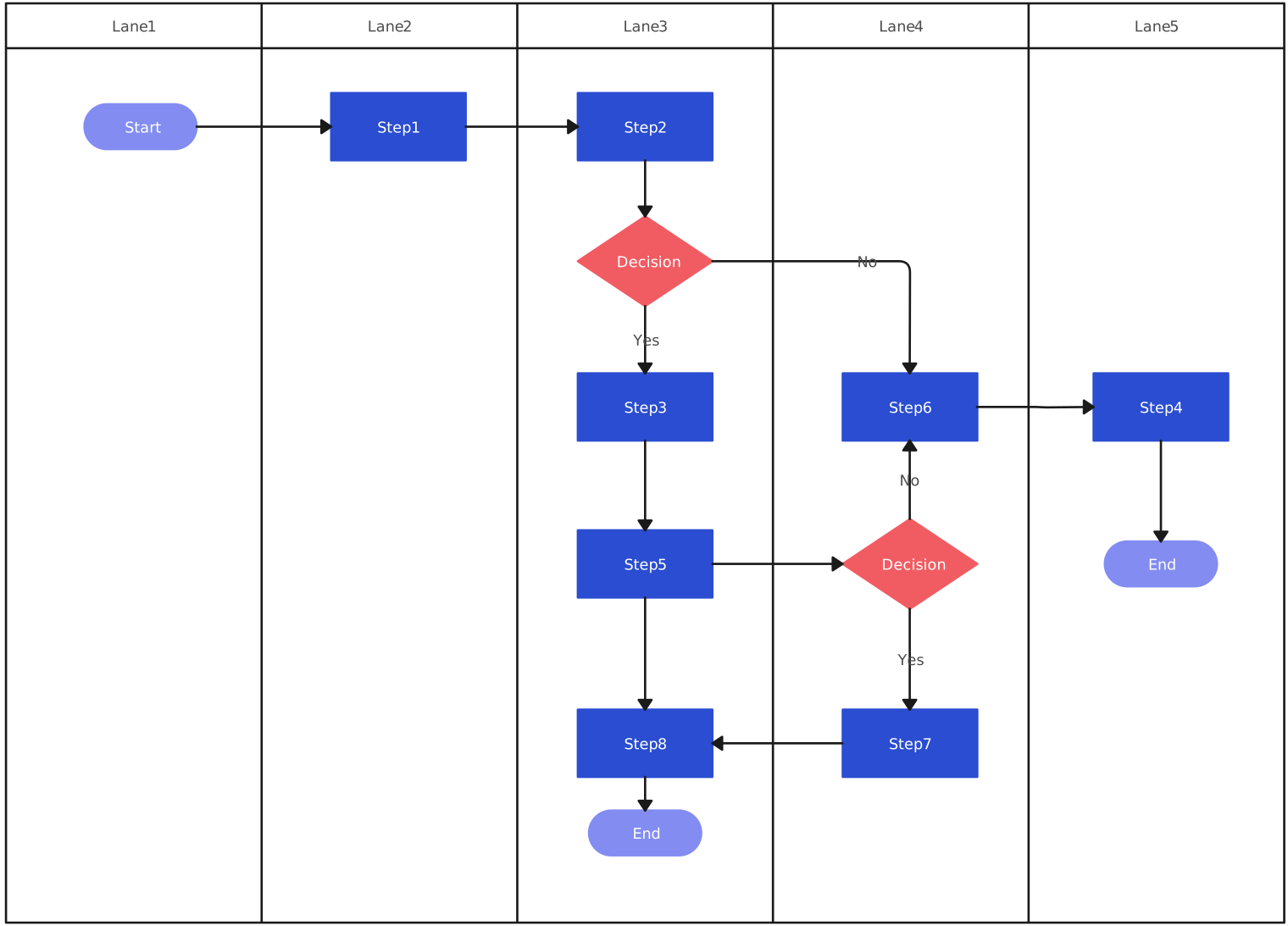
Map how the process currently works—not how policy says it should work. Use a flowchart, swimlane diagram, value stream map, or another suitable format to document the scope, start and end points, steps, decisions, owners, inputs, outputs, systems, handoffs, waiting, exceptions, and known constraints. Validate the map with the people who perform and receive the work.
Step 3 - Analyze Your Current Processes
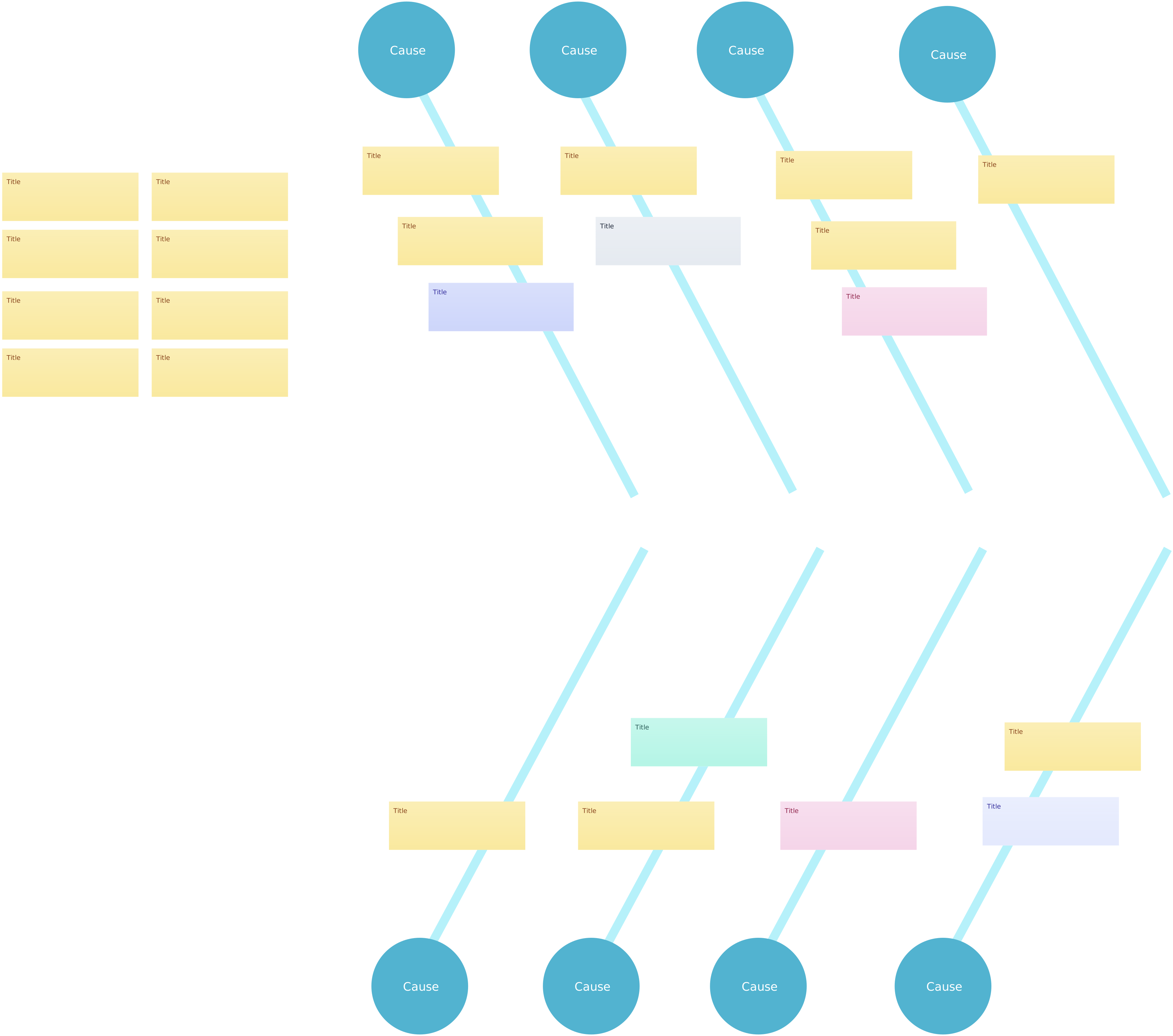
Compare the current-state map with relevant data, observations, and stakeholder feedback. Root cause analysis, Pareto analysis, fishbone diagrams, and the 5 Whys can help investigate why an issue occurs, but they do not prove causation on their own. Prioritize problems using impact, evidence, urgency, risk, and effort.

Step 4 - Design Future Processes
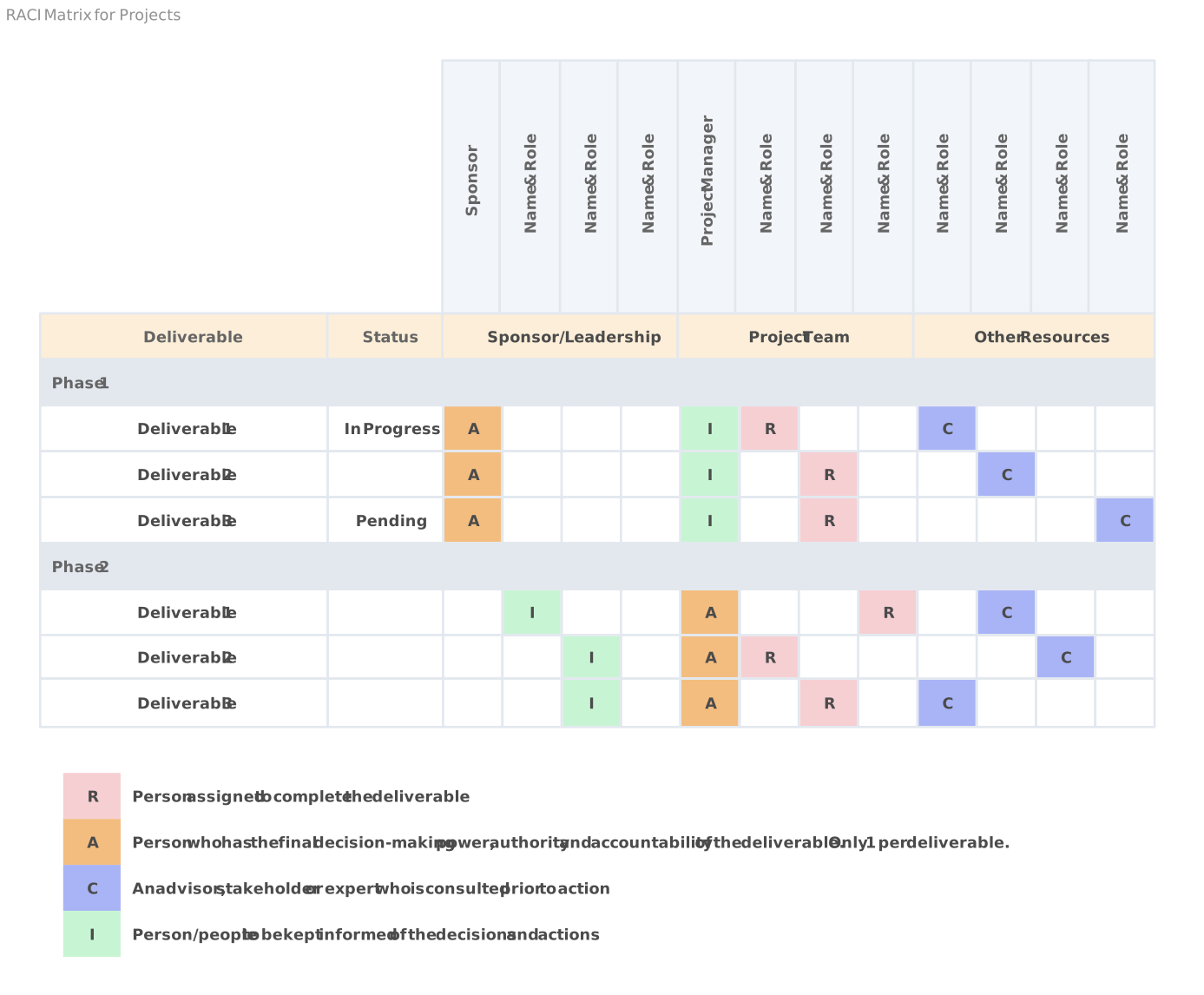
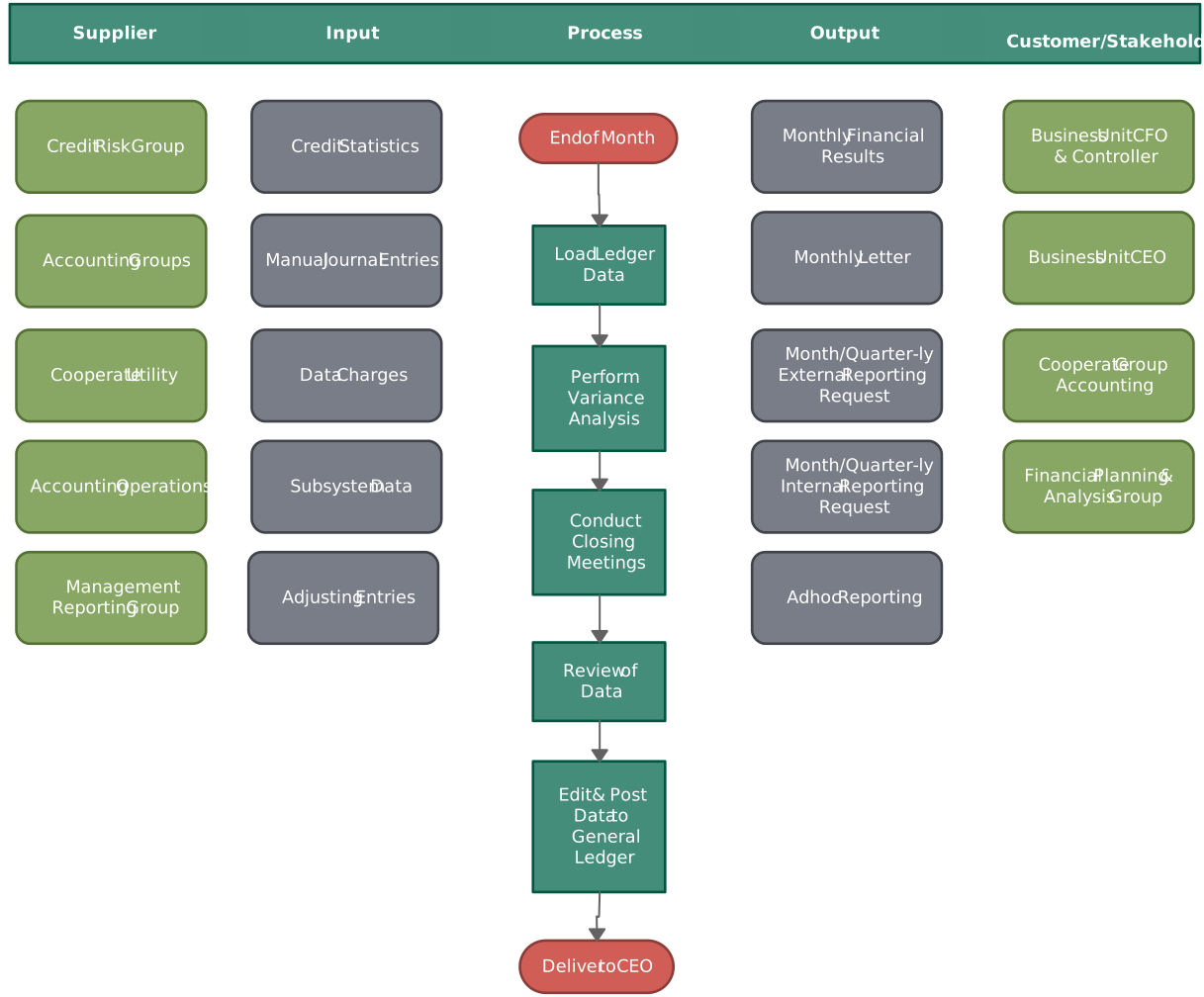
Design a future-state process that addresses the prioritized cause without weakening necessary controls or shifting the problem elsewhere. Use brainstorming, benchmarking, or relevant practices to generate options. SIPOC can clarify scope and interfaces, while a RACI matrix can clarify responsibility and accountability. Document assumptions and define how the change will be tested.
Step 5 - Implement and Monitor Your Future Process
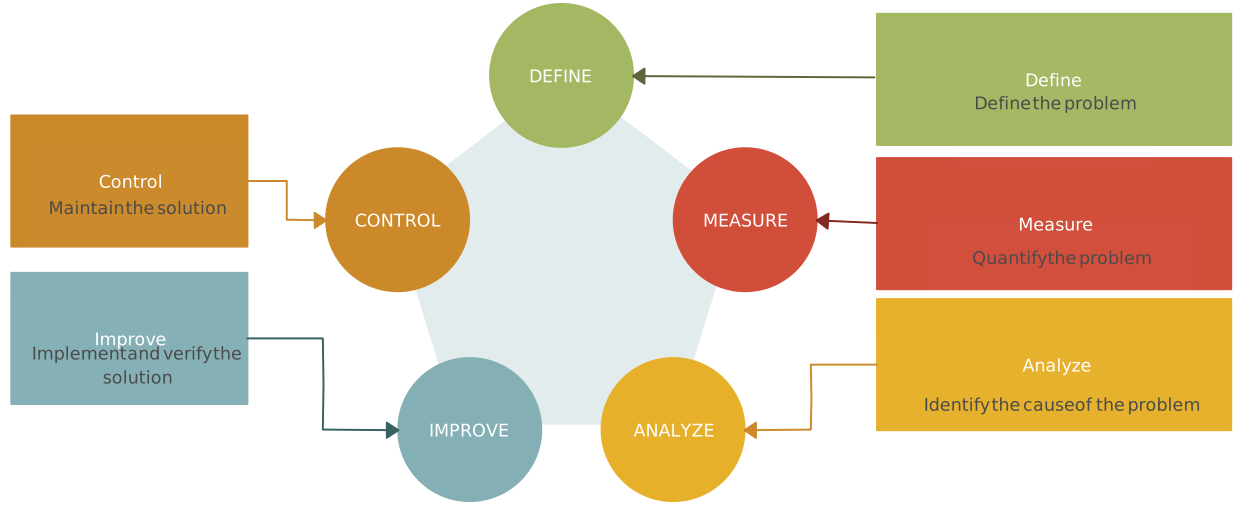
Pilot the future-state process where practical, communicate the change, prepare the people and systems involved, and monitor the agreed measures. A Gantt chart or Kanban board can help coordinate implementation work, while PDCA (Plan-Do-Check-Act) or DMAIC (Define-Measure-Analyze-Improve-Control) can structure testing and review. Adopt, revise, or reverse the change based on evidence and risk.

Process Improvement Ideas for Your Business
1. Monitor Team Performance
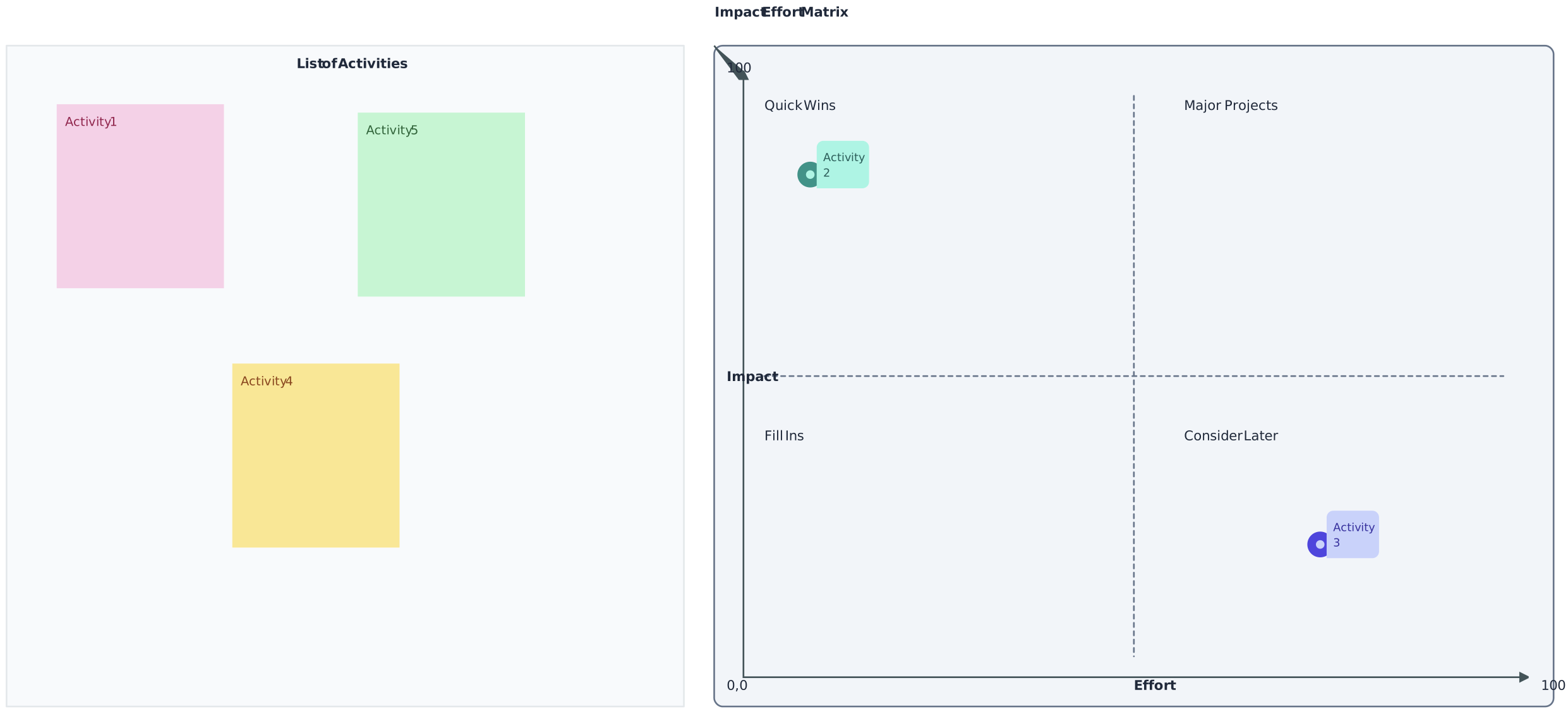
Measure the process before attributing a problem to an individual. Useful signals may include cycle time, waiting time, queue size, rework, error rate, workload distribution, and missed handoffs. Interpret the data with the people doing the work and follow applicable privacy and workplace policies. Use an impact-effort matrix to compare improvement opportunities before prioritizing them.
2. Maintain Consistency with Project Management Tools
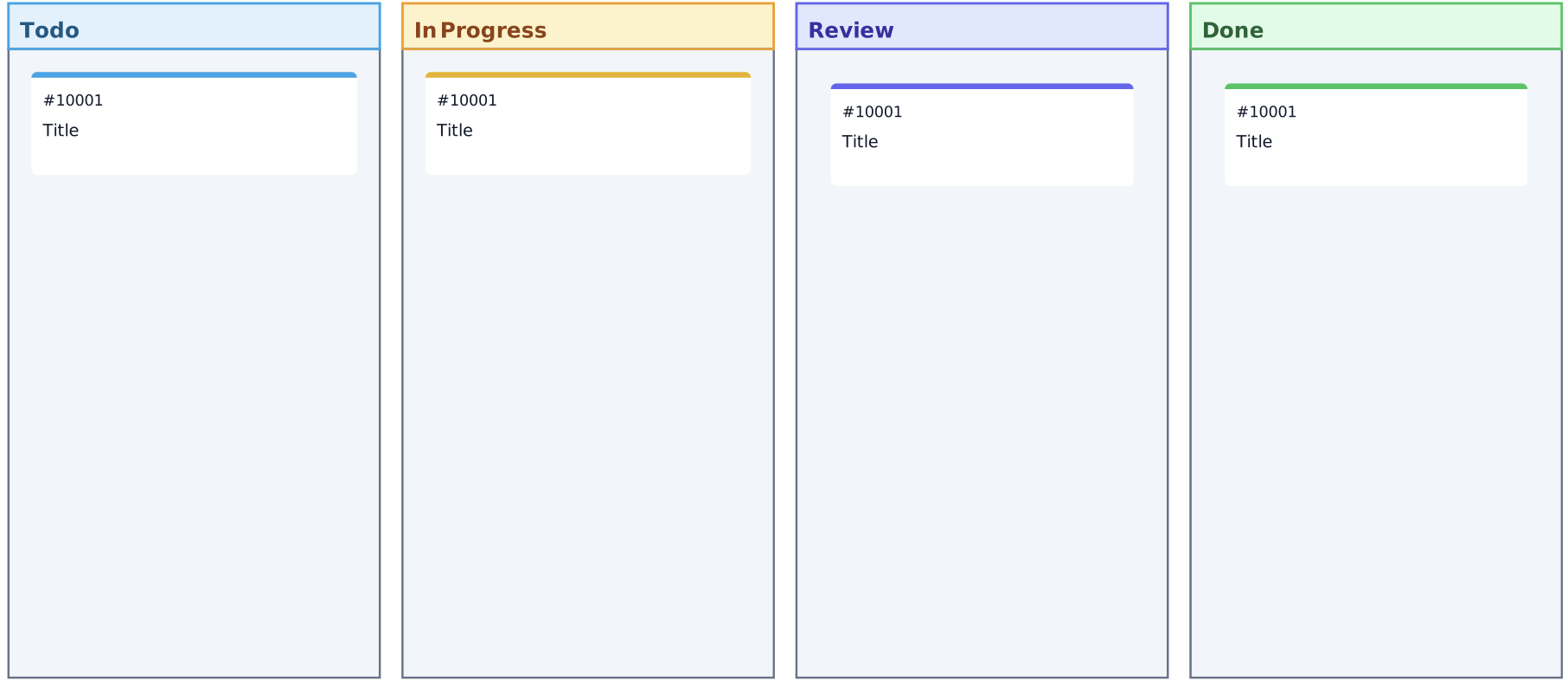
Standardize repeatable work when consistency reduces error or risk, but preserve flexibility for legitimate exceptions. Define stage-entry and exit criteria, required information, ownership, and escalation paths. Work-management approaches such as the Kanban method can make work in progress and blocked items visible.
3. Improve Communication and Handoffs
Document what information must move between roles or teams, who is responsible for providing it, where it is recorded, and how the recipient confirms it is complete. Use contextual comments for clarification, but record approved process changes in the maintained process documentation. Clear handoff criteria reduce reliance on informal knowledge and repeated status meetings.
4. Reduce Waste and Unnecessary Costs
Look for unnecessary waiting, duplicate entry, excess approvals, repeated reporting, avoidable movement, rework, overproduction, and skills that are not used effectively. Removing a step does not automatically reduce cost, so measure the change and confirm that it does not weaken quality, safety, compliance, or customer outcomes.
5. Improve Quality
Define quality in measurable terms that reflect customer, stakeholder, regulatory, or operational requirements. Analyze defects and variation, test corrective actions, and monitor whether the change improves the selected quality measure without introducing new risks.
Read more on tools of quality for process improvement.6. Track Time
Measure cycle time, processing time, and waiting time at an appropriate level to understand where the process slows down. Time data alone does not explain motivation, performance, or the cause of a delay. Combine it with workload, queue, quality, and handoff information, and collect it transparently under applicable privacy and workplace policies.
7. Automate Processes with Software
Automate stable, well-understood, repetitive work where the expected benefit justifies the cost and risk. Define exception handling, access controls, monitoring, data quality, and human review before implementation. Automating a flawed process can reproduce errors faster, so simplify and test the workflow first.
8. Increase Safety
Treat safety requirements as design constraints, not optional efficiency trade-offs. Involve the people exposed to the work, assess hazards, follow applicable standards and regulations, and test whether a proposed change creates new risks. Use qualified safety professionals for decisions that require specialist expertise.
9. Problem Solving
Use structured problem-solving techniques to define the issue, investigate likely causes, generate options, test a change, and review the evidence. Avoid selecting a solution before validating the problem and its cause.
10. Customer Service
Customer-service interactions can reveal recurring friction in products, services, policies, and internal workflows. Use feedback carefully and distinguish isolated requests from patterns supported by broader evidence:
- Collecting feedback from customers and identifying their needs, expectations, and pain points.
- Analyzing the feedback and finding areas of improvement, innovation, or optimization in the products, services, or operations of the business.
- Testing prioritized changes and measuring the effect on the relevant service and process outcomes.
- Communicating with customers and informing them about the changes, benefits, and value propositions of the business.
Combine customer feedback with operational data, research, and frontline insight. Close the loop by explaining relevant changes, without promising that every request will be implemented.
11. Review Regularly and Optimize
Assign a process owner and define a review cadence based on risk, change frequency, and performance. Compare the current map and measures with the agreed objective, collect feedback, and record why a change was accepted, revised, or rejected. Regular review keeps documentation current, but benefits should be verified through the selected measures rather than assumed.
How to Use Creately to Improve Your Processes
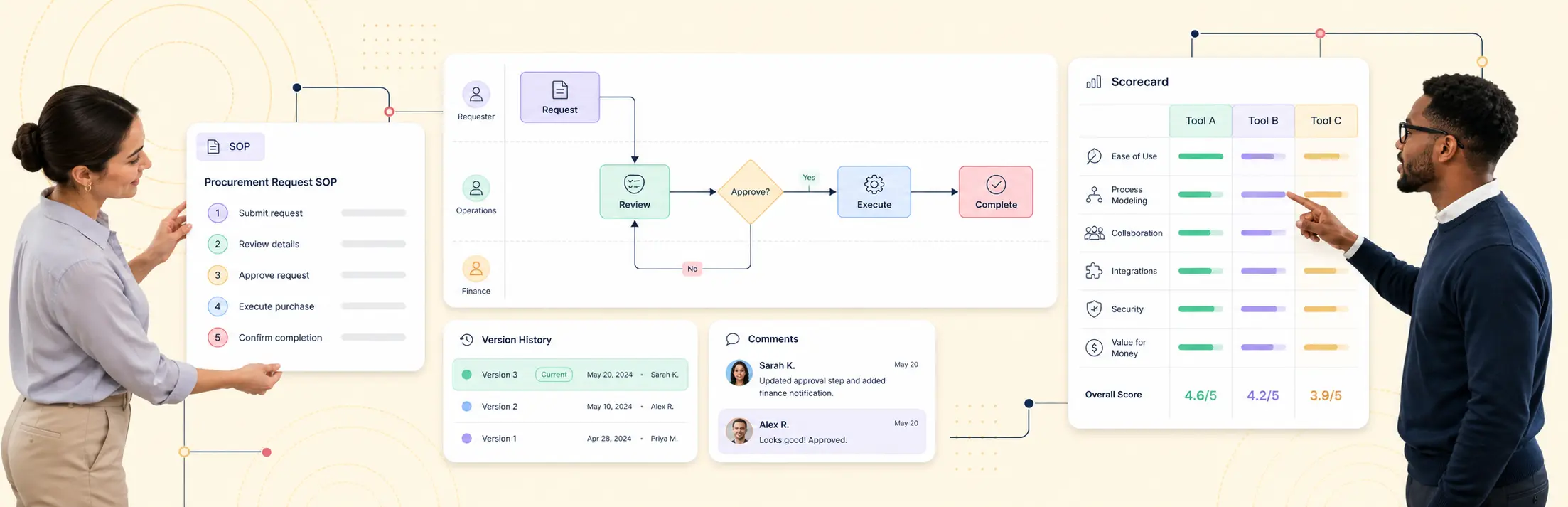
Creately’s process mapping software helps teams document current and future-state workflows with flowcharts, swimlanes, value stream maps, and BPMN where appropriate. Teams can:
- Add structured details such as owners, status, duration, systems, and tags to relevant process steps.
- Connect instructions and related subprocess diagrams so operational context remains with the map.
- Edit together in real time and use live cursors, threaded comments, and @mentions for contextual feedback.
- Generate a starting flowchart from a plain-language prompt with AI, then validate and refine it with the people who know the process.
- Export diagrams in supported formats such as PDF, PNG, JPEG, and SVG, with availability depending on the selected plan.
The maintained map can serve as living process documentation when an accountable owner incorporates agreed changes and keeps it current. Use the appropriate systems of record for formal approvals, task execution, regulated evidence, and authoritative operational data.
Conclusion
Effective process improvement begins with a defined problem, a validated current-state map, relevant evidence, and a measurable objective. Select the ideas that address the actual cause, test the future-state process, and monitor for intended results and unintended effects.
Keep ownership, handoffs, supporting context, review decisions, and the current workflow visible. This turns the process map into a maintained operational reference and helps the next improvement cycle begin with evidence rather than assumptions.