A cloud architecture review should answer three questions with evidence from the live environment: What differs from the intended design? What can an external or unintended principal reach? Where is the architecture spending money without creating enough value? The output is not a polished diagram. It is a prioritized set of findings, owners, and next actions tied to the AWS resources that are actually running.
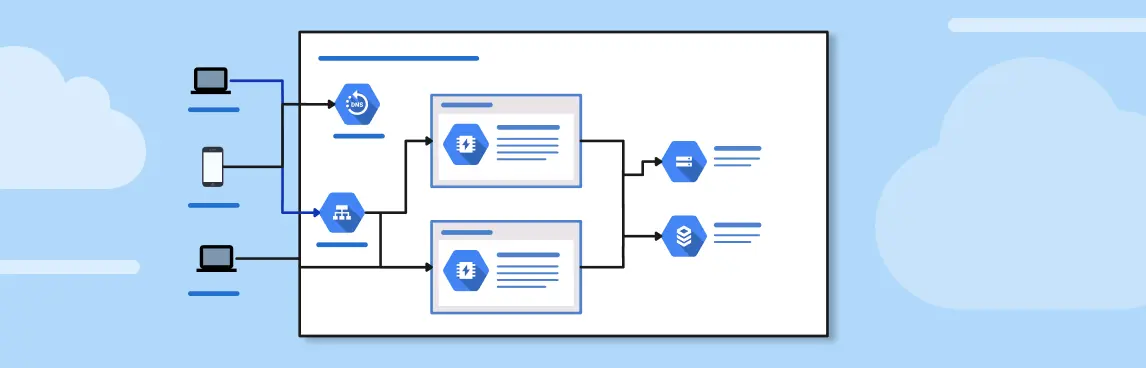
The Direct Answer Documenting AWS architecture from live infrastructure means querying authorized AWS APIs, collecting a resource inventory, resolving relationships, and turning that evidence into a diagram engineers can review. The diagram should be treated as an observed view, not an infallible source of truth. A dependable workflow records scan scope, permissions, unsupported services, and capture time; keeps human annotations separate from discovered facts; and repeats discovery to expose drift.
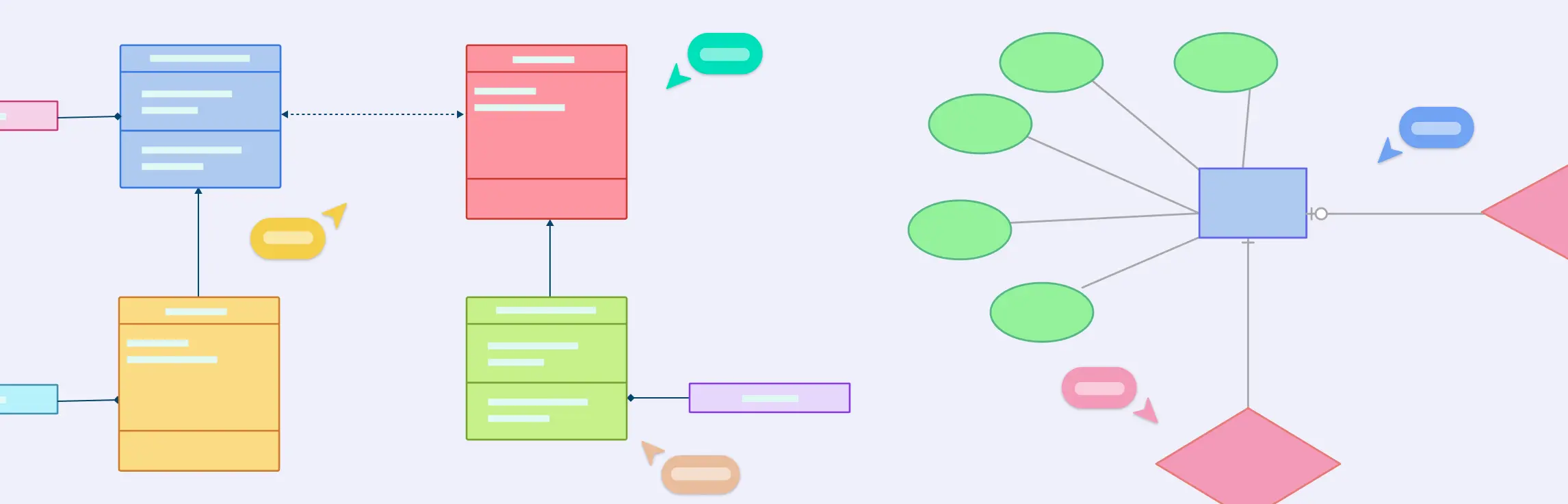
If you’ve ever confused an ERD with a class diagram, you’re not alone. ERDs show how data is structured in a database, while class diagrams show how that data behaves in software. Use ERDs for database design and class diagrams for object-oriented planning. This guide breaks down their differences, notations, mapping patterns, conversion steps, real-world examples, a migration checklist, and templates to build your own models quickly.
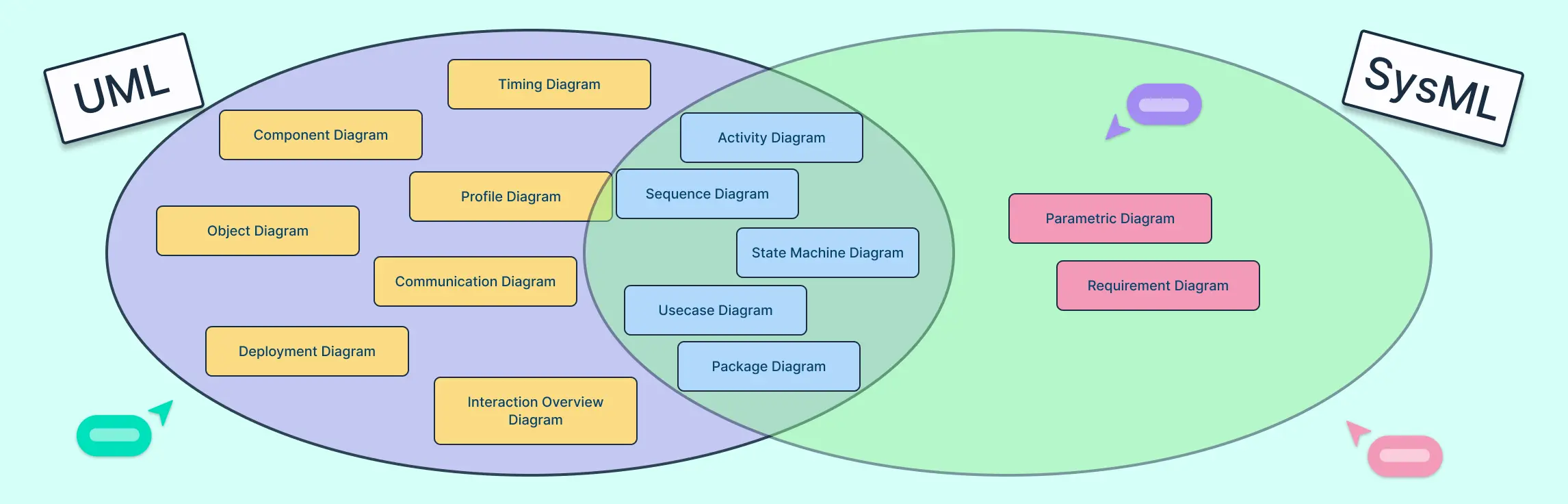
Modeling complex systems or software is easier when you use the right language, which is why UML and SysML are so useful. This guide looks at why each is used—UML for software design, SysML for systems engineering—and compares their diagram types, use cases, and real-world applications to help you choose the best approach for your project.